
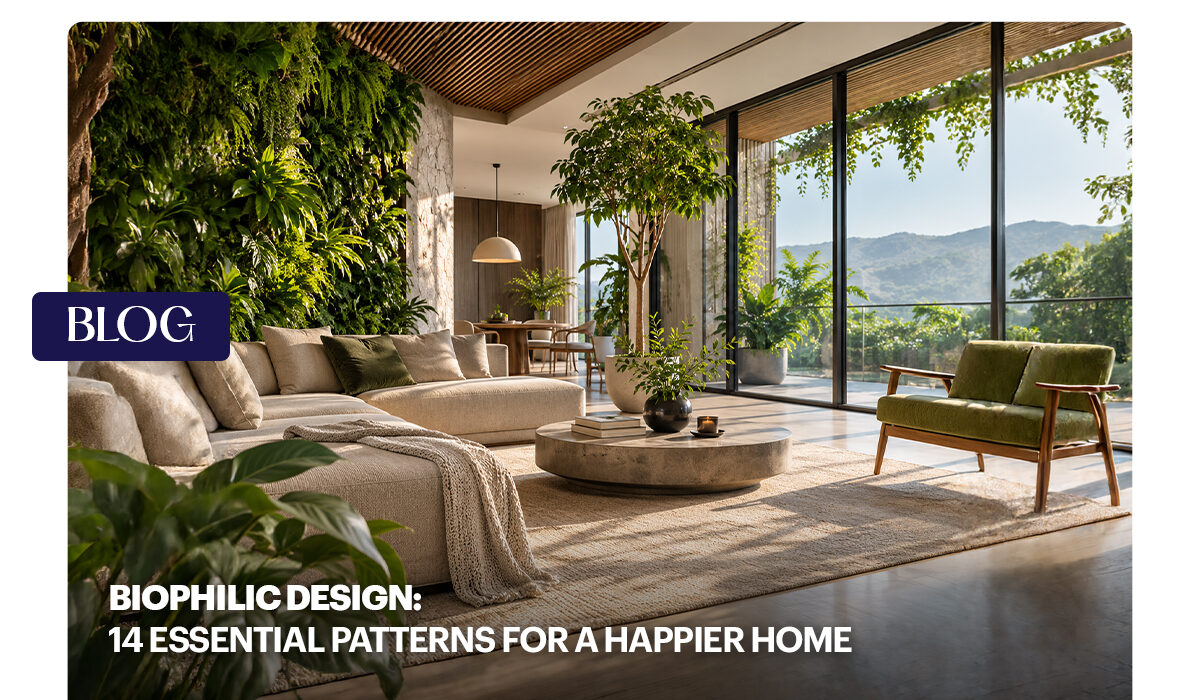

What Is Biophilic Design?
It is an approach to architecture and interior design that brings nature into the built environment. It uses daylight, living plants, water, natural materials and views to support health, well-being and productivity. The goal is simple: help people feel better in the places where they live, work and heal.
Biophilic Design Meaning
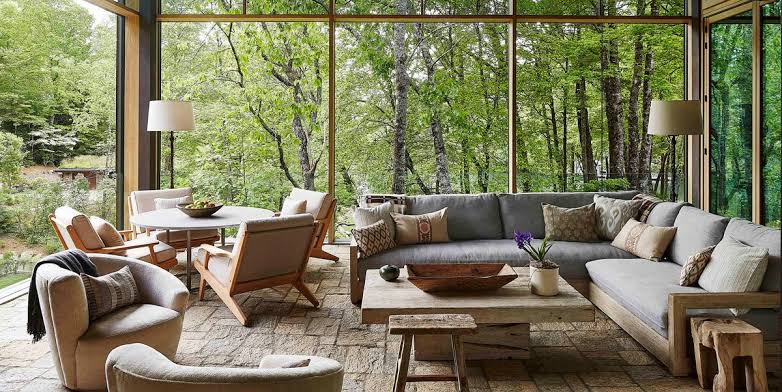
It comes from one word: biophilia. Biophilia means a love of life and living things. Biophilic is said as by-oh-FIL-ik.
The biophilic design concept is not about decoration. A few pots on a shelf do not make a space biophilic. A true biophilic design definition covers light, air, shape, material and view working together.
It also sits alongside green building. Green building reduces a structure’s environmental impact. This design focuses on how people feel and function inside it.
Where Did Biophilic Design Come From?
The word biophilia was first used by the psychoanalyst Erich Fromm. In 1984, the biologist E.O. Wilson popularised the idea in his book Biophilia. He argued that humans have an inborn tendency to focus on life and living systems.
In 1993, Wilson and Stephen Kellert published The Biophilia Hypothesis. In 2008, Kellert, Judith Heerwagen and Martin Mador published Biophilic Design: The Theory, Science and Practice of Bringing Buildings to Life. That book helped define the field.
People often ask who the father of biophilic design is. Wilson is often called the father of biophilia. Kellert is widely seen as a pioneer of this design.
Biophilic Design at Citadel One3 by Chakor

This design brings a natural setting to the heart of a capital city. Citadel One3 by Chakor, Pakistan’s leading real estate developer, rises on Main Jinnah Avenue in Blue Area, Islamabad. It is a CDA-approved, 45-storey tower and Islamabad’s tallest residential tower.
The address offers direct sightlines to Faisal Mosque and F-9 Park. In biophilic terms, a long, open view is called a prospect. It helps people feel calm and in control of their surroundings. A cantilevered pool adds water to tower living. Views and water are two of the ideas that the design values most, and Citadel One3 offers both.
The residences include one-, two-, and three-bedroom apartments and penthouses. A dedicated retail and restaurant floor completes the mix. Each home is shaped around comfort, calm and understated modern luxury.
Principles of Biophilic Design
This design’s principles are explained in three main ways. Writers sometimes call them the three pillars. They describe the same idea from different angles.
The Three Experiences
Kellert grouped this design into three kinds of experience:
- Direct experience of nature: real light, air, water, plants, animals and weather.
- Indirect experience of nature: images, natural materials, colours, shapes and textures that remind us of nature.
- Experience of space and place: open views, sheltered corners and a sense of belonging to a site.
The Three Categories

Terrapin Bright Green uses three categories. They are Nature in the Space, Natural Analogues and Nature of the Space. The first is real nature. The second is nature suggested by form and material. The third is the way a space is laid out.
The Six Elements of Biophilic Design
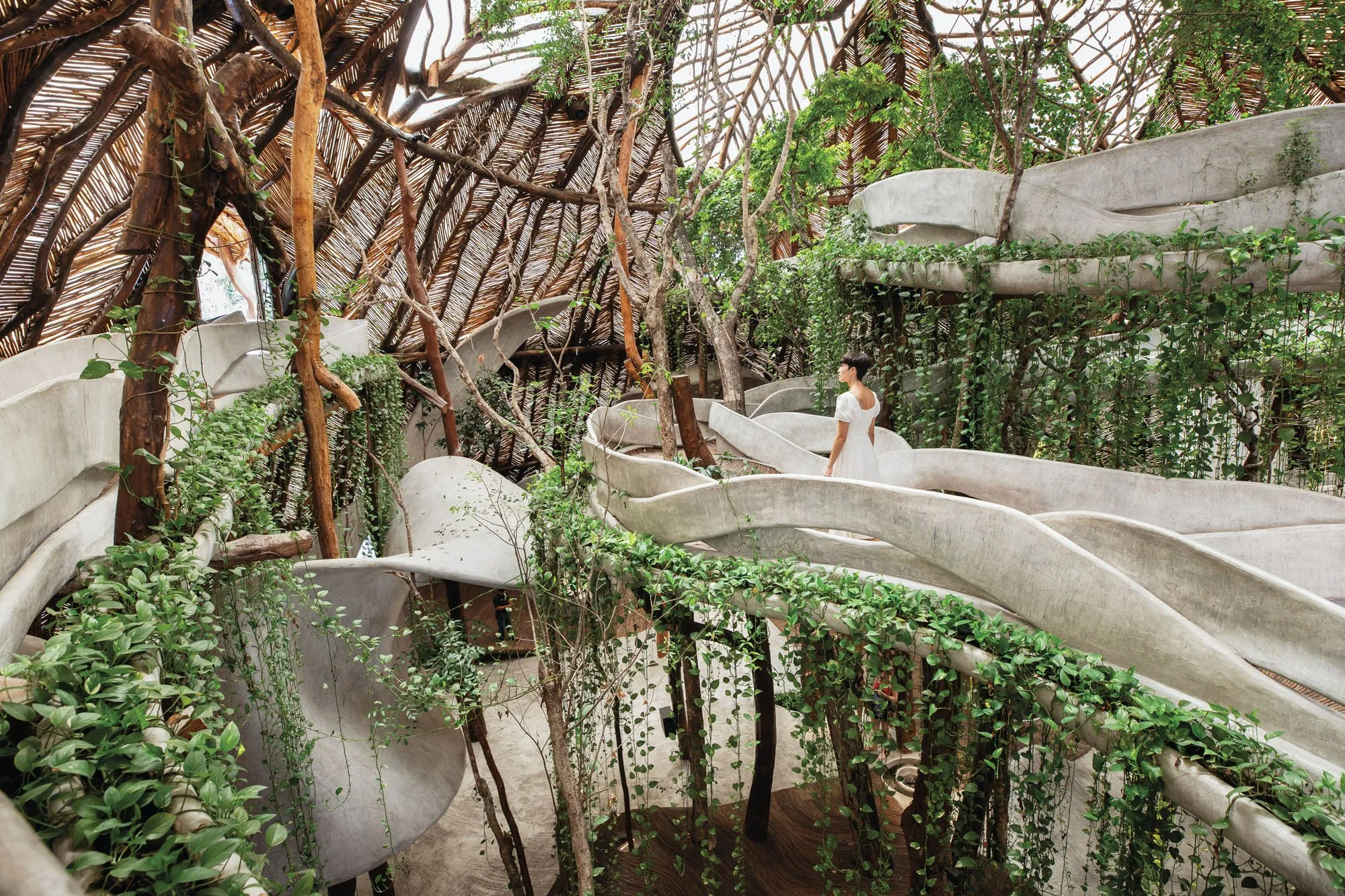
The elements of this type of design are often listed as six:
- Environmental features
- Natural shapes and forms
- Natural patterns and processes
- Light and space
- Place-based relationships
- Evolved human-nature relationships
Most guides refer to these six biophilic design principles. They fit inside the three experiences above. The models differ in wording, not in purpose.
14 Patterns of Biophilic Design
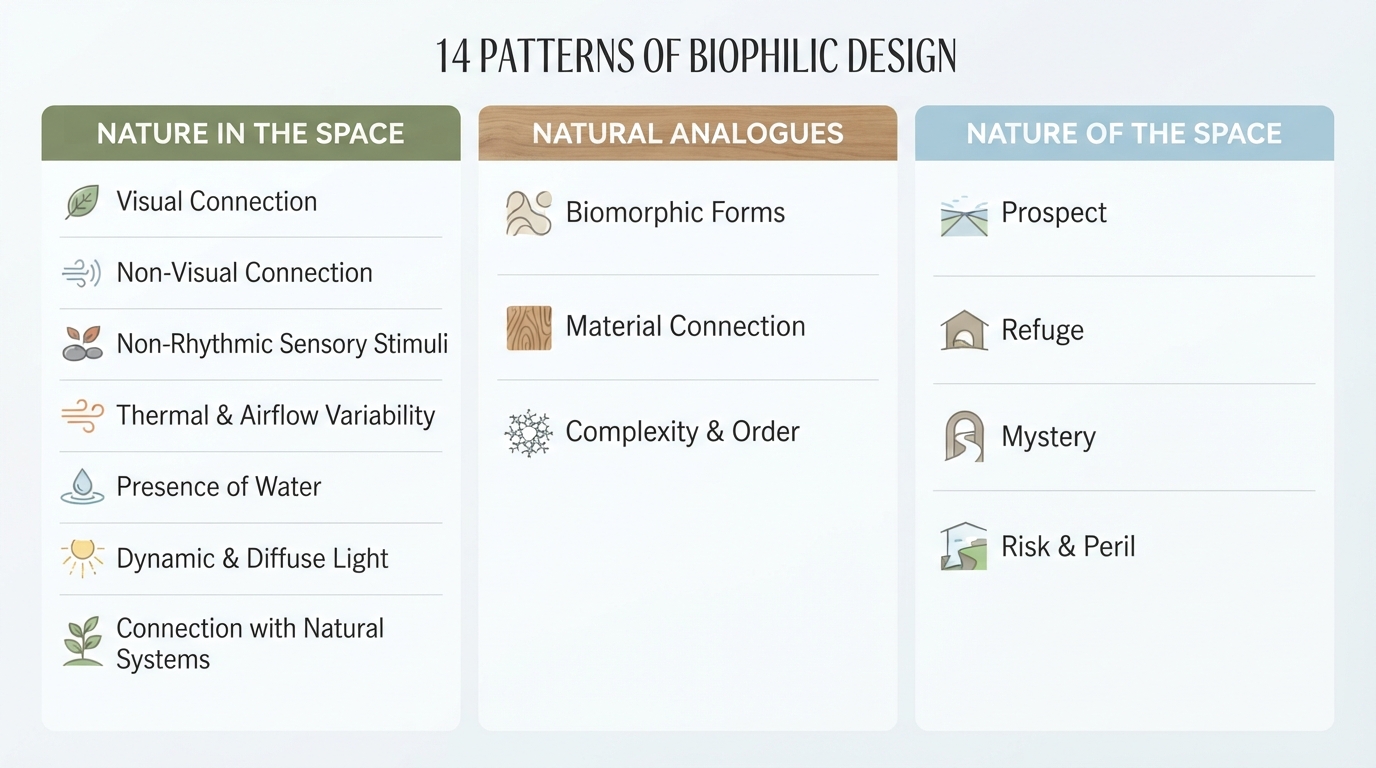
The 14 patterns of biophilic design are the most practical framework in use. Terrapin Bright Green published them in 2014. The authors drew on more than 500 publications. In 2020, the firm added a fifteenth pattern called Awe. A 10th Anniversary Edition of the report followed in 2024. These biophilic design patterns give designers a shared language.
| Category | Patterns |
|---|---|
| Nature in the Space | Visual connection with nature; non-visual connection with nature; non-rhythmic sensory stimuli; thermal and airflow variability; presence of water; dynamic and diffuse light; connection with natural systems |
| Natural Analogues | Biomorphic forms and patterns; material connection with nature; complexity and order |
| Nature of the Space | Prospect; refuge; mystery; risk and peril |
Here is what each of the 14 patterns means, with a simple example from a real home.
Nature in the Space (Patterns 1 to 7)
- 1. Visual connection with nature. A view of plants, trees, water or sky. A window that opens onto a garden or park is the classic example.
- 2. Non-visual connection with nature. Sound, touch or smell that reminds you of nature. Think of birdsong, running water or the scent of herbs.
- 3. Non-rhythmic sensory stimuli. Brief, unpredictable moments of nature. Leaves moving in a breeze or clouds passing across the sky are good examples.
- 4. Thermal and airflow variability. Gentle changes in temperature and air movement. Cross-ventilation and a mix of sun and shade create this feeling.
- 5. Presence of water. Seeing, hearing or touching water. A small fountain on a balcony works well.
- 6. Dynamic and diffuse light. Light that shifts through the day and feels soft. Sunlight moving across a wall is a simple example.
- 7. Connection with natural systems. Awareness of seasons, weather and growth. Plants that flower or change with the seasons show this pattern.
Natural Analogues (Patterns 8 to 10)
- 8. Biomorphic forms and patterns. Shapes and motifs drawn from nature. Leaf patterns, curved lines and spirals are common examples.
- 9. Material connection with nature. Natural materials with little processing. Timber, stone, cork and bamboo all qualify.
- 10. Complexity and order. Rich detail that still feels organized, as in a tree or a leaf. A textured stone wall with a clear layout shows this balance.
Nature of the Space (Patterns 11 to 14)
- 11. Prospect. A clear view over a distance. A balcony or an upper-floor window with an open outlook is a good example.
- 12. Refuge. A sheltered place to pull back and rest. A reading nook or an alcove by a window works well.
- 13. Mystery. A partly hidden view that makes you want to explore. A curved path or a screen of plants does the job.
- 14. Risk and peril. A mild thrill that is made safe. A glass balustrade on a high balcony is a familiar example.
These are the 14 patterns. The Awe pattern, added in 2020, sits on top of them as a fifteenth.
This biophilic design framework is flexible. No building needs all of the patterns. A few, used well, make a real difference.
Benefits of Biophilic Design
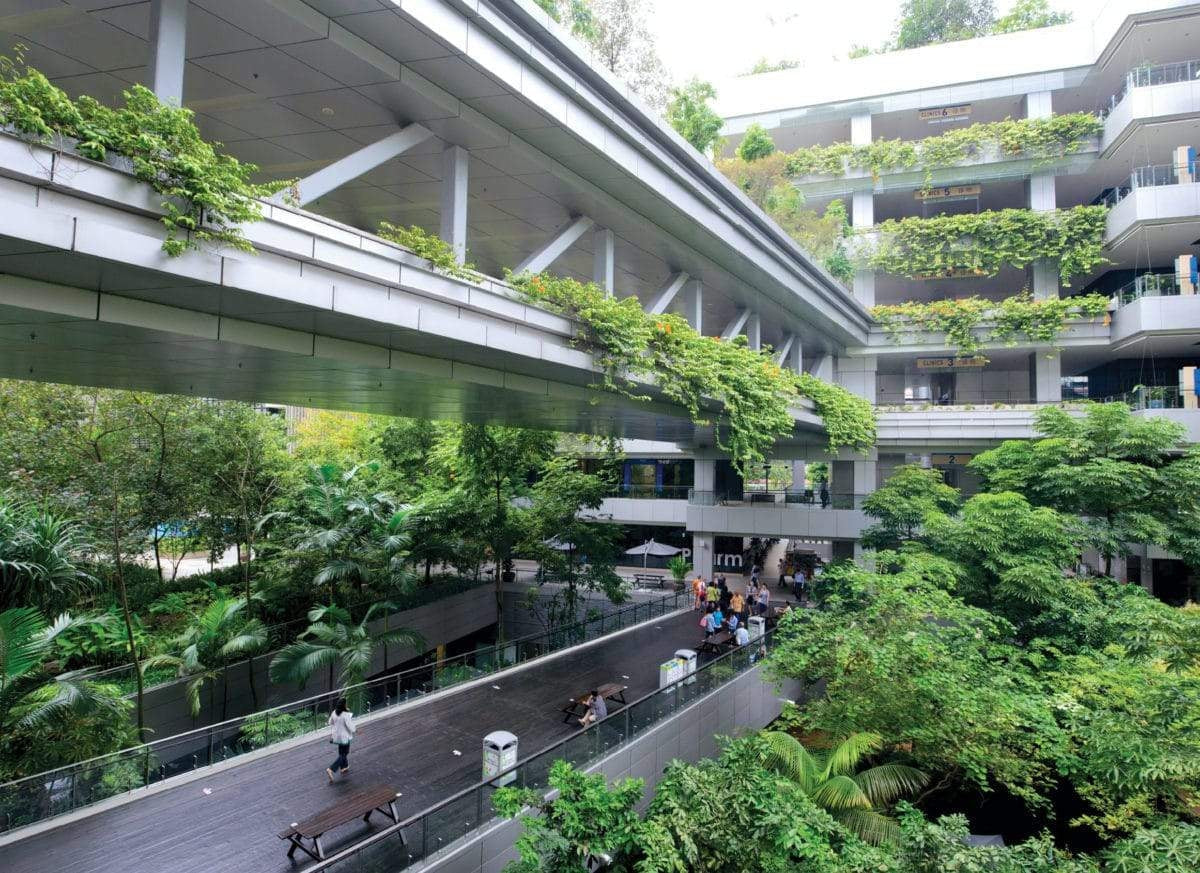
The benefits of biophilic design fall into four groups. The strength of the evidence varies, so treat each claim as a direction, not a promise.
Mental Health and Well-Being
Biophilic design and mental health are closely linked in the research. Terrapin Bright Green notes that it can reduce stress and improve well-being. Natural light, greenery and calm views give the mind a rest from noise and screens.
Physical Health
Summaries from design and health bodies link biophilic design to lower stress hormones and lower blood pressure. They also link it to faster recovery in healthcare settings. The Victorian Health Building Authority describes it as an evidence-based design philosophy.
Focus, Creativity and Productivity
Many workplace and school studies suggest it does. Big interior firms report clearer thinking and more creativity. Good daylight and pleasant views also make long hours easier to bear.
Is Biophilic Design Sustainable?
Often, yes. Daylight, shade, and natural airflow can reduce energy use and improve indoor air quality. But it depends on the details. Plants that need constant watering or heavy artificial light can work against sustainability. The best projects choose hardy plants and let the building do most of the work. Chakor’s article on sustainable design in Pakistani real estate looks at how these ideas apply locally.
Living Experience and Property Value
Homes that feel bright, calm and connected to views are easier to enjoy. Buyers notice this. No single figure fits every project, so judge each building on its own details.
Biophilic Design Interior: Room-by-Room Ideas
The interior ideas work best when you start small and build up. Biophilic interior design doesn’t require a big budget. It needs light, texture and a little greenery in the right places. Here is how to approach each room.
Living Room
Start this design in the living room with the largest window. Place seating where people can see out. Group plants at different heights. Add a wooden table, linen or wool cushions and a stone accent. These simple choices make your home feel calm and natural.
Bedroom
This bedroom design is about calm, not drama. Let soft daylight in during the morning. Use earthy colours, natural bedding and a plant that tolerates low light. Keep the room cool and well-ventilated.
Kitchen and Bathroom
In the kitchen, grow herbs on a sunny sill. Use wood or stone surfaces. In the bathroom, bring in daylight if you can. Add pebble textures, stone tones and a plant that enjoys humidity.
Home Office
Place the desk so you can see out of a window. Add one or two plants and a wood or cork surface. Biophilic design for the office helps with focus, and the same ideas work at home.
Light, Colour and Furniture
Biophilic design lighting should feel like natural light. Use layered, warm and diffuse sources instead of one harsh ceiling bulb. The colour palette draws from earth and sky: sage green, sand, clay, stone and soft blue.
For this design, choose solid wood, cane or rattan with gentle curves. Chakor’s guide to condominium room design shows how restrained, calm interiors work in a tower.
Wood, Water and Plants
- Wood: biophilic design with wood adds warmth and touch. Use it on floors, tables or wall panels.
- Water: a small fountain or a bowl of water on a balcony adds sound and movement.
- Plants: choose easy-care indoor plants. Match them to the light in each room.
No room for plants? This design without plants is possible. Focus on daylight, outdoor views, natural textures, organic shapes, fresh air and nature-inspired art.
Biophilic Design in Apartments and High-Rise Buildings
This apartment design relies more on light, views, air, and texture than on garden space. Most guides focus on houses, offices and hospitals. Few cover tower living. Yet more people in cities now live high above the ground.
Here is what a biophilic apartment building can offer:
- Daylight: large windows and bright, open layouts.
- Views: long sightlines over trees, parks or landmarks.
- Balconies and terraces: small spaces for plants, seating and fresh air.
- Cross-ventilation: air that moves through the home.
- Materials: wood, stone and natural textures indoors.
- Facade and exterior: planted terraces and green screens that soften the building. This is sometimes called vertical biophilic design.
What to Check When You View an Apartment
- Which way do the main windows face, and how much daylight do they get?
- How large are the windows, and what do they look out on?
- Is there a balcony or terrace, and can you grow plants there?
- Does air move freely through the home?
- Are the finishes natural, such as wood, stone and textured fabrics?
- Is there a calm corner for rest?
Use this list at Citadel One3, or at any building you consider. Biophilic building design is easiest to judge in person. Chakor’s guide to high-rise city view apartments in Pakistan adds more points to check before you buy.
Biophilic Design Architecture: Real-World Examples
Biophilic design architecture ranges from tiny homes to whole towers. These examples show the range. Each works as a short case study.
Bosco Verticale, Milan
Stefano Boeri Architetti designed Bosco Verticale, a pair of residential towers in Milan, completed in 2014. Hundreds of trees and plants grow on the balconies. Pattern shown: connection with natural systems. What to borrow: balcony planting, even on a small scale.
Jewel Changi Airport, Singapore
Jewel Changi Airport, designed by Safdie Architects, turns an airport into a garden. It has an indoor forest and a tall indoor waterfall. Pattern shown: presence of water. What to borrow: the sound and sight of water in a busy place.
Amazon Spheres, Seattle
NBBJ designed the Amazon Spheres. Three glass domes opened in 2018 and hold over 40,000 plants alongside workspaces. Pattern shown: visual connection with nature and dynamic light. What to borrow: put nature where people actually work.
Khoo Teck Puat Hospital, Singapore
This hospital won the Stephen R. Kellert Biophilic Design Award. It weaves a rainforest-like garden into the building. Research summaries note that nature in hospitals can lower blood pressure and heart rate, and shorten stays. Pattern shown: prospect and refuge. What to borrow: garden views from where people rest.
Beyond Homes: Offices, Hospitals and Schools
Biophilic workplace design brings daylight and planted zones into offices. Healthcare and hospital design focuses on garden views and natural materials. Schools use daylit classrooms and outdoor learning areas. The ideas are the same. Only the scale changes.
Biophilic Design vs Biomimicry, Organic Architecture and Sustainable Design
Several ideas sound similar. This table shows how they differ.
| Approach | What it focuses on | How it differs from biophilic design |
| Biomimicry | Copying nature’s strategies to solve design problems | Biomimicry borrows how nature works. Biophilic design connects people to nature. |
| Organic architecture | Buildings that grow out of and suit their site | Organic architecture is about form and site. Biophilic design is about human experience. |
| Sustainable design | Reducing environmental impact | Sustainable design protects the planet. Biophilic design improves how people feel. The two work well together. |
Biophilic Design Trends in 2026
The trends are moving in three clear directions.
- Frameworks keep evolving. Terrapin Bright Green added Awe as a fifteenth pattern in 2020 and released a 10th Anniversary Edition of its report in 2024.
- Hospitality is embracing nature. Industry coverage in 2025 described a rise in hotels and restaurants with nature-inspired interiors.
- Thinking is scaling up. Modern design now reaches whole buildings and cities, not only single rooms.
How to Apply Biophilic Design: A Simple Checklist
How to incorporate biophilic design? Start with one change and build from there. These steps also explain how to integrate and create.
- Start with light. Open curtains, clean windows, and add layered lighting.
- Add views. Arrange furniture to face the best outlook.
- Bring in living plants. Choose easy-care species.
- Use natural materials. Add wood, stone, linen and cotton.
- Add water or natural sound. A small fountain is enough.
- Create a quiet refuge. A reading corner works well.
- Add natural texture and shape. Choose curves and organic patterns.
Common Mistakes to Avoid
- Treating plants as decoration only. Plants help, but light, air and view matter more.
- Blocking daylight. Heavy furniture and curtains work against the idea.
- Ignoring upkeep. Choose plants you can keep alive.
- Using too many fake materials. Real textures are better than printed ones.
- Following a checklist blindly. Kellert warned against designing by checklist. Think about the people who will use the space.
Frequently Asked Questions
What is the concept of biophilic design?
The design connects people with nature inside buildings. It uses daylight, plants, water, natural materials and views. The aim is better health, focus and well-being. It treats nature as a basic human need, not a luxury.
What are the six principles of biophilic design?
The six principles are environmental features, natural shapes and forms, natural patterns and processes, light and space, place-based relationships, and evolved human-nature relationships. They come from Kellert’s framework. Designers use them to plan spaces that feel natural and restorative.
What are the three pillars of biophilic design?
The three pillars are usually the three experiences: direct nature, indirect nature, and space and place.
Who is the father of biophilic design?
No single person holds the title. E.O. Wilson is often called the father of biophilia. Stephen Kellert is widely seen as a pioneer of biophilic design. Together, they published The Biophilia Hypothesis in 1993.
What are some examples of biophilic design?
Well-known examples include Bosco Verticale in Milan, Jewel Changi Airport and Khoo Teck Puat Hospital in Singapore, and the Amazon Spheres in Seattle. At home, examples include large windows, indoor plants, wood finishes and balconies with a view.
What is the difference between biophilic design and biomimicry?
Biomimicry copies nature’s strategies to solve problems, such as materials inspired by leaves. Biophilic design connects people to nature to improve how they feel. A project can use both, but their goals are different.
Is biophilic design expensive?
Not always. Large projects with green facades cost more. At home, you can start with daylight, a few plants, natural textures and wood. Small changes add up. Plan your budget around the patterns that matter most to you.
Can biophilic design work in apartments and high-rise buildings?
Yes. Apartments can use daylight, long views, balconies, airflow and natural materials. The design does not need a garden. It needs thoughtful planning of light, view and texture, which suits tower living well.
Conclusion
Biophilic design connects people with nature through light, air, water, materials and views. It supports well-being, focus and a sense of calm. You can apply it in a single room or across a whole building. The best results come from a few well-chosen ideas, not a crowd of decorations.
If you are considering a home in Islamabad, look closely at light, view and air in every apartment. To see how Citadel One3 by Chakor approaches tower living in Blue Area, explore Citadel One3. For more on green living in the city, read Chakor’s guide to eco-friendly city view apartments in Pakistan.
Sources
- Terrapin Bright Green, 14 Patterns of Biophilic Design
- Wikipedia, Biophilic design
- Living Future, Biophilic Design Initiative
- Victorian Health Building Authority, What is biophilic design?
- Make It Wood, 9 amazing buildings that use nature-connected design
- Moss and Fog, examples of biophilic architecture
- Kellert, Heerwagen and Mador (2008), Biophilic Design: The Theory, Science and Practice of Bringing Buildings to Life

BBC-featured Content Specialist with a sharp eye for search intent and a proven ability to turn content into a growth engine. I leverage cutting-edge digital marketing tools to craft strategies that fuel organic traffic, amplify brand growth, and own the local SEO landscape, particularly across the competitive real estate market. I help brands dominate search rankings and convert visibility into measurable business success.
