
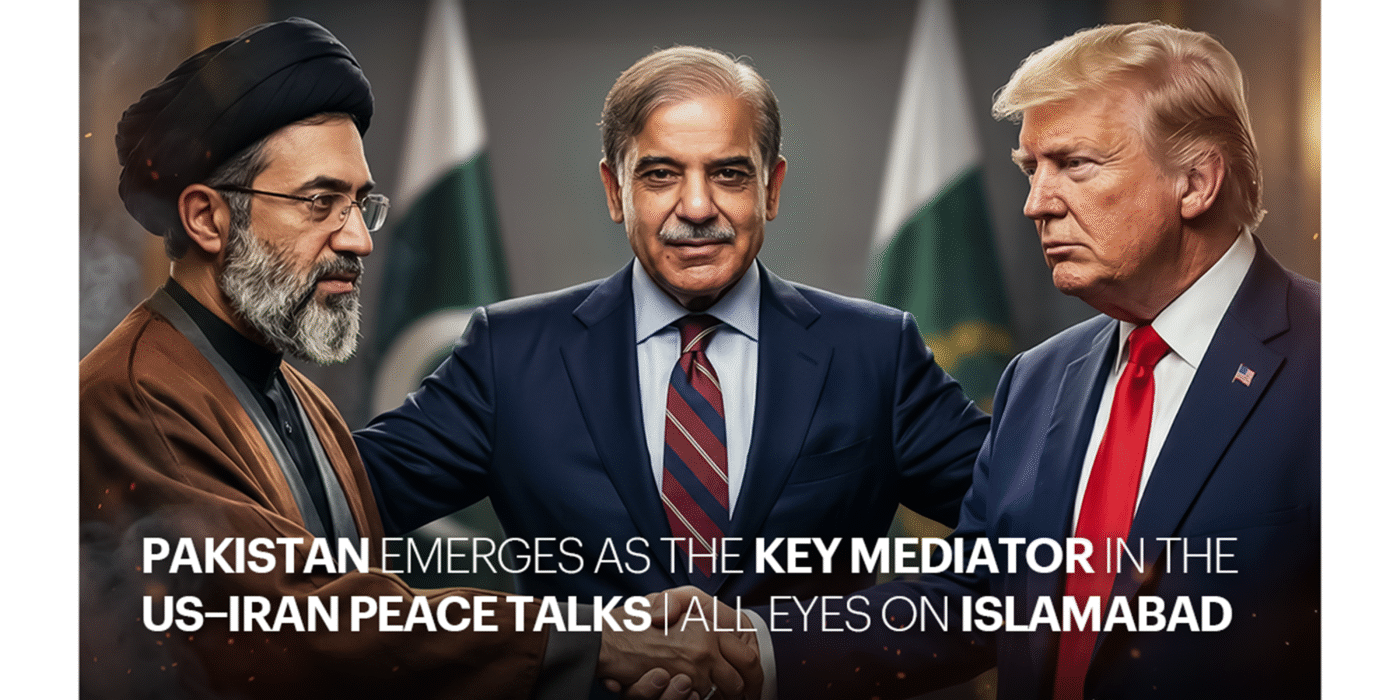

ISLAMABAD, April 10, 2026 —Pakistan stands at the centre of one of the most consequential diplomatic efforts in decades as Islamabad prepares to host the US Iran peace talks, positioning the country as the primary intermediary in efforts to stabilise a conflict that disrupts global energy supplies and threatens wider regional escalation. The emerging framework, increasingly referred to by diplomats as the Islamabad Accord, follows a Pakistan-brokered ceasefire after weeks of intensive shuttle diplomacy.
The US Iran talks come after the US-Iran ceasefire announced on April 7–8, which emerged following sustained diplomatic engagement led by Pakistan’s civilian and military leadership. Islamabad facilitates backchannel communication, relays proposals, hosts regional meetings and coordinates with partners including China and Saudi Arabia. The agreement pauses hostilities shortly before a U.S. escalation deadline, underscoring the urgency surrounding the diplomatic push.
Analysts describe the development as a major diplomatic breakthrough. South Asia expert Michael Kugelman calls the mediation “one of Pakistan’s biggest diplomatic wins in years,” according to a France 24 report.
Conflict Triggered Global Energy Shock After Strait of Hormuz Closure
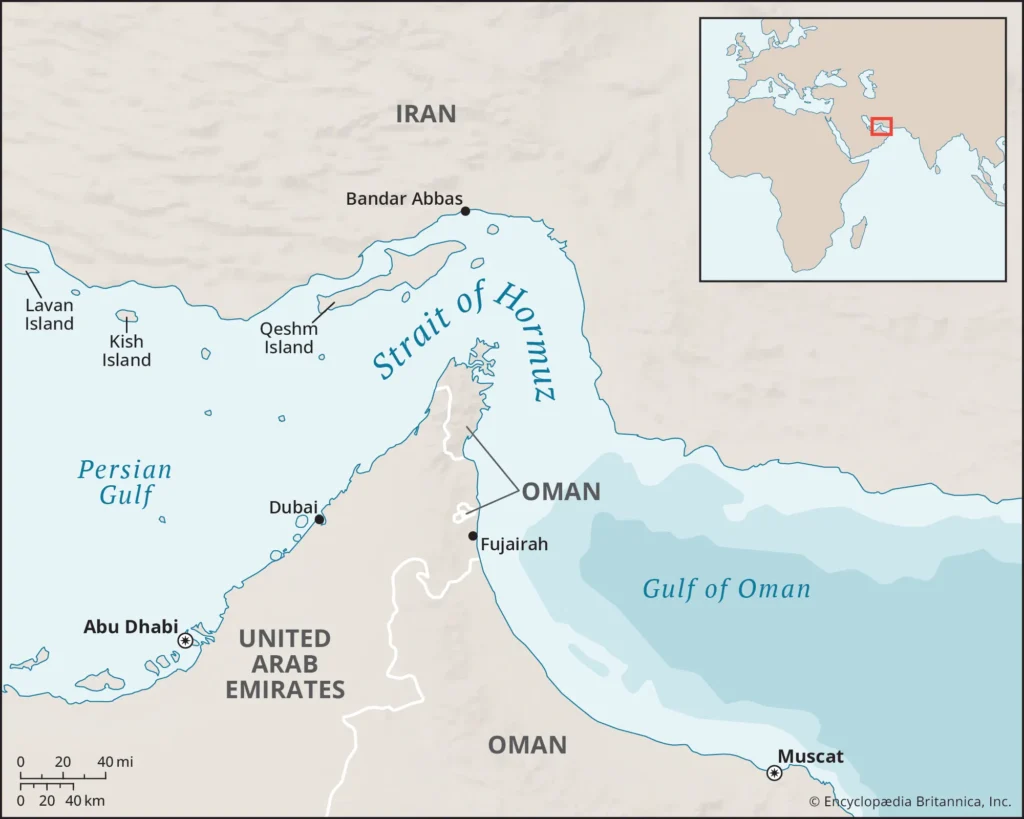
The crisis begins on February 28, 2026, when coordinated U.S. and Israeli airstrikes target Iran’s leadership and military infrastructure. Iran responds with missile and drone attacks and moves to close the Strait of Hormuz, the narrow waterway through which roughly 20 percent of global oil supply flows.
The closure of the Strait of Hormuz immediately disrupts global markets. The International Energy Agency warns the situation represents “the largest supply disruption in the history of the global oil market,” according to the IEA Oil Market Report cited in the document.
According to IEA data referenced in the report:
- About 20 million barrels per day of oil are disrupted
- Brent crude rises close to $120 per barrel
- Analysts warn prices could reach $200 per barrel, according to Bloomberg
- Global LNG supply drops around 20 percent
- Gulf food imports fall by roughly 70 percent
- Global GDP risk reaches −1.3 percentage points, according to Dallas Fed research
These figures illustrate the global stakes surrounding the US Iran peace talks and the urgency behind the Pakistan-brokered ceasefire.
Jet fuel prices double while U.S. gasoline prices rise about 30 percent, according to reporting cited from Time and industry data referenced in the report.
Pakistan Emerges as Only Credible Mediator
Pakistan mediates the US Iran crisis largely because of its unique diplomatic positioning. Islamabad maintains relations simultaneously with Washington, Tehran, Riyadh and Beijing, a rare diplomatic victory.
Pakistan shares a 900-kilometre border with Iran, maintains defence cooperation with Saudi Arabia and retains longstanding ties with the United States. It is also widely regarded as China’s closest regional partner, according to analysis cited from Al-Monitor.
Pakistan also has significant domestic and economic stakes:
- Over 20 million Shia Muslims
- Approximately 5 million workers in Gulf states
- Annual remittances of $38.3 billion
- Heavy reliance on energy imports through the Strait of Hormuz
Pakistan also emphasises neutrality. Officials condemn attacks by all sides and rule out military participation against Iran, strengthening Islamabad’s credibility as mediator, according to reporting cited from Al Jazeera.
Six Weeks of Shuttle Diplomacy Leads to Islamabad Accord
Pakistan launches diplomatic outreach immediately after the conflict begins.
On March 3, Foreign Minister Ishaq Dar tells Pakistan’s Senate Islamabad is ready to facilitate US Iran talks, according to Al Jazeera.
Prime Minister Shehbaz Sharif meets Saudi leadership in Jeddah on March 12, expressing solidarity while reassuring Iran. The move helps prevent further escalation, according to reporting referenced from CNN.
Regional foreign ministers meet in Riyadh on March 19 and again in Islamabad on March 29, aligning diplomatic positions for the US Iran peace talks.
Pakistan relays a 15-point U.S. ceasefire proposal to Tehran on March 25. Iran rejects the proposal but submits its own conditions, keeping negotiations alive.
On March 31, Pakistan and China announced a joint five-point peace initiative calling for cessation of hostilities and restoration of navigation in the Strait of Hormuz, reinforcing momentum toward the Islamabad Accord.
Further negotiations follow. Pakistan presents a two-phase ceasefire framework in early April. The exchange culminates in the US-Iran ceasefire announced April 7–8, according to reporting from CNN, Al Jazeera and France 24.
Historic Significance of US Iran Peace Talks
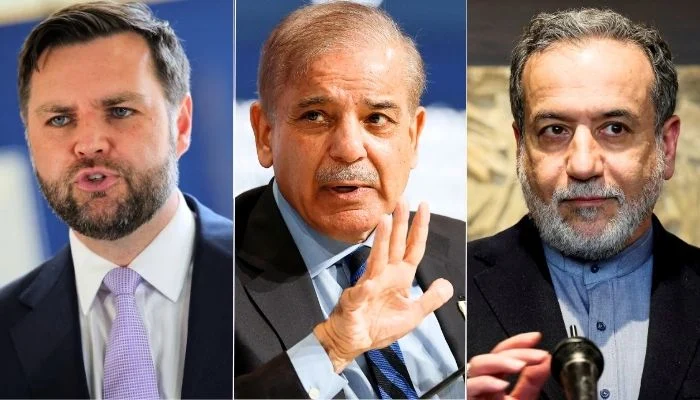
Analysts describe the US Iran peace talks in Islamabad as unprecedented. The mediation marks the first time Pakistan brokers a ceasefire between adversaries during active escalation, according to expert assessments cited from Al Jazeera.
The engagement also represents the highest-level US Iran talks since 1979, according to Time.
Economic Stakes Linked to Ceasefire
The US-Iran ceasefire and potential Islamabad Accord carry major economic implications.
A diplomatic breakthrough could revive the Iran–Pakistan gas pipeline. The project:
- Length: 2,775 km
- Gas flow: 21.5 million m³/day
- Power generation: 4,000 MW
- Savings: $2.3 billion annually
- Penalty risk avoided: $18 billion
These figures come from IPRI Pakistan research cited in the report.
The conflict also threatens remittances from Gulf-based Pakistani workers. About five million workers send home $38.3 billion annually, according to Time.
Global Reaction to Pakistan Mediates Ceasefire
International leaders welcome the Pakistan-brokered ceasefire.The United Nations calls for compliance with terms. European Commission President Ursula von der Leyen welcomes de-escalation. UK Prime Minister Keir Starmer calls the deal a “moment of relief.”
These reactions are cited from international coverage referenced in the report, including Reuters and Al Jazeera.
China says it works actively to help bring about the US-Iran ceasefire, while Iran confirms acceptance of the agreement.
Islamabad at the Centre of Global Diplomacy
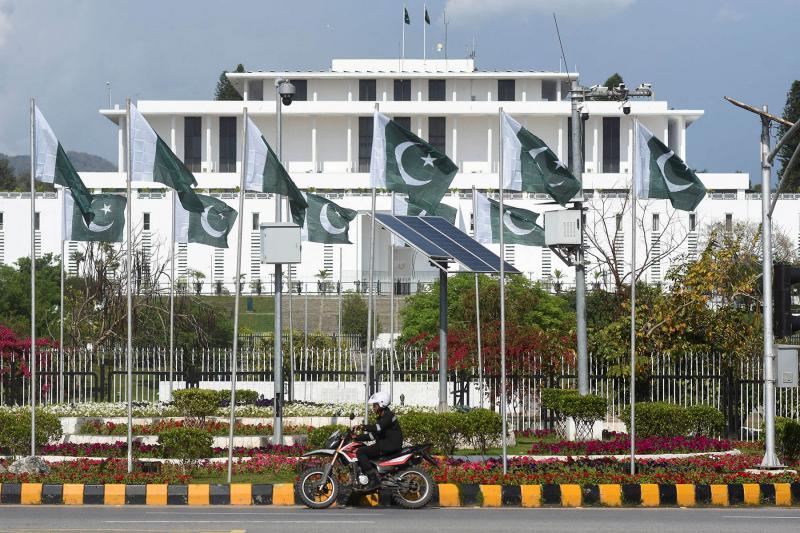
Pakistan mediates the crisis at a moment when global markets remain sensitive to disruptions in the Strait of Hormuz and regional escalation risks. The Pakistan-brokered ceasefire pauses what analysts describe as the largest oil disruption in modern history and positions Islamabad as a central diplomatic actor.
The US Iran peace talks, expected to shape the emerging Islamabad Accord 2026, now place Pakistan at the centre of global diplomacy; with energy security, regional stability and geopolitical alignment all hinging on the outcome.
For more news on real estate and Special Reports, visit Chakor Ventures.

BBC-featured Content Specialist with a sharp eye for search intent and a proven ability to turn content into a growth engine. I leverage cutting-edge digital marketing tools to craft strategies that fuel organic traffic, amplify brand growth, and own the local SEO landscape, particularly across the competitive real estate market. I help brands dominate search rankings and convert visibility into measurable business success.
