
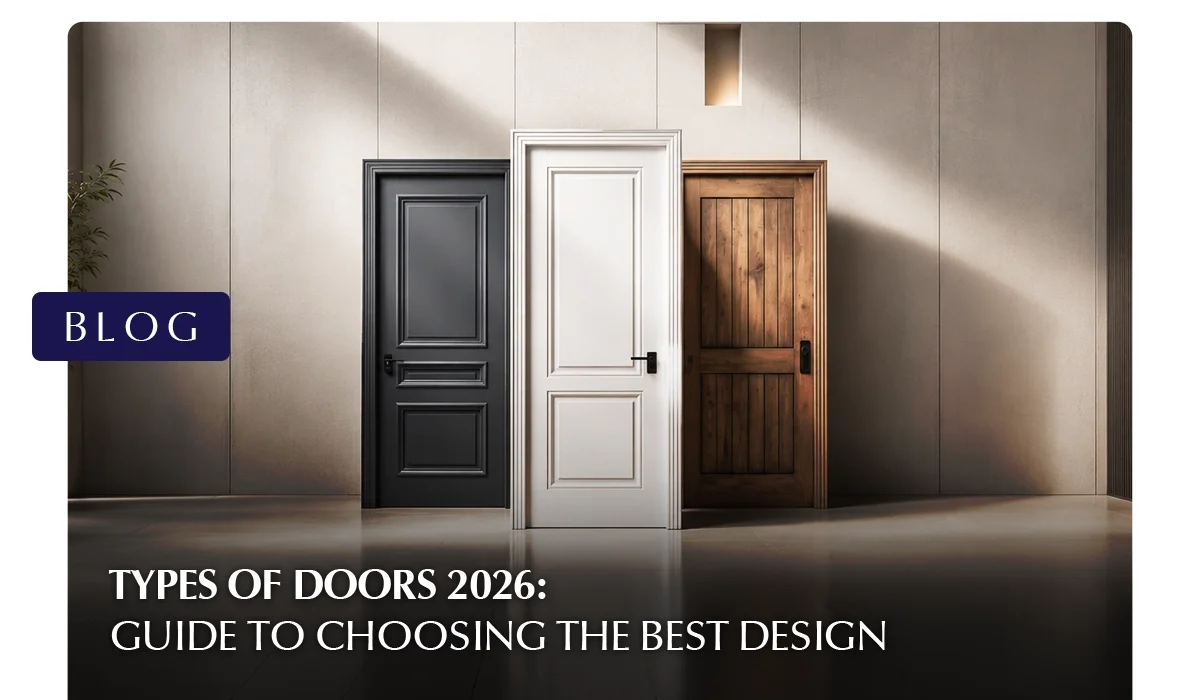

Choosing the right door is one of the most overlooked decisions in home design. Yet doors affect your security, energy efficiency, privacy, and curb appeal every single day. Whether you are building a new home, renovating, or simply replacing an old door, understanding the types of doors available in 2026 can save you time, money, and regret.
This guide walks you through every major category by material, design, operation, and room so you can make a confident, informed choice.
Why Knowing Your Types of Doors Matters
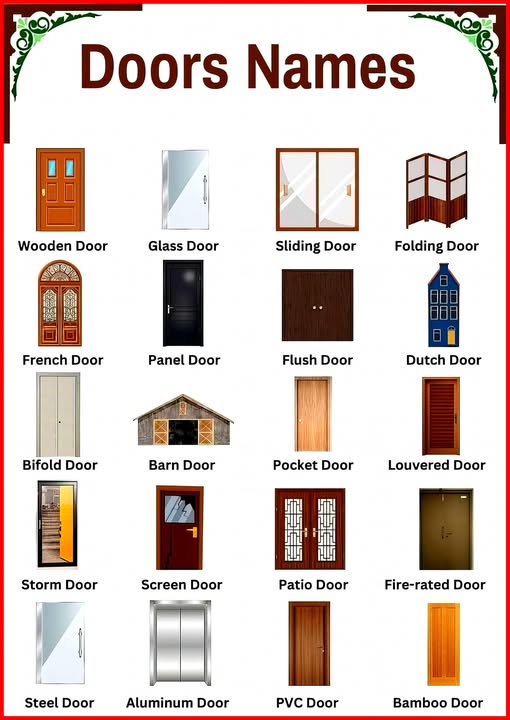
Most homeowners pick a door based on how it looks in a showroom. But the best door for your home depends on far more than aesthetics. Climate, room function, space constraints, security needs, and budget all play a role.
The market in 2026 offers more variety than ever before. From smart automated entry doors to eco-friendly WPC panels, the types of doors available today combine performance with style in ways that were not possible even five years ago. Understanding your options before you buy is the single best thing you can do.
Types of Doors by Room: A Quick Reference Guide
| Room | Best Door Types | Key Reason |
| Main Entrance | Steel, Fiberglass, Solid Wood, Pivot | Security + durability |
| Bedroom | Panel, Flush, Barn Sliding | Privacy + aesthetics |
| Bathroom | uPVC, WPC, Pocket | Moisture resistance |
| Kitchen | Dutch, Sliding, Hinged | Ventilation + ease of use |
| Balcony | Sliding Glass, French, Bi-fold | View + airflow |
| Living Room | French, Glass, Pivot | Light + style |
| Closet / Wardrobe | Bypass Sliding, Bi-fold | Space-saving |
Types of Doors by Material
Material is the foundation of any door’s performance. It determines durability, maintenance, insulation, and cost. Here are the most widely used materials across the different types of doors you will find today.
Wooden Doors
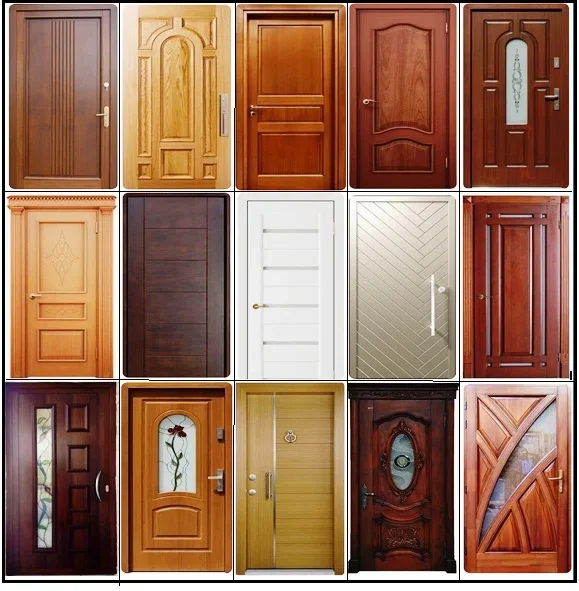
Wood remains the most popular material globally. Solid wood doors offer outstanding natural beauty, excellent insulation, and a timeless appeal that suits both traditional and contemporary homes. Engineered wood doors (made from plywood or MDF cores with veneer) are more affordable and resist warping better in humid climates.
- Best for: Bedrooms, living rooms, main entrances in dry climates
- Maintenance: Moderate, requires periodic sealing or painting
Steel and Metal Doors
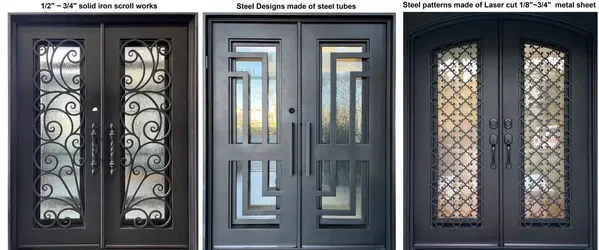
Steel doors are among the strongest types of doors available for residential use. They resist forced entry, fire, and extreme weather. Modern steel doors are often insulated with a foam core, making them energy-efficient as well.
- Best for: Main entrances, garages, security-sensitive areas
- Maintenance: Low, occasional rust treatment in coastal areas
Glass Doors
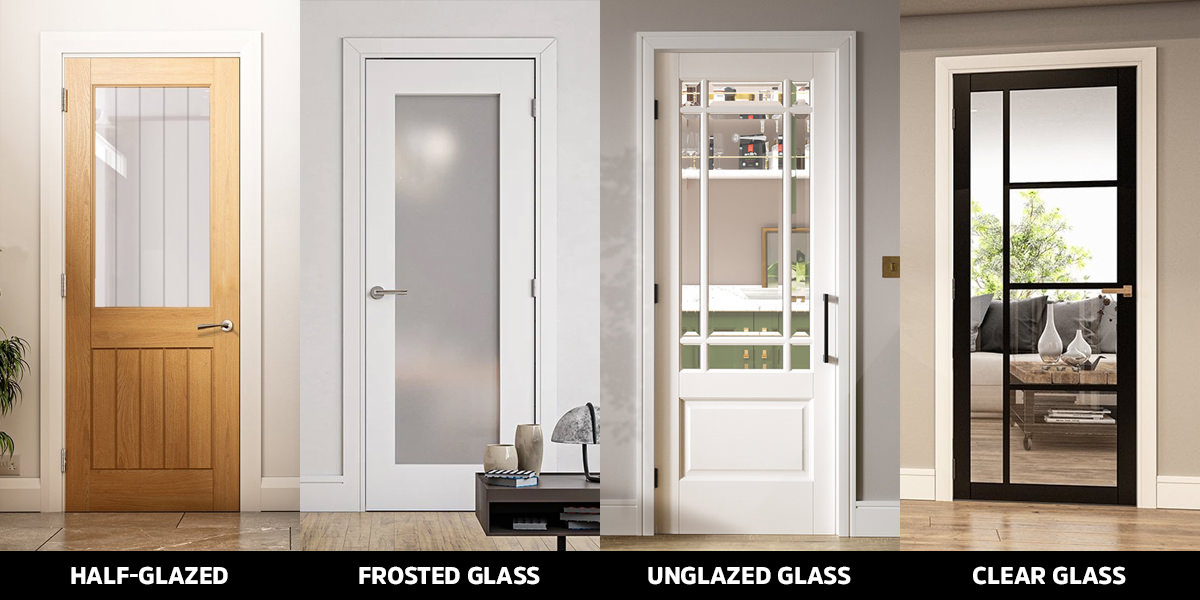
Glass doors flood interiors with natural light and create a seamless indoor-outdoor connection. Tempered or toughened glass is used for safety, while frosted or textured variants offer privacy without sacrificing light.
- Best for: Balconies, living rooms, patios
- Maintenance: Low, regular cleaning keeps them looking pristine
uPVC and PVC Doors
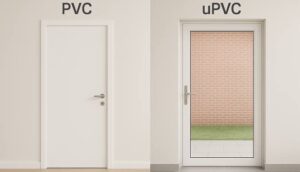

uPVC (unplasticized polyvinyl chloride) doors are weather-resistant, moisture-proof, and virtually maintenance-free. They are particularly well-suited to bathrooms, coastal homes, and high-humidity environments. PVC doors are the lighter, more budget-friendly variant used in interior applications.
- Best for: Bathrooms, kitchens, coastal properties
- Maintenance: Very low, wipe clean
WPC Doors (Wood Plastic Composite)
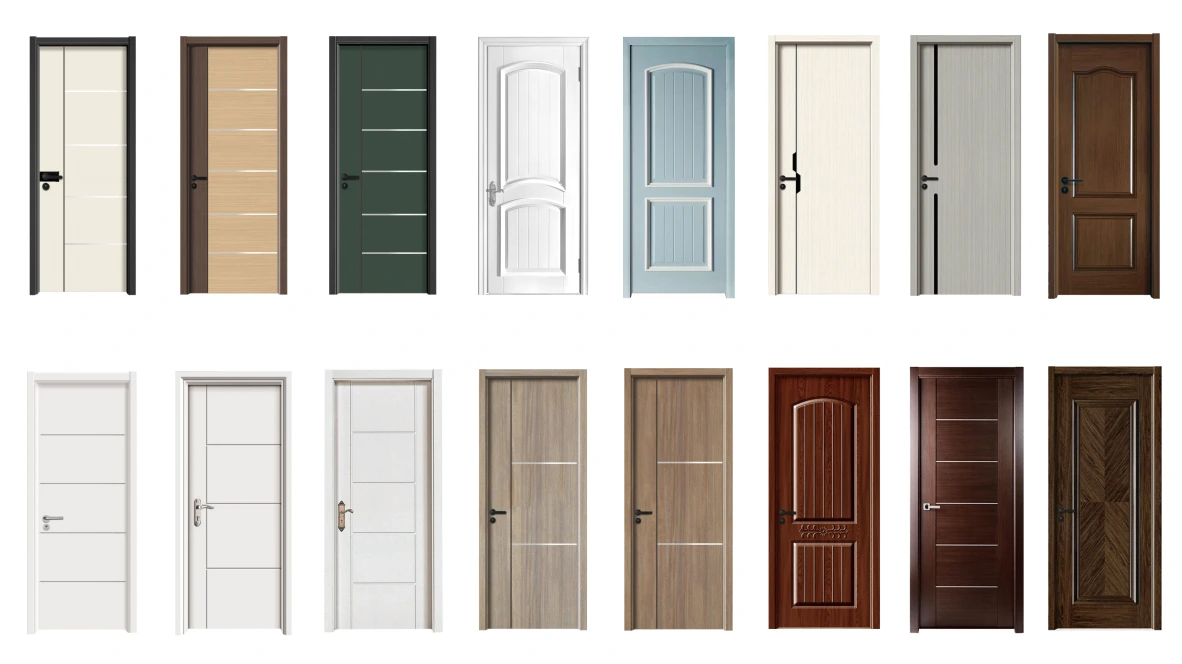
WPC is one of the fastest-growing materials in the 2026 door market. It combines the look of wood with the water and termite-resistance of plastic, making it ideal for tropical climates. It does not swell, crack, or warp.
- Best for: Bathrooms, kitchens, any moisture-prone area
- Maintenance: Very low
Fiberglass Doors
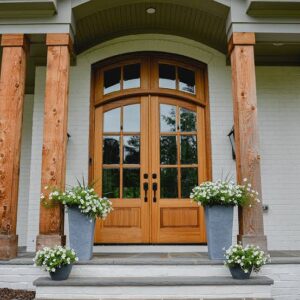
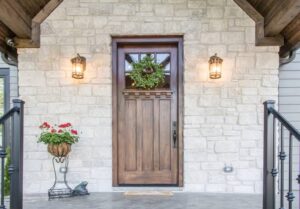
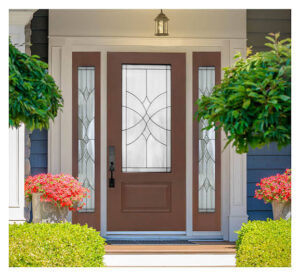
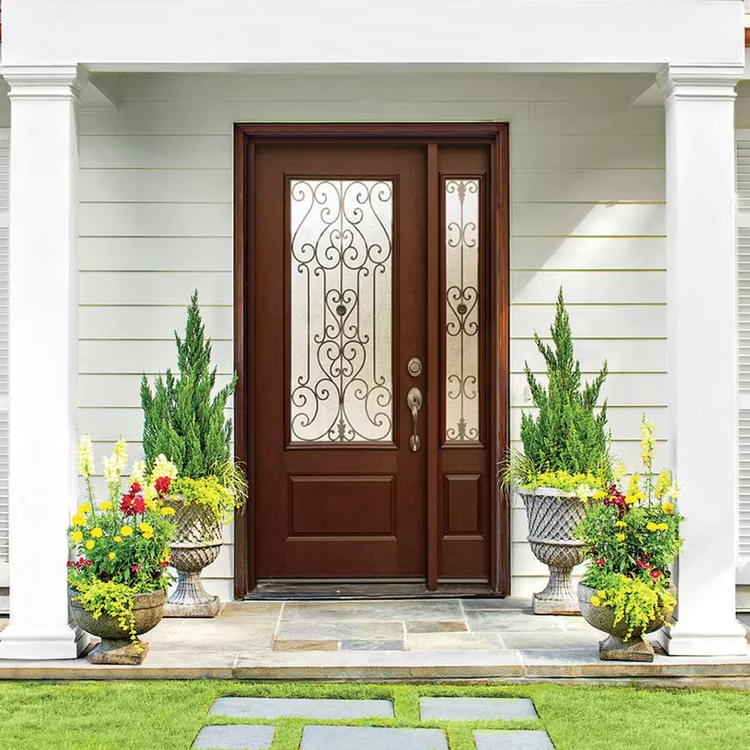
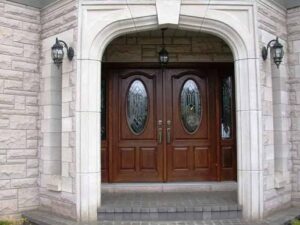
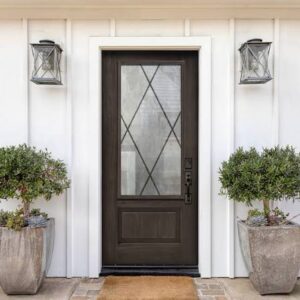
Fiberglass doors mimic the grain and texture of wood but require far less maintenance. They are highly durable, resist dents and scratches, and offer excellent thermal insulation.
- Best for: Main entrances, exterior doors in harsh climates
- Maintenance: Low
Types of Doors by Design and Style
Once you have chosen a material, the design determines the visual personality of your space. These are the most commonly chosen design-based types of doors in modern homes.
Panel Doors
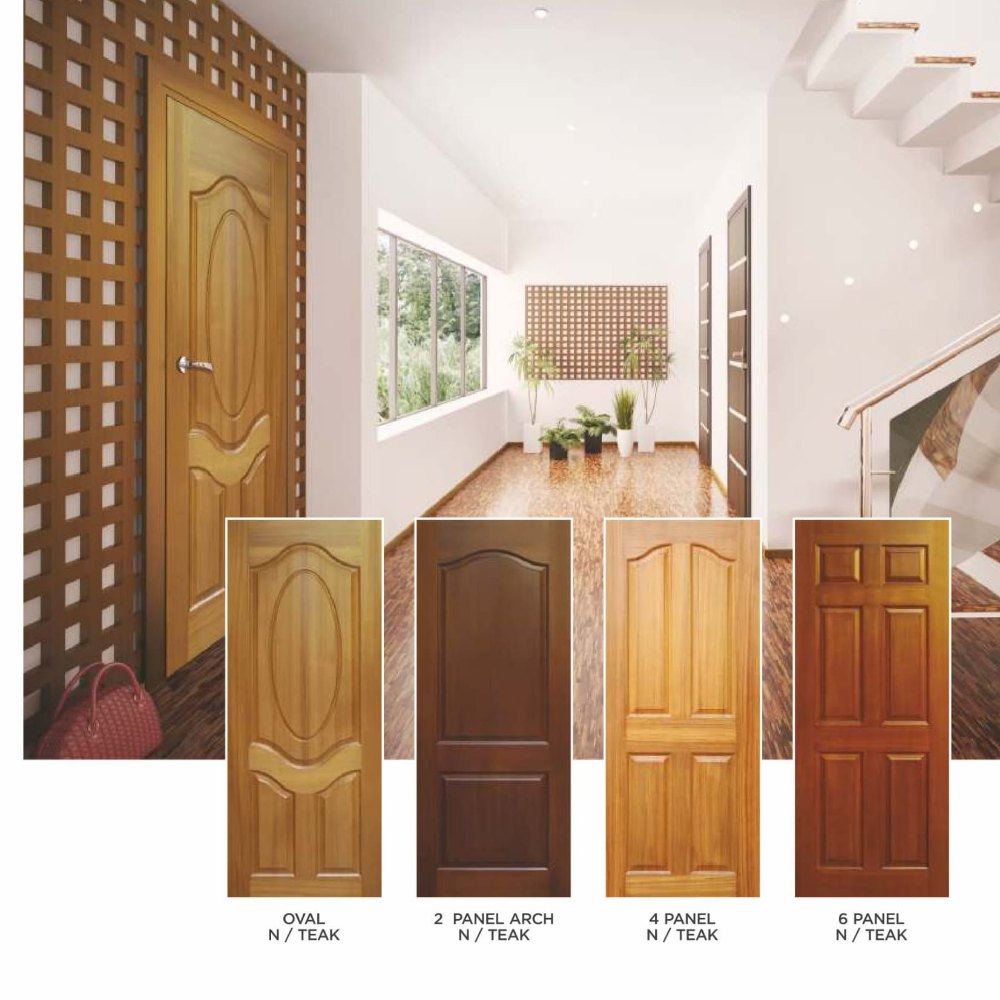
Panel doors feature a frame-and-panel construction with raised or recessed rectangular sections. They are traditional in appearance and available in 2-, 4-, 6-, or more-panel configurations. Panel doors work beautifully as both interior and exterior doors.
Flush Doors
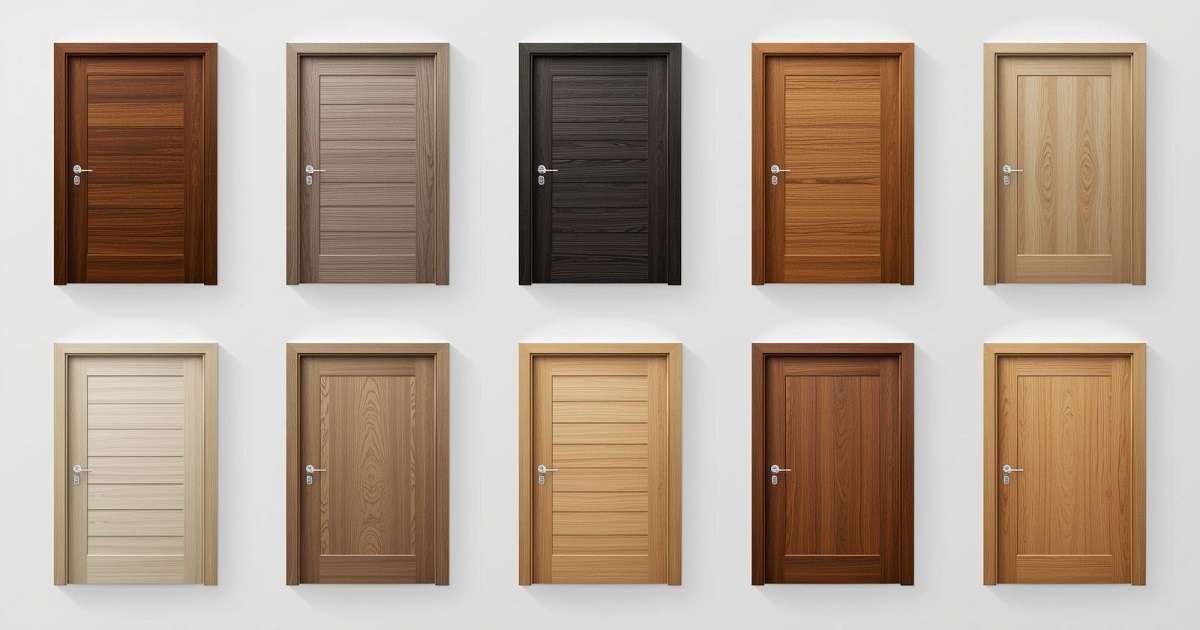
Flush doors have a completely flat, smooth surface on both sides. They are the most common choice for bedrooms and offices because they are affordable, easy to paint or laminate, and available in a wide range of finishes.
French Doors
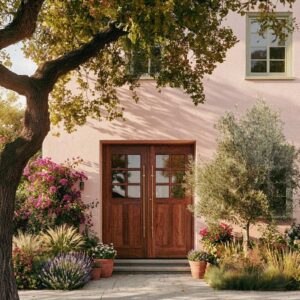
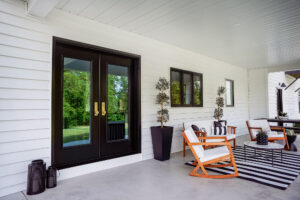
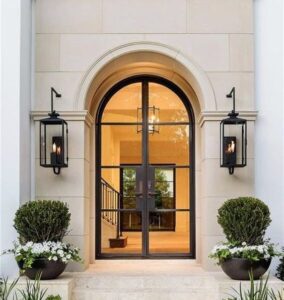
French doors consist of two door panels hinged on opposite sides, meeting in the middle. They typically feature glass panels running the full or partial length of the door. French doors add elegance and are ideal for connecting a living room to a balcony or garden.
Dutch Doors
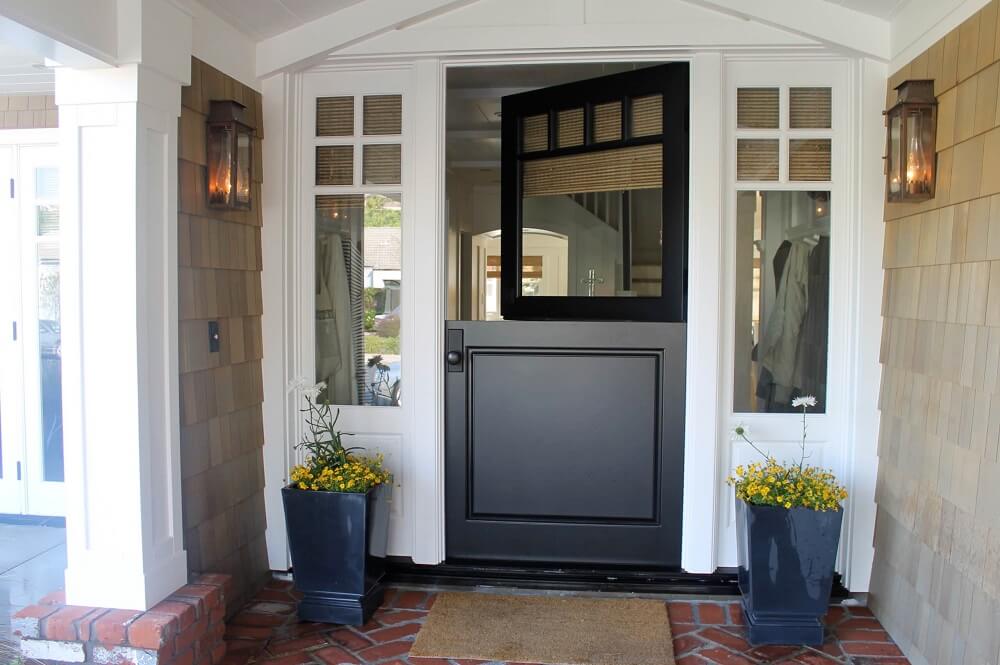
A Dutch door is split horizontally, allowing the top and bottom halves to open independently. They are charming, practical, and increasingly popular in kitchen and nursery applications where ventilation is needed without a fully open door.
Pivot Doors
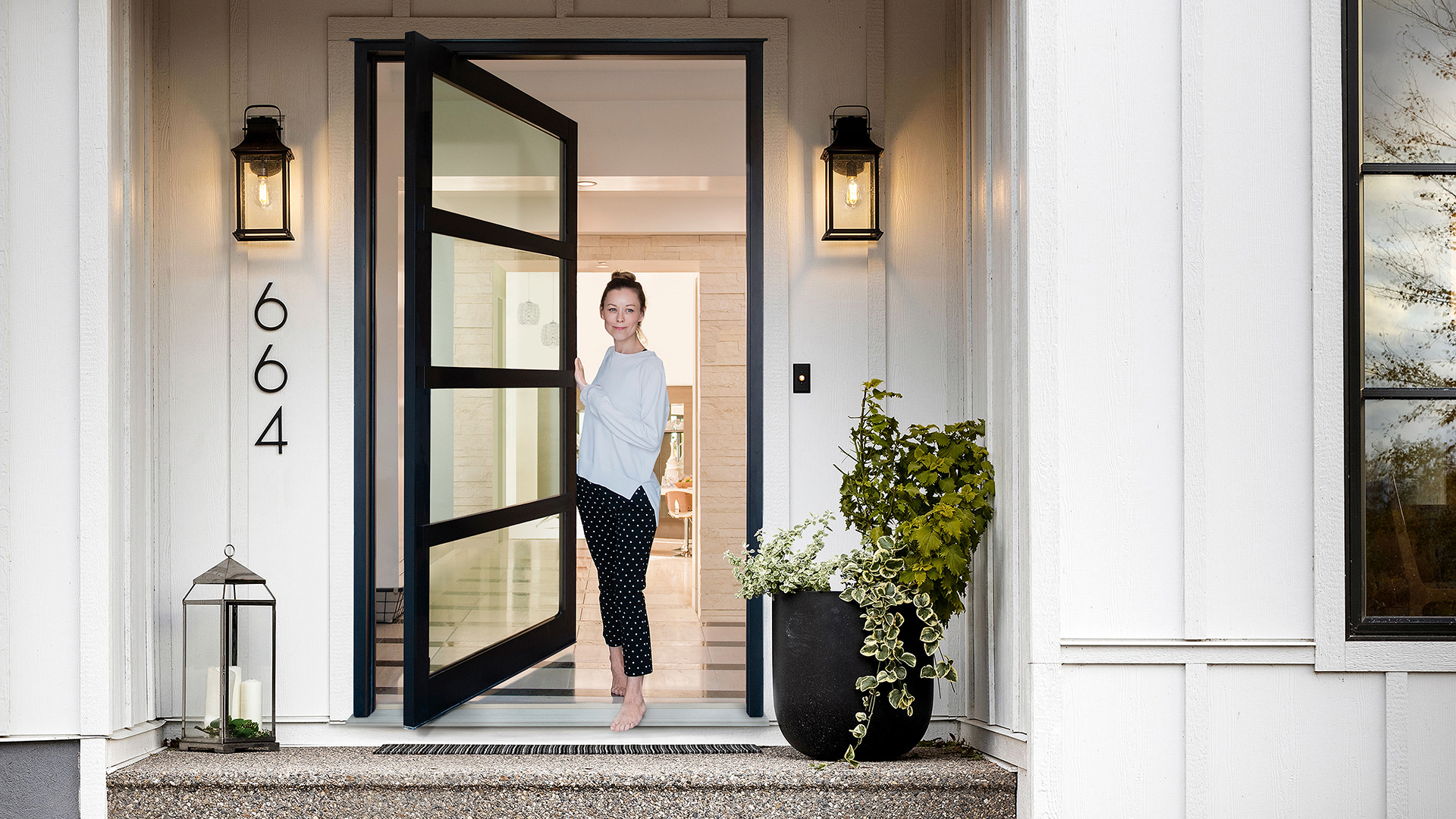
Pivot doors rotate on a top-and-bottom pivot point rather than side hinges. This allows for dramatically oversized door panels, sometimes floor-to-ceiling, making them one of the defining luxury design trends of 2026. They create a powerful architectural statement at any entrance.
Barn Doors
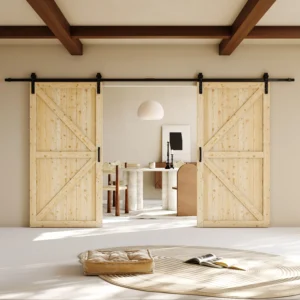
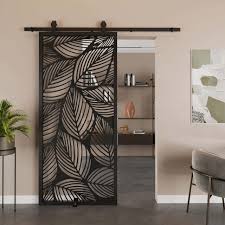
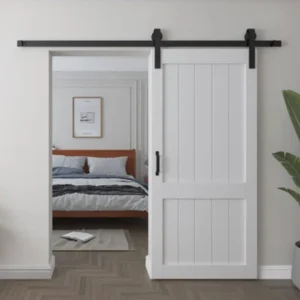
Barn doors slide along an exposed overhead track mounted on the wall. They are space-saving, visually striking, and popular in industrial and rustic-modern interiors. They work particularly well for bedroom closets and living room dividers.
Louvered Doors
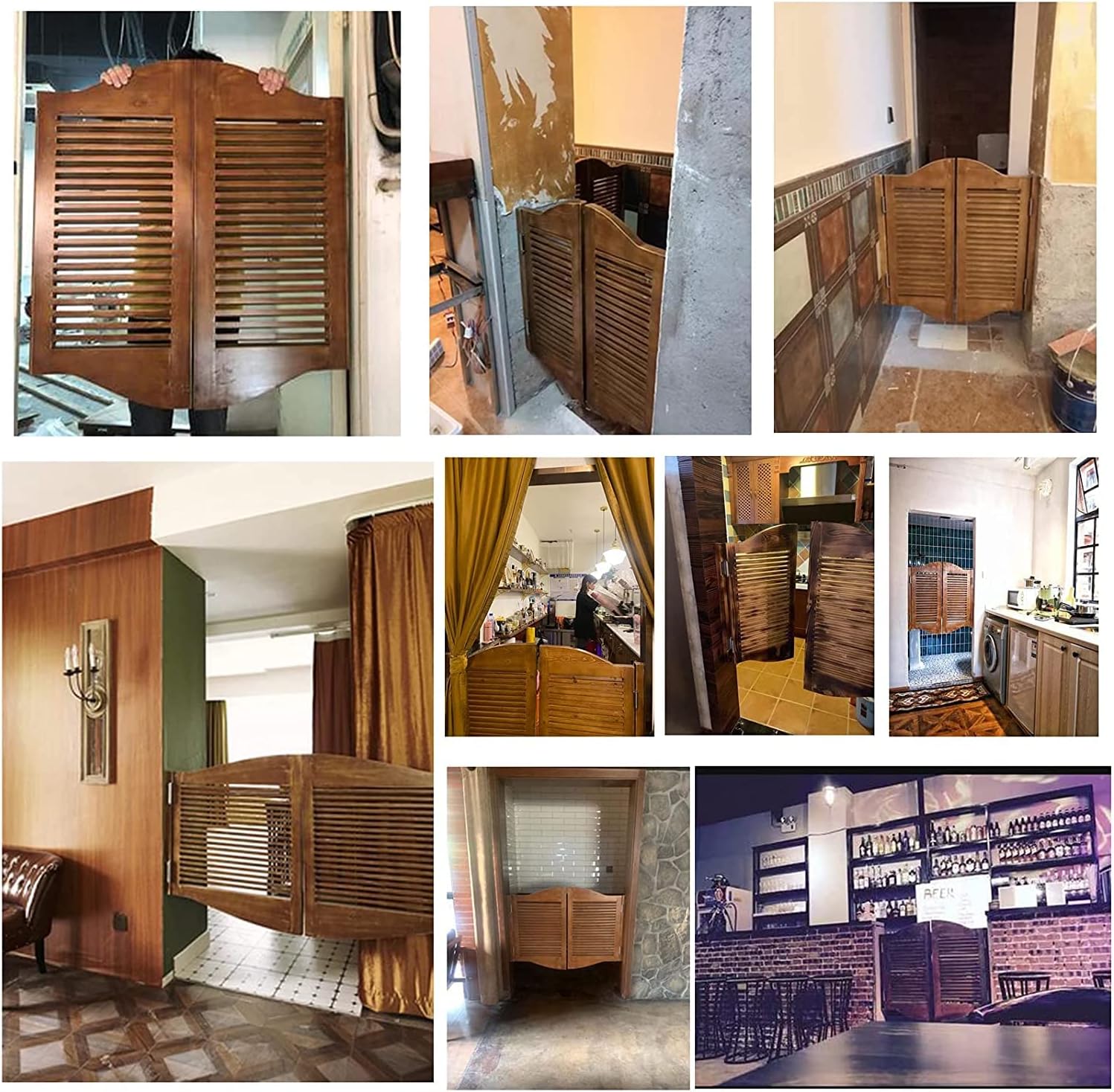
Louvered doors feature horizontal slats angled to allow airflow while maintaining privacy. They are excellent for utility rooms, laundry areas, and wardrobes where ventilation matters.
Different Types of Sliding Doors
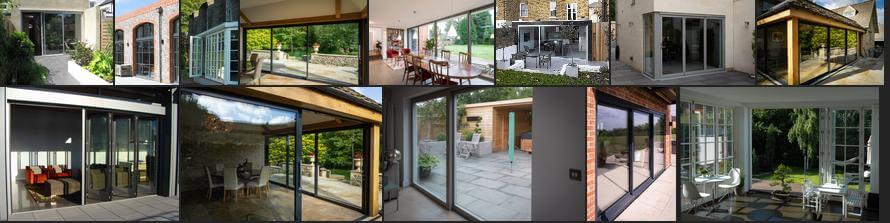
Sliding doors deserve special attention because they are among the most versatile and widely used types of doors for modern homes. Unlike hinged doors, they require no swing clearance, making them ideal for tight spaces and open-plan layouts.
Here are different types of sliding doors available in 2026:
- Standard Sliding Glass Doors: Two panels where one slides behind the other. The classic choice for balconies and patios.
- Multi-Slide / Stacking Doors: Multiple panels that stack neatly to one or both sides, opening up an entire wall. Ideal for connecting living spaces to outdoor areas.
- Lift-and-Slide Doors: A premium German-engineered system where the panel lifts slightly off its seal and glides effortlessly. Exceptional insulation and smooth operation make these a 2026 favourite for luxury homes.
- Pocket Doors: Panels that slide completely into a cavity within the wall. When open, they are invisible, perfect for bathrooms, small bedrooms, and anywhere you want to save every centimetre of space.
- Bypass Doors: Two panels that slide past each other on parallel tracks, commonly used for wardrobe and closet openings.
- Barn-Style Sliding Doors: Wall-mounted sliding doors with visible hardware, doubling as a design feature in modern and rustic interiors.
Types of Doors for Main Entrance
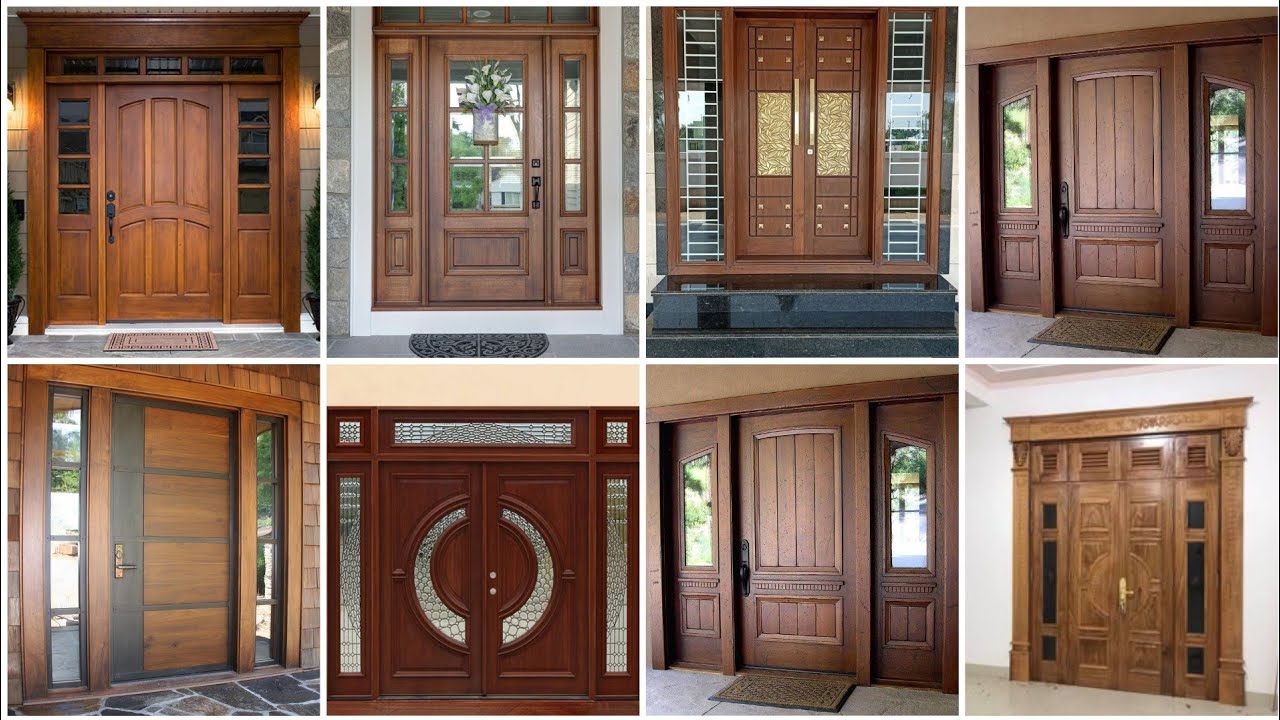
Your front door is the first impression your home makes. Among all the types of doors for main entrance, the right choice must balance security, durability, weather resistance, and curb appeal.
Here are the best options for a main entrance in 2026:
- Solid Wood Entry Doors: Timeless, warm, and customizable. Best for dry climates and traditional home styles. Pair with a quality mortise lock for maximum security.
- Steel Security Doors: The strongest choice for main entrances. Modern designs have moved well beyond the industrial look; steel doors now come in beautiful finishes and panel styles.
- Fiberglass Entry Doors: The best of both worlds: the look of wood with the durability of synthetic material. Resistant to denting, warping, and harsh weather.
- Double / French Entry Doors: Make a grand architectural statement. Best suited for larger entrances in independent homes and villas.
- Pivot Entry Doors: The ultimate luxury entrance door in 2026. Oversized, dramatic, and unmistakably modern.
- Smart / Automated Entry Doors: Increasingly mainstream in 2026, these integrate keypad, fingerprint, and smartphone access with motorized operation. Ideal for urban apartments and gated communities.
Different Types of Door Locks
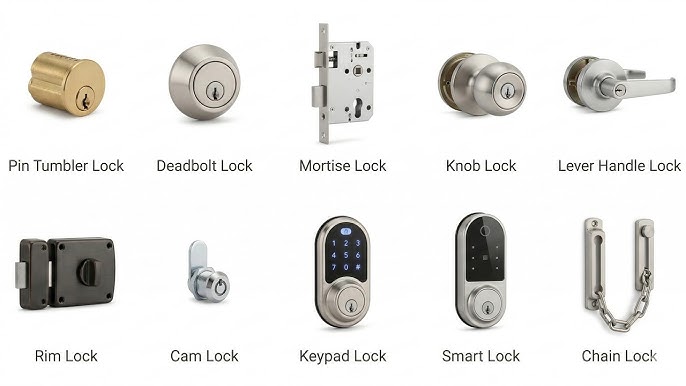
No guide to types of doors is complete without covering security. The different types of door locks you choose are just as important as the door itself.
- Deadbolt Locks: The gold standard for exterior door security. Single- or double-cylinder variants offer strong resistance to forced entry.
- Mortise Locks: Installed within the door body, mortise locks are extremely secure and widely used on main entrance doors across South Asia.
- Lever Handle Locks: Easy to operate and ADA-compliant, these are the most common choice for interior door locks.
- Smart / Digital Locks: Keypad, fingerprint, RFID, and app-controlled locks are the fastest-growing lock category in 2026. Compatible with most door types and home automation systems.
- Rim Latches Surface-mounted, simple, and affordable. Suitable for light security on interior doors.
How to Choose the Right Door: 6 Key Factors
With so many types of doors on the market, use these six factors to narrow down your choice:
- Security: Exterior and main entrance doors need stronger materials and quality locks. Interior doors can prioritise style.
- Climate: Humid or coastal areas demand moisture-resistant materials like WPC, uPVC, or fiberglass. Dry climates suit solid wood.
- Space: Small rooms benefit from sliding or pocket doors that eliminate the need for swing clearance.
- Budget: Flush and PVC doors are the most affordable. Pivot, lift-and-slide, and solid hardwood sit at the premium end.
- Design Style: Match the door to your interior language. Minimalist homes suit flush or pivot; traditional homes suit panel or French doors.
- Maintenance Willingness: If you want low upkeep, choose uPVC, WPC, or fiberglass. If you love the look of wood and do not mind periodic care, solid wood rewards you over time.
Door Trends to Watch in 2026
The types of doors gaining momentum this year reflect a broader shift toward smart living, sustainability, and bold architecture:
- Lift-and-slide glass walls replacing traditional balcony doors in premium apartments
- Pivot doors are becoming the signature entrance statement in architect-designed homes
- WPC doors are gaining ground over solid wood as eco-conscious homeowners switch materials
- Smart locks integrated at the factory level, with doors pre-wired for digital access
- Hidden frame flush doors that blend seamlessly into walls, the invisible door trend
Frequently Asked Questions
Broadly, there are dozens of types of doors when classified by material, design, operation, and use. The most common categories include hinged, sliding, folding, and pivot doors across materials like wood, steel, glass, uPVC, and fiberglass.
Steel, fiberglass, and solid wood doors are the top choices for main entrances because of their strength, insulation, and durability. In 2026, pivot and smart entry doors are also gaining popularity.
uPVC and WPC are the best bathroom door materials because they are fully waterproof, termite-proof, and require almost zero maintenance.
A panel door has a framed construction with raised or recessed panels, giving it a decorative look. A flush door has a completely flat, smooth surface, simpler, more modern, and generally more affordable.
Final Thoughts
Understanding the full range of types of doors available to you is the first step toward making a smart purchase. Whether you are choosing a grand pivot door for your main entrance, a moisture-proof WPC door for your bathroom, or a sleek lift-and-slide glass door for your balcony, every choice shapes how your home looks, feels, and functions.
For more information on City View Apartment Interior Design Pakistan and House Design, please visit Chakor.
Read More:

Dedicated and detail-oriented SEO Content Writer, Real Estate Writer, and Research Analyst based in Islamabad, with proven expertise in developing accurate, valuable, and well-researched content. Skilled in analytical writing, market research, and reporting, with the ability to turn insights into clear, professional, and impactful content. Passionate about exploring new ideas, analyzing industry trends, and contributing to high-quality writing and research-driven projects.
