BBC-featured Content Specialist with a sharp eye for search intent and a proven ability to turn content into a growth engine. I leverage cutting-edge digital marketing tools to craft strategies that fuel organic traffic, amplify brand growth, and own the local SEO landscape, particularly across the competitive real estate market. I help brands dominate search rankings and convert visibility into measurable business success.
ISLAMABAD: The provincial government has commenced construction on Phase-II of the Swat Motorway, initiating a project expected to significantly improve road connectivity and boost tourism across the Swat Valley.
Officials confirmed the launch, describing it as a key milestone in the government’s broader push to modernize transportation infrastructure throughout Khyber Pakhtunkhwa. The Chief Minister stated that the motorway would ease travel across the region while generating new economic opportunities for local communities through increased visitor numbers and investment.
Authorities have linked the project to a wider provincial strategy aimed at reducing barriers to trade and development. Improved road access, officials noted, is expected to benefit multiple sectors, with tourism identified as a primary driver of anticipated growth.
The government has emphasized its commitment to quality construction and timely delivery. However, no specific completion date or project budget has been made public at this stage.
Local stakeholders have responded positively to the announcement, citing longstanding demand for reliable road infrastructure in the area. The motorway is expected to make the Swat Valley more accessible to both domestic and international visitors, strengthening its position as one of the province’s key tourism destinations.
Provincial authorities say construction will proceed under direct government supervision, with progress subject to ongoing review.
BBC-featured Content Specialist with a sharp eye for search intent and a proven ability to turn content into a growth engine. I leverage cutting-edge digital marketing tools to craft strategies that fuel organic traffic, amplify brand growth, and own the local SEO landscape, particularly across the competitive real estate market. I help brands dominate search rankings and convert visibility into measurable business success.
With Ramadan already underway, Muslims across Pakistan are observing daily fasts, increasing prayers, and focusing on acts of charity and kindness. Ramadan is not only a time of spiritual reflection but also a period when helping those in need becomes an essential part of worship.
One of the most important obligations before Eid al-Fitr is Zakat al-Fitr, commonly known as Fitrana. This charity ensures that underprivileged families are able to participate in Eid celebrations and enjoy the festival like everyone else.
For Ramadan 2026, respected Islamic scholar Mufti Muneeb-ur-Rehman has announced the updated Zakat al-Fitr and Fidya rates in Pakistan, providing guidance to Muslims on how much charity they should give this year.
Understanding these amounts and their purpose helps believers fulfill their obligations correctly while strengthening the spirit of compassion and community during Ramadan.
What is Fitrana (Zakat al-Fitr)?
Zakat al-Fitr, also called Sadaqat al-Fitr, is a compulsory charity given at the end of Ramadan by Muslims who have the financial ability to do so. The term literally means “charity of breaking the fast.”
Unlike the annual Zakat, which is calculated as 2.5% of a person’s wealth, Fitrana is a fixed charitable amount paid for each individual in a household. Because of this, the head of the family typically pays Fitrana on behalf of all dependents.
Fitrana is generally paid for:
The individual themselves
Their spouse
Children and infants
Other dependents living in the household
Who is Eligible for Fitrana?
The charity must be distributed to eligible recipients before the Eid prayer so that those who are less fortunate can also prepare for the celebration. This timing ensures that Eid becomes a joyous occasion for the entire community, regardless of economic background.
The Purpose of Fitrana
Fitrana carries both spiritual and social significance in Islam. It completes the month of fasting and reflects the values of generosity and compassion emphasized during Ramadan.
The key purposes of Fitrana include:
Purifying the fasts of Ramadan from minor mistakes or shortcomings
Providing financial or food assistance to the poor and needy
Helping disadvantaged families celebrate Eid with dignity
Encouraging generosity and empathy among Muslims
By fulfilling this obligation, Muslims ensure that the blessings of Ramadan extend beyond personal worship and positively impact society as a whole.
Zakat al-Fitr (Fitrana) Rates in Pakistan for Ramadan 2026
For Ramadan 2026, the minimum Fitrana amount announced in Pakistan is Rs300 per person, calculated based on the price of wheat flour.
However, Islamic tradition allows Fitrana to be calculated using different staple foods that were commonly used during the time of the Prophet. These include barley, dates, and raisins. Since these foods are generally more expensive than wheat, the corresponding Fitrana amounts are higher.
Commodity Basis
Fitrana in Pakistan 2026 Per Person
Wheat flour (2 kg)
Rs300
Barley (4 kg)
Rs1,160
Dates (4 kg)
Rs2,800
Premium raisins (4 kg)
Rs7,200
While paying the minimum amount fulfills the obligation, individuals with greater financial capacity are encouraged to give according to dates or raisins. This increases the amount of charity reaching those who are struggling financially.
Choosing a higher category of Fitrana can significantly improve the support available to poor families, especially during the last days of Ramadan when many people are preparing for Eid.
Example Fitrana Calculation
Calculating Fitrana is relatively simple because it depends on the number of people in a household.
For example:
Number of family members: 5
Minimum Fitrana per person: Rs300
Total Fitrana amount = Rs300 × 5 = Rs1,500
If the family chooses to give based on dates instead of wheat, the total amount would be significantly higher, providing greater assistance to those in need.
What Is Fidya in Ramadan?
Fidya is a compensation paid by Muslims who are unable to fast due to permanent conditions, such as chronic illness or old age. When fasting becomes medically impossible, Islam provides this alternative to ensure that individuals can still fulfill their religious responsibilities in another way.
Instead of fasting, the person pays an amount equivalent to feeding a poor person for each missed fast.
For Ramadan 2026 in Pakistan:
Minimum Fidya amount: Rs300 per missed fast
This amount is calculated based on the cost of wheat flour and reflects the minimum amount required to provide food for someone in need.
Example Fidya Calculation
If a person cannot fast during the entire month of Ramadan due to a permanent health condition:
Missed fasts: 30
Fidya per fast: Rs300
Total Fidya = Rs9,000
This payment helps provide meals to needy individuals and ensures that the person who cannot fast still contributes to the welfare of the community.
It is important to remember that Fidya only applies to those who cannot fast permanently. Those who miss fasts temporarily due to reasons such as illness or travel must make up the fasts later instead of paying Fidya.
Kaffara for Deliberately Breaking a Fast
If someone intentionally breaks a fast without a valid reason, Islamic law requires Kaffara, which serves as a serious form of repentance and compensation.
The purpose of Kaffara is to emphasize the sanctity of fasting during Ramadan and discourage deliberate violations of this important act of worship.
To fulfill Kaffara, a person must either:
Fast for 60 consecutive days, or
Feed 60 poor people two meals each
In Pakistan, estimated Kaffara costs based on staple food prices are:
Commodity
Estimated Amount
Wheat
Rs18,000
Barley
Rs69,600
Dates
Rs168,000
These amounts are calculated to cover the cost of providing meals to sixty needy individuals. The exact cost may vary depending on local food prices or the charity distributing the meals.
When Should Fitrana Be Paid?
Islamic scholars emphasize that Zakat al-Fitr should be paid before the Eid prayer so that it can reach the poor in time for the celebrations.
Traditionally, many Muslims choose to pay Fitrana during the last few days of Ramadan. This timing ensures that the charity is distributed efficiently and allows recipients to purchase food or other necessities for Eid.
Fitrana can be paid:
During the last week of Ramadan
One or two days before Eid
Before leaving for the Eid prayer
Paying early is often recommended because it allows charities and community organizations enough time to distribute assistance to those who need it most.
Who Must Pay Zakat al-Fitr?
Zakat al-Fitr is obligatory for every Muslim who has food or financial resources beyond their basic needs on the day of Eid.
The charity must be paid for:
Adult men and women
Children and infants
Family members who depend on the household provider
Typically, the head of the household pays Fitrana on behalf of all family members, ensuring that everyone fulfills this obligation collectively.
This system makes the process simpler and ensures that the entire household contributes to helping those who are less fortunate.
Why Fitrana Matters
Fitrana is not only a financial obligation but also a powerful symbol of social responsibility and compassion. It highlights the importance of supporting vulnerable members of society and strengthening the bonds within the Muslim community.
The impact of Fitrana includes:
Providing food and financial support to the poor
Ensuring that disadvantaged families can celebrate Eid
Strengthening social unity and solidarity
Encouraging generosity and empathy among Muslims
By sharing their blessings with others, Muslims ensure that the joy of Eid extends to everyone, regardless of their economic situation.
BBC-featured Content Specialist with a sharp eye for search intent and a proven ability to turn content into a growth engine. I leverage cutting-edge digital marketing tools to craft strategies that fuel organic traffic, amplify brand growth, and own the local SEO landscape, particularly across the competitive real estate market. I help brands dominate search rankings and convert visibility into measurable business success.
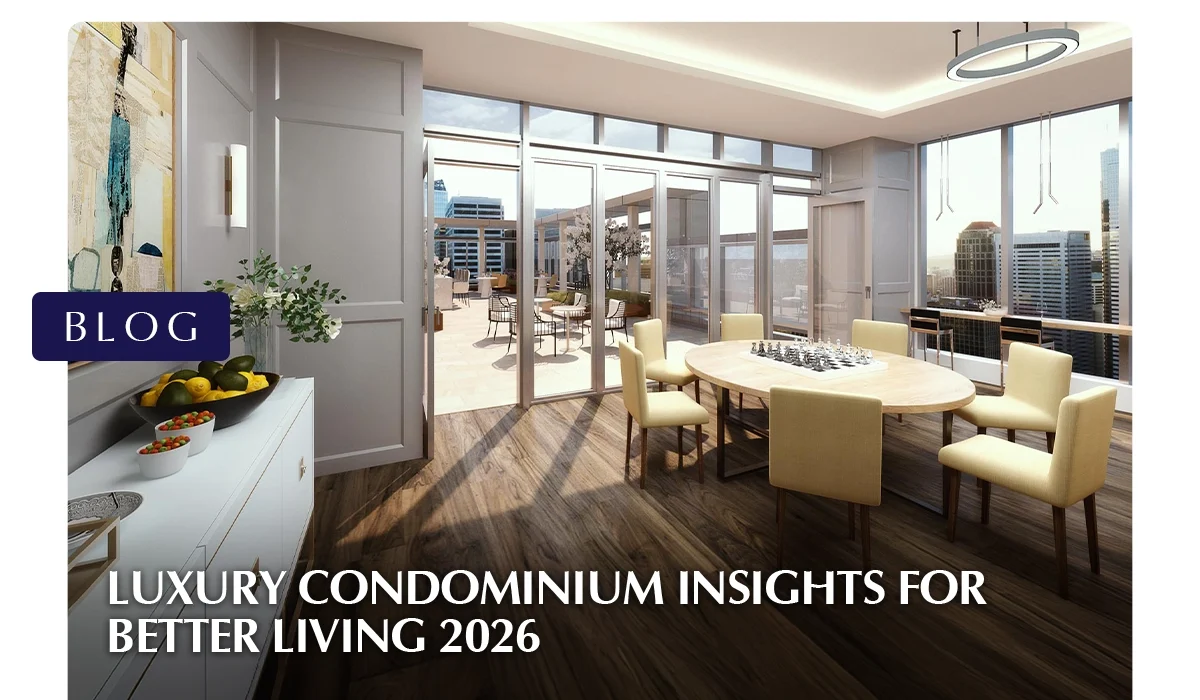
Urban living in Pakistan has evolved quickly in recent years. Many people now prefer modern residential buildings that offer comfort, convenience, and security in one place. This shift has increased interest in the concept of a luxury condominium. Buyers and investors want properties that combine elegant design with practical amenities.
A luxury condominium offers more than a place to live. It creates a lifestyle that blends privacy, comfort, and community living. Many projects in cities like Islamabad, Lahore, and Karachi now include high-rise residential buildings with premium facilities. These developments are designed to meet the expectations of modern homeowners.
In this guide, you will learn what a luxury condominium is, understand the condo building meaning, and explore the most important luxury condo features that define upscale apartment living in Pakistan.
What Is a Luxury Condominium?
A condominium is a residential unit within a larger building. Each unit is privately owned by an individual or family. The building also contains shared areas used by all residents.
These shared spaces often include elevators, parking areas, corridors, and recreational facilities. Residents enjoy private living inside their units while benefiting from community amenities.
A luxury condominium takes this concept further. It focuses on high-quality construction, premium interiors, and exclusive amenities. These properties are usually located in prime areas of major cities.
Luxury condominiums often include spacious layouts, modern architecture, and carefully designed interiors. Developers pay close attention to comfort and aesthetics. The goal is to provide a sophisticated lifestyle within a secure residential environment.
In Pakistan, luxury condominiums are commonly referred to as luxury apartments or high rise residential units. However, the concept remains the same. Owners have private ownership of their unit within a shared building structure.
Condo Building Meaning Explained
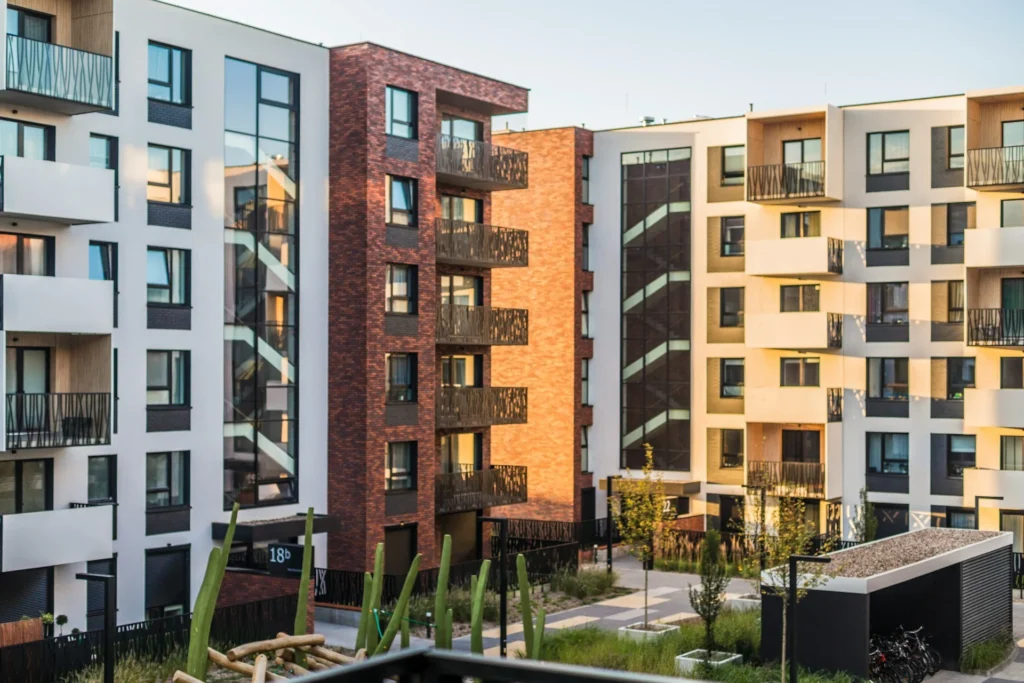
Understanding the condo building meaning helps buyers make better property decisions. A condo building is a multi-storey residential structure that contains several individually owned units.
Each owner owns their specific apartment. At the same time, all residents share access to certain facilities within the building.
Common shared areas may include:
building lobby
elevators
parking areas
rooftop spaces
fitness facilities
recreational areas
These shared spaces are designed to improve daily living and create a sense of community among residents.
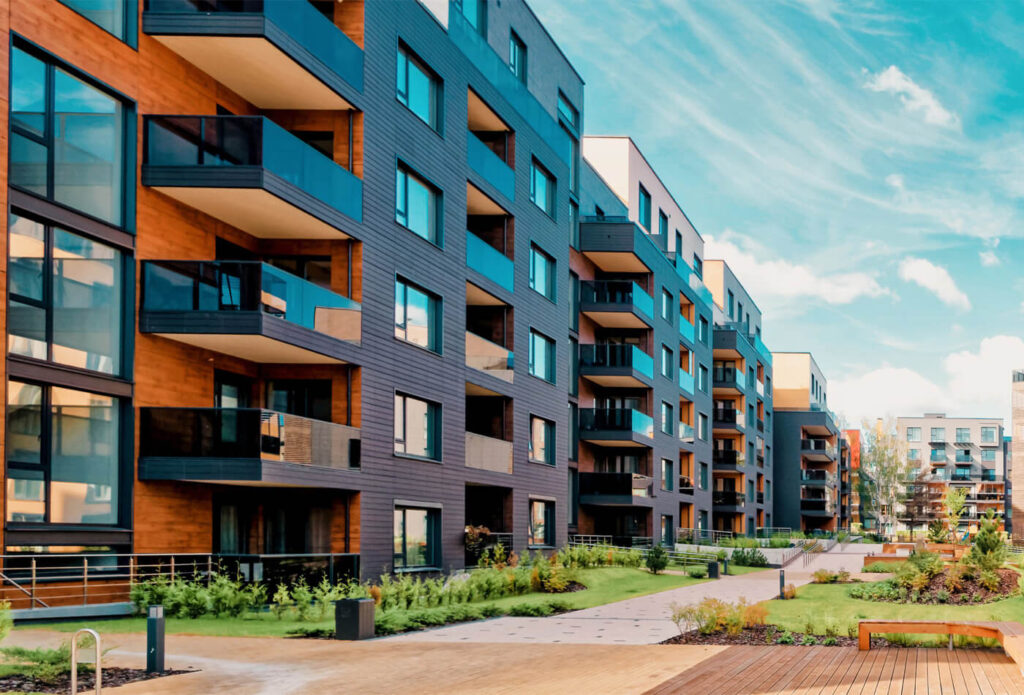
Condo buildings are popular in cities where land is limited and urban populations are growing. High-rise residential towers allow developers to create modern housing while maximizing available space.
In Pakistan, condo buildings are often found in planned communities and urban developments. These include areas such as DHA, Bahria Town, Gulberg, and Clifton.
Why Luxury Condominiums Are Growing in Pakistan
Luxury residential developments are becoming more common in Pakistan. Rapid urbanization has increased demand for modern housing solutions.
Many people now prefer apartment living because it offers convenience and security. A luxury condominium provides both while also delivering a comfortable lifestyle.
Several factors have contributed to this growing trend.
One reason is the rising number of professionals working in major cities. These individuals often prefer centrally located apartments close to offices, shopping areas, and restaurants.
Another factor is the appeal of modern amenities. Luxury buildings offer facilities that traditional houses may not provide. These include gyms, rooftop lounges, and secure parking.
Investment potential also attracts buyers. Luxury apartments in prime locations can generate high rental income. They may also increase in value over time.
As cities continue to expand, luxury condominiums will likely play an even bigger role in Pakistan’s real estate market.
Key Luxury Condo Features
A luxury condominium stands out because of its premium design and high-end facilities. These luxury condo features create a living experience that goes beyond standard apartments.
Elegant Interior Design
Luxury apartments often feature spacious layouts and stylish interiors. Designers focus on creating comfortable and visually appealing living spaces.
Many luxury condominiums include modern kitchens with high-quality finishes. Living rooms often feature large windows that allow natural light to fill the space.
Bedrooms are designed for comfort and privacy. Bathrooms may include premium fixtures and elegant materials.
These design elements make the apartment feel refined and welcoming.
Modern Lifestyle Amenities
Amenities are one of the defining characteristics of a luxury condominium. Developers include facilities that improve daily life and create opportunities for relaxation.
Common amenities in luxury condo buildings include:
rooftop swimming pools
fitness centers or gyms
landscaped gardens
community lounges
children’s play areas
jogging tracks
These amenities allow residents to enjoy recreation without leaving the building.
Advanced Security Systems
Security is a major priority in modern residential developments. Luxury condominiums usually include strong safety measures that protect residents and property.
Many buildings include CCTV monitoring and controlled entry systems. Security staff are often present at the main entrance.
These features provide peace of mind for families and individuals living in the building.
Dedicated Parking and Utilities
Parking can be a challenge in busy cities. Luxury condominiums usually provide dedicated parking spaces for residents.
Many buildings also include backup electricity systems. These systems ensure that elevators and essential services continue during power interruptions.
High-speed elevators are another common feature. They allow residents to move quickly between floors.
Benefits of Living in a Luxury Condominium
Choosing a luxury condominium offers several advantages. These benefits explain why many buyers prefer this type of property.
Comfortable Urban Lifestyle
Luxury condominiums provide a balanced lifestyle. Residents enjoy modern living spaces while having access to premium facilities.
This combination creates a comfortable and convenient living experience.
Community Living
Living in a condo building creates opportunities for social interaction. Residents share certain facilities such as gyms and lounges.
These shared spaces encourage a sense of community while maintaining privacy inside each apartment.
Prime Location Advantages
Luxury condominiums are often located in central or upscale areas. These locations offer easy access to essential services.
Residents may live close to shopping centers, restaurants, offices, schools, and hospitals.
This convenience saves time and improves daily routines.
Investment Opportunities
Luxury apartments can be attractive investments. Properties in prime urban areas often maintain strong demand.
Investors may earn rental income while also benefiting from long-term property appreciation.
Many overseas Pakistanis also consider luxury condominiums when investing in local real estate.
Luxury Condominium Versus Apartment
Some people use the terms condominium and apartment interchangeably. However, there are important differences.
An apartment is usually rented from a landlord or property management company. Residents do not own the unit.
A condominium is owned by the person living in it or by an investor who rents it to tenants.
Luxury condominiums also tend to offer more advanced amenities and premium designs compared to standard apartments.
Understanding this difference helps buyers evaluate their property options more clearly.
Citadel One3 Luxury Condominium
Citadel One3 is an upcoming luxury condominium project designed for buyers seeking upscale urban living. It is located in the new Blue Area Islamabad. The development focuses on comfort, smart layouts, and contemporary architecture. Its design reflects the growing demand for high-quality apartments in Pakistan’s expanding real estate market.
The project aims to provide a balanced lifestyle by combining stylish interiors with practical facilities. Residents can enjoy a living environment that supports convenience, security, and modern amenities.
Key highlights of Citadel One3 include:
Modern apartment layouts with spacious interiors
Secure residential environment with controlled access
Dedicated parking spaces for residents
Easy access to nearby commercial and urban areas
High-quality construction and contemporary design
Citadel One3 represents a new generation of residential developments. It focuses on delivering comfortable living spaces while meeting the expectations of modern property buyers and investors.
How to Choose the Right Luxury Condominium
Buying a luxury condominium requires careful evaluation. Several factors should be considered before making a decision.
Location
Location plays a major role in property value. Buyers should look for areas with strong infrastructure and easy access to major roads.
Prime locations often provide better investment potential.
Developer Reputation
The reputation of the developer is also important. Established developers usually maintain higher construction standards.
Researching past projects can help buyers assess reliability and quality.
Amenities and Facilities
Before purchasing a unit, buyers should review the building’s available facilities.
Luxury amenities such as fitness centers, rooftop areas, and secure parking can significantly improve lifestyle quality.
Future Value
Some areas experience rapid development. Properties in such locations may increase in value as infrastructure improves.
Buyers should consider long-term potential when selecting a luxury condominium.
Future Trends in Luxury Condominium Living
Luxury residential developments continue to evolve. Developers are introducing new features to meet the needs of modern residents.
Smart home technology is becoming more common. Residents can control lighting, temperature, and security systems through mobile devices.
Eco-friendly building designs are also gaining popularity. These designs focus on energy efficiency and environmental sustainability.
Some new projects include co-working spaces within residential buildings. This feature supports remote work and flexible business activities.
Rooftop entertainment areas are another growing trend. These spaces allow residents to relax while enjoying city views.
As technology and design continue to advance, luxury condominiums will likely become even more innovative.
Conclusion
A luxury condominium represents a modern approach to urban living. It combines private home ownership with shared amenities that improve daily life.
Understanding the condo building meaning helps buyers see how these residential structures function. Each unit is privately owned, while residents share common facilities.
The appeal of luxury condominiums lies in their premium design, strong security, and impressive luxury condo features. Amenities such as fitness centers, rooftop pools, and landscaped areas enhance the overall living experience.
Cities across Pakistan are witnessing a rise in these developments. Buyers appreciate the comfort, convenience, and investment potential they offer.
For individuals seeking modern living in an urban environment, luxury condominiums provide a practical and elegant housing solution.
Frequently Asked Questions
What is a luxury condominium?
A luxury condominium is a high-end residential unit located within a shared building. It offers premium design, modern amenities, and comfortable living spaces.
What does condo building meaning refer to?
The condo building meaning refers to a residential building that contains multiple privately owned units with shared facilities such as elevators, parking areas, and recreational spaces.
What are common luxury condo features?
Luxury condo features often include modern interiors, rooftop pools, fitness centers, landscaped gardens, high-speed elevators, and advanced security systems.
Are luxury condominiums common in Pakistan?
Yes. Luxury condominiums are becoming increasingly popular in major cities such as Islamabad, Lahore, and Karachi due to growing demand for modern urban housing.
BBC-featured Content Specialist with a sharp eye for search intent and a proven ability to turn content into a growth engine. I leverage cutting-edge digital marketing tools to craft strategies that fuel organic traffic, amplify brand growth, and own the local SEO landscape, particularly across the competitive real estate market. I help brands dominate search rankings and convert visibility into measurable business success.
KARACHI: Mobilink Bank has signed a five-year partnership agreement with the Sindh Enterprise Development Fund (SEDF) to improve access to financing for micro, small, and medium enterprises (MSMEs) across Sindh.
Under the arrangement, the collaboration will make up to Rs1 billion available to support businesses operating in priority economic sectors in the province. The initiative combines Mobilink Bank’s lending services with SEDF’s markup subsidy programme to help lower the cost of borrowing for entrepreneurs.
The financing facility will target a range of sectors, including agriculture value chains, livestock and dairy, poultry, fisheries, cold storage and logistics, renewable and alternative energy, mining and mineral processing, and innovation-driven information technology projects. The programme will also extend support to women-led enterprises.
Mobilink Bank will offer short-, medium-, and long-term financing options to eligible MSMEs. SEDF will provide a markup subsidy of up to one-year KIBOR or 10 percent, whichever is lower. The subsidy will initially apply for a period of three years, with the possibility of extension based on the programme’s performance.
Individual projects will be eligible to receive financing of up to Rs5 million, with flexibility for higher allocations in cases involving innovative business models.
Officials stated that the initiative is intended to strengthen financial access for small businesses and encourage economic activity across Sindh’s value-added industries. The partnership also reflects broader efforts to improve coordination between financial institutions and public sector programmes aimed at supporting enterprise development in the province.
BBC-featured Content Specialist with a sharp eye for search intent and a proven ability to turn content into a growth engine. I leverage cutting-edge digital marketing tools to craft strategies that fuel organic traffic, amplify brand growth, and own the local SEO landscape, particularly across the competitive real estate market. I help brands dominate search rankings and convert visibility into measurable business success.
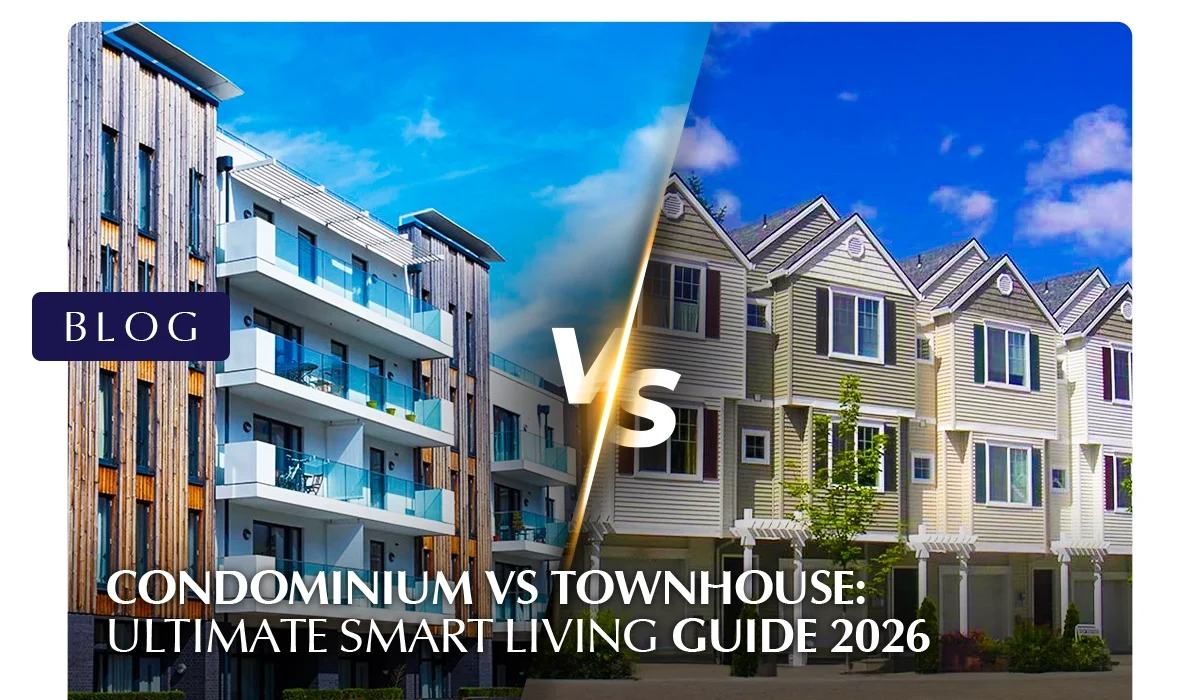
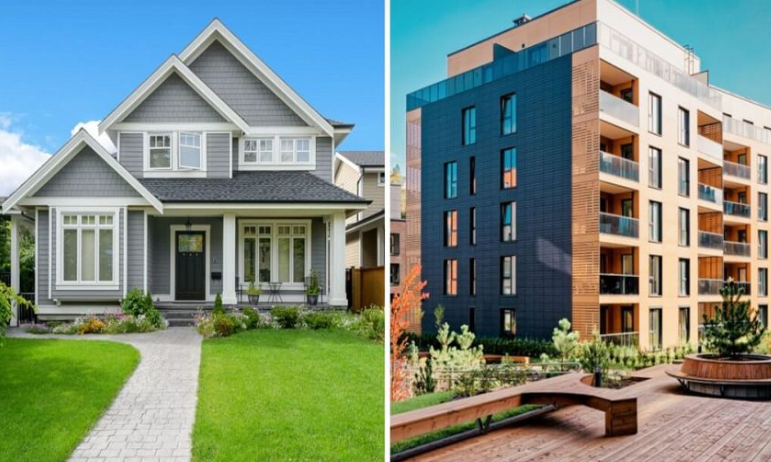
Choosing between a condominium vs townhouse is one of the most common decisions buyers face when entering the property market. While both options may look similar from the outside, especially in gated communities or housing societies, their ownership structure, costs, maintenance responsibilities, privacy levels, and long-term investment potential differ significantly.
Condo vs Townhouse: Definition
A condominium typically means you own the interior of a unit within a shared building, while a townhouse usually means you own the house structure and often the land beneath it.
Condominium vs Townhouse: Comparison Table
Feature
Condominium
Townhouse
Land Ownership
Usually no individual land ownership
Typically includes land ownership (depends on development)
Purchase Price
Generally, lower entry cost
Usually higher due to land and larger size
Maintenance Responsibility
Exterior maintained by building management
Owner responsible for most exterior repairs
Monthly Maintenance Charges
Typically higher (covers shared services)
Usually, lower society charges, but personal upkeep costs apply
Space & Layout
Single-level, compact design
Multi-level, larger built-up area
Privacy Level
Shared walls, floors, and common areas
Shared side walls only; no units above/below
Noise Potential
Higher due to vertical neighbors
Lower, but side-wall noise is possible
Amenities
Often includes security, parking, backup utilities
Limited amenities unless in a premium community
Renovation Flexibility
Restricted by association rules
More flexibility (within community guidelines)
Investment Potential
Moderate appreciation depending on location
Often stronger long-term appreciation due to land ownership
Best Suited For
Individuals, couples, small families
Growing families, long-term homeowners
Condominium vs Townhouse: Space & Layout Comparison
One of the biggest factors in the condominium vs townhouse decision is space. Layout directly affects comfort, privacy, and long-term suitability.
A condominium is usually a single-level unit inside a larger building. Most condos are designed with compact and efficient floor plans. This makes them practical for individuals, couples, or small families.
Units often share corridors and common entrances. Some may include a balcony, but outdoor space is limited. Parking is typically underground or in a shared area.
Because of their design, condos work well for working professionals or buyers who prefer low-maintenance living. A condo house is often chosen for convenience rather than space.
A townhouse offers a very different layout. Most townhomes are multi-level, often spread across two or three floors. Each unit usually has a separate entrance. Inside, there is an internal staircase connecting the levels. Many townhouses also include a rooftop or terrace.
Condominium vs Townhouse – Cost Breakdown
When comparing townhome vs condo, it’s important to look beyond the purchase price. Short-term affordability and long-term costs can vary significantly.
Initial Purchase Cost
Condominiums usually have a lower entry price. This is because individual land ownership is not included. Units are also smaller in size. Structural costs are shared across multiple owners in the building. However, it depends on the specific property you are looking to buy.
Townhouses typically cost more. The higher price reflects a larger built-up area. In many cases, it also includes land ownership. Independent infrastructure adds to the value. While the upfront investment is higher, it may support stronger long-term returns.
Maintenance Charges
Maintenance costs differ between a condominium vs townhouse.
Condominium owners usually pay monthly maintenance fees. These fees often cover elevator servicing, cleaning, security, backup utilities, and shared water systems. Because services are centralized, daily management is simplified.
However, these fees are ongoing. They may increase over time.
Townhouse owners may pay society-level charges. These typically cover security, road maintenance, and shared landscaping. Exterior repairs, however, are often the homeowner’s responsibility. Roofing, repainting, and structural repairs are usually managed privately.
Over time, these independent expenses can become significant.
Utility Management
Utility systems also vary between property types. In a condominium, water supply may be shared across the building. Backup power systems are often centralized. Waste management is typically organized by the building administration. This structure can make budgeting more predictable.
In a townhouse, utilities are usually independent. Water systems, backup power, and plumbing repairs are handled privately. This offers greater control. However, it also requires more personal oversight.
Condominium vs Townhouse – Investment & Appreciation Potential
Long-term value growth is one of the most important factors in real estate decisions. Many investors ask whether townhomes appreciate more than condos.
In many markets, properties that include land ownership tend to appreciate more steadily over time. Land is a finite resource, and its value often rises as urban areas expand. Because townhouses often include land ownership, they may offer stronger long-term capital growth compared to condominiums.
However, condominiums can perform very well in prime, high-demand locations. In dense urban centers where vertical living is common, a well-located condo house may experience strong appreciation and rental demand.
The key is understanding supply, demand, and development trends in your specific area.
Rental Potential Comparison – Condominium vs Townhouse
For investors, rental yield matters.
Condominium Rental Advantages
Easier to manage
Attractive to young professionals
Lower maintenance involvement
Security appeal
Townhouse Rental Advantages
Suitable for families
Longer tenant stays
Higher rental value in some markets
The investment strategy determines which is better.
Security Considerations
Both property types can be secure in well-managed communities.
Condominiums often provide:
Controlled building entry
CCTV monitoring
On-site security staff
Townhouses in gated communities offer:
Perimeter security
Guarded entrances
Community monitoring
Safety depends more on location than property type.
Condominium vs Townhouse – Lifestyle Suitability
Lifestyle ultimately determines which property type feels right. A condominium is well-suited for buyers who value convenience, shared amenities, and simplified living. It works well for smaller households or individuals prioritizing location and affordability.
A townhouse is often better for families needing space, privacy, and long-term ownership stability. Those planning renovations or multi-generational living may prefer the flexibility of townhouse ownership.
There is no universal “better” option, only what aligns with your goals.
Common Buyer Mistakes
When comparing a condominium vs townhouse, buyers often:
Ignore maintenance fee increases
Overlook society regulations
Forget to review management rules
Focus only on price, not long-term costs
Ignore resale demand trends
Always evaluate:
Development reputation
Infrastructure quality
Long-term demand
Construction standards
Pros and Cons
When comparing a condominium vs townhouse, understanding the advantages and disadvantages of each can make your decision much clearer.
Condominium – Pros
Lower Purchase Price Condominiums typically have a lower entry cost compared to townhouses, making them more accessible for first-time buyers.
Low Maintenance Living Exterior repairs, landscaping, and common area upkeep are usually handled by building management or the association.
Amenities Included Many condo developments offer features such as security, parking facilities, backup utilities, and shared recreational areas.
Convenient Lifestyle A condo house is often ideal for individuals or small families seeking simplified, hassle-free living.
Condominium – Cons
Monthly Maintenance Charges Ongoing association fees can increase over time and must be factored into long-term budgeting.
Limited Privacy Sharing walls, ceilings, and corridors may reduce privacy compared to a townhouse.
Less Control Over Exterior Changes Renovations and structural modifications usually require approval.
Moderate Appreciation Potential In some markets, condos may appreciate more slowly than properties that include land ownership.
Townhouse – Pros
Land Ownership In most cases, townhouse owners also own the land, which can strengthen long-term value growth.
More Space Townhouses are typically multi-level and offer larger living areas compared to most condominiums.
Greater Privacy With no units above or below, townhomes usually provide a quieter living experience than a condo.
Stronger Long-Term Investment Potential Properties with land ownership often experience steadier appreciation over time.
Townhouse – Cons
Higher Purchase Price Because of land and larger built-up areas, townhouses generally cost more upfront.
Maintenance Responsibility Exterior repairs, roofing, and structural upkeep are often the owner’s responsibility.
Shared Side Walls Although more private than condos, townhouses still share at least one wall with neighbors.
Citadel One3 – A Luxury Condominium Complex
Citadel One3 is an upcoming high-rise luxury condominium designed to introduce modern vertical living with premium design standards. Planned as a landmark tower, the project aims to combine contemporary architecture with thoughtfully designed living spaces and curated lifestyle amenities.
As a future condominium development, Citadel One3 is expected to appeal to buyers seeking low-maintenance urban living as well as investors looking for early-stage appreciation potential.
With its planned strategic location and focus on comfort, security, and community features, Citadel One3 represents a forward-looking example of how condominium living continues to evolve in today’s real estate market.
Frequently Asked Questions | Condominium vs Townhouse
What is the difference between a row townhouse and a condo townhouse?
A row townhouse typically includes ownership of the house and land, while a condo townhouse operates under shared ownership of the exterior areas.
What is the difference between a townhouse and a condo?
In a condominium vs townhouse comparison, condo owners typically own only the interior, while townhouse owners usually own both structure and land.
Which is more expensive, a townhouse or a condo?
Townhouses are generally more expensive due to land ownership and larger size.
Which is better, a townhouse or a condo?
It depends on your priorities, condos offer convenience, while townhouses offer space and stronger ownership control.
Are townhomes bigger than condos?
Yes, townhomes are typically larger and often multi-level.
What is the disadvantage of a townhouse?
Usually higher purchase price and exterior maintenance responsibility.
Is it a good idea to live in a townhouse?
Yes, especially for families seeking space and long-term value.
What are the downsides of a townhouse?
Shared walls and maintenance obligations.
Is a townhouse safer than a house?
Safety depends more on community location than property type.
Is an apartment or townhouse better?
Apartments offer affordability and convenience; townhouses offer space and ownership benefits.
Are townhouses bigger than condos?
In most cases, yes, townhouses are larger and offer multi-level living.
Final Thoughts | Condominium vs Townhouse
Choosing between a condominium vs townhouse requires balancing budget, lifestyle, privacy preferences, and long-term investment goals. A condo offers convenience and affordability, while a townhouse provides space, independence, and potentially stronger appreciation over time. The right decision isn’t about which property type is superior; it’s about which one aligns with your financial plans and living needs.
BBC-featured Content Specialist with a sharp eye for search intent and a proven ability to turn content into a growth engine. I leverage cutting-edge digital marketing tools to craft strategies that fuel organic traffic, amplify brand growth, and own the local SEO landscape, particularly across the competitive real estate market. I help brands dominate search rankings and convert visibility into measurable business success.
ISLAMABAD: The Capital Development Authority (CDA) has approved measures to enhance Islamabad’s sanitation system, including the procurement of modern machinery to improve garbage collection across the city. The decision was taken during a meeting chaired by CDA Chairman and Chief Commissioner of Islamabad, Muhammad Ali Randhawa, at the authority’s headquarters.
Officials reviewed a strategy aimed at strengthening both primary and secondary waste collection services. The CDA decided to address immediate gaps in equipment and manpower to improve efficiency in sanitation operations. A citywide cleanliness drive will also be launched as part of the broader plan.
Authorities were informed that additional waste containers will be installed in both urban and rural areas, while damaged units will be repaired. The number of waste trolleys will be increased, and more dustbins will be placed at designated locations to facilitate proper disposal.
A three-bin system will be introduced in commercial centres to support waste segregation and recycling. The CDA also plans to involve traders and local residents in cleanliness efforts through coordination mechanisms such as neighbourhood committees.
To strengthen enforcement, fines will be imposed on individuals or businesses found responsible for littering. The Islamabad Food Authority will monitor restaurants to ensure proper waste management practices.
The meeting also decided to establish a round-the-clock control room to oversee sanitation operations. Helpline numbers for complaints will be displayed on digital screens for public access. Field staff will be equipped with communication devices and new uniforms, and a registration process will be introduced for waste collectors operating in the city.
The measures are aimed at improving overall sanitation standards in the federal capital.
BBC-featured Content Specialist with a sharp eye for search intent and a proven ability to turn content into a growth engine. I leverage cutting-edge digital marketing tools to craft strategies that fuel organic traffic, amplify brand growth, and own the local SEO landscape, particularly across the competitive real estate market. I help brands dominate search rankings and convert visibility into measurable business success.
Lahore, Pakistan — 2 March 2026 — Chakor Ventures concluded a strong tournament campaign at the Ramadan Polo Cup 2026 by securing third place following a closely contested 6–5 victory over Olympia in the Subsidiary Final held on Sunday, 1 March 2026, at Lahore Polo Club.
Competing in the final matches of the tournament week, Chakor Ventures advanced to the Subsidiary Final, contested between the third- and fourth-placed teams, after a series of competitive performances throughout the event. The match against Olympia proved to be an intense encounter, with both sides demonstrating high-level skill and determination before Chakor Ventures sealed the win in a tightly fought finish.
The Ramadan Polo Cup featured leading teams competing across multiple fixtures, culminating in the Subsidiary Final between Chakor Ventures and Olympia at Ground #2, followed by the Main Final between PB and Soofar Squad at Ground #1. The tournament once again highlighted the competitive spirit and rich heritage of polo at the Lahore Polo Club.
With a podium finish at the Ramadan Polo Cup 2026, Chakor Ventures continues to strengthen its presence in Pakistan’s polo circuit, demonstrating consistency and competitive excellence in successive tournaments.
BBC-featured Content Specialist with a sharp eye for search intent and a proven ability to turn content into a growth engine. I leverage cutting-edge digital marketing tools to craft strategies that fuel organic traffic, amplify brand growth, and own the local SEO landscape, particularly across the competitive real estate market. I help brands dominate search rankings and convert visibility into measurable business success.
Ayatollah Ali Khamenei was a prominent religious scholar and political leader of Iran. He served as the Supreme Leader of the Islamic Republic for decades. His leadership shaped Iran’s political direction and religious identity. Many followers viewed him as a symbol of resistance and faith. His influence extended beyond national borders into the wider Muslim world.
He combined religious authority with political power. This made him one of the most consequential figures of modern Middle Eastern history.
His Martyrdom and the Concept of Martyrdom
Ayatollah Ali Khamenei was martyred on 28 February 2026 during a foreign air strike that targeted his location in Tehran amid heightened regional tensions and military escalation as per international media.
Throughout his life, Khamenei had openly embraced the idea of martyrdom. He often stated that he did not fear death in the path of faith. He described martyrdom as a divine honor granted to those who remain steadfast in their beliefs. His speeches frequently emphasized sacrifice, resistance, and devotion to higher principles.
In Islam, martyrdom holds profound spiritual significance. It is rooted in the example of Imam Husayn and the tragedy of Karbala. Imam Husayn R.A’s stand against injustice is seen as the ultimate model of courage and moral clarity.
For many of his supporters, the circumstances of his death reflected the very ideals he had long spoken about. They saw it as a continuation of the tradition of sacrifice in defense of faith, justice, and sovereignty.
Early Years, Rise to Power, and Political and Religious Ideology
Early Life and Education
Ayatollah Ali Khamenei was born in 1939 in Mashhad, Iran. He grew up in a religious family. His father was a cleric known for his simple lifestyle. From childhood, he studied the Quran and Islamic sciences.
He later continued his education in the seminaries of Mashhad and Qom. In Qom, he studied under respected scholars. These formative years shaped his discipline and worldview. He developed a lasting interest in Islamic philosophy and political thought.
Opposition to the Shah
During the 1960s and 1970s, Iran was ruled by the Shah. Ayatollah Ali Khamenei became active in religious and political opposition. He supported the idea of Islamic governance. He spoke against Western influence in Iran.
Ayatollah Ali Khamenei was arrested several times. He experienced prison and close surveillance. These hardships strengthened his resolve. They also increased his reputation among revolutionaries. He believed that religion should guide political authority.
Role After the 1979 Revolution
The 1979 Revolution transformed Iran’s political structure. The monarchy was replaced by an Islamic Republic. Ayatollah Ali Khamenei quickly gained senior roles within the new system.
In 1981, he became president. His presidency took place during the Iran-Iraq War. The country faced economic and military pressure. This period shaped his approach to security and resistance.
Becoming Supreme Leader
In 1989, the founding Supreme Leader passed away. Ayatollah Ali Khamenei was selected as his successor. This marked a decisive turning point.
As Supreme Leader, he became the highest authority in the state. He oversaw the armed forces and major institutions. He guided both political and religious affairs. His leadership would last for decades.
Political and Religious Ideology
Khamenei supported Islamic governance led by a senior jurist. He believed religious law should shape society. He emphasized moral discipline and cultural preservation.
He strongly promoted national independence. He opposed foreign interference in Iranian affairs. He viewed resistance as essential to sovereignty.
Supporters saw him as a guardian of Islamic values. Critics argued that his leadership centralized power. His ideas deeply influenced Iran’s direction and identity for many years.
Solidarity and Unity
Throughout his leadership, Ayatollah Ali Khamenei frequently called for unity among Muslims. He encouraged cooperation across nations and communities. He stressed shared faith over division.
His speeches often focused on dignity, resistance, and collective strength. Supporters across different regions expressed solidarity with his vision. Many viewed unity as both a spiritual and social responsibility.
Moments of crisis often became occasions for renewed calls for togetherness. These expressions reflected a belief that faith binds communities beyond borders.
Concluding Thought on Faith and Steadfastness
The life of Ayatollah Ali Khamenei reflects the powerful relationship between belief and leadership. His journey showed how faith can shape political action and national identity.
For supporters, Ayatollah Ali Khamenei legacy represents steadfastness in the face of challenge. It highlights patience, conviction, and commitment to principle. Regardless of differing perspectives, his influence remains part of contemporary history.
BBC-featured Content Specialist with a sharp eye for search intent and a proven ability to turn content into a growth engine. I leverage cutting-edge digital marketing tools to craft strategies that fuel organic traffic, amplify brand growth, and own the local SEO landscape, particularly across the competitive real estate market. I help brands dominate search rankings and convert visibility into measurable business success.
KARACHI: Trading at the Pakistan Stock Exchange (PSX) was suspended for one hour on Monday after the benchmark KSE-100 index recorded a sharp decline of more than 15,000 points during intra-day trading.
According to market figures, the KSE-100 index dropped by 15,071.01 points, bringing it down to 152,991.15 points from the previous closing level of 168,062.16 points. The decrease represents a decline of 8.97 percent. Trading was halted temporarily in accordance with market regulations to manage volatility and prevent further losses.
The market downturn occurred amid heightened geopolitical tensions involving Iran, Israel, and the United States, which affected global financial markets.
In international energy markets, Brent crude oil prices rose approximately 10 percent in over-the-counter trading on Sunday, reaching around $80 per barrel. Prior to this increase, Brent had closed at $73 per barrel on Friday, marking its highest level since July. Analysts indicated that continued developments in the Middle East could influence further price movements in global oil markets.
BBC-featured Content Specialist with a sharp eye for search intent and a proven ability to turn content into a growth engine. I leverage cutting-edge digital marketing tools to craft strategies that fuel organic traffic, amplify brand growth, and own the local SEO landscape, particularly across the competitive real estate market. I help brands dominate search rankings and convert visibility into measurable business success.
Choosing between a condominium and an apartment is one of the most common challenges faced by modern home seekers. At first glance, both housing types may appear identical multi-unit buildings with shared facilities and similar layouts. However, the condominium and apartment difference goes far beyond appearance. It affects ownership rights, financial responsibilities, lifestyle flexibility, and long-term investment potential.
As cities grow more crowded and urban housing evolves worldwide, including in Pakistan, understanding these differences has become essential for buyers, renters, and investors alike. This comprehensive guide explains everything you need to know, from definitions and ownership structures to costs, lifestyle considerations, and future housing trends.
Instant Definition: Condominium and Apartment Difference
The condominium and apartment difference is primarily based on ownership: a condominium is privately owned real estate within a shared building, while an apartment is a rental unit owned by a landlord or property company.
This single distinction influences nearly every other aspect of housing.
What Is a Condominium?
A common question that often comes up in the google searches is “what is a condominium“. A condominium, often called a condo, is a residential property where individuals own their specific unit but share ownership of common areas with other residents.
Unlike standalone houses, condominiums combine private ownership with community-managed living.
Condominium Ownership Explained
When you purchase a condominium, you legally own:
Interior living space
Walls, floors, and ceilings of your unit
Fixtures and appliances inside the unit
However, you share ownership of:
Hallways
Elevators
Parking areas
Gardens
Security systems
Recreational amenities
These shared elements are managed by a condominium association (often called an HOA).
Role of the Condominium Association
The association typically handles:
Maintenance of shared spaces
Building repairs
Security management
Community rules enforcement
Fee collection
Owners contribute monthly fees to maintain these services.
What Is an Apartment?
An apartment is a residential unit rented from a property owner or management company. Unlike condos, tenants do not own any part of the property.
Apartment Living Structure
In apartment housing:
One entity owns the entire building
Residents sign rental agreements
Maintenance is landlord responsibility
Tenants can relocate easily after leases end
Apartments emphasize convenience and flexibility rather than ownership.
Comparison Table | Condominium and Apartment Difference
Feature
Condominium
Apartment
Ownership
Individually owned
Owned by landlord
Payment
Mortgage + fees
Monthly rent
Equity Building
Yes
No
Maintenance
Shared + owner interior
Landlord responsible
Customization
Allowed inside unit
Limited
Investment Opportunity
Yes
No ownership
Stability
Long-term
Temporary
Flexibility
Lower
High
This comparison highlights why buyers and renters approach each option differently.
Ownership Differences: Condominium vs Apartment
Ownership is the defining factor in the condominium vs apartment comparison.
Condo Ownership Benefits
Property appreciation potential
Ability to sell or rent unit
Long-term financial asset
Greater personal control Apartment Rental Benefits
No long-term commitment
Easier relocation
No property taxes
Minimal maintenance responsibility
Financial Comparison: Condo vs Apartment Costs
Initial Costs
Condominium
Down payment
Closing costs
Registration fees
Apartment
Security deposit
First month’s rent
Ongoing Expenses
Condo Owners Pay
Mortgage payments
Condominium maintenance fees
Property taxes
Utilities
Apartment Tenants Pay
Rent
Utilities
Occasional service charges
Lifestyle Differences Between Condos and Apartments
Housing decisions often depend on daily lifestyle preferences.
Condominium Lifestyle
Stable community environment
Long-term neighbors
Personalization freedom
Access to shared amenities
Apartment Lifestyle
Flexibility to move
Less responsibility
Ideal for students or temporary workers
Easier budgeting without repair costs
Apartments favor mobility and simplicity.
Types of Condominiums | Condominium and Apartment Difference
Understanding condo varieties helps buyers evaluate options more accurately.
High-Rise Condominiums
Common in dense urban areas, offering elevators, security, and shared amenities.
Townhouse Condominiums
Multi-level homes sharing walls but managed collectively.
Detached Condominiums
Standalone homes within shared communities where maintenance responsibilities are distributed.
Condominium Hotels
Units owned privately but operated with hotel-style services and rental programs.
Advantages of Condominiums
Opportunity to build equity
Access to premium amenities
Reduced exterior maintenance
Strong resale potential
Urban location benefits
Disadvantages of Condominiums
Monthly association fees
Community regulations
Less privacy than houses
Shared decision-making
Advantages of Apartments
Lower upfront costs
Flexible relocation
Maintenance handled externally
Predictable monthly expenses
Disadvantages of Apartments
No ownership benefits
Rent increases over time
Limited customization
No investment return
Which Is Better: Condominium vs Apartment?
Your decision depends on personal priorities.
Choose a Condominium If You:
Want long-term housing stability
View property as investment
Plan to stay several years
Prefer ownership security
Choose an Apartment If You:
Move frequently
Want flexibility
Prefer minimal responsibility
Are not ready for property ownership
Condominium and Apartment Difference in Pakistan
This section creates a major SEO advantage because most international articles ignore local markets.
Urban Housing Trends in Pakistan
Rapid urbanization is reshaping housing demand.
Major cities experiencing vertical growth:
Karachi
Lahore
Islamabad
Legal Ownership Context in Pakistan
While condominium terminology varies, apartment ownership laws allow individual ownership within shared structures.
Buyers should verify:
Development authority approvals
Legal documentation
Ownership registration
Maintenance governance
Investment Perspective in 2026 | Condominium and Apartment Difference
Urban housing trends suggest continued condominium demand due to:
Population growth
Limited city-center land
Increasing rental demand
Lifestyle modernization
Condos may provide dual benefits: residence and investment.
Citadel One3: An Upcoming Condominium Development
Citadel One3 is an upcoming condominium project in new Blue Area, Islamabad that reflects the growing shift toward modern urban living in Pakistan. As cities continue to expand vertically, vertical towers in Islamabad like Citadel One3 highlight how condominium-style housing is becoming an important part of contemporary residential planning.
As an upcoming luxury residential complex in front of F9 Park Islamabad, Citadel One3 reflects the shift in luxury condo interiors toward subtle sophistication. Designed around the concept of shared community living, Citadel One3 aims to offer residential units within a structured property environment where individual ownership is combined with professionally managed common spaces. This approach aligns with the broader idea behind condominiums, providing private living areas while maintaining shared infrastructure through organized management systems.
For buyers researching the condominium and apartment difference, Citadel One3 demonstrate how condominium developments can provide an alternative to traditional apartment rentals by focusing on ownership-based housing models.
How to Choose Between a Condo and Apartment
Consider these questions:
Do I want ownership or flexibility?
Can I afford maintenance fees?
How long will I stay?
Is investment important?
Clear answers simplify decision-making.
Frequently Asked Questions | Condominium and Apartment Difference
Condominium and apartment difference
A condominium is owned property, while an apartment is rented housing managed by a landlord.
Condominium vs. apartment: Which is better?
Condos are better for long-term buyers; apartments suit short-term renters.
Can condos be rented?
Yes, owners may rent units depending on association policies.
Are condos cheaper than apartments?
Apartments cost less initially, but condos may offer long-term financial benefits.
Do condo owners pay rent?
No, owners pay the mortgage and association fees instead.
Final Thoughts | Condominium and Apartment Difference
Understanding the condominium and apartment difference allows you to choose housing aligned with your financial goals and lifestyle needs. Apartments provide flexibility and convenience, while condominiums offer ownership, stability, and investment potential.
As urban living continues evolving globally and within Pakistan, condominiums are becoming a key solution for modern housing challenges. By evaluating ownership structure, costs, and long-term goals, you can confidently decide which option suits your future best.
BBC-featured Content Specialist with a sharp eye for search intent and a proven ability to turn content into a growth engine. I leverage cutting-edge digital marketing tools to craft strategies that fuel organic traffic, amplify brand growth, and own the local SEO landscape, particularly across the competitive real estate market. I help brands dominate search rankings and convert visibility into measurable business success.