How To Invest Money in Pakistan using buyer agent
CategoriesFeatured blog Investment Real Estate

How to Invest Money in Pakistan Using a Buyer’s Agent for Investment Property

Investing money wisely is one of the most important decisions you can make for your future financial security. While there are various investment options available, real estate has proven to be one of the most reliable ways to build wealth over the long term. For those interested in how to invest money in Pakistan, real estate offers a wealth of opportunities that can yield significant returns. However, navigating the real estate market in Pakistan can be a complex and challenging task for those unfamiliar with it. This is where a buyer’s agent for investment property comes into play.

In this article, we will explore how to invest money in Pakistan by using a buyer’s agent for real estate investments. We’ll dive into the importance of real estate as an investment opportunity in Pakistan, the role of a buyer’s agent, and how you can make the best possible decisions when looking to invest in property, including premium projects like Citadel 7 Corporate Tower by Chakor Ventures.

Why Invest in Real Estate in Pakistan?

Before we dive into the specifics of how to invest money in Pakistan, it’s important to understand why real estate is such a valuable investment option. Pakistan’s real estate market has been a steady performer, attracting both local and international investors due to several key factors:

1. Steady Appreciation

Real estate in Pakistan, especially in major cities such as Karachi, Lahore, and Islamabad, has historically appreciated at a consistent rate. As urban populations continue to grow, demand for residential and commercial properties increases. This makes real estate a relatively stable investment compared to other markets that may experience high volatility.

invest in real estate in pakistan

2. Rental Yields

Rental income is another attractive feature of real estate investments in Pakistan. With the expanding middle class and urbanization, demand for rental properties remains high, particularly in major cities. Investors who acquire rental properties can earn steady income streams from tenants, making it an appealing option for those seeking a more passive source of income.

3. Government Incentives

The government of Pakistan has introduced various incentives and policies to encourage real estate investments. These may include tax breaks, special financing schemes, and infrastructure development initiatives that make investing in property more appealing. The government’s push towards promoting affordable housing and expanding cities presents a unique opportunity for investors to capitalize on rising demand.

4. Diversification of Investment Portfolio

Investing in real estate provides a great way to diversify your portfolio. It offers a physical, tangible asset that is less prone to sudden fluctuations compared to stocks or bonds. This makes it an ideal option for long-term investment and wealth preservation.

With these benefits in mind, let’s now discuss how to invest money in Pakistan using a buyer’s agent for real estate property investment.

What is a Buyer’s Agent for Investment Property?

A buyer’s agent is a licensed professional who represents the buyer in a real estate transaction. The key difference between a buyer’s agent and a seller’s agent is that a seller’s agent is hired to work for the seller’s interests, while a buyer’s agent focuses on protecting the buyer’s best interests throughout the entire investment process.

Buyer's Agent For Investment Property

For those unfamiliar with how to invest money in Pakistan or the local real estate market, a buyer’s agent for investment property is an invaluable asset. Their expertise can help ensure that you make the right choices based on your financial goals and avoid costly mistakes. Below, we’ll take a closer look at how a buyer’s agent can benefit you as a real estate investor.

Why Should You Use a Buyer’s Agent for Investment Property in Pakistan?

1. Market Expertise

A buyer’s agent is highly knowledgeable about the local real estate market. They are familiar with market trends, the economic environment, and the best-performing areas for property investments. This expertise is essential when you’re looking to invest in a foreign market or a market you are not familiar with. They can help identify the best investment opportunities based on the latest trends and future growth potential.

For example, if you’re looking for the best return on investment in Pakistan, a buyer’s agent can help you identify areas that are likely to see significant appreciation. These areas may include locations near new infrastructure projects, upcoming commercial hubs, or newly developed residential neighborhoods. They will also be able to tell you which properties offer the best rental yields, helping you make an informed decision.

2. Time-Saving

Searching for investment properties, visiting multiple locations, and doing research on the property’s history and legal standing can be time-consuming. A buyer’s agent can save you a great deal of time by narrowing down the options and presenting you with only the most promising properties that meet your criteria. This leaves you free to focus on other aspects of your life or business.

3. Negotiation Skills

One of the most valuable skills a buyer’s agent brings to the table is negotiation. Real estate transactions can involve complex negotiations on price, terms, and conditions, and having a skilled negotiator on your side can make a huge difference. They will help you secure the best price for the property and ensure the deal is in your favor. Their expertise can save you money and help you achieve a better return on investment.

how to invest money in pakistan

4. Access to Exclusive Listings

Many properties, particularly high-demand ones, may not be available on public property listing platforms. A buyer’s agent has access to exclusive listings that may not be advertised publicly. This gives you an advantage by providing access to off-market opportunities that other investors may not know about, allowing you to secure prime properties before others can even consider them.

5.Due Diligence and Legal Support

Real estate transactions involve a significant amount of paperwork and legal requirements. A buyer’s agent ensures that all necessary due diligence is performed before finalizing the deal. This includes verifying the legal status of the property, checking for any encumbrances, confirming the property’s title deed, and ensuring that all documents are in order. By leveraging the expertise of a buyer’s agent, you can avoid costly legal issues down the line.

How to Invest Money in Pakistan Using a Buyer’s Agent for Investment Property

Now that we’ve established why a buyer’s agent is essential for real estate investment, let’s explore how you can invest money in Pakistan using a buyer’s agent.

1. Define Your Investment Goals

The first step in any successful investment journey is defining your goals. Before you begin working with a buyer’s agent, it’s essential to have a clear understanding of your investment objectives. Are you looking for long-term capital appreciation, short-term profits, or rental income?

A buyer’s agent will work with you to understand these goals and recommend properties that match your specific criteria. For example, if you are looking for the best return on investment in Pakistan through capital appreciation, they might suggest investing in newly developed areas that have strong future growth potential. If you’re more interested in generating rental income, your agent may recommend properties in areas with high tenant demand and stable rental yields.

2. Research Investment Opportunities

Your buyer’s agent will help you identify the best investment opportunities in Pakistan based on their market knowledge and research. They will present you with properties that fit your financial goals, taking into account factors such as location, property type, condition, and potential for future growth.

Real estate investment opportunities in Pakistan

Whether you’re looking to invest in residential properties, commercial properties, or even mixed-use developments, a buyer’s agent will be able to pinpoint the best options for you. For example, if you’re looking for real estate investing in Pakistan in fast-developing cities like Lahore, Islamabad, or Karachi, they will guide you to the most promising districts that are poised for growth.

3. Evaluate the Property’s Potential

Once you’ve narrowed down your options, your buyer’s agent will conduct thorough due diligence on each property. This will include checking the legal status of the property, examining the ownership history, verifying the title deed, and ensuring that there are no legal issues. Additionally, they will assess the property’s location, infrastructure development, amenities, and surrounding neighborhood, all of which can impact its future value.

For instance, investing in properties near newly developed transportation hubs, commercial centers, or educational institutions can provide long-term growth potential and high rental demand.

4. Negotiate the Deal

Once you’ve found the property you want to invest in, your buyer’s agent will help you make an offer and negotiate the best possible deal. This could involve negotiating the price, payment terms, contingencies, and closing date. Having a professional negotiator on your side ensures that you secure the best possible price and conditions for your investment.

5. Finalize the Purchase

Finally, once your offer is accepted, your buyer’s agent will guide you through the entire closing process. They will ensure that all necessary documents are in order, handle the legal paperwork, and make sure that the transaction is smooth and hassle-free.

Premium Investment Opportunities in Pakistan: Citadel 7 and Citadel One3

When looking for the best investment opportunities in Pakistan, Chakor Ventures stands out with its exceptional real estate projects, offering great potential for investors.

Citadel 7 Corporate Tower (Islamabad)

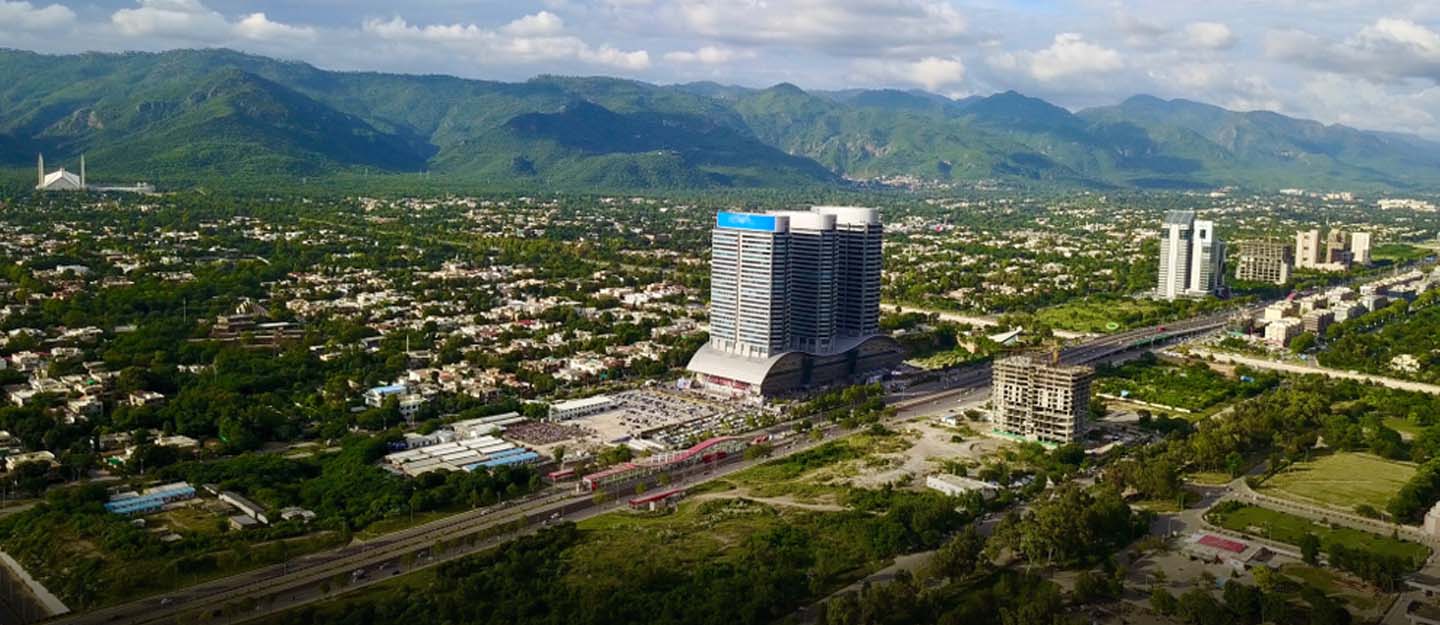
Located in one of the most prestigious and rapidly developing commercial hubs of Islamabad, the Citadel 7 Corporate Tower is a state-of-the-art business complex designed to cater to the needs of modern businesses.

citadel 7 islamabad- best invetment opportunity in islamabad

This project promises not only modern amenities but also excellent growth potential, as it is situated in an area that’s expected to see substantial commercial development over the coming years. Investing in this property is ideal for those looking to secure a stable return on investment through high-demand commercial spaces. As businesses continue to expand in Islamabad, Citadel 7 is expected to see significant appreciation in value, making it an excellent option for real estate investors.

Luxury Condominium Building

For those looking for luxury residential investment opportunities, Luxury Condominium Building offers a remarkable chance. Located in Islamabad, this luxury condominium development is set to redefine modern living with its upscale design, prime location, and world-class amenities. The demand for high-end residential properties in Islamabad is growing, and Citadel One3 offers an opportunity to invest in a premium property with the potential for high rental yields and long-term capital appreciation. Whether you’re interested in buying property for personal use or as an investment, Citadel One3 provides an attractive option for investors seeking the best return on investment in Pakistan’s luxury market.

Conclusion

Investing in real estate in Pakistan can be an incredibly lucrative opportunity, but it requires careful planning, research, and the right guidance to succeed. By working with a buyer’s agent, you can ensure that you’re making the best possible investment decisions while maximizing your return on investment. Whether you’re looking for capital appreciation, rental income, or both, a buyer’s agent can help you navigate the complexities of the market and secure the best investment opportunities.

Premium projects like Citadel 7 Corporate Tower and  Luxury Condominium Projects by Chakor Ventures exemplify the best investment opportunities in Pakistan. These developments not only offer modern amenities and prime locations but also provide significant growth potential in Islamabad’s thriving real estate market. Real estate is one of the best ways to invest money in Pakistan, and with the right help, you can make smart decisions that will help you achieve your financial goals.

Understand how your investment performs over time with our inflation-adjusted real estate ROI calculator.

Pakistan, Turkiye Seal Landmark Energy & Mining Deals Worth Billions
CategoriesNews

Pakistan, Turkiye Seal Landmark Energy & Mining Deals Worth Billions

ISLAMABAD: Turkiye is set to become a major partner in Pakistan’s energy and mineral sectors as both countries prepare to sign multibillion-dollar agreements this week. A high-level Turkish delegation, led by Minister of Energy and Natural Resources Alparslan Bayraktar, will arrive in Islamabad on Tuesday to formalise collaborations in offshore exploration and mineral development.


Officials confirmed that Pakistani companies and the Turkish Petroleum Overseas Company (TPOC) are poised to sign a commercial agreement for exploration activities in the Eastern Offshore Block-C. The Economic Coordination Committee has already approved the transfer of operatorship to TPOC, granting the Turkish firm a 34% working interest, while OGDC and Mari Energies will hold 26% and 20% respectively. Exploration activities are expected to begin next year.


Sources revealed that the Turkish delegation had previously visited Pakistan to solidify a mineral sector deal, also expected to be signed during this visit. The Turkish firm is seeking a mining lease within Balochistan’s expanding copper-gold belt, where the Reko Diq project is situated. With accelerated development at Reko Diq drawing renewed global interest, Turkiye’s engagement highlights growing confidence in Pakistan’s mining landscape.


Pakistan’s offshore exploration efforts have undergone several shifts in recent years. A joint venture involving Italy’s Eni, US-based ExxonMobil, OGDC, and PPL during a previous administration was unable to deliver successful results. Following PPL’s inability to initiate work on Block-C, TPOC has now been selected as the new operator, tasked with leading upcoming offshore activities.


Industry experts note that OGDC continues to expand domestic exploration using modern technologies, while Pakistani companies are increasingly extending their footprint overseas, including offshore ventures in the United Arab Emirates. Collaborations with Turkish Petroleum are expected to further elevate Pakistan’s energy-sector visibility on the global stage.


Ahead of the delegation’s arrival, Federal Minister for Petroleum Ali Pervaiz Malik held a meeting on Monday with Turkish Ambassador Irfan Neziroglu to finalise arrangements. Secretary Petroleum Momin Agha and OGDC Managing Director Ahmed Hayat Lak were also present.


The Turkish ambassador noted that a leading mineral-sector company from Turkiye would be part of the delegation, reflecting Ankara’s strong interest in expanding mineral development partnerships with Pakistan. Malik added that Pakistan’s key exploration firms, OGDC, PPL, and Mari Energies, have aligned with Turkish Petroleum, creating new opportunities for joint ventures and expanding bilateral cooperation.

FBR to Impose Heavy Penalties on Non-Compliant Businesses from Sept 1, 2025
CategoriesNews

FBR to Impose Heavy Penalties on Non-Compliant Businesses from Sept 1, 2025

Islamabad: The Federal Board of Revenue (FBR) has declared that businesses not integrating their billing systems with its electronic platform will face strict financial penalties from September 1, 2025.

In line with Section 25A of the Sales Tax Act, 1990, registered taxpayers — including importers, listed companies, and firms recording an annual turnover above PKR 1 billion during the past twelve tax periods — are bound to issue digital invoices carrying an FBR verification number, QR code, and logo.

The enforcement mechanism prescribes fines of PKR 500,000 for the first violation, escalating to PKR 1 million, PKR 2 million, and eventually PKR 3 million for repeated non-compliance.

Tax consultants have cautioned that any invoice generated outside the official system after the September deadline will be considered invalid. Purchasers of such invoices will also lose the right to claim input adjustments, directly impacting their compliance status and tax credits.

While major corporations and publicly listed enterprises are believed to be in a stronger position to comply with the new rules under SRO 1413(I)/2025, small and seasonal importers may struggle to meet the integration deadline.

Advisors have urged the revenue authority to provide additional relief, particularly in view of the widespread flooding that has disrupted commercial activity nationwide. However, they also underscored the urgency for taxpayers to adopt e-invoicing, which is expected to eliminate fake and “flying” invoices.

The FBR has maintained that the transition is aimed at tightening documentation, improving enforcement, and curbing revenue losses within the sales tax regime.

Punjab rolls out major afforestation and eco-tourism campaign
CategoriesNews

Punjab rolls out major afforestation and eco-tourism campaign

Lahore: Acting on the directives of the Chief Minister, the Punjab government has launched a large-scale plantation and environmental conservation programme under the “Friends of Forest” banner. The initiative is designed to increase tree cover, promote eco-tourism, and improve forest protection through modern monitoring technologies.

The drive was formally inaugurated at Jallo by Parliamentary Secretary for Forests Kanwal Liaqat. Under the Chief Minister’s “Plant for Pakistan” scheme, over 51 million trees are set to be planted across 50,869 acres. Parallel efforts under the CM Agroforestry Initiative include the cultivation of 1.37 million saplings on nearly 3,800 acres of barren forest land. In addition, the Green Pakistan Programme has been scaled up with a target of 466 million trees over 251,000 acres, while five million saplings will be planted along more than 10,000 miles of canal banks.

Eco-tourism development is also a key focus, with new facilities planned at Lal Suhanra National Park and the Salt Range. A LEED-certified eco-friendly complex is under construction to house both visitors and staff. Supporting infrastructure includes wireless connectivity, GPS tracking, CCTV systems, and digital surveillance for effective management.

In hill stations such as Murree and Kahuta, the “Shielding Summits” programme has been initiated to mitigate natural hazards. This includes the induction of 600 fire watchers, deployment of fire-fighting vehicles, construction of watchtowers, restoration of forest trails, and the installation of water tanks to safeguard natural springs.

The Forest Department is adopting high-tech monitoring solutions, including a GIS-based system with drones, satellites, and LiDAR to detect wildfires and encroachments at an early stage. Forestry records are being digitised, while operations are being mechanised with modern equipment. A province-wide network of 104 command and control centres is now functional to ensure round-the-clock vigilance.

Forest Director General Azfar Zia said these innovations would considerably enhance real-time protection and management of forest resources. Environmental expert Dr. Salman Tariq, while welcoming the scale of the plan, advised caution against planting in flood-hit areas, warning that saplings risk being washed away before taking root. He urged delaying drives in inundated regions until water levels subside.

Officials stressed that the campaign underlines the Punjab government’s resolve to strengthen climate resilience, protect natural ecosystems, and promote environmentally responsible tourism.

Safety Measures during flood
CategoriesClimate Change

Safety Measures During Floods in Pakistan

Floods are among the most destructive natural disasters, often arriving with little warning but leaving behind widespread devastation. In Pakistan, seasonal floods are no longer rare events, they are recurring crises intensified by climate change in Pakistan, poor drainage systems, and deforestation. From the northern valleys of Khyber Pakhtunkhwa to the fertile plains of Punjab, millions of lives and livelihoods are disrupted every year. The only way to minimize losses is through preparation, awareness, and strong safety measures that individuals and communities can practice before, during, and after floods. In this blog, Chakor gives you a complete guide on safety measures during floods in Pakistan.

Floods in Pakistan

Flooding has become a harsh reality in Pakistan’s history. Entire villages have been swept away, crops destroyed, and infrastructure reduced to rubble. Families have been forced to abandon their homes, seeking shelter in makeshift camps or on rooftops surrounded by water.

In Khyber Pakhtunkhwa (KPK), recent flash floods triggered by intense rainfall and glacial melting caused massive destruction. Towns like Swat and Buner witnessed people stranded without food or supplies as houses collapsed and bridges broke down. Hundreds of lives, including many children, were tragically lost.

Concerns during flood

In Punjab, the situation has been equally dire. Overflowing rivers such as the Sutlej, Ravi, and Chenab have submerged entire farming communities. Millions have been displaced as embankments gave way and roads disappeared under water. The devastation extends beyond homes, fields of crops have been destroyed, pushing families further into poverty and creating severe food insecurity.

These floods don’t just wash away property; they leave long-term scars on infrastructure, education, health, and the economy. Reasons of floods also include sewage blockages, stagnant water, and destroyed drainage channels add to the suffering, creating a breeding ground for disease outbreaks.


Safety and Precautionary Measures

Flood preparedness is not only the government’s responsibility. Individuals, families, and communities must also take steps to protect themselves. Below are comprehensive safety measures tailored for Pakistan’s context:

1. Pre-Flood Preparation

  • Clean streets and sewerage channels: Both individuals and local governments must ensure that waste is not clogging drains. Blocked channels worsen waterlogging during heavy rains.
  • Water harvesting at home: Collect rainwater in safe storage tanks. This not only helps reduce surface runoff but also provides a clean water supply in case of contamination.
  • Stay updated: Keep track of NDMA, PDMA, and Rescue 1122 alerts during the monsoon season. Early warnings can save lives.

2. Emergency Kits (“Go Bags”)

Prepare an emergency bag in advance, including:

  • Essential medications
  • Non-perishable food and clean drinking water
  • Clothes, blankets, and hygiene products
  • Flashlight, batteries, and a power bank
  • Copies of important documents (CNIC, property papers, bank records)
  • Cash in small denominations

This kit should be kept in a waterproof bag, ready to grab at a moment’s notice.

3. Safety During Floods

  • Do not walk through floodwaters: Even shallow water can hide open drains, sharp debris, or dangerous currents.
  • Stay away from rivers, streams, and storm drains: Riverbanks and canal edges are particularly unsafe during floods.
  • Turn off electricity and gas before leaving home or if water enters the house.
  • Move to higher ground immediately if water levels rise.

4. Protection Against Water-Borne Diseases

After floods, stagnant water becomes a breeding ground for diseases like dengue, malaria, diarrhea, and cholera. To stay safe:

default
  • Use mosquito nets, mosquito coils, and repellents such as Mospel.
  • Drink boiled or bottled water only.
  • Wash hands frequently with soap or sanitizer.
  • Avoid consuming food that may have been in contact with floodwater.

5. Food Safety & Packing Essentials

  • Carry dry, packaged foods such as biscuits, rice, and lentils.
  • Store food in waterproof containers.
  • Always prioritize clean drinking water over food, as dehydration during emergencies is life-threatening.

6. Post-Flood Recovery

  • Thorough cleaning: Wash and disinfect homes, furniture, and utensils after floodwater recedes.
  • Street sanitation: Community efforts to clear debris and sludge are essential for preventing epidemics.
  • Health check-ups: Visit nearby medical camps for screenings and vaccinations to avoid delayed disease outbreaks.

7. Long-Term Structural Awareness

  • Support and demand construction of dams, levees, and embankments. These are critical for regulating river flows and storing excess rainwater.
  • Encourage flood-resilient urban planning, including proper drainage systems and zoning laws to prevent construction on riverbeds.
  • Participate in awareness campaigns about climate change and disaster preparedness.

Safety Measures During Flood Checklist

Stage Key Actions
Before Floods – Clean streets and drainage channels

– Set up rainwater harvesting systems for safe storage

– Prepare an emergency bag (medicines, food, clothes, documents, flashlight, cash)

– Stay updated with NDMA/PDMA alerts

During Floods – Avoid walking or driving through floodwater

– Stay away from rivers, canals, and storm drains

– Move to higher ground quickly

– Switch off electricity and gas

– Keep your emergency bag with you

Health & Hygiene – Use mosquito nets, repellents (Mospel), and coils

– Drink only boiled or bottled water

– Wash hands regularly

– Avoid food contaminated by floodwater

Food & Essentials – Carry dry, packaged food in waterproof containers

– Store safe drinking water

– Keep cash and emergency contact numbers handy

After Floods – Clean and disinfect homes and streets

– Clear debris and stagnant water

– Get medical checkups and vaccinations

– Reconnect electricity/gas safely with professional help

Long-Term Prevention – Support construction of dams and embankments

– Advocate proper drainage and flood-resilient urban planning

– Promote rainwater harvesting awareness at community level

– Join community awareness and preparedness drills


Institutional Support Systems

Flood safety is a shared responsibility between citizens and institutions. In Pakistan, several organizations are actively working to protect communities:

  • Rescue 1122: Emergency response service available across multiple provinces for fire, medical, and rescue operations.
  • NDMA (National Disaster Management Authority) and PDMAs (Provincial Disaster Management Authorities): These bodies issue flood warnings, flash flood warning, organize evacuations, and coordinate relief operations.
  • Federal Flood Commission (FFC): Responsible for managing Pakistan’s flood protection infrastructure.
  • National Institute of Disaster Management (NIDM): Works on training, policy, and public awareness for disaster preparedness.

By following their guidance, communities can better prepare for and respond to floods.

Conclusion

Floods in Pakistan are no longer occasional events, they are recurring crises demanding vigilance. From flash flood in Punjab to overflowing rivers, the destruction of homes, crops, and infrastructure continues to threaten lives. Yet, with proper safety measures, preparedness, and community responsibility, the worst effects can be reduced.

Every household must take flood preparedness seriously: clean drains, pack emergency kits, protect against disease, and avoid risky behavior during floods. At the same time, government bodies must continue improving structural defenses like dams, drainage, and early-warning systems.

Safety measures during flood begin with awareness and end with action. Together, we can build resilience against these natural disasters and safeguard the future of Pakistan.

For more information on flash vs. riverine flood, visit Chakor blogs.

Punjab Approves PKR 214bn Flood Protection Project for Ravi River
CategoriesNews

Punjab Approves PKR 214bn Flood Protection Project for Ravi River

Lahore: The Punjab government has given the green light to a large-scale project aimed at strengthening flood defenses along the Ravi River. The initiative seeks to protect Lahore’s population from the recurring threat of seasonal flooding.

According to officials from the Ravi Urban Development Authority (RUDA), the scheme carries an estimated cost of PKR 214 billion. Of this amount, PKR 150 billion will be financed through a government loan, while RUDA will contribute PKR 64 billion from its own resources.

The plan includes construction of a 90-kilometre-long protective embankment on both banks of the river. The retaining wall will measure 300 feet in width and stand 27 feet high, with water-regulating structures designed to control river flow and minimize the risk of inundation.

The decision was formally endorsed during a meeting chaired by the Secretary of Housing, with senior RUDA representatives present.

Officials expressed confidence that the project will not only safeguard urban communities but also enhance Lahore’s long-term resilience against climate-related flooding challenges.

CDA Board Approves Emergency Services Transformation
CategoriesNews

CDA Board Approves Emergency Services Transformation

Islamabad: The Capital Development Authority (CDA) has given the green light to a sweeping upgrade of Islamabad’s emergency services, promising faster response times, modern equipment, and stronger coordination across the capital.

The decision came during the 15th CDA Board meeting held on Wednesday under the chairmanship of Muhammad Ali Randhawa. Among the key measures approved is the establishment of 12 new rescue stations strategically placed throughout the city. To further boost rapid intervention, a motorbike rescue fleet of 50 bikes will soon hit the roads, ensuring first responders can reach critical incidents without delay.

To strengthen the system from within, the Board endorsed a fresh recruitment drive and professional training programs for rescue staff. In addition, the National Disaster Management Authority (NDMA) will be consulted to vet and standardize the new equipment being acquired.

A major highlight of the plan is the creation of a state-of-the-art Emergency Operations Center (EOC) to enhance monitoring, communication, and inter-agency coordination. The CDA also approved procurement of modern rescue vehicles, specialized water rescue vans, and advanced gear to better handle complex emergencies.

Institutional reforms are also underway, with the Board approving the finalization of the Capital Emergency Service Regulations, ensuring that the upgraded framework becomes a permanent part of the city’s governance. Chairman Randhawa stressed that “all available resources must be utilized to equip emergency services with cutting-edge facilities to safeguard citizens more effectively.”

Beyond emergency management, the meeting cleared several strategic initiatives. These include appointing a consultant to help CDA secure carbon credits for its conservation projects—covering afforestation, pollution control, and forest preservation—bringing the authority’s environmental efforts in line with global conventions.

The Board also decided to engage consultants for the design and planning of Phase I of the Jinnah Medical Complex, while simultaneously allocating land for a new teaching hospital in Islamabad, further expanding the city’s healthcare infrastructure.

Cement Price in Pakistan
CategoriesConstruction

Cement Price in Pakistan (December 2025)

If you’ve ever been part of building a home or even a small renovation project, you already know one thing: cement is the backbone of construction in Pakistan. From laying strong foundations to finishing sleek interiors, cement plays a role in almost every step. However, as of August 2025, one of the most pressing questions in the construction industry is, “What is the cement price in Pakistan today?” Let’s break it down in a storytelling and conversational tone, so whether you’re a homeowner, investor, or simply curious about construction costs, you’ll walk away informed.

Cement Price in Pakistan Today

As of August 2025, the cement price in Pakistan today ranges between Rs. 1,250 and Rs. 1,450 per 50 kg bag, depending on the brand, type, and region. Prices may vary slightly in Karachi, Lahore, Islamabad, and other cities due to transportation and supply chain factors.

Kohat Cement

Here are the details of the brand-wise cement bag price in Pakistan:

  • DG Cement price in Pakistan today – Rs. 1,350–1,380 per 50 kg bag
  • Lucky Cement price in Pakistan today – Rs. 1,340–1,360 per 50 kg bag
  • Fauji Cement price per bag today in  Rs. 1,320–1,350
  • Cherat Cement price in Pakistan today – Rs. 1,330–1,360
  • Bestway Cement price in Pakistan – Rs. 1,340–1,370
  • Maple Leaf Cement price in Pakistan – Rs. 1,360–1,390
  • Kohat Cement price in Pakistan today – Rs. 1,330–1,360
  • Pak Cement price in Pakistan today – Rs. 1,320–1,350
  • Fecto Cement price in Pakistan – Rs. 1,310–1,340
  • Paidar Cement price in Pakistan today – Rs. 1,310–1,340
  • White Cement price in Pakistan – Rs. 1,700–1,900 per 40 kg bag
  • Cement block price in Pakistan – Rs. 70–100 per block (varies with size & quality)

What is Cement?

Cement is essentially a binding material. When mixed with sand, gravel, and water, it turns into concrete or mortar, the stuff that literally holds your home together. Over the years, manufacturers have developed various types of cement and their uses to match different construction needs.

Common Types of Cement in Pakistan

Ordinary Portland Cement (OPC) 

The most widely used cement in Pakistan and across the world, OPC is ideal for general construction such as houses, commercial buildings, and pavements. It offers reliable strength and durability at an affordable cost, making it the first choice for residential and commercial projects. Available in different grades, OPC sets at a standard rate and perform well in most climatic conditions.

Sulphate Resistant Cement (SRC)
Specially formulated to withstand harsh environments, SRC is best for foundations, basements, bridges, and structures in coastal or saline areas where water contains a high level of sulfates. By resisting chemical attack, it protects steel reinforcements from corrosion and extends the lifespan of structures built in aggressive soil or groundwater conditions.

Sulphate Resistant Cement

White Cement
Famous for its clean, bright appearance, white cement is mostly used for decorative finishes, terrazzo flooring, tiles, and architectural designs. It is also widely used for grouts, wall finishes, and artistic work where aesthetics matter as much as strength. Though slightly more expensive than OPC, its fine texture and beauty make it popular in interior and exterior designs.

Rapid Hardening Cement
This cement is designed to develop strength much faster than OPC. It is preferred in projects like road repairs, precast concrete works, and urgent construction tasks where quick setting and early strength are required. Using this cement reduces construction time significantly, making it cost-effective in fast-paced projects.

Low Heat Cement
It is used in massive construction projects like dams, bridges, retaining walls, and large foundations; low-heat cement minimizes the risk of cracks caused by the heat of hydration. Its slow strength gain makes it ideal for projects where temperature control and long-term durability are more important than early strength.

Slag Cement
Slag Cement produced by blending ground granulated blast furnace slag with OPC, slag cement is known for its excellent durability and resistance to chemicals. It is often used in large-scale projects such as highways, marine works, and high-rise buildings. Slag cement improves workability, reduces permeability, and enhances the long-term strength of structures.

Each type serves a unique purpose, and selecting the right one is crucial for durability and cost efficiency.

Types and Uses of Cement and Why It Matters

Selecting from the types and uses of cement isn’t just about cost; it’s about ensuring your structure stands strong for decades. For example, while OPC is great for general use, SRC is a must if you’re building in Karachi or Gwadar, where saltwater exposure is high. Similarly, white cement adds beauty but comes at a higher cost compared to regular cement. So, whenever you see price updates like the cement bag price in Pakistan today, remember that the right choice depends on your project’s needs, not just the rate.

Cement Prices and Construction Trends

The cement price in Pakistan is closely tied to market demand, raw material costs, and government policies. With Pakistan’s real estate and infrastructure projects gaining momentum, demand for cement remains robust. While prices in August 2025 have seen slight fluctuations, they remain stable compared to earlier in the year. Builders, contractors, and even investors keep a close eye on prices, such as the Lucky Cement price in Pakistan today or the DG Cement price in Pakistan today, since small variations can significantly impact overall project budgets.

From Cement Prices to Strong Investments with Chakor Ventures

Whether you’re checking the Fauji Cement price in Pakistan, comparing the Maple Leaf cement price, or tracking the cement block price, remember: cement isn’t just a material, it’s the foundation of your future. Stay updated with the cement price in Pakistan today to make smart construction and investment choices.  Chakor Ventures helps you turn strong foundations into lasting success. Partner with us today to build your future with confidence.

Flash Floods vs Riverine Floods
CategoriesClimate Change

Flash Floods vs. Riverine Floods

When rivers burst their banks and valleys roar with water, the devastation is immediate, and today, Pakistan is living this reality once again. In 2025, flash floods have battered Gilgit-Baltistan and Khyber Pakhtunkhwa, while Punjab struggles with rising river levels and prolonged inundation. These floods are not isolated events; they are part of a growing pattern shaped by climate extremes, fragile infrastructure, and vulnerable communities.

Floods come in many forms, but two stand out for their frequency and impact flash floods and riverine floods. Both are destructive, yet they differ in how they form, how quickly they strike, and the scale of their impact. 

Understanding these differences is more than academic; it is critical for saving lives, protecting livelihoods, and planning for Pakistan’s uncertain climate future.

This article explores flash floods and riverine floods in depth, highlighting cause and effect of flash flood and riverine flood, global and local examples, and the lessons unfolding in 2025 as Pakistan battles yet another season of water-driven disasters.

Types of Flood

Floods are universal disasters, striking from the river valleys of Europe to the coastal plains of Asia and the deserts of the Americas. They occur when water overwhelms natural or man-made boundaries, disrupting communities, economies, and ecosystems. Yet, not all floods behave the same way. 

Some develop in mere minutes, while others build over weeks; some are localized in steep valleys, while others engulf entire river basins.

Globally, scientists categorize floods into distinct types, each with its own triggers and impacts. 

For countries like Pakistan where mountains, glaciers, rivers, and densely populated plains all coexist these global categories are not theoretical. They are realities that repeat year after year.

Flash Flood

A flash flood in Pakistan is one of the fastest-developing and most dangerous forms of flooding. Triggered by intense rainfall, sudden snowmelt, or the failure of natural dams, flash floods can rise within minutes and sweep away everything in their path. 

Globally, flash floods have devastated regions from the arid canyons of the American Southwest to the mountain valleys of the Himalayas. Their hallmark is speed and force, water laden with debris surges through narrow channels with little to no flash flood warning.

Similar conditions exist in Gilgit-Baltistan and Khyber Pakhtunkhwa, where steep valleys and glacial landscapes create a high risk of such flash floods in Pakistan.

Riverine Flood

Riverine floods, also known as fluvial floods, develop more slowly but on a much larger scale. They occur when rivers and their tributaries overflow after prolonged rainfall, snowmelt, or upstream dam releases. 

Riverine Floods

Globally, major river basins like the Mississippi, Yangtze, and Danube have witnessed destructive riverine floods that lasted weeks and submerged vast tracts of land.

In South Asia, the Indus and Ganges river systems are no different. While the definition is universal, the lived experience in Pakistan is clear: seasonal monsoon rains routinely swell the Indus and its tributaries, turning fertile plains into temporary inland seas.

Other Types of Floods

  • Urban Floods – A growing global issue in mega-cities from Houston to Mumbai, where intense rain overwhelms drainage systems. Pakistani cities like Lahore and Karachi face the same challenge each monsoon. 
  • Coastal/Storm Surge Floods – Seen globally during hurricanes in the U.S. and typhoons in East Asia, storm surges push seawater inland. Pakistan’s Sindh and Makran coasts are similarly at risk during cyclones in the Arabian Sea. 
  • Glacial Lake Outburst Floods (GLOFs) – Common in high-mountain regions like the Andes, Himalayas, and Alps, where melting glaciers form unstable lakes. Northern Pakistan, home to thousands of glaciers, faces comparable threats. 
  • Dam/Embankment Failure Floods – From historic failures like the Banqiao Dam in China (1975) to smaller breaches elsewhere, these floods occur when human-built barriers collapse. In Pakistan, embankment breaches along the Indus often exacerbate monsoon flooding.

Flash Floods in Depth

Flash floods are among the most sudden and destructive water hazards, capable of upending lives and landscapes in minutes. From global mountains to Pakistan’s northern valleys, they follow similar triggers but manifest locally in uniquely devastating ways.

Physical Triggers & Meteorology

  • Short‑Duration, High‑Intensity Rainfall (SDHI): Flash floods develop within six hours of intense precipitation, sometimes in under three creating rapid water surges in small streams or urban flood zones. The Guardian GPM by NASA
  • Orographic Uplift: Mountain ranges force moist air upward, intensifying localized downpours, common in regions like the Himalayas and Pakistan’s GB and KP.
  • Glacial Lake Outburst (GLOF) & Debris Flows: Sudden breaches in glacial lakes or melting instabilities can release massive torrents, especially where moraine dams are weakening.
  • Channel Constrictions & Snowmelt Surges: Narrow valleys funnel floodwaters rapidly downstream, while snowpack melts can amplify flows during warm spells.

Human & Land-Use Drivers

  • Deforestation reduces soil stability and slows infiltration, amplifying surface runoff.
  • Road Cuts & River Encroachments alter flow paths, accelerating inundation in vulnerable zones.
  • Poor Culvert Design blocks water flow under infrastructure, amplifying flood heights.
  • Unplanned Hill Settlements mean communities often build in high-risk channels, limiting safe evacuation.

Hydrology & Warning Lead Time

  • Rapid Onset gives only minutes to a few hours for warnings and response—the hallmark of flash floods.
  • Runoff Coefficients & Flashy Hydrographs: Steep topography yields fast‑rising hydrographs; even small rain events can result in swift and violent water movement.
  • Limitations of Warnings: Sparse sensors and limited lead time severely constrain actionable alerts, especially in remote mountainous terrain.

Global Case Snapshots

Region Trigger Highlight
Uttarakhand, India Cloudburst & SDHI rainfall 2013 disaster underlines Himalayan vulnerability
Western Europe (Eifel) Extreme summer storm (2021) Flash flooding in canyon landscapes
U.S. Southwest Rainstorms in narrow slot canyons Sudden deluges in popular hiking areas

Flash Flood History in Pakistan

Historically, Pakistan’s northern regions have faced repeated flash flood disasters driven by sudden, intense cloudbursts. In Khyber Pakhtunkhwa and Gilgit-Baltistan, these abrupt storms have often overwhelmed narrow valleys, washing away homes, roads, and farmland within hours. 

Flash floods in Pakistan

Beyond rainfall, the threat of Glacial Lake Outburst Floods (GLOFs) has long haunted high-altitude basins. In areas like Hunza, glacier-dammed lakes have breached, especially before 2010, sending torrents of water and debris surging downstream. 

These events not only destroy local infrastructure but also highlight how fragile mountain ecosystems remain under the pressures of climate change and human settlement.

Floods in Pakistan – 2025 Pakistan Focus

Gilgit-Baltistan

  • Events: GLOF‑like bursts and SDHI downpours have washed out roads and bridges, isolating valleys. For example, near Gilgit town, a newly formed 7 km lake emerged following a mountain mudslide.  
  • Impacts:
    • Lives lost, especially in isolated communities.
    • Physical isolation due to damaged infrastructure.
    • Loss of tourism income and damage to hydropower intakes.

Khyber Pakhtunkhwa

  • Events: Torrential rain triggered deadly hill torrents across districts like Swat and Buner.
  • Human Toll: Over 400 people have died in KP alone this season, with Buner recording more than 200 fatalities.
  • Impacts:
    • Homes submerged or swept away.
    • Agricultural land and livestock devastated.
    • Displacement into temporary shelters.

Responses & Gaps

  • Existing Actions:
    • Emergency alerting via SMS and community sirens in some areas.
    • Slope stabilization and minor infrastructure checks underway.
  • Gaps:
    • No comprehensive real-time GLOF monitoring system.
    • Inadequate early-warning dissemination in remote valleys.
    • Weak land-use regulation and setback enforcement near watercourses.

Riverine (Fluvial) Floods in Depth

Riverine floods, also known as fluvial floods, occur when rivers overflow their natural or artificial banks, inundating surrounding floodplains. Unlike flash floods, they usually build up over days or even weeks, covering vast areas with slow-moving water. 

Globally, these floods are the most common and costly type of flooding, often linked to persistent rainfall, snowmelt, and upstream water management decisions. 

For a country like Pakistan, where the Indus Basin dominates agriculture, settlements, and infrastructure, riverine floods remain the single greatest water hazard.

Physical Triggers & Basin Dynamics

Several natural and hydrological factors combine to create riverine floods:

  • Persistent Monsoon Systems – Extended rainfall across catchments saturates the soil and drives rivers beyond capacity.
  • Upstream Dam Releases – Reservoirs on both domestic and transboundary rivers may release water during peak flows, amplifying downstream flooding.
  • Snow and Glacier Contributions – Melting glaciers in summer contribute to higher base flows in northern rivers.
  • Flood Routing & Travel Times – Riverine floods travel downstream as waves, with flood crests sometimes taking days to reach lower floodplains.
  • Backwater Effects – When one river’s high stage slows the flow of another (e.g., Chenab and Ravi confluences), water backs up and prolongs inundation.

Human & Infrastructure Drivers

Human activity often magnifies natural flood risks:

  • Embankment Breaches – Weak or poorly maintained levees collapse, letting water rush into settlements.
  • Siltation of Channels – Reduced channel capacity due to sediment buildup increases flood frequency.
  • Encroachment on Floodplains – Expansion of housing and farming into natural flood zones leaves communities highly exposed.
  • Drainage Congestion – Poor urban and rural drainage systems trap floodwater for weeks.
  • Barrages and Operating Rules – Mismanagement of barrages and canals sometimes intensifies inundation downstream. 

Global Case Snapshots

Region/Year Flood Trigger Impact
Mississippi Basin, USA Heavy seasonal rains + snowmelt Repeated floods (1927, 1993) displaced millions and caused billions in losses.
Yangtze River, China Prolonged summer monsoons 1998 floods affected over 200 million people.
Central Europe (Danube & Elbe) Stationary rain systems (2002, 2013) Urban inundation and agricultural losses across Germany, Austria, Hungary.


Pakistan Case Snapshots (Historic)

Riverine floods have repeatedly reshaped Pakistan’s economy and landscape. Some of the most severe events include:

  • 1973 – Indus floods damaged millions of hectares of crops; highlighted weak embankment design.
  • 1988 – Widespread monsoon flooding; showed gaps in forecasting and early warning.
  • 1992 – Chenab and Jhelum floods devastated Punjab districts; emphasized basin-wide coordination needs.
  • 2010 – Among Pakistan’s worst disasters: 20 million affected, $10 billion in losses, massive displacement across provinces.
  • 2014 – Floods in Punjab exposed vulnerabilities of urban centers like Jhang and Multan. 

2025 Pakistan Focus — Ongoing Punjab Floods

The monsoon of 2025 has once again triggered widespread riverine flooding across Punjab. According to NDMA and FFD bulletins:

  • Rivers Involved: Indus, Jhelum, Chenab, Ravi, and Sutlej are all in high or very high flood stages, influenced by heavy monsoon rainfall and dam releases from upstream India.

  • Impacts:
    • Thousands of hectares of agricultural plains under water, threatening rice and cotton harvests.
    • Canal systems and rural settlements submerged, forcing mass displacement.
    • Livestock losses reported in several districts.
    • Supply chain disruption affecting local markets and logistics corridors.
    • Many of the housing societies have been swept away including Park View City Lahore which was significantly impacted after the water breaching protective wall alongside the Ravi river. 
  • Operational Issues:
    • Stress on key embankments near Jhang, Multan, and Muzaffargarh.
    • Controlled breaches carried out in some areas to save major cities.
    • Relief camps set up but struggling with overcrowding, WASH (water, sanitation, hygiene), and food shortages. 
  • Mitigation Actions (as highlighted by NDMA & UNDRR best practices):
    • Forecast-based financing to release emergency funds before disaster peaks.
    • Pre-positioning relief supplies in vulnerable districts.
    • Levee and embankment inspections with reinforcement where possible.
    • Long-term solutions: polders, retention basins, and floodplain zoning to reduce future exposure. 

Flash Flood vs Riverine Flood — Key Differences

Factor Flash Flood Riverine Flood
Onset & Duration Develops within minutes to a few hours after intense rainfall or GLOF. (NASA GPM, Weather.gov) Builds over days to weeks with prolonged rainfall, snowmelt, or upstream dam releases. (FEMA, FloodSmart.gov)
Geography Common in steep valleys, small mountain catchments, and urban gullies where runoff is rapid. Found across large river basins and broad floodplains, often covering thousands of km².
Warning Lead Time Very short, often only minutes to a few hours making evacuations difficult. Longer lead times (hours–days) possible due to monitoring of river stages.
Main Triggers Cloudbursts, GLOFs, snowmelt surges, dam failures. Prolonged monsoon rains, upstream dam releases, saturated catchments, glacier contributions.
Water Behavior High-velocity torrents, often debris-laden and destructive. Broad inundation with slower rise; water may remain for weeks.
Primary Damages Roads, bridges, hill settlements, tourism routes (e.g., Karakoram Highway). Crops, housing, livestock, markets, and wide-area infrastructure (canals, barrages, power).
Best Mitigation Hyperlocal early warning, slope stabilization, culvert/channel redesign, safe setbacks. Floodplain zoning, embankments, reservoirs, polders, and “Room for River” strategies.
2025 Pakistan Focus Gilgit-Baltistan & Khyber Pakhtunkhwa: flash events, GLOFs, road/bridge washouts, loss of life (Guardian, ReliefWeb). Punjab: widespread Indus/Jhelum/Chenab/Ravi/Sutlej flooding, agricultural devastation, displacement (NDMA, FFD bulletins).

Causes and Effects of Floods

Floods are rarely the result of a single factor. They emerge from the interplay of climate change, natural hydrological cycles, and human decisions around land use, infrastructure, and governance. 

Understanding their causes alongside their effects offers a fuller picture of why these disasters are so devastating, and why Pakistan in 2025 remains acutely vulnerable.

Climate Signals

  • A Warmer Atmosphere: Rising global temperatures allow the atmosphere to hold more moisture, producing short-duration, high-intensity rainfall events. This explains why cloudbursts and extreme monsoon spells are becoming more frequent in South Asia.
  • Glacier Retreat & GLOF Risks: Pakistan’s northern mountains contain over 7,000 glaciers. As they retreat, unstable moraine dams form lakes that can breach suddenly, causing Glacial Lake Outburst Floods (GLOFs). UNDRR lists these as among Pakistan’s fastest-growing risks.
  • Monsoon Variability: Climate change distorts the South Asian monsoon, making it erratic, prolonged, or stalled over one region. Such “stuck” systems contributed to Europe’s 2021 floods and are playing a role in Pakistan’s prolonged 2025 inundations in Punjab. 

Non-Climate & Governance Factors

  • Land-Use Change & Deforestation – Removal of natural vegetation accelerates runoff and erosion, especially in KP and GB.

  • Encroachment on Floodplains – Settlements and farming expand into riverbeds, leaving millions directly in harm’s way.
  • Poor Drainage & Maintenance Deficits – Outdated urban systems in Lahore, Karachi, and Multan fail during monsoons, causing prolonged waterlogging.
  • Weak Zoning & Regulation – Lack of enforcement allows construction in hazard-prone zones, amplifying damages.
  • Data Gaps & Sparse Gauging Networks – Limited rainfall and river monitoring reduce the accuracy of forecasts, leaving early-warning systems underpowered.
  • Fragmented Planning – Barrage operations, embankment management, and dam releases are often reactive, not coordinated, compounding risks.

Effects of Floods

Floods leave a multidimensional imprint, extending far beyond the immediate disaster. 

Human & Social Impacts:

  • High Mortality & Injuries – 2025 flash floods in Punjab and KP already claimed hundreds of lives.
  • Mass Displacement – Thousands of families forced into temporary shelters in Punjab, facing overcrowding and WASH challenges.
  • Schooling Interruptions – Many schools are closed or converted into relief camps.
  • Psychosocial Stress – Trauma from sudden displacement and loss of loved ones, especially among children and women.

Economic & Infrastructure Impacts

  • Agriculture – Crop losses are immense, with rice and cotton in Punjab submerged during peak growing season.
  • Supply Chains – Flooded highways and washed-out bridges disrupt logistics across provinces.
  • SMEs & Livelihoods – Small businesses suffer from destroyed inventory and reduced footfall.
  • Power & Telecom – Hydropower stations in GB and KP damaged, while submerged telecom lines cut communication.

Environmental Impacts

  • River Morphology Changes – High flows reshape channels, eroding banks and creating new flood paths.
  • Sediment Pulses – Increased siltation reduces river capacity, worsening future floods.
  • Groundwater – Some recharge occurs, but contamination from sewage and chemicals raises health risks.
  • Ecosystem Shifts – Wetlands temporarily expand, while farmland fertility declines due to waterlogging and salinization.

Preparedness & Mitigation

Flood disasters cannot be eliminated, but their impacts can be significantly reduced through smart planning, timely action, and resilient recovery. Strategies vary depending on the type of flood and the region, but common threads include stronger early warning systems, better land management, and community-driven preparedness.

For Flash Flood-Prone Regions (GB, KP)

The steep valleys and glacial landscapes of Gilgit-Baltistan and Khyber Pakhtunkhwa demand localized, rapid-response strategies:

  • Hyperlocal Sirens & Cell Broadcasts – Quick alerts through SMS and village sirens save lives when minutes matter. UNDRR notes that even low-cost systems can dramatically reduce casualties.
  • Community Spotters & Volunteers – Trained locals equipped with radios act as the first line of warning in remote valleys.
  • Culvert Redesign & Catch Drain Maintenance – Infrastructure must be adapted to withstand debris-laden surges, preventing bottlenecks.
  • No-Build Buffers – Restricting settlements in riverbeds and steep gullies reduces exposure.
  • Micro-Retention & Check Dams – Small retention structures upstream slow runoff and reduce flood peaks.
  • Slope Bio-Engineering – Tree planting and vegetative barriers stabilize soil and reduce landslide-triggered floods.

For Riverine Punjab

Punjab’s vast floodplains require systemic and long-term measures rooted in basin-scale planning:

  • Forecast-Based Financing – NDMA and partners increasingly advocate for releasing funds once rainfall/river thresholds are reached, ensuring relief arrives before peak floods.
  • Floodplain Zoning & Buy-Backs – Limiting new settlements in high-risk zones and relocating existing ones away from riverbanks.
  • Embankment Audits – Regular inspections and reinforcement of levees and barrages to prevent catastrophic breaches.
  • Controlled Spillways & Polders – Purpose-built spill zones and storage basins reduce pressure on rivers.
  • “Room for the River” Approach – Allowing rivers to reclaim part of their natural floodplain lowers long-term risk, as seen in European models.
  • Climate-Resilient Agriculture – Adoption of flood-tolerant seed varieties, crop calendar shifts, and raised-bed farming to protect farmers’ livelihoods.

Response & Recovery

Even with preparedness, floods will occur. Effective response and recovery ensures communities bounce back stronger:

  • Evacuation Routes & Signage – Clearly marked, accessible evacuation paths integrated into village and city planning.
  • Inclusive Shelters – Relief camps with adequate WASH (water, sanitation, hygiene) facilities, space for women and children, and designated pens for livestock.
  • Damage Assessments – Use of drones, satellites, and GIS mapping to quickly evaluate damages and prioritize aid distribution.
  • Cash Transfers & Relief Packages – Direct financial support to affected families provides dignity and flexibility in recovery.
  • Rebuild-Better Standards – Reconstruction of homes, schools, and health centers using flood-resistant materials and elevated designs to withstand future events.

FAQs

How many types of flood are there?

There are several types including flash floods, riverine (fluvial) floods, urban floods, coastal floods, GLOFs, and dam/embankment failures.

What is the difference between a flash flood and a riverine flood?

Flash floods occur within minutes to hours after intense rain or GLOFs, while riverine floods develop slowly over days or weeks across large basins.

Why are flash floods common in Gilgit Baltistan and KP?

Steep valleys, heavy cloudbursts, melting glaciers, and unstable mountain terrain make these regions highly prone to flash floods.

What causes riverine floods in Punjab?

Prolonged monsoon rains, saturated catchments, and upstream dam releases swell rivers like Chenab, Ravi, and Sutlej, causing widespread inundation.

What is the current flood situation in Punjab, especially near the Chenab River?

Punjab faces ongoing floods in 2025, with the Chenab and its tributaries inundating farmland, villages, and displacing thousands.

What is a flash flood?

A flash flood is a sudden, high-velocity flood that develops within minutes to a few hours after intense rainfall or rapid water release.

What is a riverine flood?

A riverine flood is the gradual overflow of rivers and streams onto surrounding floodplains, usually lasting days to weeks after prolonged rains or snowmelt.

What is the flood situation near Chenab River?
The latest updates on water levels and flood forecasts for the Chenab River are available on the Pakistan Meteorological Department – Flood Forecasting Division.

This was all about Differences between flash floods and riverine floods. For more details, visit Chakor blogs.

RDA Finalises PKR 3,953 Million Budget for 2025–26 to Drive Rawalpindi’s Urban Development
CategoriesNews

RDA Finalises PKR 3,953 Million Budget for 2025–26 to Drive Rawalpindi’s Urban Development

Strategic allocations prioritise Rawalpindi Ring Road, Nullah Leh, and sustainable infrastructure projects


Rawalpindi: The Rawalpindi Development Authority (RDA) has finalized its annual budget for the fiscal year 2025–26, setting the outlay at PKR 3,953 million. The Finance Sub-Committee, chaired by RDA Director General Kinza Murtaza, reviewed and approved the estimates before submitting them to the Government of Punjab for final approval.

The budget preparation involved representatives from the Finance Department, the Planning & Development (P&D) Department, and the Housing, Urban Development & Public Health Engineering (HUD&PHE) Department. Officials emphasized the need to align financial planning with Rawalpindi’s long-term urban and infrastructure needs.

In addition to the annual budget, PKR 8,808 million has been earmarked for ongoing and new development schemes, marking a strong push toward sustainable growth. Key initiatives include the Rawalpindi Ring Road (R3 Project) with an allocation of PKR 32,997.054 million, the Nullah Leh Project worth PKR 1,000 million, and Ring Road Phase II feasibility and design works, also allocated PKR 1,000 million.

DG RDA Kinza Murtaza highlighted that the proposed financial plan reflects the authority’s commitment to boosting infrastructure and ensuring sustainable development, positioning Rawalpindi as a modern, livable city for the future.