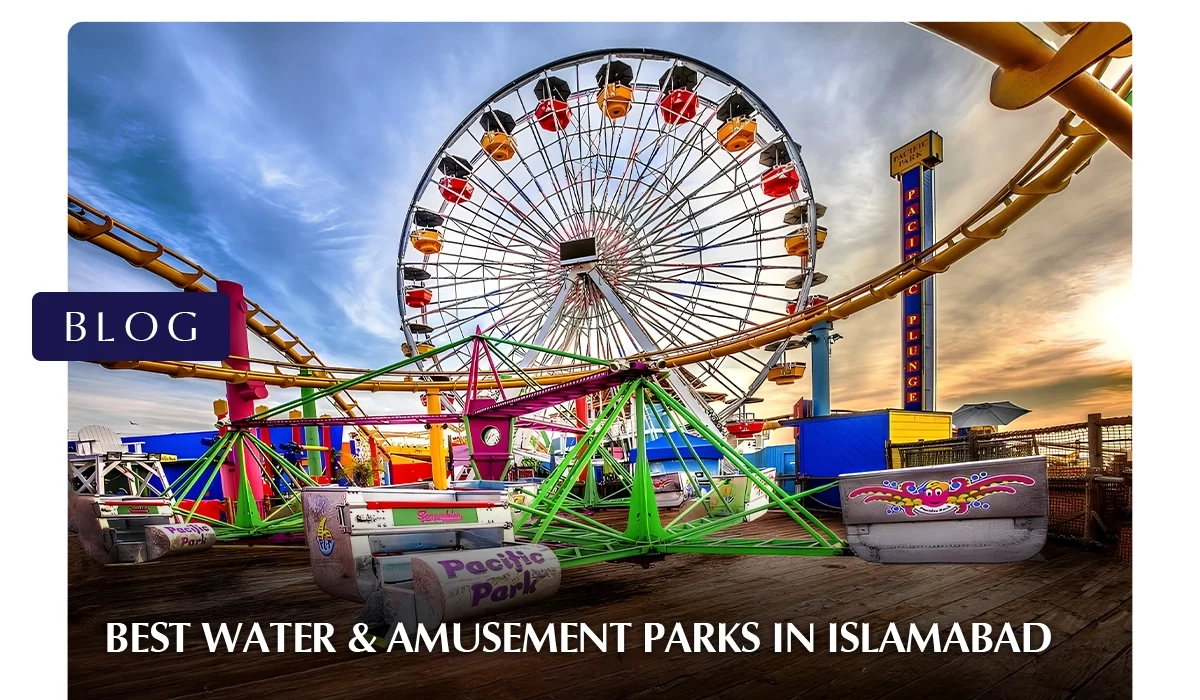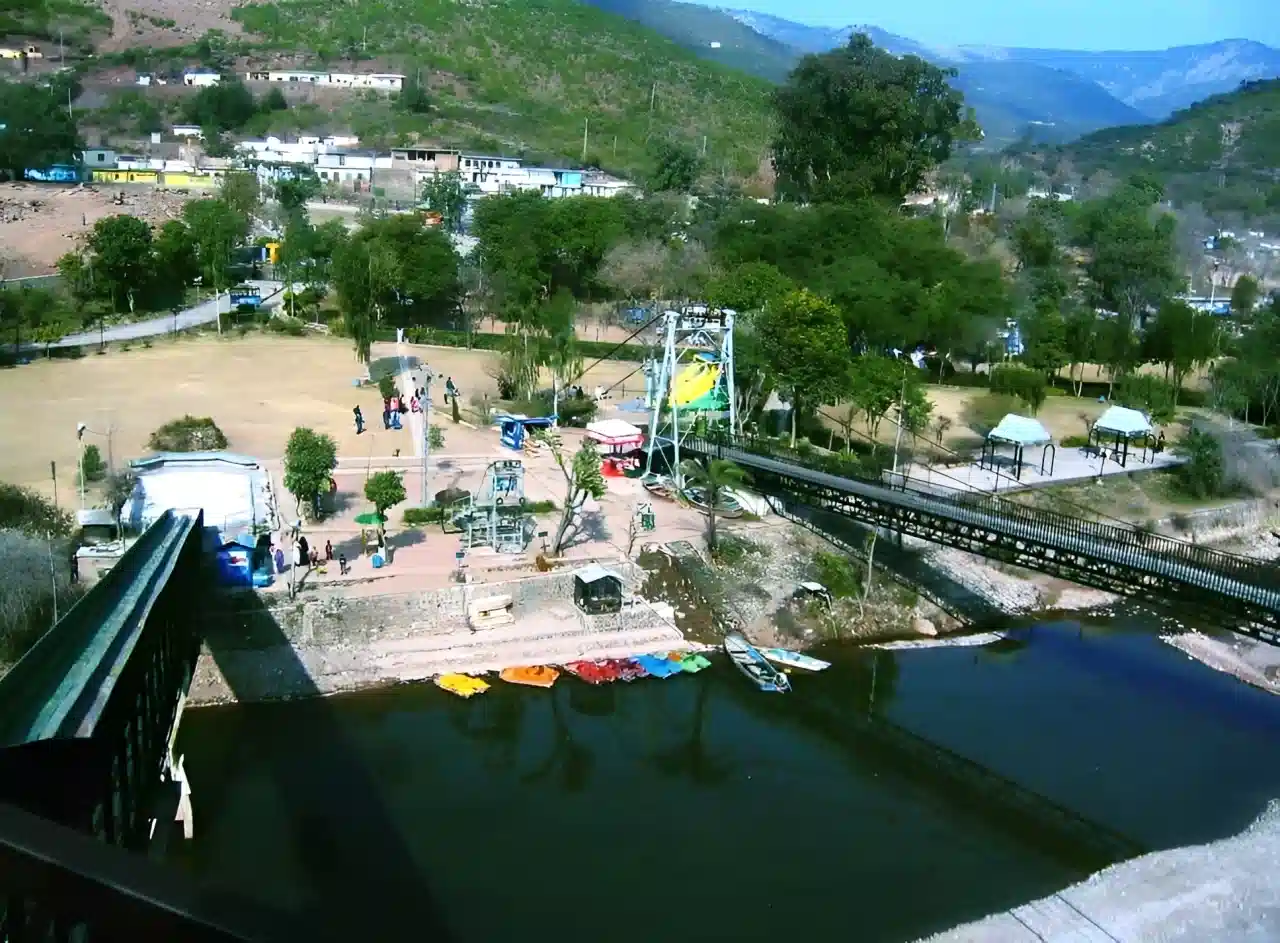
Best water and amusement parks in Islamabad
CategoriesTourism

Best Water and Amusement Parks in Islamabad

Islamabad, the capital city of Pakistan, is not only known for its serene environment and scenic beauty but also for its family‑friendly entertainment options. If you’re searching for amusement parks in Islamabad, places where you can spend a thrilling day with family or friends, you’re in the right place.

In this guide, we explore the best amusement parks in Islamabad, including both outdoor theme parks and water park experiences, making it easy for you to pick the perfect destination for a fun‑filled outing.

Whether you’re looking for thrilling rides, carnival games, water slides, or unique experiences like zip lines and ATV tracks, Islamabad has it all.

Top Amusement Parks in Islamabad

Here are the best amusement parks and entertainment destinations worth visiting in Islamabad:

Name Location Activities Ticket Price
Laila Carnival Park Lake View Park Thrill rides, ATV tracks, VR games, bumper cars, picnic spots, cafés PKR 100 per person
Moj Mela Park Plot 5, Lake View Park Ziplining, climbing, adventure rides, family-friendly attractions Typically PKR 50+
YoYo Land Capital Square Mall, B-17 Carnival games, VR, kids’ rides, 120+ games, party space, indoor entertainment Based on game credits
Fun City Centaurus Mall, F-8/4 Soft play, kiddie and attraction rides, 60+ arcade games, concerts, recharge-based Fun Card system Fun Card: PKR 200 (initial), load credits for use
MegaZone Hub F-9 Sector, Islamabad Bowling, laser tag, arcade, indoor café, late-night entertainment Card System: 200 (initial), load credits for use
Chattar Park Kashmir Road Bumper cars, picnic areas, gardens, Korang River, camel/horse rides, bird aviary Adults: PKR 100
Children: PKR 50
Japanese Park Saidpur, Khayaban-e-Iqbal Kids’ swings, slides, picnic spots, shaded walking paths Adults: PKR 30
Children: PKR 20
Under 5: Free

1. Laila Carnival Park

Located inside the broader Lake View Park, Laila Carnival Park offers a delightful mix of thrill rides, entertainment zones, and family-friendly attractions. It combines the beauty of outdoor recreation with the excitement of amusement activities, making it one of the best amusement parks in Islamabad for a day of fun.

Laila Carnival Park

What You Can Do:

  • Enjoy thrilling rides and ATV racing tracks

  • Experience VR rides, bumper cars, and carnival-style games

  • Relax at on-site cafes and open-air picnic areas

Though Lake View Park is already known as one of Islamabad’s most scenic spots, Laila Carnival Park brings something extra: a distinct amusement experience perfect for families, groups, and young visitors. It’s spacious, well-kept, and designed to offer something for every age group.

Ticket Price:

  • PKR 100 per person

Timings:

  • Daily: 10:00 am – 11:00 pm

Whether you’re visiting with kids or just looking for a relaxing yet entertaining environment outdoors, Laila Carnival Park makes for a great day trip within the capital.

2. Moj Mela Park

Also located within the greater Lake View Park area, Moj Mela Park stands out for its adventure‑style rides and outdoor fun.

Moj Mela Park 

What You Can Do:

  • Zip lining and climbing

  • Enjoy various thrilling rides

  • Family entertainment and kids’ fun activities

Moj Mela Park offers a unique blend of rides and physical activities, giving it a slightly more adventurous vibe compared to traditional amusement parks. The park routinely opens around 11 am and runs until 11 pm, accommodating both daytime visitors and evening crowds.

3. YoYo Land

If you’re looking for an indoor destination, YoYo Land is a huge family entertainment center that creates a carnival atmosphere inside a climate‑controlled space.

Yoyo Land B-17 Islamabad

What You Can Do:

  • Carnival games and virtual reality experiences

  • Child‑friendly rides

  • Redemption and novelty games

  • Over 120 different types of games under one roof

With attractions suitable for school field trips and birthday parties, YoYo Land is one of the top amusement parks in Islamabad for indoor fun, especially during hot or rainy weather. It’s located in Capital Square Mall, B‑17 and operates with extended weekend hours.

4. Fun City

Fun City holds the distinction of being Pakistan’s first indoor family entertainment complex, located on the 4th floor of Centaurus Mall, Islamabad. With a vibrant and futuristic design, Fun City is a go-to destination for families looking for safe, weather-proof indoor fun.

Fin city Centaurus Islamabad

What You Can Do:

  • Explore multi-level soft play areas

  • Enjoy kiddie rides and attraction rides

  • Play over 60 arcade games, including racing, claw machines, air hockey, and more

  • Attend special events, concerts, and themed parties

Fun City is especially popular with families, school groups, and party planners. It brings together games, rides, and entertainment under one large, climate-controlled roof — making it an excellent choice year-round.

How the Fun City Card System Works

Instead of a fixed entry ticket, Fun City uses a rechargeable “Fun Card” system at both locations (Centaurus Mall & Giga Mall):

  • Get a Fun Card: Purchase your card at the counter for PKR 200 (one-time cost)

  • Load Credits: Add any desired amount of money to your card for rides and games

  • Play & Earn: Use your card to enjoy attractions — some games reward you with tickets that can be redeemed for prizes at the gift counter

This system lets you control your spending and play at your own pace. Whether you’re visiting for 30 minutes or a whole evening, you only pay for what you play.

For the latest deals, bundles, and promotions, visit: FunCity.pk or contact their sales team.

Timings:

  • Friday – Saturday: 11:00 am – 12:00 am

  • Sunday – Thursday: 11:00 am – 11:00 pm

5. MegaZone Entertainment Hub

If you’re after fun with friends or family that includes both activities and food, MegaZone Entertainment Hub is a great choice. Located in F‑9 Park Islamabad, it’s more of a modern entertainment zone than a classic amusement park — making it especially appealing to teens, young adults, and groups of friends.

megazone islamabad

What You Can Do:

  • Bowling

  • Laser tag

  • Ice skating

  • Arcade and gaming areas

  • Indoor café and snack options

The facility is a go-to spot for casual hangouts, indoor parties, and late-night entertainment. Whether you’re competing in a laser tag match or enjoying a relaxed game of bowling, there’s something here for everyone.

Entry Ticket Price: PKR 200
Timings: Open daily from 11:00 am to 12:00 am

It’s one of the few places in Islamabad where you can enjoy affordable indoor fun late into the night, making it a favorite for night owls and weekend visitors alike.

6. Chattar Park

Located on Kashmir Road, Chattar Park is one of the oldest and most beloved theme parks in the Islamabad region. A long-time family favorite, the park combines amusement rides with nature — offering a blend of thrill and relaxation for visitors of all ages.

Chattar Park

What You Can Do:

  • Enjoy bumper cars, swings, and classic carnival rides

  • Take a leisurely walk through spacious gardens

  • Relax by the Korang River during the summer

  • Try horse and camel rides

  • Visit the nearby bird park and admire beautiful peacocks

Chattar Park has undergone significant renovations in recent years, with modernized rides and new features added to improve the visitor experience — while still preserving its nostalgic charm as a family picnic spot.

Ticket Price:

  • Adults: PKR 100

  • Children: PKR 50

Timings: Daily, from 9:00 am to 8:00 pm

Whether you’re entertaining children, planning a scenic picnic, or looking for an affordable amusement option, Chattar Park remains one of the best amusement parks in Islamabad for a fun-filled outdoor day.

7. Japanese Park – Saidpur, Khayaban‑e‑Iqbal

Situated in Saidpur Village, Japanese Park is one of Islamabad’s largest and most well‑maintained parks, blending traditional play areas with amusement features.

Japanese Park

What You Can Do:

  • Let kids enjoy swings, slides, and play areas

  • Picnic in shaded green spaces

  • Take a peaceful walk under tree‑covered paths

The entrance fees are extremely affordable, with adult tickets often priced around PKR 30 and children’s tickets at PKR 20, while kids under five typically enter free. This makes Japanese Park a great choice for families looking for budget‑friendly entertainment.

Although it is more of a park with children’s rides than a full theme park, its size, greenery, and variety of activities easily place it among the best amusement parks in Islamabad for families with younger kids. It’s open daily from 8 am to 11 pm, letting you enjoy early morning walks or evening visits with lights and cool breezes.

Best Water Park in Islamabad and Rawalpindi

Now let’s talk about water park experiences — an especially popular choice during hot weather or summer vacations. Many people ask:

Is there any water park in Islamabad?
While Islamabad does not currently have a large standalone full‑scale water park inside the city center like some metropolises elsewhere, the nearby region around Rawalpindi and Islamabad offers water‑based attractions and theme parks that are perfect for cooling off and family fun.

Here is the most notable one:

Blue World Water Theme Park (Under Development)

Located within the Blue World City development, Blue World Water Theme Park will be a large water‑based recreational destination that draws both Islamabad and Rawalpindi visitors.

Blue World Water Theme Park

What You Can Do:

  • Experience over 20 world‑class water rides

  • Play areas for kids

  • Water slides, splash zones, and lazy rivers

  • Fast‑food outlets including McDonald’s, KFC, Subway, and Pizza Hut

This park will become one of the best places near Islamabad for a family water park in Islamabad‑area experience. With natural terrain, thrilling rides, and ample space for kids and adults alike, it stands out as one of the best water parks near Islamabad and Rawalpindi.

Tips for Visiting Amusement and Water Parks in Islamabad

When to Go:

  • Evenings are perfect for outdoor parks like Laila Carnival Park, Moj Mela, and Chattar Park because the weather is cooler and lights add to the experience.

  • Weekdays tend to be less crowded for indoor options like YoYo Land and Fun City.

  • Summer is the ideal season for water‑based attractions like Blue World Water Theme Park.

What to Bring:

  • Comfortable clothes and shoes

  • Sunscreen and hats for outdoor parks

  • Cash/card for entry fees, rides, and food

  • Water bottles and snacks (though most parks have food stands)

Plan Ahead:

  • Check park timings because some vary by season or day of the week.

  • Consider booking tickets in advance for popular attractions to avoid queues.

  • Combine parks in a single trip (for example, visiting Lake View Park’s recreation area and Moj Mela on the same day).


Final Thoughts

Islamabad is rapidly growing as a destination not just for scenic views and cultural attractions, but also for entertainment and family fun. Whether you’re exploring amusement parks in Islamabad or seeking a water‑filled adventure at places, there’s something for everyone.

From classic outdoor rides to indoor games and virtual reality experiences, this city offers a range of activities that make it a great place for family outings, school trips, and weekend getaways.

So next time someone asks where to find the best amusement park in Islamabad or the best water park in Islamabad, you’ll know exactly where to go and what fun awaits!

Daman-e-Koh Islamabad
CategoriesTourism

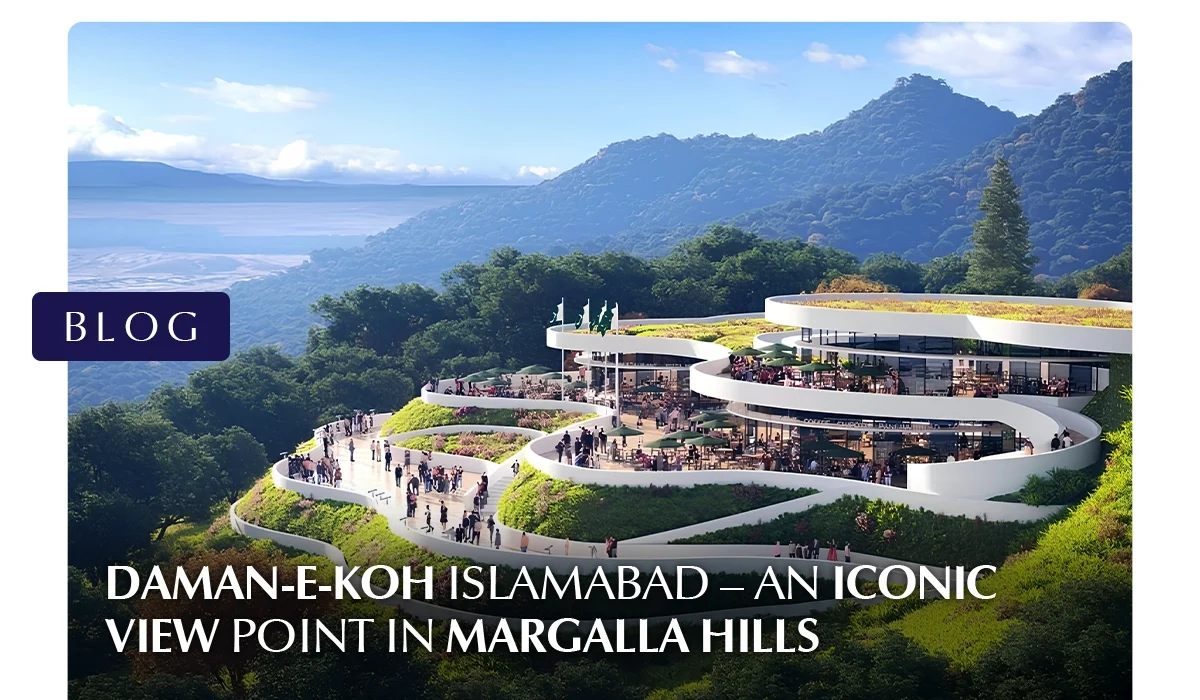
Daman-e-Koh Islamabad – An Iconic View Point in Margalla Hills

If you are visiting Pakistan’s capital and want to experience the city from above, Daman-e-Koh Islamabad should be at the top of your itinerary. Nestled beautifully in the lush green Margalla Hills, this scenic destination is not just a place—it’s an unforgettable experience of breathtaking panoramas, cool mountain air, wildlife encounters, and peaceful gardens.

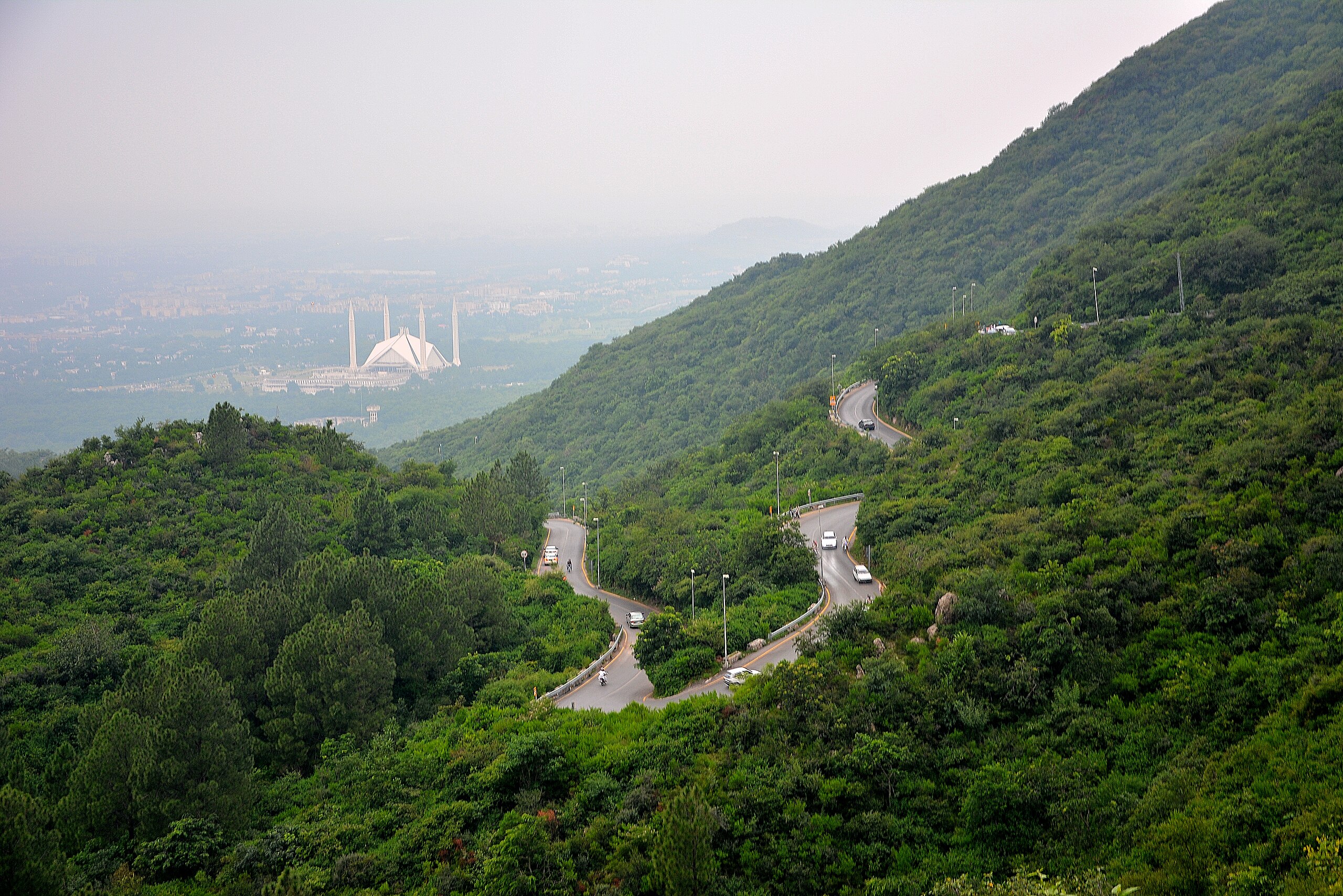
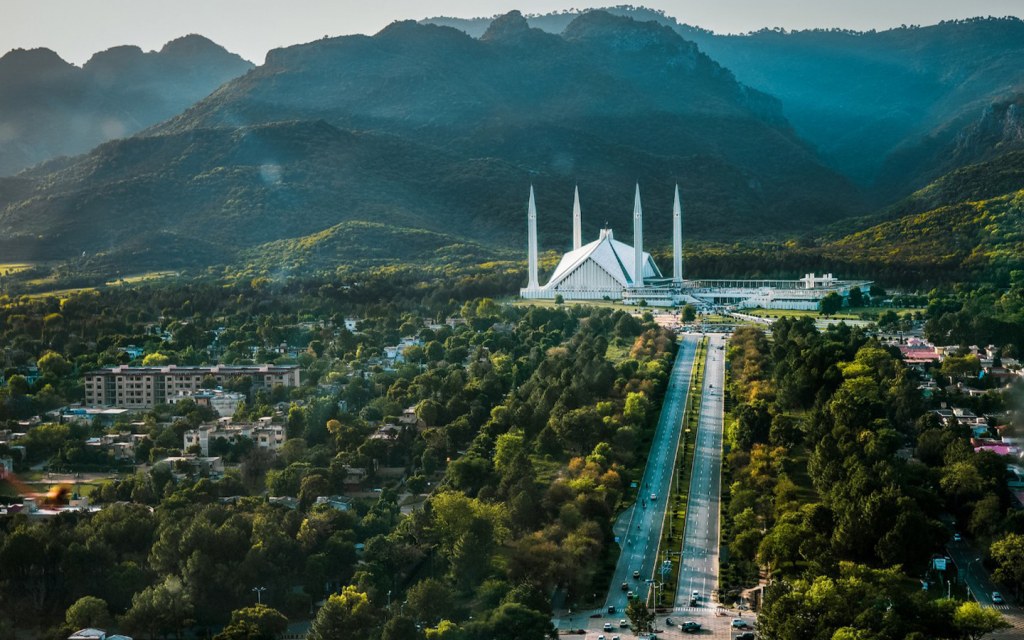
Known as one of the most visited tourist spots after Faisal Mosque, Daman e Koh view point offers a remarkable bird’s-eye view of Islamabad city, with iconic landmarks like Shah Faisal Mosque, Rawal Lake, and Seventh Avenue clearly visible from its observation decks.

Whether you are a local looking for a relaxing picnic spot, a tourist searching for a must-see viewpoint, or a photographer chasing golden-hour cityscapes—Daman e Koh park welcomes you with charm, serenity, and mesmerizing scenery.

In a Glimpse – What Makes Daman-e-Koh Special?

Daman-e-Koh is a stunning hilltop garden located mid-way to Pir Sohawa, one of the highest viewpoints in Islamabad. The drive up to the park itself is refreshing and scenic, taking visitors through twisting hillside roads lined with trees, fresh breeze, and natural beauty.

Daman-e-koh view point

This place is famous for:

  • A breathtaking panoramic sight of Islamabad city

  • Clear views of the Shah Faisal Mosque, one of the largest mosques in the world

  • A visual sweep of Rawal Lake, Rawal Dam, and surrounding areas

  • Beautifully developed roads like Seventh Avenue

  • Wide open gardens perfect for relaxation and family outings

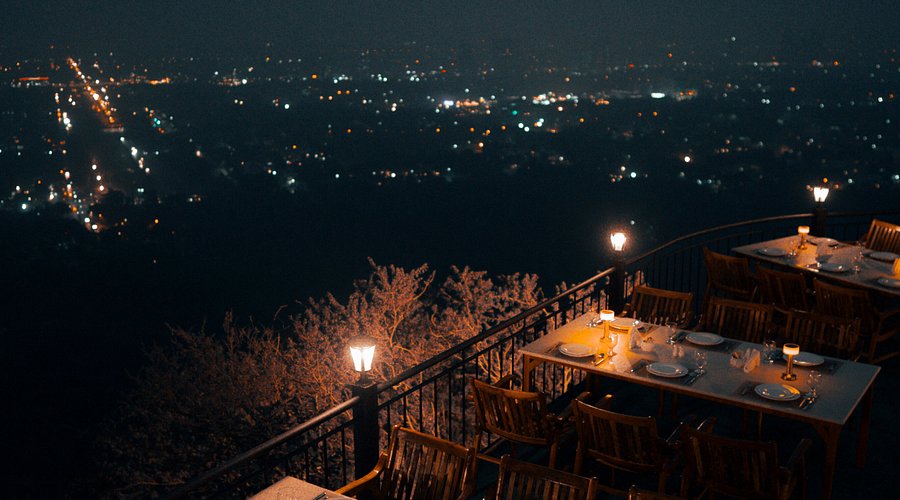
Above all, the true fame of Daman e Koh view point lies in its full skyline view, especially at sunrise, sunset, and after dark when Islamabad lights glitter like stars.

Meaning and History – Why It’s Called Daman-e-Koh

Many people don’t realize that the name itself carries cultural meaning. The term comes from two Persian words:

  • Daman = foot / lap

  • Koh = hill / mountain

Together, the meaning becomes “foothills” or “lap of the hill”, which perfectly suits its location—placed right in the lap of the Margalla Hills.

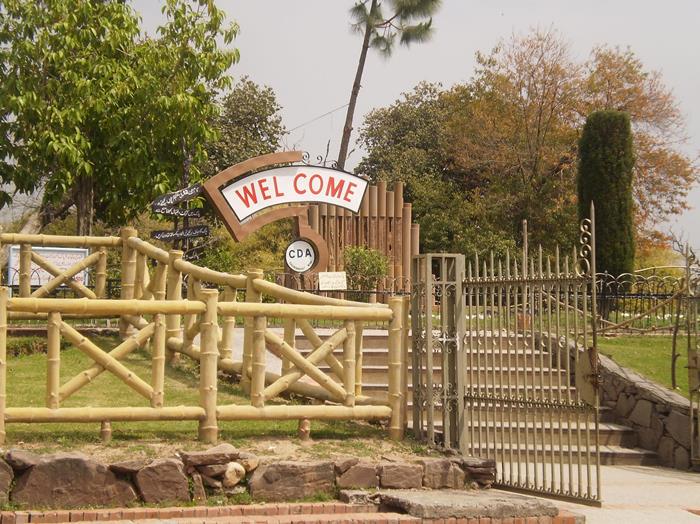
Daman-e-Koh was developed by the Capital Development Authority (CDA) in the early 1970s as a landscaped viewpoint and recreational garden. Later, significant upgrades were introduced around 2007, including improved amenities and visitor support infrastructure.

Daman e Koh Location – Where Is It Located?

Daman-e-Koh is located in the Margalla Hills National Park, Islamabad, Pakistan. It lies on the route to Pir Sohawa and sits at an elevation of around:

  • 2400 feet above sea level

  • around 500 feet above Islamabad city

Because of this height difference, the area feels cooler and fresher than the capital below—making it the perfect escape from the urban rush.

How to Reach Daman-e-Koh Islamabad

Reaching Daman-e-Koh Islamabad is easy whether you’re traveling by car, ride-hailing services, or tour transport.

By Car / Taxi

A direct road leads from Islamabad into Margalla Hills. The drive is scenic and well-maintained.

By Hiking Trails

Adventure lovers often hike from the lower trails to reach the viewpoint using different paths instead of the road. Hiking is especially popular in cooler months like October–March.

Daman e Koh Parking – Everything You Need to Know

A great thing about the place is its spacious parking area. Tourists can comfortably park their cars near the entrance.

  • Parking is large and organized

  • Vehicles are typically restricted beyond a certain gate

  • From the entrance, it’s around 800 meters walk to the main observation point

So if you’re planning to visit with family, rest assured: Daman e Koh parking is convenient and visitor-friendly.

Daman e Koh Park – A Garden in the Sky

Calling it a park doesn’t do justice—Daman e Koh park is a beautifully landscaped hill garden featuring:

daman e koh park

  • Vast green lawns

  • Terraced garden sections

  • Benches and gazebos

  • Walking trails and paved paths

  • Seasonal flowers and decorative plants

  • Signboards and helpful maps of Islamabad

The cleanliness and decor add to the experience, making it feel peaceful, organized, and calming. Whether you visit during rainfall, foggy mornings, or clear sunsets, the park remains equally magical.

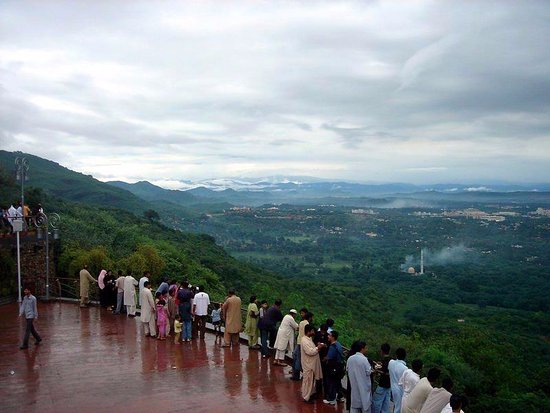
Panoramic Views – What Can You See From Daman-e-Koh View Point?

The star attraction is undoubtedly the Daman e Koh view point.

From the observation decks, you can see:

views from daman e koh in a rainy day

  • Faisal Mosque (Shah Faisal Mosque)

  • Seventh Avenue

  • Centaurus Mall

  • Government buildings and residential sectors

  • Rawal Lake / Rawal Dam

  • Even nearby Rawalpindi on clear days

On rare clear days, some visitors even mention seeing far-off ranges like the Salt Range to the south.

The best part? Islamabad looks completely different from above, revealing its greenery, planning, and unique layout.

Wildlife Experience – Monkeys, Birds & Nature

Daman-e-Koh is also known for its wildlife. Visitors often witness monkeys moving freely through the gardens, which adds a fun (and sometimes chaotic) element.

wildlife near damanekoh

Important Tip

Monkeys are infamous for stealing food. Keep snacks hidden and avoid eating openly.

Beyond monkeys, nature enthusiasts may enjoy:

  • birdwatching opportunities

  • colorful local birds

  • occasional sightings of wild boars, barking deer, foxes, and jackals (rare)

  • over 300 bird species in Margalla Hills region

This is one of the reasons why Daman-e-Koh is considered a nature lover’s paradise.

Available Amenities – What Facilities Are Offered?

Tourists love Daman-e-Koh because it isn’t only scenic—it’s convenient too. Some key amenities include:

  • Binoculars/telescopes installed for viewing the city clearly

  • Food stalls and refreshment corners

  • Signboards and guidance maps

  • Neat walking trails

  • Seating areas

  • Spacious parking

  • Clean, maintained environment

This makes it an excellent family destination where people can spend several hours comfortably.

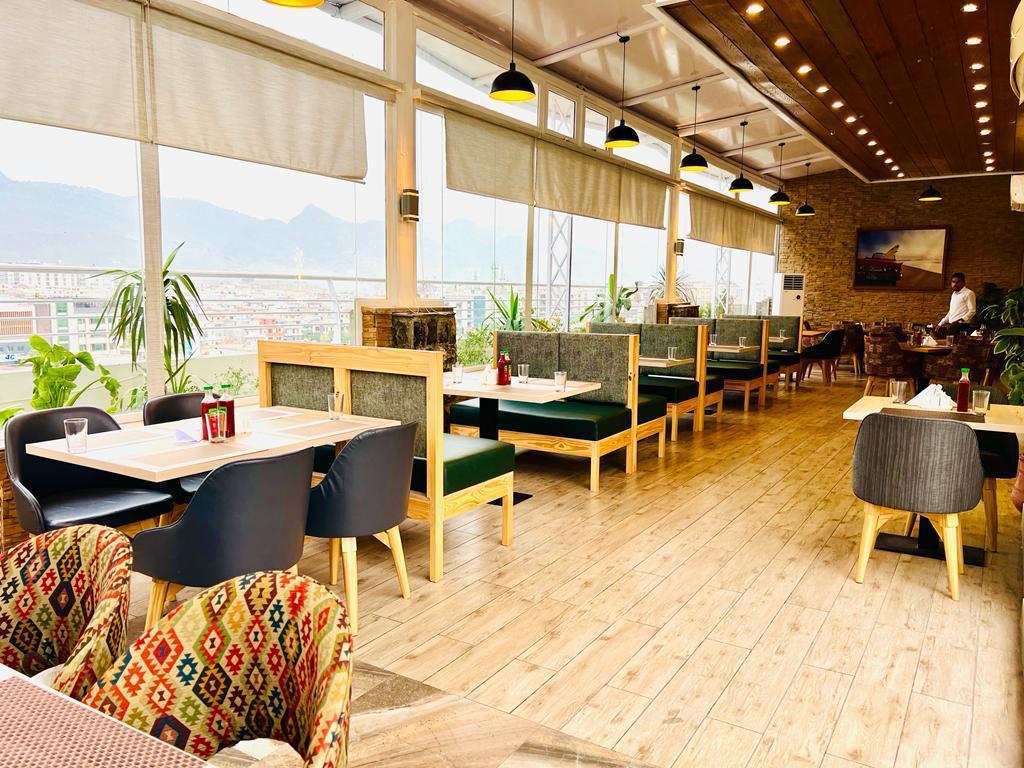
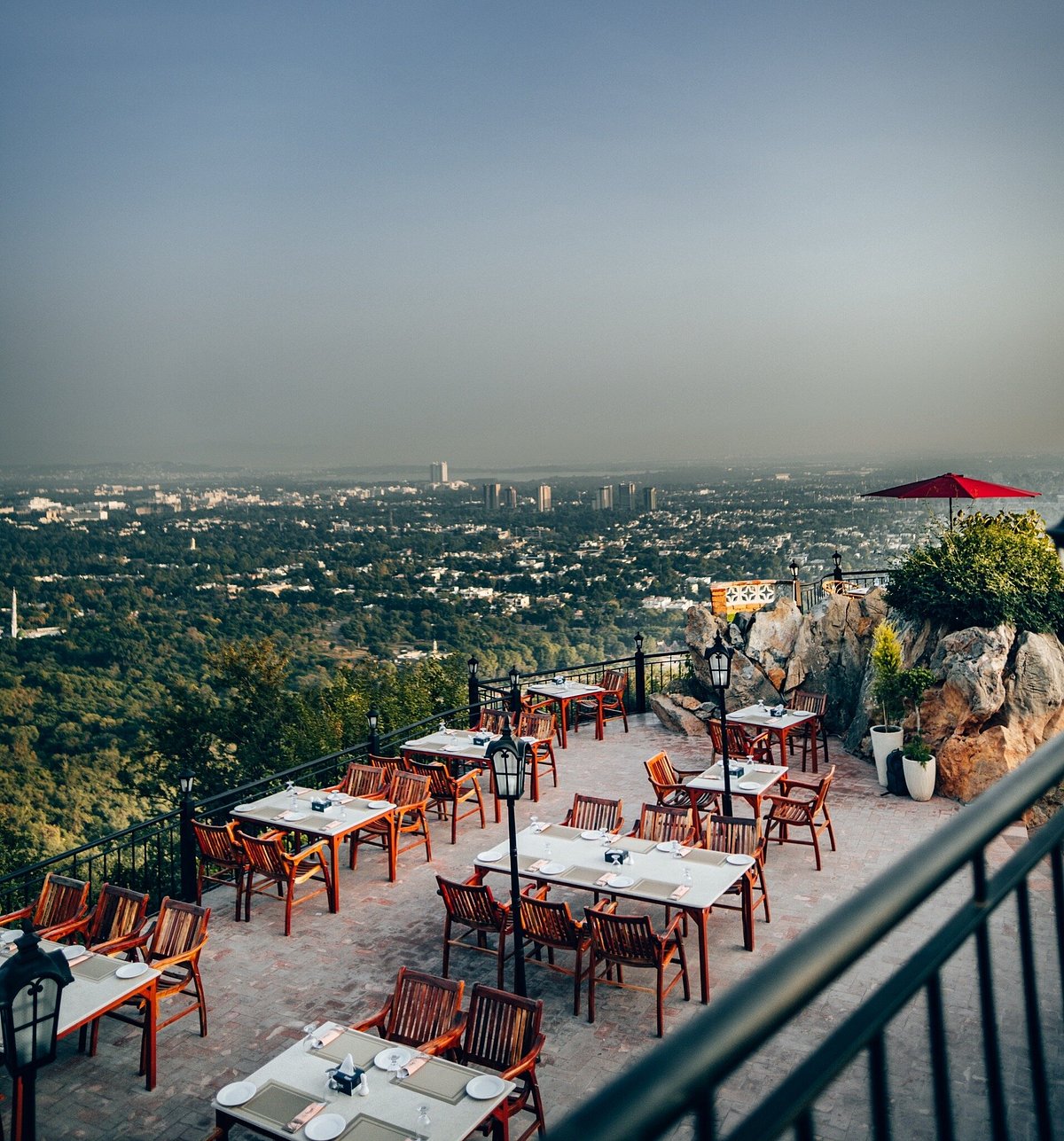
Daman e Koh Restaurant – Food With a View

One of the best experiences at this viewpoint is dining in the hills.

The Daman e Koh restaurant is popular among locals and tourists who want to enjoy meals while gazing at the city below. Whether you visit in daytime or at night, the atmosphere remains refreshing and scenic.

Many visitors specifically search for:

  • daman e koh restaurant islamabad

  • restaurants in daman e koh

Because yes—food here comes with a view that feels priceless.

You’ll find:

  • casual snack stalls

  • tea/refreshment options

  • restaurants offering Pakistani food

If you plan it right, you can enjoy lunch in pleasant daylight or dinner when Islamabad sparkles in lights.

Restaurants in Daman e Koh – What to Expect

Here are some of the best dining options you can explore while visiting the viewpoint:

# Restaurant Name Rating / Reviews Cuisine / Type Location Highlight / Review Quote
1 The Dome 4.4★ (2.9K) Restaurant View Point, Daman-e-Koh Rd “Everything was perfect — the ambiance, the service, and the food.”
2 PTDC Daman-e-Koh Restaurant Pakistani / Snacks & Tea Daman-e-Koh Viewpoint Famous for dining with a panoramic Islamabad view
3 Des Pardes Restaurant 4.0★ (8.5K) $$$ · Restaurant Saidpur Rd “Food was very good, atmosphere very refreshing and service was top notch.”
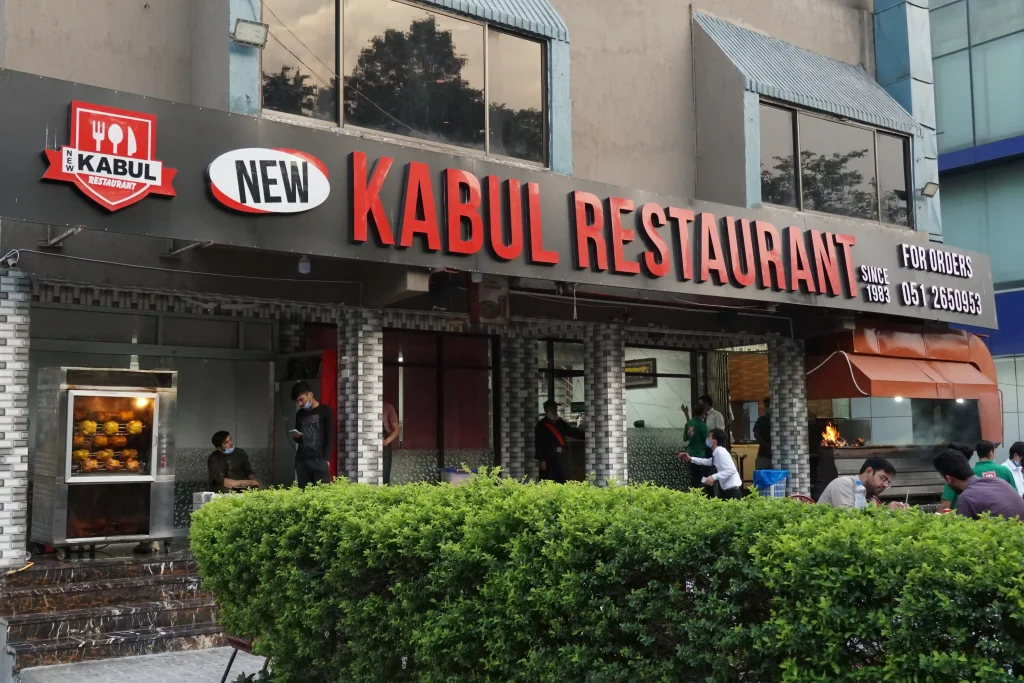
4 Dera Pashtun Restaurant 4.2★ (503) $$ · Meat / BBQ Saidpur “Very welcome staff, amazing food.”

1. The Dome

The Dome is one of the most popular dining spots right near the Daman-e-Koh viewpoint, known for its relaxing ambiance and scenic hilltop vibe. It’s a great place to sit back after exploring the park and enjoy a peaceful meal with cool Margalla air. Tourists love it for its well-managed service, comfortable seating, and overall dining experience, especially during sunset hours when the surroundings feel magical.

The dome restaurant in daman e koh

2. PTDC Daman-e-Koh Restaurant

The PTDC Daman-e-Koh Restaurant is the most iconic food stop at the viewpoint and one of the first choices for visitors who want to eat without leaving the hill area. It offers simple yet satisfying Pakistani meals, snacks, and tea—perfect for families, tourists, and hikers. What makes it special is the experience of dining while overlooking Islamabad’s skyline, particularly at night when the city lights shine below.

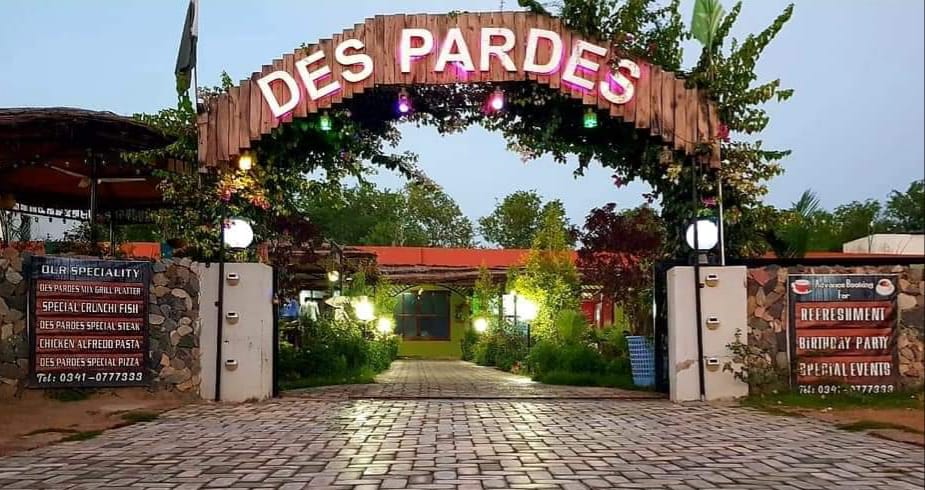
3. Des Pardes Restaurant

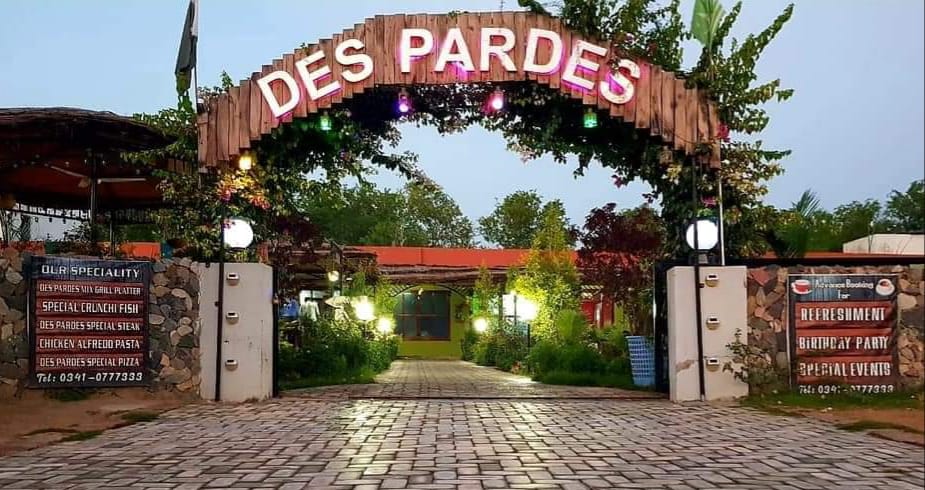
Located near the heritage village route on Saidpur Road, Des Pardes Restaurant is famous for combining traditional Pakistani flavors with a cultural and refreshing atmosphere. It’s a favorite among locals and tourists who want a more premium dining experience after visiting Daman-e-Koh. With its excellent service, pleasant environment, and tasty food, Des Pardes is ideal for family dinners and gatherings.

Des Pardes Restaurant

4. Dera Pashtun Restaurant

Dera Pashtun Restaurant, located in Saidpur, is the perfect spot for BBQ lovers who want authentic Pashtun-style food. The restaurant is widely appreciated for its welcoming staff and rich meat dishes, making it a great place to satisfy cravings after exploring the Margalla Hills. If you’re looking for a hearty meal with desi flavors, Dera Pashtun is one of the best options near Daman-e-Koh.

Top Things to Do at Daman-e-Koh Islamabad

There are plenty of exciting experiences that make a trip here worthwhile.

1. Enjoy the Observation Deck

This is the #1 reason tourists come here. The panoramic skyline view is unmatched.

2. Photography

Professional photographers, vloggers, and selfie lovers all find the spot ideal. Golden hour is the best time for outdoor photography.

3. Picnic With Family

The lawns and benches make it perfect for gatherings. Cooler weather adds comfort.

4. Hiking to Pir Sohawa

Many adventurous visitors hike from Daman-e-Koh to Pir Sohawa, typically taking around 2–3 hours. Carry water and wear proper shoes.

hiking to pir sohawa

5. Long Nature Walks

The park’s trails help you relax while achieving your daily steps target.

6. Birdwatching

Early morning and late afternoon are ideal for spotting native and migratory birds.

7. Live Local Music

Sometimes you may find local Rabab/Rubab players performing traditional tunes—an unexpected cultural treat.


Best Time to Visit Daman-e-Koh Islamabad

The best months to visit are:

  • October to March – ideal weather, perfect visibility
  • Monsoon season – lush greenery, macro photography opportunities
  • Sunset time – magical views
  • Night visit – top-down city lights look stunning

Avoid peak afternoon in summer months, especially if you plan hiking.


Celebrities Who Visited Daman-e-Koh

Daman-e-Koh is not only popular among locals—it has hosted famous global personalities too.

Reported visitors include:

  • Princess Diana during her 1991 Pakistan trip

  • Jacqueline Kennedy, wife of JFK, during a goodwill visit in 1962

  • Other notable foreign dignitaries

This adds an interesting historical and cultural value to the location, making it even more iconic.


Important Travel Tips Before You Go

To make your visit smooth, keep these tips in mind:

  • Carry water, especially if hiking

  • Avoid eating openly due to monkeys

  • Wear comfortable walking shoes

  • Visit on a clear day for best visibility

  • Keep the area clean and avoid littering

  • Sunset gets crowded—arrive early for a good spot


Final Thoughts – Is Daman-e-Koh Worth Visiting?

Absolutely yes.

Daman-e-Koh Islamabad remains one of the top scenic destinations in Pakistan because it offers a rare experience: a peaceful green hill park that overlooks a modern capital city in a panoramic sweep. From wildlife and gardens to photography and hiking, it is the perfect blend of adventure, nature, and relaxation.

Whether you’re a tourist exploring Islamabad for the first time or a local needing an escape from city life, it would truly be unjust to leave without visiting this breathtaking hilltop viewpoint.

So next time you search for daman e koh islamabad, remember: it’s not just a place, it’s a complete experience.

For more informative blogs visit Chakor Blogs.

Best Retail Investment in Islamabad
CategoriesInvestment

Best Retail Investment in Islamabad – Invest in Islamabad for High Commercial ROI

Islamabad has steadily positioned itself as one of Pakistan’s most secure and profitable destinations for real estate investors. With rapid urbanization, increasing commercial activity, and a rising demand for premium shopping and business spaces, retail investment in Islamabad has become a top choice for both local and overseas investors. If you are planning to invest in Islamabad, retail real estate offers unmatched advantages in terms of rental yields, long-term capital appreciation, and portfolio stability.

From iconic commercial corridors like Blue Area to emerging hubs such as Gulberg Islamabad, DHA, and Bahria Town, the city provides diverse opportunities for every investment scale. This comprehensive guide explores the best retail investment in Islamabad, high-performing locations, property types, and why premium mall developments—especially Citadel – Best Shopping Mall in Islamabad—are redefining commercial ROI in the capital.

Why You Should Invest in Islamabad’s Retail Real Estate Market

Islamabad’s planned infrastructure, strong governance, and expanding consumer base make it a uniquely resilient real estate market. Unlike speculative cities, investment in Islamabad is driven by real demand, particularly in the retail and commercial sector.

Retail Investment in Islamabad

Key Reasons to Invest in Islamabad

  • High commercial ROI Islamabad with rental yields up to 12% annually

  • Consistent demand for modern retail and shopping mall spaces

  • Rising purchasing power and urban population growth

  • Strong presence of corporate offices, hospitals, and institutions

  • Increasing preference for organized retail and mall culture

  • Secure and regulated market under CDA oversight

For investors seeking predictable income with long-term growth, retail investment Islamabad offers an ideal balance of safety and profitability.

Retail Investment Trends Shaping Islamabad’s Market

The retail landscape in Islamabad has evolved significantly over the last decade. Consumers now prefer shopping malls, mixed-use developments, and destination-based retail experiences rather than traditional markets.

Key trends include:

  • Growth of high-end mall investment

  • Increased demand for food courts and lifestyle destinations

  • Corporate-driven retail leasing

  • Preference for centrally located commercial hubs

  • Expansion of mixed-use retail and office projects

These trends strongly support long-term returns for investors looking to invest in Islamabad strategically.

Best Place to Invest in Islamabad for Retail & Commercial ROI

Choosing the right location is critical for maximizing returns. Below are the most promising retail investment zones in Islamabad.

Best Place to Invest in Islamabad

Blue Area – Islamabad’s Prime Commercial & Retail Hub

Blue Area is the heart of Islamabad’s commercial activity and remains the best place to invest in Islamabad for retail real estate. Located along Jinnah Avenue, it connects major government institutions, corporate headquarters, hospitals, and luxury residential sectors.

Blue Area Islamabad

Why Blue Area Is the Best Investment in Islamabad

  • Highest foot traffic in the city

  • Premium corporate and retail tenants

  • Strong rental demand year-round

  • Excellent connectivity and visibility

  • Proven long-term capital appreciation

Retail units and shopping malls in Blue Area command premium rents, making it the most secure zone for commercial ROI Islamabad.

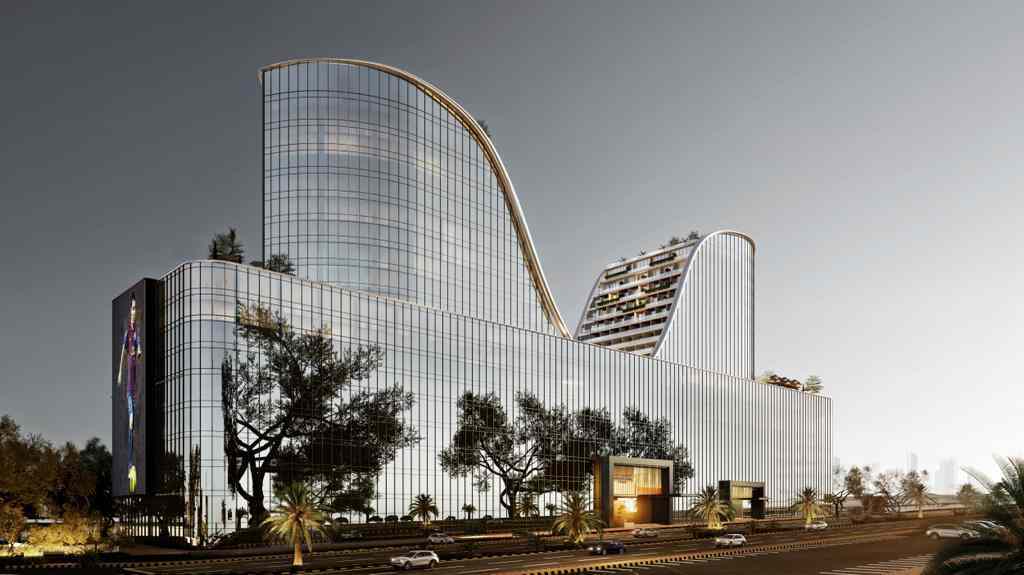
Citadel 7 Mall – The Best Retail Investment in Islamabad

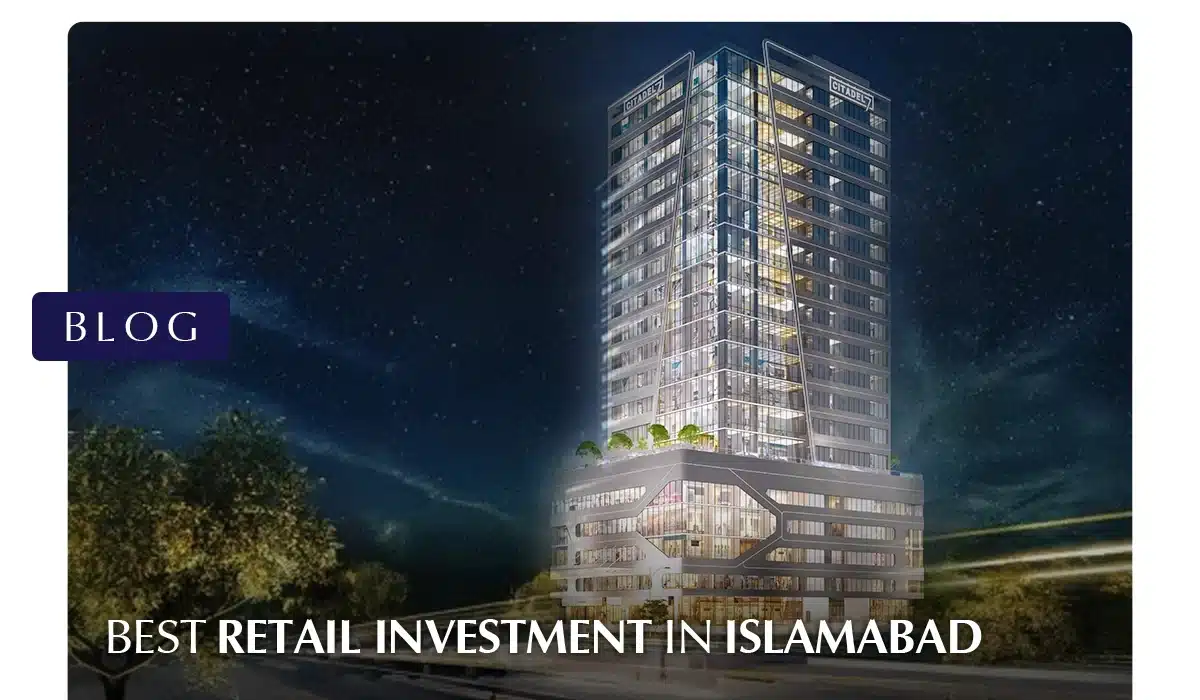
When investors look to invest in Islamabad, one name is rapidly redefining premium retail real estate—Citadel 7 Mall. Positioned in the heart of the capital’s most powerful commercial corridor, this next-generation shopping destination is more than a mall; it is a strategically engineered asset designed for high commercial ROI.

Citadel 7 - Best Shopping Mall in Islamabad

As demand for organized retail and luxury shopping experiences continues to rise, Citadel 7 Mall stands out as the best real estate investment in Islamabad, offering unmatched visibility, strong rental potential, and long-term capital appreciation.

A New Retail Landmark in Blue Area

Location defines retail success, and Citadel 7 Mall excels on this front.

Situated in Blue Area, Islamabad, the project enjoys a prime corner location at the intersection of Jinnah Avenue, directly opposite Centaurus Mall and adjacent to PIMS Hospital. This places the mall at the crossroads of corporate activity, healthcare, residential zones, and daily commuter traffic—ensuring exceptional footfall throughout the day.

This strategic positioning alone makes Citadel 7 Mall investment benefits far superior to conventional retail projects in Islamabad.

Project Overview at a Glance

Citadel 7 Mall has been carefully curated to meet the evolving needs of modern retail brands and investors.

  • Starting Price: PKR 160,000 per sq. ft.

  • Completion Timeline: December 2026

  • Exclusive Investor Offer: 3-Year Leasing Agreement

  • Retail Configuration: 4 premium retail floors

  • Lifestyle Highlight: A spacious, upscale food court designed to attract affluent visitors and extend dwell time

Each component is designed to maximize tenant performance and deliver sustainable rental income.

Why Citadel 7 Mall Is the Best Investment in Islamabad

Citadel 7 Mall is not a speculative development—it is a purpose-built commercial asset created to perform in Islamabad’s most competitive retail market.

citadel shopping mall

Every architectural and functional element focuses on foot traffic optimization, brand visibility, and tenant satisfaction, ensuring consistent rental demand and minimized vacancy risk.

Key Investment Advantages

Prime Blue Area address with year-round commercial demand
High rental yields supported by premium tenants
Strong capital appreciation potential due to limited supply in Blue Area
Ideal for national & international brands
Investor-friendly pricing and installment plan

For investors seeking a secure and profitable way to invest in Islamabad, Citadel 7 Mall delivers a rare blend of luxury, stability, and long-term financial growth.


World-Class Amenities That Elevate Retail Performance

Citadel 7 Mall sets new benchmarks for retail infrastructure by offering future-ready amenities that enhance both customer experience and operational efficiency.

  • 1200+ Smart Car Parking Spaces for seamless access

  • 24/7 Backup Power System to ensure uninterrupted business

  • High-Speed Internet & Full Mobile Coverage

  • Secure Entry and Exit Points for controlled access

  • Professional Building Maintenance & Management

  • EV Charging Stations supporting sustainable mobility

  • High-Speed Escalators for smooth circulation

  • Advanced Firefighting & Safety Systems

  • Smart VRF & HVAC Climate Control

  • BMS (Building Management System) for intelligent operations

  • Advanced Facade Design enhancing visual appeal

  • 24/7 CCTV Surveillance for maximum security

These amenities not only enhance shopper comfort but also increase tenant retention and long-term rental sustainability.

Flexible Payment Plan – Invest in Islamabad with Confidence

Citadel 7 Mall offers a carefully structured payment plan that allows investors to secure a premium retail asset without financial strain.

Investor-Friendly Installment Plan

  • 40% on Booking

  • 12.5% – 15 March 2026

  • 12.5% – 15 June 2026

  • 12.5% – 15 September 2026

  • 12.5% – 15 December 2026

  • 10% on Possession

This flexible structure enables smart cash-flow management while locking in a high-performing retail investment in Islamabad.

DHA Islamabad & Bahria Town – Secure Retail Investments

DHA Islamabad and Bahria Town are among the most trusted names for investment in Islamabad. These master-planned communities offer strong retail demand due to high population density and controlled development.

DHA Islamabad

Investment Benefits

  • Gated and secure environments

  • Continuous commercial expansion

  • Strong foot traffic from residents

  • Stable rental income

  • Long-term appreciation

Retail plazas and shopping centers in these areas remain a solid choice for conservative investors.


Gulberg Islamabad

Gulberg Islamabad is fast becoming a preferred destination for investors seeking early-stage growth opportunities. Compared to central sectors, Gulberg offers relatively lower entry prices with strong appreciation potential.

Gulberg mall

Why Gulberg Is a Smart Choice

  • Strategic access to Islamabad Expressway

  • Modern infrastructure

  • Rapid commercial development

  • Increasing brand presence

  • High future demand

For investors aiming to invest in Islamabad with medium- to long-term vision, Gulberg Islamabad is a compelling option.


Faisal Town & Faisal Hills

Faisal Town and Faisal Hills are developing rapidly due to affordable prices and flexible payment plans. These areas are ideal for investors targeting future growth.

faisal hills

Key advantages include:

  • Growing residential population

  • Affordable retail units

  • Increasing demand for daily-use businesses

  • Strong appreciation outlook


G-15 & B-17

These sectors are suitable for small to mid-scale investors looking for cost-effective retail properties.

Best suited for:

  • Pharmacies

  • Salons

  • Grocery stores

  • Clinics

  • Service-based businesses

They offer steady rental income with lower capital requirements.


Types of Retail Properties to Invest in Islamabad

Islamabad offers diverse retail investment options depending on budget and strategy:

Retail Shops

Ideal for immediate rental income in malls and commercial centers.

Commercial Plots

Best for investors looking to develop custom retail plazas.

Mixed-Use Mall & Office Spaces

Projects like Citadel 7 Mall maximize foot traffic and tenant diversity.


Key Considerations Before You Invest in Islamabad

Before making a retail investment, consider the following:

  • Market Research: Location demand and rental trends

  • Legal Verification: CDA approvals and ownership transfer

  • Developer Reputation: Timely delivery and quality

  • Payment Flexibility: Installment plans vs lump sum

  • Visibility & Accessibility: Key drivers of retail success


Final Verdict – Invest in Islamabad with Confidence

Islamabad continues to offer one of the safest and most rewarding real estate environments in Pakistan. With strong fundamentals, growing commercial demand, and premium developments, retail investment Islamabad stands out as a powerful wealth-building strategy.

Among all opportunities, Citadel Mall best shopping mall clearly emerges as the best investment in Islamabad, combining prime location, modern design, strong leasing prospects, and exceptional commercial ROI Islamabad.

If you are ready to invest in Islamabad, retail real estate—especially premium shopping mall investment—should be at the core of your portfolio strategy.

Best Return on Investment in Pakistan - Real Estate or Stocks?
CategoriesInvestment Real Estate

Real Estate vs. Pakistan Stock Exchange: Where to Find the Best Return on Investment in Pakistan?

 Investing in Pakistan can be a smart way to grow wealth, especially with the country’s rapidly evolving market dynamics. Among the various investment options, two stand out: real estate and the Pakistan Stock Exchange (PSX). Both have their loyal followers and long-standing histories, but the big question for investors is: where can you find the best return on investment in Pakistan? Should you go with the tangible and stable real estate investing, or is it better to dive into the more volatile yet rewarding world of the investment in Pakistan Stock Exchange?

This article breaks down the strengths and challenges of each investment avenue, offering insights into their returns, risks, and long-term potential, so you can make a more informed decision for your financial future.

Real Estate vs. PSX: A Side-by-Side Comparison

To help you decide where to place your capital for the best return on investment in Pakistan, let’s break down the key differences between real estate investing and investing in the Pakistan Stock Exchange:

Criterion Real Estate Pakistan Stock Exchange
Average Return 5-7% (residential), 10-12% (commercial) 12-18% (volatile, with potential for high returns)
Risk Lower volatility, but market cycles can affect returns Higher volatility, with potential for significant gains or losses
Liquidity Low—properties can take months to sell High—buy and sell quickly during market hours
Initial Investment High—millions of PKR needed Low—can start with as little as PKR 1,000
Income Type Rental income Dividends and capital appreciation
Regulation Often unregulated or informal SECP regulated, with transparent oversight
Growth Potential Steady, long-term growth High growth potential during bull markets

Understanding Real Estate Investment in Pakistan

Real estate has long been regarded as a secure investment in Pakistan, and for good reason. With its tangible nature, real estate provides a sense of security, as it’s an asset that can’t be easily devalued or lost. Whether you’re considering residential or commercial real estate investment, Pakistan’s rapidly growing urban areas—especially cities like Karachi, Lahore, and Islamabad—offer lucrative opportunities for both capital appreciation and rental income.

Real Estate provides better return on investment in Pakistan

Why Real Estate is an Attractive Investment in Pakistan?

Here are a few reasons why real estate remains a top choice for investors seeking the best return on investment in Pakistan:

1. Stable Long-Term Growth:

The growth in property prices over the last decade has been impressive. Residential real estate, in particular, offers annual returns of around 5-7%, while commercial real estate yields up to 10-12% annually. Areas like Karachi, Lahore, and Islamabad continue to see consistent demand, especially for residential and commercial properties, making real estate a reliable inflation hedge. As urbanization increases and housing shortages persist, the demand for property is expected to remain high, driving further price appreciation.

2. Passive Income Through Rent:

One of the most appealing aspects of real estate investing is the opportunity for rental income. Residential properties typically offer yields between 5-7%, but commercial properties can provide even higher returns, ranging from 10-12% annually. This steady cash flow can be reinvested or used to cover expenses, making real estate an excellent source of passive income.

passive real estate income

3. Tangible Asset:

Real estate is a physical asset. Unlike stocks, which can fluctuate wildly due to market sentiment, property is less vulnerable to short-term market swings. Its value typically appreciates over time, offering long-term growth and stability. For investors looking for a low-risk and high-reward investment, real estate provides the ideal balance.

4. Legacy Building and Security:

Real estate investments can also be passed down from generation to generation, providing long-term financial security. Unlike stocks, where prices can be influenced by global markets, the value of real estate remains tied to the local economy, making it a more reliable asset for family wealth.

Families can explore different real estate options to choose assets that support long-term stability and future financial planning.

Challenges of Real Estate Investment in Pakistan

While real estate investing in Pakistan has its benefits, it’s not without its challenges. The high entry cost, legal hurdles, and maintenance requirements make it more suitable for investors with larger capital.

High Initial Investment

Real estate investments often require millions of Pakistani Rupees (PKR), which makes it less accessible for individuals just starting their investment journey. Unlike stocks, which allow for small investments, the capital requirement for property investments is significant. This high entry barrier means that real estate investing is more suited for wealthier investors.

high intial cost of real estate ivestment in Pakistan

Liquidity Issues

Selling property in Pakistan can take months, and the process is often delayed by legal issues, market conditions, and transaction costs. In comparison to stocks, where you can quickly sell and access your funds, real estate is less liquid, making it less suitable for investors who may need quick access to cash.

Legal and Maintenance Costs

Managing real estate comes with its own set of headaches. Legal issues, such as unclear ownership or land disputes, can complicate matters. Maintenance costs, especially for rental properties, can also add up. Whether you’re managing tenants, handling repairs, or dealing with legal challenges, the time and effort involved in real estate investing can be draining for some investors.

Investment in Pakistan Stock Exchange (PSX)

The Pakistan Stock Exchange (PSX) offers a different kind of investment experience. While it may seem more volatile and unpredictable than real estate, it comes with its own set of benefits that make it an attractive option for certain types of investors.

Why Invest in the Pakistan Stock Exchange?

High Return Potential:

Historically, the PSX has shown strong performance, with the KSE-100 index growing from 40,000 points in 2020 to over 85,000 points in 2025, providing investors with returns in the 12%-18% range annually. Despite political instability and market fluctuations, the stock market in Pakistan has exhibited resilience, offering strong returns over the long run.

Stocks also provide high return on investment in Pakistan

Liquidity and Flexibility:

One of the key advantages of the investment in Pakistan Stock Exchange is its liquidity. Stocks can be bought and sold within minutes during market hours. If you need to liquidate your investment or make quick adjustments to your portfolio, you can do so instantly, unlike real estate, which requires months to sell. This flexibility makes PSX an attractive option for investors seeking quick access to funds.

Low Entry Cost:

You can start investing in the PSX with as little as PKR 1,000. This low entry barrier makes it an accessible option for a wider range of investors, including salaried individuals, students, and those who want to diversify their portfolios without committing large sums of capital. Apps like KTrade make it easy to buy shares and manage investments without requiring agents or excessive paperwork.

Passive Income through Dividends:

Just like real estate offers rental income, stocks can also provide passive income in the form of dividends. Many top-performing companies in Pakistan regularly distribute dividends to their shareholders, allowing investors to earn money while their stock holdings appreciate in value.

Dividends on stocks

Challenges of Investing in the PSX

Volatility and Risk

One of the primary drawbacks of the stock market is its volatility. Prices can fluctuate drastically due to political events, economic news, and changes in investor sentiment. For example, in 2022, the PSX saw a significant downturn due to political instability, but it quickly recovered. Investors who aren’t prepared for market swings may find themselves exposed to substantial losses if they’re unable to ride out the volatility.

Technical Knowledge and Active Monitoring

Investing in the PSX requires a certain level of knowledge and active engagement. To maximize returns and avoid significant losses, investors need to research companies, understand market trends, and actively manage their portfolios. This can be a challenge for new investors or those who are not familiar with the stock market.

Market Cycles

The stock market operates in cycles, with periods of growth followed by downturns. Unlike real estate, which generally appreciates over time, stocks can experience long periods of stagnation or even loss. It’s important for investors to time their investments well and diversify their portfolios to minimize risk.

Conclusion: Real Estate vs. PSX – Which Is the Better Investment?

While both real estate investing and investment in the Pakistan Stock Exchange offer their own set of advantages, real estate is the better option for those seeking stability, tangible assets, and passive income over the long term. With higher rental yields, capital appreciation, and the ability to build legacy wealth, real estate in Pakistan remains a top investment choice for many.

However, for those with a lower budget, a shorter time horizon, or a higher risk tolerance, the PSX offers the potential for greater returns, though at the cost of higher volatility and the need for active management. For diversified investors, a balanced approach combining both assets can be a smart strategy.

For more information on relevant topics such as cryptocurrency vs real estate, visit Chakor Ventures.

Rising Land Costs Push Pakistan’s Housing Market Towards Vertical Living
CategoriesNews Real Estate

Rising Land Costs Push Pakistan’s Housing Market Towards Vertical Living

ISLAMABAD: Rising land costs, rapid urbanisation, and changing lifestyle preferences are pushing Pakistan’s housing market towards vertical living, with condominiums, apartments, and compact residential units emerging as the preferred choice for buyers and developers, real estate experts said.

Pakistan is currently facing an estimated housing shortage of 10 to 12 million residential units, a gap that continues to widen each year due to population growth and increasing urban migration. Industry specialists warn that this persistent supply-demand imbalance is reshaping the real estate landscape, particularly in major cities such as Lahore, Karachi, and Islamabad, where land scarcity has driven prices sharply higher.

Speaking to Business Recorder, real estate expert Shahzad Akbar Janjua said accelerating urbanisation, shrinking household sizes, and evolving buyer behaviour are key factors behind the rising demand for apartments, condominiums, and townhouses.

“Urbanisation is accelerating, household sizes are shrinking, and younger families want their own homes earlier than before,” Janjua said, adding that despite economic slowdowns, real estate remains Pakistan’s most trusted long-term investment, offering security and protection against inflation.

Janjua noted that rising land acquisition costs, higher construction material prices, and inflation in labour and development inputs have significantly increased property prices, particularly in urban centres. This trend has made traditional large homes unaffordable for most middle-income families, pushing buyers towards vertical living and compact apartment-style housing.

“The greatest housing shortfall is now in mid-sized, compact units such as apartments, condominiums, and townhouses,” he said. “Without consistent development of these formats, the urban housing deficit will continue to grow.”

Another real estate expert, Ahmed Saljouk, said Pakistan’s property market is experiencing renewed momentum because housing demand has outpaced supply for several years. He explained that affordability, land optimisation, and changing lifestyle needs are driving the shift towards apartment living and community-based condominium complexes.

“Large plots are no longer viable for most buyers, while compact units offer better price accessibility,” Saljouk said. “Vertical developments allow developers to integrate security, utilities, maintenance services, and green spaces more efficiently.”

He added that horizontal urban expansion requires large, contiguous land parcels that are increasingly scarce and expensive near city centres. Such expansion also places heavy pressure on infrastructure, roads, and utilities, making high-rise apartments and condominiums a more practical and sustainable solution.

“Modern buyers prioritise convenience, connectivity, and maintenance-friendly living—qualities that apartments and condominiums deliver far better than traditional sprawl-based housing schemes,” Saljouk said.

Experts believe that improved connectivity, new residential corridors, and the growing availability of affordable apartments, condominiums, and compact housing will continue to drive Pakistan’s real estate investment towards vertical living as a long-term response to rising land prices and the country’s housing shortage.

For more real estate news and investment insights, visit Chakor Ventures.

How PIA Privatization Is Redefining Pakistan’s Economy and Investment
CategoriesInvestment Real Estate

PIA Privatization as an Economic Reform: Its Impact on Real Estate and Foreign Investment

Pakistan’s long-delayed decision to privatize Pakistan International Airlines (PIA) has become one of the most consequential economic reforms in nearly two decades. After years of losses, political interference, and failed sale attempts, the successful auction of a 75% stake in PIA for Rs135 billion by Arif Habib Ltd Consortium in December 2025 represents far more than a corporate transaction. It signals a structural shift in Pakistan’s economic thinking — away from perpetual state ownership toward market-driven reform.

While much of the public discussion has focused on whether PIA is privatized, who won the bidding war, and whether the valuation was fair, a deeper and more important question remains underexplored: What does the privatization of PIA mean for Pakistan’s broader economy — especially real estate and foreign investment?

This article examines PIA privatization as an economic reform, analyzing its direct and indirect impacts on aviation growth, real estate demand, foreign direct investment (FDI), and investor confidence, while addressing the long-term implications for Pakistan’s reform trajectory.


Understanding PIA Privatization in Context

The privatization of PIA marks a significant turning point in Pakistan’s economic trajectory. As the first major divestment since the privatization of K-Electric in 2005, it isn’t merely a financial transaction—it’s a litmus test of the country’s reform credibility.

After a failed attempt to offload PIA in 2024, the government recognized that systemic issues had to be addressed before any meaningful investor interest could be generated. At the time, PIA was weighed down by massive operational losses, an unsustainable cost structure, and a staggering debt burden exceeding Rs650 billion. The airline’s poor safety reputation, underscored by the tragic 2020 Karachi crash, further damaged investor sentiment and led to flight bans from key international regulators such as the UK and EU aviation authorities.

In a bold corrective move, the government undertook a sweeping financial and operational overhaul. Rs654–670 billion of legacy debt was absorbed onto the government’s balance sheet, instantly transforming PIA from a distressed liability into a viable investment proposition. Just as importantly, international flight bans were lifted, restoring access to European air corridors that are vital for revenue and route prestige. These developments restored not only operational credibility but also investor confidence.

This time, the privatization process was designed with transparency at its core. Unlike the previous year’s solitary lowball bid of Rs10 billion, the 2025 auction attracted three credible, pre-qualified consortia. A live-televised bidding war unfolded between Arif Habib Corporation and Lucky Cement, with the former clinching the 75% stake at a final bid of Rs135 billion—far surpassing the government’s minimum reference price of Rs100 billion.

Arif Habib Consortium acquires PIA in Rs 135 billion PIA privatization deal, outbidding Lucky Cement

Importantly, the deal was structured not to enrich the public treasury overnight, but to inject fresh capital into PIA’s operations. Only Rs10.1 billion from the bid proceeds will enter the government’s coffers, while the rest will fund fleet expansion, service upgrades, safety compliance, and infrastructure modernization. This signals a pivotal shift in Pakistan’s approach: privatization is no longer seen as a fiscal band-aid, but as a catalyst for operational turnaround and institutional reform.

Alignment with IMF Structural Reform Agenda

By aligning the process with International Monetary Fund (IMF) structural benchmarks, the government also reinforced its commitment to credible economic governance. This alignment not only satisfies IMF conditions under the $7 billion program but also sends a strong message to both domestic and foreign investors: Pakistan is open to transparent, rules-based capitalism.

PIA Privatization in accordance with IMF's Restructural reforms

The privatization structure—where ownership transfer is phased, post-deal investments are ring-fenced, and management insulation is prioritized—demonstrates a sophisticated understanding of political-economy risk. It explicitly addresses past failures where privatization devolved into asset-stripping or triggered ex-post litigation. By separating financial engineering from operational control, this approach offers a roadmap for other state-owned enterprises (SOEs) facing similar challenges.

In short, the privatization of PIA is not a fire sale of a national icon—it’s a strategic recalibration of Pakistan’s public sector role, a test case for responsible privatization, and a signal of market maturity. It represents the shift from a reactive state to a reform-minded, investor-conscious actor capable of unlocking long-term growth through institutional discipline.

Why PIA Privatization Is an Economic Reform — Not Just a Sale

The impacts of privatization on PIA go far beyond a mere shift in shareholder structure. This transformation addresses the deep-rooted structural inefficiencies that crippled the airline for decades, turning a once-celebrated national carrier into a perennial loss-making entity.

Legacy Burdens That Held PIA Back

For years, PIA was plagued by:

  • Chronic political interference, where appointments and operational decisions were influenced by non-commercial considerations

  • Severe overstaffing, with nearly 300 employees per aircraft—far exceeding the international norm of 150–200

  • Safety and compliance failures, culminating in damaging global bans, such as the EU and UK suspensions after the 2020 crash

  • Annual taxpayer bailouts of over Rs35 billion, draining public funds with little return

These legacy issues made PIA unattractive for both commercial growth and investment, deterring local and foreign stakeholders from engaging with the airline.

How Privatization Resets the Playing Field

The privatization of PIA directly addresses these dysfunctions by installing:

privatization of pia and economic revival of Pakistan

  • Professional management insulated from politics, capable of making data-driven, strategic decisions

  • Capital discipline and performance incentives, aligning leadership with profitability and efficiency

  • Route rationalization, prioritizing profitable paths and eliminating wasteful subsidies

  • Corporate governance frameworks, ensuring transparency, accountability, and compliance with international standards

This is a paradigm shift—from political patronage to performance, from bloated bureaucracy to lean strategy.

Ripple Effects on Real Estate and Foreign Investment

These operational reforms don’t just benefit the airline—they influence broader investor psychology. FDI flows and real estate investment are highly sensitive to signals of reform credibility. When a high-profile asset like PIA is restructured successfully:

  • Foreign investors gain trust in Pakistan’s reform agenda and institutional maturity

  • Real estate markets, particularly those linked to aviation and tourism (hotels, logistics parks, serviced apartments), gain momentum

  • Infrastructure investment around major airports (Karachi, Lahore, Islamabad) becomes viable due to predictable aviation traffic and better governance

By removing state inefficiency and political distortion from a major sector, PIA privatization acts as a beacon, attracting both capital and confidence.


How PIA Privatization Links to Real Estate Investment in Pakistan

1. Aviation Growth Drives Real Estate Demand

One of the most immediate and visible impacts of privatization on PIA is the expansion of Pakistan’s aviation sector. With the UK and EU flight bans lifted, and new capital committed for fleet modernization, PIA is set to significantly enhance: international flight routes, domestic connectivity and passenger and cargo capacity.

aviation and real estate investment

As more planes take off, the movement of people and goods across borders and cities will rise sharply. This surge directly boosts real estate investment in Pakistan, especially in airport-adjacent zones of Karachi, Lahore, and Islamabad.

How Aviation Growth Translates to Real Estate Demand

PIA’s revival under private management will:

  • Increase demand for hotels, serviced apartments, and hospitality real estate, as tourism and business travel rise.

  • Fuel commercial development, such as office spaces, business lounges, and retail outlets near aviation hubs.

  • Expand logistics and industrial real estate, including cold storage, cargo handling zones, and warehousing near airports.

  • Drive residential expansion, particularly for aviation staff and frequent travelers in airport-accessible neighborhoods.

2. Airport-Adjacent Real Estate Gains Momentum

Privatizing PIA strengthens Pakistan’s aviation ecosystem, creating spillover effects around major airports, especially in Karachi, Lahore & Islamabad

Increased air traffic boosts demand for:

  • Hotels and hospitality developments

  • Serviced apartments

  • Commercial plazas

  • Logistics hubs and warehousing

  • Cargo handling and cold-chain infrastructure

Airport-centric real estate has historically delivered premium yields in emerging markets where aviation capacity expands rapidly — a pattern Pakistan now appears poised to replicate.


3. Tourism Revival and Hospitality Expansion

The privatization of PIA coincides with the reopening of European routes, restoring Pakistan’s access to high-value tourism and diaspora travel markets.

Tourism growth stimulates:

  • Resort developments

  • Urban hotels

  • Mixed-use commercial districts

  • Retail and food destinations

Cities with international airports become real estate growth nodes, benefiting developers, REITs, and long-term investors.


Commercial Real Estate and Business Mobility

4. Business Travel Fuels Commercial Property Demand

Improved airline connectivity supports:

  • Multinational corporate travel

  • Regional headquarters operations

  • Trade exhibitions and conferences

As aviation reliability improves, corporate tenants seek Grade-A office space, co-working hubs, and business parks — particularly near airports and central business districts.

This dynamic reinforces demand for:

  • Commercial plazas

  • Business hotels

  • Logistics-linked office infrastructure


Logistics, Warehousing, and Industrial Real Estate

5. Cargo and Supply Chains Benefit from Airline Reform

PIA’s turnaround also enhances Pakistan’s air cargo potential, especially for:

  • Textiles

  • Pharmaceuticals

  • Perishables

  • E-commerce fulfillment

This creates demand for:

  • Warehousing near airports

  • Cold storage facilities

  • Distribution centers

Industrial real estate near Karachi, Lahore, and Islamabad airports stands to benefit significantly as air freight reliability improves.


Foreign Direct Investment (FDI): Why PIA Privatization Matters

6. A Credibility Signal to Global Investors

Foreign investors don’t assess economic reform by political promises—they evaluate execution. In this context, the successful privatization of PIA marks a breakthrough moment, sending strong, market-reassuring signals to global capital markets.

PIA privatization and FDI

I. Contracts Can Survive Political Cycles

In Pakistan, the history of public-private partnerships (PPPs) and energy sector contracts is marred by ex-post renegotiations, sudden cancellations, and bureaucratic reversals. By successfully completing the PIA privatization process, the state has shown that large, multi-stakeholder transactions can survive political transitions—a crucial signal to long-term investors who require stability across administrations.

II. Competitive Bidding Is Possible

The live-televised bidding war between Arif Habib Corporation and Lucky Cement showcased not only transparency but also genuine market competition. This contrasts with previous failed privatization efforts where insider deals or lack of interest led to weak outcomes. It proves that competitive, rules-based asset divestment is achievable in Pakistan.

III. Large-Scale Transactions Can Be Closed

At Rs135 billion (~$480M), this was one of the largest privatization deals in recent history. Its successful closure shows that Pakistan’s institutions are capable of managing complex, high-stakes financial transactions—a critical trust factor for foreign direct investment (FDI), especially in sectors like energy, telecom, and infrastructure.

IV. State Interference Can Be Minimized

The separation of PIA’s management from direct government control also signals a reduction in political interference, which has historically been a top deterrent for institutional investors. Clear governance structures, performance incentives, and post-deal protection measures demonstrate that the government is serious about insulating private capital from political shocks.

7. Aviation as an FDI Enabler

A functioning national airline is far more than a mode of transportation—it is a strategic enabler of FDI. In the case of Pakistan, the privatization of PIA and its operational revival create ripple effects that go far beyond the aviation industry. For foreign investors, connectivity, convenience, and infrastructure reliability are crucial inputs into market entry decisions.

Improved Connectivity = Lower Market Entry Barriers

When an airline functions efficiently and offers expanded routes, it reduces key frictions that often deter FDI:

pia privatization and FDI enablment

  • Lower transaction costs – Executive travel, site visits, due diligence, and logistics become faster and cheaper

  • Reduced travel friction – Easier access to and from major economic hubs like Karachi, Lahore, and Islamabad improves investor confidence

  • Less operational uncertainty – Reliable air transport ensures smoother supply chains and continuity of business operations

These improvements are not abstract—they translate into real-time investment decisions. Investors are more likely to expand into markets where access is predictable and professional, rather than patchy and politicized.

FDI Attraction Across Multiple Sectors

With PIA being modernized post-privatization, Pakistan’s air links with global markets are expected to grow. This development is especially impactful for FDI-intensive sectors such as:

  • Manufacturing: Investors need reliable movement of personnel, machinery, and goods across borders.

  • Real Estate Development: Global real estate developers, architects, and consultants rely on seamless mobility for project oversight.

  • Tourism & Hospitality: The revival of direct flights to Europe repositions Pakistan on the international tourism map.

  • Financial Services: Banks, fintechs, and investors benefit from reliable flight options for regional headquarters and branch expansions.


8. Real Estate as an FDI Gateway

The privatization of Pakistan International Airlines (PIA) is a strategic lever that strengthens all three of these prerequisites, thereby reinforcing the capital flow cycle into Pakistan’s built environment.

Real Estate as an FDI Gateway

Improving City Connectivity Fuels Urban Expansion

By expanding international routes and domestic air access, the revitalized PIA enhances mobility across Pakistan’s major economic centers—Karachi, Lahore, and Islamabad. This reduces friction for businesses, tourists, and trade, making secondary cities more accessible and encouraging development of new growth corridors.

Improved connectivity supports:

  • Airport-linked commercial zones

  • Mixed-use residential communities

  • Suburban real estate clusters with higher livability and commuter access

Enhancing Investor Confidence Through Execution

Foreign investors have long been skeptical of Pakistan’s ability to complete large-scale, transparent privatization deals. The Rs135 billion PIA stake sale, conducted through open bidding, helps dispel that skepticism. It demonstrates:

  • Contract enforcement across political cycles

  • Capability to execute high-value transactions

  • A credible shift towards market-driven reforms

This boosts confidence among international real estate developers, infrastructure funds, and sovereign investors seeking frontier-market exposure.

Supporting Long-Term Urban Growth and Infrastructure Demand

With Pakistan’s urban population projected to cross 50% by the early 2030s, the need for modern housing, transportation, utilities, and commercial space is growing rapidly. The revival of national aviation capacity enables more predictable movement of talent, goods, and capital—essential ingredients for planned urbanization.

PIA’s improved operations make it easier to:

  • Attract global firms to new economic zones

  • Justify large-scale infrastructure investment (airports, logistics parks, highways)

  • Catalyze private-public partnerships for city expansion projects

Impacts of Privatization on PIA and Investor Psychology

The broader impacts of privatization on PIA reshape how investors perceive Pakistan:

investor psychology

From Policy Volatility to Conditional Stability

Policy unpredictability has long been one of the most cited risks in foreign direct investment (FDI) risk assessments. Investors often fear abrupt contract cancellations, regulatory reversals, or shifting political priorities.

By aligning the PIA privatization with IMF structural benchmarks, maintaining process transparency, and ensuring institutional oversight, Pakistan has signaled a move toward conditional, rules-based stability. This change doesn’t remove risk—but it makes it more measurable, which is exactly what long-term capital seeks.

From Asset Decay to Value Recovery

For years, Pakistan’s national assets—airlines, energy firms, steel mills—were symbols of decline rather than growth. The revival of PIA through private capital, alongside the removal of Rs654+ billion in legacy debt, shows that value recovery is possible, even in distressed sectors.

This creates a blueprint for restructuring other loss-making SOEs, making them bankable and investible in the eyes of both local and foreign institutional investors.

Why This Psychological Shift Matters

Investor sentiment is driven as much by perception as by numbers. While fundamentals like GDP, interest rates, and regulatory policy matter, expectations about the future often shape actual capital flows.

  • If Pakistan is perceived as reform-minded, it will attract long-term infrastructure and real estate investors.

  • If it remains seen as politically unstable or anti-business, capital will continue to bypass it for more predictable markets.

The psychological shift triggered by PIA’s successful privatization tilts the scales toward optimism. It sends a message that Pakistan can respect contracts, conduct fair market processes, and pursue growth through market mechanisms.


Addressing Skepticism: Price vs Capability

Critics of PIA privatization often focus narrowly on valuation. However, aviation economics dictate that price alone cannot define success. What matters more is:

  • Capital depth of owners

  • Governance discipline

  • Operational expertise

  • Willingness to absorb early losses

From a real estate and FDI perspective, successful turnaround matters more than headline price, because sustainable aviation growth fuels downstream economic activity.


Labour, Stability, and Transitional Protection

The privatization structure includes:

  • One-year protection against layoffs

  • Preservation of pension rights

  • Transfer of legacy obligations to a holding entity

These measures reduce social disruption while allowing gradual restructuring — a balance that improves political sustainability and investor confidence.


Why Delay Was the Real Risk

In the case of PIA, delaying privatization had significant economic consequences. The airline continued to drain public funds, with annual subsidies exceeding Rs35 billion, putting pressure on already stretched national resources.

Meanwhile, PIA’s international relevance declined, especially after flight bans from major markets like the UK and EU. Prolonged inaction also contributed to the deterioration of aviation infrastructure, with underutilized fleets and outdated systems becoming liabilities.

why delay was the real risk

Crucially, the delay led to missed opportunities in real estate and tourism. Poor connectivity limited growth around airports, holding back investments in hotels, logistics hubs, and commercial zones—sectors that rely heavily on air traffic.

By completing privatization, Pakistan has not only halted this value erosion but also created a foundation for growth across aviation, infrastructure, real estate, and tourism. It’s a strategic shift from managing decline to enabling reform-driven development.


Long-Term Outlook: Aviation, Real Estate, and Growth

Delays in PIA privatization came at a steep economic cost. The airline continued to absorb over Rs35 billion annually in public subsidies, burdening taxpayers without delivering value. Internationally, Pakistan’s aviation reputation suffered, with flight bans diminishing access to key markets and eroding global competitiveness.

Meanwhile, aging infrastructure, grounded aircraft, and weak service quality worsened. Real estate opportunities around airports stalled, and tourism growth remained undercut by poor connectivity.

Now, with privatization executed, Pakistan has reversed the trend of institutional decline. The reform halts value erosion and establishes a platform for recovery—fueling growth in aviation, real estate, logistics, and tourism while restoring investor confidence in the country’s reform agenda.


Conclusion: More Than an Airline Deal

The privatization of PIA is not merely about selling an airline. It is about restoring credibility, unlocking investment, and proving that reform is possible in a system long resistant to change.

For real estate investors, it strengthens demand drivers linked to mobility, tourism, logistics, and urban growth.
For foreign investors, it signals a rare willingness to let markets function.
For Pakistan’s economy, it represents a critical test case — one that could redefine the country’s investment narrative.

PIA privatization, if protected from reversal and politicization, has the potential to reshape Pakistan’s economic landscape — not just in the skies, but on the ground where real assets, capital, and confidence converge.

How To Invest Money in Pakistan using buyer agent
CategoriesFeatured blog Investment Real Estate

How to Invest Money in Pakistan Using a Buyer’s Agent for Investment Property

Investing money wisely is one of the most important decisions you can make for your future financial security. While there are various investment options available, real estate has proven to be one of the most reliable ways to build wealth over the long term. For those interested in how to invest money in Pakistan, real estate offers a wealth of opportunities that can yield significant returns. However, navigating the real estate market in Pakistan can be a complex and challenging task for those unfamiliar with it. This is where a buyer’s agent for investment property comes into play.

In this article, we will explore how to invest money in Pakistan by using a buyer’s agent for real estate investments. We’ll dive into the importance of real estate as an investment opportunity in Pakistan, the role of a buyer’s agent, and how you can make the best possible decisions when looking to invest in property, including premium projects like Citadel 7 Corporate Tower by Chakor Ventures.

Why Invest in Real Estate in Pakistan?

Before we dive into the specifics of how to invest money in Pakistan, it’s important to understand why real estate is such a valuable investment option. Pakistan’s real estate market has been a steady performer, attracting both local and international investors due to several key factors:

1. Steady Appreciation

Real estate in Pakistan, especially in major cities such as Karachi, Lahore, and Islamabad, has historically appreciated at a consistent rate. As urban populations continue to grow, demand for residential and commercial properties increases. This makes real estate a relatively stable investment compared to other markets that may experience high volatility.

invest in real estate in pakistan

2. Rental Yields

Rental income is another attractive feature of real estate investments in Pakistan. With the expanding middle class and urbanization, demand for rental properties remains high, particularly in major cities. Investors who acquire rental properties can earn steady income streams from tenants, making it an appealing option for those seeking a more passive source of income.

3. Government Incentives

The government of Pakistan has introduced various incentives and policies to encourage real estate investments. These may include tax breaks, special financing schemes, and infrastructure development initiatives that make investing in property more appealing. The government’s push towards promoting affordable housing and expanding cities presents a unique opportunity for investors to capitalize on rising demand.

4. Diversification of Investment Portfolio

Investing in real estate provides a great way to diversify your portfolio. It offers a physical, tangible asset that is less prone to sudden fluctuations compared to stocks or bonds. This makes it an ideal option for long-term investment and wealth preservation.

With these benefits in mind, let’s now discuss how to invest money in Pakistan using a buyer’s agent for real estate property investment.

What is a Buyer’s Agent for Investment Property?

A buyer’s agent is a licensed professional who represents the buyer in a real estate transaction. The key difference between a buyer’s agent and a seller’s agent is that a seller’s agent is hired to work for the seller’s interests, while a buyer’s agent focuses on protecting the buyer’s best interests throughout the entire investment process.

Buyer's Agent For Investment Property

For those unfamiliar with how to invest money in Pakistan or the local real estate market, a buyer’s agent for investment property is an invaluable asset. Their expertise can help ensure that you make the right choices based on your financial goals and avoid costly mistakes. Below, we’ll take a closer look at how a buyer’s agent can benefit you as a real estate investor.

Why Should You Use a Buyer’s Agent for Investment Property in Pakistan?

1. Market Expertise

A buyer’s agent is highly knowledgeable about the local real estate market. They are familiar with market trends, the economic environment, and the best-performing areas for property investments. This expertise is essential when you’re looking to invest in a foreign market or a market you are not familiar with. They can help identify the best investment opportunities based on the latest trends and future growth potential.

For example, if you’re looking for the best return on investment in Pakistan, a buyer’s agent can help you identify areas that are likely to see significant appreciation. These areas may include locations near new infrastructure projects, upcoming commercial hubs, or newly developed residential neighborhoods. They will also be able to tell you which properties offer the best rental yields, helping you make an informed decision.

2. Time-Saving

Searching for investment properties, visiting multiple locations, and doing research on the property’s history and legal standing can be time-consuming. A buyer’s agent can save you a great deal of time by narrowing down the options and presenting you with only the most promising properties that meet your criteria. This leaves you free to focus on other aspects of your life or business.

3. Negotiation Skills

One of the most valuable skills a buyer’s agent brings to the table is negotiation. Real estate transactions can involve complex negotiations on price, terms, and conditions, and having a skilled negotiator on your side can make a huge difference. They will help you secure the best price for the property and ensure the deal is in your favor. Their expertise can save you money and help you achieve a better return on investment.

how to invest money in pakistan

4. Access to Exclusive Listings

Many properties, particularly high-demand ones, may not be available on public property listing platforms. A buyer’s agent has access to exclusive listings that may not be advertised publicly. This gives you an advantage by providing access to off-market opportunities that other investors may not know about, allowing you to secure prime properties before others can even consider them.

5.Due Diligence and Legal Support

Real estate transactions involve a significant amount of paperwork and legal requirements. A buyer’s agent ensures that all necessary due diligence is performed before finalizing the deal. This includes verifying the legal status of the property, checking for any encumbrances, confirming the property’s title deed, and ensuring that all documents are in order. By leveraging the expertise of a buyer’s agent, you can avoid costly legal issues down the line.

How to Invest Money in Pakistan Using a Buyer’s Agent for Investment Property

Now that we’ve established why a buyer’s agent is essential for real estate investment, let’s explore how you can invest money in Pakistan using a buyer’s agent.

1. Define Your Investment Goals

The first step in any successful investment journey is defining your goals. Before you begin working with a buyer’s agent, it’s essential to have a clear understanding of your investment objectives. Are you looking for long-term capital appreciation, short-term profits, or rental income?

A buyer’s agent will work with you to understand these goals and recommend properties that match your specific criteria. For example, if you are looking for the best return on investment in Pakistan through capital appreciation, they might suggest investing in newly developed areas that have strong future growth potential. If you’re more interested in generating rental income, your agent may recommend properties in areas with high tenant demand and stable rental yields.

2. Research Investment Opportunities

Your buyer’s agent will help you identify the best investment opportunities in Pakistan based on their market knowledge and research. They will present you with properties that fit your financial goals, taking into account factors such as location, property type, condition, and potential for future growth.

Real estate investment opportunities in Pakistan

Whether you’re looking to invest in residential properties, commercial properties, or even mixed-use developments, a buyer’s agent will be able to pinpoint the best options for you. For example, if you’re looking for real estate investing in Pakistan in fast-developing cities like Lahore, Islamabad, or Karachi, they will guide you to the most promising districts that are poised for growth.

3. Evaluate the Property’s Potential

Once you’ve narrowed down your options, your buyer’s agent will conduct thorough due diligence on each property. This will include checking the legal status of the property, examining the ownership history, verifying the title deed, and ensuring that there are no legal issues. Additionally, they will assess the property’s location, infrastructure development, amenities, and surrounding neighborhood, all of which can impact its future value.

For instance, investing in properties near newly developed transportation hubs, commercial centers, or educational institutions can provide long-term growth potential and high rental demand.

4. Negotiate the Deal

Once you’ve found the property you want to invest in, your buyer’s agent will help you make an offer and negotiate the best possible deal. This could involve negotiating the price, payment terms, contingencies, and closing date. Having a professional negotiator on your side ensures that you secure the best possible price and conditions for your investment.

5. Finalize the Purchase

Finally, once your offer is accepted, your buyer’s agent will guide you through the entire closing process. They will ensure that all necessary documents are in order, handle the legal paperwork, and make sure that the transaction is smooth and hassle-free.

Premium Investment Opportunities in Pakistan: Citadel 7 and Citadel One3

When looking for the best investment opportunities in Pakistan, Chakor Ventures stands out with its exceptional real estate projects, offering great potential for investors.

Citadel 7 Corporate Tower (Islamabad)

Located in one of the most prestigious and rapidly developing commercial hubs of Islamabad, the Citadel 7 Corporate Tower is a state-of-the-art business complex designed to cater to the needs of modern businesses.

citadel 7 islamabad- best invetment opportunity in islamabad

This project promises not only modern amenities but also excellent growth potential, as it is situated in an area that’s expected to see substantial commercial development over the coming years. Investing in this property is ideal for those looking to secure a stable return on investment through high-demand commercial spaces. As businesses continue to expand in Islamabad, Citadel 7 is expected to see significant appreciation in value, making it an excellent option for real estate investors.

Luxury Condominium Building

For those looking for luxury residential investment opportunities, Luxury Condominium Building offers a remarkable chance. Located in Islamabad, this luxury condominium development is set to redefine modern living with its upscale design, prime location, and world-class amenities. The demand for high-end residential properties in Islamabad is growing, and Citadel One3 offers an opportunity to invest in a premium property with the potential for high rental yields and long-term capital appreciation. Whether you’re interested in buying property for personal use or as an investment, Citadel One3 provides an attractive option for investors seeking the best return on investment in Pakistan’s luxury market.

Conclusion

Investing in real estate in Pakistan can be an incredibly lucrative opportunity, but it requires careful planning, research, and the right guidance to succeed. By working with a buyer’s agent, you can ensure that you’re making the best possible investment decisions while maximizing your return on investment. Whether you’re looking for capital appreciation, rental income, or both, a buyer’s agent can help you navigate the complexities of the market and secure the best investment opportunities.

Premium projects like Citadel 7 Corporate Tower and  Luxury Condominium Projects by Chakor Ventures exemplify the best investment opportunities in Pakistan. These developments not only offer modern amenities and prime locations but also provide significant growth potential in Islamabad’s thriving real estate market. Real estate is one of the best ways to invest money in Pakistan, and with the right help, you can make smart decisions that will help you achieve your financial goals.

Understand how your investment performs over time with our inflation-adjusted real estate ROI calculator.

Pakistan, Turkiye Seal Landmark Energy & Mining Deals Worth Billions
CategoriesNews

Pakistan, Turkiye Seal Landmark Energy & Mining Deals Worth Billions

ISLAMABAD: Turkiye is set to become a major partner in Pakistan’s energy and mineral sectors as both countries prepare to sign multibillion-dollar agreements this week. A high-level Turkish delegation, led by Minister of Energy and Natural Resources Alparslan Bayraktar, will arrive in Islamabad on Tuesday to formalise collaborations in offshore exploration and mineral development.


Officials confirmed that Pakistani companies and the Turkish Petroleum Overseas Company (TPOC) are poised to sign a commercial agreement for exploration activities in the Eastern Offshore Block-C. The Economic Coordination Committee has already approved the transfer of operatorship to TPOC, granting the Turkish firm a 34% working interest, while OGDC and Mari Energies will hold 26% and 20% respectively. Exploration activities are expected to begin next year.


Sources revealed that the Turkish delegation had previously visited Pakistan to solidify a mineral sector deal, also expected to be signed during this visit. The Turkish firm is seeking a mining lease within Balochistan’s expanding copper-gold belt, where the Reko Diq project is situated. With accelerated development at Reko Diq drawing renewed global interest, Turkiye’s engagement highlights growing confidence in Pakistan’s mining landscape.


Pakistan’s offshore exploration efforts have undergone several shifts in recent years. A joint venture involving Italy’s Eni, US-based ExxonMobil, OGDC, and PPL during a previous administration was unable to deliver successful results. Following PPL’s inability to initiate work on Block-C, TPOC has now been selected as the new operator, tasked with leading upcoming offshore activities.


Industry experts note that OGDC continues to expand domestic exploration using modern technologies, while Pakistani companies are increasingly extending their footprint overseas, including offshore ventures in the United Arab Emirates. Collaborations with Turkish Petroleum are expected to further elevate Pakistan’s energy-sector visibility on the global stage.


Ahead of the delegation’s arrival, Federal Minister for Petroleum Ali Pervaiz Malik held a meeting on Monday with Turkish Ambassador Irfan Neziroglu to finalise arrangements. Secretary Petroleum Momin Agha and OGDC Managing Director Ahmed Hayat Lak were also present.


The Turkish ambassador noted that a leading mineral-sector company from Turkiye would be part of the delegation, reflecting Ankara’s strong interest in expanding mineral development partnerships with Pakistan. Malik added that Pakistan’s key exploration firms, OGDC, PPL, and Mari Energies, have aligned with Turkish Petroleum, creating new opportunities for joint ventures and expanding bilateral cooperation.

FBR to Impose Heavy Penalties on Non-Compliant Businesses from Sept 1, 2025
CategoriesNews

FBR to Impose Heavy Penalties on Non-Compliant Businesses from Sept 1, 2025

Islamabad: The Federal Board of Revenue (FBR) has declared that businesses not integrating their billing systems with its electronic platform will face strict financial penalties from September 1, 2025.

In line with Section 25A of the Sales Tax Act, 1990, registered taxpayers — including importers, listed companies, and firms recording an annual turnover above PKR 1 billion during the past twelve tax periods — are bound to issue digital invoices carrying an FBR verification number, QR code, and logo.

The enforcement mechanism prescribes fines of PKR 500,000 for the first violation, escalating to PKR 1 million, PKR 2 million, and eventually PKR 3 million for repeated non-compliance.

Tax consultants have cautioned that any invoice generated outside the official system after the September deadline will be considered invalid. Purchasers of such invoices will also lose the right to claim input adjustments, directly impacting their compliance status and tax credits.

While major corporations and publicly listed enterprises are believed to be in a stronger position to comply with the new rules under SRO 1413(I)/2025, small and seasonal importers may struggle to meet the integration deadline.

Advisors have urged the revenue authority to provide additional relief, particularly in view of the widespread flooding that has disrupted commercial activity nationwide. However, they also underscored the urgency for taxpayers to adopt e-invoicing, which is expected to eliminate fake and “flying” invoices.

The FBR has maintained that the transition is aimed at tightening documentation, improving enforcement, and curbing revenue losses within the sales tax regime.

Punjab rolls out major afforestation and eco-tourism campaign
CategoriesNews

Punjab rolls out major afforestation and eco-tourism campaign

Lahore: Acting on the directives of the Chief Minister, the Punjab government has launched a large-scale plantation and environmental conservation programme under the “Friends of Forest” banner. The initiative is designed to increase tree cover, promote eco-tourism, and improve forest protection through modern monitoring technologies.

The drive was formally inaugurated at Jallo by Parliamentary Secretary for Forests Kanwal Liaqat. Under the Chief Minister’s “Plant for Pakistan” scheme, over 51 million trees are set to be planted across 50,869 acres. Parallel efforts under the CM Agroforestry Initiative include the cultivation of 1.37 million saplings on nearly 3,800 acres of barren forest land. In addition, the Green Pakistan Programme has been scaled up with a target of 466 million trees over 251,000 acres, while five million saplings will be planted along more than 10,000 miles of canal banks.

Eco-tourism development is also a key focus, with new facilities planned at Lal Suhanra National Park and the Salt Range. A LEED-certified eco-friendly complex is under construction to house both visitors and staff. Supporting infrastructure includes wireless connectivity, GPS tracking, CCTV systems, and digital surveillance for effective management.

In hill stations such as Murree and Kahuta, the “Shielding Summits” programme has been initiated to mitigate natural hazards. This includes the induction of 600 fire watchers, deployment of fire-fighting vehicles, construction of watchtowers, restoration of forest trails, and the installation of water tanks to safeguard natural springs.

The Forest Department is adopting high-tech monitoring solutions, including a GIS-based system with drones, satellites, and LiDAR to detect wildfires and encroachments at an early stage. Forestry records are being digitised, while operations are being mechanised with modern equipment. A province-wide network of 104 command and control centres is now functional to ensure round-the-clock vigilance.

Forest Director General Azfar Zia said these innovations would considerably enhance real-time protection and management of forest resources. Environmental expert Dr. Salman Tariq, while welcoming the scale of the plan, advised caution against planting in flood-hit areas, warning that saplings risk being washed away before taking root. He urged delaying drives in inundated regions until water levels subside.

Officials stressed that the campaign underlines the Punjab government’s resolve to strengthen climate resilience, protect natural ecosystems, and promote environmentally responsible tourism.