Pakistan Eyes $1 Billion Valuation for Manhattan’s Roosevelt Hotel Redevelopment
CategoriesNews

Pakistan Eyes $1 Billion Valuation for Manhattan’s Roosevelt Hotel Redevelopment

As part of its IMF-backed privatization drive, Pakistan plans a strategic joint venture to transform the iconic Roosevelt Hotel into a lucrative mixed-use development in the heart of New York City.


KARACHI, July 10. In a bold move to unlock the value of its foreign assets, Pakistan is seeking a $1 billion valuation for the historic Roosevelt Hotel in Manhattan, New York, with plans to enter a joint venture for its redevelopment. The hotel, owned by Pakistan International Airlines through an investment arm, has remained closed since 2020 amid financial losses.

According to a senior government official, Pakistan will retain ownership via an equity partnership but is open to selling a minority stake. Global real estate firm Jones Lang LaSalle (JLL) has been tasked with overseeing the transaction, which is expected to conclude within six to nine months.

Located near Times Square and Grand Central Station, the 42,000-square-foot property is considered prime Manhattan real estate. The redevelopment vision encompasses residential and office use, with an anticipated project timeline of 4–5 years.

Part of a $7 billion IMF-backed privatization plan, this initiative reflects growing investor interest in Pakistani assets abroad. The government anticipates receiving an initial $100 million by mid-2026 from the joint venture, marking a significant step toward economic recovery and enhanced global engagement.

What is raft foundation
CategoriesConstruction Featured blog

Raft Foundation: Types, Uses, and Construction Guide

Raft foundation, also known as mat foundation, is a widely used structural foundation system in both residential and commercial projects. It plays a crucial role in distributing building loads over a large area, particularly in sites with weak or compressible soils. This article provides a comprehensive guide on raft foundation, including its definition, types, use cases, materials, and construction methods. It is optimized for readers and search engines using key phrases like “raft foundation,” “types of raft foundation,” “raft foundation materials,” and “raft foundation design.”

What is a Raft Foundation?

A raft foundation is a thick, reinforced concrete slab that extends over a large area and supports the structure above. It spreads the load from columns and walls evenly over the ground, reducing stress on the soil and preventing differential settlement. Typically, this type of foundation covers the entire footprint of the structure and is suitable for soils with low bearing capacity.

In structural engineering, the raft foundation design considers both the structural load and soil condition to ensure optimal performance and safety. The slab is heavily reinforced with steel to resist bending and shear forces.

Working Principle of Raft Foundation

The working principle behind a raft foundation is simple yet effective. Instead of transferring loads to the soil through individual footings, the entire weight of the structure—including the self-weight of the slab—is distributed across the entire surface area of the foundation. This lowers the pressure exerted on any one point of the soil, thereby minimizing the risk of shear failure or uneven settlement.

raft foundation working principles

This mechanism is especially useful in scenarios where:

  • Soil bearing capacity is low.
  • Loads are unevenly distributed.
  • The structure layout results in overlapping footings.

When to Use a Raft Foundation

Choosing the correct foundation type is vital in structural engineering. Raft foundations are commonly used when:

  • The soil has a low bearing capacity.
  • The structure covers a large area.
  • Individual footings would cover over 50% of the ground area.
  • Columns or walls are closely spaced.
  • A basement is to be included.
  • The site contains compressible or variable soil layers.
  • There is a high water table.

Examples include:

  • Residential or commercial buildings
  • Warehouses and factories
  • Storage tanks and silos
  • Heavy equipment foundations

Types of Raft Foundation

The types of raft foundation used in construction depend on the soil conditions, load distribution, and structural layout. Below are the most common types of raft foundations:

1. Flat Plate Mat

This is the simplest and most economical form of raft foundation. Suitable for light loads and uniformly spaced columns, the slab is typically no thicker than 300mm. Reinforcement is provided in both directions, with additional bars under columns and walls.

Flate Plate Mat

2. Plate Thickened Under Columns

When loads are higher, the raft slab is thickened at column locations. This helps resist shear forces and provides extra reinforcement where needed.

Plate Thickened under columns

3. Two-Way Beam and Slab Raft

Beams are integrated into the raft slab in both directions. This method is suitable for structures with large spans between columns and varying loads.

wo-Way Beam and Slab raft foundation

4. Raft with Pedestals

A pedestal is added at the base of each column to provide additional support. This is similar to the thickened slab method but includes a discrete element under the column.

Raft with Pedestals

5. Piled Raft Foundation

Here, piles are driven into the ground to support the raft slab. It is ideal for soft soils and high water table areas. Piles reduce settlement and increase overall load-bearing capacity.

Piled Raft Foundation

6. Rigid Frame Mat or Cellular Raft Foundation

This advanced type involves two slabs connected by deep beams, forming a cellular structure. It is used when the building carries extremely heavy loads, and high rigidity is needed.

Each of these types of raft foundation has specific use cases, and the selection depends on a thorough site investigation and load analysis.

Rigid Frame Mat or Cellular Raft Foundation
Mat (Raft) Foundations types

Raft Foundation Materials

High-quality materials are essential for the effective performance of any raft foundation. Common materials include:

  • Concrete: Used for the slab and beams, offering compressive strength.
  • Steel Reinforcement: Reinforces the concrete, enabling it to resist tensile and shear forces.
  • Formwork: Temporary molds to hold concrete in place until it sets.
  • Waterproofing Membrane: Protects the foundation from groundwater and moisture.
  • Spacers: Ensure proper spacing of reinforcement bars for effective load transfer.

Raft Foundation Design Considerations

A robust raft foundation design requires analysis of multiple factors:

  • Soil Investigation: To determine bearing capacity, moisture content, and compressibility.
  • Load Calculation: Includes dead load, live load, wind load, and seismic factors.
  • Slab Thickness: Depends on the load and soil properties; typically ranges from 200mm to 500mm.
  • Reinforcement Layout: Should accommodate both structural and construction requirements.
  • Settlement Control: If needed, piled rafts may be used to minimize differential settlement.

The raft foundation design should also consider local building codes and geotechnical recommendations.

Construction Process of Raft Foundation

The construction of a raft foundation involves several well-defined steps:
  1. Site Preparation: Mark the area and remove vegetation or debris.
  2. Excavation: Dig to the desired depth based on the design.
  3. Soil Compaction: Compact the subsoil to improve bearing capacity.
  4. Waterproofing: Apply a waterproof membrane to prevent water ingress.
  5. Blinding Layer: Pour a 3-inch layer of cement-sand paste to smooth the base.
  6. Reinforcement Placement: Lay steel bars as per the design with appropriate spacers.
  7. Concrete Pouring: Place concrete in layers and ensure uniform distribution.
  8. Curing: Keep the surface moist for at least 7–14 days to achieve full strength.

Attention to detail during each phase ensures the long-term durability and safety of the foundation.

Advantages of Raft Foundation

  • Economical for large structures
  • Reduces differential settlement
  • Distributes load over a wide area
  • Suitable for poor soil conditions
  • Provides a base for basement construction

Conclusion

A raft foundation is a practical and cost-effective solution for supporting structures on weak or variable soils. With several types of raft foundation available, each catering to different structural and soil requirements, it offers versatility and reliability in construction. By understanding raft foundation design, materials, and construction methods, engineers and builders can ensure safe and efficient structural support.

Whether for a residential building, commercial tower, or industrial facility, the raft foundation remains a go-to choice in modern construction.

Real-World Application: Citadel 7 by Chakor Ventures

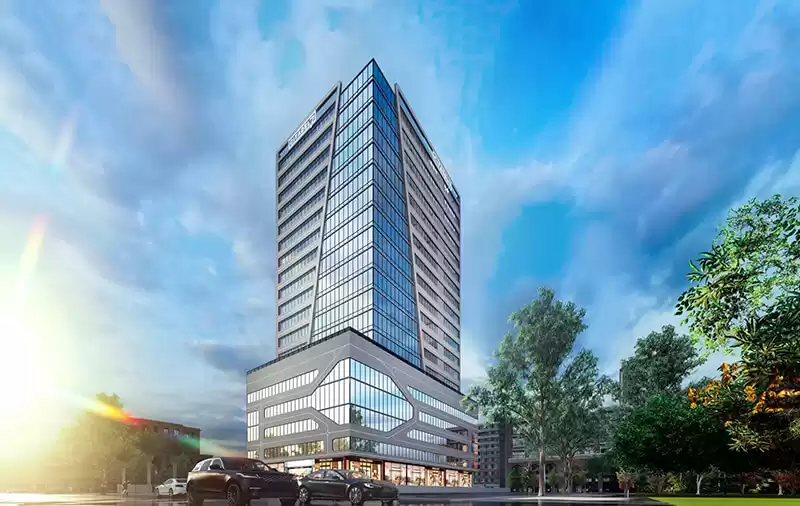
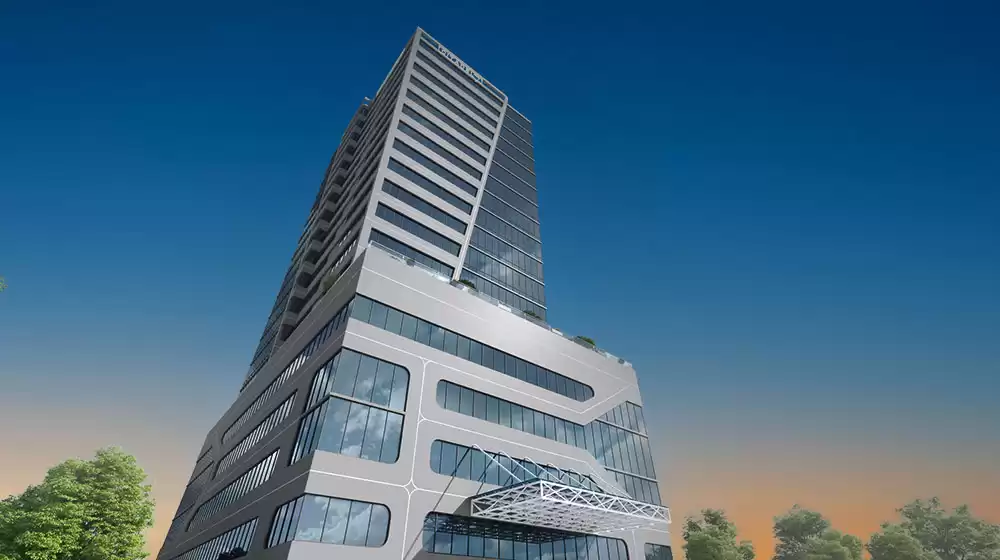
A prime example of the application of raft foundation can be seen in Citadel 7, an exclusive high-rise corporate tower in Islamabad developed by Chakor Ventures. Located in the prestigious Blue Area, Citadel 7 incorporates modern design with advanced engineering practices, including a robust raft foundation system to handle variable soil conditions and heavy structural loads. With its 20-story layout comprising retail, food court, and office spaces, Citadel 7 stands as a model for how effective foundation design supports safe, resilient, and functional commercial architecture.


Vertical Corporate Towers in Islamabad
CategoriesCitadel 7 Featured blog

The Rise of Vertical Corporate Towers in Islamabad Why Businesses Are Moving Up

Once known primarily for its picturesque beauty and wide open spaces, Islamabad is now reshaping its geographical landscape with modern skyscrapers. The capital city of Pakistan is witnessing a surge in vertical corporate towers, transforming the way businesses approach space, growth, and sustainability. At the heart of this transformation are visionary real estate developers in Pakistan, who are building more innovative, higher, and more efficient commercial environments.

The Rise of Vertical Skyscrapers in the Capital City

In the past, Islamabad’s corporate landscape was spread across low-rise buildings and disjointed office spaces. However, with rapid urbanization, increasing demand for premium commercial locations, and a limited horizontal footprint, businesses are now choosing to move upward literally. The emergence of vertical corporate towers is more than just an architectural trend; it’s a response to the changing dynamics of modern business needs. Citadel 7 appeared as an advanced commercial tower developed by Chakor Ventures in the Blue Area of Islamabad. More than just concrete and glass, it represents a new era of corporate real estate: smart, sustainable, and purpose-built for Pakistan’s evolving business needs.

Citadel 7 Corporate tower in Islamabad

Why Businesses Are Shifting to Vertical Corporate Towers

So, what’s driving this vertical revolution? Several key factors are encouraging businesses in Islamabad to move into corporate towers:

1. Efficient Land Use

With limited space in central areas like the Blue Area and G-8, vertical development enables the maximum utilization of high-value plots. A single commercial tower can house dozens of companies, retail outlets, and service providers, all in one secure and high-functioning environment.

2. Brand Visibility

A high-rise building instantly stands out in the urban skyline. Businesses housed in premium towers benefit from uninterrupted visibility, making a strong impression on clients, partners, and investors.

3. Modern Amenities

New corporate towers, such as Citadel 7, are equipped with amenities that reflect the future of work, including high-speed internet, intelligent climate control, zero electricity downtime, FTTO (Fiber to the Office), EV parking spots, and AI-enabled infrastructure, all of which are essential for modern business operations.

4. Centralized Location

Being situated in commercial hotspots like Islamabad’s Blue Area provides easier access for employees, clients, and suppliers. It also enhances credibility, as location often reflects professionalism and stability.

The Role of Real Estate Developers in Pakistan

This vertical growth wouldn’t be possible without the contributions of progressive real estate developers in Pakistan, such as Chakor Ventures. Unlike traditional developers, they prioritize innovative design, advanced technology, and investor trust. Citadel 7, for example, isn’t just another high-rise; it’s a thoughtfully engineered environment designed for long-term value. From its seismic-resistant structure to the real-time construction countdown timer, every detail is built around performance and transparency.

Citadel 7 by chakor ventures

Sustainability and Smart Design Go Hand in Hand

Vertical towers are also more sustainable than sprawling campuses. With shared utilities, optimized energy usage, and modern HVAC systems, corporate towers reduce the carbon footprint per square foot of commercial space. In projects like Citadel 7, smart systems automatically adjust heating and cooling based on occupancy, while AI-managed elevators reduce wait time and power use. Such innovations are becoming increasingly essential as businesses prioritize ESG (Environmental, Social, and Governance) standards.

Looking Ahead: A Skyward Future for Islamabad

As more businesses recognize the benefits of moving into vertical towers, Islamabad’s skyline is expected to continue evolving. These commercial towers symbolize more than urban development; they reflect ambition, growth, and a shift toward more innovative, more responsible ways of doing business. The days of scattered, outdated office buildings are giving way to sleek, high-performance environments. For businesses seeking to thrive in a competitive world, vertical corporate towers are no longer a luxury; they’re a necessity.

Ready to Elevate Your Business with Confidence?

Citadel 7 isn’t just another tower; it’s a bold step into the future of business. Backed by smart design, AI-enabled amenities, advanced technology, a world-class elevator system, and the trust of a leading real estate developer in Pakistan, it’s where forward-thinking businesses belong. Take your next leap of faith and real estate investment, discover Citadel 7, and reserve your space in Islamabad’s most advanced corporate tower.

Inflated DC Rates Spark Outcry Over New Property Tax in Punjab
CategoriesNews

Inflated DC Rates Spark Outcry Over New Property Tax in Punjab

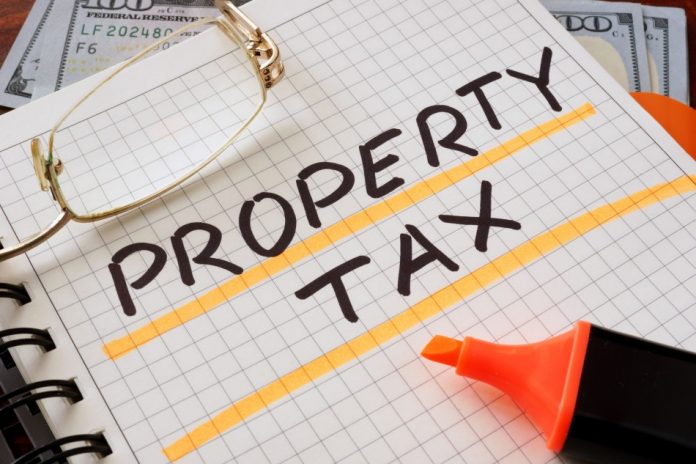
Unrealistic property valuations based on outdated DC rates place an unfair burden on middle- and lower-income homeowners across Punjab.


LAHORE, The recent move by the Punjab government to impose property tax based on Deputy Commissioner (DC) rates has triggered widespread concern among citizens and real estate stakeholders. Experts warn that the decision to use artificially inflated DC rates—often disconnected from actual market values, will impose an unjust financial burden on property owners, especially those in the middle and lower-income brackets already grappling with inflation and stagnant wages.

The arbitrary nature of DC rate assessments fails to account for regional economic disparities, resulting in taxation that is not only unfair but also economically damaging. Urban hubs like Lahore, Multan, and Rawalpindi, along with smaller cities such as Dera Ghazi Khan, could experience a dip in housing affordability, real estate investment, and overall market stability.

Industry analysts and citizen groups are urging the provincial government to revisit this approach. They recommend establishing a more transparent, realistic property valuation model that reflects current market dynamics and is developed through consultations with real estate experts and taxpayer representatives.

Unless revised, this tax policy risks further alienating investors and homeowners, ultimately harming Punjab’s real estate and economic growth. Fair taxation must be grounded in actual data, not arbitrary estimates.

Seismic Proof Building
CategoriesConstruction

Seismic-Proof Buildings in Pakistan: Techniques for Resistance

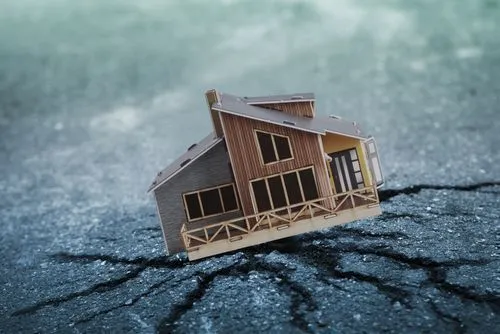
Pakistan, a country blessed with awe-inspiring mountains and scenic landscapes, sits at the crossroads of several tectonic plates, making it prone to frequent seismic activity. From the Himalayan region in the north to the Makran coast in the south, large swathes of Pakistan fall under high or moderate seismic zones. The devastating earthquakes in Kashmir (2005), Balochistan, and the northern regions have repeatedly highlighted the urgent need for seismic proof buildings and seismic proof construction techniques across the country.

As urbanization continues and vertical development becomes a necessity, ensuring the safety of buildings against earthquakes is not just a matter of compliance, but one of survival. This article explores the modern techniques, materials, and engineering philosophies used to develop earthquake resistant buildings in Pakistan, highlighting their importance, application, and future potential.

Understanding Seismic Risk in Pakistan

The Indian and Eurasian tectonic plates converge beneath Pakistan, generating significant seismic forces. Major cities like Islamabad, Karachi, Quetta, and Peshawar are all exposed to varying levels of earthquake risk. Rapid population growth and urban sprawl have led to dense clusters of residential and commercial buildings, making the implementation of seismic proof construction not just advisable, but essential for safeguarding lives and property.

What Are Seismic Proof Buildings?

Seismic proof buildings (or earthquake-resistant buildings) are designed and constructed to withstand seismic forces generated during earthquakes. While no building can be entirely “earthquake-proof,” these structures aim to absorb, deflect, or dissipate seismic energy, minimizing damage and preventing catastrophic collapse. The goal of modern seismic proof construction is not only to avoid loss of life but also to ensure that critical facilities such as hospitals, schools, and government offices remain functional after an earthquake.

Seismic Proof Construction

Core Principles of Earthquake Resistant Construction

1. Flexibility and Ductility

A seismic proof building must be able to flex and sway without breaking. Ductility allows a structure to absorb seismic energy and deform without sudden failure. Steel, reinforced concrete, and timber are commonly used for their high ductility.

2. Strong and Stable Foundation

A solid yet flexible foundation is the bedrock of seismic safety. Advanced soil testing is essential before construction, ensuring the ground can support dynamic forces during an earthquake.

3. Even Distribution of Weight

Architects must design buildings so that heavy elements are placed on lower levels, reducing the risk of top-heavy collapse during seismic activity.

Latest Techniques in Seismic Proof Construction

Modern seismic proof construction incorporates several innovative techniques. The most effective methods are outlined below:

1. Base Isolation Systems

Base isolation is a cutting-edge technique where a building is separated from its foundation using flexible pads or dampers made of steel, rubber, or lead. These isolators absorb and deflect ground movement, allowing the structure to remain steady while the earth shakes below.

Benefits:

  • Dramatically reduces transmission of seismic forces to the building.

  • Especially useful for hospitals, emergency centers, and other critical infrastructure.

Applications in Pakistan:
While still limited, base isolation systems are gaining traction in major urban projects, especially in Islamabad and Lahore.

2. Shock Absorbers and Dampers

Modern seismic proof buildings use a range of dampers to absorb and dissipate earthquake energy:

  • Viscous Dampers: Filled with fluid, they absorb seismic shock waves.

  • Tuned Mass Dampers (TMD): Large, weighted balls suspended in tall buildings counteract swaying motions.

  • Friction Dampers: Reduce vibrations by converting movement into heat via friction.

Benefits:

  • Minimize structural response during earthquakes.

  • Can be retrofitted to existing buildings.

3. Shear Walls and Cross-Bracing

Shear walls are vertical, reinforced concrete or steel walls that resist lateral (sideways) forces. Cross-bracing involves placing diagonal steel braces in X-patterns within the frame, which increases rigidity and reduces deformation.

Earthquake proof buildings in Pakistan

Benefits:

  • Improved stability and resistance to horizontal forces.

  • Common in both new construction and seismic retrofitting.

4. Reinforced Concrete and Steel Frames

Reinforced concrete frames use a composite of concrete and steel bars to enhance strength and flexibility. Properly designed, these frames can endure immense seismic loads without collapsing.

Advantages:

  • Reliable, proven technique.

  • Widely used in Pakistan’s modern high-rises and public buildings.

5. Flexible Foundations

Flexible foundations allow controlled movement during seismic events. Techniques include using rubber bearings or sliding bearings to absorb shocks and reduce structural stress.

Advantages:

  • Essential for high-rise construction in seismic zones.

  • Reduces sudden, destructive movements.

6. Lightweight Construction Materials

Heavier buildings attract greater seismic forces. Modern seismic proof construction favors lightweight materials such as steel, aluminum, fiberglass composites, and lightweight concrete. These materials lessen the load on the foundation and reduce the risk of structural failure.

Seismic Retrofitting: Strengthening Existing Buildings

Many structures in Pakistan were built before the adoption of modern seismic codes. Seismic retrofitting involves upgrading older buildings using techniques such as:

  • Adding steel or carbon fiber wraps to pillars and beams.

  • Installing cross-bracing or shear walls.

  • Retrofitting base isolation or damper systems.

Benefits:

  • Cost-effective compared to complete demolition.

  • Preserves cultural and historical heritage.

Innovative Global Trends and Their Relevance to Pakistan

Countries like Japan, New Zealand, and the United States have pioneered innovative seismic technologies that can inspire Pakistan’s construction industry:

Earthquake resistant buildings in Pakistan

Concurrent Shake-Table Testing

Used to experimentally validate building designs by subjecting models to simulated earthquake conditions. This helps refine construction methods and improve local standards.

Steel Plate Shear Walls (SPSW)

Invented specifically to resist seismic activity, SPSWs use steel infill plates in a frame, optimizing the structure’s post-buckling behavior.

Superframe Structures

Combining core walls, hat beams, and dampers, superframes reduce overturning moments and allow column-free interiors—ideal for modern high-rises in Karachi or Islamabad.

Shape Memory Alloys and Fiber-Reinforced Plastics

These advanced materials add resilience, absorbing energy and returning to their original shape after deformation.

Earthquake-Resistant Architecture: Aesthetic and Functional

Seismic proof buildings are not just about hidden reinforcements. Earthquake-resistant architecture integrates seismic safety into design, creating visually appealing and safe spaces. Key elements include:

  • Symmetry and regularity in building shape.

  • Even mass distribution.

  • Avoiding soft stories or overhanging floors.

  • Using reinforced core walls and open, flexible interiors.

Implementing Seismic Proof Construction in Pakistan

Building Codes and Regulations

Pakistan has introduced seismic building codes, but compliance and enforcement remain challenges, especially in rural areas and informal settlements. Raising public awareness and training engineers, architects, and builders is crucial for widespread adoption of seismic proof construction.

Public and Private Sector Roles

  • Government: Must enforce seismic codes and promote retrofitting of critical infrastructure.

  • Private Developers: Should invest in seismic proof technologies for residential and commercial projects.

  • Public Awareness: Homeowners need education on safe construction practices and the importance of retrofitting.

Case Studies: Seismic Proof Buildings in Pakistan

1. Islamabad’s High-Rises

Many recent high-rise projects in Islamabad like Citadel 7 use reinforced concrete frames, shear walls, and base isolation to meet modern seismic standards.

2. Hospitals and Emergency Centers

Critical facilities in earthquake-prone regions are now designed with shock absorbers, base isolation, and steel reinforcement, ensuring they remain operational after an earthquake.

3. Retrofitting Heritage Buildings

Heritage sites like Lahore Fort and Mohenjo-Daro have seen pilot projects for seismic retrofitting, using advanced materials and techniques to protect Pakistan’s cultural legacy.

Citadel 7 Corporate Tower: Progressing Towards Safer Buildings in Pakistan

Citadel 7 Corporate Tower, located in Islamabad’s business district, is an example of the country’s move toward safer buildings in earthquake-prone areas. While only the basic, grey structure has been completed so far, it was built with modern safety methods in mind to help protect the building if an earthquake occurs. Citadel 7 highlights the growing awareness and importance of strong, well-designed buildings in Pakistan, showing that even at the early stages of construction, safety can be a top priority for the future of our cities.

Conclusion

The seismic threat in Pakistan is real and persistent, but the tools and knowledge to combat it are readily available. By adopting global best practices in seismic proof construction, enforcing robust building codes, and raising awareness, Pakistan can drastically reduce earthquake-related casualties and property loss.

Seismic proof buildings are not just a technical achievement—they are an investment in the safety, sustainability, and resilience of Pakistan’s cities and communities. As the country continues to grow, integrating earthquake-resistant design in every aspect of construction will protect lives and ensure a safer future for generations to come.


Citadel 7
CategoriesFeatured blog

Chakor Ventures’ Corporate Tower: Breaking Norms in Pakistan’s Real Estate

In a city that never stops evolving, where skylines stretch higher and business districts become denser, one commercial tower is quietly rewriting the rules of real estate in Pakistan. Chakor Ventures, a progressive real estate developer in Pakistan, is setting new standards of safety, transparency, and smart innovation with its flagship project, Citadel 7,  a futuristic corporate tower in Islamabad’s Blue Area. But this isn’t just another high-rise in the heart of the capital. It’s a symbol of resilience and reformation. It tells a story, one where seismic-proof construction, real-time progress tracking, and investor-first thinking are no longer dreams but deliverables.

A Tower Born from a Vision of Trust

The story begins with a question: Why do so many real estate developments in Pakistan fail to meet investor expectations? Chakor Ventures asked the same and decided to flip the script. The answer was clear: transparency and trust were missing. And so, Citadel 7  was born, not just as a commercial tower, but as a trust-driven vertical marvel.

Unlike traditional developments, where project milestones are often buried in brochures, Chakor took a bold step by installing a public countdown timer on-site and online. This real-time visibility of construction progress makes Citadel 7 the first of its kind in Pakistan. It’s no longer about blind investment option in Pakistan; it’s about visible progress.

Engineering Resilience: Seismic-Proof Construction as a Standard

In a region known for its seismic activity, safety is non-negotiable. Chakor Ventures has made seismic-proof buildings a central pillar of its design philosophy. Citadel 7 is engineered using advanced seismic-proof construction techniques, ensuring it can withstand significant tremors and safeguard both property and lives. This isn’t a regulatory formality; it’s an ethical commitment. Chakor Ventures collaborated with top structural engineers and international consultants to implement cutting-edge safety systems in a market where many structures barely meet local codes, now setting new standards in commercial real estate.

Commercial Real Estate Investment Options in Pakistan

Redefining the Commercial Landscape

Citadel 7 is more than just structurally sound; it’s smart. With 20 floors of premium office space, a dedicated retail mall, a food court, and four levels of basement parking, it’s a commercial tower designed to accommodate the growing demands of Pakistan’s corporate ecosystem. Its location in Islamabad’s Blue Area, one of the most sought-after and secure investment zones, only adds to its appeal. But Chakor’s innovation doesn’t end with architecture. The tower offers automated systems, intelligent energy solutions, and future-ready connectivity, features often promised but rarely delivered by the average real estate developer in Pakistan.

Value for Every Vision: Retail, Office, and Investment

While Citadel 7 rises in steel and glass, its real story is about the people it serves. From investors seeking safe returns to entrepreneurs requiring scalable office space, and from retail brands seeking visibility, everyone finds value here. Chakor Ventures’ on-time commitment and milestone-based project visibility are more than selling points; they’re part of a mindset that’s investor-centric and future-focused. In a market often clouded by delay and uncertainty, Chakor Ventures offers clarity both in construction and intention.

corporate tower

A Future Built on Proof

The future of real estate in Pakistan will belong to developers who build not just with concrete but with transparency, innovation, and resilience. Chakor Ventures, through Citadel 7, is already leading the way. Whether it’s seismic-proof buildings that prioritize safety, a commercial tower that delivers functionality, or a corporate tower that fosters community and credibility, this project serves as a blueprint for how real estate should be approached in Pakistan.

Step Into a Project That Delivers More Than Promise

In a world full of empty promises, Citadel 7 stands tall with proof you can see. Backed by innovation, integrity, and transparency, this isn’t just another commercial tower; it’s a new chapter in real estate. Explore Citadel 7 and invest where every floor reflects progress, and every promise is built to last.

FAQs

  1. What makes Citadel 7 different from other commercial towers in Pakistan?
    Citadel 7 stands out with its seismic-proof construction, real-time construction countdown display, and transparent development process, setting a new benchmark in the industry.
  2. Is Citadel 7 a seismic-proof building?
    Yes, Citadel 7 is built using advanced seismic-proof construction techniques to ensure safety, durability, and long-term resilience against earthquakes.
  3. How does Chakor Ventures ensure transparency in Citadel 7’s construction?
    A public, real-time countdown timer is installed on-site and online to track project milestones, offering complete visibility for investors and buyers.

4. Who is Citadel 7 ideal for?
Citadel 7 is perfect for investors, corporate offices, and retail brands looking for a modern, secure, and strategically located commercial tower in Islamabad in Blue Area Islamabad.

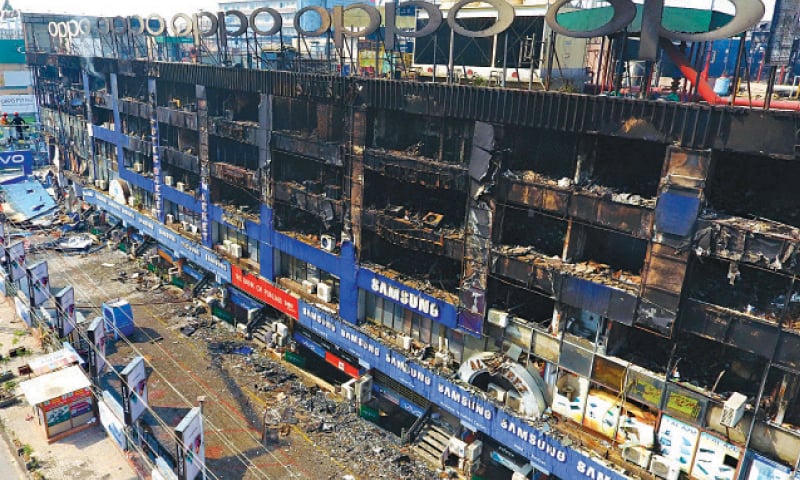
ABAD Proposes Mass Rebuild to Avert Karachi’s Building Crisis
CategoriesNews

ABAD Proposes Mass Rebuild to Avert Karachi’s Building Crisis

After Lyari Collapse Claims 27 Lives, ABAD Offers to Reconstruct Hundreds of Unsafe Buildings Across Karachi

Karachi, In a bold initiative to address Karachi’s growing urban safety crisis, the Association of Builders and Developers (ABAD) has offered to rebuild hundreds of structurally unsafe buildings across the city within 700 days, pending formal government approval.

Speaking at a press conference at ABAD House, Chairman Mohammad Hassan Bakhshi emphasized the urgent need for action following the tragic Lyari building collapse, which has reignited concerns over aging and unauthorized constructions. Joined by senior officials, Bakhshi revealed that around 700 buildings have been deemed hazardous and need immediate intervention.

ABAD proposed collaborating with technical bodies like NESPAK or NDMA to conduct a city-wide structural survey, with a focus on high-risk areas such as Lyari, Liaquatabad, and Delhi Colony.

The association has also offered to develop up to 100,000 affordable housing units in Karachi, modeled after Punjab’s recent housing scheme, if provided with institutional support.

Calling for transparency and regulatory reform, ABAD urged the inclusion of private sector voices in official inquiries and emphasized the need for accountability from both builders and regulators.

This landmark proposal places ABAD at the forefront of Karachi’s urban renewal efforts, signaling a rare and urgent opportunity for coordinated public-private action.

Towers in Islamabad
CategoriesTowers

Towers in Islamabad: A Comprehensive Guide

Islamabad, the capital city of Pakistan, is rapidly becoming known for its striking architectural skyline filled with impressive towers. This comprehensive guide explores corporate towers, residential towers, diplomatic towers, mixed-use towers in Islamabad, and current trends shaping this architectural evolution. We’ll dive into details about each type, listing key towers, their heights, and the number of floors they feature.

Types of Towers in Islamabad

There are 4 different types of towers in Islamabad which are as follows

  • Corporate Towers

Designed primarily for business use, these towers house offices of various national and international corporations, equipped with modern amenities to facilitate commercial activities.

  • Residential Towers

These towers provide luxurious and comfortable living spaces, featuring amenities designed for enhanced urban living, including scenic views and premium facilities.

  • Diplomatic Towers

These specialized towers are dedicated to housing embassies, consulates, and governmental offices, emphasizing security, exclusive access, and diplomatic functions.

  • Mixed-Use Towers

These towers integrate residential, commercial, and retail spaces into a single structure, offering a convenient and comprehensive urban experience.


List of High-Rise Towers In Islamabad


Name Height Floors Operational
Telecom Tower 113 m (371 ft) 24 Yes
Centaurus Corporate Tower 110 m (361 ft) 26 Yes
Centaurus Residential Tower 1 110 m (361 ft) 26 Yes
Centaurus Residential Tower 2 110 m (361 ft) 26 Yes
Saudi Pak Tower 72 m 19 Yes
One Constitution Avenue Tower 1 105.5 m (346 ft) 26 Yes
One Constitution Avenue Tower 2 105.5 m (346 ft) 26 Yes
Islamabad Stock Exchange Towers 76 m (249 ft) 19 Yes
Habib Bank Tower 78.88 m (259 ft) 19 Yes
Lignum Tower 83.03 m (272 ft) 20 Yes
Ufone Tower 113 m (371 ft) 28 Yes
Le Meridien Hotel 71 m (233 ft) 17 Yes
UBL Building 66.5 m (218 ft) 16 Yes
Shaheed-e-Millat Secretariat 66.5 m (218 ft) 16 Yes
Oil & Gas Development Co. (OGDCL) 16 Yes
Khudadad Heights 16 Yes
Green Trust Tower 16 Yes
NIC Building 15 Yes
Zarai Taraqiati Bank HQ 11 Yes
Pinnacle Tower 12 Yes
Movenpick Hotel 182.7 m 36 Yes
Grand Hyatt Hotel 166 m 40 No
Goldcrest Views 150 m 39 No
Karakorum Gulberg Greens 130 m 30 Yes
The Sixth Boulevard, Mall & Apartment 27 No
The Nexus Mall 26 Yes
Citadel 7 by Chakor Ventures 100m 20 No
Avari Hotel 28 Yes
Emirates Mall & Residency 22 No
Goldcrest Highlife 26 No
AAA Octa Business District 25 No
Defence Tower 25 Yes
Opal Mall & Luxury Suites 247 ft 21+2 No
BF Tower 110 m 22 No
Mall Of Islamabad 100 m 24+2 (26) Yes
Cloud Tower 1 27 No
World Trade Center (Platinum Square) 91+ m 28+ No
Elysium Tower 16 No
Safa Burj Mall 23 No
Defence Executive Apartments 18+ No
Pakland Tower 2 62 m 15 No
Sparco Tower 13 No
Grand Orchard 17 No
Goldcrest Commercial 9 No


Corporate Towers in Islamabad

Corporate towers in Islamabad highlight the city’s robust commercial growth, hosting offices of national and international corporations.

Notable Corporate Towers


Name Height Floors
Citadel 7 100 meters 20
Telecom Tower 113 meters 24
Ufone Tower 113 meters 28
Centaurus Corporate Tower 110 meters 26
Islamabad Stock Exchange Towers 76 meters 19
Habib Bank Tower 78.88 meters 19

Citadel 7: Redefining Corporate Space in Islamabad

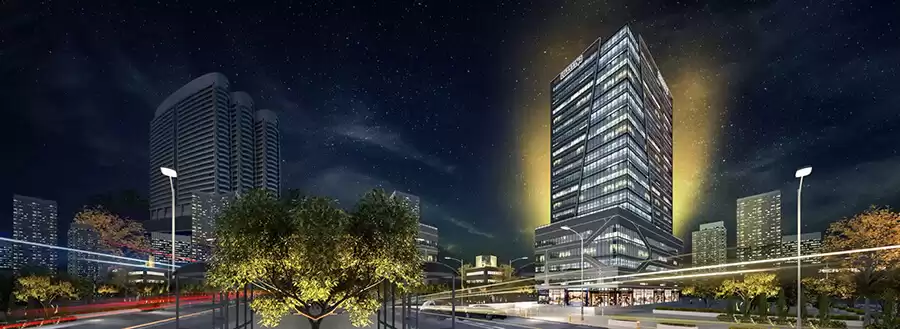
Among the newest additions to Islamabad’s high-rise skyline, Citadel 7 by Chakor Ventures is quickly becoming a reference point for innovation, transparency, and investor confidence. 

Located on Jinnah Avenue, Blue Area, right across from Centaurus Mall and near key city landmarks, Citadel 7 offers modern office and retail spaces designed for prestige, convenience, and growth.

Citadel 7- best corporate tower in islamabad

This 20-floor, CDA-approved project features 14 floors of premium corporate offices and 5 floors dedicated to a modern mall and food court, supported by four levels of basement parking. 

Citadel 7 corporate tower isn’t just notable for its scale, but also for the way it is transforming expectations and standards in Pakistan’s commercial real estate sector. In fact, it is the country’s first high-rise project to display a live possession countdown on-site, building trust and offering full transparency to investors and buyers.

Key Amenities and Features:

  • Premium address with easy access to all of Islamabad
  • Grade-A corporate office spaces and luxury retail options
  • Four levels of secure, reserved basement parking
  • Separate elevators system with live destination control
  • Fully integrated Building Management System (BMS)
  • 24/7 advanced surveillance and backup power
  • Dedicated entrances and exits for smooth traffic flow
  • Contemporary fire safety and building maintenance infrastructure
  • Lavishly designed lobbies and communal areas

Telecom Tower

Standing at 113 meters with 24 floors, Telecom Tower is one of Islamabad’s tallest office buildings. It is a hub for the telecom industry, housing various corporate offices and offering modern amenities and central accessibility.

telecom tower islamabad

Ufone Tower

Ufone Tower, also reaching 113 meters with 28 floors, is a signature telecom headquarters known for its striking glass façade and advanced infrastructure. It caters to leading telecom firms and is recognized for its prime location and impressive elevation.

Ufone Tower Islamabad

Centaurus Corporate Tower

Part of the iconic Centaurus complex, this 26-floor, 110-meter tower is a sought-after address for multinational and blue-chip companies. It combines world-class business facilities with the prestige and convenience of an integrated mixed-use environment.

Centaurus Tower

Islamabad Stock Exchange Towers

At 76 meters and 19 floors, this twin-tower complex has long been the financial heartbeat of the capital. It hosts a blend of financial institutions, trading floors, and support services, symbolizing Islamabad’s role as a growing economic center.

Islamabad stock exchange

Habib Bank Tower 

Habib Bank Tower stands 78.88 meters tall with 19 floors and is among the earliest high-rises in the city’s business district. It features modern office amenities and reflects both heritage and progress for one of Pakistan’s leading financial institutions.

Habib Bank Tower Islamabad

These corporate towers in Islamabad symbolize technological advancement and economic development, offering state-of-the-art amenities such as advanced security systems, high-speed elevators, and integrated digital infrastructure.

Residential Towers in Islamabad

Residential towers in Islamabad are redefining urban living, providing luxury residences paired with scenic views and premium amenities.

Prominent Residential Towers:

Name Height Floors
Centaurus Residential Towers 1 and 2 110 meters 26
One Constitution Avenue Towers 105.5 meters 26
Lignum Tower 83.03 meters 20
Goldcrest Views (Upcoming) 150 meters 39
Karakorum Gulberg Greens 130 meters 30


Centaurus Residential Towers 1 and 2

Located in the heart of Islamabad, these iconic towers offer luxurious apartments with access to shopping, dining, and entertainment within the Centaurus complex. Residents enjoy premium amenities, panoramic views, and a secure, vibrant community atmosphere.

Centaurus Mall

One Constitution Avenue Towers

These elegant twin towers are known for their prime location, spacious layouts, and stunning Margalla Hills views. The development provides upscale living with modern conveniences, 24/7 security, and proximity to the city’s diplomatic and commercial centers.

One Constitution Vaenue

Lignum Tower

Lignum Tower features contemporary apartments and penthouses designed for comfort and style. Residents benefit from top-tier facilities, including a fitness center, dedicated parking, and beautifully landscaped surroundings.

Lignum tower in Islamabad

Goldcrest Views (Upcoming)

Set to be one of Islamabad’s tallest residential towers, Goldcrest Views will offer high-end living spaces with state-of-the-art amenities. Its modern design and strategic location are expected to attract professionals and families seeking luxury and convenience.

Goldcrest views

Karakorum Gulberg Greens

This project promises elegant apartments and world-class facilities in the serene Gulberg Greens area. Residents will enjoy peaceful living close to nature while being just minutes from Islamabad’s main commercial hubs.

Karakorum gulberg greens

Diplomatic Towers in Islamabad

Diplomatic towers in Islamabad primarily accommodate embassies, consulates, and government offices, particularly within the Diplomatic Enclave.

Key Diplomatic Towers:

Name Height Floors
Shaheed-e-Millat Secretariat 66.5 meters 16
NIC Building 15
Zarai Taraqiati Bank Limited HQ 11

Shaheed-e-Millat Secretariat 

A prominent government building, Shaheed-e-Millat Secretariat houses key federal offices and offers modern workspaces over 16 floors. Its strategic location and secure environment make it central to Islamabad’s administrative activities.

Shaheed e millat

NIC Building

The NIC Building serves as an important administrative tower with 15 floors dedicated to government and public sector offices. It is designed for efficiency, providing a professional environment for various national institutions.

NIC Tower

Zarai Taraqiati Bank Limited Headquarters

This headquarters is home to one of Pakistan’s leading agricultural banks, featuring 11 floors of well-equipped office spaces. Its location and secure premises support critical banking operations and serve the financial needs of the agricultural sector.

ZTBL Tower in Islamabad

Mixed-Use Towers in Islamabad

Mixed-use towers combine residential, commercial, and retail spaces, serving diverse urban needs within single, integrated structures.

Significant Mixed-Use Towers

Name Height Floors
Giga Mall Tower 84 meters 30
Mall of Islamabad 100 meters 26
The Sixth Boulevard 27

Giga Mall Tower

Giga Mall Tower is a landmark development in Islamabad, offering a blend of shopping, dining, entertainment, and office spaces under one roof. Its central location and impressive architecture make it a favorite destination for families and businesses alike.

Mall of Islamabad

Located in a prime area, Mall of Islamabad combines luxury apartments, retail outlets, and corporate offices in a sophisticated setting. The tower is designed for convenience and style, providing easy access to amenities and major city attractions.

Mall of Islamabad

The Sixth Boulevard (Upcoming)

Set to become a key destination, The Sixth Boulevard will feature premium retail and residential options across 27 floors. Its modern design and strategic location are expected to attract both shoppers and residents seeking a vibrant urban experience.

Mixed-use towers in Islamabad cater to a modern urban lifestyle, providing a seamless blend of shopping, living, and working environments, significantly contributing to urban convenience and reduced commuting times.

Current Trends in Islamabad’s Tower Development

Several innovative trends characterize Islamabad’s rapidly developing towers, including:

Eco-Smart Towers

Eco-smart towers incorporate sustainable features such as solar power, rainwater harvesting, and energy-efficient systems. Notable examples include Cloud Tower 1 and Citadel 7 by Chakor Ventures.

Boutique Residential Towers

Smaller, exclusive residential towers offering privacy and personalized living experiences are becoming increasingly popular, particularly in upscale neighborhoods like F-11 and Gulberg Greens.

Technology-Oriented Towers

These towers are designed for tech companies and startups, offering automated systems, advanced connectivity, and coworking spaces that align with the technological aspirations of Islamabad’s growing tech sector.

Margalla-Facing High-Rises

Residential towers with views of the Margalla Hills, such as the One Constitution Avenue Towers, are increasingly in demand for their unique combination of natural beauty and urban convenience.

Vertical Retail Spaces

Vertical retail complexes like the Emirates Mall & Residency integrate shopping, dining, and entertainment vertically, enhancing urban living convenience.

Future of Towers in Islamabad

The trajectory of tower development in Islamabad suggests further expansion in sustainable, technologically advanced, and vertically integrated living and working spaces. Developers are increasingly focusing on mixed-use developments and affordable residential towers, catering to a broader demographic and ensuring inclusivity in urban living solutions.

Conclusion

Towers in Islamabad—including corporate, residential, diplomatic, and mixed-use structures—represent the city’s dynamic urban growth and commitment to advanced, sustainable architecture. As the city continues its upward trajectory, these towers will undoubtedly set new benchmarks for urban development across Pakistan, combining innovation, luxury, and functionality into a coherent urban vision.

Chakor Signs Contract With OTIS for Installation of Premium Elevator systems at Citadel 7
CategoriesCitadel 7 Featured blog

Chakor Ventures Signs Strategic Contract with OTIS & Greaves to Install High-Speed Vertical Elevators

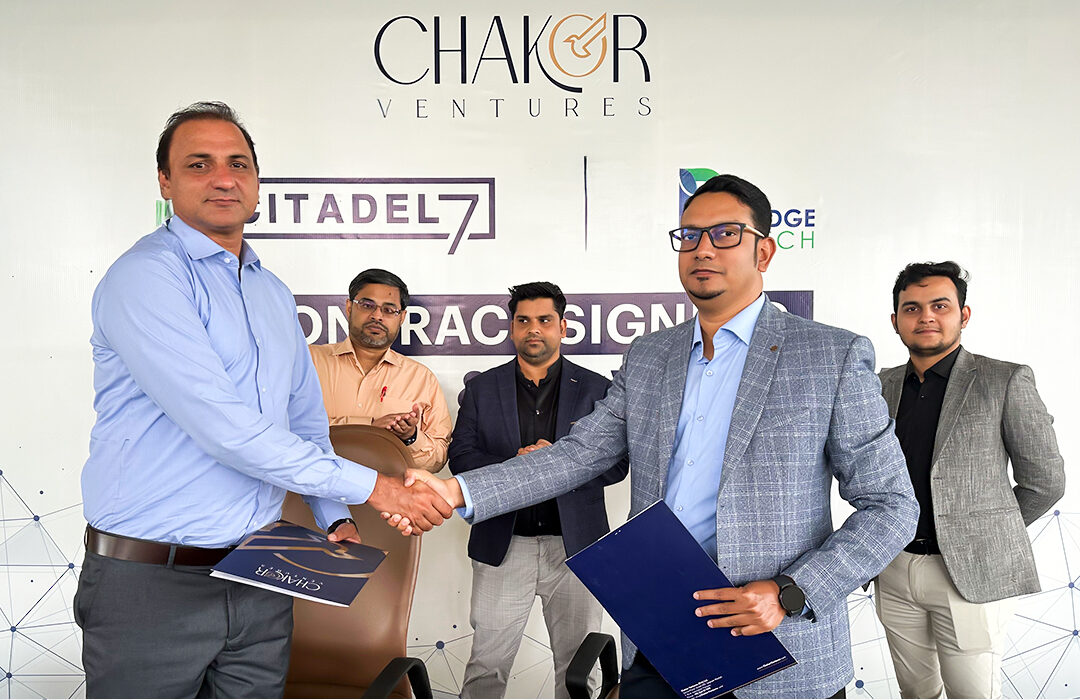
In a significant step toward reshaping Pakistan’s skyline, Chakor Ventures has signed a contract with Greaves, the sole distributor of Otis elevator system in Pakistan, to integrate world-class vertical mobility solutions into its flagship real estate development project,  Citadel 7. This partnership marks a transformative milestone in Chakor Ventures’ ongoing commitment to building futuristic infrastructure that blends innovation, safety, and modern living.

Chakor Ventures hosted a strategic contract-signing ceremony at its Islamabad office on July 9, 2025, welcoming senior representatives from Otis and Greaves. In attendance were Mr. Omer Khitab, General Manager at Chakor Ventures; Mr. Irfan A. Shah, Senior General Manager at Greaves; and Mr. Hafiz Asif Nazir, General Manager at Greaves. Together, they reaffirmed a shared commitment to installing state-of-the-art vertical elevator systems in Citadel 7, setting a new industry benchmark for innovative, high-performance mobility in Pakistan’s real estate sector.

With over 160 years of experience, Otis Elevator Company is a global leader, renowned for its engineering excellence in elevators, escalators, and moving walkways, backed by strict international safety standards ( otisinvestors.com). In Pakistan, Greaves serves as Otis’s trusted distributor, bringing technical expertise and local support to every project.

OTIS X Chakor Signing

To understand Otis’s global reputation, look no further than Dubai:

One Za’abeel: A mixed-use twin-tower where Otis installed 82 units, including SkyRise single and double decks, Gen2 elevators, and the Compass® 360 destination-management system for faster, smarter traffic flow (otis.com).

Sobha Creek Vista Heights: In MBR City, Otis equipped two 63-story towers with 22 SkyRise elevators, also featuring Compass® 360 and EMS Panorama 2.0 monitoring for efficient operations (elevatorworld.com).

Various Sobha Realty Projects: A massive deployment of 303 Otis elevators, including Gen2 and SkyRise models, across five luxury developments (elevatorworld.com).

Key Otis features that transform vertical transportation include

  • Compass® 360 Destination Dispatch uses smart destination control to direct passengers to the most efficient elevator, significantly reducing wait and travel times while enhancing traffic flow in high-rise buildings.
  • High-speed SkyRise® elevators are designed for high-rise environments.
  • Gen2® machine-room-less systems for compact, energy-efficient rides
  • Real-time EMS elevator monitoring to ensure reliability and proactive maintenance


At the Contract  signing ceremony, Mr. Omer Khitab, General Manager of Chakor Ventures, stated:

“After extensive research and evaluating all major brands, we found OTIS to be the most suitable choice for Citadel 7. We also secured several customized features, including bespoke interiors, a destination control system to optimize vertical commute, and firefighting elevators for enhanced safety.”

To ensure the premium standard of the project, Mr. Muhammad Abbas Khan, CEO of Chakor Ventures , personally visited the OTIS manufacturing facility.

Contract signing in presence of CEO of Chakor Venture

Mr. Irfan A. Shah, General Manager of OTIS, remarked during the ceremony:

“OTIS elevators are trusted in ten of the world’s most iconic buildings, including the Burj Khalifa and the Eiffel Tower. We’re proud to bring that same global excellence to Citadel 7.”

For end users, this means faster, safer, and smarter elevator journeys. For investors and tenants, it enhances trust, operational excellence, and long-term value. With this high-impact collaboration, Chakor Ventures, Otis, and Greaves are redefining Pakistan’s commercial tower standards, raising the bar for smart development.

CDA Directs Swift Action on Islamabad Sector Development
CategoriesNews

CDA Directs Swift Action on Islamabad Sector Development

On-site offices and a crackdown on encroachments aim to expedite infrastructure delivery and enhance public trust in the development process.

The Chairman of the Capital Development Authority (CDA) and Chief Commissioner of Islamabad, Muhammad Ali Randhawa, has issued firm directives to accelerate infrastructure development across Islamabad’s residential sectors. In a high-level meeting at CDA headquarters on July 9, 2025, he emphasized the need to proceed with on-the-ground work promptly while maintaining high standards of quality and transparency. (zameen.com).

To enhance responsiveness, Randhawa announced that on-site offices will be established for the Deputy Commissioner, CDA, and other key officials in sectors currently under development. These local hubs will serve as direct points of contact for residents to address land grievances, submit documentation, and access vital information (zameen.com).

A significant focus of the meeting was addressing illegal encroachments in sectors H-16, C-15, C-16, E-12, and F-13. The CDA chief ordered a decisive crackdown on unauthorized constructions, urging residents with legitimate claims to register their properties promptly at these on-site offices (zameen.com).

Senior officials, including representatives from the Administration, Estate, Engineering, Finance, and Environment wings, DG Works, and Deputy Commissioners of Islamabad and CDA, attended the session. Chairman Randhawa reiterated that all bureaucratic and logistical hurdles delaying progress must be removed without delay (zameen.com).

With this directive-driven approach, CDA aims to transform Islamabad’s development model, making it faster, more transparent, and truly citizen-focused.