
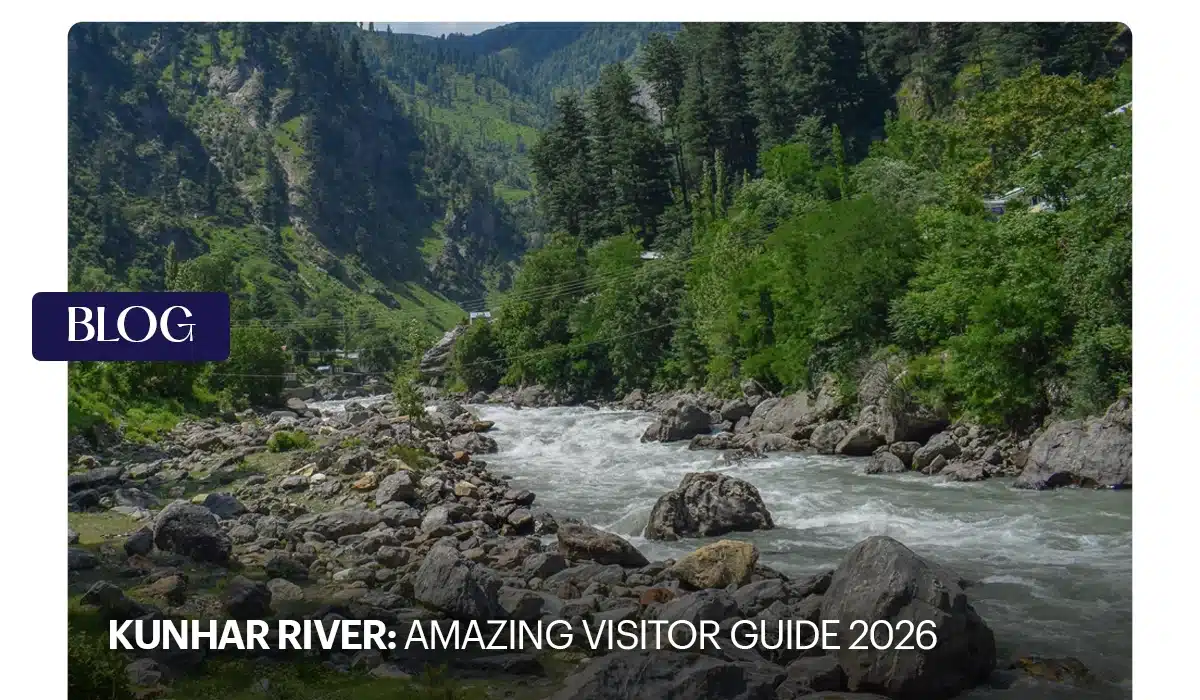

Pakistan is home to some of the world’s most stunning rivers. But few can match the raw beauty of the Kunhar River. This magnificent waterway flows through the heart of Khyber Pakhtunkhwa, carving a breathtaking path through northern Pakistan. Whether you are a nature lover, an adventure seeker, a cultural explorer or want a celestial escape, the Kunhar River has something extraordinary to offer.
This complete visitor guide covers everything you need to know before your 2026 trip.
What Is the Kunhar River?
The Kunhar River is a 177-kilometre-long river located primarily in Khyber Pakhtunkhwa province. It flows through the iconic Kaghan Valley, which is one of Pakistan’s most visited regions. The river is part of the larger Indus River watershed basin.
Locally, the river is also known as Nain-Sukh, which beautifully translates to “eye’s repose.” The name perfectly captures the visual peace this river brings to everyone who sees it.
Quick Facts:
| Feature | Detail |
| Length | 177 km (110 miles) |
| Source | Lulusar Lake |
| Source Elevation | ~3,410–3,950 m above sea level |
| Mouth | Jhelum River, near Muzaffarabad |
| Province | Khyber Pakhtunkhwa |
| Average Discharge | 101 m³/s |
| Water Temperature | 10–15°C |
Where Does the Kunhar River Originate?
The Kunhar River begins its journey at the serene Lulusar Lake. This stunning lake sits at approximately 3,410 metres above sea level, near the famous Babusar Pass. The surrounding Himalayan peaks feed the river through glacial meltwater and natural springs.
Additional water comes from Dudipat Lake and Saif-ul-Mulook Lake. Glaciers from Malka Parbat and other high peaks also contribute to the river’s flow. This is what keeps the Kunhar River so pure and ice-cold year-round.
The Route: From Source to Sea
The river does not travel in a straight line. It weaves through some of Pakistan’s most dramatic landscapes along the way.
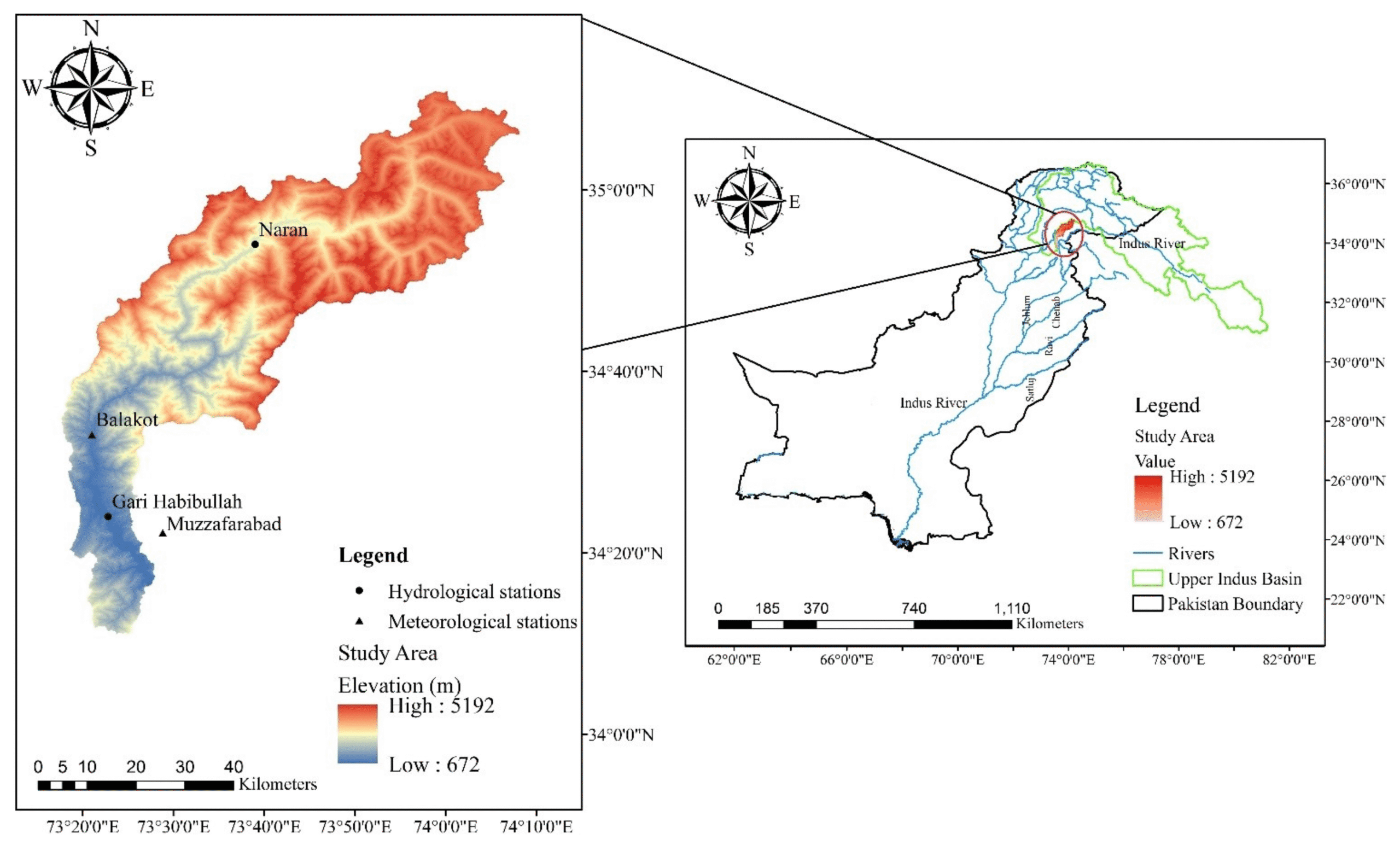
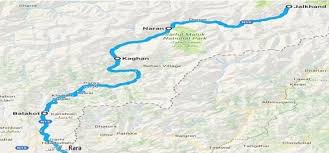
Here is the path the Kunhar River follows:
Lulusar Lake → Naran → Kaghan → Jalkhand → Balakot → Garhi Habibullah → Dalola → Jhelum River (Muzaffarabad)
Each town along this route has its own charm. Naran is the most popular tourist stop. Balakot serves as the entry gateway for most travellers. Garhi Habibullah is a quieter town with scenic riverside spots. The journey ends where the Kunhar River merges with the Jhelum River near Muzaffarabad in Azad Jammu and Kashmir.
Top Attractions Along the Kunhar River
The most breathtaking stops along the Kunhar River, from the serene Lulusar Lake to the fairy-tale Saif-ul-Mulook and the lively streets of Balakot.
Lulusar Lake: The Birthplace
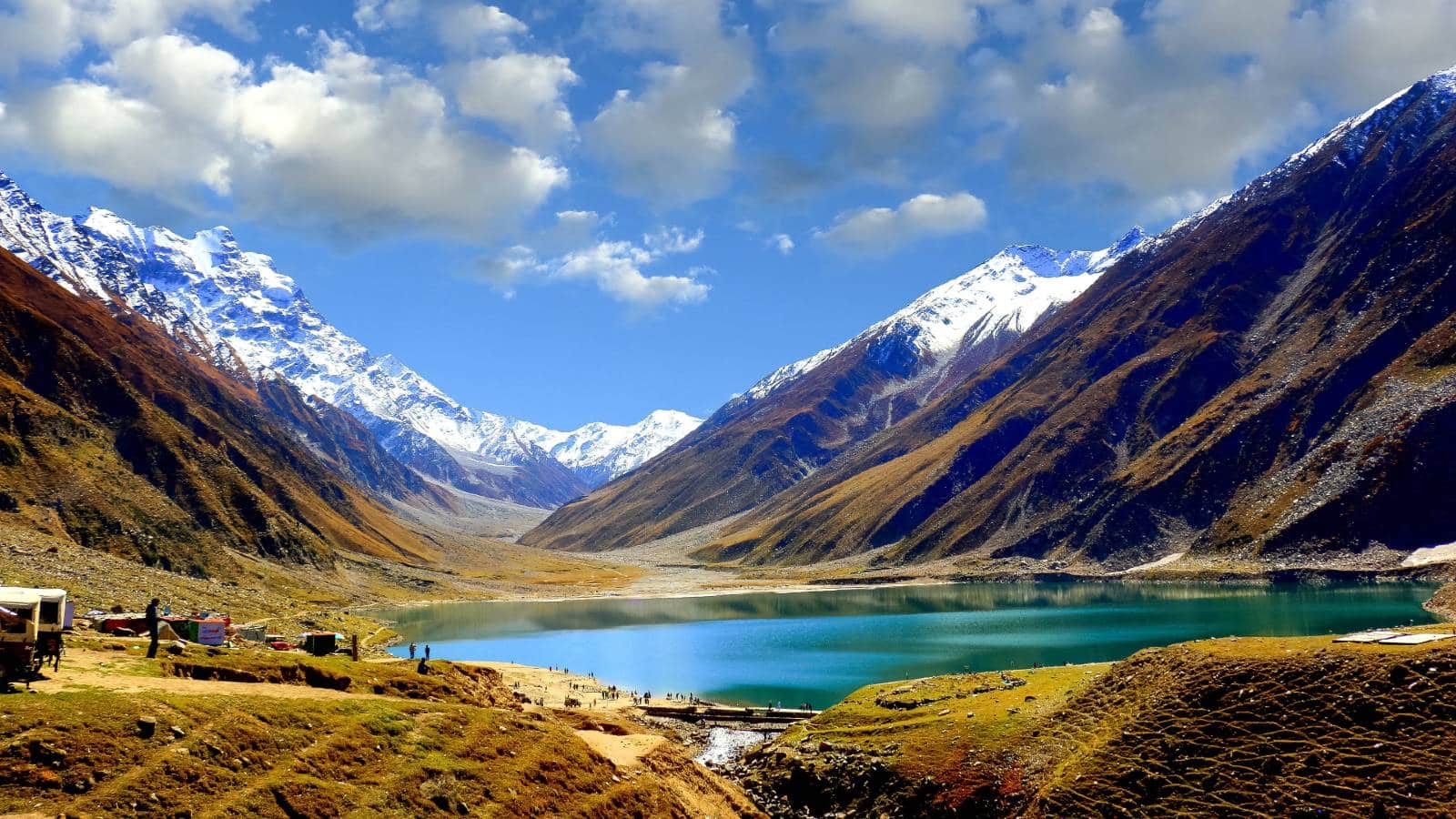
Lulusar Lake is where the entire story begins. Sitting at over 3,400 metres, this pristine alpine lake is surrounded by snow-capped peaks. It is perfect for photography, boating, and peaceful picnics. Arriving here feels like stepping into another world entirely.
Babusar Pass: Panoramic Views
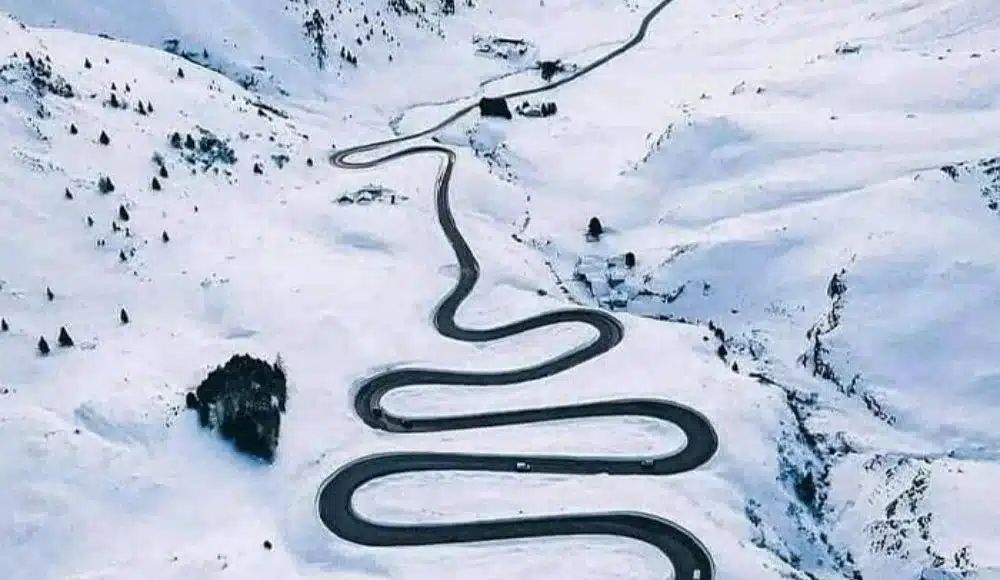
Babusar Pass stands at 4,173 metres above sea level. From here, you get breathtaking aerial views of the Kunhar River winding through green valleys far below. This pass also connects Kaghan Valley to Gilgit-Baltistan. It is typically open from May to October, so plan accordingly.
Naran and Kaghan Valley: The Heart of the River
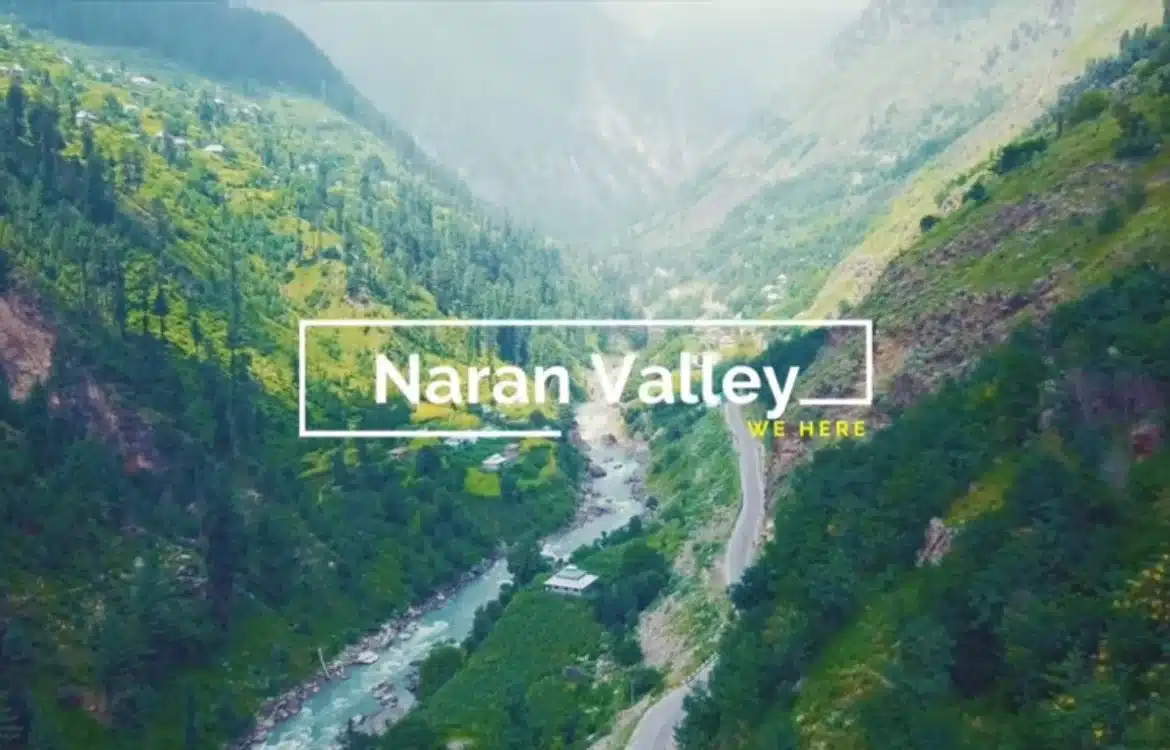
Naran is the most beloved tourist destination along the entire river corridor. The town sits right alongside the fast-flowing waters. Visitors come here for rafting, fishing, camping, and simply soaking in the views. Kaghan Valley adds dense forests and alpine meadows to the experience.
Saif-ul-Mulook Lake
This magical lake near Naran is fed by the Kunhar River system. It is famous for its mythical folklore and crystal-clear reflections of the surrounding peaks. Foreign tourists frequently rate it among Pakistan’s top natural wonders. The boat rides here are absolutely unforgettable.
Shogran and Siri Paye Meadows
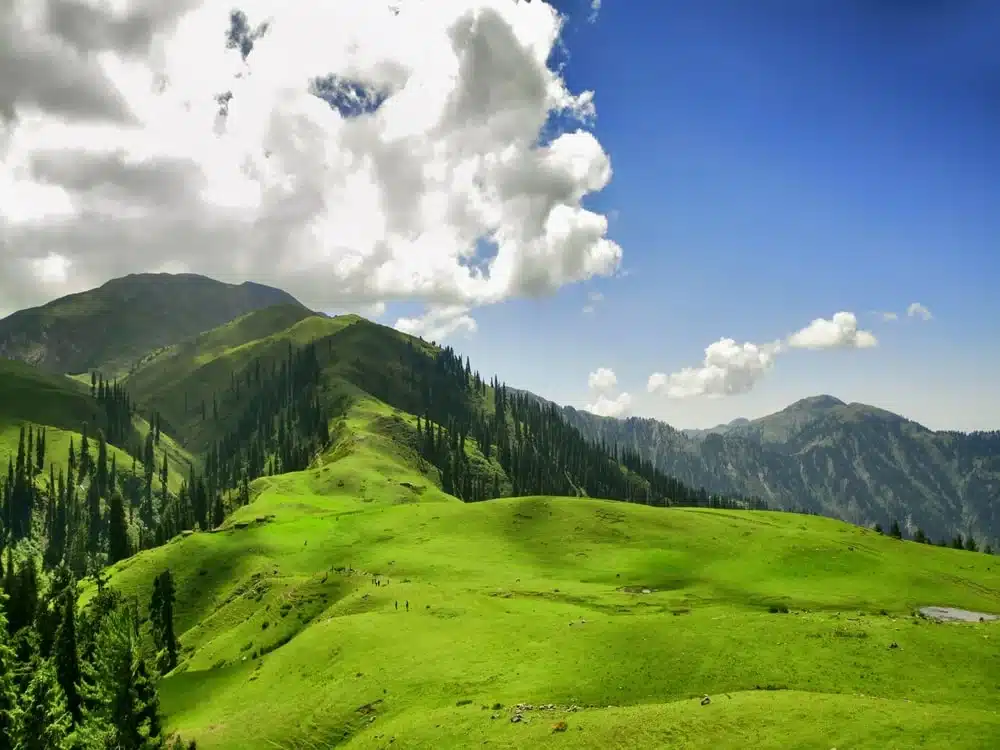
Shogran is a high-altitude plateau that overlooks the Kunhar River valley. The nearby Siri Paye Meadows are accessible by jeep and offer stunning views. Hiking and horse riding are popular activities here. The green meadow carpet against the backdrop of snowy peaks is a photographer’s dream.
Balakot: The Gateway Town
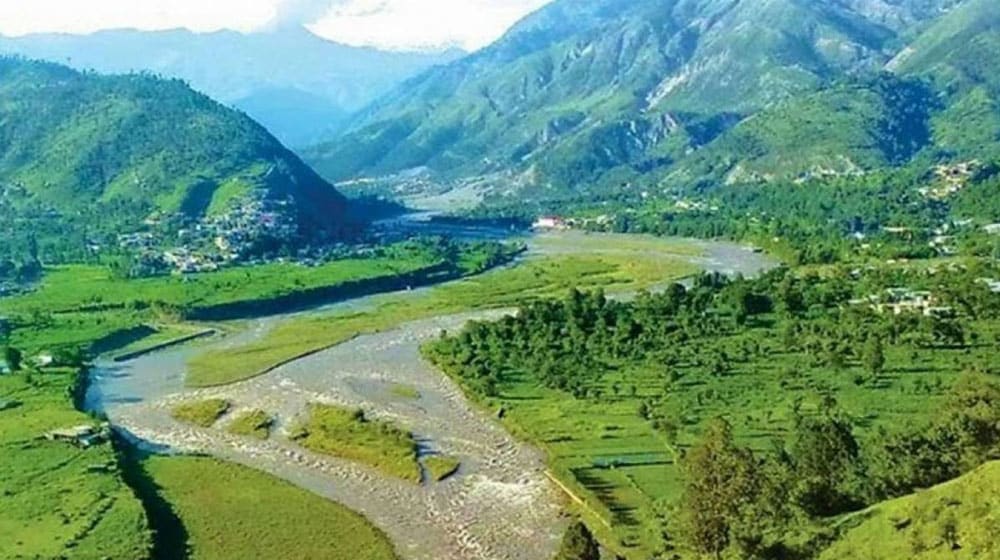
Balakot is a historic town that greets you as you enter Kaghan Valley. It sits right beside the Kunhar River and offers traditional bazaars, local food, and riverside seating. It is a great place to rest before heading further north toward Naran.
Adventure Activities on the Kunhar River
The Kunhar River is not just beautiful to look at. It is a full adventure playground.
White-Water Rafting
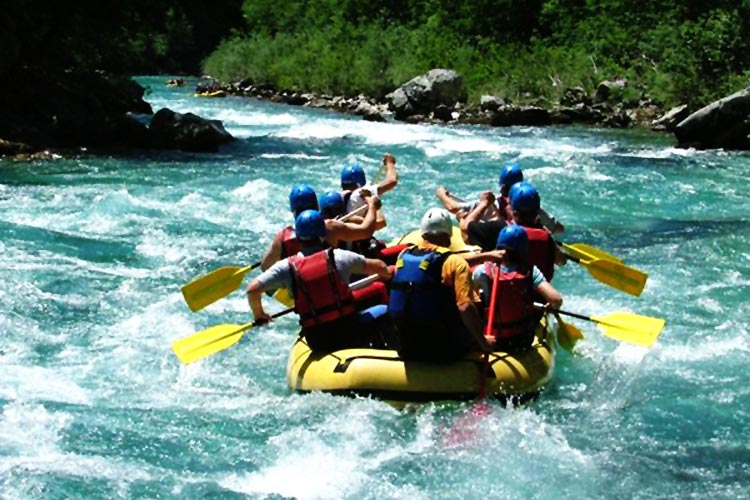
Rafting is the most thrilling activity on the river. The official rafting point sits approximately 4 kilometres from Naran town toward Babusar Top. You can reach it by jeep, car, or even on foot. The cost is around 500 PKR per person for a 2-kilometre stretch. Every raft includes a certified instructor.
Life jackets are mandatory. Shoes are not allowed inside the raft. The changing glacial climate has raised water levels in recent years, making rafting even more exciting. At the end of the rafting stretch, food stalls serve fresh trout and live BBQ. It is a full experience from start to finish.
Trout Fishing
The Kunhar River is legendary for its trout. Brown trout and rainbow trout thrive in these icy, clean waters. Many anglers consider this one of the finest trout fishing destinations in the entire Indian subcontinent. You will need a fishing permit from the local authorities. The best fishing spots are found near Naran, Kaghan town, and Garhi Habibullah.
Kayaking and Stand-Up Paddleboarding
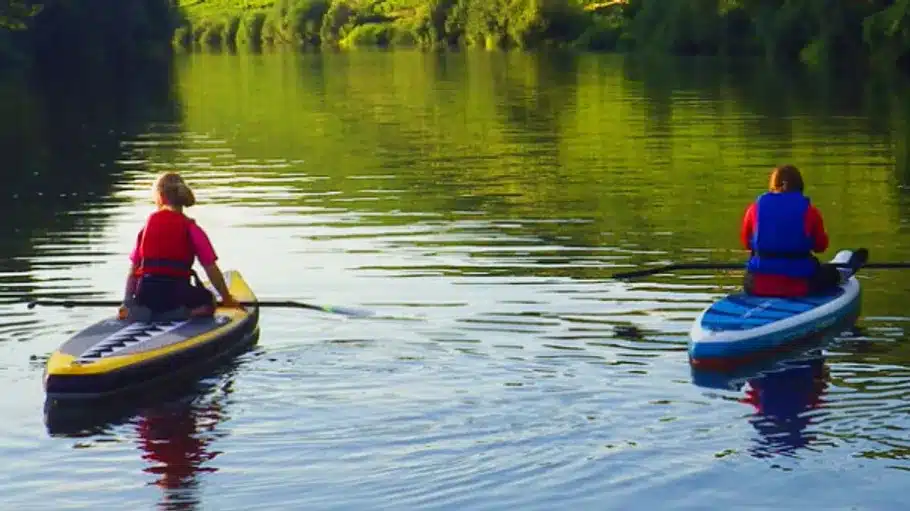
Kayaking expeditions on the Kunhar River are available through licensed tour operators. Stand-up paddleboarding and river float trips are also offered. These activities give you an up-close, personal connection with the river’s flow and surroundings.
Camping and Bonfires
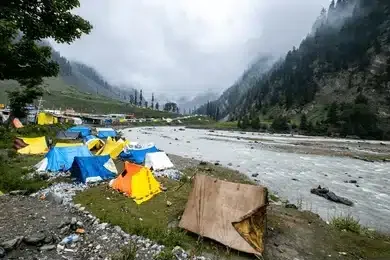
Camping beside the Kunhar River is a magical experience. The sound of flowing water, crisp mountain air, and a sky full of stars create an atmosphere unlike anywhere else. Popular camping sites are available in Naran, Shogran, and the wider Kaghan Valley. Always book a designated camping spot to stay safe.
Hiking and Trekking
Numerous trails fan out from the riverbanks. These lead to hidden waterfalls, alpine meadows, and remote mountain villages. Notable destinations include Lalazar Plateau, Ansoo Lake, and Dudipatsar Lake. Trails are available for beginners and experienced trekkers alike.
Chair Lifts and Jeep Safaris
For a more relaxed adventure, chair lifts near the river offer bird’s-eye views of the entire valley. Jeep safaris let you explore rugged terrain that no regular car can access. Both options are widely available and family-friendly.
Best Time to Visit the Kunhar River in 2026
Choosing the right season makes a huge difference to the quality of your trip.
| Season | Months | What to Expect |
| Spring | April – June | Wildflowers bloom, pleasant weather, great for fishing |
| Summer | July – September | Best for rafting, trekking, and high-altitude lakes |
| Autumn | October – November | Golden foliage; fewer tourists; excellent photography |
| Winter | December – March | Snowfall; Babusar Pass closes; snow trekking only |
The ideal window for most visitors is May through September. This period offers the best weather, the most open roads, and the widest range of activities.
How to Get to the Kunhar River in 2026
By Air
Fly into Islamabad International Airport (ISB). This is the most common entry point for international tourists. From Islamabad, you can then travel by road to Naran. In summer, some travellers fly to Gilgit and enter via Babusar Pass for a scenic approach.
By Road from Islamabad
Take the Hazara Expressway (M-15) from Islamabad toward Mansehra. Continue through Balakot and then on to Naran. The total journey takes approximately 6 to 8 hours, depending on traffic and road conditions. Always check for monsoon-season landslides before departing, especially between July and September.
From Gilgit
Travel via Babusar Pass only during the summer months. The pass is typically closed from November to April due to heavy snowfall. This route is scenic but requires a 4×4 vehicle.
Cultural Significance of the Kunhar River
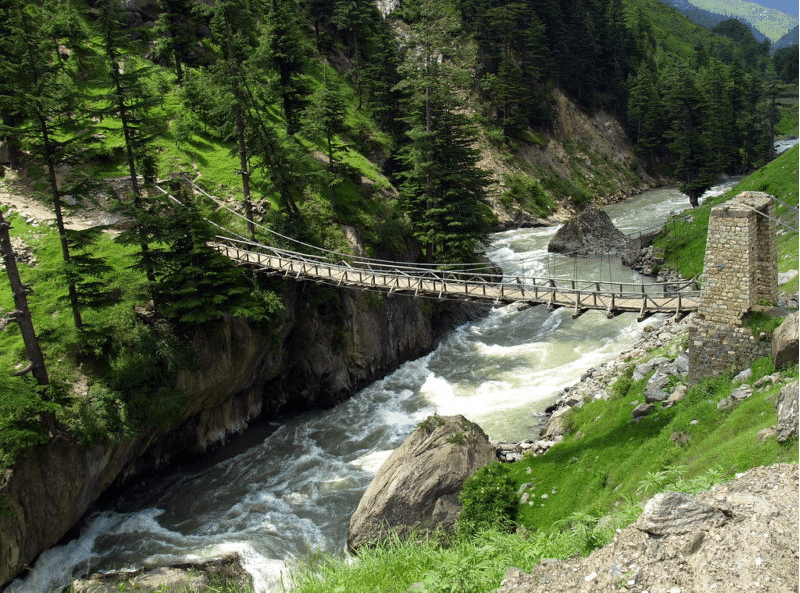
The Kunhar River is far more than a geographical feature. It is the cultural heartbeat of the Kaghan Valley. Local communities have lived along its banks for generations. Their agriculture, traditions, and daily life all revolve around the river’s rhythms. Festivals and rituals tied to the river are still practiced in riverside villages today. The river also plays a vital role as a water source for the Mangla Dam reservoir downstream.
Conservation and Responsible Tourism
According to the Pakistan Tourism Development Corporation, the Kunhar River is a nationally significant natural asset that demands collective protection. Pollution, unregulated tourism, and deforestation are putting pressure on the ecosystem.
Climate change is also affecting glacial meltwater patterns, which directly impacts the river’s flow. Scientists have studied the river’s run-of-river hydropower potential, highlighting its national strategic importance.
Every visitor has a responsibility to protect this precious resource.
Follow these responsible tourism practices:
- Never litter along the riverbanks or water
- Use biodegradable products during your trip
- Obtain all required fishing and activity permits
- Stay on designated trails and paths
- Support local businesses and conservation efforts
- Participate in clean-up events if available
Essential Travel Tips for 2026
- Carry cash in Pakistani Rupees (PKR). ATMs are very limited in remote areas.
- Check road and weather conditions before departure, particularly during the monsoon season.
- Dress modestly and respect local customs and traditions throughout the valley.
- Purchase travel insurance before attempting any adventure activities.
- Hire licensed local guides for rafting, trekking, and kayaking for maximum safety.
- Water in the river is cold year-round. Wear appropriate gear for any water activity.
- International visitors must carry a valid Pakistani visa.
Frequently Asked Questions
What is the river that flows through Naran called?
The river flowing through Naran is the Kunhar River, also locally called Nain-Sukh.
How long is the Kunhar River?
It is 177 kilometres (110 miles) long.
Where does the Kunhar River start?
It originates from Lulusar Lake near Babusar Pass at approximately 3,410 metres above sea level.
Where does the Kunhar River end?
It merges with the Jhelum River near Muzaffarabad in Azad Jammu and Kashmir.
Is rafting on the Kunhar River safe for beginners?
Yes. Guided sections near Naran are suitable for beginners. Licensed instructors accompany every raft.
What fish can I catch in the Kunhar River?
Brown trout and rainbow trout are the most sought-after species.
Is the Kunhar River the same as the Chitral River?
No. This is a common misconception. The Chitral (Kunar) River is a completely separate river in KPK.
Conclusion
The Kunhar River is one of Pakistan’s most complete natural destinations. It offers crystal-clear glacial waters, thrilling adventures, rich cultural heritage, and some of the most dramatic mountain scenery on earth. From its peaceful origin at Lulusar Lake to its powerful meeting with the Jhelum River near Muzaffarabad, every kilometre of this river tells a breathtaking story.
For more informative blogs on topics like Altit Fort and Gurudwara Janam Asthan Nankana Sahib, visit Chakor Blogs.
Read More:
- Tomb of Jahangir 2026: Lahore’s Remarkable Mughal Heritage
- All You Need to Know About Tomb of Quaid e Azam
- 10 Incredible Haunted Places in Pakistan to Explore
Sources:

Dedicated and detail-oriented SEO Content Writer, Real Estate Writer, and Research Analyst based in Islamabad, with proven expertise in developing accurate, valuable, and well-researched content. Skilled in analytical writing, market research, and reporting, with the ability to turn insights into clear, professional, and impactful content. Passionate about exploring new ideas, analyzing industry trends, and contributing to high-quality writing and research-driven projects.
