KARACHI: Gold prices in Pakistan continued their volatile trajectory on Wednesday, recording a sharp increase of Rs15,200 per tola to reach Rs479,262, according to the All-Pakistan Gems and Jewellers Sarafa Association. The price of 10-gram gold also climbed by Rs13,031, settling at Rs410,889.
The latest surge follows a turbulent few sessions in the domestic market. Gold had previously risen by Rs16,300 per tola on Tuesday before that gain came on the heels of a steep decline of approximately Rs43,000, underscoring the extreme price swings that have characterized the market in recent days.
The domestic rally closely tracked developments in the international market, where spot gold prices rose nearly 2% to $4,554.97 per ounce after hitting a four-month low earlier in the week. US gold futures for April delivery posted an even sharper gain of 3.5 percent, reaching $4,553.60 per ounce, according to Reuters.
Market analysts attributed the rebound to easing inflation concerns, partly stemming from a recent decline in global oil prices. However, persistent geopolitical tensions in the Middle East continue to cast a shadow of uncertainty over commodity markets, sustaining demand for gold as a protective asset.
Adnan Agar, Director at Interactive Commodities, offered a broader perspective on gold’s evolving role, noting that the metal has transitioned from a traditional safe-haven instrument to a recognized long-term investment class. He attributed this shift largely to aggressive gold purchases by central banks worldwide, as nations seek to reduce their dependence on the US dollar.
Looking ahead, futures market speculation suggests a potential price correction as markets enter their next phase. Analysts also cautioned that any escalation in crude oil prices could trigger broader inflationary pressures, potentially compelling central banks to curtail gold purchases.
Silver prices edged up by Rs370 per tola to Rs7,824, while the Pakistani rupee gained marginally, rising Rs0.01 to Rs279.21 against the US dollar in the interbank market.
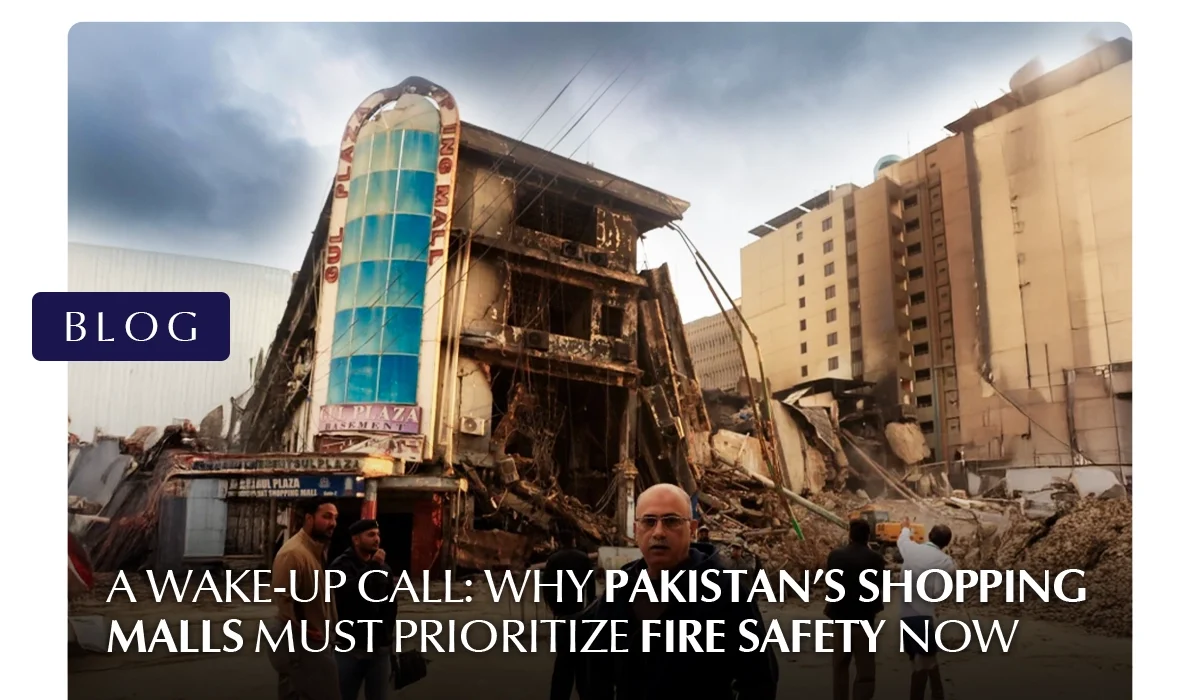
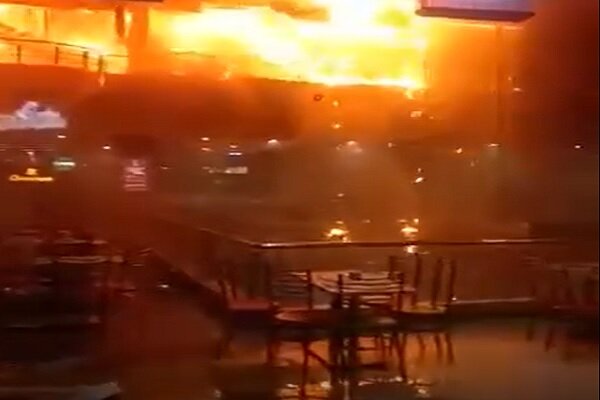
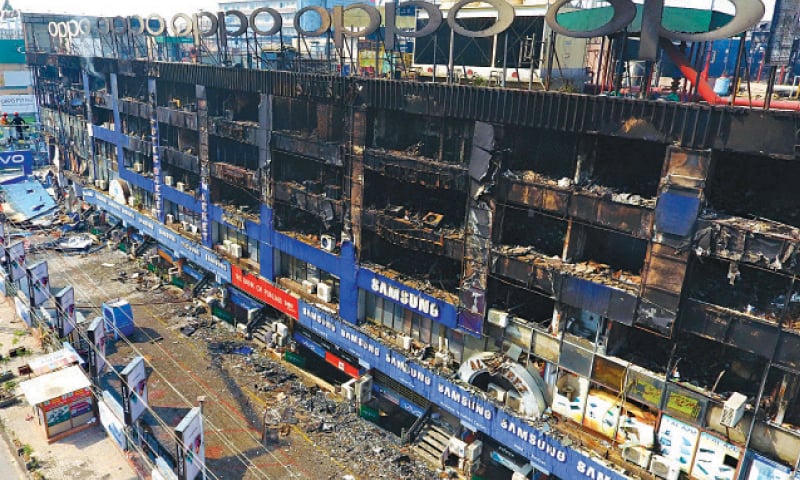
Over recent years, mall fire accidents across Pakistan, from the Gul Plaza fire incident in Karachi (January 2026) to repeated incidents at Hafeez Center in Lahore, RJ Mall in Karachi, and Centaurus Mall in Islamabad, have exposed a national crisis in fire safety standards for commercial real estate. These tragic shopping mall fire accidents reveal systemic failures across the board.
Background: A Pattern of Shopping Mall Fire Accidents
The Gul Plaza fire in Karachi, which killed dozens of people in January 2026, was found to have started in a flower shop on the ground floor and spread rapidly through air-conditioning ducts, causing most of the fatalities on the mezzanine level, according to the final investigation report prepared for the Sindh chief minister.
In Karachi’s Millennium Mall fire, a suspected electrical short circuit on the rooftop ignited flames that gutted over 250 shops, with firefighters hampered by non-functional suppression systems and water shortages.
Similarly, the Hafeez Center fire in Lahore (March 2025) reignited old concerns from the 2020 tragedy; shops were evacuated, exits were blocked, and no automatic suppression or drills were in place.
The 2023 RJ Mall fire in Karachi killed at least 11 people due to faulty wiring, a lack of emergency exits, and no safety equipment available. The Centaurus Mall fire in Islamabad (October 2022) disrupted operations, highlighting a delayed response and inadequate preparedness.
Preventing Shopping Mall Fire Accidents through Regulation and Oversight
Repeated shopping mall fire accidents, particularly in major cities such as Karachi, Lahore, and Islamabad, highlight that Pakistan lacks enforceable fire safety regulations, adequately trained emergency staff, and basic safety infrastructure. Electrical faults and blocked exits remain the leading causes, making the situation preventable, but only if urgent measures are taken.
What Must Be Done: Adopt Robust Fire Safety Protocols
Commercial buildings must meet NFPA-compliant safety standards:
Functional automatic sprinkler systems, smoke detectors, and fire alarms
Fire-rated materials and compartmentalization
Marked, unobstructed emergency exits
Dedicated firefighting stairs and high-rise lifts
Emergency lighting, signage, annual safety audits, and compliance transparency
Training hospital-like readiness evacuation drills and designating fire wardens on-site is as critical as having the proper equipment. Without regulatory enforcement, even detailed guidelines remain window dressing.
Benefits of Fire-Safety Measures Commercial Malls
Protects lives in emergencies
Minimizes property loss and business interruption
Builds public trust and repeat footfall
Ensures legal compliance, avoiding fines and litigation
Enhances tenant retention and real estate value
Qualifies for lower insurance premiums and risk rating benefits
A New Standard: Citadel 7 by Chakor Ventures
In contrast to negligent developments, Citadel 7 Corporate Tower in Islamabad’s Blue Area, developed by Chakor Ventures, is designed with state-of-the-art fire safety systems. In stark contrast to many developments that compromise safety, Citadel 7, a CDA-approved high-rise tower by Chakor Ventures in Islamabad’s Blue Area, is meticulously engineered with international-standard fire protection systems. The facility features 24/7 CCTV surveillance and AI-based HVAC systems. These intelligent systems and safety-first protocols set Citadel apart as a benchmark for resilient commercial real estate in Pakistan.
Key Fire Safety Features at Citadel 7:
Automated Sprinkler Systems on every floor
Integrated Heat and Smoke Detection with central control
Dedicated Firefighting Elevators and Stairwells
Clearly Labeled, Accessible Emergency Exits
Fire-Rated Construction Materials
Certified Fire Safety Systems approved by the authorities
But Chakor Ventures goes further than hardware. They focus on training and preparedness, including
Regular evacuation drills
On-site fire wardens and safety staff
Preventive maintenance schedules
Third-party fire safety audits
Citadel 7: High-Security Corporate Tower Safe with Fire Protection
These recurring fire tragedies are more than isolated events; they’re an urgent warning. The government must enforce strict safety compliance, developers must act with integrity, and the public must demand safe environments. Chakor Ventures’Citadel 7 offers a pioneering model: safe, functional, and resilient commercial infrastructure. It’s time to treat fire safety not as an afterthought, but as the foundation of every commercial property in Pakistan.
FAQs
1. How is Citadel 7 different from other commercial towers in terms of fire safety?
Citadel 7 is equipped with an advanced firefighting system that includes automated sprinklers, fire alarms, smoke detectors, and firefighting elevators. Unlike many older buildings in Pakistan, these systems are fully functional and regularly maintained to meet international safety standards.
2. What emergency protocols are in place at Citadel 7?
Chakor Ventures has implemented comprehensive emergency response protocols, including trained staff for evacuation, marked fire exits, and real-time alert systems. Regular drills are conducted to ensure that tenants and employees are prepared in the event of a fire emergency.
3. Is the fire safety system certified or regulated?
Yes, all fire safety installations at Citadel 7 are approved by the relevant regulatory authorities and conform to the latest building and fire safety codes, ensuring full compliance and reliability.
4. How does Citadel 7 ensure continuous safety as the building ages?
Citadel 7 incorporates preventive maintenance schedules, third-party inspections, and system upgrades to ensure optimal performance. Chakor Ventures prioritizes long-term safety through consistent investment in fire prevention technology and training.