strait of hormuz
CategoriesEconomy Investment News Trade Transport

Iran Thanks Pakistan for ‘Strong Solidarity’ Amid Ongoing Conflict – Pakistan-Bound Oil Tanker Passes Strait of Hormuz

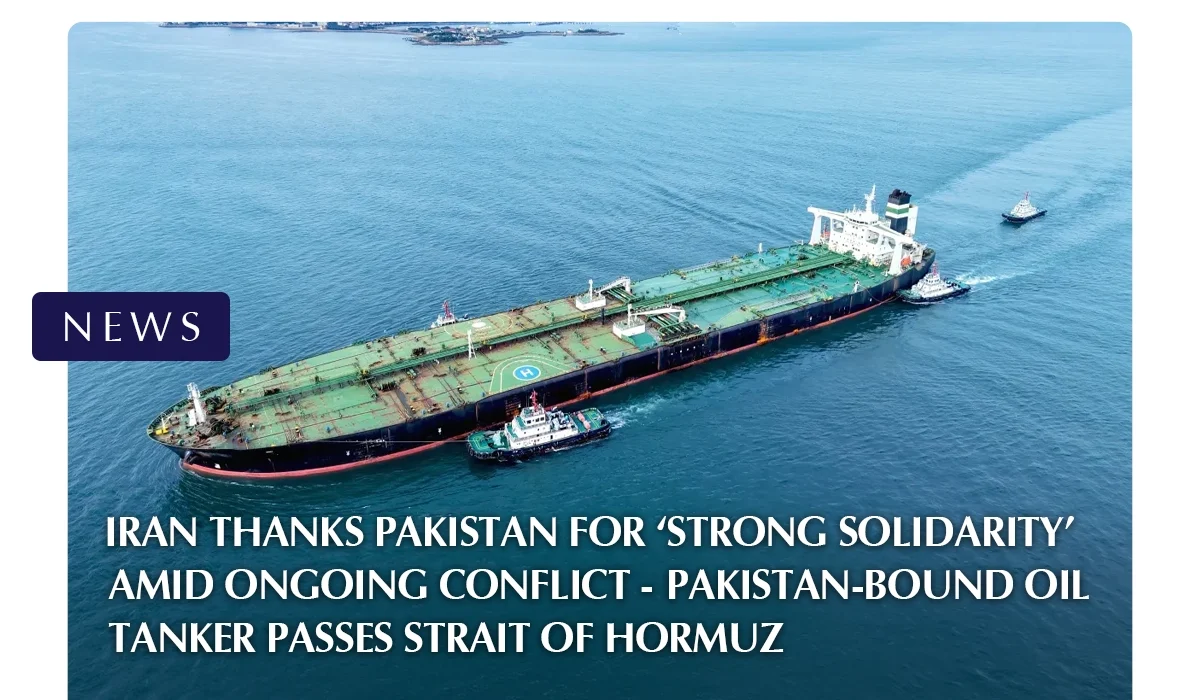
ISLAMABAD: A Pakistan-bound oil tanker successfully transited the Strait of Hormuz over the weekend, marking the first recorded passage of a non-Iranian cargo vessel through the waterway since Iran close strait of hormuz and imposed restrictions on shipping following the outbreak of hostilities on February 28.

The Aframax-class tanker, operated by Pakistan National Shipping Corporation, completed its Strait of Hormuz transit on approximately March 15 after loading crude oil at Das Island in Abu Dhabi. The vessel was recorded navigating along the Iranian coastline of the Strait of Hormuz before altering course eastward toward Pakistan, where it is expected to dock on March 17. 

Maritime intelligence firm MarineTraffic confirmed it was the first non-Iranian cargo ship to transit the Strait of Hormuz with its Automatic Identification System signal active, indicating that select nations have succeeded in securing negotiated passage through the strait.

Iran Strait of Hormuz Importance

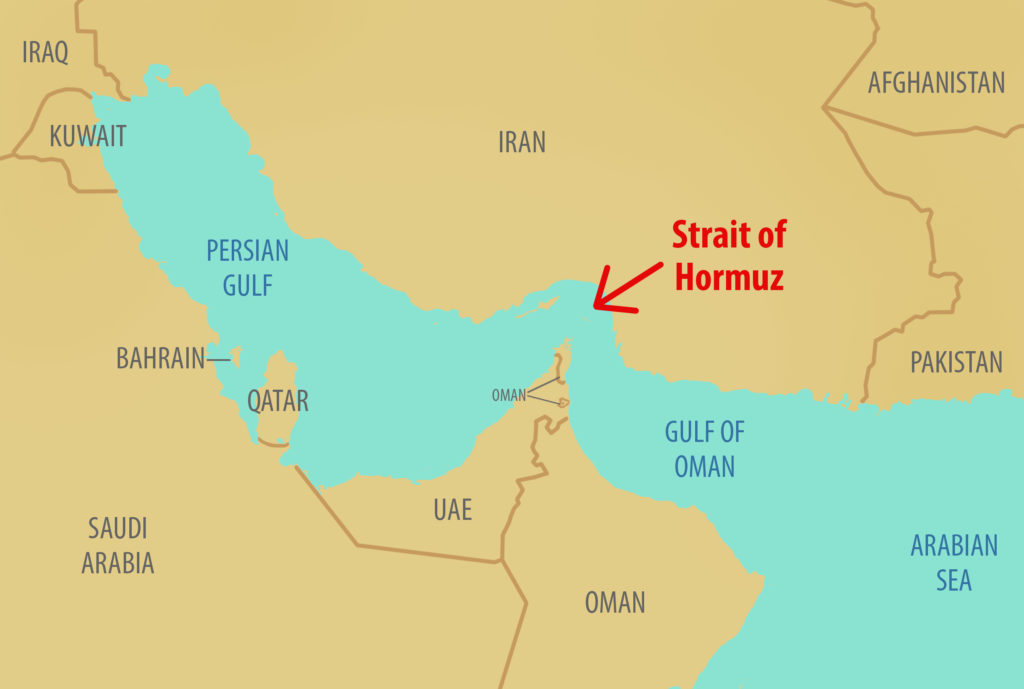
The Strait of Hormuz is a narrow waterway between Iran and Oman connecting the Persian Gulf to the Gulf of Oman and the Arabian Sea. At its narrowest navigable point, the Strait of Hormuz measures only 3.2 kilometres wide in each direction, yet serves as the transit corridor for approximately one-fifth of the world’s daily crude oil supply and one quarter of global seaborne liquefied natural gas exports

There is no commercially viable alternative route for Gulf producers, making the Strait of Hormuz the most critical maritime chokepoint in the global energy system. Since Iranian forces effectively closed the Strait of Hormuz to the majority of international shipping, Brent crude has surged more than 40 percent, trading above $100 per barrel as of this week.

Iran Publicly Thanks Pakistan for ‘Strong Support’
strait of hormuz

The successful Strait of Hormuz transit prompted an immediate public response from Tehran. Iranian Foreign Minister Abbas Araghchi, in a post in Urdu on X formerly Twitter on Monday, extended his “heartfelt gratitude to the government and people of Pakistan for their strong expression of solidarity and support with the people and government of the Islamic Republic of Iran.” He further affirmed that Iran stood with steadfastness in defence of its sovereignty and territorial integrity.

The statement reflects Iran’s policy of selectively permitting Strait of Hormuz passage to vessels from nations it regards as neutral or sympathetic. Pakistan’s Foreign Office has formally described Islamabad’s role throughout the conflict as that of a “bridge builder” a posture that has yielded a direct economic benefit in the form of access through the Strait of Hormuz that Western-aligned nations currently cannot secure.

Naval Operation and Selective Access

In the days preceding the Strait of Hormuz transit, Pakistan’s navy launched Operation Muhafiz-ul-Bahr to safeguard commercial shipping lanes and Pakistani-flagged vessels in regional waters. Naval authorities established contact with Iranian counterparts ahead of the passage. A military source confirmed no escort was ultimately required for the vessel.

Iran’s selective approach to the Strait of Hormuz blockade has extended to other nations as well. 

Pakistan’s Economic Exposure

Pakistan’s dependence on the Strait of Hormuz is among the most acute of any economy in the region. Approximately 80 percent of the country’s crude oil imports are ordinarily routed through the strait, and nearly 90 percent of its liquefied natural gas is sourced from Qatar all of which transits the Strait of Hormuz.

With strategic petroleum reserves of only 10 to 14 days, Pakistan has limited capacity to absorb prolonged disruption. The government has already enacted its largest single fuel price revision on record, raising petrol to Rs 321 per litre and diesel to Rs 335 per litre, an increase of 17 to 20 percent in a single adjustment.

A second PNSC tanker, which loaded crude at Saudi Arabia’s Red Sea port of Yanbu, was approximately three sailing days from Pakistan at the time of reporting. Pakistan’s finance ministry confirmed petroleum stocks remain comfortable, with supply coverage extending into mid-April, while diversification of import routes beyond the Hormuz corridor remains actively underway.

Pakistan’s Diplomatic Posture

The tanker’s Strait of Hormuz passage is the most concrete economic outcome of Pakistan’s diplomatic engagement since hostilities began. Prime Minister Shehbaz Sharif travelled to Saudi Arabia on March 12 for a meeting with Crown Prince Mohammed bin Salman.

At the United Nations Security Council, Pakistan maintained a calibrated position condemning strikes on Iran, affirming solidarity with Gulf states, and consistently urging all parties toward a negotiated resolution to the Hormuz crisis.

Whether the access Pakistan has secured through the Hormuz can be sustained, and whether it proves sufficient to shield an economy so heavily dependent on this single passage, remains the defining economic question for Islamabad in the weeks ahead.

For more news on the economy, real estate, and development, visit Chakor Ventures.

CategoriesNews Economy Trade Transport

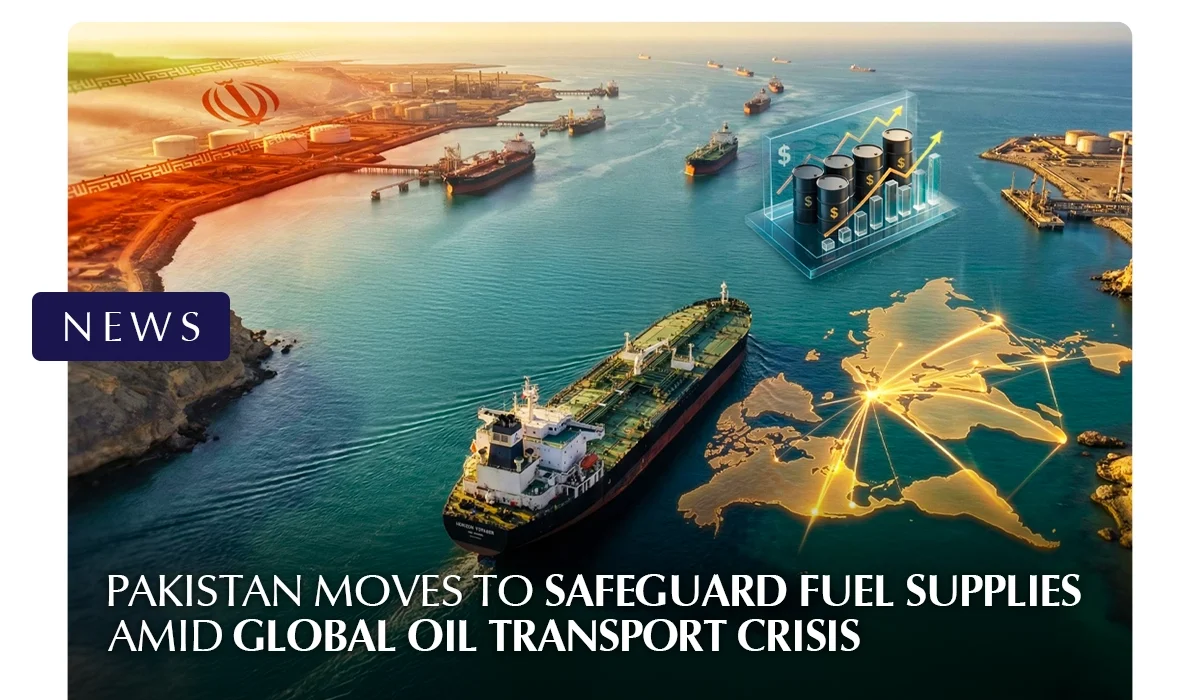
Pakistan Moves to Safeguard Fuel Supplies Amid Global Oil Transport Crisis

ISLAMABAD: Pakistan is considering a series of emergency measures to manage petroleum supplies and pricing amid rising global uncertainty in oil transportation following disruptions linked to the Strait of Hormuz, one of the world’s most critical oil shipping routes.

According to officials, the government is evaluating the possibility of shifting from the current fortnightly petroleum price adjustments to a weekly review mechanism. The proposed change aims to enable quicker responses to rapidly fluctuating global oil prices and shipping costs. Authorities are also exploring options to compensate oil marketing companies for the sharp increases in shipping insurance and freight charges resulting from heightened geopolitical tensions in the region.

Government sources indicate that Pakistan currently holds more than 500,000 tonnes of petrol and diesel in stock, which is sufficient to meet national demand for approximately 25 to 26 days. Officials maintain that there is no immediate threat of a fuel shortage. However, precautionary measures are being implemented to safeguard supply chains and prevent potential market disruptions.

To secure continued energy imports, Pakistan has approached Saudi Arabia to facilitate oil shipments through alternative Red Sea routes, bypassing the Strait of Hormuz. In addition, Pakistan State Oil has reportedly issued import tenders for shipments that would avoid the affected maritime corridor.

The situation has also significantly increased the cost of importing fuel. Insurance premiums for oil shipments have reportedly surged from about $30,000 to nearly $400,000 per vessel, while freight costs have risen to over $4 million per shipment, up from roughly $900,000 previously.

Officials warn that if the rising import costs are not managed through policy adjustments, the price gap could reach around Rs45–50 per litre for diesel and Rs25–26 per litre for petrol.

A cabinet committee led by the finance minister is closely monitoring developments and reviewing options to ensure stable fuel availability while minimizing the economic impact on consumers and the broader economy.

For more news on the economy, real estate, and development, visit Chakor Ventures.
CategoriesNews Economy Investment Trade

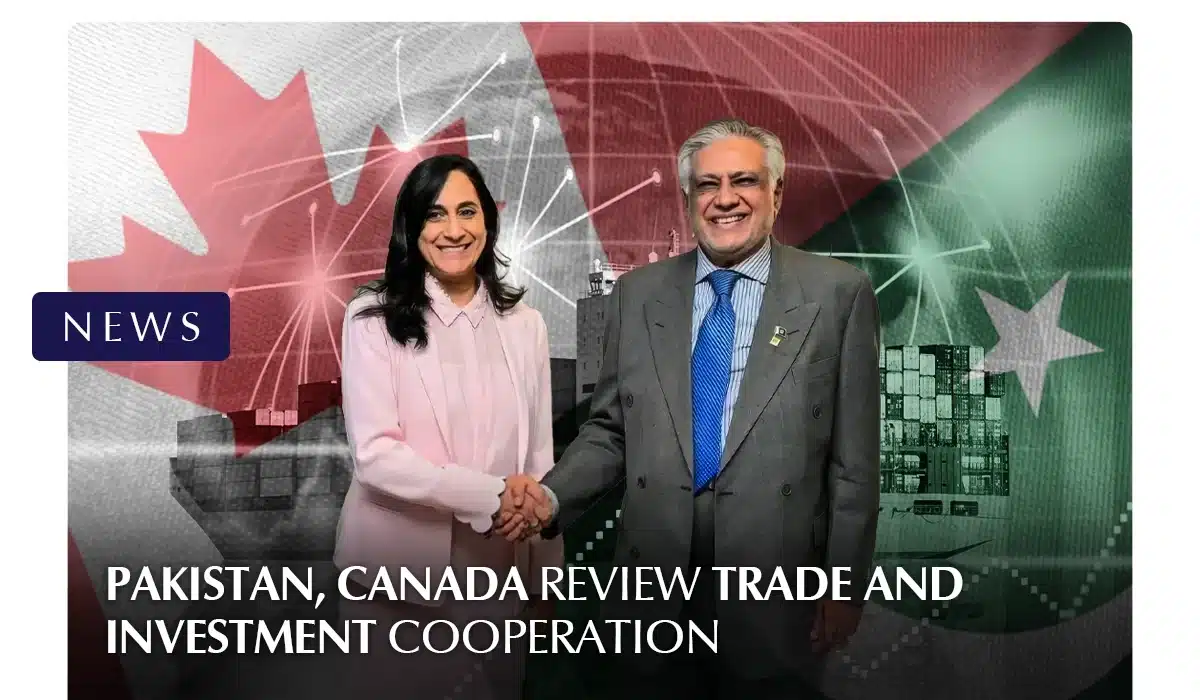
Pakistan, Canada Review Trade and Investment Cooperation

ISLAMABAD: Pakistan and Canada have reviewed the status of bilateral trade and investment cooperation during a telephonic conversation between Commerce Minister Jam Kamal Khan and Canada’s Minister of International Trade Maninder Sidhu. The discussion focused on strengthening economic engagement and expanding collaboration across multiple sectors.

Both sides acknowledged ongoing trade ties and discussed measures to enhance market access and facilitate smoother commercial exchanges. Canadian authorities appreciated Pakistan’s support in enabling the resumption of canola shipments, describing it as a positive development for agricultural trade between the two countries.

The dialogue also explored opportunities to diversify trade beyond traditional areas. Pakistan highlighted its export capabilities in textiles and apparel, leather goods, agro-based products, surgical instruments, sports goods, paper, plastics, and footwear. The country’s growing capacity in value-added food processing and higher-value manufacturing segments was also outlined.

Investment prospects were discussed, particularly in the minerals and mining sector, which Pakistan identified as a priority area for industrial development. Canadian firms were encouraged to explore potential ventures in this field as part of broader economic cooperation.

Officials from both countries agreed to continue engagement at technical and policy levels to identify priority areas and address trade-related matters. The interaction reflects ongoing efforts by Islamabad and Ottawa to expand bilateral economic relations and explore new avenues for collaboration in trade and investment.

The meeting was also attended by senior officials, including representatives from diplomatic and trade missions, as part of continued dialogue between the two governments on economic cooperation.

Pakistan–Uzbekistan Economic Ties
CategoriesNews Developments Economy Investment Trade

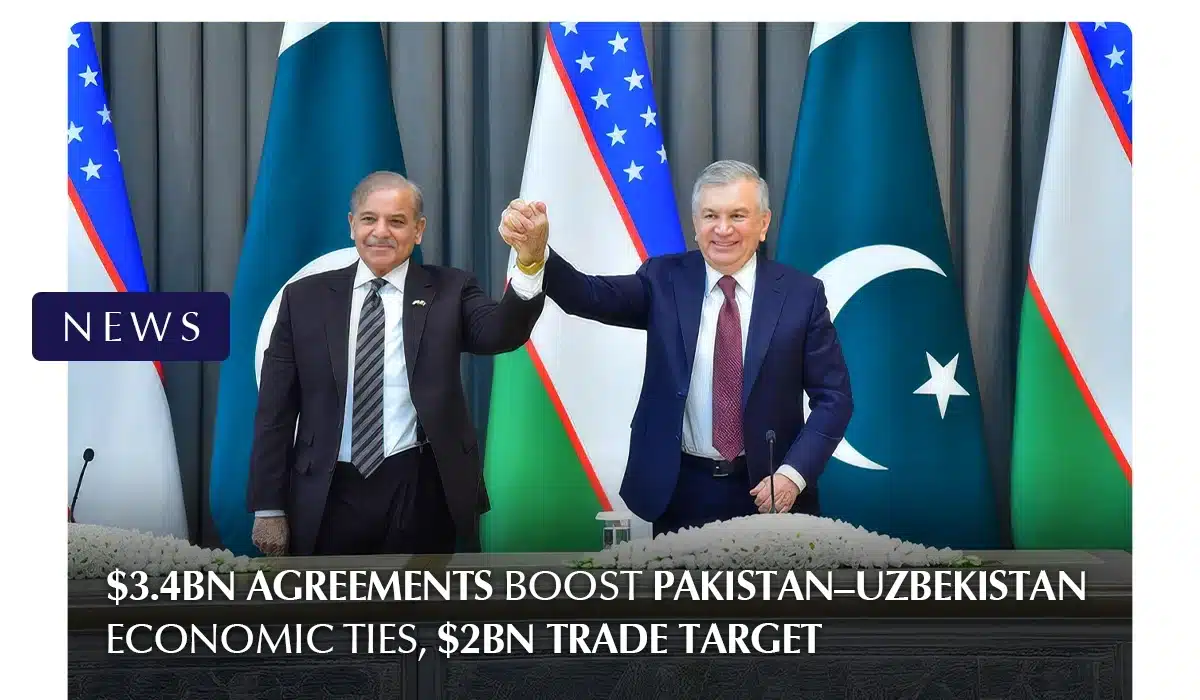
$3.4bn Agreements Boost Pakistan-Uzbekistan Economic Ties, $2bn Trade Target

ISLAMABAD: Pakistan and Uzbekistan signed Business-to-Business (B2B) agreements worth $3.4 billion at the Pakistan–Uzbekistan Business Forum in Islamabad, marking a major step forward in bilateral economic cooperation.

The forum was attended by Prime Minister Shehbaz Sharif and visiting Uzbek President Shavkat Mirziyoyev, who is on a two-day state visit to Pakistan. Addressing business leaders and ministers from both sides, Prime Minister Sharif invited Uzbek firms to explore investment opportunities in Pakistan’s textile, pharmaceutical, mining, agriculture and tourism sectors.

The private-sector agreements span multiple industries, including textiles, pharmaceuticals, leather, engineering goods, and agriculture. Both leaders assured investors of a conducive business environment and pledged zero tolerance for corruption and bureaucratic hurdles. Prime Minister Sharif described himself as the “CEO of Pakistan” for the forum and assured business leaders that any bottlenecks would be removed promptly.

The two countries also signed a protocol to raise bilateral trade to $2 billion within five years. Both sides termed the target “ambitious yet achievable,” emphasizing that structured programs and policy frameworks are already in place to facilitate growth. Uzbekistan offered 10-year tax exemptions and support to Pakistani pharmaceutical companies and invited Pakistani expertise to manage approximately 30 high-tech textile enterprises.

Connectivity remained a central focus during the visit. Both countries reaffirmed their commitment to the Uzbekistan–Afghanistan–Pakistan (UAP) Railway Project and endorsed the Termiz–Kharlachi route, recognizing its importance for regional integration and trade expansion.

In addition, the Anti-Corruption Agency of Uzbekistan and Pakistan’s National Accountability Bureau signed an MoU to strengthen cooperation against corruption. Later, President Asif Ali Zardari conferred the Nishan-e-Pakistan upon President Mirziyoyev in recognition of his efforts to strengthen bilateral ties.

The visit underscored a shared commitment to deepening strategic partnership and expanding economic collaboration between the two countries.

For more news on the economy, real estate and development, visit Chakor Ventures.