
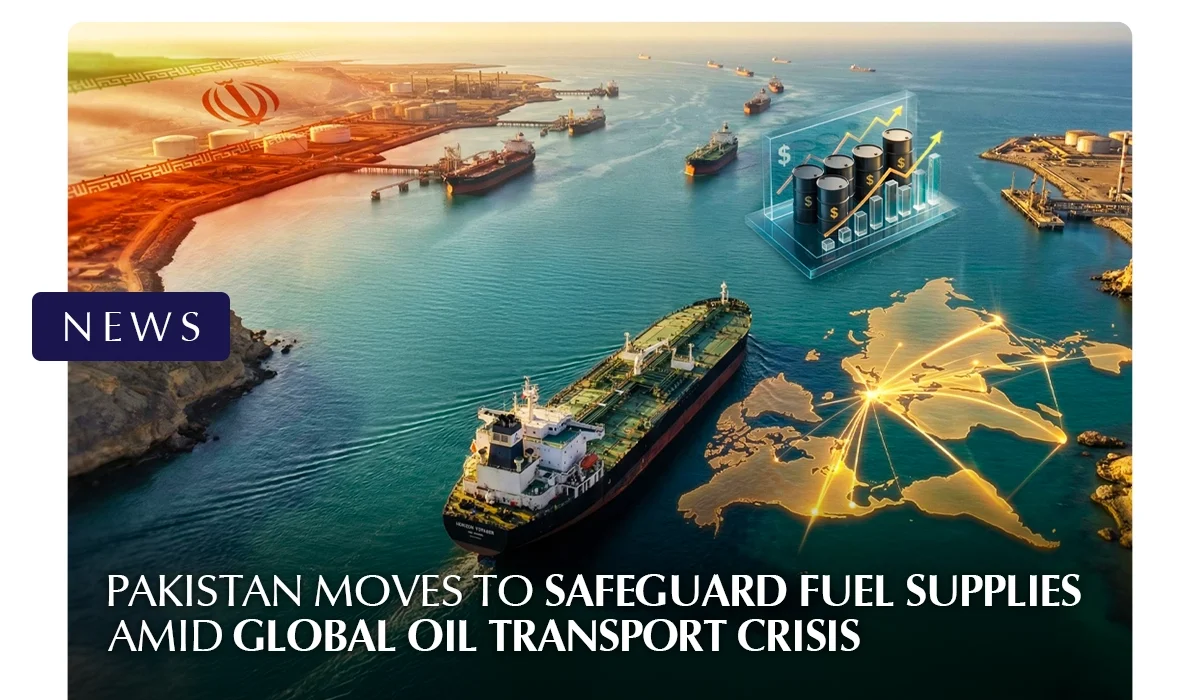
ISLAMABAD: Pakistan is considering a series of emergency measures to manage petroleum supplies and pricing amid rising global uncertainty in oil transportation following disruptions linked to the Strait of Hormuz, one of the world’s most critical oil shipping routes.
According to officials, the government is evaluating the possibility of shifting from the current fortnightly petroleum price adjustments to a weekly review mechanism. The proposed change aims to enable quicker responses to rapidly fluctuating global oil prices and shipping costs. Authorities are also exploring options to compensate oil marketing companies for the sharp increases in shipping insurance and freight charges resulting from heightened geopolitical tensions in the region.
Government sources indicate that Pakistan currently holds more than 500,000 tonnes of petrol and diesel in stock, which is sufficient to meet national demand for approximately 25 to 26 days. Officials maintain that there is no immediate threat of a fuel shortage. However, precautionary measures are being implemented to safeguard supply chains and prevent potential market disruptions.
To secure continued energy imports, Pakistan has approached Saudi Arabia to facilitate oil shipments through alternative Red Sea routes, bypassing the Strait of Hormuz. In addition, Pakistan State Oil has reportedly issued import tenders for shipments that would avoid the affected maritime corridor.
The situation has also significantly increased the cost of importing fuel. Insurance premiums for oil shipments have reportedly surged from about $30,000 to nearly $400,000 per vessel, while freight costs have risen to over $4 million per shipment, up from roughly $900,000 previously.
Officials warn that if the rising import costs are not managed through policy adjustments, the price gap could reach around Rs45–50 per litre for diesel and Rs25–26 per litre for petrol.
A cabinet committee led by the finance minister is closely monitoring developments and reviewing options to ensure stable fuel availability while minimizing the economic impact on consumers and the broader economy.
For more news on the economy, real estate, and development, visit Chakor Ventures.
