RAWALPINDI: Following directives from Chief Minister Punjab Maryam Nawaz Sharif, Sultan Bajwa, Parliamentary Secretary for Housing, Urban Development, and Public Health Engineering (HUD&PHE), visited the Rawalpindi Development Authority (RDA) on Saturday to review ongoing development projects. The meeting focused on evaluating progress and discussing future urban planning strategies.
RDA Director General Kinza Murtaza presented a comprehensive overview of major projects, including the Rawalpindi Ring Road, the Nullah Lai Project, and the Rehabilitation of the Metro Bus Corridor. Proposed initiatives discussed included the rehabilitation of Murree Road from Flashman to Faizabad and the construction of joint check posts at Adyala Road, Koral Chowk, and Chur Chowk.
Murtaza also highlighted RDA’s efforts to combat illegal housing schemes, reaffirming the authority’s commitment to transparency, modern urban planning, and the timely completion of projects. These initiatives are expected to significantly improve city infrastructure, traffic management, and public services.
Sultan Bajwa commended RDA’s work in addressing civic challenges and accelerating development. He stressed the need for sustainable growth, environmental considerations, and enhanced civic infrastructure to improve the quality of life for Rawalpindi’s residents.
The meeting concluded with directives to speed up project timelines, improve coordination between departments, and ensure that public interest remains at the core of all development activities.
The session was attended by senior RDA officials, including Director Engineering Muhammad Anwar Baran and Director Land Ghazafar Ali Awan.
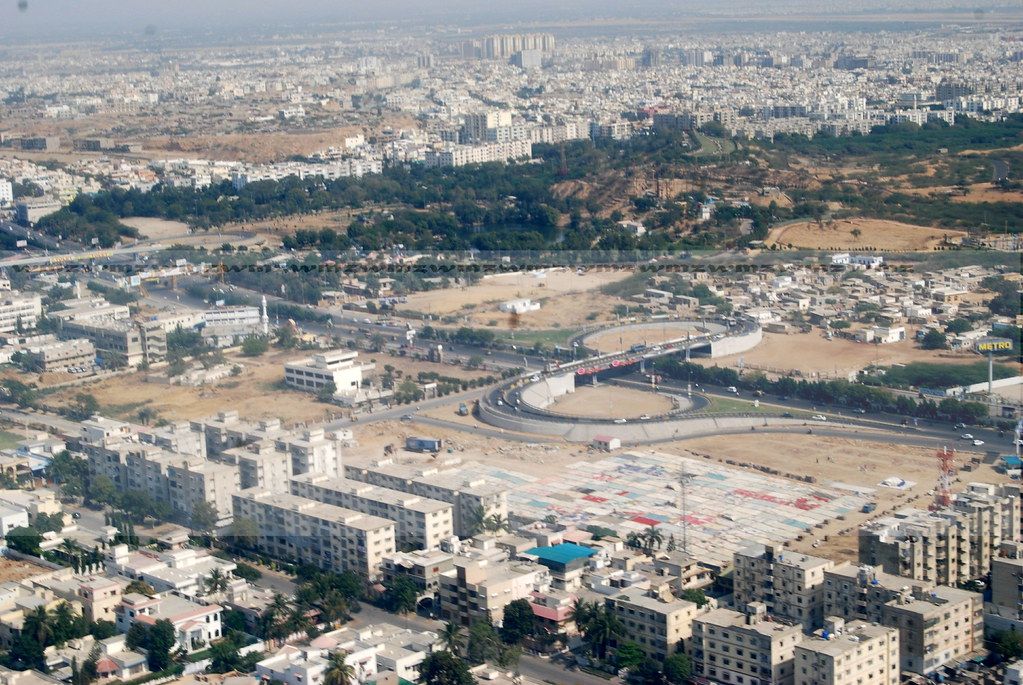
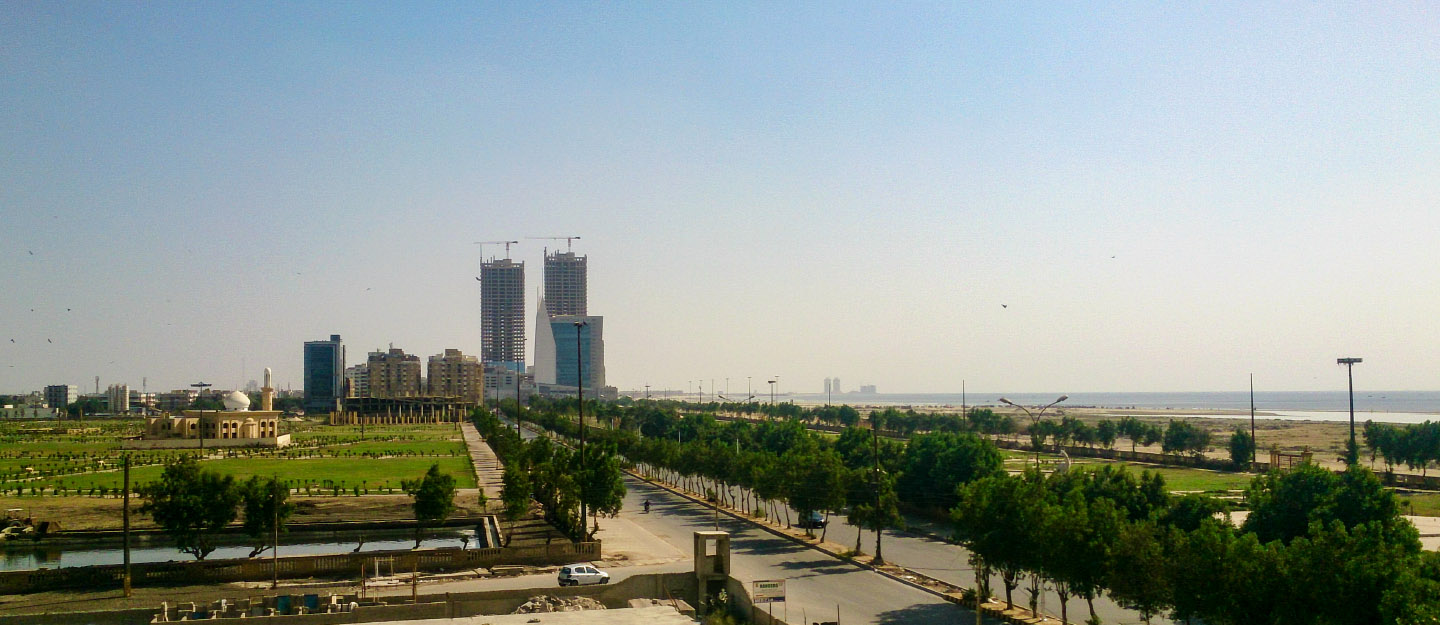
Looking for a city where real estate investments shine? Karachi, Pakistan’s bustling economic hub, has long been a prime destination for investors seeking high returns. Despite market fluctuations, investment in Karachi remains a top choice, driven by its robust infrastructure, growing population, and promising real estate investment opportunities. Whether you’re eyeing residential, commercial, or rental properties, Karachi offers something for every investor. For further details, keep reading the Chakor Blog.
Why Karachi Still Leads in Real Estate Investment
In the following paragraphs, you will find the reasons why real estate still leads in Karachi.
Economic Powerhouse & Strategic Role
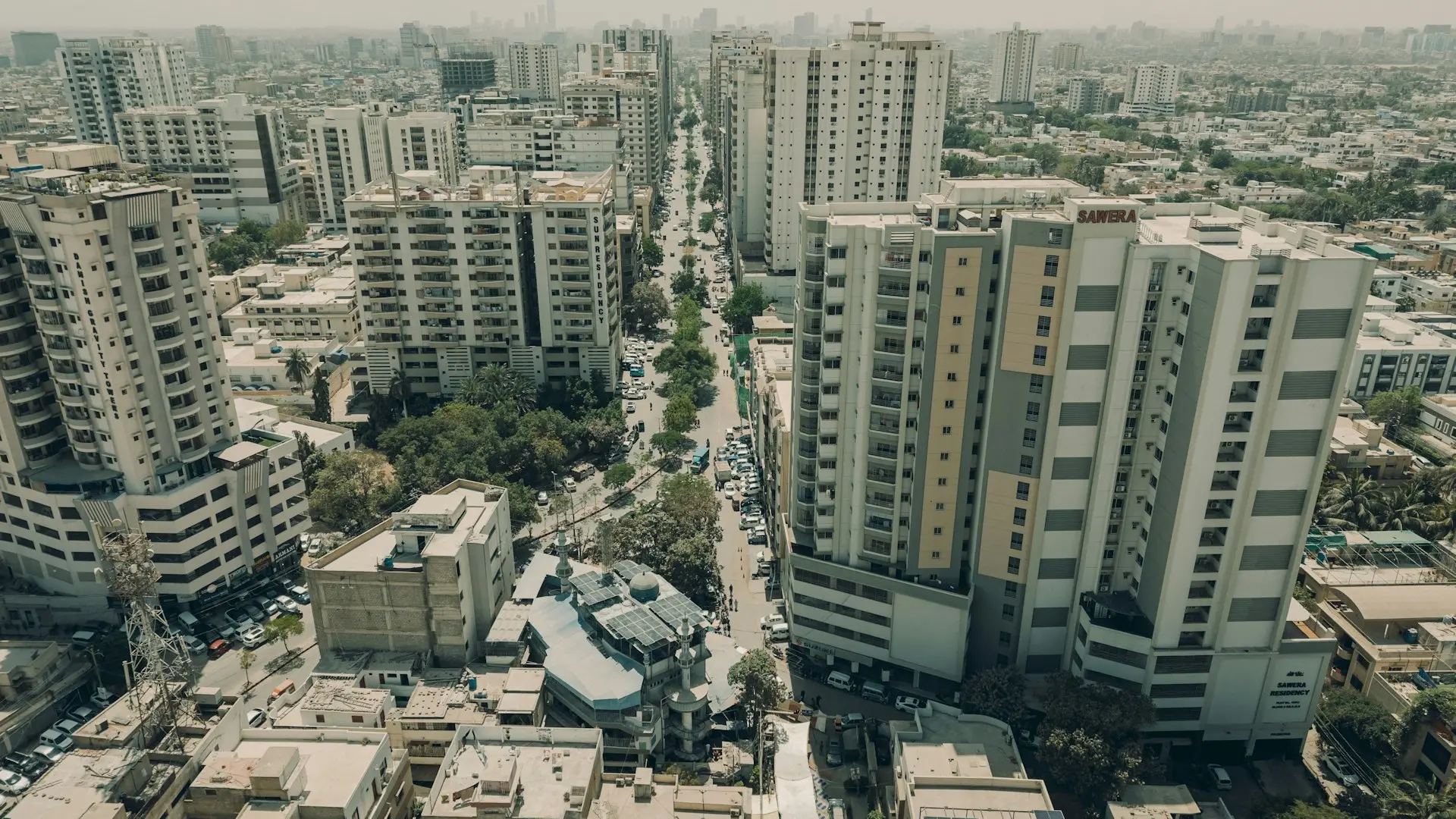
Karachi stands as Pakistan’s financial and industrial capital, housing the country’s principal port and hosting numerous multinational companies. This makes it a vital centre for trade, commerce, and industry, attracting businesses and talent from all over the country.
As a result, the city’s real estate market consistently experiences high demand, with commercial and residential properties seeing steady growth.
Investors find the city’s economic dynamism to be a major draw, offering opportunities in both the high-end and mid-range segments.
Strong Residential Demand
With Pakistan’s population continuing to grow, particularly in urban areas, Karachi faces an ever-increasing demand for housing. The influx of a younger workforce and people from rural areas seeking better opportunities in the city has led to a surge in housing demand.
Whether it’s for rentals or property purchases, Karachi’s real estate market offers solutions for every buyer segment. This demand ensures that properties remain in high demand, making the city a reliable choice for long-term investments.
Diversified Property Market
One of Karachi’s key strengths is its diverse property market. From luxurious residential developments in areas like DHA and Clifton to affordable housing and commercial spaces, Karachi caters to a wide range of investors.
Whether you’re looking for a high-end investment opportunity or a more affordable, mid-range property, Karachi offers a variety of options. This diversity allows investors to choose based on their budget, risk tolerance, and investment goals, making it a flexible and attractive market.
Infrastructure & Connectivity
Karachi’s growing infrastructure is another key factor driving its real estate market. The expansion of roads, expressways, and public transport systems has greatly improved accessibility, which in turn has enhanced property values.
Areas that were once considered remote or underserved are now being rapidly developed, and the increased connectivity boosts the appeal of these locations.
Whether it’s new road networks or large-scale urban development projects, Karachi’s infrastructure continues to evolve, making it an even more attractive location for real estate investors.
High Rental & Capital Appreciation Potential
Karachi offers substantial potential for both rental income and capital appreciation. The city’s growing population and economic expansion ensure that demand for rental properties remains consistently high, making it an excellent choice for investors seeking steady cash flow.
Additionally, real estate in Karachi has historically outpaced inflation, providing significant capital appreciation opportunities.
As the city continues to develop and expand, property values are expected to keep rising, offering investors the potential for long-term growth.
Karachi’s Real Estate Market in the Context of Pakistan
When comparing Karachi with other major real estate markets in Pakistan, such as Lahore and Islamabad, it’s clear that Karachi remains the top choice for both rental income and capital growth.
While Lahore and Islamabad boast well-established real estate markets, Karachi’s scale, diverse economic base, and larger population make it a more dynamic environment for real estate investment.
Karachi’s strategic position as Pakistan’s economic engine continues to attract both domestic and international investors, contributing to its leading role in the country’s real estate sector.
With a greater variety of properties, from luxury homes to industrial spaces, Karachi offers ample opportunities for investors. As real estate investment in Pakistan continues to evolve, Karachi stands out for its higher returns, larger rental yields, and stronger overall market performance.
Defence Housing Authority (DHA) Karachi is one of the most prestigious and reliable real estate destinations in the city. Known for its modern planning and elite lifestyle, DHA remains a top preference for both local and overseas investors.
Why Invest in DHA Karachi?
Well-planned infrastructure with modern road networks and utilities.
High demand for luxury apartments, bungalows, and commercial spaces.
Strong rental yields due to prime location and lifestyle appeal.
Secure, gated, and well-maintained environment.
With continuous expansion and new development phases, DHA Karachi remains a strong investment option in Pakistan for investors planning their investment plans 2026.
2. Bahria Town Karachi – A Rapidly Growing Community
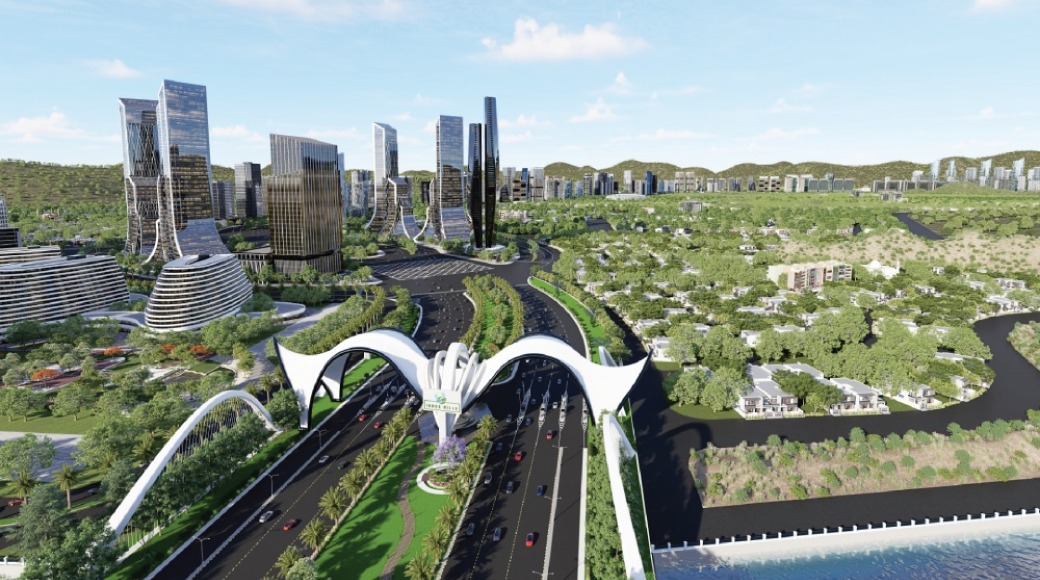
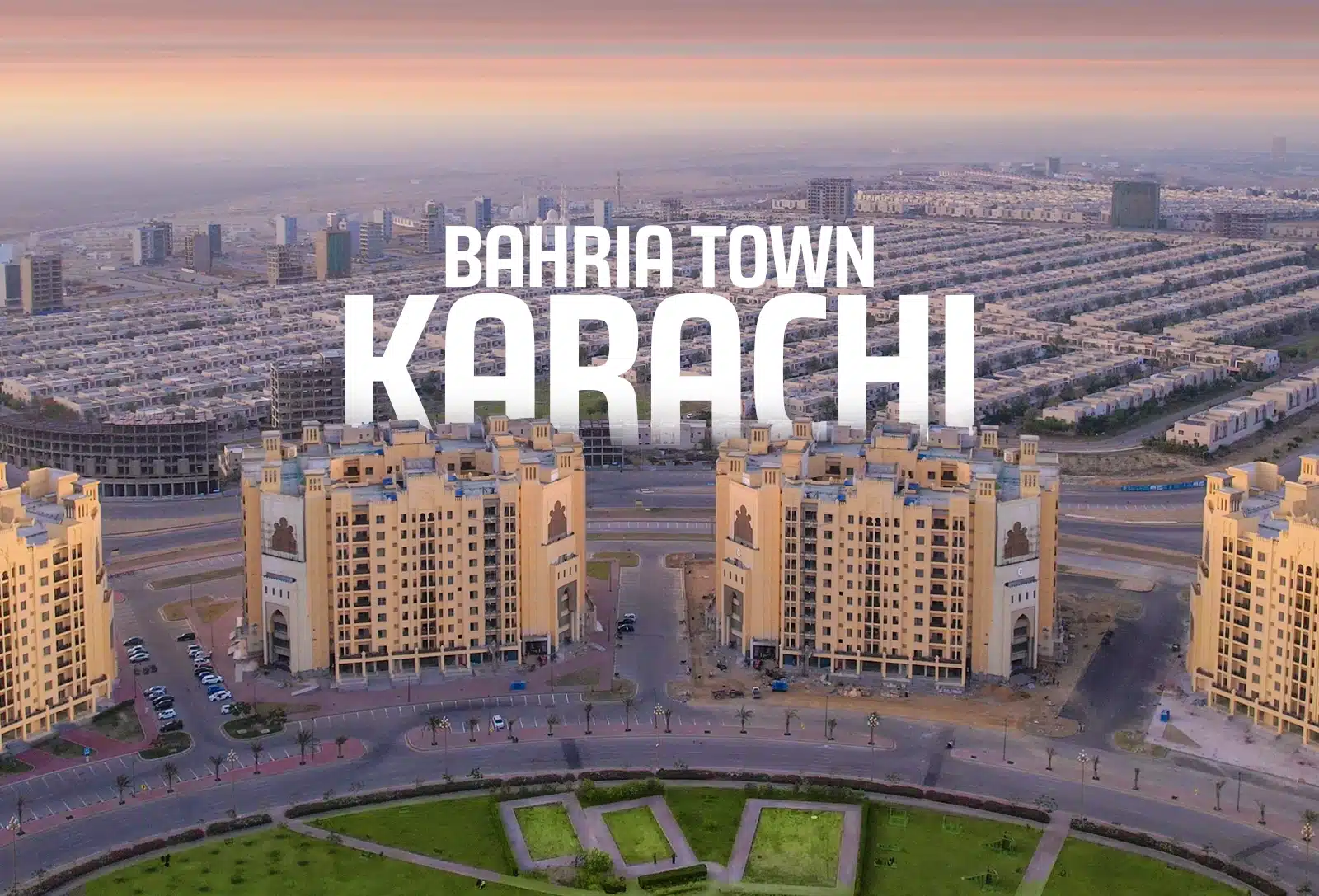
Bahria Town Karachi is one of the largest master-planned gated communities in Pakistan. Its modern lifestyle, secure environment, and long-term development vision make it a favorite among investors and homebuyers.
Why Invest in Bahria Town Karachi?
Fully gated community with 24/7 security and maintenance.
Flexible and easy installment plans for investors.
Modern amenities including schools, hospitals, parks, and entertainment zones.
High appreciation potential due to continuous development.
The rising demand and large-scale infrastructure make Bahria Town Karachi one of the best areas to invest in Karachi for long-term growth.
3. Gulshan-e-Iqbal – A Centrally Located Investment Hub
Gulshan-e-Iqbal is a well-established and centrally located residential area, offering a balance between affordability and high demand. It is popular among families, students, and professionals.
Why Invest in Gulshan-e-Iqbal?
Central location with easy access to main roads and business districts.
Close proximity to universities, hospitals, and commercial areas.
Strong and consistent rental demand.
Stable property prices with reliable returns.
Gulshan-e-Iqbal is an ideal choice for investors seeking safe and steady real estate investment in Karachi.
4. Gulistan-e-Johar – A High-Demand Residential Area
Gulistan-e-Johar is one of Karachi’s most populated and fast-growing residential localities. Its affordability and connectivity make it a preferred option for middle-income investors.
Why Invest in Gulistan-e-Johar?
High population density ensuring continuous rental demand.
Easy access to main roads and commercial centers.
Availability of apartments and houses at competitive prices.
Ideal for rental income and mid-range investment.
Due to consistent demand, Gulistan-e-Johar remains a strong option for property investment in Karachi.
5. Scheme 33 – A High-Growth Investment Zone
Scheme 33 is emerging as a promising investment area due to large-scale residential projects and improving infrastructure. It offers affordable entry points for investors with long-term goals.
Why Invest in Scheme 33?
Lower property prices compared to central areas.
Rapid development with multiple housing projects.
Increasing demand as the city expands outward.
Strong potential for future price appreciation.
Scheme 33 is suitable for investors planning long-term real estate investment in 2025 and beyond.
6. Clifton – Prime Location with Luxury Appeal
Clifton is one of Karachi’s most upscale and prime localities, offering a mix of residential, commercial, and high-rise developments. Its location makes it highly desirable.
Why Invest in Clifton?
Prime location near business districts and coastal areas.
High demand for luxury apartments and commercial properties.
Excellent rental income potential.
Consistent appreciation due to limited land availability.
Clifton remains a top choice for investors looking for premium real estate opportunities in Karachi.
7. North Nazimabad – A Stable and Family-Friendly Area
North Nazimabad is a well-planned residential area known for its peaceful environment and strong community living. It is ideal for investors seeking low-risk options.
Why Invest in North Nazimabad?
Organized blocks with parks and wide roads.
Strong demand from families and long-term tenants.
Stable property prices with steady returns.
Well-developed infrastructure and facilities.
This area is best suited for secure and conservative real estate investment.
8. Gadap Town – A Future Investment Opportunity
Gadap Town is gaining attention as Karachi continues to expand toward the outskirts. With vast land availability, it is considered a future-focused investment option.
Why Invest in Gadap Town?
Affordable land prices compared to central Karachi.
Long-term growth potential as development expands.
Suitable for investors with a long investment horizon.
Increasing interest due to upcoming housing projects.
Gadap Town is ideal for investors looking for budget-friendly investment opportunities with future potential.
Benefits of Investing in Karachi Real Estate
The following are the benefits of investing in Karachi real estate:
Tangible Asset & Inflation Hedge
Investing in Karachi real estate provides a tangible asset that generally appreciates over time. Real estate serves as a reliable hedge against inflation, meaning that as the cost of living rises, property values in the city rise as well. This makes it an excellent investment choice for those looking to preserve and grow their wealth.
Lower Entry Barriers vs. Long-Term Returns
Unlike other markets in Pakistan, Karachi’s real estate market still offers significant returns for investors with relatively lower entry barriers. While prices have increased over the years, the market remains more affordable than in other major cities, making Karachi an attractive place for first-time investors seeking long-term gains.
Passive Income Through Rentals
With its growing population and economic development, Karachi’s residential and commercial segments continue to offer strong occupancy rates. This means investors can generate steady passive income by renting out properties, whether they’re luxury homes, apartments, or commercial office space.
Risks & Mitigation Strategies
While Karachi’s real estate market offers substantial benefits, investors must be aware of potential risks and take steps to mitigate them.
Market Cycles and Price Volatility: Like all real estate markets, Karachi is not immune to market fluctuations. Prices may dip during specific periods, but long-term trends indicate steady growth. Investors must understand the cyclical nature of real estate and adopt a long-term investment strategy.
Regulatory and Legal Due Diligence: Ensuring that all documentation is in order, including clear property titles and legal approvals, is vital to avoiding costly legal disputes. Investors should always conduct thorough due diligence or work with experienced professionals.
Importance of KDA‑Approved Properties and Professional Brokers: To avoid the risk of investing in unapproved or fraudulent developments, investors should prioritise properties that are Karachi Development Authority (KDA) approved. Additionally, working with licensed brokers ensures access to credible listings and valuable market insights.
Conclusion
Investment in Karachi remains one of the most strategic and lucrative opportunities in Pakistan’s real estate market. With its robust economic foundation, growing demand for housing and commercial spaces, and diverse investment options, Karachi continues to outperform other major cities. Whether you’re looking for rental income, long-term capital appreciation, or both, Karachi’s real estate market offers something for every investor.
For those ready to take the plunge, the city presents excellent growth opportunities. If you’re considering to invest money in Pakistan, keep reading the Chakor Blog for more insights, expert advice, and updates on the latest trends.
Understand how your investment performs over time with our inflation-adjusted real estate ROI calculator.
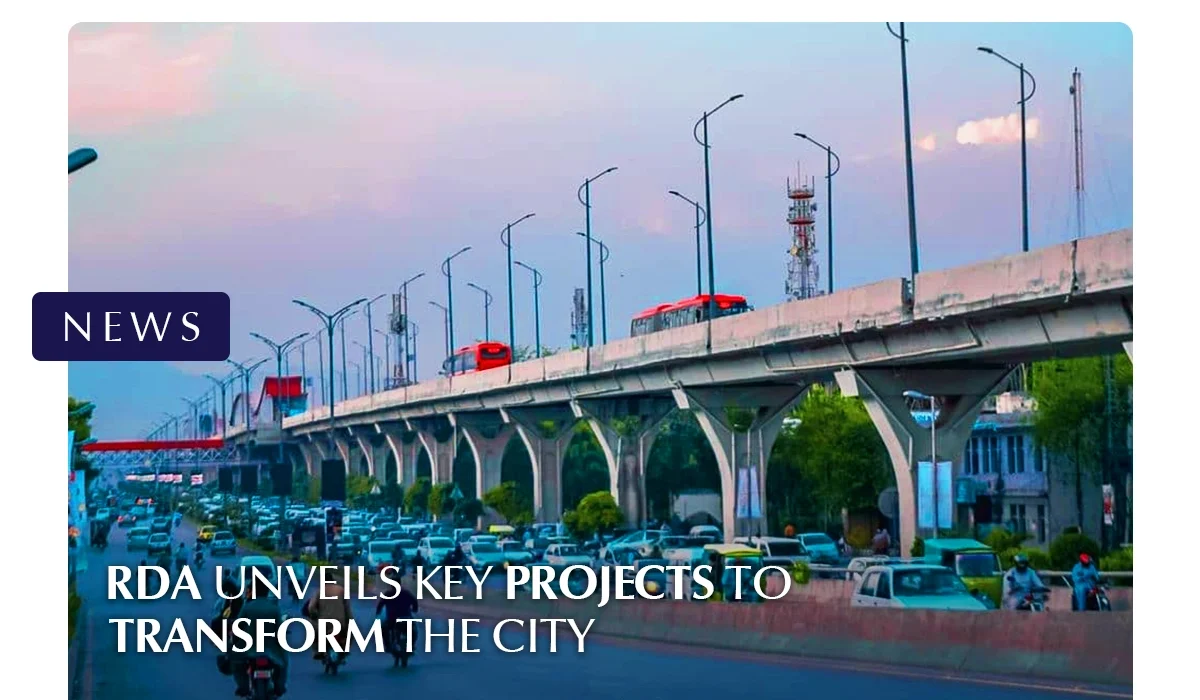
RAWALPINDI: The Rawalpindi Development Authority (RDA) has unveiled plans to overhaul Murree Road, a major thoroughfare connecting Rawalpindi and Islamabad, with an estimated investment of Rs. 9 billion.
The project aims to improve road conditions and enhance traffic flow, benefiting thousands of commuters who rely on this key route.
RDA Director General Kinza Murtaza confirmed that the project will focus on two primary initiatives. The first involves the construction of service lanes on both sides of Murree Road, stretching from Liaquat Bagh to Chandni Chowk, at an estimated cost of Rs. 8.1 billion.
These lanes will significantly increase traffic capacity and make the road signal-free from Marrir Chowk to Faizabad once completed. A land acquisition survey is underway, with practical work expected to begin after funds are released by the provincial government.
The second initiative, costing Rs. 953 million, focuses on the rehabilitation of Murree Road from Saddar Flashman’s to Faizabad, including resurfacing and re-carpeting of the existing stretch. This upgrade follows the last major repairs, which took place in 2014 after the construction of the Metro Bus elevated track.
The Punjab government has asked RDA and other civic bodies to submit projects aimed at enhancing Rawalpindi’s infrastructure. These efforts are part of a broader development package for the city, which will also focus on improving water supply, sewerage, and civic amenities starting in 2026.
The RDA’s planned upgrades are expected to ease congestion, improve road safety, and present a cleaner, more organised appearance to the city’s visitors and residents alike.
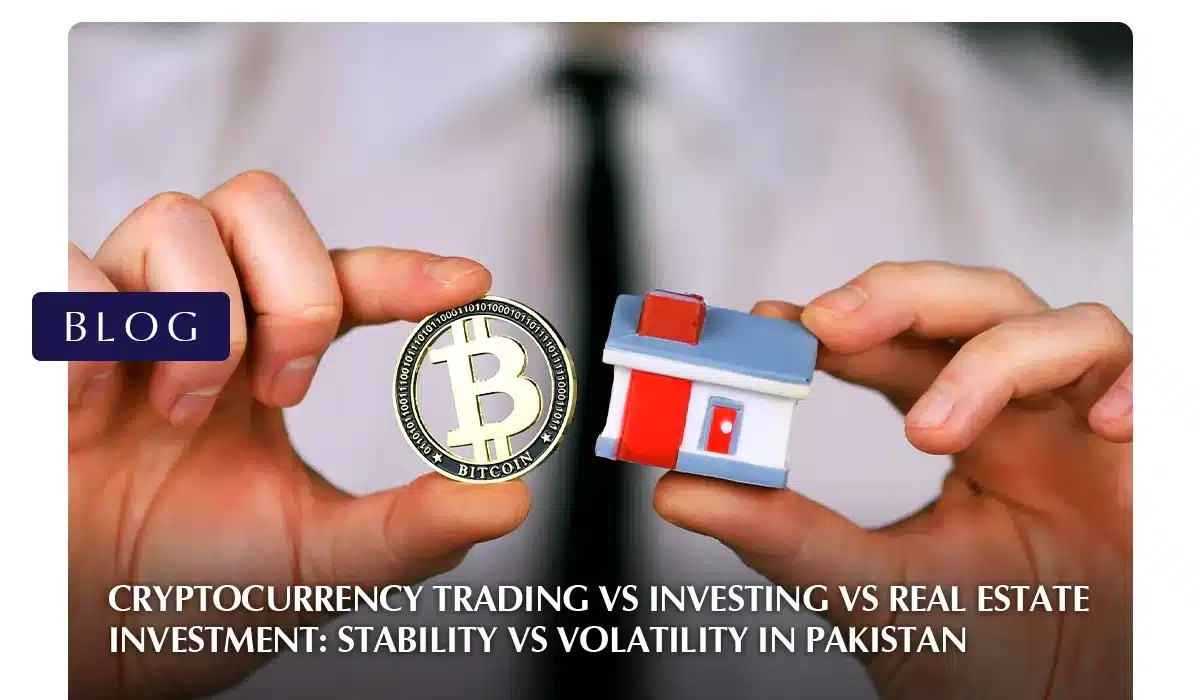
In the ever-evolving world of investments, traditional methods such as real estate are no longer the only options. With the rise of digital currencies, cryptocurrency trading vs investing has introduced exciting new investment opportunities in Pakistan. But with these emerging options comes a crucial question: which one should you choose?
The decision between cryptocurrency trading/investing and real estate investing depends largely on individual factors such as financial goals, risk tolerance, and market understanding. While real estate offers stability and tangible assets, cryptocurrencies are known for their volatility and high-growth potential.
However, both investment avenues come with their own set of challenges and rewards. In this article, we’ll break down the pros and cons of cryptocurrency trading, crypto investing, and real estate investing to help you make an informed decision.
Whether you’re drawn to the quick profits of crypto or the long-term growth of real estate, understanding these investment options will enable you to choose the one that best suits your unique needs and financial objectives.
Overview of Cryptocurrency Trading
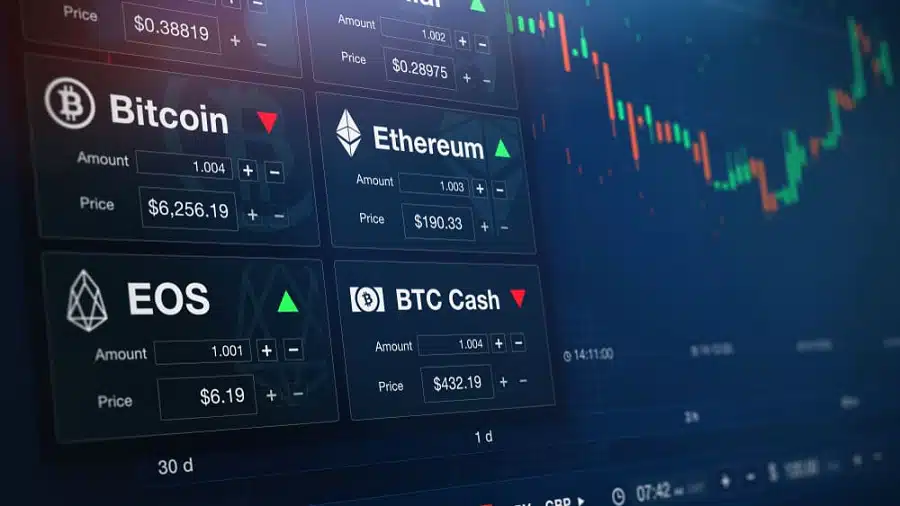
Cryptocurrency trading involves buying and selling digital currencies to make short-term profits. Traders capitalise on cryptocurrency price fluctuations, buying low and selling high, sometimes within minutes or hours.
This fast-paced nature of crypto trading requires constant market monitoring, with a focus on quick decision-making to maximise profits.
Traders often use advanced tools, such as charts and indicators, to predict price movements and determine the best entry and exit points.
Pros of Crypto Trading
High Volatility = High Profit Potential: The crypto market is known for its significant price fluctuations, which can offer traders substantial profit opportunities in a short period.
24/7 Market Access: Unlike traditional markets that operate during fixed hours, cryptocurrency markets are open around the clock, allowing traders to act on opportunities at any time.
Global Accessibility: Crypto trading platforms are accessible from anywhere in the world, providing a global trading environment.
Potential for Quick Gains with Leverage: Some exchanges offer leverage, enabling traders to amplify potential gains (though this also increases the risk).
Cons of Cryptocurrency Trading
High Risk Due to Volatility: The same volatility that offers profit potential also presents significant risks, with sudden market crashes potentially leading to substantial losses.
Complexity of Understanding Technical Analysis: Successful trading requires knowledge of technical analysis, chart patterns, and market indicators, which can be complex for beginners.
Security Risks: Crypto traders face the risk of hacks and cybercrime, as digital wallets and exchanges can be vulnerable to breaches.
Emotional Strain from Market Swings: The market’s unpredictability can be emotionally taxing, with traders constantly experiencing anxiety, stress, and the fear of missing out (FOMO).
Cryptocurrency Investing
Cryptocurrency investing, on the other hand, is about buying and holding digital currencies for long-term growth. Investors in this category believe in the future potential of blockchain technology and specific cryptocurrencies, such as Bitcoin or Ethereum.
Unlike traders who focus on short-term gains, investors aim to hold onto their assets for extended periods, hoping that their value will increase as the market matures and adoption rises.
Pros of Crypto Investing
Potential for Long-Term Growth: As blockchain technology becomes more widely adopted, investors expect cryptocurrencies to see increased demand and, consequently, higher prices.
Diversification for Portfolios: Cryptocurrencies offer a unique asset class that can diversify an investment portfolio, especially for those looking to hedge against traditional market risks.
Relative Ease of Entry: The barrier to entry in crypto investing is lower than in many other investments, with many cryptocurrencies being available for purchase in small amounts.
Cons of Crypto Investing
Highly Speculative and Uncertain Long-Term Stability: The crypto market is still in its early stages, and its future remains speculative, making long-term stability uncertain.
Regulatory Concerns: Governments and regulators worldwide are still grappling with how to classify and regulate cryptocurrencies, and future regulations could affect their value or legality.
Potential for Massive Losses if the Market Crashes: Although the potential for gains is high, the risks are equally severe. A major market crash could result in significant losses for long-term investors.
Lack of Tangible Assets to Back the Investment: Unlike real estate or stocks, cryptocurrencies lack tangible assets or physical backing, making them harder to value and more susceptible to market speculation.
Cryptocurrency Trading vs Investing | Overview of Real Estate Investing
Real estate investing involves purchasing, owning, or renting properties to generate returns, either through property value appreciation or rental income. In Pakistan, real estate has long been considered a relatively stable and lucrative investment option, driven by the country’s growing population and urbanisation.
Unlike highly volatile cryptocurrencies, real estate offers tangible assets that can provide long-term value and steady income streams.
Cryptocurrency Trading vs Investing | Why Real Estate is Safer and More Stable Compared to Cryptocurrencies
Real estate is often seen as a safer investment because it is backed by physical assets that can appreciate over time. Unlike cryptocurrencies, which can experience wild price swings in short periods, real estate tends to have lower volatility and a more predictable growth trajectory.
This makes it a preferred option for those seeking stability, particularly in regions like Pakistan, where economic conditions can fluctuate but property remains a key store of value.
Pros of Real Estate Investing
Tangible Assets: Properties are physical assets that can increase in value over time, offering a sense of security.
Steady Cash Flow: Rental properties provide consistent, passive income through monthly rents.
Tax Benefits: Investors may benefit from certain tax deductions and incentives in some areas.
Long-Term Stability: Real estate investments tend to exhibit lower volatility than cryptocurrencies.
Hedge Against Inflation: As inflation increases, property values and rents often rise, preserving wealth.
Cons of Real Estate Investing
High Upfront Cost: Real estate investments require significant capital, often with financing challenges.
Long-Term Horizon: Real estate typically requires years to see substantial returns.
Illiquidity: Selling property quickly is difficult and can take months or even years.
Management Hassles: Property owners may face headaches from managing tenants or maintaining properties.
Market Fluctuations: Local economic conditions, government regulations, and policy changes can impact property values in Pakistan.
Cryptocurrency Trading vs. Investing: How to Choose the Right Investment Option for You?
Choosing the right investment option between cryptocurrency trading vs investing or real estate investing in Pakistan depends on several factors, including your financial goals, risk tolerance, and the level of involvement you’re willing to commit to. Here are some key considerations to help guide your decision:
Risk Tolerance
If you prefer a safer, more stable investment, real estate might be a better fit due to its relatively low volatility. On the other hand, cryptocurrency offers high potential returns but comes with significant risk.
If you are willing to accept fluctuations and the potential for loss, crypto might appeal to you, but if you’re risk-averse, real estate would be a better fit.
Investment Goals
Do you want short-term gains or long-term growth? Cryptocurrency trading can deliver quick profits through rapid price changes, making it ideal for those seeking short-term returns.
In contrast, real estate investing and crypto investing typically require a longer investment horizon, focusing on gradual appreciation and more stable returns over time.
Liquidity Needs
Cryptocurrency is highly liquid; you can quickly buy or sell assets in a 24/7 market. Real estate, however, is illiquid and may take months to sell, which means it’s a better choice if you’re willing to commit for a more extended period and don’t need immediate access to your funds.
Market Knowledge
Investing in crypto requires a good understanding of market trends, blockchain technology, and often technical analysis, especially for trading. In contrast, real estate investing involves knowledge of local property laws, market trends, and potential for future development. Consider which market you’re more knowledgeable about.
Capital Availability
Real estate investing typically requires a larger upfront investment, making it more suitable for those with higher available capital. Crypto investing, however, allows for entry with relatively lower capital, enabling people to start with smaller amounts and scale up over time.
Conclusion
The right choice ultimately depends on your personal circumstances. If you have a higher risk tolerance, a short-term outlook, and limited capital, cryptocurrency might be the better option. If you prefer stability and long-term growth and can commit more capital, real estate could be a more suitable choice.
Before making a decision, it’s essential to thoroughly research each investment type and consult with financial experts to ensure it aligns with your financial goals and risk profile.
ISLAMABAD: The Capital Development Authority (CDA) has completed the process of linking the e-stamp paper system in Islamabad, marking a significant step toward eliminating fraud, deception, and the creation of forged documents in land transactions.
With this system fully operational, the next phase will focus on issuing judicial e-stamp papers, further preventing tampering with land transfers and registry documents.
A recent meeting held at the CDA Headquarters, attended by Islamabad Deputy Commissioner Irfan Nawaz Memon and ICT Director Rabia Aurangzeb, discussed the progress of the e-stamp system. The meeting was also joined virtually by the PLRA Director General and his team. It was revealed that the software for the e-stamp system has been developed, and formal testing has now begun.
The meeting also reviewed the digitisation efforts within ICT and CDA. Notably, the digitisation of 24 revenue estates has been completed, with plans to finalise the remaining 11 estates soon. Additionally, the scanning of all records in the CDA’s Estate Wing has been completed, and scanning of Building Control records is currently underway. Once completed, these records will be fully digitised.
To enhance accessibility, a mobile application has been developed to enable citizens to access their land records more easily. This initiative is expected to streamline transactions, property transfers, mutations, sales, and purchases, ensuring greater transparency in the system.
The introduction of e-stamp papers will significantly reduce instances of land fraud and unauthorised property transfers, bringing much-needed reform to Islamabad’s real estate sector.
Investing your money wisely can shape long-term financial security, especially in a dynamic economy like Pakistan’s. With a growing population and steady urban development, property remains one of the best way to invest money in Pakistan, consistently topping other options. To understand how to get started effectively, this Chakor blog breaks it down, so keep reading.
Best Ways to Invest Money in Pakistan: Unlocking High-Return Potential
Pakistan’s diverse economy offers a wide range of investment opportunities, but when it comes to maximizing returns, real estate stands out as one of the most lucrative investment options in Pakistan for long-term investors. Below is a breakdown of the best investment avenues, with a focus on the higher returns achievable through real estate.
Consistent demand, long-term profits, stable income stream
Reliable income, growing population demand for dairy
1. Real Estate Investment: The Best Option for High Returns
Real estate in Pakistan has consistently shown high return potential over the years. With capital appreciation and rental income, real estate investments can deliver substantial returns, especially in high-demand urban areas like Karachi, Lahore, and Islamabad. Unlike volatile markets such as stocks, real estate offers both steady cash flow from rents and significant asset value growth.
Why Real Estate in Pakistan?
High Return Potential: With annual returns ranging from 8% to 15%+, real estate has the ability to outperform other traditional investments.
Capital Appreciation: Properties in prime locations appreciate over time, offering double benefits: regular rental income and price appreciation.
Tangible Asset: Real estate is a physical asset that offers stability, unlike stocks or bonds that are affected by market fluctuations.
Key Areas for Investment in Real Estate:
DHA Karachi: Premium locations like DHA offer returns of up to 15%+ per year, depending on the property and development phase.
Bahria Town Karachi: With ongoing development, this gated community offers affordable entry points and high growth potential, reaching up to 20% annually.
2. Stock Market Investment
While the stock market offers opportunities for higher returns, it comes with significant volatility. Historically, the Pakistan Stock Exchange (PSX) has offered returns between 30% and 50% during bullish periods. However, stock market investments are subject to market swings, making them less predictable and riskier compared to real estate.
Why Consider the Stock Market?
High Short-Term Returns: During bullish markets, stocks can yield strong returns.
Liquidity: Stocks are more liquid than real estate, enabling faster entry and exit.
However, the long-term stability and growth potential of real estate investment make it a more attractive option for those seeking consistent returns.
3. Bonds
Bonds, such as Pakistan Investment Bonds (PIBs) and Sukuk, offer a fixed return of around 10% to 14% per year. They are considered safer compared to stocks but do not match the high return potential of real estate.
Why Invest in Bonds?
Fixed Returns: Bonds provide predictable, fixed returns, which is appealing for conservative investors.
Lower Risk: Government bonds carry lower risk compared to equities.
Although bonds are safe, their low returns make them less attractive for investors seeking high growth compared to the substantial appreciation potential of real estate.
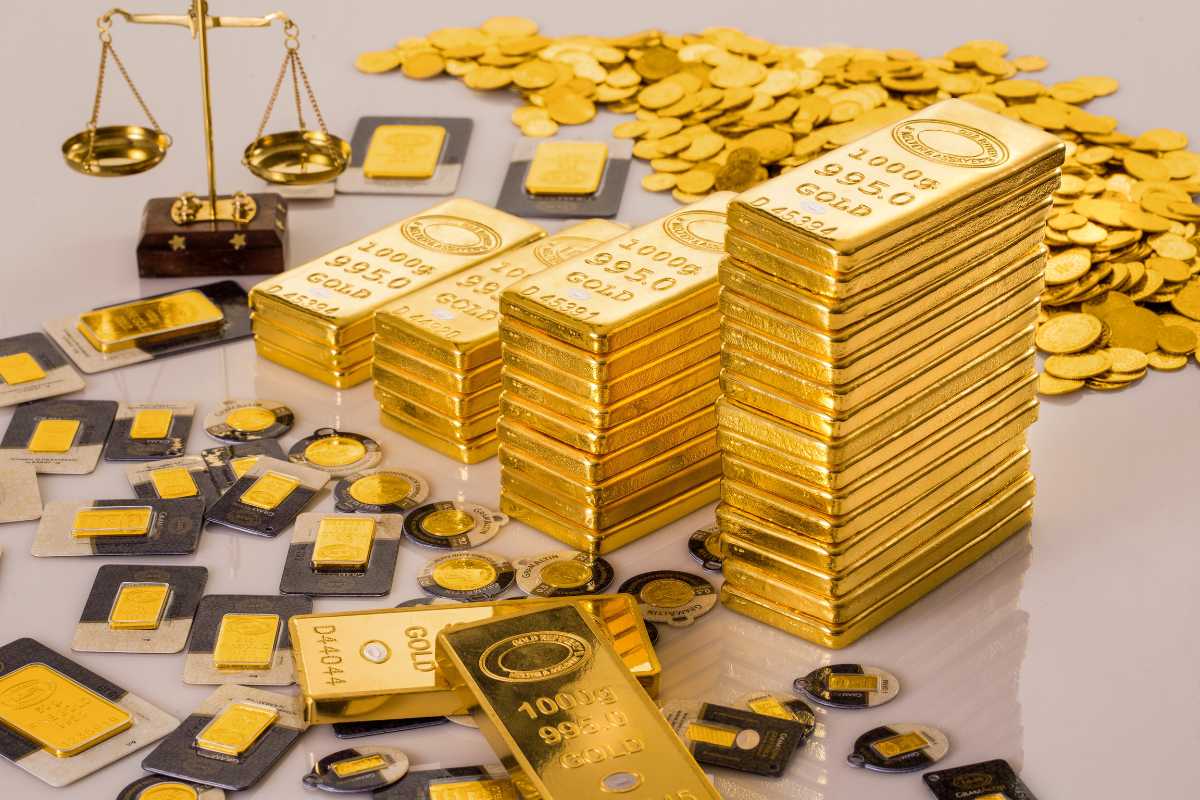
4. Gold Investment
Gold investment remains a popular choice, particularly during periods of economic uncertainty or inflation. Over the years, gold has shown an appreciation of 15% to 40%, depending on global economic conditions. However, gold lacks the ability to generate rental income or substantial capital gains as effectively as real estate.
Why Invest in Gold?
Hedge Against Inflation: Gold maintains its value during inflationary periods.
Liquid Asset: Easy to sell and trade on global markets.
While gold is a safe investment, it does not have the same cash flow advantages or consistent returns as real estate investments.
5. National Savings Schemes
Government-backed National Savings Schemes offer returns of around 10% to 13% annually. These are secure investments but provide lower yields compared to real estate. Given their predictability and safety, they’re a good option for low-risk investors but will not outperform real estate in terms of return potential.
Why Choose National Savings Schemes?
Low Risk: Government-backed, guaranteeing the safety of your principal.
Predictable Returns: Provides stable returns with low volatility.
Though safe, National Savings Schemes fail to offer the higher yield potential of real estate, especially in cities with growing demand for properties.
6. Commodities and Forex Trading
Both commodity trading (including oil and agricultural products) and forex (foreign exchange trading) offer potential for high returns, but they also come with high risk. Returns in forex can be extremely volatile, with traders potentially losing large sums in a short period. Commodities, Forex & Cryptocurrency trading investments can yield significant returns, but these markets are influenced by global demand and supply conditions, making them unpredictable.
Why Consider Commodities and Forex?
Potential for High Returns: If you understand the market well, commodities and forex can deliver high returns.
Liquidity: Can enter and exit markets quickly.
7. Small Business Investments
Investing in small businesses or startups can be highly rewarding, offering returns ranging from 20%+ depending on the business model and growth potential. While the risk is high, the rewards can exceed real estate in some cases. However, success depends on the business’s performance, making it more uncertain.
Why Invest in Small Businesses?
High Return Potential: Successful businesses can scale quickly and deliver substantial profits.
Entrepreneurial Growth: Direct involvement in a growing company.
Though small businesses can provide significant returns, real estate remains a safer bet for those seeking higher long-term returns with less operational risk.
8. Certificate of Deposit (CDs)
Certificate of Deposit (CDs) are low-risk, interest-bearing investments offered by banks. With returns generally ranging from 7% to 12% annually, CDs offer a safe and predictable way to grow your money without much volatility. However, the returns are typically lower compared to more dynamic investments like real estate.
Why Invest in CDs?
Fixed Returns: CDs provide guaranteed returns, making them a safe investment option for conservative investors.
Low Risk: Backed by banks, they are highly secure investments.
While CDs provide stability, their return potential is generally lower than that of real estate, which offers both capital appreciation and rental income.
9. Agriculture Investment
Agriculture remains a critical sector in Pakistan’s economy, and investing in agriculture, such as crop cultivation or livestock farming, can offer returns of 10% to 25%+, depending on market conditions and farming efficiency.
Why Invest in Agriculture?
Steady Demand: There’s always a steady demand for food and agricultural products.
Long-Term Growth: Agriculture investments can provide stable returns over a long period.
However, real estate investments tend to have higher liquidity, more predictable growth, and greater overall returns, making real estate a more appealing option for those looking for long-term, high-return investments.
10. Dairy Farming
Dairy farming offers investors returns in the range of 10% to 20%+, based on scale and management. With Pakistan’s growing population, dairy products remain in high demand, making this a stable and profitable investment.
Why Invest in Dairy Farming?
Consistent Demand: Dairy products like milk, yogurt, and butter are staples in daily consumption.
Long-Term Profits: With good management, dairy farming can provide consistent profits.
While dairy farming can be a reliable investment and offers a steady income stream, real estate typically offers higher capital appreciation and a more hands-off investment option compared to the operational demands of farming.
Why Real Estate Is a Best Way to Invest Money in Pakistan?
Real estate remains one of Pakistan’s most stable and rewarding investment options, often outperforming savings accounts and other financial instruments. With rising urbanisation and consistent demand, property continues to offer reliable growth and long-term value.
Key Reasons Real Estate Stands Out
Offers stronger stability compared to stocks, mutual funds, and savings accounts.
Highlighted by local investment guides as a dependable hedge against inflation.
Provides long-term capital appreciation in growing urban markets.
Generates steady rental income for passive earnings.
Allows diversification within an investment portfolio.
Risks to consider: lower liquidity, documentation requirements, and market fluctuations.
Why Residential Plots and Housing Societies Are the Best Way to Invest Money in Pakistan
Investing in residential plots or houses within reputable housing societies remains one of the most reliable time-tested and best way to invest money in Pakistan. Well-planned societies with strong development records, approved NOCs, and growing populations tend to appreciate significantly over time. As cities expand and the demand for secure, community-based living rises, residential real estate continues to offer impressive long-term returns.
Pros
Secure Asset: Tangible, less volatile than stocks or mutual funds.
High Demand: Housing shortages in major cities keep demand strong.
Strong Resale Value: Plots in reputable societies often appreciate steadily as development progresses.
Cons
Slow Liquidity: Reselling property may take time, especially in slower markets.
Development Delays: Some projects face delays, affecting expected ROI timelines.
Why Invest in Commercial Real Estate?
Commercial real estate is known for generating higher rental yields compared to residential properties. With businesses expanding, retail culture growing, and mixed-use developments becoming more common, demand for commercial spaces has surged. Insights from platforms like Chakor Ventures further highlight the strong income potential and long-term stability of investing in commercial holdings. Investing in commercial real estate is considered the best way to invest money in Pakistan.
Types of Commercial Real Estate
Retail shops & showrooms
Office spaces
Warehouses & industrial units
Mixed-use towers with commercial + residential components
Pros
Strong Cash Flow: Higher rent compared to residential units.
Steady Rental Income: Businesses often sign long-term leases, ensuring income consistency.
Cons
Higher Upfront Cost: Requires more capital than residential investments.
Active Management Required: Maintenance, tenant coordination, and contract handling take effort.
Why Invest in Rental Properties?
Rental properties, whether conduminium complex, houses, or commercial units, offer one of the simplest ways to earn a steady monthly income. In major cities like Karachi, Lahore, Islamabad, and Rawalpindi, demand for rental units remains consistently high due to urban migration and a growing workforce.
Dual Return: Earn rent and benefit from rising property values.
Cons
Tenant Management: Dealing with agreements, concerns, or late payments.
Maintenance Costs: Repairs and upkeep can reduce net rental income.
New & Emerging Real Estate Markets
Pakistan’s rapid urban expansion has fueled demand for housing and commercial properties in newer, under-development zones. Government investment guides highlight that emerging cities and newly planned societies offer high-potential investment opportunities in Pakistan due to infrastructure growth, affordability, and rising population density.
Buying early in these areas allows investors to benefit from significant appreciation once the area develops and becomes livable.
Benefits of Early-Stage Investment
Lower entry cost
Higher potential ROI
First-mover advantage
Pros
High Growth Potential: Values often rise sharply as infrastructure improves.
Affordable Investment Options: Ideal for moderate-budget investors.
Cons
Development Risks: Delays or poor execution may slow returns.
Longer Holding Period: Investors often need patience before realising significant gains.
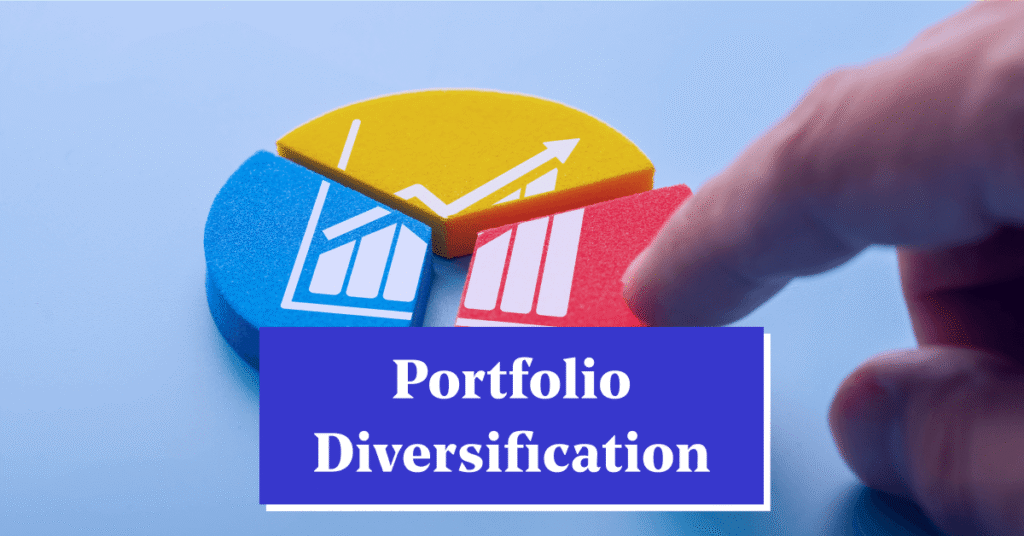
Combine Real Estate with Diversified Investment Portfolios
Real estate is powerful, but it becomes even more effective when combined with other investments such as stocks, mutual funds, fixed income, or REITs (where available). Comparisons from platforms like KASB and PSX highlight how portfolios blending real estate with financial instruments balance growth and stability.
By diversifying, investors reduce dependency on a single asset class and protect their wealth against economic swings, hence making it the best way to invest money in Pakistan.
Why Diversification Works
Real estate offers stability and appreciation.
Stocks provide liquidity and short-term gains.
Mutual funds offer managed, diversified exposure.
Together, they create a balanced investment strategy.
Pros
Balanced Risk-Return Profile: Smooths out market volatility.
Better Financial Security: Multiple revenue streams and long-term growth.
Cons
Requires Planning: Investors must align risk tolerance with asset allocation.
Risk Assessment Needed: Not all assets perform well simultaneously.
How to Choose the Right Real Estate Investment in Pakistan
Selecting the right real estate investment requires careful planning and research. With countless new housing societies, commercial projects, and emerging urban zones across Pakistan, understanding the fundamentals is one of the best way to invest money in Pakistan.
Budget Planning
Start by defining a realistic budget. Consider not just the purchase price but also related costs such as taxes, development charges, transfer fees, and potential renovation expenses. A clear budget prevents overextension and helps you compare options effectively.
Location Analysis
Location remains the strongest driver of property value. Look for areas with:
Growing population movement
Upcoming infrastructure projects
Proximity to schools, hospitals, business districts, and main roads
Prime locations or regions with development momentum tend to appreciate faster and attract better rental demand.
Developer Reputation
Always research the developer’s track record. Reputable developers consistently deliver high-quality projects on time. Review:
Previous project performance
Delivery timelines
Community feedback
A credible developer greatly reduces risk and increases investment confidence.
Legal Documentation (NOC, Registry)
Never proceed without verifying the legal status of the project. Ensure:
NOC approval from the relevant authorities
Clear land ownership
Proper registry and transfer processes
Legal clarity protects you from fraud, disputes, and future complications.
Market Timing
Real estate cycles fluctuate. Buying during a buyer-friendly phase, when prices are stable and supply is high, can significantly improve ROI. Keep an eye on economic trends, government policies, and market sentiment.
Future Development Plans
Areas with planned infrastructure, such as new roads, commercial zones, educational institutions, and transport links, often experience strong appreciation. Confirm whether the locality has updated master plans or government-backed development projects.
Common Mistakes to Avoid When Investing in Real Estate
Even experienced investors can make costly mistakes. Awareness of these common pitfalls can save you time, money, and stress in the long run.
Buying Without Proper Verification
Never purchase a property without confirming its legal status, NOC, developer credibility, and actual on-ground progress. Lack of due diligence is one of the biggest causes of real estate losses in Pakistan; hence, it is not the best way to invest money in Pakistan.
Falling for Marketing Hype
Billboards, glossy brochures, and social media ads can be misleading. Do not invest based solely on promotions. Always verify the project’s legitimacy, demand, and development potential.
Investing Only Because Others Are
Following the crowd can lead to poor decisions and is not the best way to invest money in Pakistan. A friend or relative’s investment may not align with your financial goals, budget, or timeline. Choose assets that match your personal strategy.
Not Considering Long-Term Costs & Taxes
Hidden costs such as maintenance charges, taxes, renovations, and transfer fees can affect overall profitability. Ignoring these expenses may result in lower-than-expected returns.
Ignoring the Rental vs. Resale Strategy
Every property should have a clear purpose. Ask yourself:
Do I want steady rental income?
Am I aiming for resale at a higher value?
Confusion between these strategies may lead to mismatched expectations and weaker returns.
Conclusion | Best Way to Invest Money in Pakistan
Investing in Pakistan’s real estate market is the best way to invest money in Pakistan. It offers some of the best investment opportunities, providing long-term growth and stability. With thoughtful planning, proper verification, and strategic location choices, investors can achieve strong returns and secure their financial future through property investment.
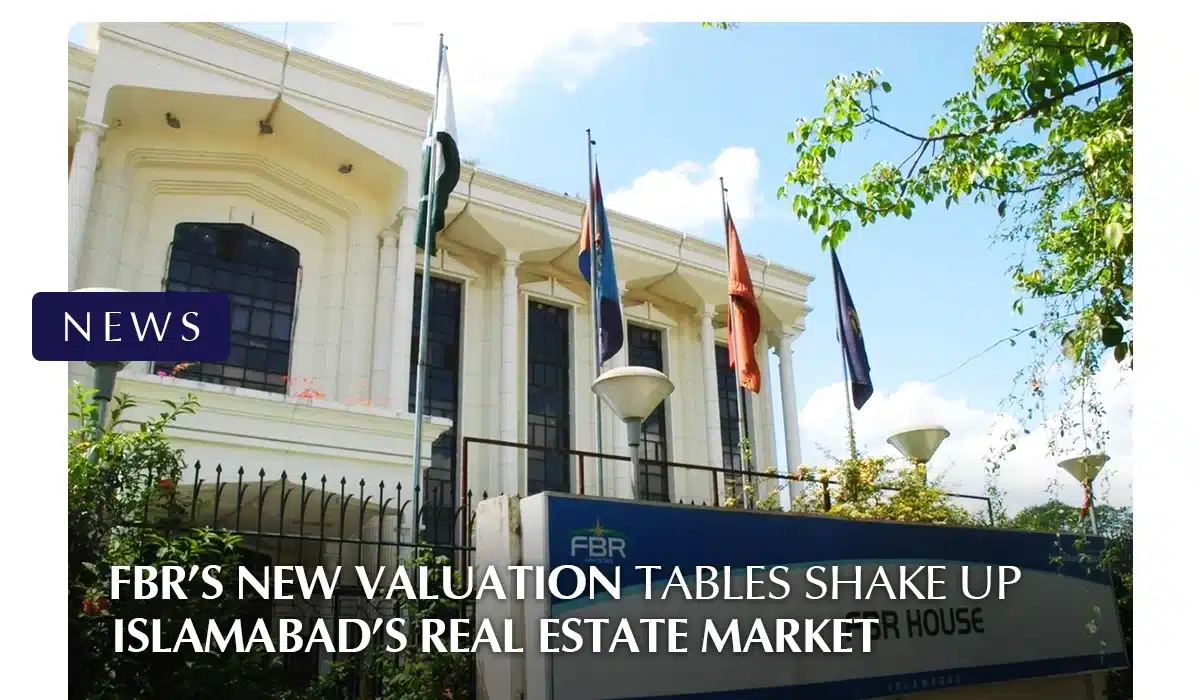
ISLAMABAD: The Federal Board of Revenue (FBR) has issued revised property valuation rates for 68 localities across the capital, significantly increasing taxable benchmarks for residential, commercial, and rural properties. The new rates take immediate effect and are aimed at aligning declared transaction values with prevailing market prices.
According to SRO 2392, FBR has set the valuation of residential and commercial superstructures at Rs 4,000 per square foot for buildings up to five years old and Rs 3,000 per square foot for older constructions. Rural property valuations will continue under the Islamabad District Collector’s mandate.
Several high-end sectors have seen substantial increases. E-7 has become the most expensive locality with residential plots now valued at Rs 600,000 per square yard. Sectors F-7 and F-6 are each valued at Rs 500,000 per square yard, while F-8 stands at Rs 450,000. Meanwhile, sectors F-10, F-11, and G-6 have been revised to Rs 350,000 per square yard.
Farmhouse valuations have also been updated sharply, with Chak Shahzad reaching Rs 11.2 million per kanal and Gulberg Green rising to Rs 17.55 million per kanal. Commercial plots show some of the steepest adjustments, with D-12 and E-11 now valued at Rs 1 million per square yard, and premium commercial areas in E-7 and F-7 at Rs 2.5 million per square yard.
FBR officials stated that the updated valuation tables are intended to enhance documentation, increase transparency, and ensure more accurate capital gains and withholding tax assessments in Islamabad’s property market.
In a country where economic volatility, rising inflation, and frequent currency fluctuations constantly reshape financial realities, many Pakistanis struggle to find safe yet rewarding ways to grow their savings.
Whether you’re a salaried individual, an entrepreneur, or a non-resident Pakistani sending money back home, the search for the best return on investment in Pakistan has become more critical and more challenging than ever.
With so many investment opportunities in Pakistan available today, ranging from stocks and mutual funds to savings instruments and real estate, the key question remains: Which investment avenue consistently offers strong returns while protecting long-term wealth? And more importantly, why does property so often rise to the top of that list?
In this blog, Chakor Ventures will break down Pakistan’s primary return-on-investment options, compare their risk-reward profiles, and explore why real estate continues to dominate investor preference across the country.
Overview of the Investment Landscape in Pakistan
Pakistan offers a wide range of investment opportunities, each with its own balance of risk, return, and liquidity. Understanding these options helps investors align their choices with their financial goals, whether they seek growth, stability, or passive income.
Investment Type
Risk Level
Return Potential
Liquidity
Best For
Stock Market (PSX)
High
High (but volatile)
High
Investors seeking growth and comfortable with risk
Mutual Funds
Medium
Moderate to High
Medium–High
Those wanting diversification and professional management
Investors wanting inflation protection and asset security
Savings Accounts & Bank Deposits
Very Low
Low
High
Beginners or those needing quick access to funds
Real Estate (Property)
Medium
Moderate to High (long-term)
Low
Investors with long-term goals and sufficient capital
Real Estate Investing- Best Return On Investment Option in Pakistan
Property continues to outperform many other investment options in Pakistan due to its stability, long-term value, and dual-return structure.
Tangible Asset, Inflation Hedge & Long-Term Value Preservation
Real estate investing offers a sense of security because it is a visible, physical asset that holds intrinsic value. This makes it especially appealing in a market where trust in financial instruments can fluctuate.
Key points:
Physical & tangible asset
Investors prefer something real and secure, “something you can see and own.”
Adds emotional and financial reassurance compared to paper-based investments.
Natural hedge against inflation
As inflation rises, property prices and rental yields typically increase.
Helps preserve purchasing power in Pakistan’s high-inflation environment.
Strong long-term appreciation
Urbanisation and rising population pressure keep demand high for housing and commercial units.
Higher demand in major cities leads to upward price trajectories.
Dual Benefit: Capital Appreciation + Rental Income
Real estate stands out because it delivers two forms of return, making it a comprehensive wealth-building tool.
Key points:
Capital appreciation over time
Property values tend to rise as areas develop and infrastructure improves.
Long-term investors benefit from consistent market growth.
Steady rental income
Generates passive income through monthly or annual rentals.
Offers cash flow even while the property appreciates in value.
Legacy-building asset
Ideal for investors with substantial capital seeking long-term security.
It can be passed down through generations, maintaining wealth stability.
Less Volatile Than Stocks, Lower Risk
Compared to the stock market, which reacts instantly to political and economic changes, property prices move gradually, making it a more predictable investment.
Key points:
Lower day-to-day volatility
Real estate values don’t fluctuate dramatically as stock prices do.
Offers peace of mind for conservative investors.
Reduced exposure to speculation
Property markets tend to be steadier and less affected by short-term news cycles.
Suitable for investors focused on stability rather than fast gains.
Ideal for long-term horizons
Works well for individuals who prefer predictable, gradual growth over high-risk trading.
Opportunities in Emerging / High-Demand Areas
Pakistan’s expanding cities and ongoing infrastructure development create promising opportunities for high returns, especially for early investors.
Key points:
Urban expansion drives demand
Development of new housing schemes and commercial hubs increases property values.
New cities and zones offer strong potential for appreciation.
Infrastructure-led growth
Roads, transport networks, and commercial activity boost nearby property values.
Early investment in developing areas often yields above-average gains.
High returns in commercial real estate
Shops, offices, and mixed-use spaces generally produce higher rental yields than residential units.
An attractive choice for investors seeking high annual income.
Property vs Other Investment Opportunities in Pakistan
To understand where the best return on investment in Pakistan truly lies, it’s essential to compare major asset classes across key factors: entry cost, liquidity, risk level, expected returns, and the type of investor each option suits.
The table below summarises how real estate stacks up against the most common investment opportunities in Pakistan.
Which investment is best for high returns in Pakistan?
Among all the best return on investment in Pakistan options, real estate often offers the most stable and high long-term returns.
How to get 10,000 monthly income?
You can achieve this through rental income, high-yield savings certificates, or dividend-paying investments which offer the best return on investment in Pakistan.
What investment is 100% safe?
Government-backed instruments like National Savings Schemes are among the safest options for the best return on investment in Pakistan
What is a 50% return on investment?
It means your investment doubles in value.
Which is the highest return investment?
High-growth real estate and equities often deliver the highest long-term return on investment in Pakistan, though with varying levels of risk.
Is 50% ROI possible?
Yes, but typically, only high-risk investments or rapidly appreciating real estate markets offer the best return on investment in Pakistan.
Is a 30% return on investment good?
Yes, 30% is an excellent return in most markets, including Pakistan.
How to make 30% return?
High-growth stocks or emerging real estate projects may deliver 30% best return on investment in Pakistan under favourable market conditions.
Is 40% return on investment good?
Yes, a 40% ROI is exceptional and is usually associated with high-risk or high-growth opportunities.
Which type of investment gives the highest return?
Equities and real estate historically offer the highest long-term best return on investment in Pakistan.
Is 20% return possible? Best return on investment in Pakistan.
Yes, 20% best return on investment in Pakistan is achievable in strong stock markets or rapidly growing real estate sectors.
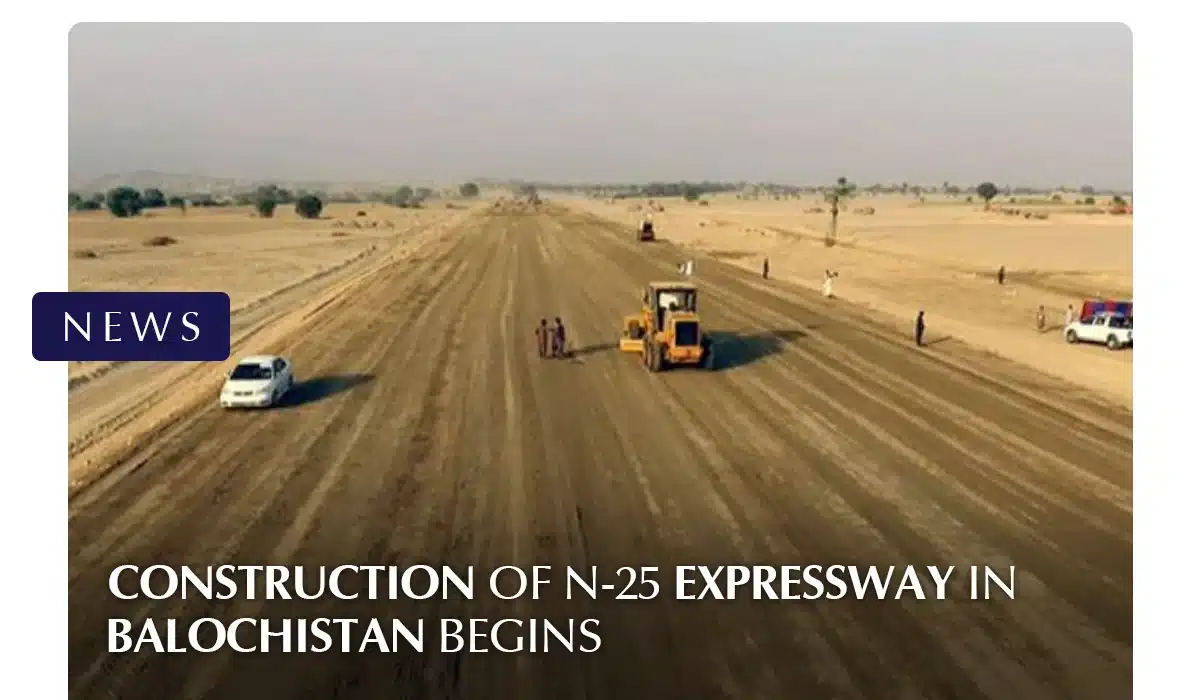
ISLAMABAD: The National Highway Authority (NHA) has officially commenced the long-awaited construction of the N-25 (Pakistan Expressway) in Balochistan, a landmark project aimed at improving connectivity and fostering economic growth in the region. Spanning 800 kilometres, the highway will connect major cities, including Karachi, Quetta, and Chaman, and is expected to significantly reduce travel time between key points in Balochistan.
Prime Minister Shehbaz Sharif, who announced the project earlier this year, emphasised its strategic importance for Balochistan, Pakistan’s largest province by area. In a recent meeting, Federal Communications Minister Abdul Aleem Khan highlighted that the expressway would be a transformative step for the province’s socio-economic development, enhancing trade, transportation, and public convenience. Minister Khan also reviewed the progress of other infrastructure projects in Balochistan, including the M-8, which is vital for improving connectivity to the Gwadar Port.
The Karachi-Chaman National Highway, previously known as the “Khooni Road” due to frequent accidents, will be reconstructed in its entirety under the N-25 project. The reconstruction, which has been approved at an estimated cost of Rs300 billion to 350 billion, will reduce travel time from 18 hours to just six hours, vastly improving safety and efficiency along the route.
Additionally, work on the Lyari Expressway in Karachi is also progressing, with Minister Khan ordering the early completion of the remaining sections. This expressway will be developed as a model road, with advanced standards for cleanliness, landscaping, and beautification.
The N-25 expressway is expected to be a four-lane dual carriageway, with completion set for two years. The project is seen as a crucial lifeline for Balochistan’s prosperity and a catalyst for regional development.
In today’s economic climate of uncertainty and inflation, Pakistanis are increasingly re‑evaluating how to grow and protect their wealth. Both the stock market and real estate present distinct advantages, offering unique opportunities for financial growth. With rising interest in long‑term wealth building and easier access to markets, this blog at Chakor Ventures compares the best stocks to invest in Pakistan and real estate investment in Pakistan to help you make informed decisions and diversify your portfolio.
What is Investment and Why Is It Important?
Investment refers to the process of committing capital to a venture or asset with the expectation that it will generate returns or income over time. This can include a wide range of assets such as stocks, bonds, real estate, or even starting a business.
The goal is to grow the initial investment through appreciation, dividends, interest, or rental income. Essentially, investing allows individuals to put their money to work in hopes of earning a return greater than simply holding onto it.
Purpose of Investing
The main reasons people invest are to grow wealth, preserve purchasing power, create passive income, and build long-term financial security.
Growing Wealth: Investing is one of the most effective ways to accumulate wealth over time. By choosing the right assets, individuals can significantly increase their financial holdings, often achieving returns greater than those offered by savings alone.
Preserving Purchasing Power: As inflation erodes the value of money over time, investing in assets such as the best stocks to invest in Pakistan or real estate can help protect against this loss of purchasing power. Both equities and real estate have historically provided returns that outpace inflation.
Creating Passive Income: Certain investments, like dividend-paying stocks or rental properties, offer passive income streams. This is particularly important for those looking to supplement their regular income or achieve financial independence without active involvement.
Building Financial Security: Thoughtful investment practices help secure one’s financial future by providing a cushion for retirement, major life events, or unexpected financial challenges.
Both real estate and stocks are key asset classes that serve these purposes. While stocks offer higher liquidity and potential for growth, real estate provides stability and the opportunity for rental income and long-term appreciation. Each asset class plays a unique role in building a diversified, resilient portfolio.
Best Stocks to Invest in Pakistan & How to Invest in Stocks
The stock market in Pakistan presents a relatively low barrier to entry for investors, especially when compared to real estate. Unlike property investments that require substantial capital, the best stocks to invest in Pakistan can be purchased in small amounts. This makes them accessible to a wide range of individuals, regardless of their financial standing.
For example, with just a few thousand rupees, anyone can start investing in Pakistan’s stock market. This accessibility, paired with the potential for high returns, has made the stock market an appealing option for small and medium-sized investors looking to grow their wealth over time.
Why Stocks are Attractive
Attribute
Best Stocks to Invest in Pakistan
Liquidity
Stocks can be bought or sold easily, allowing for quick access to funds.
Flexibility & Lower Entry Barrier
No large lump-sum down payments needed. Suitable for small or medium-sized investors.
Potential for Growth
Historically, equities have shown strong long-term growth, especially with reinvested dividends.
Liquidity: One of the key advantages of investing in stocks is their liquidity. Stocks can be bought and sold with relative ease through brokerage firms, which means investors can access their funds quickly when needed.
Flexibility and Lower Entry Barrier: Unlike real estate, which often requires a significant upfront investment (down payments, property maintenance, etc.), even the best stocks to invest in Pakistan offer much lower entry costs. This makes them ideal for investors who may not have large sums of money to commit but still want to benefit from the growth potential of the market.
Potential for Higher Growth: Equities, particularly over the long term, have historically provided robust returns when compared to other asset classes. The stock market has been a primary driver of wealth generation, especially when dividends are reinvested.
Best Stocks to Invest in Pakistan | How to Invest?
Step
Description
Select a Brokerage
Choose a reputable brokerage or trading platform that offers access to the Pakistan Stock Exchange (PSX).
Open a Trading Account
Set up an account with the selected broker, providing the necessary identification and bank details. Some brokers may have a minimum deposit requirement.
Study Companies/Sectors
Research potential companies and sectors, focusing on strong financials and growth potential. Industries such as banking, energy, and technology are often profitable.
Follow Market Trends
Keep track of market news and trends to make informed investment decisions. Utilise tools and charts provided by brokers to monitor stock performance.
Invest Systematically
Consider a systematic investment approach by investing regularly, rather than trying to time the market. Diversify your portfolio to minimise risk.
Risk Management | Best Stocks to Invest in Pakistan
Before diving into stock investments, it’s critical to conduct thorough research. This includes understanding a company’s fundamentals, such as revenue growth, profit margins, and debt levels, and analysing broader economic indicators.
Avoid jumping into stocks based on short-term trends or rumours; instead, make decisions based on sound analysis and long-term investment goals.
Furthermore, diversification is key to managing risk. By spreading investments across multiple sectors or companies, you can reduce the impact of any single stock’s underperformance.
Potential Sectors for Best Stocks to Invest in Pakistan
While investors need to conduct their own research and due diligence, certain sectors in Pakistan have shown promising performance. These include:
Sector for Best Stocks to Invest in Pakistan
Growth Drivers
Banking & Financials
Strong demand for financial services in a growing economy.
Energy
Oil, gas, and power generation companies benefit from domestic demand and global market conditions.
Technology
The expanding tech ecosystem offers growth, especially in IT services and startups.
Manufacturing & Consumer Goods
Growing middle class increases demand for consumer goods and manufactured products.
However, market conditions fluctuate, and it’s important to assess current data and trends before making any investment. Always consult with a financial advisor or do in-depth research before deciding on specific stock picks.
Real Estate Investment in Pakistan
Real estate remains one of the most popular and trusted investment classes in Pakistan. Many investors are drawn to real estate due to its tangible, physical nature. Unlike paper assets like stocks, property is something you can see and touch, providing a sense of security.
This characteristic makes it particularly appealing in Pakistan, where economic volatility can affect financial markets. Real estate has traditionally been considered a safe haven for wealth preservation, offering stability and long-term growth potential.
Additionally, real estate investments are less volatile than stocks, which can fluctuate based on market sentiment. This stability, combined with the long-term appreciation potential, makes real estate a favoured investment class among local and international investors.
Types of Real Estate Investments
In Pakistan, there are several avenues for investing in real estate, each catering to different investor needs and goals. Below are the primary types of real estate investments:
Type of Investment
Description
Residential Properties
Houses, apartments, and other residential properties are popular for long-term growth and rental income.
Commercial Properties
Includes office buildings, retail spaces, and warehouses. These typically offer higher rental yields but carry greater risk.
Land
Investing in land offers significant growth potential, especially in developing urban areas. Land requires little maintenance and can appreciate substantially over time.
Rental Properties
Purchasing properties for rent provides a steady cash flow through rental income, with the added benefit of potential property value appreciation.
Development Projects
Investing in real estate development projects, such as residential or commercial developments, allows investors to profit from new construction and major projects.
Why Real Estate is Attractive?
Tangible, Physical Asset: One of the major appeals of real estate is that it’s a tangible asset and a safe investment option. Investors can see, touch, and improve their property, providing a sense of security that paper assets like stocks simply can’t offer. Many people prefer owning something real, as it offers stability and control over their investment.
Potential for Rental Income + Capital Appreciation: Real estate offers two major ways to profit:
Rental Income: Investors can lease residential or commercial properties to generate regular income. This steady cash flow is appealing, especially in high-demand areas.
Capital Appreciation: Properties tend to appreciate in value over time, particularly in rapidly growing urban areas or emerging locations. This makes real estate a strong choice for long-term wealth creation.
Inflation Hedge: Real estate acts as a natural hedge against inflation. As inflation rises, so do property values and rents, helping to preserve the real value of your investment. This makes property a substantial investment in periods of rising prices, as its value typically keeps pace with inflation.
Diversification Benefit: Real estate provides diversification to an investment portfolio. Its performance is often not directly correlated with stock markets, which means it can help stabilise a portfolio that includes more volatile assets, such as stocks. Diversifying with real estate can reduce the overall risk and smooth out returns.
Challenges for Real Estate Investment
High Initial Capital Requirement: Unlike stocks, which can be purchased in smaller amounts, real estate generally requires a substantial upfront investment. Buying property involves a large capital outlay, including down payments, legal fees, taxes, and other associated costs. This high barrier to entry may deter small investors or those without significant savings.
Lower Liquidity: Real estate is a relatively illiquid asset. Unlike stocks, which can be sold quickly through brokerage accounts, selling property takes time. The process of finding a buyer, negotiating terms, and completing legal paperwork can take months. For investors who may need quick access to their capital, this can be a disadvantage.
Additional Costs & Management: Real estate investments require ongoing maintenance, taxes, insurance, and compliance with local laws. Property owners must manage these expenses and may also need to deal with tenants, repairs, and vacancies.
Stocks vs. Real Estate – Which is Better for You?
Key Factor
Stocks
Real Estate
Liquidity & Flexibility
High liquidity, easy to buy/sell
Illiquid, slower transactions
Entry Capital & Accessibility
Lower barrier to entry, affordable for small investors
High cost, often requires larger capital
Risk & Volatility
Subject to market swings, economic cycles
Generally more stable, but subject to market cycles and location-specific risks
Return Potential & Income Streams
Growth via capital gains, dividends
Rental income + property appreciation, inflation hedge
Effort & Management
Passive once invested
Requires active management (maintenance, tenants), legal checks
Personal Factors to Consider
Suitable for small investors, younger individuals, and those seeking liquidity
Ideal for larger investors, those seeking long-term stability and tangible assets
Possibility of a Mixed Portfolio
Combines liquidity and growth potential
Provides stability and tangible value, ideal for risk diversification
Conclusion
In conclusion, both stocks and real estate offer unique benefits and risks. Stocks provide liquidity and growth potential, while real estate offers stability and long-term value. A diversified approach, combining both, can be an effective strategy to balance risk and maximise returns. For more information on investment opportunities in Pakistan visit Chakor blogs.
FAQs | Best Stocks to Invest in Pakistan
Here’s the FAQ with more generic answers:
Is 30% return on investment possible?
Yes, it is possible, but it depends on market conditions and the type of investment.
How to make 30% returns?
By investing in high-growth opportunities, such as stocks or real estate in promising sectors.
Is 30% a good return on equity?
Yes, a 30% return on equity generally indicates strong company performance.
Can mutual funds give 30 percent return?
Some mutual funds, especially those in growth sectors, can potentially yield 30% returns.
What is Warren Buffett’s 90/10 rule?
The rule suggests investing 90% in index funds and 10% in individual stocks for long-term growth.
Is 40% return on investment good?
Yes, a 40% return is considered excellent and often reflects high-growth opportunities.
Which investment gives 50% return?
Certain high-risk investments in stocks or real estate can offer 50% returns under favourable conditions.
What is a 50% return on investment?
A 50% return means that your investment has increased by half of its original value.
Which is the highest return investment?
High-growth stocks or emerging real estate markets often yield the highest returns.
Which mutual fund has 50 percent return?
Aggressive equity mutual funds or sector-focused funds may sometimes achieve 50% returns.
Is 50% ROI possible?
Yes, while rare, a 50% ROI is possible in high-risk, high-reward markets.
What is the 7-3-2 rule?
A guideline for asset allocation: 70% in stable investments, 30% in growth assets, and 20% in safe assets.
What is the best investment in Pakistan right now?
Stocks and real estate, particularly in growing sectors or locations, offer good investment opportunities.
Which investment gives the highest return in Pakistan?
High-growth stocks to invest in Pakistan or real estate in developing areas tend to offer the highest returns.
What investment is 100% safe?
No investment is entirely risk-free, but government bonds are among the safest.
How to get 10,000 monthly income?
Consider investing in dividend-paying best stocks in Pakistan, rental properties, or other income-generating assets.
What are the best 5 stocks to buy now?
Focus on stocks in industries with solid growth potential and strong market fundamentals.
What are the top 3 AI stocks to buy now?
Look for leading tech companies involved in artificial intelligence and innovation in order to invest in the best AI investment stocks in Pakistan.
List some of the Best stocks to invest in Pakistan.
Consider stocks in sectors like banking, energy, and technology that show strong growth potential, some of the best stocks for investing in Pakistan.
What are the top performing stocks listed on the Pakistan Stock Exchange?
Sectors like banking, energy, and consumer goods tend to have top-performing and best stocks to invest in Pakistan.
Which sectors in Pakistan show the most promising stocks for investment?
The technology, banking, and energy sectors are promising for investment in Pakistan.
Where can I find reliable stock market analysis for Pakistani companies?
Use brokerage platforms, financial news websites, or market analysis services for reliable stock information, which can help you invest in some of the best stocks in Pakistan.
What are the safest and best stocks to invest in Pakistan for long-term growth?
Large-cap companies in stable sectors such as banking and energy tend to be safer for long-term growth.
Which Pakistani companies are leading in technology and show investment potential?
Leading tech companies and IT service providers in Pakistan are showing investment potential, hence offering some of the best stocks to invest in Pakistan.
How can I track the performance of top Pakistani stocks in real time?
Use stock trading platforms or financial websites that provide real-time performance tracking.
What are the emerging industries in Pakistan with high stock growth potential?
Technology, renewable energy, and consumer goods are emerging sectors with high growth potential.They mostly offers some of the best stocks to invest in Pakistan.