
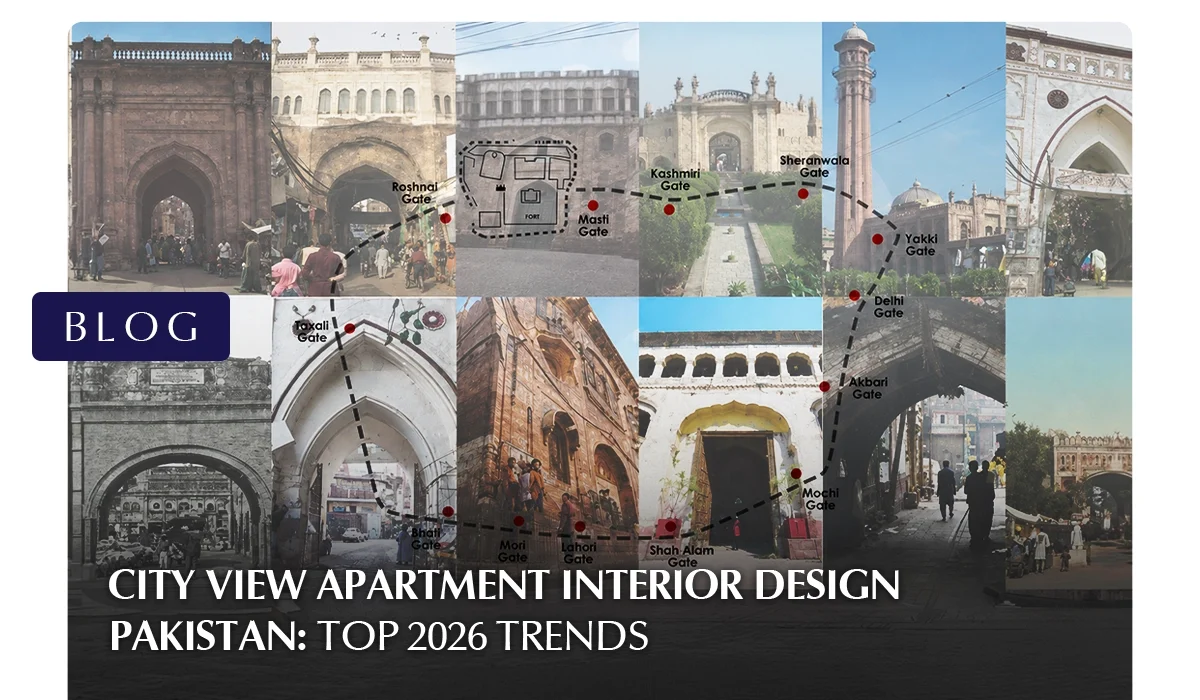

Lahore, the cultural soul of Pakistan, carries its history not just in its food, music, and poetry, but literally written in brick and mortar across its ancient skyline. Among its most iconic heritage structures are the gates of Lahore, thirteen magnificent portals that once guarded the Walled City from invaders, regulated trade, and served as the beating pulse of daily life for centuries.
Whether you are a history enthusiast, a curious traveller, or simply a Lahori who has passed through these ancient arches a hundred times without knowing their stories, this guide will take you through every single one of them, their origins, their legends, their architecture, and their fate.
The Walled City and the Story Behind the Gates of Lahore
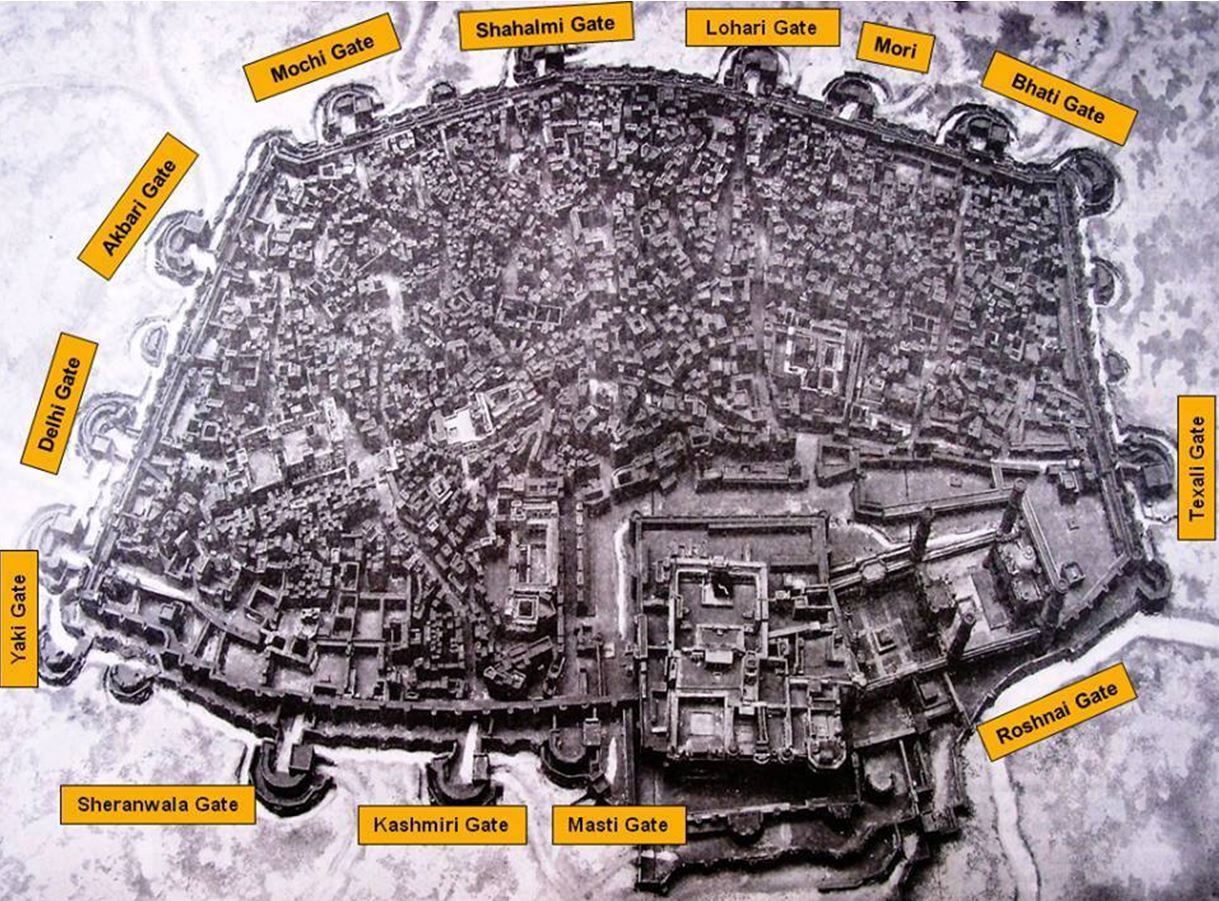
To understand the gates of Lahore, you must first understand the city they once protected. During the Mughal era, the old city of Lahore was encircled by a formidable brick wall standing nearly 30 feet high, with a protective rampart running along its perimeter. A circular road around this rampart connected all thirteen entry points, each one serving a distinct purpose:
- Strategic: Defending the city against invaders and controlling military access
- Commercial: Regulating trade, collecting taxes, and monitoring goods entering the city
- Cultural: Serving as community landmarks tied to saints, clans, and royal figures
The credit for formalising and fortifying these gates of Lahore largely goes to the third Mughal Emperor, Jalal-ud-Din Muhammad Akbar, who rebuilt and reinforced the city’s defences in the mid-16th century. These gates were not merely doors; they were fully functional administrative checkpoints that served multiple roles every single day:
- Tax collection from merchants and traders passing through
- Traveller verification to screen those entering the walled city
- Nightly security enforcement, with heavy wooden shutters swung shut at dusk to protect residents
Over centuries, the gates of Lahore witnessed the rise and fall of three great powers:
- The Mughal Dynasty, which built and originally fortified all thirteen gates of Lahore
- The Sikh Empire under Maharaja Ranjit Singh, during whose declining rule, the gates were neglected and fell into disrepair
- British Colonial Rule, which demolished several gates of Lahore and reconstructed others, leaving a European architectural imprint on some of them.
Today, the Walled City Lahore Authority (WCLA) continues active efforts to preserve, restore, and document what remains of this extraordinary heritage for future generations.
All 13 Gates of Lahore at a Glance
Before diving into each gate’s story, here is a quick reference to all thirteen gates of Lahore, their alternate names, and whether they survive today:
| # | Gate Name | Also Known As | Named After | Built/Rebuilt By | Current Status |
| 1 | Delhi Gate | — | Direction to Delhi | Mughal (Akbar) / British | Standing |
| 2 | Roshnai Gate | Gate of Lights | Evening lamps for worshippers | Mughal (original) | Standing |
| 3 | Bhati Gate | Bhatti Darwaza | Bhati Rajput clan | Mughal / British | Standing |
| 4 | Lohari Gate | Lahori Gate | Blacksmiths of Lahore | Mughal / British (1864) | Standing |
| 5 | Kashmiri Gate | — | Direction of Kashmir | British (late 19th century) | Standing |
| 6 | Sheranwala Gate | Khizri Gate / Lions Gate | Caged lions of Ranjit Singh | Mughal / Sikh era | Standing |
| 7 | Akbari Gate | — | Emperor Jalal-ud-Din Akbar | Mughal / British | Demolished |
| 8 | Yakki Gate | Zakki Gate | Martyr saint Pir Zakki | Mughal | Demolished |
| 9 | Mochi Gate | Mochi Darwaza | Guard Moti Ram / “Morchi” | Mughal | Demolished |
| 10 | Shah Alam Gate | Shah-Almi Gate | Muazzam Shah Alam Bahadur Shah | Mughal | Demolished |
| 11 | Masti Gate | Masjidi Gate | Guard Masti Baloch / Masjid | Mughal | Demolished |
| 12 | Taxali Gate | Texali Gate | Royal Mint (Taxal) | Mughal | Demolished |
| 13 | Mori Gate | Mori Darwaza | “Small hole” / waste outlet | Mughal | Demolished |
Detailed History of the 13 Gates of Lahore
Every gate of Lahore carries a unique soul shaped by the rulers who built them, the legends that named them, and the centuries of history that either preserved or erased them.
1. Delhi Gate: The Grand Eastern Entrance
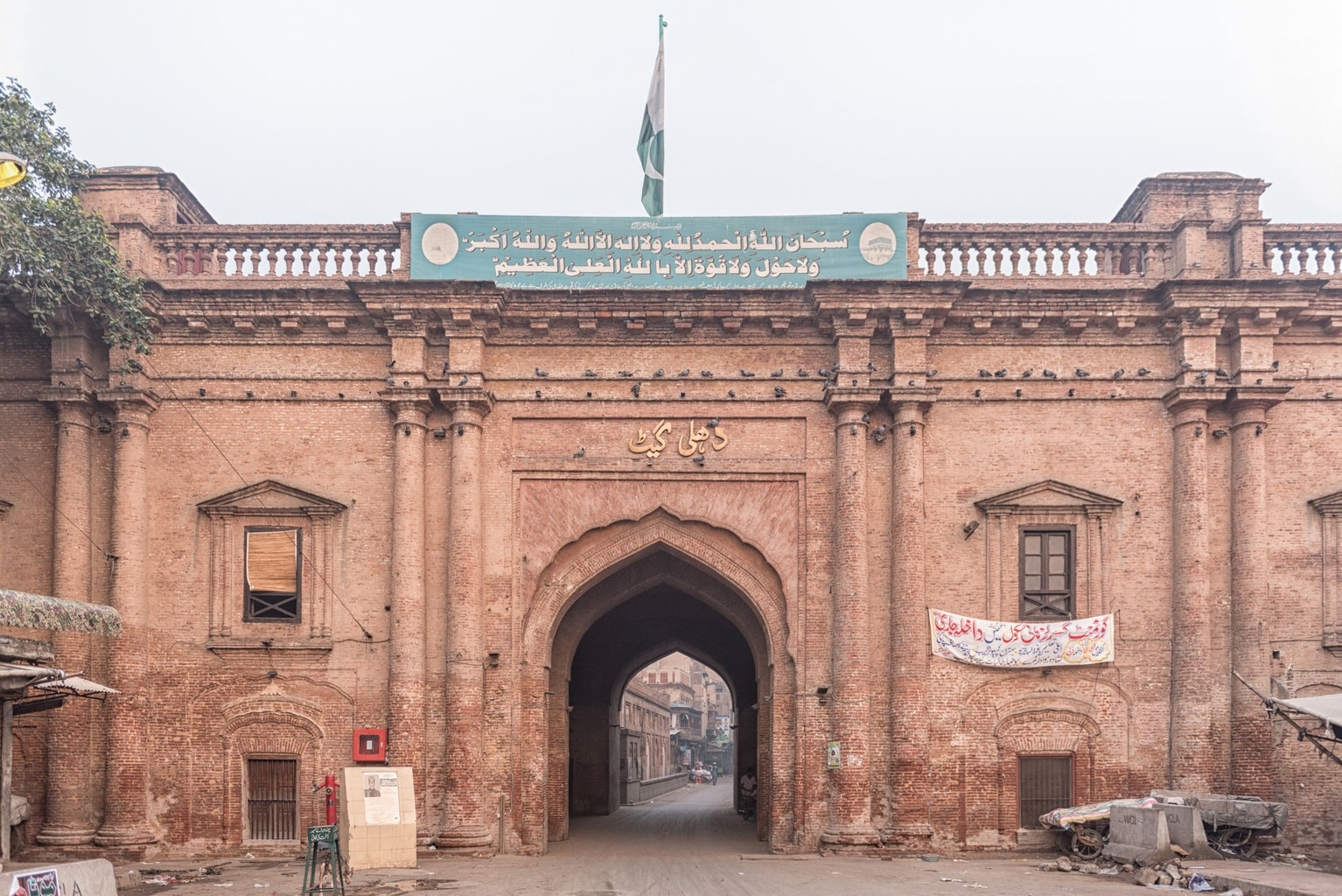
The most architecturally celebrated of all the gates of Lahore, Delhi Gate stands on the eastern side of the Walled City and was once the primary route connecting Lahore to Delhi, the capital of the Mughal Empire.
Built during Emperor Akbar’s reign, it is the largest of the surviving gates, rising three storeys high with thick load-bearing walls, vaulted roofs, and a stunning front portal featuring a double-layered arch and an outer multi-foil arch sitting above an inner four-centred structural arch in pure Mughal style.
Inside Delhi Gate lies one of the world’s most beautiful mosques, Wazir Khan Mosque, barely 200 metres from the entrance. The adjacent Shahi Hammam, the only surviving public bath from the Mughal period, is also located here. Although the structure weakened under British rule, it was restored and today remains an active symbol of Lahore’s living heritage.
2. Roshnai Gate: The Gate of Lights
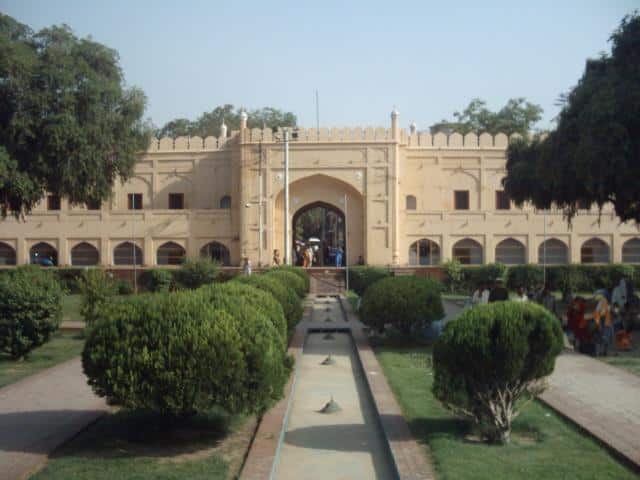
Perhaps the most atmospheric of all the gates of Lahore, Roshnai Gate, meaning “Gate of Lights”, sits between Lahore Fort and the Badshahi Mosque. It was specifically used by courtiers, royal servants, and entourages entering the city from the fort. Every evening, the gate was lit with lamps to guide Muslim residents toward the mosque, giving it its luminous name.
What makes Roshnai Gate truly special is that it is the only gate surviving in its original, unaltered condition, untouched by British reconstruction. Adjacent to it stands Hazuri Bagh, the garden built by Maharaja Ranjit Singh in 1813 to celebrate his acquisition of the Koh-i-Noor Diamond. Today, Roshnai Gate opens into Fort Road Food Street, one of Lahore’s most beloved evening destinations.
3. Bhati Gate: Where Poets and Saints Rest
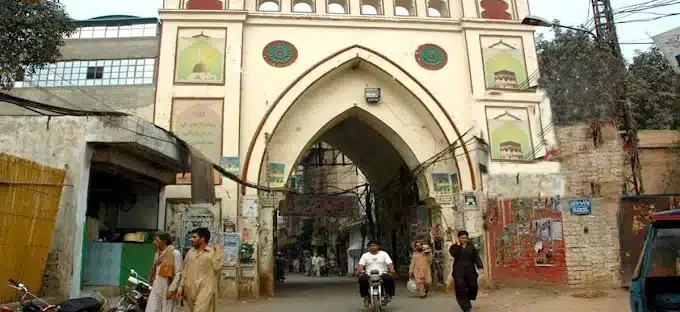
Situated on the western wall of the Walled City, Bhati Gate, among the gates of Lahore, is considered one of the two oldest entry points into the city and controlled the major north-south thoroughfare during the Ghaznavid period. It was named after the Bhati clan of Rajputs who inhabited this quarter in ancient times.
Beyond its military history, Bhati Gate carries deep cultural significance. Just outside it stands the shrine of the great Sufi saint Hazrat Ali Hajweri, Data Darbar, one of the most visited shrines in South Asia. The renowned philosopher-poet Allama Iqbal lived in a house near Bhati Gate between 1901 and 1905 during his years of study. Inside the gate, Hakiman Bazaar and the Fakir Khana Museum continue to draw visitors.
4. Lohari Gate: The Oldest Gate, the Blacksmiths’ Legacy
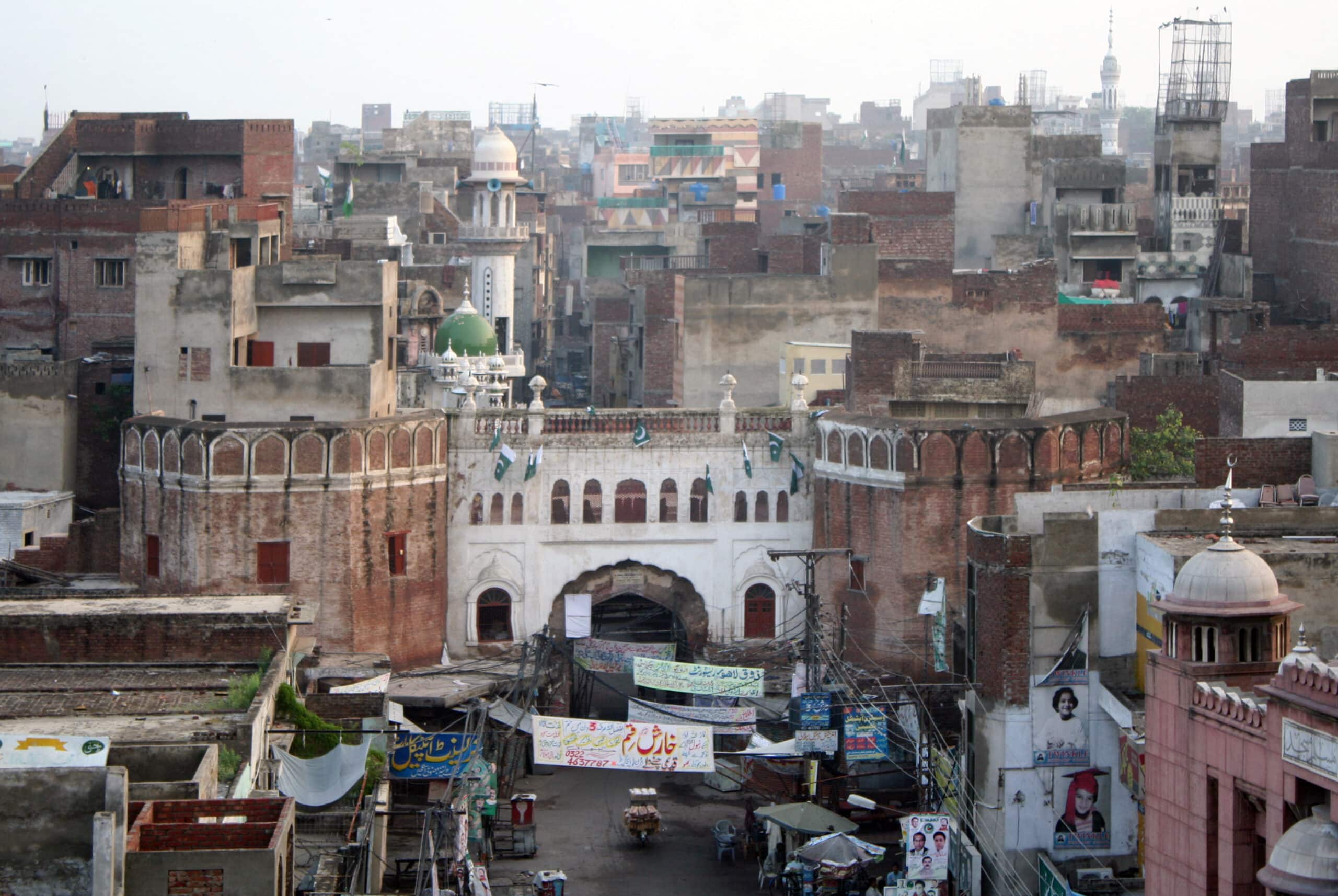
Lohari Gate holds the distinction of being the oldest of the thirteen gates of Lahore, named in honour of the skilled blacksmiths “lohars” who once populated this quarter. The gate was reconstructed by the British in 1864 under the orders of Lieutenant Governor Sir Robert Montgomery, and a marble plaque above its arched entrance still records this history in both Urdu and English.
Notably, among all five British-era reconstructed gates of Lahore, Lohari Gate is the one least influenced by European Gothic Revival styles, retaining much of its original Mughal spatial character. Today, the surrounding neighbourhood is celebrated for its desi food, with Sahib Nihari, Sheikh Chatkhara, and Hafiz Channay among the most beloved names.
5. Kashmiri Gate: Facing the Valley of Kashmir
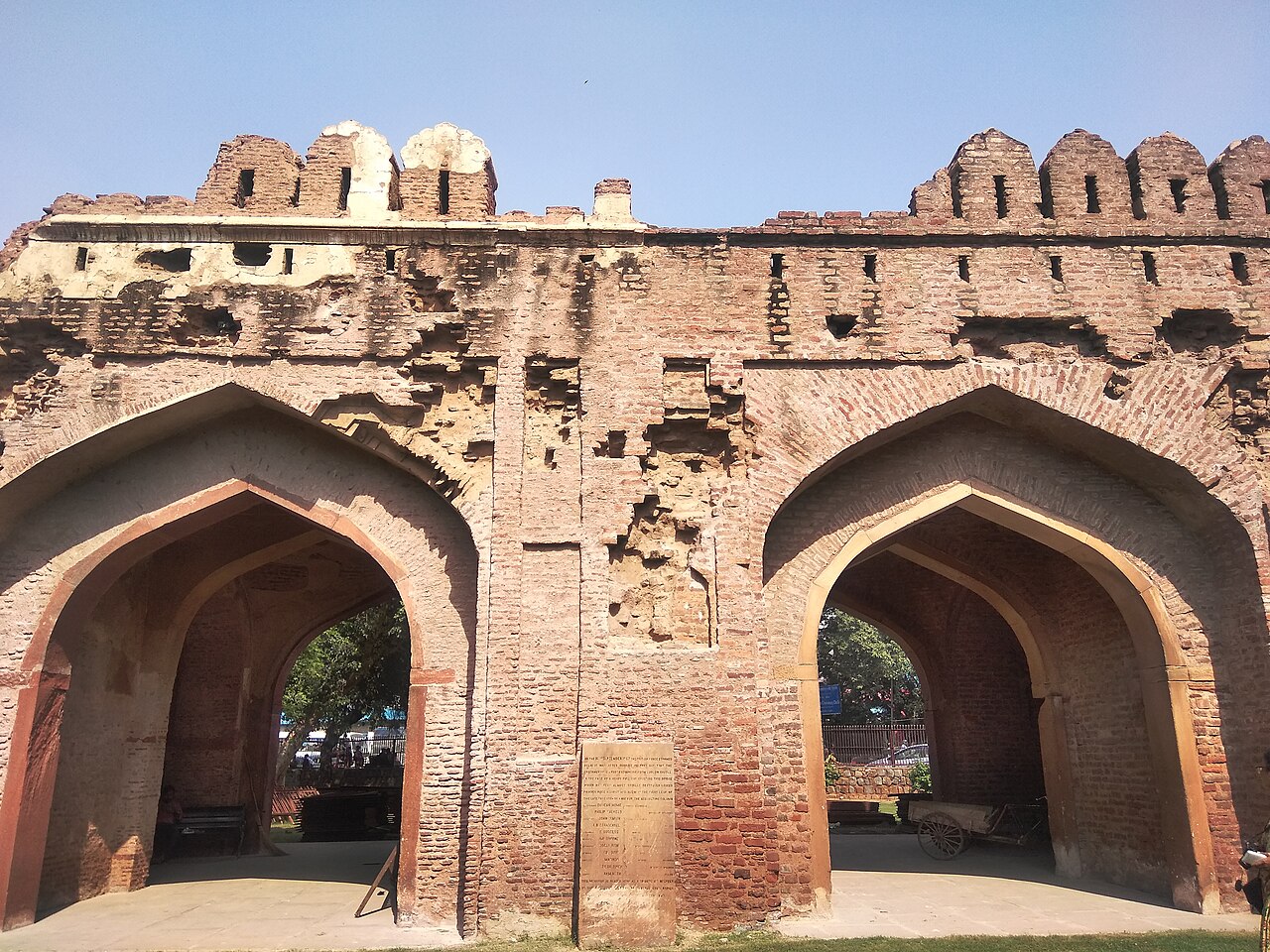
Kashmiri Gate, among the gates of Lahore, earns its name simply from its orientation, which faces Kashmir, and once opened onto the road that led travellers toward the Kashmiri valley during the Mughal period. The present structure was built by the British in the late 19th century in a colonial style and is nearly identical in form to Sheranwala Gate.
Architecturally, it is T-shaped with a Gothic-type arch flanked by heavy piers and minimal ornamentation, a stark contrast to the elaborate Mughal craftsmanship of Delhi Gate. Post-independence, Kashmiri Bazaar inside the gate grew into one of the busiest commercial centres of the Walled City and remains vibrant today.
6. Sheranwala Gate: Guarded by Lions
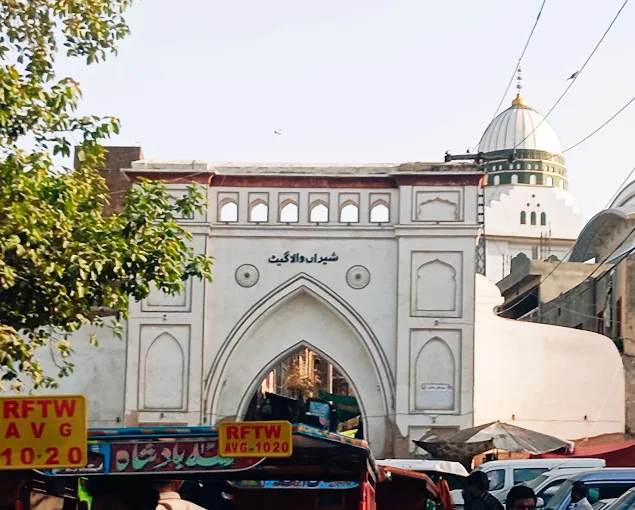
Originally named Khizri Gate after the revered Muslim saint Hazrat Khawaja Khizr Elias, the patron saint of rivers and running waters, this gate earned its modern name during the Sikh era. Maharaja Ranjit Singh famously placed two caged lions at either side of the gate, and the locals quickly renamed it Sheranwala Gate, meaning “the gate with lions.”
The gate faces north between Kashmiri Gate to the west and Yakki Gate to the southeast. Two decorative medallions, shamsas, adorn its central entrance arch, and it retains its wooden-shutter mounts though the shutters themselves are long gone. Its original structure still stands, making it one of the few authentic surviving gates of Lahore.
7. Akbari Gate: Named for the Great Emperor
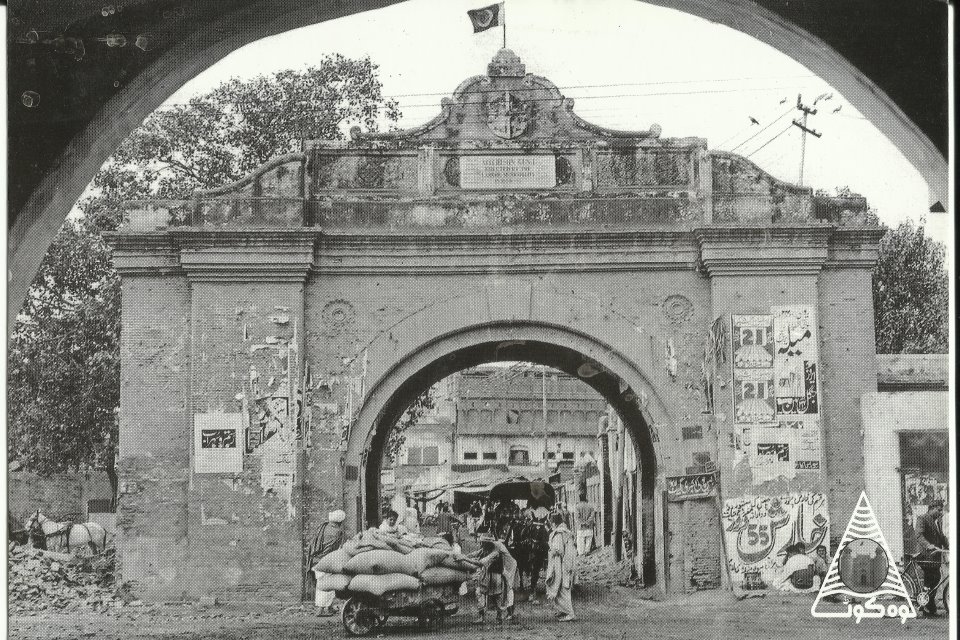
Located approximately 850 metres south of Delhi Gate on the eastern side of the Walled City, Akbari Gate is one of the most historically significant gates of Lahore, named after Emperor Akbar, who rebuilt the nearby town and citadel.
Though the original structure has completely dilapidated and the British-era renovation has also since crumbled, this gate lives on through Akbari Mandi, Lahore’s largest wholesale and retail market for food grains, which still operates vigorously at the same site.
Among all the demolished gates of Lahore, Akbari Gate is perhaps the finest example of how a gateway’s legacy can outlive its physical structure, its name and spirit permanently embedded in the commercial heartbeat of the city.
8. Yakki Gate: The Martyr’s Two Graves
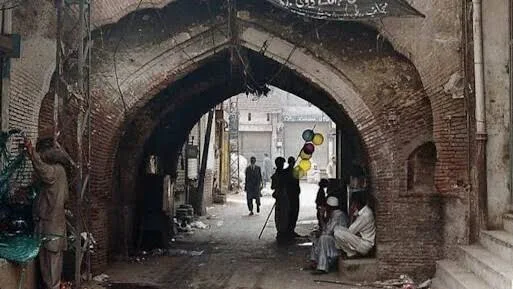
Among the most legend-steeped of all the gates of Lahore, Yakki Gate was originally called Zakki Gate, named after the martyr saint Pir Zakki, who, according to tradition, was beheaded while defending the city against invaders from the north. The legend holds that even after decapitation, his body continued fighting before collapsing, and his head and torso were buried in two separate graves, both venerated to this day.
The gate stood approximately 170 metres east of Delhi Gate. Its physical structure no longer exists, but the nearby alleyways still lead to havelis, including Nadirwali Haveli and Laal Haveli, partially surviving monuments of the Mughal courtier era.
9. Mochi Gate: Trench Soldiers and Ancient Markets
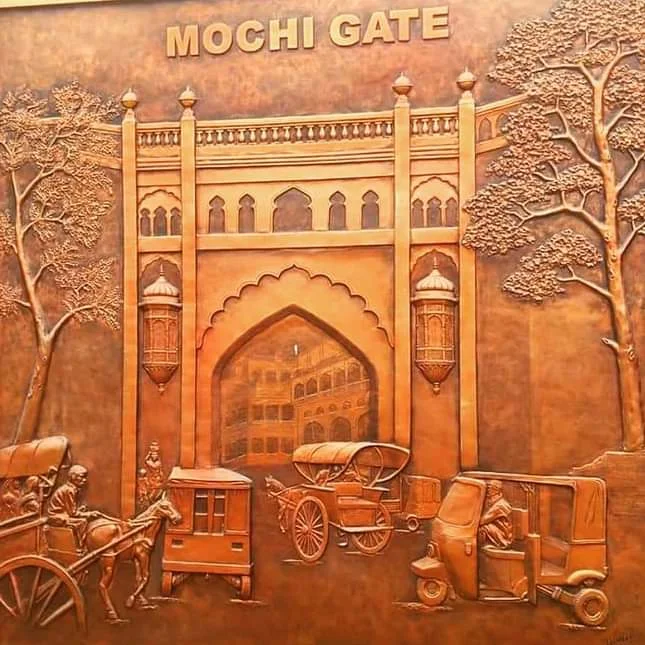
Situated between Akbari Gate and Shah Alam Gate on the southern side of the Walled City, Mochi Gate is subject to two competing naming theories. One attributes the name to Pandit Moti Ram, a devoted guard under Emperor Akbar who guarded the gate until his death, leading rulers to honour him by naming it after him. The other, more linguistically supported theory holds that “Mochi” is a corrupted form of “Morchi”, the Urdu word for trench soldier, as evidenced by nearby streets still bearing names like Mohalla Teer-garan (arrow craftsmen) and Mohalla Kaman-garan (bow craftsmen).
Though the gate structure is gone, Mochi Bagh, right beside it, remains one of Lahore’s most historically charged political grounds among the gates of Lahore, where processions and public gatherings have been held for generations.
10. Shah Alam Gate: Lost in the Fires of 1947
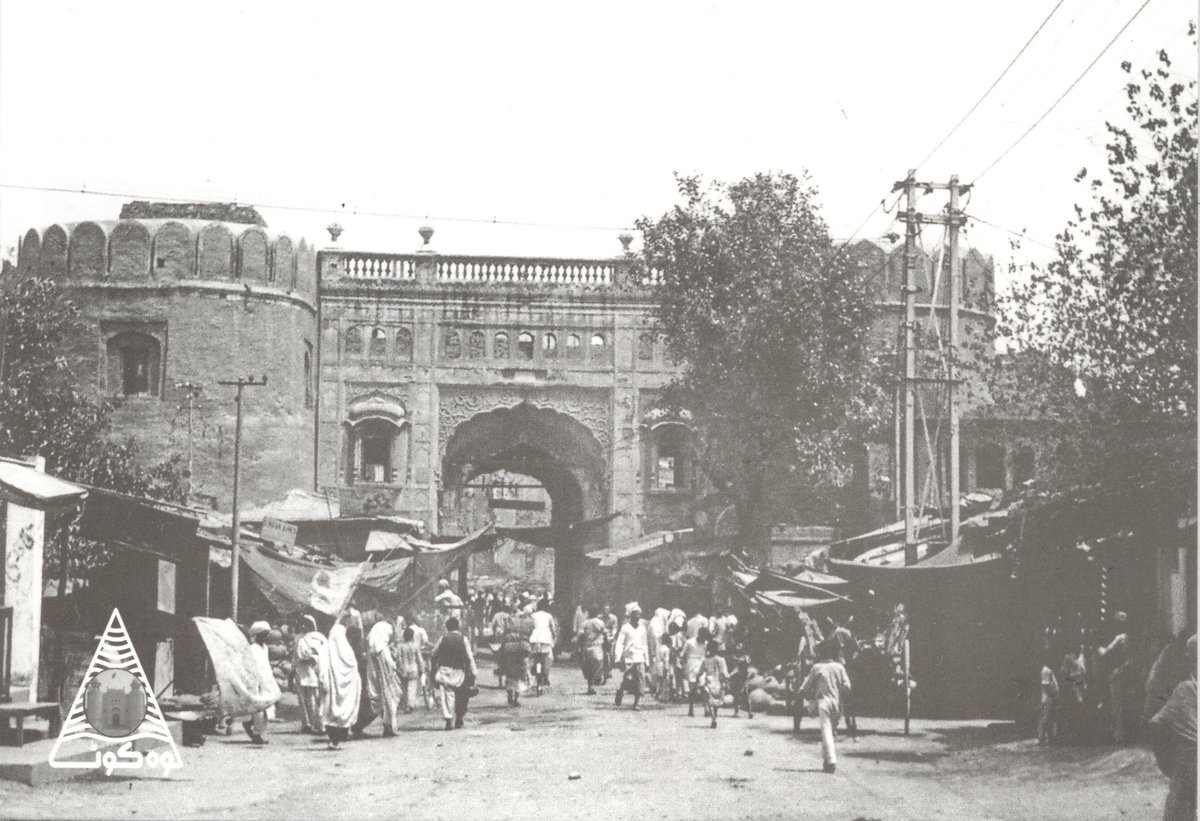 Shah Alam Gate, colloquially known as Shah-Almi, was named after Muazzam Shah Alam Bahadur Shah, the mild and generous son of Aurangzeb, who ruled from 1707 to 1712. Originally called Bherwala Gate, it was burned to the ground during the catastrophic partition riots of 1947, one of the most tragic losses among all the gates of Lahore.
The Government of Pakistan’s 1952 Damaged Area Development Ordinance widened the road from 20 to 80 feet, erasing any remaining traces of the structure. Today, only the name survives, attached to one of Lahore’s busiest wholesale markets, Rang Mahal, where everything from jewellery to electronics is traded.
11. Taxali Gate: Where the Royal Mint Stood
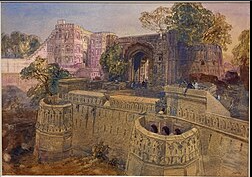 Taxali Gate takes its name from “Taxal”, the royal mint that once operated in its neighbourhood during the Mughal imperial period, making it one of the most economically significant gates of Lahore.
The gate and the mint are both long gone, but the area around Taxali Gate remains legendary for two things: its traditional shoe markets, Khussa, Peshawari, and Kohlapuri chappals and its unbeatable Lahori breakfast, with Phajjai ka Paye and Taj Mahal Halwa Puri drawing crowds every morning.
The Sufi saint Madhu Lal, born here in 1539, adds a spiritual dimension to this neighbourhood’s heritage.
12. Masti Gate: The Guard Who Never Left His Post
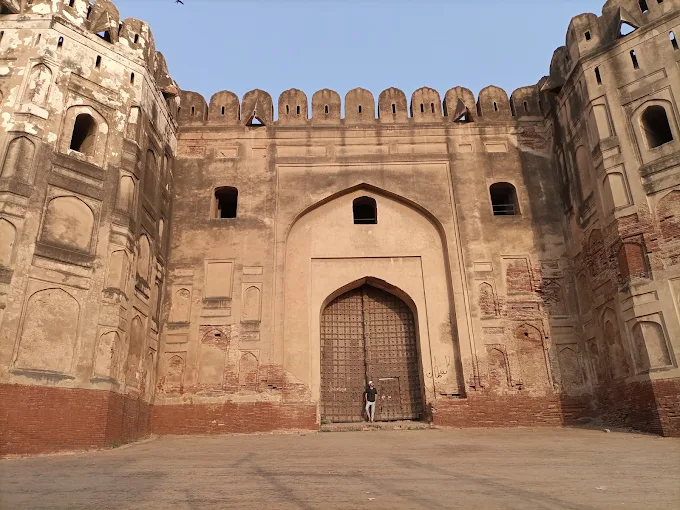
Masti Gate, located behind Lahore Fort on the eastern side, carries two naming legends. The more romantic account attributes it to Masti Baloch, a loyal guard who protected the gate with absolute devotion until his dying breath. The more scholarly interpretation suggests the name derives from “Masjidi” (pertaining to a mosque) in the local Punjabi dialect, which was gradually mispronounced as “Masti.” The nearby mosque of Mariam Makhani, the mother of Emperor Akbar, lends weight to this second theory.
Among the demolished gates of Lahore, the Masti gate no longer exists, but the area remains known for its milk shops serving rabri wala doodh and traditional shoe vendors.
13. Mori Gate: The Smallest of All
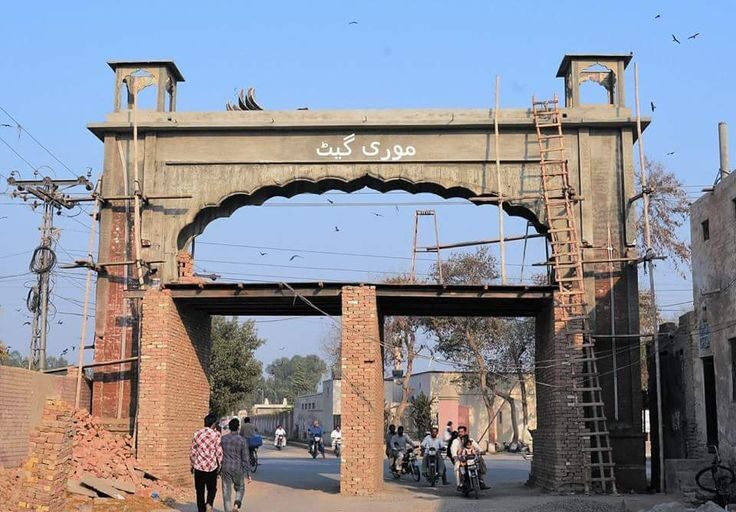
The most humble of the gates of Lahore, Mori Darwaza, was never a grand gateway but rather a functional opening, “mori” meaning “small hole” in Urdu. It lay between Lohari Gate and Bhati Gate and served a very specific purpose: when all twelve major gates were locked at night for security, Mori Gate remained open as the sole access point into the city. It also functioned as an outlet for the city’s refuse and sweepings.
Inside Mori Gate, Chowk Jhanda was once home to Upal Store, the finest desi condiment shop of its era. Urdu Bazaar, famous for books and stationery, sits just across from its former location. The gate itself has vanished, but its legacy as Lahore’s humble, indispensable back door lives on.
Which Gates of Lahore Still Exist Today?
Of the original thirteen gates of Lahore, only six physically survive: Delhi Gate, Roshnai Gate, Bhati Gate, Lohari Gate, Sheranwala Gate, and Kashmiri Gate. Of these, Roshnai Gate is the sole one standing in its original, unmodified form. The remaining five were rebuilt by British colonial authorities during the 19th century, with varying degrees of European architectural influence.
The other seven Akbari, Yakki, Mochi, Shah Alam, Masti, Taxali, and Mori exist today only as neighbourhoods and bazaar names, their physical structures lost to time, neglect, and the violence of 1947.
Final Thoughts: Why the Gates of Lahore Matter
The gates of Lahore are far more than ancient doorways. They are a layered record of every civilisation that shaped this city: Ghaznavid, Mughal, Sikh, and British. Each gate tells a story of a royal guard, a Sufi saint, a Rajput warrior, a caged lion, or a royal mint. Each one anchors a neighbourhood whose food, culture, and social life still pulse with the energy of centuries past.
The Walled City Lahore Authority (WCLA) continues restoration and documentation work, and virtual heritage tours of the gates of Lahore are now available for those who cannot visit in person. But nothing compares to walking through Delhi Gate at dawn, smelling the nihari simmering at Lohari Gate, or standing between the fort and the mosque at Roshnai Gate as the evening lights come on just as they did for worshippers a thousand years ago.
The gates of Lahore are not ruins. They are living, breathing chapters of one of the world’s oldest cities, still telling their stories to anyone willing to listen.
For more informative blogs on topics like Lok Virsa Heritage Museum, Haunted Places in Pakistan and Shakarparian, visit Chakor Blogs.
Sources:

Dedicated and detail-oriented SEO Content Writer, Real Estate Writer, and Research Analyst based in Islamabad, with proven expertise in developing accurate, valuable, and well-researched content. Skilled in analytical writing, market research, and reporting, with the ability to turn insights into clear, professional, and impactful content. Passionate about exploring new ideas, analyzing industry trends, and contributing to high-quality writing and research-driven projects.
