
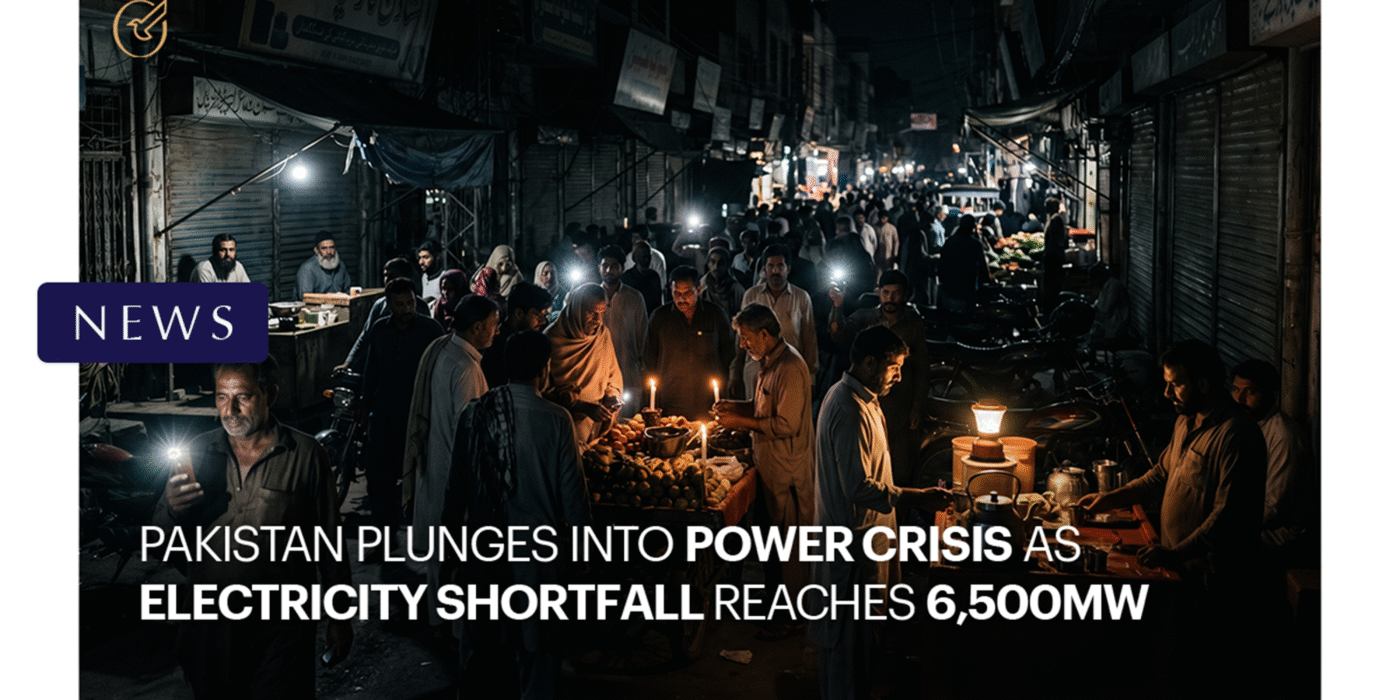

LAHORE/ISLAMABAD: Pakistan is currently grappling with one of its most acute electricity crises in recent years, as the nationwide power shortfall has surged to 6,500 megawatts, plunging millions of households and businesses into prolonged darkness.
According to official data, total electricity demand has climbed to approximately 22,000MW, while the national grid is generating only 15,400MW, a gap that has translated into 8 to 16 hours of outages in various parts of the country. The energy mix currently comprises thermal, nuclear, hydro, wind, solar, and bagasse sources, with thermal contributing the largest share at 9,250MW.
Two primary factors are driving the shortfall. First, hydropower generation has taken a significant hit due to reduced water releases from the country’s dams, with output falling by nearly 2,000MW during peak nighttime hours. Second, gas supply to thermal power plants has been sharply curtailed following a halt in liquefied natural gas (LNG) cargo shipments, which are not expected to resume until early May. Only limited volumes of indigenous gas are currently being diverted to the power sector.
The worst-affected regions include areas under the Multan Electric Power Company, where residents report near-routine outages of 12 to 16 hours. Major cities, including Lahore, Faisalabad, and Kasur, are experiencing recurring power cuts of 3 to 8 hours, contradicting official claims of a minimal urban shortfall.
The Power Division issued a public apology and urged citizens to adopt energy-saving practices, particularly during nighttime hours. Authorities expressed optimism that the situation would ease as the dam water levels rise and RLNG supplies resume.
Meanwhile, a petition has been filed in the Lahore High Court challenging unannounced load shedding, as businesses report mounting losses and households struggle with the onset of summer heat. With peak demand season still ahead, the crisis shows little sign of immediate resolution.
For more news on the economy, real estate, and development, visit Chakor Ventures.

Dedicated and detail-oriented SEO Content Writer, Real Estate Writer, and Research Analyst based in Islamabad, with proven expertise in developing accurate, valuable, and well-researched content. Skilled in analytical writing, market research, and reporting, with the ability to turn insights into clear, professional, and impactful content. Passionate about exploring new ideas, analyzing industry trends, and contributing to high-quality writing and research-driven projects.
