
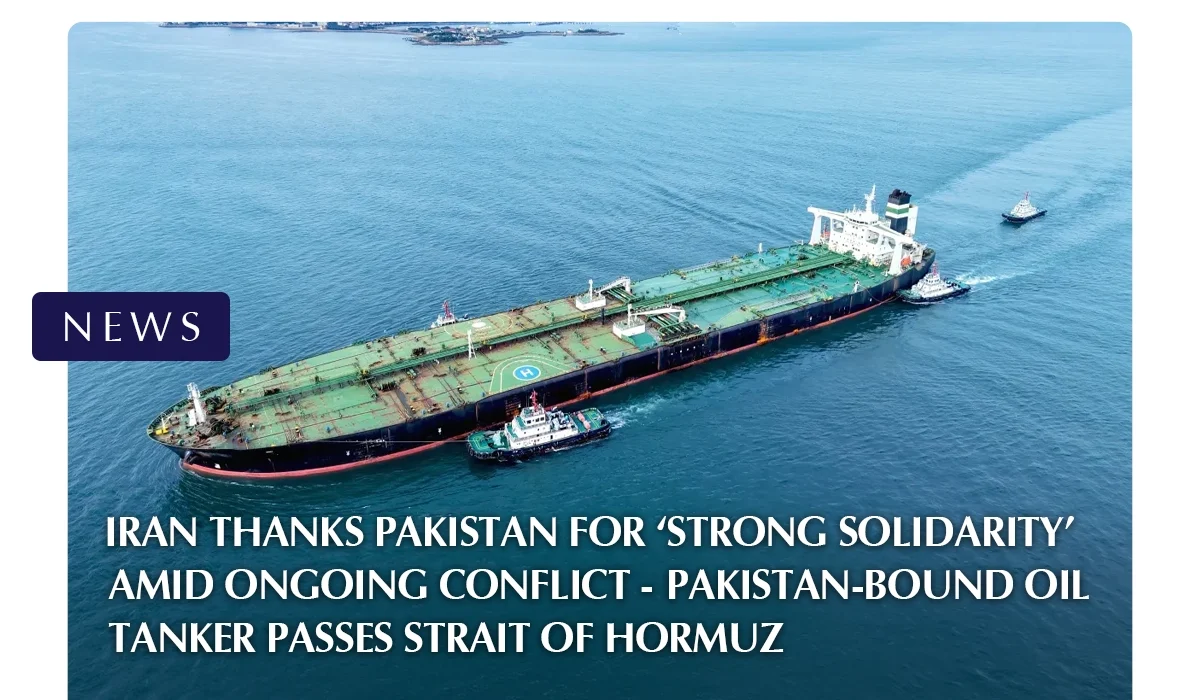

ISLAMABAD: A Pakistan-bound oil tanker successfully transited the Strait of Hormuz over the weekend, marking the first recorded passage of a non-Iranian cargo vessel through the waterway since Iran close strait of hormuz and imposed restrictions on shipping following the outbreak of hostilities on February 28.
The Aframax-class tanker, operated by Pakistan National Shipping Corporation, completed its Strait of Hormuz transit on approximately March 15 after loading crude oil at Das Island in Abu Dhabi. The vessel was recorded navigating along the Iranian coastline of the Strait of Hormuz before altering course eastward toward Pakistan, where it is expected to dock on March 17.
Maritime intelligence firm MarineTraffic confirmed it was the first non-Iranian cargo ship to transit the Strait of Hormuz with its Automatic Identification System signal active, indicating that select nations have succeeded in securing negotiated passage through the strait.
Iran Strait of Hormuz Importance
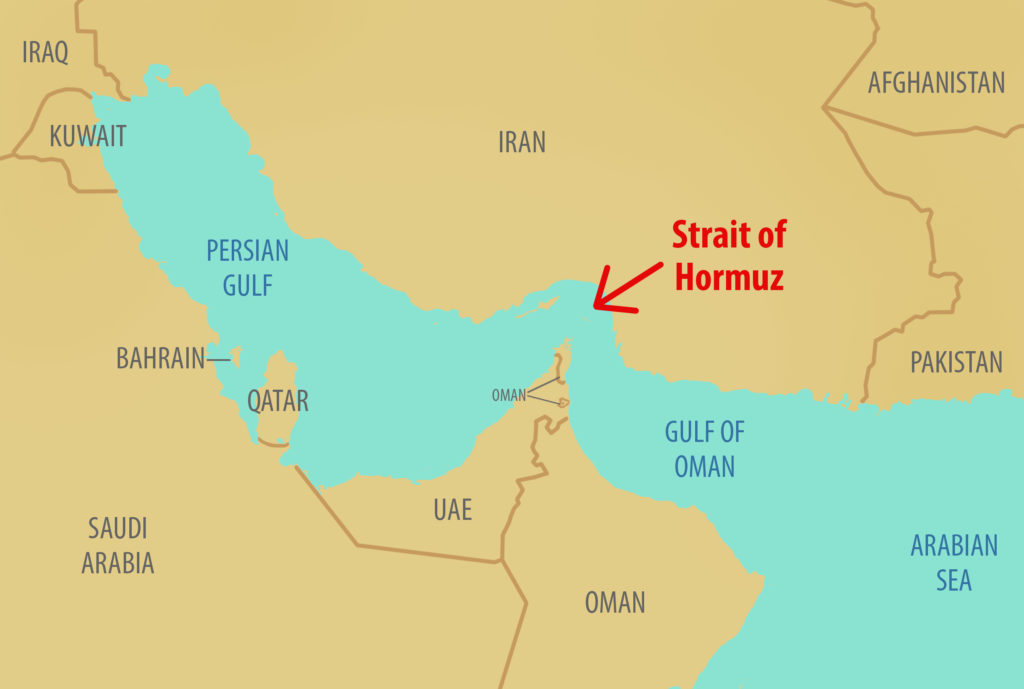
The Strait of Hormuz is a narrow waterway between Iran and Oman connecting the Persian Gulf to the Gulf of Oman and the Arabian Sea. At its narrowest navigable point, the Strait of Hormuz measures only 3.2 kilometres wide in each direction, yet serves as the transit corridor for approximately one-fifth of the world’s daily crude oil supply and one quarter of global seaborne liquefied natural gas exports.
There is no commercially viable alternative route for Gulf producers, making the Strait of Hormuz the most critical maritime chokepoint in the global energy system. Since Iranian forces effectively closed the Strait of Hormuz to the majority of international shipping, Brent crude has surged more than 40 percent, trading above $100 per barrel as of this week.
Iran Publicly Thanks Pakistan for ‘Strong Support’
The successful Strait of Hormuz transit prompted an immediate public response from Tehran. Iranian Foreign Minister Abbas Araghchi, in a post in Urdu on X formerly Twitter on Monday, extended his “heartfelt gratitude to the government and people of Pakistan for their strong expression of solidarity and support with the people and government of the Islamic Republic of Iran.” He further affirmed that Iran stood with steadfastness in defence of its sovereignty and territorial integrity.
The statement reflects Iran’s policy of selectively permitting Strait of Hormuz passage to vessels from nations it regards as neutral or sympathetic. Pakistan’s Foreign Office has formally described Islamabad’s role throughout the conflict as that of a “bridge builder” a posture that has yielded a direct economic benefit in the form of access through the Strait of Hormuz that Western-aligned nations currently cannot secure.
Naval Operation and Selective Access
In the days preceding the Strait of Hormuz transit, Pakistan’s navy launched Operation Muhafiz-ul-Bahr to safeguard commercial shipping lanes and Pakistani-flagged vessels in regional waters. Naval authorities established contact with Iranian counterparts ahead of the passage. A military source confirmed no escort was ultimately required for the vessel.
Iran’s selective approach to the Strait of Hormuz blockade has extended to other nations as well.
Pakistan’s Economic Exposure
Pakistan’s dependence on the Strait of Hormuz is among the most acute of any economy in the region. Approximately 80 percent of the country’s crude oil imports are ordinarily routed through the strait, and nearly 90 percent of its liquefied natural gas is sourced from Qatar all of which transits the Strait of Hormuz.
With strategic petroleum reserves of only 10 to 14 days, Pakistan has limited capacity to absorb prolonged disruption. The government has already enacted its largest single fuel price revision on record, raising petrol to Rs 321 per litre and diesel to Rs 335 per litre, an increase of 17 to 20 percent in a single adjustment.
A second PNSC tanker, which loaded crude at Saudi Arabia’s Red Sea port of Yanbu, was approximately three sailing days from Pakistan at the time of reporting. Pakistan’s finance ministry confirmed petroleum stocks remain comfortable, with supply coverage extending into mid-April, while diversification of import routes beyond the Hormuz corridor remains actively underway.
Pakistan’s Diplomatic Posture
The tanker’s Strait of Hormuz passage is the most concrete economic outcome of Pakistan’s diplomatic engagement since hostilities began. Prime Minister Shehbaz Sharif travelled to Saudi Arabia on March 12 for a meeting with Crown Prince Mohammed bin Salman.
At the United Nations Security Council, Pakistan maintained a calibrated position condemning strikes on Iran, affirming solidarity with Gulf states, and consistently urging all parties toward a negotiated resolution to the Hormuz crisis.
Whether the access Pakistan has secured through the Hormuz can be sustained, and whether it proves sufficient to shield an economy so heavily dependent on this single passage, remains the defining economic question for Islamabad in the weeks ahead.
For more news on the economy, real estate, and development, visit Chakor Ventures.

BBC-featured Content Specialist with a sharp eye for search intent and a proven ability to turn content into a growth engine. I leverage cutting-edge digital marketing tools to craft strategies that fuel organic traffic, amplify brand growth, and own the local SEO landscape, particularly across the competitive real estate market. I help brands dominate search rankings and convert visibility into measurable business success.
