
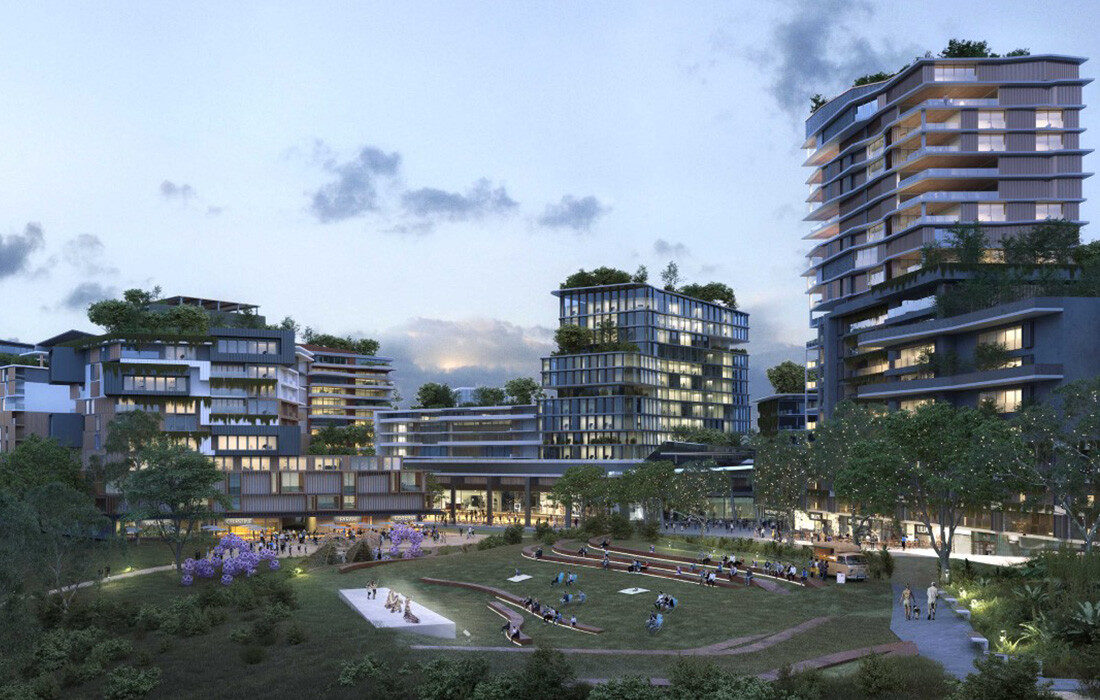

Architecture doesn’t just shape skylines. It shapes societies.
This article is Part 4 of our Independence Day Blog Series, where we explore how Pakistan’s infrastructure, cities, and design reflect deeper values of unity, progress, and national purpose. In this blog, we break down the real reason architecture matters: because it gives structure to our values, shape to our identity, and a foundation for national growth.
Let’s dive in.
Architecture Defines a Nation’s Face
Every country has symbols: a flag, an anthem, a national animal. But few symbols are as visible—or as permanent—as architecture.
Think of the Mughal era. The role of art and architecture of Muslims in the subcontinent gave us iconic structures: Badshahi Mosque, Shalimar Gardens, Lahore Fort. These weren’t just beautiful landmarks—they were bold expressions of culture, confidence, and intention.
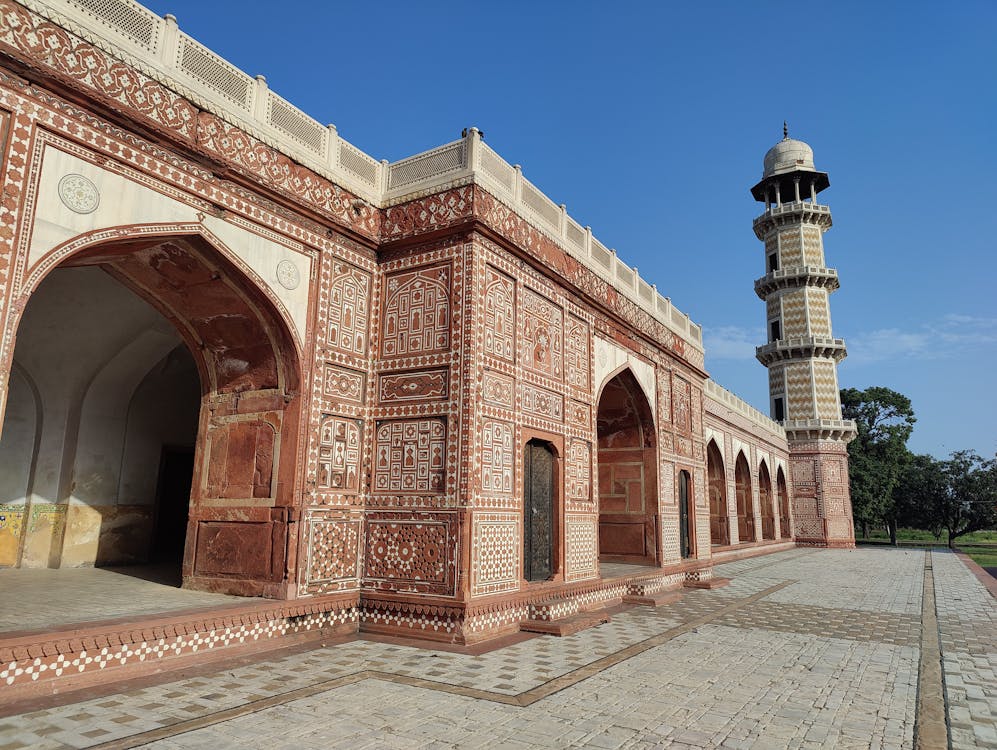
Fast forward to today. The Parliament House. The Supreme Court. The Pakistan Monument. These buildings do more than serve a function. They carry meaning. They reflect who we are as a nation—and how we feel about the institutions that represent us.
That’s the true role of architecture in shaping cities. It defines how we see ourselves. It reflects the values we claim.
Housing: The Most Human Architecture of All
When we talk about nation-building, we have to talk about homes. Because no nation can succeed if its people don’t have shelter.
Public housing is more than walls and roofs. It’s an expression of national care. It’s a government saying, “You matter.”
But here’s the catch: poorly planned housing leads to frustration, isolation, and urban decay. Great housing, on the other hand, creates trust, stability, and community.
That’s why the role of architecture in shaping cityscapes is so crucial. Great housing needs to be part of a system. Near transport. Near jobs. Near schools. With green spaces and places to gather.
Because a home is where a life begins—but a neighbourhood is where it thrives.
Civic Buildings = Civic Trust
Every time you step into a city hall, a courthouse, or a government office, architecture is speaking to you.
Is it saying “you’re welcome”?
Or is it saying “you don’t belong here”?
That’s why civic buildings matter so much. They are physical symbols of democracy, justice, and accountability.
Historically, colonial powers used architecture to project authority. Giant facades. Domes. Arches. The idea was clear: this is who’s in charge.
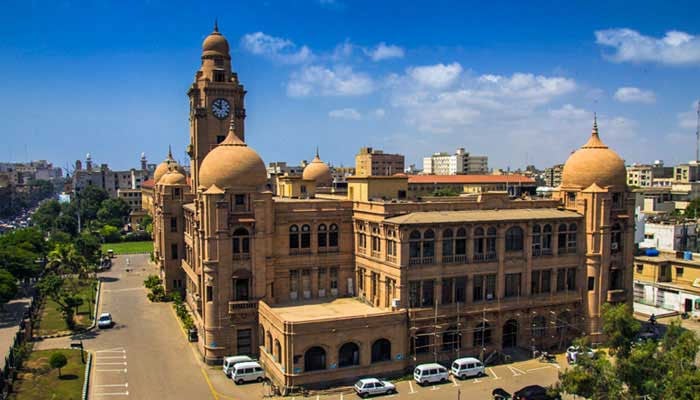
Modern civic buildings should do the opposite. They should invite, involve, and inspire.
Because if architecture is going to play a role in nation-building, it has to create spaces where people feel heard. Spaces that say: “this country belongs to you.”
Public Spaces = Social Glue
Cities aren’t just about buildings. They’re about people. And people need places to connect.
That’s where architecture steps in again.
Well-designed public spaces—parks, plazas, libraries, walkways—don’t just make cities pretty. They make cities livable.
They promote mental health.
They promote diversity.
They promote unity.
The role of architecture in shaping society goes beyond construction. It builds interaction, belonging, and shared experience.
When you design for inclusion, you design for strength. And that’s how you build a resilient nation.
Architecture = Jobs + Growth + Impact
Architecture isn’t just about form. It’s also about function. And one of those functions? Fueling the economy.
From design to construction to tourism, architecture creates thousands of jobs. It drives urban renewal. It attracts investment. It raises property values.
And few examples in Pakistan illustrate this better than Citadel 7.
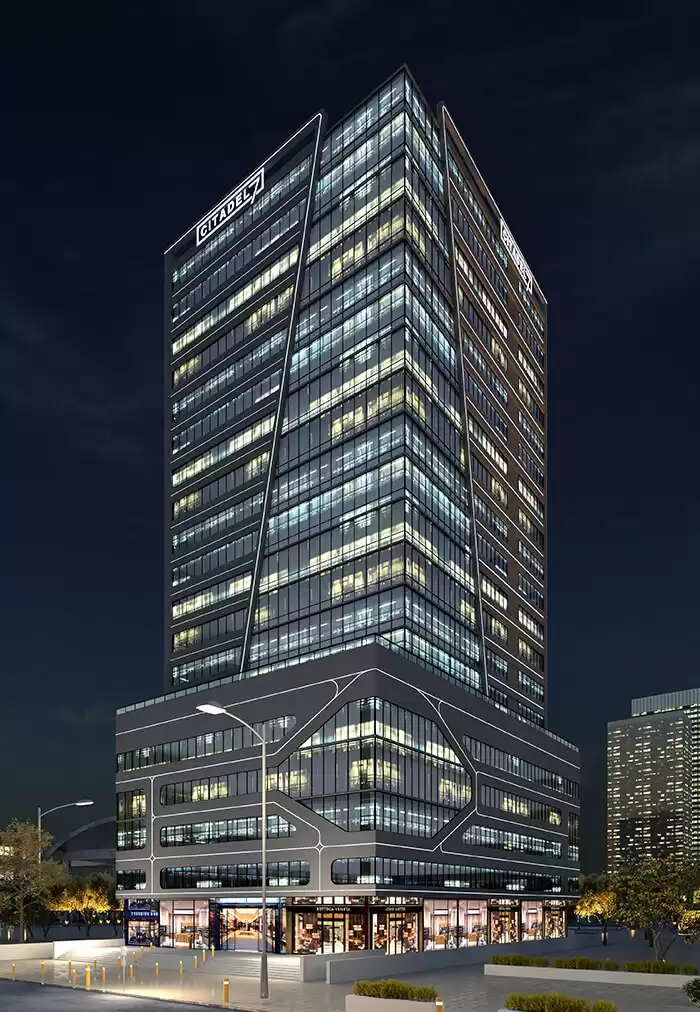
Located in Islamabad’s Blue Area, Citadel 7 is a state-of-the-art corporate tower Islamabad that contributes to national development in three ways:
- Employment: Construction and long-term operations support hundreds of jobs.
- Design Innovation: The 3D glass facade and intelligent architecture raise the bar for future projects.
- Urban Impact: It enhances Islamabad’s skyline, aligns with the capital’s master plan, and boosts business confidence in Pakistan.
Citadel 7 isn’t just real estate. It’s a message built in glass and steel.
A signal that says: we’re building smart. We’re building forward. We’re building a better Pakistan.
Sustainability Is the Future
We can’t talk about architecture today without talking about the environment. Because the cities of the future will be sustainable—or they won’t work at all.
Good architecture now means:
- Green roofs and vertical gardens
- Energy-efficient materials
- Solar panels and rainwater collection
- Spaces designed to reduce heat and waste
This kind of architecture isn’t just good for the planet. It’s good for people. It lowers bills. Improves health. Creates long-term stability.
That’s why the role of architecture in shaping cities now includes ecological responsibility. And why nation-building has to include climate-smart construction.
Measurement: How You Know It’s Working
Can you measure architecture? Yes. And you should.
Cities around the world now assess architectural impact through:
- Mobility and walkability scores
- Access to green space
- Building efficiency
- Public satisfaction
Why? Because what you don’t measure, you can’t improve.
If architecture is going to support social equity, economic growth, and climate resilience, we need to track how it performs. That’s how we ensure cities evolve—and nations progress.
Final Thoughts: Build More Than Buildings
In this Independence Day blog series, we’ve looked at how roads, monuments, and cities tell the story of Pakistan.
But here’s the truth:
The real story isn’t in the stone.
It’s in the strategy.
Architecture builds more than buildings.
It builds unity.
It builds opportunity.
It builds identity.
So the next time someone says “architecture is just design,” remind them:
Design is destiny.
And in Pakistan, projects like Citadel 7 are proving that our destiny is being built with thought, care, and purpose.
