
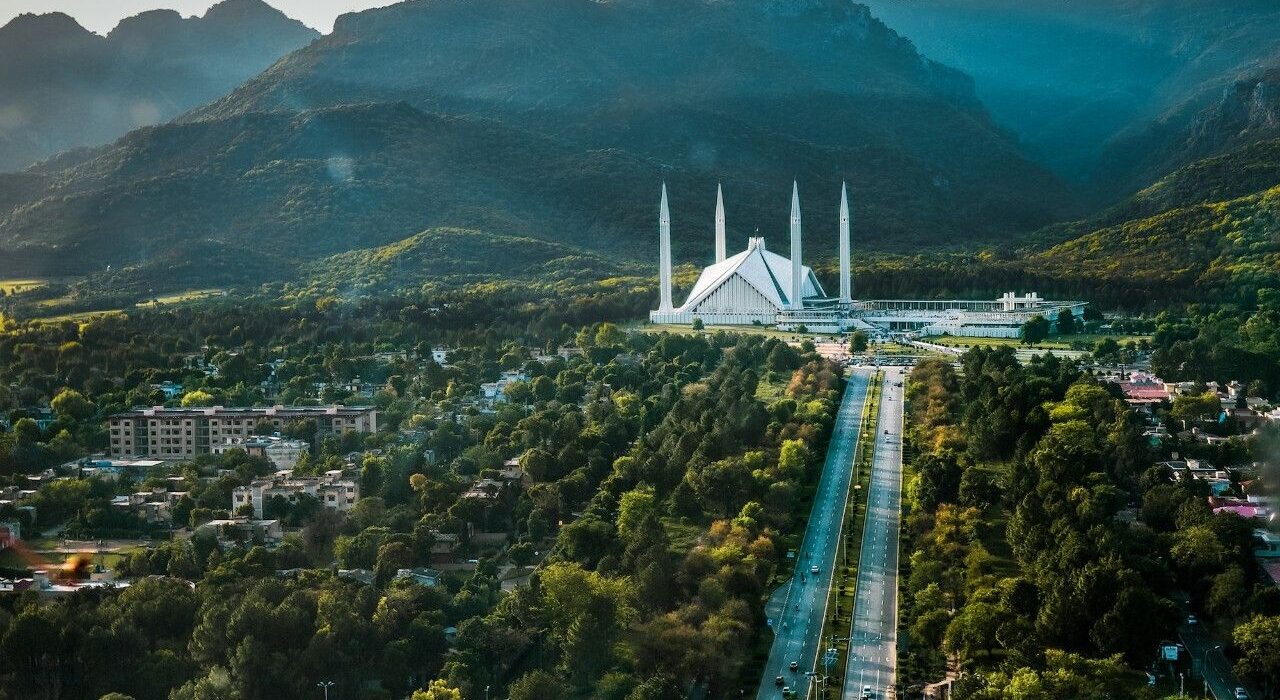

Most cities happen by accident.
Islamabad was built on purpose.
In this article, you’ll learn why Islamabad is more than just a capital — it’s a masterclass in national planning. And more importantly, why Pakistan today needs to revisit the principles that built it.
The Problem With Most Cities
If you’ve ever lived in or visited a major city in Pakistan — whether it’s Karachi, Lahore, or Peshawar — you already know the challenges.
- Unplanned growth.
- Overcrowded streets.
- Poor waste management.
- Lack of green space.
- And a traffic situation that feels more like survival training than commuting.
It’s not just frustrating — it’s costly. Poorly designed cities affect quality of life, economic productivity, mental health, and even how we think about the future. And the worst part? These issues didn’t appear overnight. They’re the result of decades of building without long-term thinking.
Which brings us to Islamabad — a city that flipped the script.
Islamabad Wasn’t an Upgrade. It Was a Clean Slate.
In the early 1960s, Pakistan’s leadership faced a big decision. Karachi, though vibrant and economically vital, was bursting at the seams. It struggled with crowding, outdated infrastructure, and remnants of colonial layout. Pakistan needed a capital that felt new — one that would represent the country’s future, not its past.
That’s when they made a bold move.
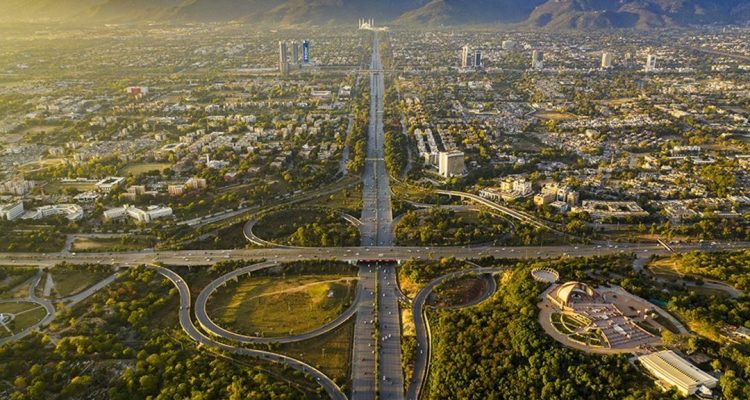
Instead of fixing what was already broken, they decided to start fresh. They selected a site in the northern foothills of Punjab, surrounded by the Margalla Hills. It wasn’t just about geography. It was about philosophy.
The government brought in Constantinos A. Doxiadis, a respected architect and urban planner from Greece, to lead the project. His approach was different. Instead of expanding a city, he would design one from scratch.
And the results speak for themselves.
A City That Thinks Before It Builds
Doxiadis didn’t just design streets and buildings. He designed a system of life. Islamabad was divided into clearly defined zones: residential, diplomatic, commercial, educational, and green. Each sector was placed with thought. Roads were laid out like a grid for easy navigation. Heights of buildings were controlled to protect the natural skyline and maintain harmony with the Margalla Hills.
Green belts were added not as decoration but as essential breathing space. Parks were part of every residential sector. Schools and mosques were within walking distance of homes. Everything was about balance — between nature and progress, between community and convenience.
This wasn’t just urban planning. It was vision-driven development.
The result? A city that functions smoothly, feels breathable, and still ranks as one of the most livable urban areas in South Asia.
Why This Matters (Right Now)
Islamabad is proof that long-term planning works. It’s also proof that a better Pakistan is possible — if we’re willing to think ahead.
Because the truth is: Pakistan is growing. Fast. Its cities are expanding. But the way we’re building right now isn’t sustainable.
We’re adding concrete faster than we’re building community. We’re prioritizing short-term gain over long-term livability. And we’re replicating the very mistakes Islamabad was built to avoid.
But it doesn’t have to be that way.
Islamabad gives us a clear lesson: when you plan well, you don’t just create a place — you create a future.
The Heart of the Capital: Blue Area
If Islamabad is a city of vision, Blue Area is its commercial core.
Designed to be the capital’s main business district, Blue Area runs along Jinnah Avenue and lies next to government institutions, diplomatic enclaves, and top hotels. It’s the perfect location for businesses that want visibility, access, and prestige.
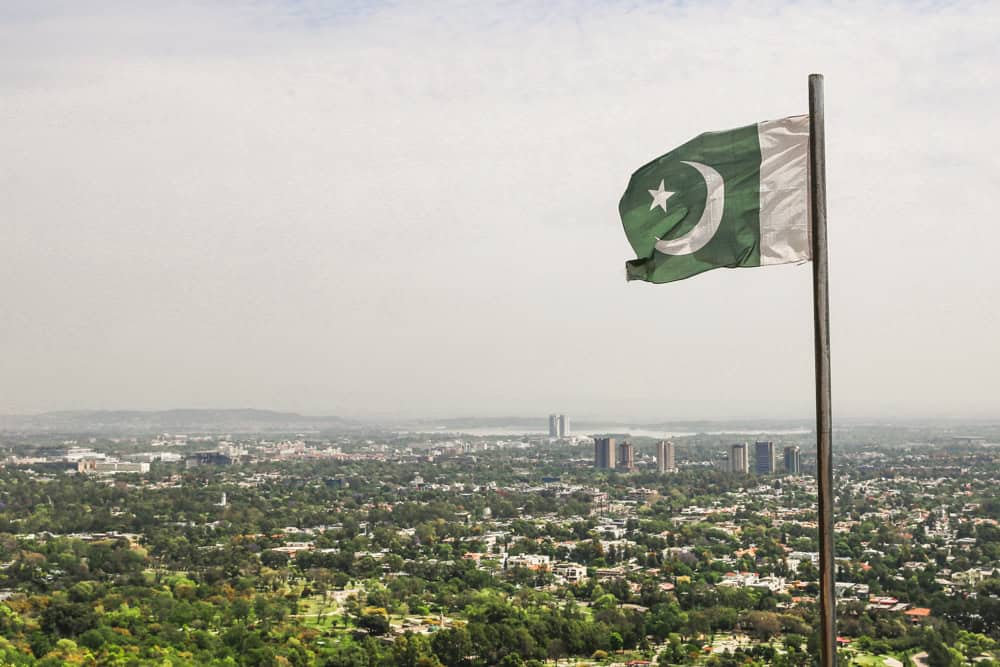
Over the years, Blue Area has hosted banks, corporate offices, tech firms, and startups. It’s been the face of Pakistan’s formal economy in its capital.
But here’s the reality: the business world is changing — fast.
Today’s companies need smarter buildings. They need digital infrastructure. They need sustainability, flexibility, and premium design. That means Blue Area must evolve if it wants to stay at the center of Pakistan’s economic future.
Citadel 7: The Future of Business in Islamabad
This is where Citadel 7 Corporate Tower Islamabad comes in.
Located in the heart of Blue Area, Citadel 7 isn’t just another office tower. It’s a symbol of what happens when business development meets smart design.
Built with a sleek 3D glass façade, equipped with intelligent systems, and developed for high-end commercial use, Citadel 7 is what future-ready looks like. It doesn’t just offer space — it offers an environment. A place where global businesses, tech firms, and progressive enterprises can thrive.
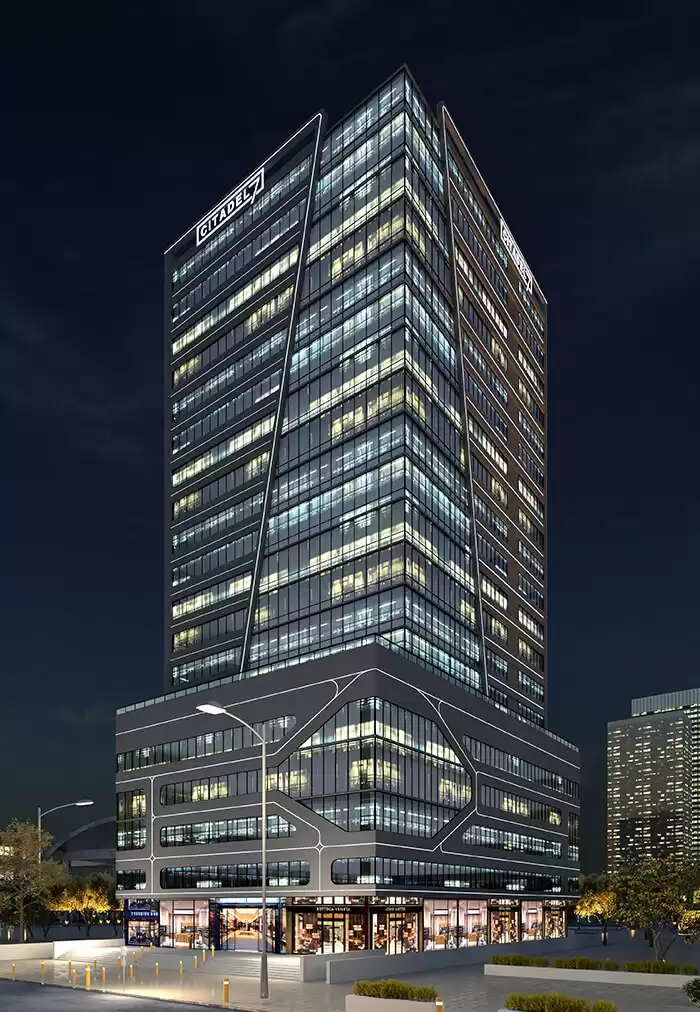
It also mirrors the very idea Islamabad was founded on: planned progress.
Citadel 7 doesn’t disrupt the city’s vision — it enhances it, showing how modern architecture and original planning can work together. Just as Islamabad reflected Pakistan’s ambition in the 1960s, Citadel 7 reflects what that ambition looks like in the 2020s.
Key Takeaway: Plan First. Build Second.
Here’s the simple truth: Pakistan doesn’t need more buildings. It needs more thinking behind the buildings.
Every city expansion, every housing scheme, every tech zone — they all need to ask the same questions:
-
Who is this serving?
-
What problems are we solving?
-
What will this place look like in 20 years?
That’s what made Islamabad work. It wasn’t just a project — it was a plan. And not just a plan for today, but one that could adapt and grow for decades.
Imagine if every new city followed that model. Imagine if housing colonies were designed with walkability, parks, schools, and clean water from the start. Imagine if roads weren’t just wide — they were smart. If buildings weren’t just tall — they were sustainable.
The answer to so many of Pakistan’s challenges lies in those three words: Plan. Before. Build.
Final Thoughts
Islamabad is more than a capital. It’s a quiet success story in a country often too focused on its failures. It’s not perfect. But it’s proof of what happens when we dare to dream, design, and deliver with discipline.
As we celebrate Pakistan’s independence, we’re reminded of our nation’s struggles, sacrifices, and hopes. But we also need to talk about systems. About infrastructure. About how we build the environments that shape our lives.
Because a better Pakistan isn’t just a slogan. It’s a structure.
And if we want our future to look different — we need to start building it that way.
Just like Islamabad once did.
