
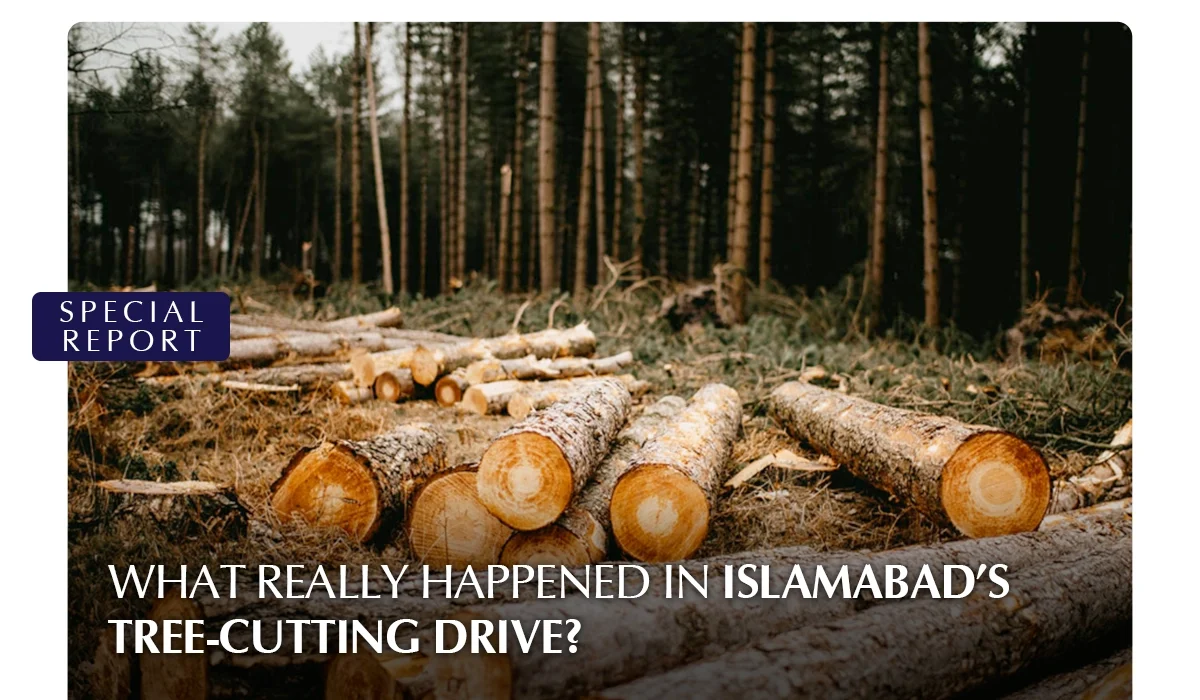
A special report on the paper mulberry eradication campaign, the public backlash, competing claims of legality, and the long-term climate and economic cost of losing mature urban green cover.
ISLAMABAD: The drive along Shakarparian Road still feels familiar, until it doesn’t. One moment, the route is shaded by Islamabad’s old, settled tree canopy. Next, the green abruptly disappears, replaced by bare earth and freshly turned soil.
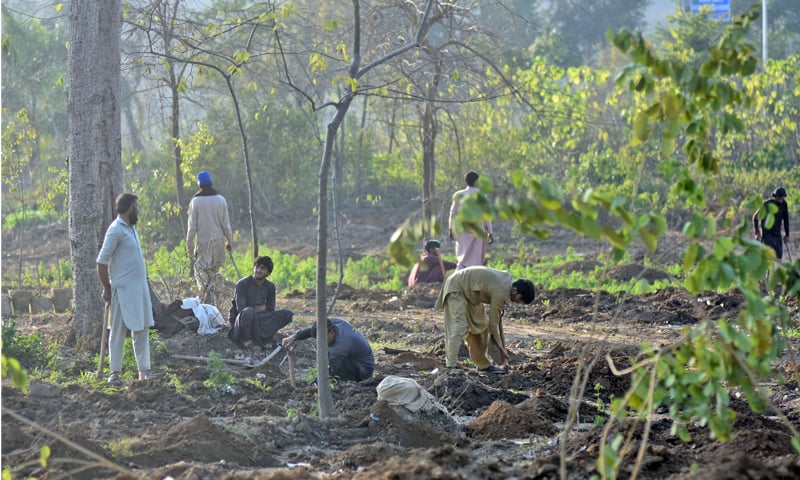
Along the roadside, labourers dig shallow pits. Nearby, pine saplings lie waiting for a plantation. A signboard makes its promise in bold letters: “Greener and Healthier Islamabad, Indigenous Tree Plantation.”
Yet, it is not the saplings that have captured the public’s attention; it is what is missing: decades-old, mature trees that once defined the capital’s identity.
In recent days, the cutting of trees in Islamabad has triggered widespread public anger, forcing explanations from the government, pushing environmental groups into the spotlight, and raising an uncomfortable debate about whether the city’s green cover is being sacrificed under the banner of public health and development.
LATEST UPDATE: “IHC Halts CDA from Cutting Trees in Islamabad”
On January 15, 2026, the Islamabad High Court directed CDA to immediately stop cutting of trees in Islamabad. The court issued this order after a petition alleging that the tree removal violated environmental laws was filed. The CDA is required to submit a detailed report, and notices were issued to the Pakistan Environmental Protection Agency and the Ministry of Climate Change. The hearing has been adjourned until February 2.
Why This Matters? | Cutting of Trees in Islamabad
Beyond the immediate controversy, the cutting of trees in Islamabad episode lays bare a deeper governance dilemma: how a modern capital balances public health, rapid development, and climate resilience. In urban terms, tree cover is not decoration; it is infrastructure.
It cools neighbourhoods, filters air, prevents soil erosion, buffers floods, and protects water resources. Its removal can have long-lasting economic and climate consequences that outlive any short-term administrative goals.
What Happened and Where? Cutting of Trees in Islamabad
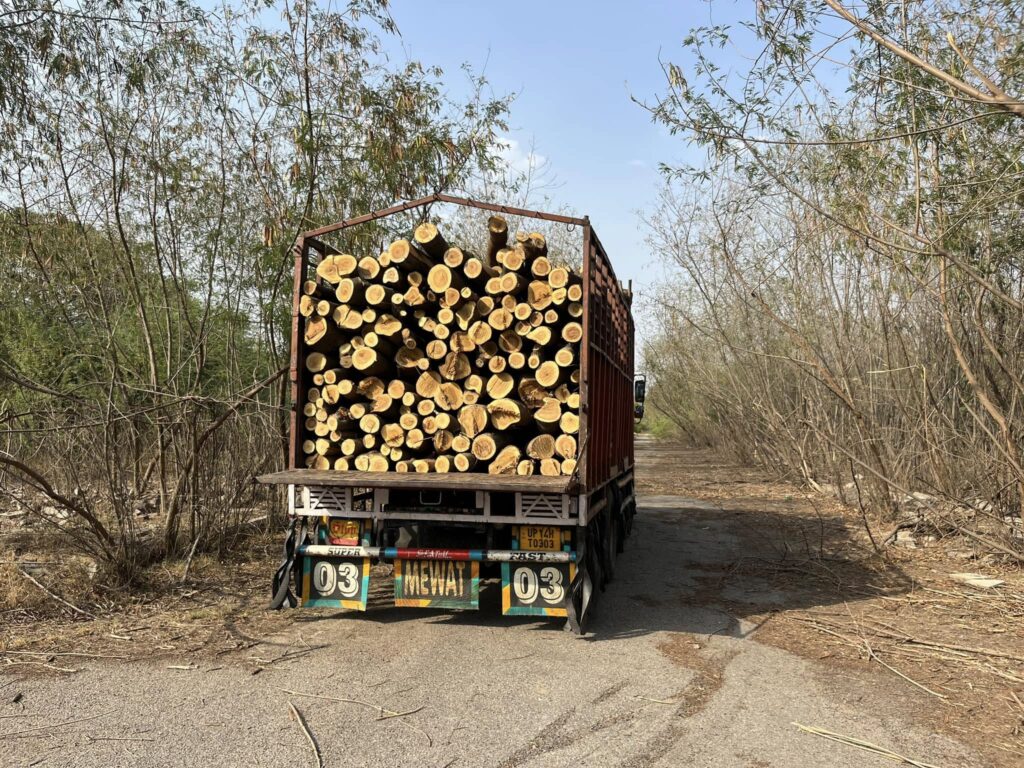
Large-scale cutting of trees in Islamabad was reported at several locations in Islamabad, including:
- Shakarparian National Park
- H-8 (along a portion of the Islamabad Expressway, where a park is being upgraded)
- Chak Shahzad (where decades-old trees were cut for the construction of a dual carriageway)
In Shakarparian, citizens claim at least four patches have been cleared, collectively spread over more than 15 acres near Lok Virsa, leaving large stretches resembling open, barren land.
The cutting of trees in Islamabad has remained a hot topic online, with residents sharing images and videos of deforested patches, questioning both the scale of the operation and the intent behind it.
The Official Position: Only Paper Mulberry Was Removed
The government’s defence rests on one central claim: that the cutting of trees in Islamabad is not arbitrary, but targeted and legally backed.
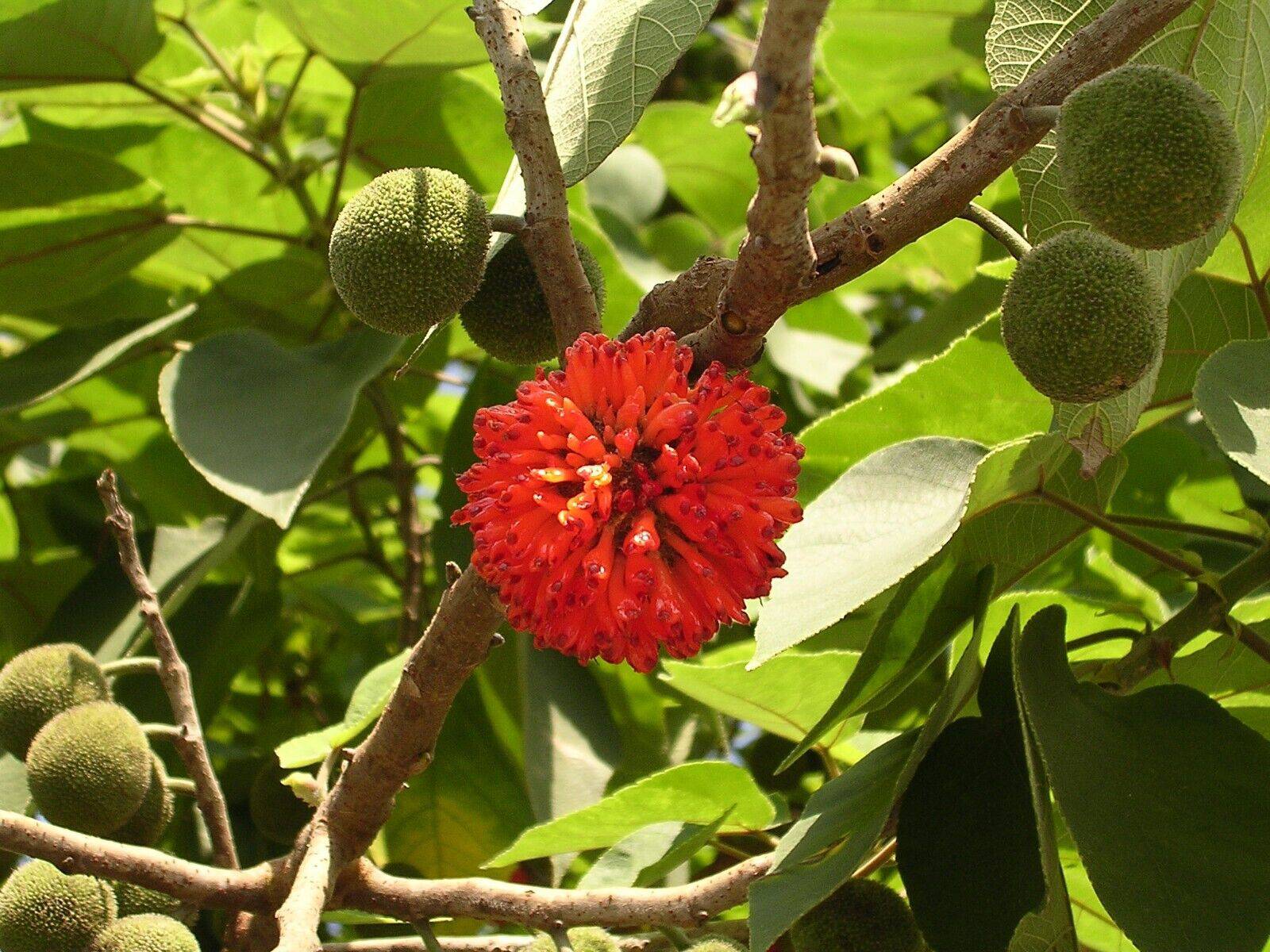
Minister for Climate Change and Environmental Coordination Dr Musadiq Malik, speaking on Friday after chairing a meeting on the issue, stated that around 29,000 paper mulberry trees had been removed in Islamabad in line with the Supreme Court’s orders issued in 2023.
The minister said the directive was implemented again in 2025 to rid the city of what he described as an invasive, non-indigenous, and life-threatening species.
Paper mulberry, the minister claimed, is a major contributor to allergies and can cause fatal complications among chronic asthma patients. He added that the felling plan was finalised after confirming with the Ministry of Health that the species posed a major health concern.
“We are not planting non-indigenous species,” he said, adding that every tree chopped would be replaced at a ratio of one cut tree to three new saplings/trees.
The Capital Development Authority (CDA) also maintains that in Shakarparian, only paper mulberry trees were chopped down.
What the Numbers Say? | Cutting of Trees in Islamabad
According to CDA’s DG Environment Irfan Khan Niazi, the operation has proceeded under court directions with close supervision by CDA staff and documentation from cutting of trees in Islamabad to loading.
He stated:
- approximately 12,000 paper mulberry trees were removed from F-9 Park
- 8,700 were cut in Shakarparian
- Additional locations, including H-8, were also included
In total, the CDA reports that 29,115 paper mulberry trees have been removed to date.
The Public’s Concern: ‘This Was Not Only Paper Mulberry’
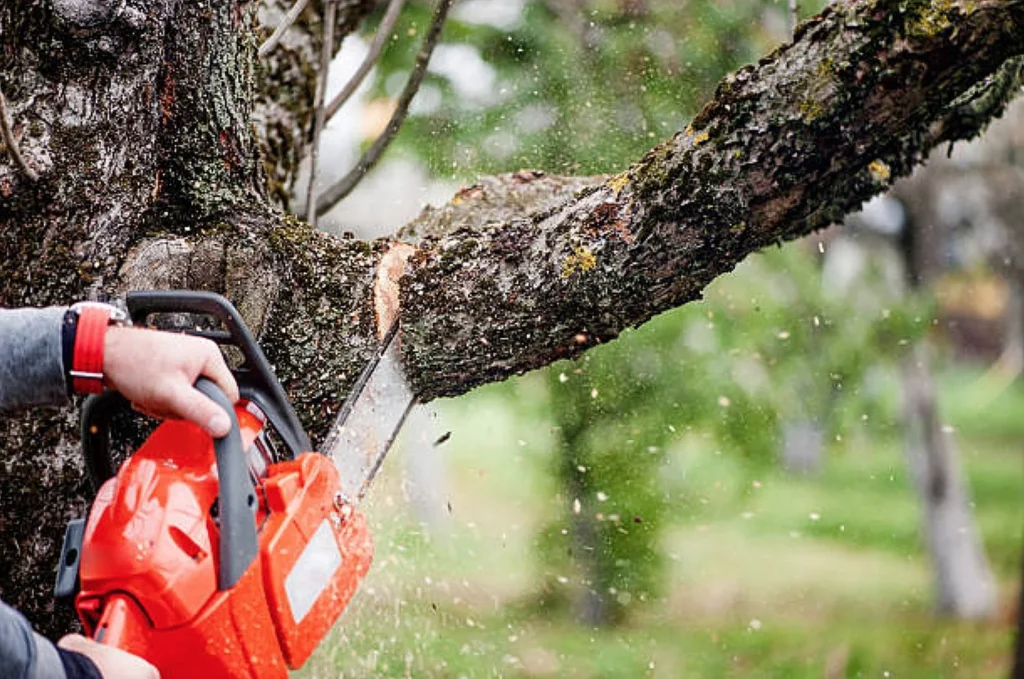
Despite official assurances, residents insist the reality on the ground looks far broader than a targeted health operation.
In Shakarparian, citizens stated that besides paper mulberry, other trees also appeared to have been cut down, and that large swathes of tree cover were cleared in a manner inconsistent with a selective removal drive.
For many, the question is not merely “why was paper mulberry removed?” but:
- Why was the removal so abrupt?
- Why did it involve such large patches of cleared land?
- and whether decades-old green cover can truly be replaced by saplings in any meaningful timeframe?
Development Projects: The Road and Housing Link | Cutting of Trees in Islamabad
In Chak Shahzad, cutting of trees in Islamabad was carried out for the construction of a dual carriageway intended to connect to a CDA-DHA-owned housing scheme from Park Road, linking the controversy directly to Islamabad’s real-estate expansion and infrastructure development model.
Cutting of trees in Islamabad, H8, took place where a park is being upgraded alongside the Expressway.
This intersection, between ecological removal drives and physical development projects, has strengthened public suspicion that cutting of trees in Islamabad may not be purely a health-driven intervention.
The WWF Report and the ‘Bigger Reality’
Environmental groups argue that the issue is more complex than official explanations.
A WWF-Pakistan report criticised the recent removals and land clearing in Islamabad, stating that while the paper mulberry eradication drive is a major factor, extensive vegetation loss also stems from unchecked infrastructure development.
Field inspections conducted from December 2025 to January 2026 reportedly found large-scale clearing along:
- H-8 Islamabad Expressway
- Margalla Enclave Link Road
- Shakarparian
The report raised concerns over:
- lack of transparency
- weak site-specific planning
- monitoring gaps
- incomplete restoration and exposed soil
Experts Warn: It’s Not Just Trees, It’s the City’s Climate System
Experts caution that even if paper mulberry removal is justified, the method matters.
Climate policy advocate Dr Zainab Naeem said the issue was not the removal itself but the alleged mismanagement, warning that the court-mandated phased approach, ecological assessment and prior afforestation steps appear to have been ignored. She stated native species such as shisham were reportedly also cut, as highlighted in WWF’s findings.
She described the move as climate misgovernance, warning that Islamabad is already developing an urban heat island effect due to concretisation and declining green buffers.
Water resources expert Dr Hassan Abbas warned that large-scale deforestation threatens:
- groundwater recharge
- temperature regulation
- rainfall balance
- ecological stability
He stressed that even public-health-driven removal must follow proper mechanisms, because replacing trees with concrete accelerates heating, disrupts rainfall patterns, and accelerates degradation.
The Economic Cost Behind the Environmental Cost | Cutting of Trees in Islamabad
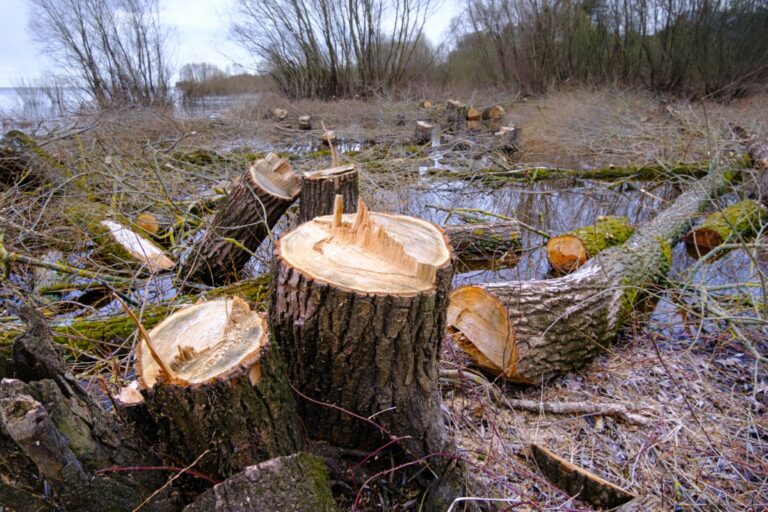
Beyond ecology, the cutting of trees in Islamabad canopy plays a direct economic role.
Urban analysts note that the loss of mature trees can lead to:
- Higher electricity demand (cooling loads increase with higher temperatures)
- Higher public health spending due to heat stress, dust, and air quality decline
- increased stormwater runoff and greater risk of flooding, raising infrastructure repair costs
- weaker livability, reducing quality-of-life indicators that sustain long-term urban value
In effect, while development projects may generate short-term economic activity through construction, poorly managed loss of ecological buffers can create long-term liabilities that quietly burden households and government alike.
Accountability Questions: What Was Approved, and Who Monitored?
The controversy has also revived core governance questions, especially in the context of environmental permissions:
- Were site-specific ecological plans made public?
- Were environmental assessments and approvals properly disclosed?
- What independent monitoring existed beyond agency statements?
- How was “only paper mulberry” verified on the ground?
- Were permissions and licensing processes fully compliant?
Dr Malik directed that a transparent mechanism be developed to ensure compliance with laws, rules and procedures related to such campaigns, an indication that the current process may lack public confidence.
Notably, while official handouts discussed cutting in multiple sectors, they reportedly did not mention cutting of trees in Islamabad along Park Road in Chak Shahzad, raising further questions about disclosure.
CDA’s Plantation Response: A January Drive Amid Frost
Amid criticism, the CDA launched a plantation campaign in January, a month usually associated with frost and not traditionally viewed as ideal for mass plantation.
Historically, CDA plantation drives typically began around mid-February. This time, the plantation began over a month early in the Shakarparian area.
CDA officials defended the timing by stating that only suitable species, including Chir Pine, were being planted and that the drive aims to plant 30,000 trees, with greater momentum expected next month.
However, critics questioned whether the plantation effort was ecological restoration or merely damage control.
PM Takes Notice
After sustained pressure from citizens and civil society, Prime Minister Shehbaz Sharif took notice of the alleged cutting of trees in Islamabad and sought a report from the CDA.
The government’s response suggests recognition that public anger has moved beyond social media outrage into a politically sensitive urban governance issue.
The Bigger Debate: Health, Development and a City’s Identity
Islamabad’s paper mulberry dilemma is not a simple question of trees versus health. It is a debate about trust, transparency and what kind of capital Pakistan wants to build: one shaped by ecological planning, or one repeatedly “fixed” after irreversible damage.
So the question that arises here is: was this drastic approach truly necessary, or could public health have been protected without stripping the capital bare?
For more news on real estate and Special Reports, visit Chakor Ventures.
