Citadel 7 represents a new standard in modern living. At Chakor, we bring you an in-depth look at this landmark development, covering everything from its architectural design and unit layouts to investment potential and community infrastructure.
Whether you are a prospective resident or an investor eyeing strong returns, Chakor gives you the clarity and detail you need to make a confident decision about one of Pakistan’s most talked-about projects.
GREE and Chakor Ventures Announce Strategic Partnership for Citadel 7 HVAC Systems
GREE to deliver advanced, energy-efficient climate solutions for Islamabad’s next-generation commercial landmark
Islamabad, November 20, 2025: GREE and Chakor Ventures have officially entered into a strategic partnership, marked by a signing ceremony held to formalize GREE’s role as the HVAC solutions provider for Citadel 7.
Under this agreement, GREE will supply its advanced, energy-efficient air-conditioning systems for the landmark commercial tower, ensuring world-class climate control and long-term operational performance.
This collaboration represents a major milestone for Pakistan’s real estate and infrastructure sectors, uniting two industry leaders with a shared commitment to innovation, sustainability, and high-quality development.
Chakor Ventures, a forward-looking property development firm, is redefining Pakistan’s built environment through projects that emphasize smart, efficient, and future-ready design. Citadel 7 is one of the company’s most ambitious developments, a modern corporate landmark set to reshape Islamabad’s commercial landscape.
The tower integrates contemporary architecture with intelligent building systems, placing strong emphasis on energy efficiency, smart management, and a seamless user experience.
With sustainability at its core, Citadel 7 incorporates eco-friendly solutions, low-energy consumption models, and advanced technology integration. This makes the development an ideal match for GREE’s high-performance HVAC systems, which are engineered to deliver superior efficiency and reduced operational costs.
As the world’s largest manufacturer of air-conditioning equipment and the top-ranked brand in the 2024 Euromonitor Report, GREE brings global leadership and cutting-edge engineering to the project.
The company’s high-efficiency inverter systems, coupled with smart controls and self-diagnostic capabilities, ensure reliable, optimized climate management with minimal maintenance. Their robust performance in diverse and harsh weather conditions further reinforces their suitability for a high-demand development like Citadel 7.
The alignment between GREE’s proven HVAC excellence and Citadel 7’s smart, future-ready infrastructure creates a powerful synergy that elevates the project’s overall impact. Together, the organizations are setting new benchmarks of quality, transparency, and innovation for Pakistan’s next generation of commercial developments.
BBC-featured Content Specialist with a sharp eye for search intent and a proven ability to turn content into a growth engine. I leverage cutting-edge digital marketing tools to craft strategies that fuel organic traffic, amplify brand growth, and own the local SEO landscape, particularly across the competitive real estate market. I help brands dominate search rankings and convert visibility into measurable business success.
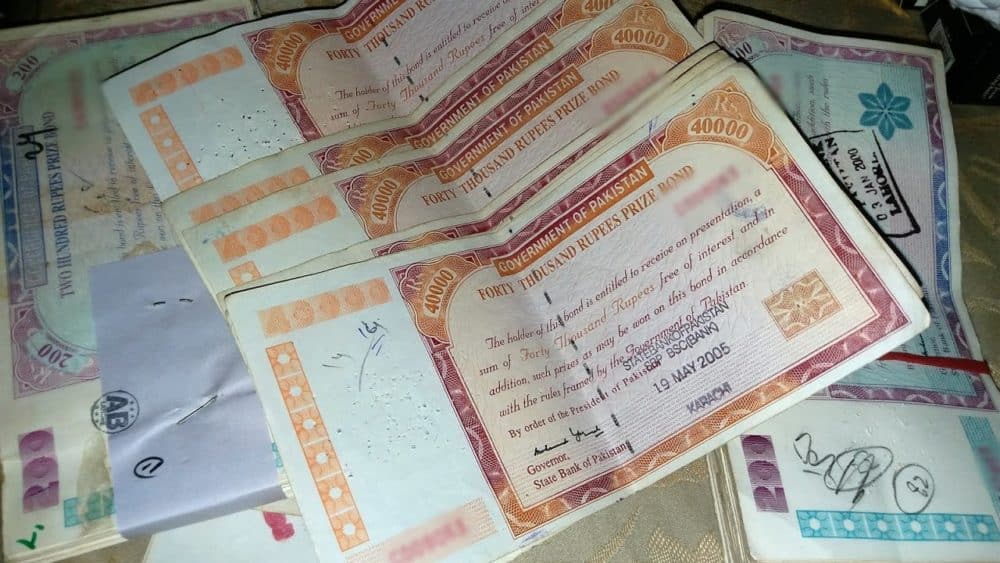
Investment bonds are a type of fixed-income security that allows you to lend money to an issuer, like a government or company, in exchange for regular interest payments and the promise to get your money back at a future date.
Here’s how they work:
Issuer: When you buy a bond, you’re lending your money to an issuer (a government, corporation, or another entity).
Coupon: In return, you receive interest payments (also known as the “coupon”) regularly, usually every six months or annually.
Maturity: The bond has a set maturity date, which is when the issuer will pay back your original investment, called the par value.
Par Value: This is the face value of the bond. It’s what the issuer will pay back when the bond matures.
Bond prices can fluctuate in the market. If interest rates rise, bond prices usually fall, and vice versa. This is important if you plan to sell the bond before it matures.
There are different types of bonds:
Government Bonds: Issued by national governments, they’re considered very safe.
Corporate Bonds: Issued by companies, offering higher interest but carrying more risk.
PIBs (Pakistan Investment Bonds): Issued by the Pakistani government, typically offering fixed returns with lower risk.
Sukuk: Islamic bonds that follow Shariah law, providing returns in a way that complies with Islamic finance principles.
Who invests in bonds?
Bonds attract a wide range of investors:
Conservative investors looking for stable returns.
Retirees seeking regular income.
Institutional investors like pension funds and insurance companies.
Governments and corporations may also invest in bonds to diversify their portfolios.
Understanding Investment Certificates
An investment certificate is a savings product where you invest a lump sum of money for a set period. In return, you earn interest over the life of the certificate. These are similar to fixed-term deposits, but they often offer greater flexibility and better terms.
How They Pay Returns
When you invest in an investment certificate, you either receive regular interest payments throughout the term or a lump sum at the end, depending on the type of certificate. The returns are typically fixed, which means you know exactly how much you’ll earn by the end of the term.
Risk Profile
Investment certificates are generally considered low-risk. They are a safe investment options in Pakistan, especially if issued by trusted banks or governments. However, the trade-off is that their returns tend to be lower compared to riskier investments like stocks or real estate.
Comparison with Bonds
Investment certificates are similar to bonds in that both offer fixed returns. However, certificates usually don’t have the same level of market fluctuation as bonds.
Unlike bonds, investment certificates are non-tradable, which means you can’t sell them before the maturity date.
Bonds, especially government or corporate ones, might offer higher returns, but they also come with the risk of price changes due to market conditions.
Investment certificates, in contrast, provide guaranteed returns and are typically more stable.
A Closer Look at Pakistan Investment Bonds (PIBs)
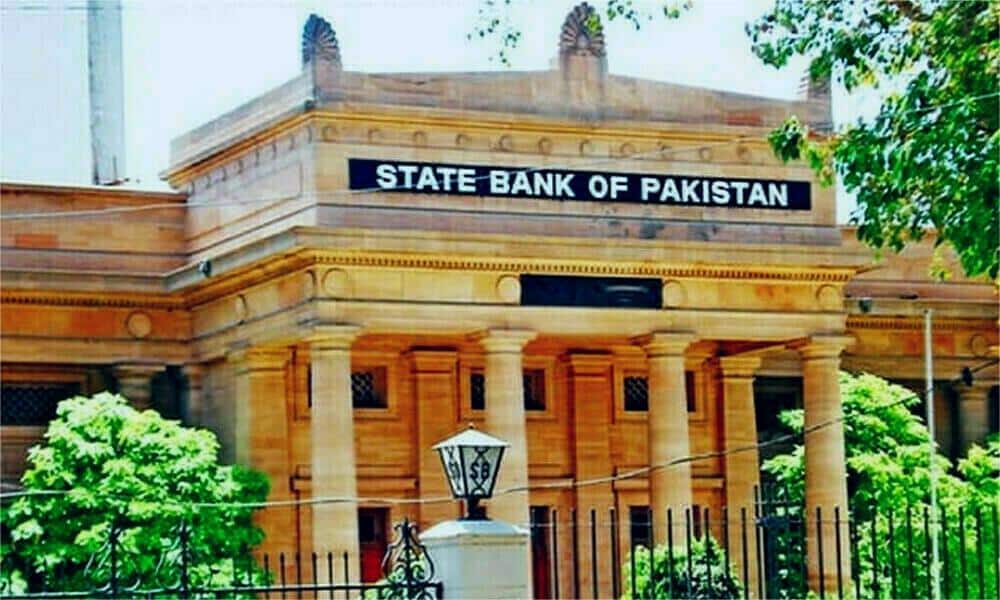
Pakistan Investment Bonds are long-term debt securities issued by the State Bank of Pakistan on behalf of the government. When you invest in PIBs, you’re lending money to the government in exchange for regular interest payments and the return of your principal at maturity. PIBs are considered a safe investment because the government backs them.
Tenors (3, 5, 10, 20 Years)
PIBs come in different tenors, or durations, depending on how long you’re willing to invest your money. The available tenors typically range from:
3 years
5 years
10 years
20 years
The longer the tenor, the longer your money stays invested, but the potential for higher interest payments also increases.
Fixed vs Floating Coupons
PIBs offer both fixed and floating coupon rates.
Fixed coupons provide a consistent interest rate throughout the life of the bond.
Floating coupons are linked to an external benchmark, such as the KIBOR (Karachi Interbank Offered Rate), meaning the interest rate can change over time.
Semi-Annual Interest Payments
PIBs pay interest semi-annually, meaning you’ll receive coupon payments every six months. This offers a steady stream of income during the life of the bond.
Government Guarantee & Safety
PIBs are considered low-risk because the Pakistani government guarantees them. This makes them a safer option than corporate bonds or other investments, as the government’s default risk is low.
Limitations of PIBs
While PIBs are safe, there are some limitations to consider:
Low Yield vs Inflation: The returns on PIBs may not always keep up with inflation, especially during times of high inflation. This can lead to a lower real return.
Interest Rate Risk: If market interest rates rise, the value of existing PIBs may fall, especially for long-term bonds with fixed coupons. This makes PIBs less attractive if you’re looking for higher returns in a rising interest rate environment.
Benefits of Investment Bonds & Certificates
Stability and Predictable Income: Investment bonds and certificates offer fixed or predictable returns, ensuring a steady flow of income for investors.
Capital Preservation: These investments are designed to preserve your initial investment while providing returns, making them a safer option compared to more volatile assets like stocks.
Lower Volatility than Stocks: Unlike stocks, which can experience significant price swings, investment bonds and certificates are generally more stable, offering less risk and greater reliability.
Portfolio Diversification: Including bonds and certificates in your investment portfolio helps you diversify risk. Combining them with stocks and real estate can lead to a balanced, well-rounded strategy.
Liquidity (for PIBs): Pakistan Investment Bonds (PIBs) have an active secondary market, allowing investors to buy and sell bonds before they mature, improving their liquidity.
Easy, Low-Effort Passive Income: Bonds and certificates are low-maintenance investments. Once purchased, they generate regular income with minimal effort, making them an excellent option for passive income.
The Limitations of Bonds in Pakistan’s Economic Environment
Bonds, particularly in Pakistan’s current economic landscape, have several limitations that investors should consider before committing their money.
High Inflation and Negative Real Returns
One of the most significant challenges with bonds in Pakistan is high inflation. While bonds provide fixed interest payments, inflation erodes the real returns over time.
If inflation rises above the interest rate on the bond, the purchasing power of the returns diminishes, and in some cases, it may result in negative real returns.
Pakistani Rupee Devaluation and Global Purchasing Power
The devaluation of the Pakistani Rupee (PKR) is another major risk. As the value of the PKR falls against other major currencies, the returns from bonds, especially those paid in PKR, lose their value when measured in foreign currencies.
This decreases the global purchasing power of your bond returns, making them less appealing for international investors or those who depend on foreign currency.
Fixed Returns vs Rising Property Prices
Bonds offer fixed returns, which can be an issue when compared to the rising prices of real estate. In Pakistan, property values have historically appreciated much faster than the returns offered by government bonds or investment certificates.
As a result, fixed returns from bonds often fail to match the wealth-building potential of real estate, which can be a more profitable long-term investment.
Interest Rate Fluctuations Impact Bond Value
Bonds are also highly sensitive to interest rate changes. When market interest rates increase, the value of existing bonds tends to decrease. This is particularly true for long-term bonds with fixed interest rates, as their coupon payments become less attractive compared to newly issued bonds with higher rates. This interest rate risk can lead to losses if bonds are sold before maturity.
Reinvestment Risk
Another limitation is reinvestment risk. This occurs when the bond’s interest payments or the principal repayment at maturity are reinvested at a rate lower than the original bond’s coupon rate.
In a low-interest-rate environment, investors may face the challenge of reinvesting at a less favourable rate, which can lower their overall return on investment.
Liquidity Issues in Corporate Bonds
While government bonds like Pakistan Investment Bonds (PIBs) are generally liquid, corporate bonds in Pakistan can present liquidity issues. Many corporate bonds, especially those from smaller companies, lack a robust secondary market.
This makes it harder for investors to sell these bonds quickly at a fair price, potentially leading to liquidity risks and lower-than-expected returns if the bonds are sold prematurely.
Why Real Estate Outperforms Bonds in Tangible Wealth Growth?
Dual Returns: Capital Appreciation + Rent
Real estate provides two sources of income: capital appreciation (property value increase) and rental income. This makes it more profitable than bonds, which only offer fixed interest payments.
Value Appreciation Outpaces Inflation
Property values often rise faster than inflation, making real estate a better option for long-term growth. Bonds, on the other hand, may not keep up with inflation, leading to lower real returns.
Tangible Ownership and Control
Real estate is a physical asset you own and control. For example, you can invest in corporate towers in Pakistan. Unlike bonds, you can make decisions that directly affect the value of your property, such as renting it out or making improvements.
Leverage: Banks Finance Real Estate
You can borrow money to invest in real estate, using leverage to buy bigger properties and increase your returns. Bonds can’t be leveraged in the same way.
Hedge Against Currency Depreciation Real estate helps protect against currency devaluation. In Pakistan, as the value of the Rupee decreases, property values and rents tend to rise, keeping your investment safe.
Strong Demand in Urban Centers
As Pakistan’s cities grow, there’s a high demand for housing and commercial properties, driving property prices up.
Limited Supply → Rising Property Values
The supply of land in prime locations is limited, which pushes property values higher over time. This natural scarcity makes real estate a great long-term investment.
Real Estate vs Investment Bonds
Factor
Real Estate
Investment Bonds
Return Type
Dual returns: Capital appreciation + rental income
Fixed or variable interest payments
Long-term Growth
Typically high due to property value appreciation
Limited, as returns are fixed and may not keep up with inflation
Inflation Protection
Strong, as property values and rents often rise with inflation
Weak, fixed returns may be eroded by inflation
Leverage Availability
High: Can borrow money to increase investment size
Low: Bonds cannot be leveraged in the same way
Liquidity
Low: May take time to sell property at desired price
High: Can be sold in secondary markets (except corporate bonds)
Risk Factors
Market fluctuations, interest rates, economic conditions, and location risks
Fixed income typically offers lower returns over time
Pakistan Market Analysis: Past 10–20 Years
In the following section, you will find a comprehensive analysis of the Pakistani market over the past 10-20 years.
Property Values vs PIB Yields
Property prices in Pakistan have outpaced PIB yields over the last decade. While PIBs offer returns of around 11-12% annually, real estate has provided higher returns through both value appreciation and rental income.
Inflation Trends & Real Return Erosion
High inflation in Pakistan, often exceeding 10%, has eroded the real returns from PIBs. Unlike bonds, real estate typically appreciates with inflation, offering better protection against rising costs.
Rental Yield Averages
Rental yields in Pakistan’s major cities average around 2-4% per year. Though lower than PIB returns, real estate’s combined rental income and capital appreciation offer higher overall returns.
Historical Government Bond Returns
PIBs provide stable but modest returns. However, real estate often outperforms, with greater growth potential and income opportunities over time.
Impact of PKR Depreciation on Real Returns
Depreciation of the PKR reduces the real returns from PIBs when they are converted into foreign currency. Real estate, on the other hand, tends to rise with inflation and offers a better hedge against currency devaluation.
1. Are investment bonds safer than real estate?
Investment bonds are generally safer, offering stable returns, but real estate has higher long-term growth potential.
2. Can real estate outperform PIBs?
Yes, real estate often outperforms PIBs due to capital appreciation and rental income.
3. Do PIBs provide protection against inflation?
No, PIBs may not keep up with inflation, whereas real estate typically appreciates with inflation.
4. Is it easier to sell real estate compared to bonds?
No, real estate is less liquid than bonds, which can be easily traded in the secondary market.
5. Can I use leverage with PIBs?
No, you cannot leverage PIBs like you can with real estate investments.
BBC-featured Content Specialist with a sharp eye for search intent and a proven ability to turn content into a growth engine. I leverage cutting-edge digital marketing tools to craft strategies that fuel organic traffic, amplify brand growth, and own the local SEO landscape, particularly across the competitive real estate market. I help brands dominate search rankings and convert visibility into measurable business success.
Real estate has always been one of the safest and most rewarding ways to build wealth, but in Pakistan, the opportunity becomes even more exciting as we approach 2026. With the market stabilising after years of economic uncertainty, major infrastructure projects moving forward, and a rising demand for quality housing, Pakistan’s property sector is entering a phase many experts believe could redefine long-term investment potential. This guide breaks down everything you need to know about real estate investing in Pakistan, from market trends and investment types to step-by-step strategies that help you get started confidently in 2026.
For complete details, keep reading the Chakor Blog.
Why 2026 Is a Strong Year for Real Estate Investing in Pakistan?
2026 is shaping up to be one of the most promising years for real estate investing in Pakistan. After several years of economic uncertainty, the real estate market is entering a phase of stability, growth, and renewed investor confidence. Here’s why the upcoming year stands out:
Macro Stabilisation and Improved Credit Ratings
Pakistan’s economic indicators are slowly improving. International agencies have upgraded the country’s credit outlook, which shows growing confidence in its financial stability.
A more stable economy usually leads to stronger investment flows, healthier development activity, and better long-term returns in property.
Policy consistency and government efforts to revive investor trust also play a key role in creating a safer environment for beginners.
Rising Housing Demand and Urbanisation
Pakistan faces a long-standing housing shortage. Millions of people need affordable homes, and the gap keeps growing as more families move to major cities like Lahore, Islamabad, and Karachi.
Urbanisation is accelerating, driving demand for residential projects, apartments, rental spaces, and mixed-use developments. This strong demand supports steady price appreciation and makes real estate a reliable long-term asset.
Market Correction in 2023–24 Created Fresh Opportunities
The property market went through a correction phase during 2023 and 2024. High inflation, slower economic growth, and economic pressure led many investors to hold back.
Prices in several areas became more realistic, reducing the risk of overvaluation. For new investors, this creates a valuable entry point. Buying after a correction often leads to better returns once the market recovers.
Government-Backed Housing and Development Initiatives
The government continues to promote housing and infrastructure development. Policies that support construction, encourage private developers, and expand urban planning all contribute to stronger real estate growth.
Improved road networks, new housing schemes, and reforms to development authorities make it easier for investors to find approved, well-planned projects.
Inflation Normalisation and Expected Recovery Cycle
Although inflation has been a challenge, it has started to ease. As purchasing power improves and economic pressure reduces, real estate activity typically rises.
Historically, property markets in Pakistan perform strongly during recovery cycles, with higher transaction volumes and faster price growth.
Overall, 2026 offers a rare combination of stability, demand, and opportunity, making it one of the best times for beginners to enter the real estate market with confidence.
Understanding Real Estate Investing in Pakistan
Real estate investing in Pakistan offers many options for beginners. Each type of investment works differently and carries its own risks, benefits, and timelines. Understanding these options helps you choose what fits your budget, goals, and comfort level.
Key Options Available for Real Estate Investing in Pakistan
The following are some of the key options for real estate investing in Pakistan
Files (Pre-Allocation Plots) | Real Estate Investing in Pakistan
Files are documents that represent a future plot in a housing society where development has not yet been completed. They are popular among investors seeking low-cost, high-return opportunities.
Plot location is unassigned, and the area is usually undeveloped.
Cheaper than developed plots; strong appreciation potential once development begins.
Higher risks due to delays, NOC problems, or possible project cancellation.
Always verify the society’s NOC and legal status before buying.
Residential Plots | Real Estate Investing in Pakistan
These are plots with fixed locations inside legally approved housing schemes. They offer stability and long-term growth for new and experienced investors.
Located within approved societies with clear development plans.
Popular for long-term holding or building a house.
Strong demand due to Pakistan’s ongoing housing shortage.
Less risky than files but come at a higher purchase price.
Houses / Constructed Units
Constructed homes provide immediate usability, either for personal living or rental income. They are considered stable, long-term investments.
Offer instant rental income as soon as they’re occupied.
Good appreciation in fully developed and high-demand areas.
Higher upfront investment due to land + construction cost.
Require periodic maintenance and repair budgeting.
Apartments | Real Estate Investing in Pakistan
Apartments are increasingly popular in major cities due to urbanisation and limited land availability. They provide steady rental returns and lower maintenance costs.
Strong rental demand from professionals and small families.
Lower maintenance compared to houses.
Benefit from prime urban locations in Karachi, Lahore, and Islamabad.
Ideal for investors wanting predictable, long-term rental income.
Commercial Properties (Shops, Offices, Plazas)
Commercial units attract business tenants and generally offer higher rental yields, making them a strong option for investors with larger budgets.
Provide higher rental returns than residential properties.
Prime locations attract reliable, long-term tenants.
More sensitive to economic activity and business cycles.
Higher vacancy risk in low-traffic or underdeveloped areas.
Best suited for established commercial zones with strong footfall.
Open Land / Speculative Outskirts
This refers to undeveloped land typically located on the outskirts of major cities or near future development corridors. It offers high potential but comes with elevated risks.
Low entry cost and potentially high future returns.
Requires strict legal checks and a long-term investment mindset.
Often lacks basic services like roads, utilities, and approvals.
Best for investors who can wait several years for development.
Fractional Ownership / PropTech Platforms
Fractional ownership lets investors buy a share of a property instead of the entire asset. Powered by PropTech platforms, it makes real estate more accessible.
Requires small investment amounts to access premium properties.
Rental income and appreciation are shared among investors.
Reduces individual risk and improves portfolio diversification.
Great option for beginners or small-budget investors.
Rental vs Capital-Gain Strategy | Real Estate Investing in Pakistan
In this section, you will learn the difference between a rental and a capital-gain strategy.
Rental Income Strategy
Rental investing focuses on generating monthly cash flow by leasing out property. It is ideal for investors seeking stability and consistent returns.
Influenced by location, property type, area demand, and property condition.
Urban areas and commercial markets typically offer higher yields.
Best for risk-averse investors looking for predictable income.
Capital-Gain Strategy
Capital gain investing focuses on long-term appreciation as property values increase over several years.
Driven by new infrastructure (roads, metro, highways).
Population growth and societal development boost value.
Proximity to schools, hospitals, and markets increases demand.
Ideal for 4–7 year holding periods in developing areas.
When to Choose Each Strategy? | Real Estate Investing in Pakistan
Choose Rental Income if you want:
Steady monthly returns
Lower investment risk
Long-term stability
Choose Capital Gains if you want:
Higher long-term profit potential
To invest in developing or expanding areas
To hold property for several years (4–7+)
Balanced Approach:
Many investors combine both strategies to achieve stable income + strong long-term growth.
Top Investment Opportunities in Pakistan for 2026
In the following sections, you will find some of the best cities in Pakistan to invest in real estate.
1. Lahore – High Development Growth & Stable Demand
Lahore remains one of Pakistan’s strongest real estate markets. The city has consistent population growth, strong purchasing power, and steady demand for both residential and commercial properties.
Real estate in Lahore benefits from:
Rapidly expanding housing societies
Continuous infrastructure development
High resale activity and investor confidence
Key investment zones include DHA Lahore, Bahria Town, Lake City, LDA-approved societies, and areas along the Lahore Ring Road. Lahore offers balanced opportunities for both short-term gains and long-term appreciation.
Islamabad and Rawalpindi attract investors who want long-term stability and premium living standards. These cities have strong demand driven by security, better urban planning, and the ongoing development of high-quality housing projects.
Why investors prefer the Twin Cities:
Strong presence of overseas buyers
High-end societies with reliable development standards
Rising apartment culture due to vertical construction trends
Popular areas include DHA Islamabad, Gulberg Islamabad, Bahria Town Phase 8, and new developments near the Rawalpindi Ring Road. These locations are known for stable prices and consistent long-term growth.
3. Karachi – Commercial Powerhouse with Strong Rental Income
Karachi is Pakistan’s largest economic hub. It offers some of the best rental yields in the country due to high population density and demand for both residential and commercial units.
Investment advantages:
Strong commercial activity
High rental demand for apartments and shops
Large and diverse property options
Top zones include DHA Karachi, Gulshan-e-Iqbal, Gulistan-e-Jauhar, Scheme 33, and the developing areas around Malir Expressway. Karachi is ideal for investors looking for steady monthly rental income and long-term commercial growth.
4. Emerging Regions – Gwadar & CPEC-Linked Zones
Emerging regions offer long-term potential for investors with higher risk tolerance. Gwadar, in particular, is tied to CPEC and port-related expansion.
Why these areas are promising:
Large infrastructure projects planned
Expected long-term economic growth
Low entry cost compared to major cities
These locations are best suited for investors who are willing to wait several years for development to materialize. Returns can be strong once major projects become operational.
High-Potential Property Types in Each City | Real Estate Investing in Pakistan
In the following tables, you will find high-potential property types:
Plots, Apartments, and Commercial Options
Property Type
Key Benefits
Best Cities
Plots
– Strong long-term appreciation- Higher returns after infrastructure upgrades
Lahore, Islamabad
Apartments
– Excellent rental income in dense areas- Fast-growing trend- Affordable for beginners
Karachi, Islamabad
Commercial Properties
– High rental yields- Strong business demand- Suitable for larger budgets
Karachi, Central Lahore, Islamabad
Infrastructure-Driven Growth Pockets
Growth Area
Why It Matters
Cities Impacted
Ring Road Corridors
– Better accessibility- Increased land value- Attracts new housing & commercial projects
Lahore, Rawalpindi
DHA Phases (All Major Cities)
– Reliable development- High buyer demand- Safer, high-liquidity investment
Step-by-Step Guide for First-Time Real Estate Investing in Pakistan
Real estate investing in Pakistan becomes much easier when you follow a clear, structured process. These steps help beginners avoid mistakes, check legal safety, and make confident decisions.
Step 1 — Define Your Budget & Goals
Start by deciding how much you can afford to invest.
Keep your budget realistic and include all costs such as transfer fees, taxes, and agent commissions.
Then define your goals:
Do you want long-term appreciation?
Do you want rental income each month?
Are you investing to build a home in the future?
Are you looking for a safe, low-risk option or higher-growth potential?
Your budget and goals will guide you toward the right city, project, and property type.
Step 2 — Research Market Rates & Locality
Research is the backbone of real estate investing in Pakistan.
Always compare:
Use trusted sources like property portals, local market surveys, and multiple real estate agents.
Visit the area in person if possible. Look at roads, access points, utilities, water supply, and general surroundings.
A location with strong infrastructure and high demand often delivers the best returns.
Step 3 — Verify NOCs & Legal Documentation
Legal verification is essential for safe real estate investing in Pakistan.
Never skip this step.
Check Society and Project Approvals
Make sure the project is approved by the correct authority:
LDA — Lahore Development Authority
CDA — Capital Development Authority (Islamabad)
RDA — Rawalpindi Development Authority
SBCA — Sindh Building Control Authority (Karachi)
You can verify approvals through:
Official government websites
Visiting the authority office
Calling the relevant helpdesk
Checking documents provided by the seller
Verify Property Documents
Ask for these documents and check them carefully:
Allotment Letter: Confirms plot allocation from the society.
Transfer Letter: Confirms ownership transfer from the seller to you.
Registry (Registry Deed): Legal proof of land ownership registered in government records.
Fard (Record of Rights): Confirms land details and ownership history.
If anything seems unclear, consult a property lawyer before paying money.
Step 4 — Choose a Reliable Agent or Developer
A good agent or developer can save you from major losses.
Check Credentials
Ask for their license or registration.
Check if they have a physical office.
Ask for references from past clients.
Look for developers with strong track records and completed projects.
Cross-Verify With Multiple Sources
Never rely on one person.
Speak to at least 2–3 agents about prices.
Visit the society’s own office to confirm details.
This helps you avoid misinformation or inflated prices.
Step 5 — Understand the Buying Process
The buying process in Pakistan has a few important steps.
Understanding them prevents confusion and protects you from fraud.
Token Money
This is a small amount you pay to show serious interest.
It temporarily reserves the property for you.
Always ask for a written receipt.
Bayana
Bayana is the formal commitment amount.
It locks the deal between buyer and seller.
A written agreement is signed with terms and timelines.
If you back out later without a solid reason, you may lose this amount.
Sale Agreement
This is a complete legal contract that includes:
Price
Payment schedule
Transfer date
Boundaries and details of the property
Read it carefully. Ask a lawyer to check it if needed.
Payment Through Pay Order / Cheque
Always make payments through bank channels.
Pay orders and cheques provide proof of payment and protect you legally.
Avoid cash payments unless absolutely necessary.
Step 6 — Post-Purchase: When to Hold, Rent, or Sell
Your strategy after buying the property will shape your returns.
Best Holding Periods (4–7 Years Recommended)
Real estate is slow but steady.
Most projects show strong appreciation after 4–7 years, when development is complete and the population increases.
Avoid expecting quick profits within a few months.
Market Timing Strategies
Sell when development increases and demand rises.
Hold during uncertain economic periods.
Rent out if you want a monthly income.
Monitor new infrastructure projects, which can boost property value.
A well-timed sale or rental decision can significantly improve your return on investment.
Risks to Consider Before Real Estate Investing in Pakistan
Risk
What It Means
Why It’s a Problem
How to Avoid It
Overinvestment & Price Bubbles
Too many people invest at once, causing prices to rise unnaturally.
Prices become inflated and may crash later, leading to losses.
• Don’t follow hype. • Compare prices with similar areas. • Check real development on ground. • Choose areas with real demand, not just marketing.
Legal or Approval Issues in New Societies
Societies selling plots without proper NOCs or authority approval.
Can face bans, legal action, land disputes, or cancellation.
• Verify NOCs with CDA/LDA/RDA/SBCA. • Request official documents. • Avoid relying solely on agents. • Prefer trusted developers.
Market Liquidity Challenges
Hard to sell property quickly when the market slows.
Your money may get stuck for months with no buyers.
Income may drop due to oversupply, economic issues, or shifting population.
• Research rental demand. • Choose areas with strong job markets. • Don’t depend fully on rental income.
Unrealistic Return Expectations
Expecting quick profits or high returns without research.
Leads to disappointment, rushed decisions, and risky investments.
• Plan for 4–7 years holding. • Study market cycles. • Diversify with stocks/gold. • Understand each property grows differently.
Before investing in real estate in 2026, it’s important to understand the risks. The property market in Pakistan offers strong opportunities, but it also has challenges that beginners often overlook. Knowing these risks will help you make safer and smarter decisions.
Overinvestment and Price Bubbles
Overinvestment happens when too many people invest in real estate at the same time. This pushes property prices higher than their actual value.
When prices rise too fast without real demand, a price bubble forms. Bubbles eventually burst, and prices drop sharply.
In Pakistan, some areas become “hot spots” due to hype, ads, or social media buzz. Beginners often rush in without checking real demand or development progress.
How to avoid this risk:
Don’t follow trends blindly.
Compare prices with nearby areas.
Check actual development on-ground, not just brochures.
Focus on locations with real population growth and infrastructure.
Legal or Approval Issues in New Societies
Many new housing societies in Pakistan start selling plots before getting NOCs (No Objection Certificates) or legal approvals. This is a major risk.
If a society is not approved by the development authority, it may face:
construction bans
legal action
land disputes
cancellation of the entire project
This can freeze your investment for years or make it impossible to sell.
How to avoid this risk:
Check NOC status with CDA, LDA, RDA, SBCA, or the relevant authority.
Ask for verified documents (allotment letter, sale deed, map approval).
Never rely only on the agent’s word.
Prefer well-known, reputable developers.
Market Liquidity Challenges
Real estate is not a liquid market. It can take weeks or months to sell a property, even in popular areas. If the market slows down, selling becomes even harder.
In Pakistan, liquidity drops when:
political conditions are unstable
interest rates rise
investor activity slows
too many people try to sell at the same time
This means you might not be able to withdraw your money when you need it.
How to avoid this risk:
Only invest money you won’t need soon.
Choose high-demand areas with strong resale activity.
Keep realistic timelines for selling (3–6 months minimum).
Rental Market Fluctuations
Rental income is a common goal for investors, but rental markets can fluctuate.
Factors that can lower rental income include:
oversupply of apartments or houses
economic slowdowns that reduce tenants’ ability to pay
population shifts to other areas
increasing maintenance costs
Rental yields in some cities, especially Karachi, can be inconsistent year-to-year.
How to avoid this risk:
Study rental trends before buying.
Choose areas with stable job markets and universities.
Don’t rely only on rental income to cover all costs.
Avoiding Unrealistic Return Expectations
Many new investors expect fast profits. However, real estate in Pakistan is usually a long-term investment.
Returns depend on:
development speed
infrastructure growth
overall economic stability
government policies
project quality
Quick flipping is risky, especially in an uncertain market.
How to avoid this risk:
Plan for a holding period of 4–7 years.
Understand that every property grows at a different pace.
Study past market cycles.
Balance your portfolio with other investments like stocks or gold.
Comparison Table: Real Estate vs Stocks vs Gold in Pakistan
Factor
Real Estate
Stocks
Gold
Risk Level
Low to moderate; prices change slowly
High prices rise and fall quickly
Low to moderate; influenced by global markets
Starting Capital
High; requires large budget
Very low; start with a few thousand rupees
Low; can buy small quantities
Income Potential
Yes—monthly rent + long-term appreciation
Yes—dividends + share price growth
No monthly income; only price appreciation
Liquidity
Low; takes time to find a buyer
Very high; can sell anytime
High; easy to sell in the market
Inflation Protection
Strong; property values and rents rise with inflation
Moderate; depends on market performance
Strong; gold rises during inflation
Volatility
Stable and slow-moving
Highly volatile
Less volatile than stocks; fluctuates with global trends
BBC-featured Content Specialist with a sharp eye for search intent and a proven ability to turn content into a growth engine. I leverage cutting-edge digital marketing tools to craft strategies that fuel organic traffic, amplify brand growth, and own the local SEO landscape, particularly across the competitive real estate market. I help brands dominate search rankings and convert visibility into measurable business success.
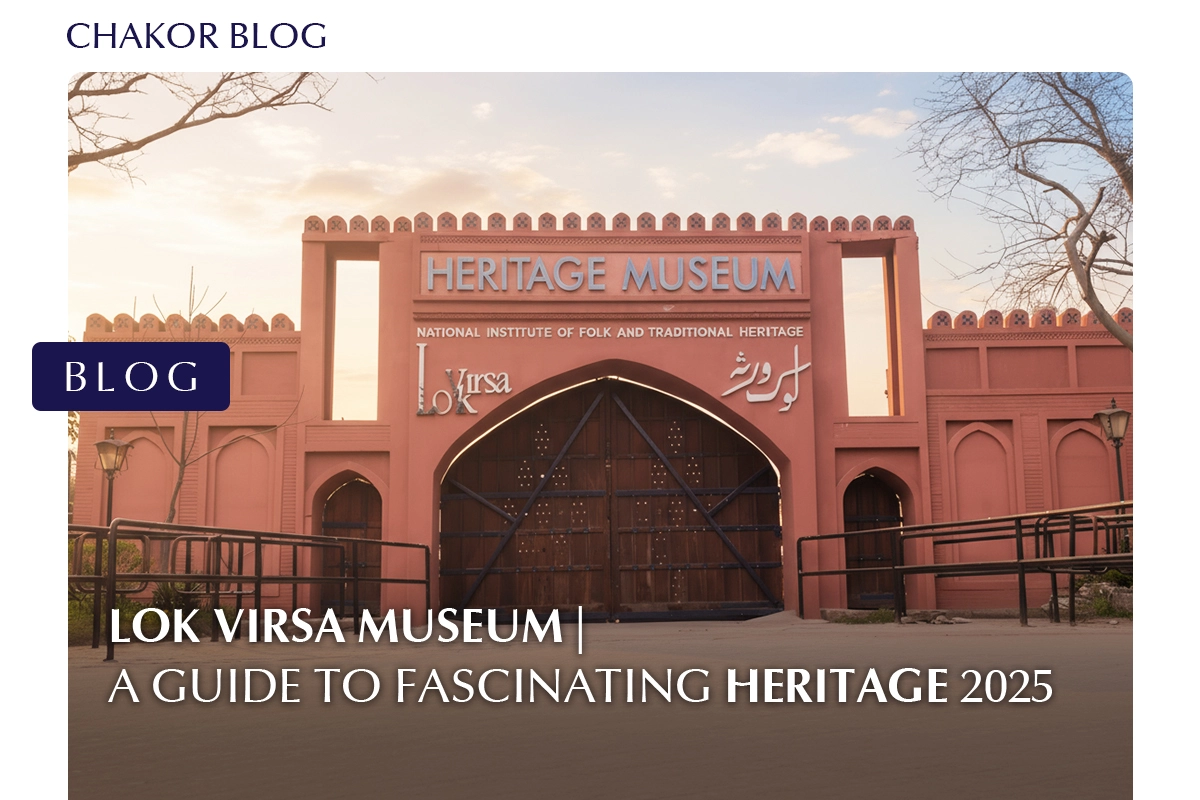
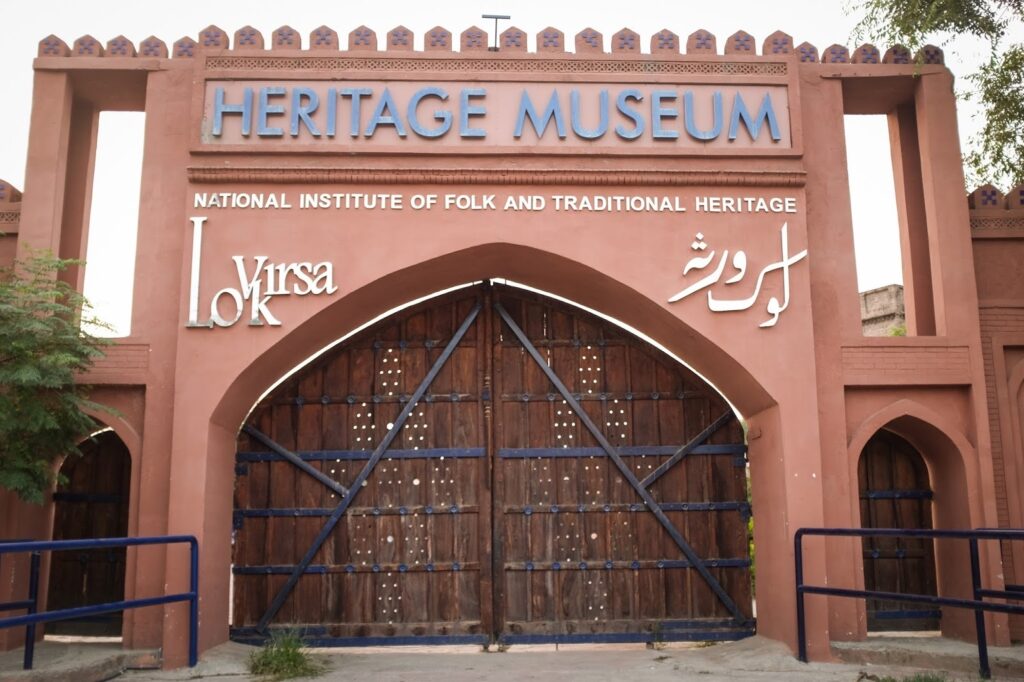
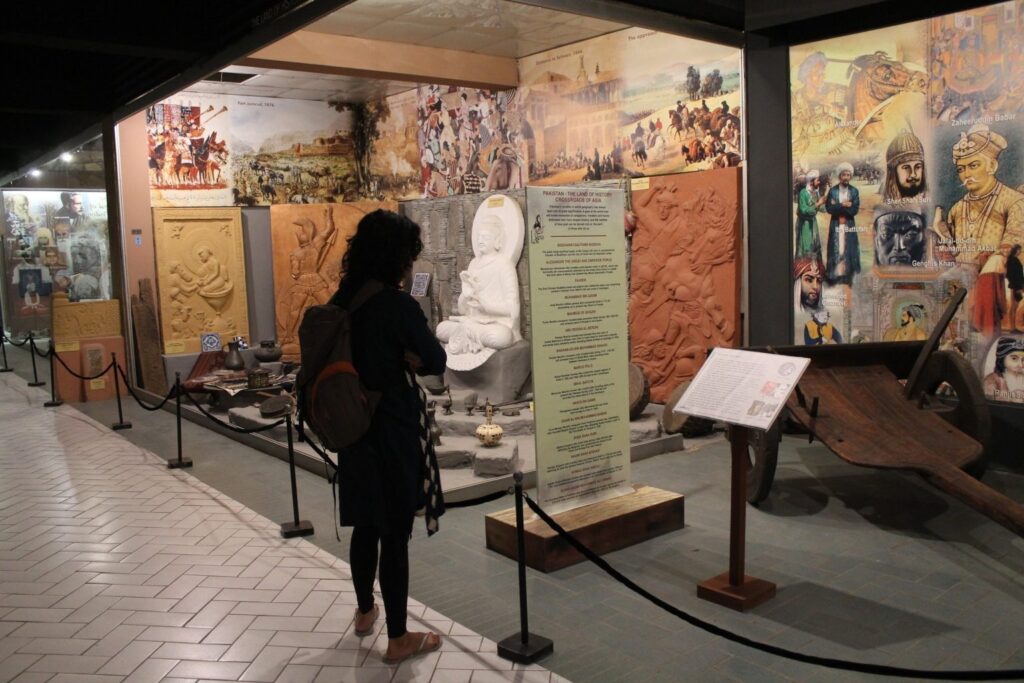
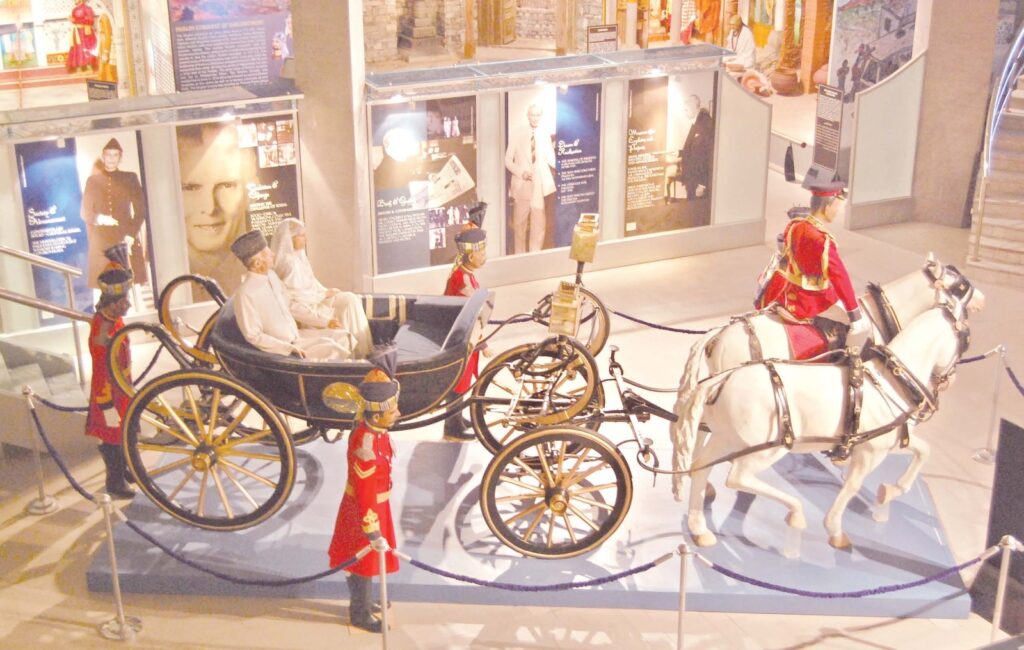
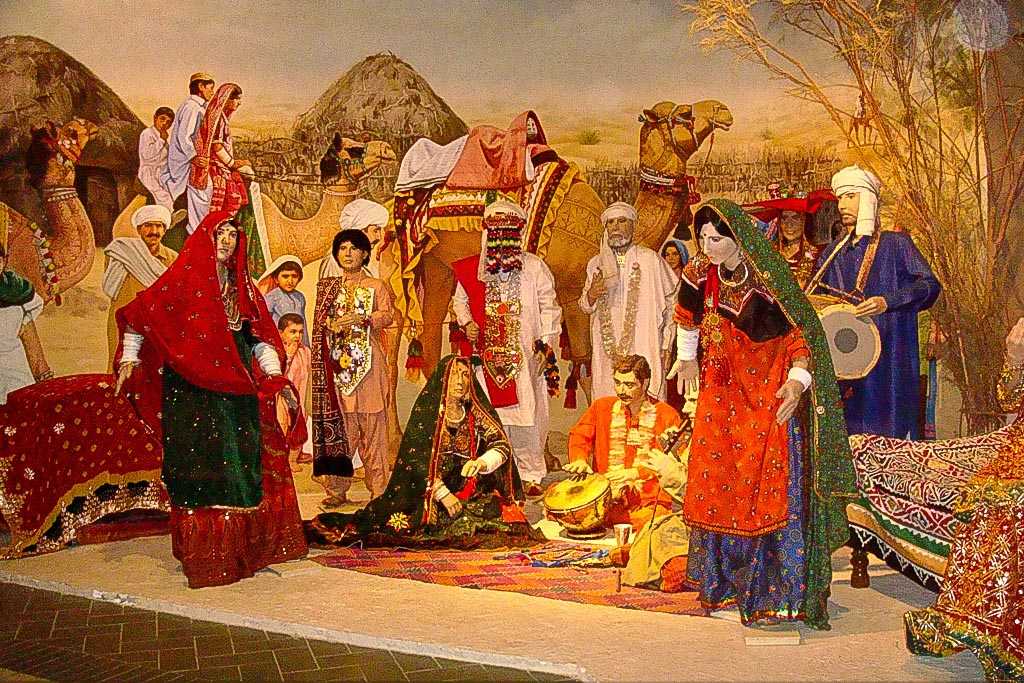
The Lok Virsa Heritage Museum in Islamabad is one of Pakistan’s most celebrated cultural landmarks, offering a deep and immersive look into the nation’s diverse folk traditions, ethnic identities, and historical journeys. The museum brings culture to life through dynamic displays, living crafts, music, and festivals. This comprehensive guide provides detailed insights into its history, layout, exhibitions, lok virsa timing, festivals, and everything you need to know before visiting.
What is Lok Virsa?
Lok Virsa, which translates to “People’s Heritage,” is an institution dedicated to safeguarding the cultural traditions of Pakistan. It serves as a national platform for documenting oral histories, folk music, regional crafts, and traditional lifestyles.
The organization functions under the National Institute of Folk & Traditional Heritage and works to preserve both tangible and intangible cultural assets.
Lok Virsa’s role extends far beyond museum exhibits; it fosters cultural awareness through research projects, publications, field surveys, workshops, and festivals.
By creating spaces where artisans, musicians, and cultural practitioners can actively showcase their work, Lok Virsa ensures that heritage remains a living and evolving part of Pakistan’s identity.
History & Evolution of Lok Virsa Islamabad
The history of the Lok Virsa Museum reflects Pakistan’s long-standing commitment to preserving its cultural diversity. The institution began in 1974, with its first significant expansion in 1982 when the Folk Art Museum was established.
Over the years, the museum evolved in structure and purpose, becoming a comprehensive ethnology center documenting Pakistan’s living traditions.
In 2002, Lok Virsa was granted autonomous status, giving it greater flexibility to execute cultural projects and manage its growing archives.
A major renovation in 2004 transformed the museum into what is now known as the Pakistan National Museum of Ethnology, commonly called the Heritage Museum.
Additional expansions, such as the opening of the Pakistan Monument Museum in 2010 and the Sufis and Shrines Gallery in 2013, further enhanced its cultural scope.
Today, Lok Virsa stands as one of the most significant cultural institutions in the country and a premier destination for heritage tourism.
Lok Virsa Location
Lok Virsa is situated on Garden Avenue in the picturesque Shakarparian Hills of Islamabad. Lok Virsa location is not only central but also symbolic, as the surrounding landscape complements the museum’s cultural ambiance.
The elevated site provides a serene environment that contrasts with the bustling city, making it a refreshing destination for visitors.
Its proximity to notable attractions like the Pakistan Monument, Rose and Jasmine Garden, and several viewpoints makes it easily accessible and ideal for day trips.
Whether arriving by personal car, taxi, or a ride-hailing service, visitors find the route straightforward and the area welcoming for families and tourists alike.
Museum Structure, Layout & Experience
The Lok Virsa Heritage Museum features a well-designed blend of indoor and outdoor spaces that collectively represent the cultural tapestry of Pakistan. The indoor galleries occupy roughly 20,000 square feet within the larger 60,000-square-foot complex.
These galleries use life-size dioramas, reconstructed environments, and immersive displays to convey the daily lives, traditions, and rituals of various ethnic groups.
Visitors walk through villages, marketplaces, traditional homes, and historical scenes that reflect the lifestyles of different regions.
In addition to the indoor exhibits, Lok Virsa includes several specialized galleries. The Sufis and Shrines Hall, for example, offers a spiritual journey through the imagery and music of Pakistan’s revered Sufi saints, showcasing shrines, devotional traditions, and qawwali performances.
The Historical Timeline Gallery provides a narrative arc beginning from ancient Indus Valley civilizations and moving through Islamic, Mughal, and modern eras.
The outdoor section of the museum is equally engaging. It features an extensive open-air space with an amphitheatre, artisan bazaar, and walkways designed to resemble traditional Pakistani towns.
Here, artisans work on pottery, fresco art, embroidery, and woodcraft as visitors watch and interact with them. Live performances of folk music and qawwali enhance the atmosphere, creating a dynamic cultural experience rarely found in traditional museum settings.
Exhibitions & Collections
The exhibitions at Lok Virsa represent a comprehensive portrayal of Pakistan’s cultural diversity. Each regional gallery focuses on the specific traditions, crafts, and lifestyles of the province it represents.
The Punjab gallery showcases phulkari embroidery and folk music;
Sindh’s gallery highlights ajrak, rilli quilts, and Sufi heritage;
Balochistan features its nomadic crafts and distinctive embroidery styles;
Khyber Pakhtunkhwa offers insights into Pashtun jewelry, architecture, and social traditions;
and the galleries for Gilgit-Baltistan and Kashmir highlight mountain culture, woolen crafts, and intricate wooden architecture.
Beyond regional representation, the museum displays an impressive collection of handcrafted items, including pottery, ceramics, embroidered garments, metalwork, and musical instruments.
These artifacts not only illustrate the artistic talent of Pakistani artisans but also serve as historical markers of cultural evolution.
Many exhibits depict festivals, ceremonial practices, and domestic life, providing visitors with a holistic understanding of social customs.
Lok Virsa Festival & Lok Virsa Mela
One of the most vibrant features of Lok Virsa is its festivals, commonly known as the Lok Virsa Mela. These events transform the museum grounds into a bustling cultural fair, featuring music, dance, craft stalls, food courts, and traditional performances.
Each festival celebrates Pakistan’s provincial diversity by creating spaces where regional cultures are showcased through live demonstrations, storytelling, and performances.
Artisans from across the country travel to these events to display their crafts, share their skills, and interact with visitors.
Lok Virsa also organizes cultural weeks dedicated to specific provinces, thematic Sufi festivals, seasonal spring festivals, and special national day celebrations.
These events offer visitors a rare opportunity to witness authentic cultural expressions, making festival days the best time to explore Lok Virsa for those seeking an enriched, interactive experience.
Research, Archive & Media Facilities
Lok Virsa is not only a museum, it is a research powerhouse. The Lok Virsa Heritage Library houses more than 32,000 books, manuscripts, research papers, and archival reports on subjects such as anthropology, ethnology, folk literature, art history, and traditional craftsmanship.
This makes it a valuable resource for scholars, students, and cultural researchers seeking deep insights into Pakistan’s heritage.
The Virsa Research & Publication Centre conducts extensive field surveys across Pakistan, interviewing elders, artisans, musicians, and community historians to preserve oral traditions that might otherwise be lost.
Its publications play a vital role in documenting regional stories, folk genres, and disappearing crafts.
Complementing this is the Virsa Media Centre, which produces documentaries, records folk music, and maintains audio-visual archives.
With thousands of hours of recordings and over 50 cultural documentaries, the media center ensures that the living sounds and stories of Pakistan are preserved for future generations.
Visitor Information
Lok Virsa offers accessible and family-friendly visitor facilities, making it suitable for tourists, families, and school trips. The museum is generally open from Tuesday to Sunday, typically from morning until early evening, with Mondays reserved as a weekly holiday.
Fridays usually include a midday prayer break. Ticket prices are affordable, with discounted rates for students and free entry for young children.
Visitors also have access to parking, clean restrooms, a prayer area, and seating spots throughout the complex. During festivals or melas, food stalls become available, offering traditional snacks and meals.
The museum’s spacious design allows comfortable movement, and many areas are wheelchair accessible.
Why Visit Lok Virsa Museum?
Lok Virsa Islamabad stands out as a must-visit destination because it offers a unique opportunity to explore Pakistan’s cultural diversity in one immersive setting.
The museum’s combination of indoor galleries and outdoor artisan spaces provides a rich blend of education and entertainment. Families appreciate its child-friendly environment, while researchers and students benefit from the extensive archives and library.
Cultural travelers, photographers, and vloggers find endless inspiration in the displays, crafts, architecture, and live performances.
Whether you are a local resident or an international tourist, Lok Virsa offers a meaningful encounter with the traditions that define Pakistan.
Visitor Tips
To make the most of your visit, consider exploring Lok Virsa during the cooler months of winter and spring, when outdoor spaces are more enjoyable. Checking festival schedules in advance can significantly enhance your experience, as mela days offer the most vibrant displays of culture.
Plan to spend at least two to three hours if you want to explore both indoor and outdoor areas thoroughly. Combining your visit with nearby attractions like the Pakistan Monument can create a complete cultural outing in Islamabad.
Carrying a camera is recommended, as the museum offers beautiful photography opportunities.
FAQs
What is Lok Virsa Heritage Museum?
It is Pakistan’s national ethnology museum dedicated to showcasing the cultural diversity, traditions, crafts, and heritage of the country.
Where is Lok Virsa located?
The museum is located on Garden Avenue in Shakarparian Hills, Islamabad.
What are Lok Virsa’s timings?
Typically open Tuesday to Sunday from morning to early evening; closed on Monday.
What is the Lok Virsa Mela?
It is a cultural festival featuring traditional music, crafts, food, dance, and performances representing Pakistan’s regional heritage.
Is Lok Virsa suitable for families and children?
Yes, it is an ideal destination for families, school trips, and cultural education.
Conclusion
The Lok Virsa Heritage Museum is a living celebration of Pakistan’s cultural richness. It preserves centuries-old traditions while providing a vibrant platform for artisans and performers to share their talents.
With its blend of galleries, festivals, research facilities, and interactive cultural experiences, Lok Virsa stands as one of the most popular Islamabad tourist places.
Whether you’re interested in learning about regional histories, exploring traditional crafts, or attending a lively cultural mela, a visit to Lok Virsa promises both education and enjoyment. For more information on places of natural and cultural significance such as Badshahi masjid, visit Chakor blogs.
BBC-featured Content Specialist with a sharp eye for search intent and a proven ability to turn content into a growth engine. I leverage cutting-edge digital marketing tools to craft strategies that fuel organic traffic, amplify brand growth, and own the local SEO landscape, particularly across the competitive real estate market. I help brands dominate search rankings and convert visibility into measurable business success.
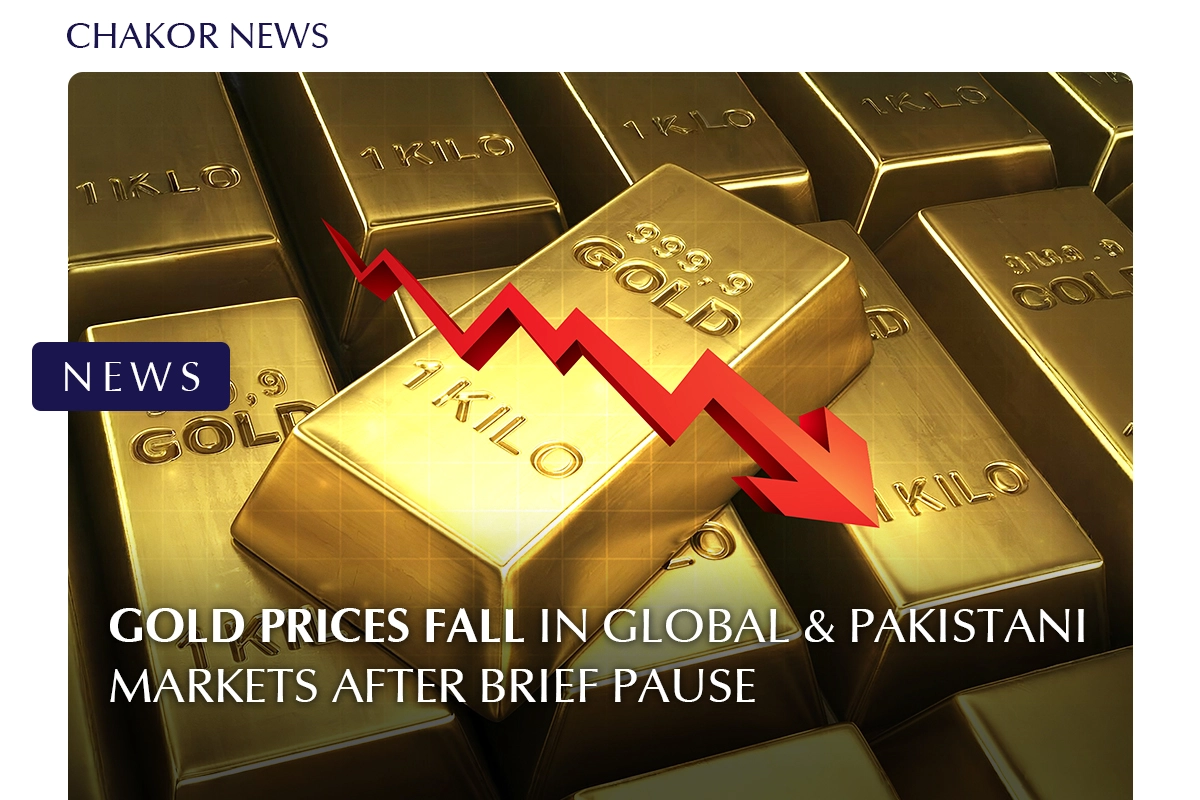
KARACHI: Gold prices retreated on Wednesday as both global and domestic markets recorded declines following a brief period of stability.
In international trading, the price of gold slipped by $10 per ounce, bringing the global rate down to $4,124. The dip in the global bullion market was mirrored in Pakistan, where local gold prices also moved lower.
According to market figures, the price of 24-karat gold per tola in Pakistan dropped by Rs. 1,000, closing at Rs. 434,762. Similarly, the rate for 10 grams of 24-karat gold fell by Rs. 857, settling at Rs. 372,738.
Silver prices also softened. The cost of one tola of silver decreased by Rs. 81, bringing the new price to Rs. 5,434. Meanwhile, the rate for 10 grams of silver declined by Rs. 69, now standing at Rs. 4,658.
Market analysts attribute the declines to shifting global economic sentiment, which has influenced demand for precious metals over the past week.
BBC-featured Content Specialist with a sharp eye for search intent and a proven ability to turn content into a growth engine. I leverage cutting-edge digital marketing tools to craft strategies that fuel organic traffic, amplify brand growth, and own the local SEO landscape, particularly across the competitive real estate market. I help brands dominate search rankings and convert visibility into measurable business success.
When buying or selling property in Pakistan, knowing how plot sizes are measured and converted is essential, since plot size conversion in Pakistan varies based on regions. Different regions use different units; Punjab and Islamabad commonly use Marla and Kanal, while Sindh mostly measures land in Square Yards or Square Feet. A Marla, Kanal, Acre, Square Yard, Square Foot, and Square Meter are all units used to measure land area. Understanding their conversions ensures accurate valuation and smarter real estate decisions. For more details, visit Chakor blogs.
Before we go further, if you’d rather avoid manual calculations, Chakor’s Plot Size Conversion Calculator has you covered. Convert any area into all common plot measurement units in Pakistan with a single click.
Common Land Measurement Units in Pakistan
In Pakistan, different land measurement units are used depending on the region. The most common ones are:
Marla,
Kanal,
Acre,
Square Yard,
Square Foot,
and Square Meter.
A Marla and a Kanal are traditional South Asian units that date back to the British era. These were introduced to standardize land records, but over time, different regions began using slightly different measurements.
That’s why one Marla can mean 225, 250, or 272.25 square feet, depending on the city or housing scheme.
Standard
1 Marla = Square Feet
Square Yards
Square Meters
Traditional (Revenue Standard)
272.25
30.25
25.29
Municipal / Housing Standard
250
27.78
23.23
Lahore / Local Standard
225
25
20.90
A Kanal equals 20 Marla, and an Acre equals 8 Kanal. Smaller plots are often measured in Square Feet or Square Yards, while larger agricultural lands are recorded in Acres or Square Meters.
Understanding these differences helps buyers and sellers compare plot sizes accurately and avoid confusion during property transactions.
Marla Conversion Guide
Understanding how a Marla is converted to square feet, square yards (gazz), or square meters is essential when buying or selling property in Pakistan. Different housing societies and cities follow slightly different standards, mainly 225 sq ft, 250 sq ft, or 272.25 sq ft per Marla.
Let’s break down each conversion step by step.
1 Marla to Square Feet: How Many Square Feet in a Marla?
Since Kanal is one of the most commonly used units, especially in Punjab and Islamabad, knowing how it converts into Marla, Square Feet, Square Yards, and Square Meters helps you accurately compare or evaluate plots.
1 Kanal is Equal to How Many Square Feet?
The number of square feet per Kanal depends on the Marla standard used in your area. Different regions and housing schemes in Pakistan use slightly different definitions of a Marla, which directly affects the measurement of a Kanal.
Since 1 Square Yard = 9 Square Feet and 1 Square Foot = 0.092903 Square Meters, you can convert Kanal into other units using simple multiplication.
Standard (Marla size)
1 Kanal = (sq ft)
1 Kanal = (sq yd)
1 Kanal = (sq m)
British / Revenue Record Standard (272.25)
5,445
605
505.86
Municipal / Housing Scheme Standard (250)
5,000
555.56
464.52
Lahore / Older Urban Standard (225)
4,500
500
418.06
Formulas:
To Square Yards: Kanal × (20 × Marla sq ft ÷ 9)
To Square Meters: Kanal × (20 × Marla sq ft × 0.092903)
Example: If your housing society uses 250 sq ft per Marla, and you have 3 Kanal:
Square Feet: 3 × 5,000 = 15,000 sq ft
Square Yards: 3 × 555.56 ≈ 1,667 sq yd
Square Meters: 3 × 464.52 ≈ 1,393.56 sq m
Acre and Hectare References
When dealing with large land areas in Pakistan, especially for agricultural or industrial plots, Acre and Hectare are the standard units used instead of Marla or Kanal. Understanding their relationships with other local units, such as Kanal, Marla, Bigha, Killa, and Murabba, helps ensure accuracy when buying or selling land.
This is a fixed, internationally recognized conversion that doesn’t change across regions. It also equals:
1 Acre = 4,840 Square Yards
1 Acre = 4,047 Square Meters
Hectare Conversion
1 Hectare = 2.47 Acres = approximately 20 Kanal
The exact conversion is: 1 Hectare = 10,000 Square Meters = 107,639 Square Feet)
Hectares are more commonly used in agricultural records, land surveys, and government documentation.
Traditional Agricultural Units in Pakistan
Besides Acres and Hectares, rural areas and older land records often use local units such as Murabba, Bigha, and Killa.
Unit
Equivalent
Approx. Area (sq ft)
Used In
Murabba
25 Acres
≈ 1,089,000 sq ft
Punjab (agricultural records)
Killa
1 Acre = 8 Kanal
43,560 sq ft
Common across Punjab & Sindh
Bigha
≈ 4 Kanal
21,780 sq ft
Punjab, KPK, rural areas
These units are mostly found in revenue and agricultural land documentation. In urban housing societies, Kanal and Marla remain standard.
Regional Standards
Pakistan doesn’t follow a single unified land measurement standard. Instead, each region or housing scheme can adopt slightly different definitions for the size of a Marla, and therefore, Kanal and Acre equivalents differ too.
Punjab and Islamabad
Standard Used: 1 Marla = 272.25 sq ft
1 Kanal = 20 Marla = 5,445 sq ft
This is often called the Revenue or British Standard, used in official land records, large housing schemes, and government property files.
Common in Islamabad, Rawalpindi, Multan, Faisalabad, and many parts of Punjab.
Lahore and Private Housing Schemes
Standard Used: 1 Marla = 225 sq ft
1 Kanal = 20 Marla = 4,500 sq ft
Adopted by some municipal and private developers for compact plot sizing.
Often found in older societies or local municipal layouts where land divisions were made decades ago.
Khyber Pakhtunkhwa (KPK)
Standard Used: 1 Marla = 250 sq ft
1 Kanal = 20 Marla = 5,000 sq ft
Many housing schemes in Peshawar, Mardan, and nearby regions follow this middle standard.
To make land measurements easier to understand, here’s a combined conversion chart that summarizes how Marla and Kanal relate to other common units, Square Feet, Square Yards, and Square Meters, based on the three major standards used in Pakistan.
These quick reference tables will help you compare plot sizes across different cities and housing societies.
Revenue / British Standard Marla = 272.25 sq ft
Unit
To Square Feet (sq ft)
To Square Yards (sq yd)
To Square Meters (sq m)
To Kanal
To Marla
1 Marla
272.25
30.25
25.29
0.05
1
1 Kanal
5,445
605
505.86
1
20
1 Acre
43,560
4,840
4,047
8
160
Municipal / KPK Standard Marla = 250 sq ft
Unit
To Square Feet (sq ft)
To Square Yards (sq yd)
To Square Meters (sq m)
To Kanal
To Marla
1 Marla
250
27.78
23.23
0.05
1
1 Kanal
5,000
555.56
464.52
1
20
1 Acre
43,560
4,840
4,047
8.71
174.24
Lahore / Old Urban Standard Marla = 225 sq ft
Unit
To Square Feet (sq ft)
To Square Yards (sq yd)
To Square Meters (sq m)
To Kanal
To Marla
1 Marla
225
25
20.90
0.05
1
1 Kanal
4,500
500
418.06
1
20
1 Acre
43,560
4,840
4,047
9.68
193.60
FAQs – Plot Size Conversion in Pakistan
1 marla is equal to how many square feet?
1 Marla equals 272.25 sq ft (standard), but it can also be 250 or 225 sq ft depending on the region.
1 kanal is equal to how many square yards?
1 Kanal equals 605 sq yd (standard), or 555.56 sq yd and 500 sq yd under other local standards.
How to convert square meters to marla?
Divide square meters by 25.29 (for 272.25 sq ft standard) to get marlas.
How many marla in 1 kanal?
There are 20 marla in 1 kanal everywhere in Pakistan.
What is 1 kanal in square feet?
1 Kanal equals 5,445 sq ft (standard), or 5,000 and 4,500 sq ft in alternate standards.
What is 1 marla to square feet?
1 Marla equals 272.25 sq ft (standard), or 250/225 sq ft regionally.
1 marla is equal to how many square feet
It equals 272.25 sq ft under the revenue standard.
One marla is equal to how many square feet?
One Marla = 272.25 square feet on average.
What is 1 marla equal to square feet?
1 Marla = 272.25 sq ft (standard).
Convert marla to square feet.
Multiply the number of Marla by 272.25 to get square feet.
1 Marla to square yard plot size conversion in Pakistan.
Divide total sq ft by 9 to get square yards.
1 marla to square yard plot size conversion in Pakistan.
1 Marla = 30.25 sq yd (standard).
Define Marla conversion to square yards.
1 Marla = 25–30.25 sq yd depending on standard used.
Convert square yard to marla.
Multiply square yards by 9, then divide by 272.25.
1 Square feet to marla plot size conversion in Pakistan.
Divide square feet by 272.25.
Convert Square meter to marla.
Divide square meters by 25.29 (standard).
Marla to square meter plot size conversion in Pakistan.
1 Marla = 25.29 sq m (standard).
Convert marla to square meter.
Multiply Marla by 25.29 to get square meters.
What is 1 Meter square to marla?
1 m² = 0.0395 Marla (approx., standard).
1 Kanal to marla plot size conversion in Pakistan.
1 Kanal = 20 Marla.
1 kanal is equal to marla?
1 Kanal equals 20 Marla everywhere in Pakistan.
Convert marla to kanal.
Divide total Marla by 20 to get Kanal.
1 kanal equal to how many square feet?
1 Kanal = 5,445 sq ft (standard).
One kanal is equal to how many square feet?
One Kanal = 5,445 sq ft by revenue record.
Plot size conversion in Pakistan; Kanal to square feet is?
Multiply Kanal by 5,445 to get square feet.
Kanal to square yard is?
1 Kanal = 605 sq yd (standard).
One kanal is equal to how many square yards?
One Kanal = 605 square yards under standard measure.
1 kanal is equal to square yards plot size conversion in Pakistan.
1 Kanal = 605 sq yd (standard), varies by region.
Kanal to square meter plot size conversion in Pakistan.
1 Kanal = 505.86 sq m (standard).
Convert 1 kanal to meter square.
1 Kanal = 505.86 square meters (standard).
Square meter to kanal plot size conversion in Pakistan.
Divide square meters by 505.86.
Meter square to kanal plot size conversion in Pakistan.
1 m² = 0.001977 Kanal (approx.).
Square yard to kanal plot size conversion in Pakistan.
Divide square yards by 605.
Square meters to kanal plot size conversion in Pakistan.
Divide total square meters by 505.86.
This was all about plot size conversion in Pakistan. For more information on relevant topics, visit Chakor blogs.
BBC-featured Content Specialist with a sharp eye for search intent and a proven ability to turn content into a growth engine. I leverage cutting-edge digital marketing tools to craft strategies that fuel organic traffic, amplify brand growth, and own the local SEO landscape, particularly across the competitive real estate market. I help brands dominate search rankings and convert visibility into measurable business success.
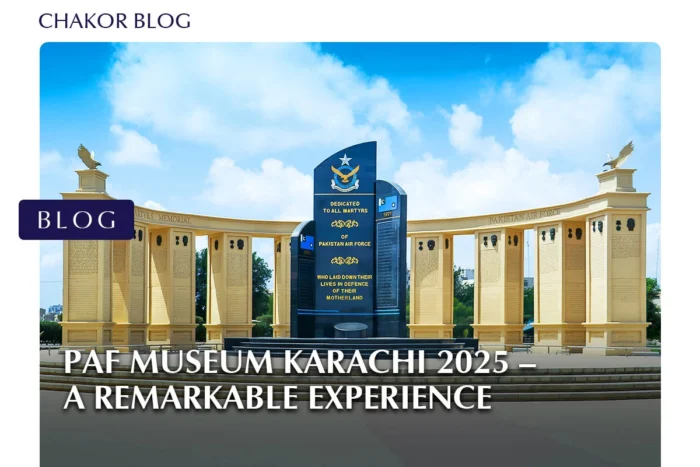
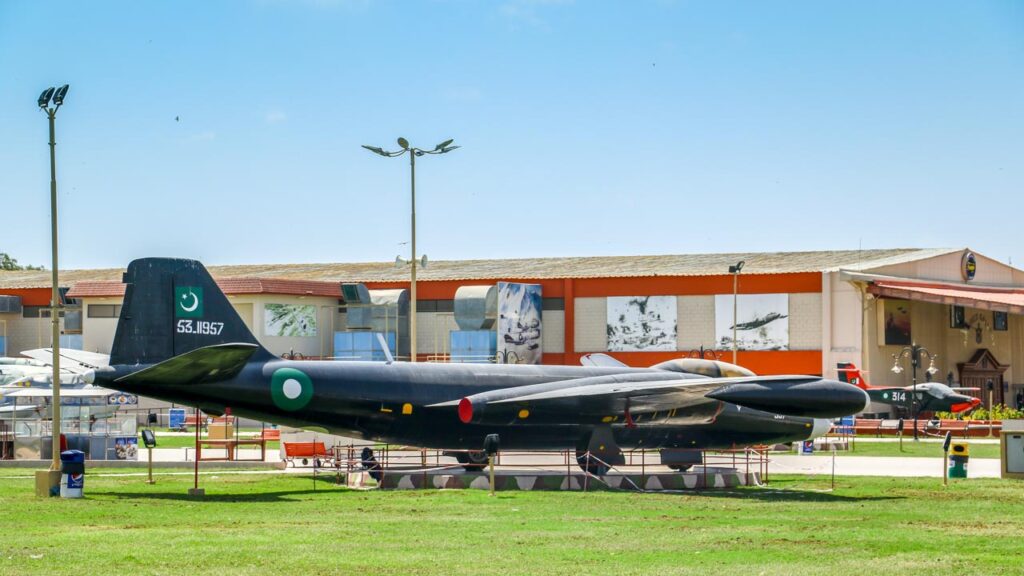
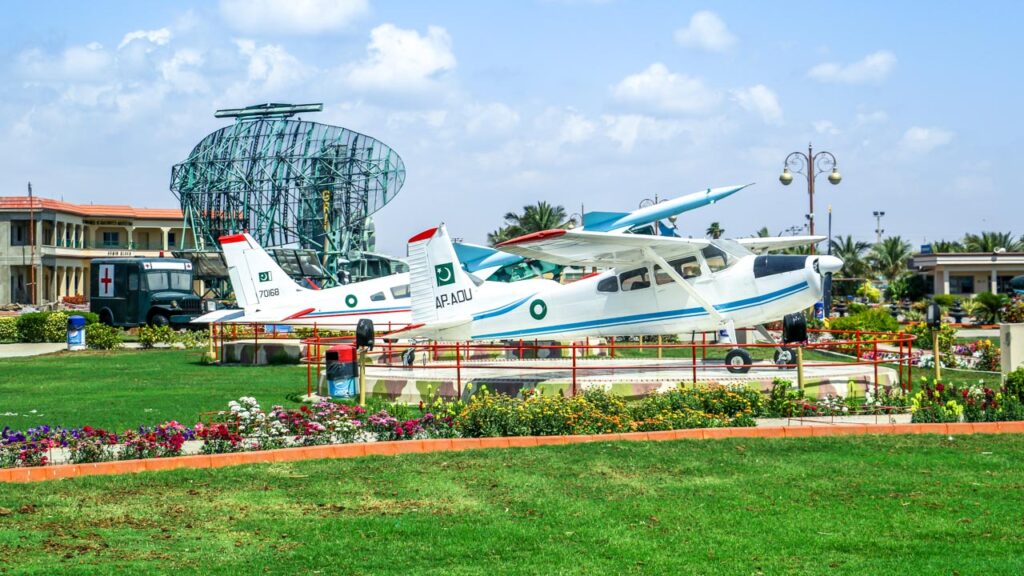
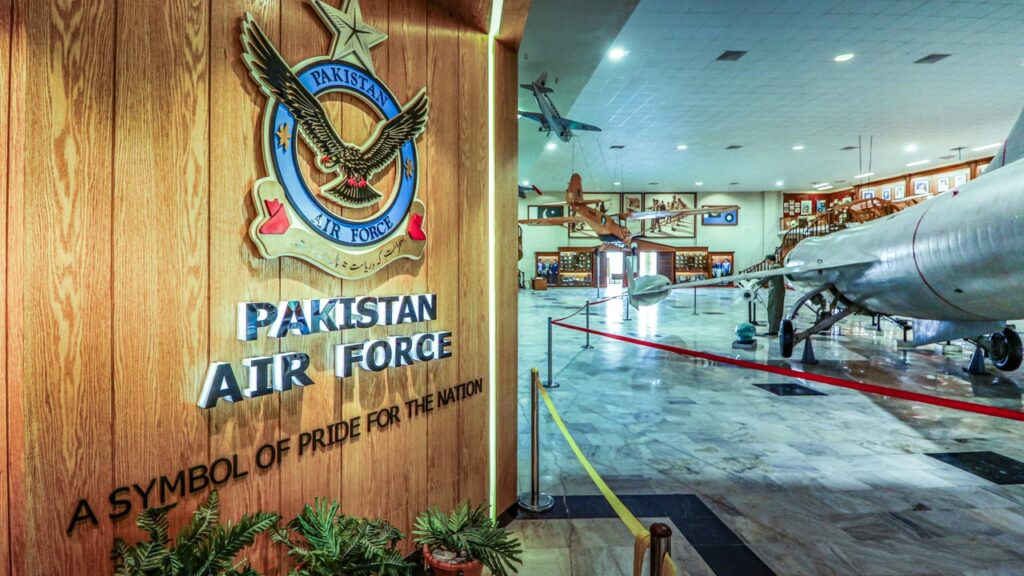
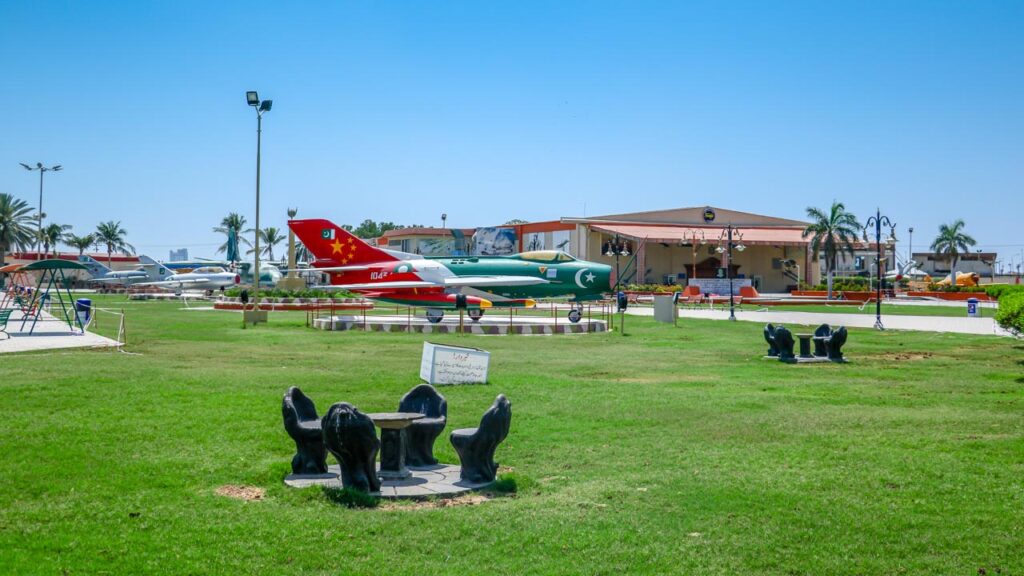
Ever wondered what it feels like to stand beneath the same fighter jets that once ruled the skies? The PAF Museum Karachi brings Pakistan’s aviation legacy to life with real aircraft from legendary missions, powerful war stories, and interactive flight simulators that let you experience the thrill of flying. As one of Karachi’s most fascinating tourist attractions, it celebrates the bravery, innovation, and pride of the Pakistan Air Force in a way that captivates both adults and children alike. For more details on its history, ticket prices, and visitor tips, keep reading Chakor Blog.
Located about 12 kilometers from Karachi city center, the PAF Museum is easily accessible by bus, taxi, Careem, Uber, and rickshaw.
Prominent nearby landmarks include the Karsaz Flyover and PAF Base Faisal, making it easy for first-time visitors to find their way.
History of PAF Museum Karachi (1940s – 2000s)
The history of the PAF museum is presented in the following sections in chronological order.
1940s–1950s: From British Hangars to National Heritage
The origins of the PAF Museum Karachi date back to the British colonial era, when two massive hangars were constructed at Drigh Road (present-day PAF Base Faisal) for aircraft maintenance and training.
Following Pakistan’s independence in 1947, these hangars became part of the newly formed Pakistan Air Force, but over time, they were abandoned and fell into disuse.
Their historical significance, however, remained intact, serving as silent witnesses to the evolution of South Asia’s early aviation history.
1980s–1990s: Vision and Establishment
Decades later, Air Commodore (retd.) Usman Ghani, then Base Commander of PAF Faisal, envisioned transforming these neglected hangars into a museum dedicated to preserving the Pakistan Air Force’s glory and legacy.
His goal was to create a space where citizens could explore the Air Force’s achievements and sacrifices. The project was approved, and work began under his leadership, setting the stage for one of Karachi’s most iconic landmarks.
1997: Inauguration and Public Opening
After meticulous planning and development, the PAF Museum was inaugurated on 14 August 1997, in symbolic alignment with Pakistan’s Independence Day, a tribute to the nation’s spirit of resilience.
It officially opened to the public in October 1997, showcasing a collection of fighter aircraft, radars, weapons, and aviation memorabilia that chronicled the Pakistan Air Force’s journey from its early years to its modern-day achievements.
1999–2004: Expansion and Growth
Between 1999 and 2004, the museum underwent a major transformation. New additions included children’s play areas, amusement rides, landscaped gardens, and eateries, making it both an educational and recreational destination.
These enhancements turned the PAF Museum into one of Karachi’s most-visited family attractions, blending historical reverence with engaging experiences for all ages.
2005–Present: A Living Legacy of Pride & Patriotism
Today, the PAF Museum Karachi stands as a living tribute to Pakistan’s aviation heritage, symbolizing decades of courage, innovation, and national pride.
It continues to inspire visitors with its impressive collection of aircraft, war stories, and modern interactive exhibits, serving not only as a museum but as a beacon of history and inspiration for generations to come.
PAF Museum Karachi Opening Timings
According to verified information from the official PAF Museum Karachi website, the museum welcomes visitors throughout the week with the following schedule.
Day
Verified Timings
Monday–Thursday
9 AM – 9 PM
Friday
3 PM – 10 PM
Saturday–Sunday
9 AM – 10 PM
Dress Code
The PAF Museum Karachi remains open year-round, including public holidays, making it a convenient destination for families, students, and tourists.
To maintain decorum and respect for the site’s national significance, shorts are not allowed inside the museum premises.
Visitors are encouraged to dress modestly and follow all posted guidelines during their visit.
Best Time to Visit
For the most enjoyable experience, plan your visit in the late afternoon or early evening, when the weather is cooler and the lighting beautifully enhances the aircraft displays and outdoor exhibits.
The evening ambiance also allows visitors to appreciate the illuminated aircraft park and landscaped surroundings, offering an unforgettable glimpse into Pakistan’s proud aviation
PAF Museum Karachi Ticket Price
The PAF Museum Karachi offers affordable entry for all visitors, ensuring that families, students, and history enthusiasts can enjoy this national landmark.
Below are the official ticket prices as listed on the museum’s verified sources:
Category
Ticket Price (PKR)
Adults
150
Children (3–12 years)
50
Students (up to Matric)
50
Armed Forces Personnel
50
PAF Personnel (Mon, Wed, Sat)
Free
Senior Citizens (60+)
Free
People with Disabilities
Free
Parking Fees
Convenient parking facilities are available within the museum premises at the following rates:
Car / Jeep / Van: Rs. 100
Motorcycle / Rickshaw: Rs. 50
Bus / Coaster: Rs. 350
The museum maintains reasonable and inclusive pricing to encourage visitors from all walks of life. Free entry for senior citizens, PAF personnel, and persons with disabilities reflects the institution’s commitment to accessibility and respect for service and community.
Tickets can be purchased directly at the entrance, and it’s recommended to carry cash, as card payment facilities may be limited.
Exhibits and Attractions at PAF Museum Park Karachi
The PAF Museum Karachi is home to an impressive open-air exhibition featuring over 50 aircraft, radars, and missile systems, making it one of the most comprehensive aviation displays in South Asia. The outdoor park is beautifully landscaped, with green lawns, shaded benches, and picnic-friendly areas, creating a relaxing yet awe-inspiring environment for visitors.
Among the most notable aircraft showcased in the outdoor section are:
Vickers VC.1 Viking – the historic aircraft once used by Quaid-e-Azam Muhammad Ali Jinnah.
Folland Gnat – an Indian Air Force jet captured during the 1965 Indo-Pak War.
Martin B-57 Canberra – a bomber that served prominently in Pakistan’s air defense.
North American F-86 Sabre – one of the iconic fighters that earned glory in air battles.
Lockheed F-104 Starfighter – a supersonic aircraft representing PAF’s modernization.
Dassault Mirage 5 – a high-speed jet integral to the Air Force’s strike capability.
Shenyang F-6 – a backbone of PAF’s fighter fleet for decades.
Captured and Foreign Aircraft
The museum also preserves aircraft from foreign air forces, symbolizing the valor and victories of the Pakistan Air Force in combat:
Indian Air Force Folland Gnat – captured intact during the 1965 War.
Afghan Air Force MiG-21 – representing regional air engagements.
Iraqi Air Force Antonov An-12 – another rare aircraft now part of the museum’s international collection.
Special Galleries
Inside the museum complex, several themed galleries highlight defining moments in Pakistan’s aerial history:
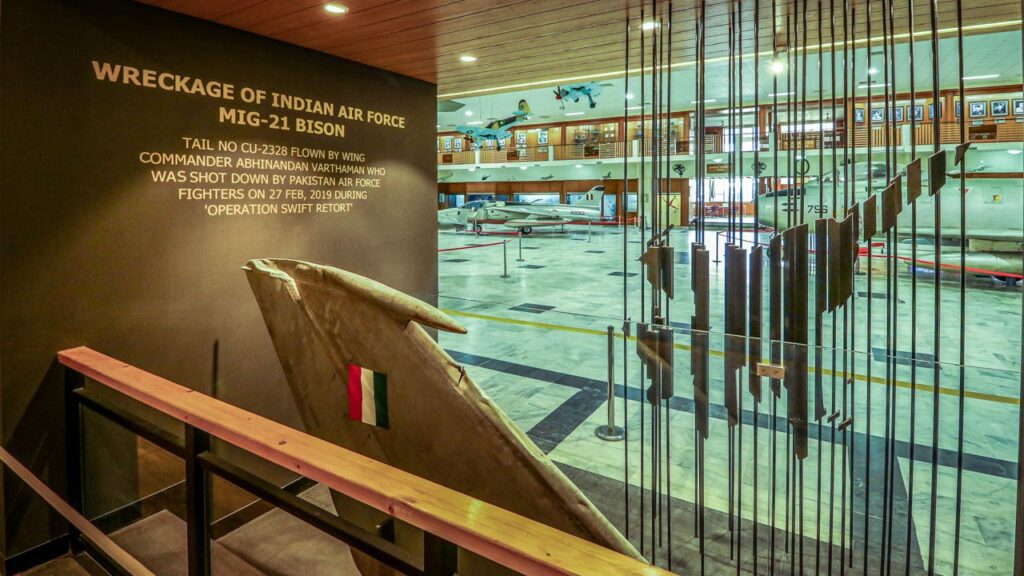
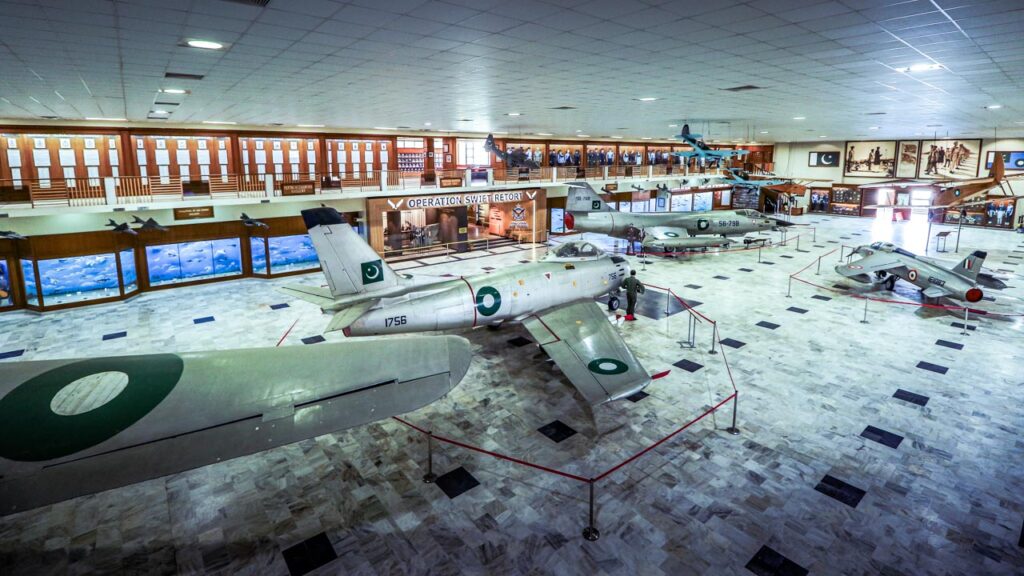
Operation Swift Retort Gallery: Features a statue of Indian Air Force Wing Commander Abhinandan Varthaman, along with the fuselage and tail section of his MiG-21, marking a modern chapter in Pakistan’s defense success.
Jinnah’s Aircraft Display: Houses the Vickers VC.1 Viking, the very plane used by Muhammad Ali Jinnah, the founder of Pakistan, a treasured piece of national history.
Indoor Displays
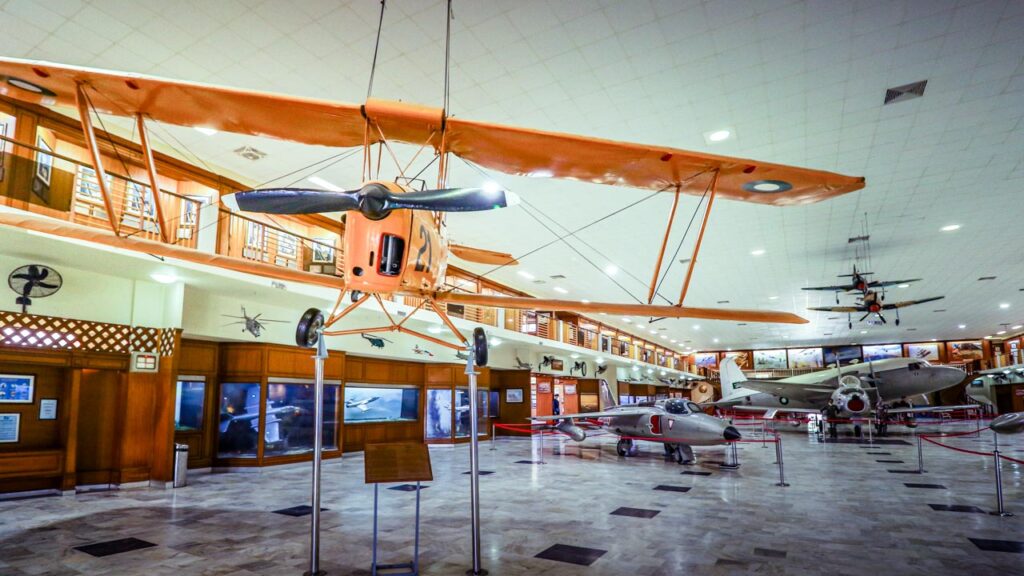
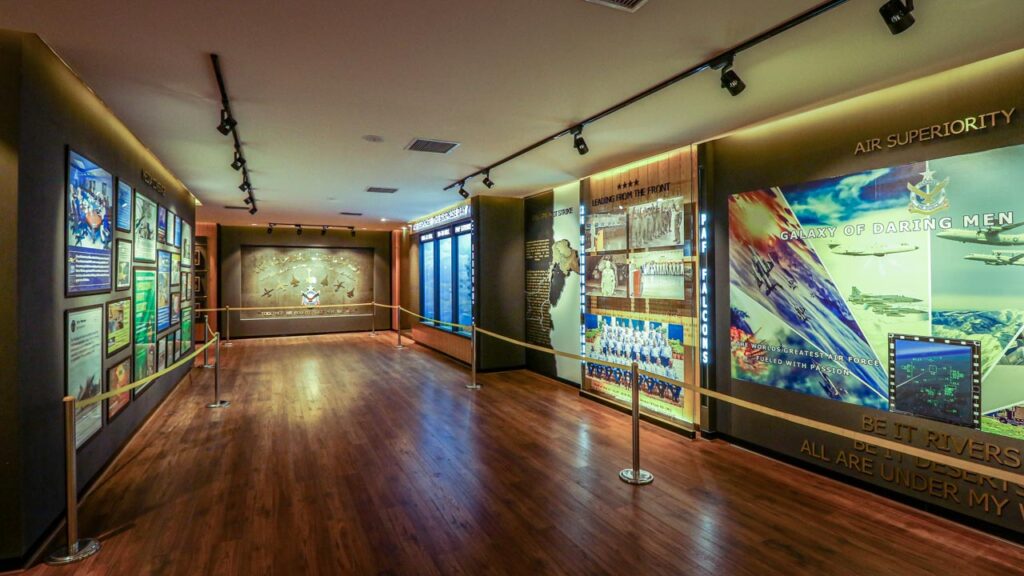
Beyond the outdoor park, visitors can explore the indoor museum halls, which feature:
Historical photographs and uniforms tracing PAF’s evolution.
Scale models of aircraft, radar systems, and missile displays.
PAF memorials honoring the heroes who defended Pakistan’s skies.
Interactive multimedia installations and flight simulator experiences, giving visitors a hands-on understanding of aviation technology and the thrill of flying.
Together, these exhibits make the PAF Museum Karachi not just a collection of machines but a living chronicle of Pakistan’s aerial triumphs, sacrifices, and technological advancement.
Facilities and Visitor Experience
The following are some of the key facilities available at the PAF Museum Karachi, ensuring a comfortable and enjoyable visit for everyone:
Cafe and Refreshments: The museum features a clean and well-maintained café and canteen offering snacks, drinks, and light meals. It’s a perfect spot to relax and recharge after exploring the exhibits or enjoying the aircraft park.
Children’s Play-Land: A dedicated play area with swings, merry-go-rounds, and entertainment simulators keeps younger visitors entertained. It combines fun and education, making the museum an engaging experience for families with children.
Picnic and Seating Areas: The museum’s spacious outdoor park includes ample shaded seating and picnic areas. Visitors can unwind on beautifully landscaped lawns surrounded by historic aircraft and peaceful greenery.
Souvenir Shops and Amenities: Souvenir shops within the premises offer PAF-themed merchandise, model aircraft, and keepsakes. Visitors can also access clean restrooms and drinking water facilities located conveniently throughout the grounds.
Wheelchair Accessibility and Clean Environment: The PAF Museum Karachi is wheelchair-accessible, with smooth walkways and ramps to facilitate easy movement for all visitors. The entire complex is maintained with high cleanliness standards, providing a safe, educational, and family-friendly environment suitable for both local and international tourists.
How to Reach the PAF Museum Karachi?
The PAF Museum Karachi is conveniently situated on Shahrah-e-Faisal, adjacent to PAF Base Faisal and near the Karsaz Flyover, making it one of the most accessible attractions in the city.
It’s located approximately 12 kilometers from the city center (Saddar), a short drive through one of Karachi’s main arteries.
Transport Options
Visitors can easily reach the museum via:
Taxi or Ride-Hailing Apps: Careem and Uber offer direct routes to the entrance.
Public Transport: Local bus routes #12 and #17 pass close to the museum.
Rickshaw: A budget-friendly option for nearby travelers.
Private Vehicle: On-site parking is available for cars, motorcycles, and buses.
The clear signage along Shahrah-e-Faisal and its proximity to major landmarks make navigation straightforward even for first-time visitors.
Visitor Tips
Plan Your Visit Wisely: To make the most of your trip, plan a weekday visit to avoid the larger weekend crowds. The museum’s spacious grounds are best explored in late afternoon or evening, when the lighting enhances both comfort and photography.
Dress and Conduct: Visitors are requested to dress modestly; shorts are not allowed on the museum premises. Respect for the site’s national and military significance is encouraged at all times.
Photography and Payments: Photography is permitted in open areas, though it’s best to confirm at the entrance regarding indoor exhibits. Carry cash, as card payment options are limited at the ticket counters and kiosks.
Capture the Experience: Evening visits offer stunning views of illuminated aircraft and monuments, making for some of the best photo opportunities in Karachi.
Why Visit the PAF Museum Karachi
A National Symbol of Pride: The PAF Museum Karachi stands as a proud tribute to Pakistan’s aerospace history and military excellence, showcasing the courage, innovation, and achievements of the Pakistan Air Force.
Blend of Education and Recreation: It offers a perfect balance between learning and leisure, allowing visitors to explore historical aircraft, interactive galleries, and flight simulators in an engaging environment.
Family-Friendly and Affordable: With affordable ticket prices, clean surroundings, and safe, open spaces, the museum is an ideal destination for families, students, and tourists alike.
One of Karachi’s Top Attractions: As one of the most-visited tourist spots in Karachi, the museum continues to inspire national pride and curiosity, making it a must-see landmark for anyone exploring the city.
BBC-featured Content Specialist with a sharp eye for search intent and a proven ability to turn content into a growth engine. I leverage cutting-edge digital marketing tools to craft strategies that fuel organic traffic, amplify brand growth, and own the local SEO landscape, particularly across the competitive real estate market. I help brands dominate search rankings and convert visibility into measurable business success.
Manora Beach in Karachi is one of the city’s most charming seaside escapes. Once a small island just off the coast, it is now a peaceful peninsula connected to the mainland near Karachi Harbour. The drive to Manora feels like leaving behind the city’s rush and entering a calm, breezy world surrounded by sea and sand.
In recent years, the government has transformed this spot with the Manora Beach new waterfront project (2021). For further details, keep reading.
History of Manora Beach Karachi
Period
Role of Manora
Ancient
Maritime landmark mentioned by Alexander’s fleet
Talpur Dynasty
Fortified coastal defense
British Rule
Naval base and trading port
Modern Pakistan
Naval installation and tourist destination
Manora Beach, Karachi, has a rich and layered history, influenced by ancient civilizations, colonial powers, and modern developments. This timeline takes you through the key historical periods of Manora Beach Karachi, providing insight into its significance and transformation over the years.
Ancient Era: The Beginning
“Morontobara”: Manora’s history dates back to ancient times, where it was referred to as “Morontobara” by Nearchus, the admiral in Alexander the Great’s fleet.
Strategic Location: Due to its location at the entrance to Karachi Harbour, it played a key role for early maritime traders and explorers. This area was an important point for vessels navigating the coast of Sindh.
Talpur Dynasty (1797 – 1839): The Fortification
In 1797, the Talpur dynasty, which ruled Sindh, constructed Manora Fort to protect Karachi’s port and coastal trade routes from foreign invaders and pirates.
The fort, built of solid stone and located on the island, was a military outpost designed to monitor and defend the harbour entrance.
The Talpur Fort became a strategic military installation for the Talpurs, offering them a stronghold over the Karachi region.
British Colonial Era (1839 – 1947): Control & Development
British Capture (1839): The British East India Company captured Karachi in 1839 after a naval attack on Manora Fort. The HMS Wellesley bombarded the fort and forced the Talpur forces to surrender, marking the start of British control over Karachi and its surrounding areas.
Lighthouse Construction (1889): During the British era, the Manora Point Lighthouse was completed in 1889. Designed by British engineers, the lighthouse played a crucial role in guiding ships entering Karachi Harbour, one of the region’s busiest ports.
The lighthouse is 38 meters (125 feet) tall, making it one of Pakistan’s tallest and most iconic working lighthouses.
Infrastructure Growth: Under British rule, Manora became an important trading post, and the British worked on improving Karachi’s port and associated infrastructure, including roads and communication systems.
Post-Independence Era (1947 – Present): Military Base to Tourist Destination
Pakistani Navy Base: After the creation of Pakistan in 1947, Manora became a vital base for the Pakistani Navy. It continued to serve as a key military outpost, helping secure Karachi’s waters.
Civilian Access: While the beach and fort were primarily military sites, Manora gradually opened to civilian visitors as Karachi’s population grew and tourism increased.
Modern Developments: In the 21st century, significant investment in infrastructure was made, including the Manora Beach new waterfront project, which was launched in 2021 with an investment of PKR 650 million. This project improved the facilities at the beach, making it more accessible to the public and boosting its tourism potential.
The addition of shaded seating, play areas, improved walkways, and clean restrooms has made Manora Beach Karachi a popular destination for families and history enthusiasts alike.
Manora Today: A Blend of History & Modernity
Today, Manora Beach Karachi stands as a unique blend of historical landmarks, such as Manora Fort, and modern amenities like the newly upgraded waterfront.
The Shri Varun Dev Mandir (Hindu temple) and St. Paul’s Church offer visitors a chance to explore Karachi’s cultural diversity, while the Manora Lighthouse continues to stand as a reminder of the area’s strategic maritime importance.
The future plans for a bridge to reduce travel time to Manora Beach Karachi by approximately 30 km further reflect the continued development of this historic site as a tourism hub for Karachi.
Religious & Cultural Landmarks
Manora reflects Karachi’s long tradition of cultural and religious diversity:
St. Paul’s Church: Built in 1865 during British rule, this beautiful stone church still stands as a symbol of colonial architecture.
Shri Varun Dev Mandir: A historic Hindu temple dedicated to the Sea God, located close to the shoreline. It represents the faith and maritime roots of the local Hindu fishing community.
Both landmarks highlight how Karachi Manora Beach has become a meeting point for people of different faiths, cultures, and communities over time.
Things to Do at Manora Beach Karachi
With the new waterfront development at Manora Beach, the beach has become even more enjoyable for visitors.
Visit the Fort & Lighthouse
Start your visit with a step back in time at Manora Fort, built in 1797 by the Talpur dynasty. The fort now houses a small museum where you can learn about the area’s history, especially its strategic role during British colonial times.
Climb to the top of the Manora Point Lighthouse, which was built in 1889. Standing at 38 meters, the lighthouse offers a 360-degree view of the Arabian Sea and Karachi Harbour. It’s a perfect spot for photos, especially at sunrise or sunset.
Explore the Temple, Church, and Local Fishing Village
Shri Varun Dev Mandir, located right by the sea, is a Hindu temple dedicated to the Sea God, offering both cultural insight and a peaceful place to reflect.
St. Paul’s Church, built in 1865, is another must-visit. This colonial-era church still stands on the island, showcasing intricate stonework and providing a quiet, spiritual atmosphere.
Don’t miss the local fishing village. Wander through the quaint streets, watch the colorful fishing boats, and see the traditional methods of fishing still used today.
Enjoy Classic Beach Activities
Swimming: The calm, clear waters make it perfect for a refreshing swim. Always check for safety guidelines and swimming areas marked by lifeguards.
Boating: Take a boat ride from the nearby jetty and enjoy the coastal views of Manora Beach.
Sunset Watching: One of the highlights of visiting Manora is the stunning sunset. With the lighthouse in the background and the sea turning golden, it’s an unforgettable experience.
Food & Cafés with Seaside Views
After all the sightseeing, you’ll likely have worked up an appetite.
Café 76 and Oyster Rock are popular spots offering local seafood dishes like fried fish, prawns, and crabs. These cafés are perfect for a leisurely meal while enjoying the view of the sea.
You’ll also find local food stalls near the beach, offering quick snacks like tea, fried fish, and spicy fries, simple and tasty!
Explore the New Amenities at Manora Beach New
Thanks to the Manora Beach new waterfront project, the area has received significant upgrades:
Shaded gazebos and sitting areas are perfect for relaxing or having a picnic with family or friends.
The children’s play area makes it a great spot for families with kids.
Lighting and clean pathways ensure that you can enjoy the beach even as the sun sets.
There is ample parking available, making it easier for visitors to access the beach.
With its mix of history, relaxation, and modern amenities, Manora Beach Karachi is the perfect destination for a peaceful day trip. Whether you’re exploring the fort, soaking in the views from the lighthouse, enjoying a boat ride, or just relaxing by the beach, there’s something here for everyone.
Facilities, Entry Fee & Amenities
Manora Beach Karachi has been significantly upgraded with modern facilities, making it an even more enjoyable destination for visitors. Whether you’re planning a short visit or a longer stay, here’s what you can expect in terms of amenities, costs, and services.
Entry Fee
The entry fee to the waterfront project zone at Manora Beach Karachi is PKR 50 per person. This affordable ticket provides access to the upgraded beach area, which includes new amenities and improved facilities.
Facilities
Parking: There are both free and paid parking options available near the entrance. The improved parking area makes it easier for visitors to find a spot, especially on busy days.
Restrooms: Clean and well-maintained restroom facilities are available to ensure a comfortable experience for visitors.
Shaded Seating: For those who prefer to relax away from the sun, there are shaded seating areas and gazebos, perfect for picnics or simply enjoying the views.
Lifeguards: As reported, lifeguards are stationed at the beach to ensure safety, especially in designated swimming areas. Visitors can enjoy the beach with peace of mind knowing that there are trained professionals keeping watch.
Dog-Friendly Zones: Manora Beach Karachi has also embraced a dog-friendly policy, allowing pet owners to bring their dogs and enjoy the beach together.
Hotel/Resort Accommodation
For those looking to stay longer, there are a few options that offer hotel accommodations near the beach.
Rooms at the resort are generally priced at around PKR 20,000 per night.
The general offers include comfortable accommodations, including a pool, restaurant, and easy beach access, making it a great option for a weekend getaway or a longer stay.
How to Go to Manora Beach Karachi?
Manora Beach Karachi is accessible by both road and sea, making it easy for visitors to choose the best mode of transportation. Here’s a guide on how to get there, along with travel times and costs.
By Road
To reach Manora Beach Karachi by road, follow this route:
Start at Tower/MT Khan Road in the city center.
Drive down Mauripur Road, a busy road leading to the coastal area.
Take a turn towards Kakapir, a small town close to the beach.
From there, continue on the Manora Driveway, a newly upgraded road that connects the mainland to the beach.
Travel Time: Around 30-45 minutes from Karachi city center, depending on traffic.
Approximate Fare: If taking a taxi or ride-hailing service, the fare will be approximately PKR 500–800 one-way.
By Sea/Ferry
If you prefer a more scenic route, you can take a boat ride from the Keamari jetty to Manora Beach.
The boat ride is an enjoyable way to see the coastline and reach the beach in about 15-20 minutes.
Future Ferry Service: There are plans to launch a ferry service from Clifton Seaview in the near future, making it even easier for residents of the Clifton and Defence areas to access Manora Beach Karachi. This new service is expected to be more convenient and faster.
Approximate Fare:
Boat ride from Keamari jetty: Typically PKR 100–150 per person, depending on the boat and season.
Best Time & Visitor Tips
To make the most of your trip to Manora Beach Karachi, here’s when to go and some essential tips to ensure a comfortable visit.
Best Months to Visit
The ideal time to visit Manora Beach Karachi is between November and February, when the weather is pleasant, with cooler temperatures and lower humidity. This is the best time to enjoy the beach without the intense summer heat.
Avoid Summer: Summer months can get extremely hot, with temperatures rising above 40°C, making the beach less enjoyable.
Avoid Weekends & Holidays: Manora Beach Karachi can get crowded on weekends and public holidays, so try to visit during the week or in the morning for a quieter experience.
Essential Items to Bring
Water: It’s essential to stay hydrated, especially during the warmer months.
Sunscreen: Protect yourself from the strong sun, particularly when walking or lounging on the beach.
Hat/Sunglasses: To shield yourself from the sun, bring a hat and sunglasses.
CNIC: Keep your CNIC or ID card handy for security checks at the check-post on the road to the beach.
Snacks: While there are food stalls and cafés, it’s always a good idea to bring some snacks, especially if you plan to stay for a while.
Environment, Ecology & Responsible Tourism
Manora Beach Karachi is not only a beautiful destination but also an important ecological site. The area is home to various natural resources that play a significant role in maintaining the local environment. Visitors should be mindful of their impact and engage in eco-friendly tourism to help preserve this coastal gem.
Mangroves & Peelu Tree Protection
Mangroves: The area around Manora Beach Karachi is home to vital mangrove forests, which act as a natural barrier, protecting the coastline from erosion and supporting marine life.
Peelu Trees: The Peelu tree (Salvadora persica), a species native to coastal regions, plays a crucial role in stabilizing the sand dunes and protecting the beach from the strong waves and winds. These trees help preserve the natural beauty and ecological balance of the area.
Environmental Challenges
While Manora Beach Karachi offers stunning views and a rich natural habitat, it faces some environmental challenges:
Water Scarcity: Like many coastal areas, Manora struggles with freshwater availability, relying on water tankers for supply. This issue affects both the local population and the tourism indust
Pollution: The beach and surrounding areas face pollution from oil spills, waste, and sewage from the nearby harbor. Plastic waste is a particular concern, threatening marine life and the overall health of the ecosystem.
Harbour-related Pollution: Industrial activities around Karachi Harbour contribute to water contamination, affecting the beach’s cleanliness and natural surroundings.
Encouraging Eco-Friendly Behavior
To help preserve the natural beauty of Manora Beach Karachi, here are some responsible tourism tips:
Avoid Plastics: Always carry a reusable water bottle and avoid single-use plastics. If you bring anything to the beach, make sure to take it with you when you leave.
Respect Heritage Sites: Manora Fort, St. Paul’s Church, and other historical sites are important cultural landmarks. Treat them with respect, avoid vandalism, and follow any posted guidelines to protect these structures.
Leave No Trace: Clean up after yourself. Dispose of trash responsibly in designated bins or take it with you to ensure the beach remains pristine.
Support Local Initiatives: Participate in or donate to local eco-tourism projects that protect the coastal environment, such as mangrove restoration and wildlife protection.
The New Face of Manora Beach Karachi
Manora Beach Karachi has undergone significant transformations in recent years, thanks to a PKR 650 million investment by the Sindh Government in 2021. The Manora Beach new waterfront project has brought modern amenities and infrastructure improvements that enhance the beach’s appeal while preserving its natural beauty and heritage.
New Waterfront Project Features
The Manora Beach new project has completely upgraded the area, making it more accessible and enjoyable for visitors. Some of the key improvements include:
Shaded seating areas and gazebos for visitors to relax and enjoy the beach in comfort.
Clean pathways and improved lighting, which make the beach safer and more pleasant, especially during the evening.
Children’s play areas, making it a family-friendly destination.
Expanded parking facilities, reducing congestion and making it easier to access the beach.
These upgrades have turned Manora Beach Karachi into a more modern, visitor-friendly destination while retaining its charm and natural beauty.
Future Developments: Bridge & Travel Convenience
In addition to the current upgrades, there are plans to further improve accessibility to Manora Beach Karachi:
Future Bridge: The Karachi Port Trust (KPT) is constructing a new bridge that will reduce the travel distance by approximately 30 km. This will make it easier for residents of Clifton and Defence to access the beach, significantly cutting down travel time and making the destination more accessible to a wider audience.
These developments will further elevate Manora Beach, Karachi, as a go-to spot for locals and tourists alike.
Opportunities for Eco-Tourism and Heritage Preservation
The Manora Beach new project has also opened doors to exciting opportunities for eco-tourism and heritage preservation:
Eco-Tourism: With the improved infrastructure, there is greater potential for promoting sustainable tourism at Manora Beach Karachi. Efforts to protect the coastal ecosystem, including mangrove restoration and waste management, are gaining momentum.
Heritage Preservation: The ongoing development is being balanced with a focus on preserving the historical sites like Manora Fort and St. Paul’s Church, ensuring they remain integral parts of the area’s identity.
Local Community Uplift: The development of Manora Beach Karachi also offers significant economic benefits to the local community, providing employment and promoting local businesses like small shops, restaurants, and tour services.
FAQ
Here are the one-liner answers to the FAQs you asked about:
How much is the ticket for Manora Beach Karachi?
The entry fee for Manora Beach Karachi is PKR 50 per person for the waterfront area.
How much is the ticket for Manora Beach?
The ticket for Manora Beach is PKR 50 per person (for the waterfront zone).
How do I go to Manora Beach?
You can reach Manora Beach by road via Mauripur Road or by boat from Keamari jetty.
Where is Manora Beach Karachi?
Manora Beach Karachi is located off the coast of Karachi, at the mouth of Karachi Harbour, connected to the mainland.
What is Manora Beach famous for?
Manora Beach is famous for its historic lighthouse, Manora Fort, and beautiful mangrove-lined beaches.
What is the history of Manora Beach Karachi?
Manora Beach Karachi has a rich history, including the Talpur Fort (1797) and Manora Point Lighthouse (1889), built during British colonial rule.
Where is Manora Beach?
Manora Beach is located near Karachi Harbour, just off the coast of Karachi city.
Are there any hotels on Manora Beach?
There are no direct hotels on Manora Beach, but Dreamworld Resort nearby offers accommodation options.
What is Manora famous for?
Manora is famous for its lighthouse, historic fort, and as a peaceful getaway near Karachi.
How much is the entry fee for Manora beach Karachi?
The entry fee for Manora Beach Karachi is PKR 50 for the waterfront area.
For more information on popular tourist attractions such as Mohatta Palace, visit Chakor blogs.
BBC-featured Content Specialist with a sharp eye for search intent and a proven ability to turn content into a growth engine. I leverage cutting-edge digital marketing tools to craft strategies that fuel organic traffic, amplify brand growth, and own the local SEO landscape, particularly across the competitive real estate market. I help brands dominate search rankings and convert visibility into measurable business success.
Karachi is a city that never sleeps, and its love for food proves it. Among the many food spots across the city, Do Darya Karachi stands out as a place where great food meets breathtaking views. As the sun sets, the lights of dozens of restaurants sparkle along the water, creating a magical atmosphere. In this blog, Chakor provides a thorough guide to the best restaurants in the area, including their opening hours and contact details.
Do Darya Karachi is located along Sea View Road in DHA Phase 8Extension, one of Karachi’s most upscale and scenic areas.
You can reach this scenic place via Abdul Sattar Edhi Avenue, Khayaban-e-Ittehad, or Khayaban-e-Shamsheer, all well-connected roads within DHA.
Famous landmarks nearby include Crescent Bay, Dolmen Mall Clifton, and the DHA Golf Club, making it easy to plan a full day out.
Do Darya Meaning
“Why do we call Do Darya” is a commonly asked question; the answer is simple. It is an Urdu Term, Do means two, and Darya means river/sea. The name refers to the area bordered by the sea on two sides.
How to Reach Do Darya Karachi?
Here’s how you can get there:
By Taxi or Ride-Sharing: You can easily book a ride through popular ride-sharing apps like Careem or Uber. These services offer convenient, door-to-door transportation and use GPS to navigate directly to the destination.
By Car: If you’re driving, simply enter “DoDarya” into Google Maps or any navigation app. It’s a well-known location marked on most maps. The drive offers a scenic coastal route, especially beautiful around sunrise and sunset.
Top Do Darya Restaurants
From sizzling BBQ platters to juicy steaks and creamy seafood, there’s something for everyone. Do Darya restaurants Karachi menu with prices can be found online.
Do Darya Restaurants Entry Fees
There are no entry charges for Do Darya restaurants. It’s an open dining area along the shore where anyone can come and enjoy the ambience and food.
Do Darya Kolachi Restaurant is often the first name that comes to mind when people think of an ambient dining place. Known as the “Spirit of Karachi”, this restaurant beautifully captures the city’s warmth, energy, and love for food.
Its signature seaside seating offers a mesmerizing view of the ocean, especially at sunset, making it perfect for families and couples alike.
Some of their best-sellers include BBQ Jumbo Prawns, Brain Masala, and the Royal Texas Burger, which combine bold flavors with perfect presentation. Whether you’re craving spicy karahi or a juicy steak, Do Darya Kolachi menu has it all.
With its large seating area overlooking the sea, Kababjees offers one of the best dining atmospheres. The mix of aromatic BBQ, rich gravies, and sizzling steaks fills the air with mouthwatering smells the moment you arrive.
It’s perfect for both casual gatherings and special occasions, offering an extensive menu that ranges from traditional BBQs to continental dishes.
Their steaks, seafood platters, and Malai Boti are fan favorites, while the restaurant’s attentive service ensures a smooth dining experience even during rush hours. The average cost per person ranges from Rs. 1,200 to 2,000, depending on your order.
A trusted name in Karachi’s dining scene, Sajjad Restaurant brings its famous BBQ and grill recipes with the same authentic taste that made it popular across the city.
The setting is cozy yet open, allowing diners to enjoy their food while taking in a refreshing sea breeze. Sajjad is best known for its Mutton Ribs, Tandoori Sajji, and Chullu Kabab, each bursting with flavor and cooked to perfection.
If you’re looking for a more family-friendly dining experience with generous portions and beautiful sea views, Al Habib Restaurant is a must-visit. Its design is simple yet elegant, offering a relaxing space for both family dinners and small celebrations.
The menu features all-time favorites like Chicken Broast, Mutton Karahi, and White Karahi, known for their rich, creamy gravies and balanced spices. The restaurant’s friendly staff and quick service make it a comfortable spot for people of all ages.
For those who prefer a slightly upscale, modern dining vibe, Charcoal BBQ & Grill is the perfect pick. The restaurant offers a blend of classic BBQ and internationally inspired grilled dishes, served in a stylish, relaxed environment.
It’s particularly known for its steaks and seafood, combining local flavors with global presentation. Their Tarragon Steak, Grilled Mutton Chops, and BBQ Grilled Chicken are consistently rated among the best dishes.
Experience and Ambiance at Do Darya Karachi
Dining at Do Darya is more than just eating; it’s an experience that stays with you. The gentle sea breeze, the rhythmic sound of waves, and the view of the Arabian Sea stretching endlessly ahead create a magical setting you won’t find anywhere else in Karachi.
Almost every restaurant here offers open-air seating, allowing guests to enjoy their meal under the sky while the ocean sparkles in the background.
As evening falls, the area transforms into a glowing strip of light. Warm nighttime decor, soft music, and the glimmering sea combine to make it a truly romantic and relaxing destination.
It’s a favorite among families, friends, and couples, offering a peaceful escape from the city’s busy life.
Best Time to Visit
This dining area begins to come alive around 5:30 to 6:00 pm, when the sun starts to dip over the horizon. The best time to visit is just before sunset, so you can enjoy your meal as the sky turns golden and the sea glows with evening light.
After 8:00 pm, the area gets crowded, especially on weekends, when locals and tourists flock here for dinner. Weeknights, on the other hand, offer a calmer and more intimate atmosphere.
Things to Keep in Mind Before Visiting
It offers a comfortable and hassle-free dining experience for everyone. Here are a few handy tips to make your visit even better:
Valet Parking: Almost every restaurant provides valet parking, so finding a spot is never a problem, even on busy weekends.
Reservations: For large groups or family gatherings, it’s best to reserve your table in advance, especially at popular spots like Kolachi and Kababjees.
Average Cost: Expect to spend around Rs. 1,000 – 2,000 per person, depending on the restaurant and your meal choice.
Event Bookings: Many restaurants also cater to corporate dinners, birthday parties, and family celebrations, offering special setups and customized menus.
Best Experience: Arrive before sunset to enjoy the stunning sea view and a cool breeze while you dine.
Popular Tourist Attractions Nearby
This isn’t just about great food; it’s surrounded by some of Karachi’s most exciting and scenic destinations. Whether you’re a resident or a tourist, there’s plenty to explore nearby before or after your meal. Here are a few popular attractions worth visiting:
Clifton Beach: Located just a short drive away, this is one of Karachi’s most famous beaches. It’s ideal for evening walks, camel or horse rides, and enjoying the sunset before heading to dinner.
Dolmen Mall Clifton: A modern shopping and entertainment hub with international brands, a large food court, and a relaxing sea-facing view, perfect for families and friends.
DHA Golf Club: Only a few minutes from Do Darya, this lush green golf course offers a peaceful atmosphere and a break from the city’s bustle.
Crescent Bay: A stylish waterfront development known for its scenic drive, luxury apartments, and calm seaside environment.
Chunky Monkey Amusement Park: A fun-filled place nearby offering rides and arcade games, making it a great stop for families with kids.
Clock Tower – The Food Bazaar: Another lively food destination near Do Darya, popular for its variety of local and international dishes in an open-air setting.
Conclusion
From desi BBQs to juicy steaks, there’s something for every palate at Do Darya Karachi restaurants. For more information on popular tourist spots in Karachi, like Mohatta Palace, visit Chakor blog.
FAQs
1. What is Do Darya in Karachi known for?
Do Darya is known for its unique seaside dining experience, offering breathtaking views of the Arabian Sea along with a variety of high-quality restaurants. It’s a popular destination for both locals and tourists.
2. How to get to Do Darya from Clifton by car?
You can reach Do Darya from Clifton by driving through Abdul Sattar Edhi Avenue or Sea View Road. The drive offers a scenic route with ocean views and takes about 15 minutes.
3. Which restaurants at Do Darya offer the best seafood?
Restaurants like Kolachi and Charcoal BBQ & Grill are famous for their seafood offerings, such as BBQ Jumbo Prawns, Grilled Mutton Chops, and Shrimp Steak.
4. Are there any online menus for Do Darya’s dining spots?
Yes, several restaurants, including Kolachi and Kababjees, offer online menus via their websites or food delivery apps like Foodpanda and Cheetay.
5. What are the operating hours of Do Darya eateries?
Most restaurants at Do Darya open in the evening, with typical hours from 5:30 PM to 1:00 AM, and some extend to 2:00 AM on weekends.
6. Can I book a table at Do Darya’s waterfront restaurants online?
Yes, many restaurants at Do Darya, such as Kolachi and Kababjees, allow online reservations via their websites.
7. What is the average cost of dining out at Do Darya?
The average cost at Do Darya typically ranges from Rs. 1,000 to Rs. 2,000 per person, depending on the restaurant and the type of meal you order.
8. Are there any family-friendly restaurants at Do Darya?
Yes, restaurants like Al Habib and Kababjees are family-friendly restaurants at Do Darya Karachi.
9. Is parking available near Do Darya dining area?
Yes, valet parking is available at most restaurants at Do Darya.
10. Which delivery services cover Do Darya restaurants?
Popular delivery services like Foodpanda and Cheetay deliver from restaurants.
11. Why is it called Do Darya?
Do Darya is an Urdu Term, Do means two, and Darya means river/sea. The name “Do Darya” refers to the area bordered by the sea on two sides.
12. Do Darya Karachi menu prices?
Menu prices vary by restaurant. Details are mentioned above in the blog.
13. What is the dress code at Do Darya?
While there is no strict dress code.
14. How much is the buffet at Al Habib restaurant?
The buffet at Al Habib Restaurant typically costs around Rs. 1,200 to Rs. 1,800 per person, depending on the day and menu.
BBC-featured Content Specialist with a sharp eye for search intent and a proven ability to turn content into a growth engine. I leverage cutting-edge digital marketing tools to craft strategies that fuel organic traffic, amplify brand growth, and own the local SEO landscape, particularly across the competitive real estate market. I help brands dominate search rankings and convert visibility into measurable business success.
A proud moment for Pakistan’s padel scene; Chakor celebrates Huzaima and Salina’s commanding win at the APPT Karachi Grand Slam
Karachi, November 4, 2025
The Asia Pacific Padel Tour (APPT) witnessed a thrilling display of teamwork and precision as Huzaima Abdul Rehman and Salina Khan claimed victory in the Mixed Doubles Final at the Karachi Grand Slam. The duo delivered an outstanding performance, defeating Saira Umer and Zain Rajani in straight sets, 6–2, 6–1, according to the official APPT live scoreboard.
The final, held at Legends Arena, showcased exceptional skill and coordination from both sides, but Huzaima and Salina’s consistent play and strategic dominance sealed their well-deserved win. Their triumph highlights the growing depth of local talent in Pakistan’s padel scene and the rising prominence of the Asia Pacific Padel Tour as a premier platform for regional athletes.
Chakor Ventures celebrates this remarkable achievement, as Huzaima and Salina’s victory highlights the growing strength of Pakistan’s padel community and the passion driving new athletic talent. Their success marks a proud moment for Karachi’s sporting landscape, further establishing the city as an exciting hub for international competition under the Asia Pacific Padel Tour.
BBC-featured Content Specialist with a sharp eye for search intent and a proven ability to turn content into a growth engine. I leverage cutting-edge digital marketing tools to craft strategies that fuel organic traffic, amplify brand growth, and own the local SEO landscape, particularly across the competitive real estate market. I help brands dominate search rankings and convert visibility into measurable business success.