CategoriesNews

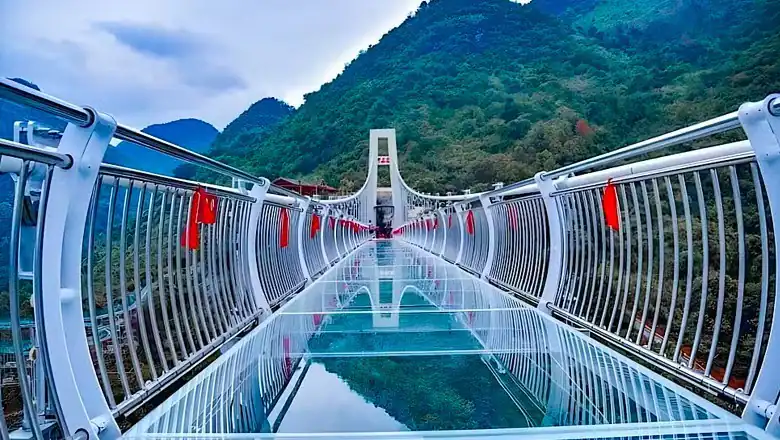
Pakistan’s First Sky Glass Bridge Planned for Murree

ISLAMABAD: The Punjab government has initiated feasibility studies to promote tourism in the hill tehsils of Murree and Kotli Sattian, with a focus on introducing innovative projects aimed at enhancing the region’s appeal.

Backed by an allocation of Rs150 million, the studies will be completed within three months and cover developments such as two new chairlifts, Pakistan’s first sky glass bridge in Murree, glamping pod villages, and a modern jungle theme park.

As part of the plan, Kotli Sattian is being designated Punjab’s model tourism tehsil. A chairlift is proposed for the scenic Panj Peer mountain range, while another will be installed at a newly identified tourist spot in Murree. The proposed sky glass bridge in Murree will mark the country’s first of its kind.

Glamping pod villages, currently limited in number, are also set for expansion, with two to three additional sites under consideration. Meanwhile, jungle theme parks are envisaged in both tehsils with the private sector expected to play a significant role in development.

Speaking to the media, Asim Raza, Managing Director of the Tourism Development Corporation Punjab (TDCP), said that Kotli Sattian is the principal focus of these initiatives. “It is emerging as a new tourist destination, blessed with green forests, rugged mountains, waterfalls, and natural springs,” he remarked.

The involvement of Boy Scouts and Girl Guides is also being planned to engage youth in the promotion and preservation of eco-tourism.

CategoriesNews

The Asian Development Bank (ADB) has approved an additional $80.75 million

ISLAMABAD: The Asian Development Bank (ADB) has approved an additional $80.75 million (Rs 22.47 billion) for the Sindh Emergency Flood Assistance Project (EFAP), raising total project funding to $280.47 million (Rs 78.04 billion).

Launched after the 2022 floods, EFAP focuses on rebuilding irrigation, drainage, and flood protection systems while strengthening disaster resilience. Of the new funding, $54.42 million will go to civil works, with overall project progress reported at 43.9%.

So far, $135.33 million has been disbursed, though officials note delays due to contract disputes, land issues, and material shortages. ADB says the fresh allocation will speed up work in flood-prone districts and enhance Sindh’s long-term preparedness against climate-related risks.

CategoriesNews

Govt Approves High-Speed Rail Link Between Islamabad and Rawalpindi

ISLAMABAD: The federal government has given the green light to a high-speed rail project aimed at connecting Islamabad and Rawalpindi, cutting travel time between the twin cities to just 20 minutes.

The initiative is designed to provide commuters with a fast and affordable transport option while reducing fuel consumption and easing traffic congestion. Officials say the project will also support economic activity and environmental sustainability.

The decision was taken at a high-level meeting on Monday, jointly chaired by Interior Minister Mohsin Naqvi and Railways Minister Hanif Abbasi. Minister of State for Interior Talal Chaudhry, the Federal Interior Secretary, Secretary Railways, CDA Chairman, Rawalpindi Commissioner, Islamabad Police Inspector General, and representatives of the Frontier Corps were also present.

According to the plan, the Ministry of Railways will develop the track infrastructure, while the Capital Development Authority (CDA) will manage the service. The framework agreement for the project is expected to be signed next week. The government has also decided to import modern trains to ensure efficient, safe, and comfortable travel.

Railways Minister Hanif Abbasi hailed the upcoming service as a landmark project for public welfare, saying it will make daily commuting between the two cities quick and convenient. Minister of State Talal Chaudhry added that the service would be a low-cost, high-speed solution that will ease the burden on existing road networks.

Officials emphasised that the rail link represents a transformative step in urban transportation, setting the stage for modernised, sustainable travel in the Islamabad-Rawalpindi region.

CategoriesConstruction

5 Types of Soil in Pakistan: Characteristics, Pros & Cons

Soil is the foundation of life, whether you’re cultivating a garden or managing farmland. But not all soils are created equal. Different types of soil have unique characteristics that influence everything from water retention and nutrient availability to drainage and stability. Whether it’s sandy, clay, loamy, or silty, understanding soil properties is essential in fields like agriculture, landscaping, and even construction. In this guide, we’ll dive into the key soil types, their distinct features, and how they impact the overall environment.

Types of Soil in Pakistan and Their Characteristics, Pros and Cons

Types of Soil Key Traits Advantages Disadvantages
Sandy soil Large particles, very good drainage, low water retention warms quickly; good for drought-resistant plants; easy tilling poor nutrients; dries fast; can erode easily
Silt soil Smooth, fine particles, retain moisture, good fertility fertile; holds moisture; good for many plants tends to compact; poor drainage if structure breaks; erosion risk
Clay soil Very fine particles, compact, high retention of water and nutrients nutrient rich; retains water; good for water-loving crops drains poorly; heavy; slow to warm; may crack when dry
Loamy soil Balanced mix of sand, silt, clay, + organic matter ideal fertility; moisture + nutrient retention + good drainage; best all-round Requires good soil management; may need amendment if dominated by one component
Chalky soil Limestone/calcium carbonate content; alkaline good for plants that prefer higher pH; often free draining many plants dislike alkaline; nutrient availability issues; may need acidifying amendments
Peaty / Organic soils High organic matter, retains moisture, often acidic very fertile; retains moisture; good structure; rich in nutrients may be too wet; decomposition causes subsidence; acidity may limit plant types

Types of Soil | Pros and Cons

Soil texture plays a crucial role in determining how well plants will grow. The main types of soil are sand, silt, and clay, and the proportions of these particles determine how the soil behaves in terms of moisture retention, nutrient availability, and drainage.

Sand: The Largest Particles

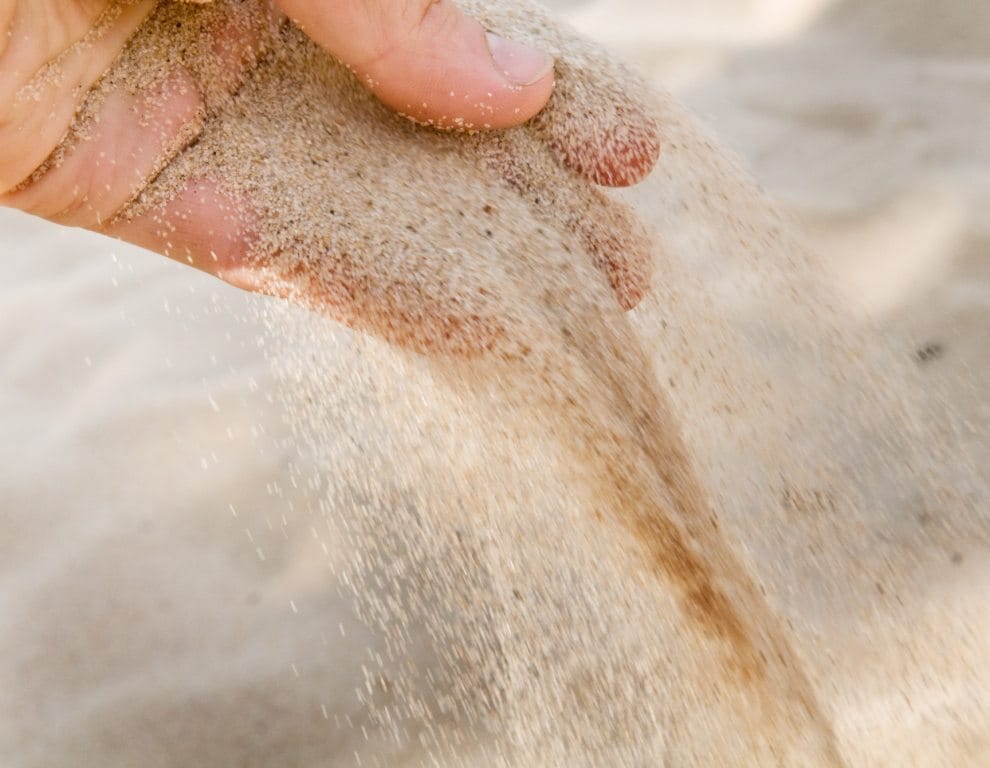
Sand is composed of the largest particles, which gives it a gritty texture. It has good aeration and allows water to flow through it easily. While it dries out quickly, it also warms up fast, making it ideal for plants that thrive in drier conditions. However, sand doesn’t retain nutrients or moisture very well, which requires additional care and amendments.

Sand one of the gritty types of soil

  • Aggregate Structure: Sand’s particles don’t bind together well, leaving plenty of air gaps. This allows water to flow freely but also leads to rapid evaporation and poor nutrient retention.
  • Compaction & Pore Spaces: Sand has large pore spaces that allow good airflow but can lead to rapid compaction when the soil structure is disturbed. Root growth can become restricted in overly compacted sand.
  • Soil pH: Sandy soil can have varying pH levels depending on the surrounding environment, but it is often more alkaline, especially in areas near coastal regions. Alkaline pH can make certain nutrients less available to plants.
  • Organic Matter: Adding organic matter can improve sandy soil’s fertility and water retention, helping it hold nutrients for longer periods.

Advantages:

  • Excellent drainage properties.
  • Warms up quickly, promoting early spring growth.
  • Easy to till and work with.

Disadvantages:

  • Poor nutrient retention, requiring frequent fertilization.
  • Dries out quickly, requiring frequent irrigation.
  • It can erode easily if not properly managed.

Silt: The Smooth & Fertile Type of Soil

Silt soil consists of fine particles that feel soft and powdery. It holds moisture better than sandy soil and has better fertility. It can be compacted easily, and when over-watered, it can become prone to erosion. However, it’s still an excellent choice for growing plants that require consistent moisture.

Silt one of the types of soil

  • Aggregate Structure: Silt particles are small and form fine aggregates that allow for good nutrient retention. However, the small particles can also form clumps that reduce water movement.
  • Compaction & Pore Spaces: Due to its fine texture, silt is prone to compaction, which can restrict root growth and water drainage. Small pore spaces reduce the amount of soil oxygen, affecting root health.
  • Soil pH: Silt soil tends to have a neutral to slightly acidic pH, making it one of the ideal types of soil in Pakistan for most plants. However, if the pH is too low, nutrient availability may be reduced.
  • Organic Matter: Silt benefits from organic matter that can improve its structure and prevent compaction. Adding compost helps improve its drainage while maintaining moisture retention.

Advantages:

  • Holds moisture well.
  • Fertile soil that supports a variety of plants.
  • Smooth texture, making it easy to work with.

Disadvantages:

  • Easily compacted, reducing aeration and root growth.
  • Prone to erosion, especially when not covered with vegetation.
  • Drains slowly, which can result in waterlogged conditions.

Clay: The Smallest Particles

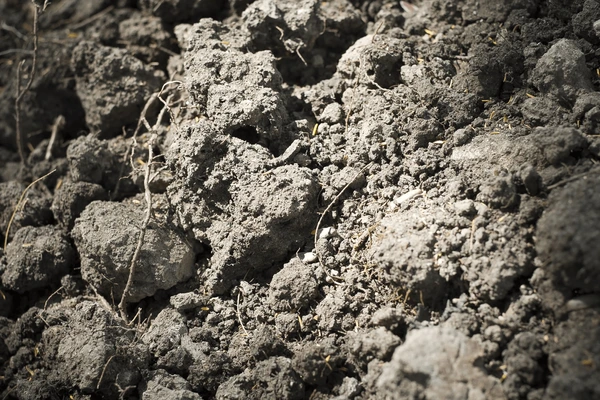
Clay soil has the smallest particles of all three soil types, which makes it dense and sticky when wet. While it’s great at retaining water and nutrients, it suffers from poor drainage. Clay becomes hard and cracks when dry, which can inhibit root penetration and growth.

clay soil

  • Aggregate Structure: Clay particles are very fine and bind together tightly, which helps it retain nutrients but reduces airflow and drainage.
  • Compaction & Pore Spaces: Low pore space and high compaction can suffocate roots and prevent air from reaching the soil. Roots may struggle to penetrate deep, especially in dense clay.
  • Soil pH: Clay soil tends to be slightly alkaline, which may make some nutrients less available. However, if the pH becomes too high, essential nutrients like iron and phosphorus may become unavailable.
  • Organic Matter: Adding organic matter to clay soil helps break up compaction, improves aeration, and increases moisture retention. This is essential for plant growth in clay-heavy areas.

Advantages:

  • Nutrient-rich and capable of retaining a large amount of nutrients.
  • Excellent water retention for water-loving plants.
  • Stable structure that can withstand harsh weather conditions.

Disadvantages:

  • Poor drainage, which can cause waterlogging.
  • Tends to compact easily, suffocating plant roots.
  • Hardens when dry, making it difficult for roots to penetrate.

Loam: The Ideal Soil

Loam is a balanced mixture of sand, silt, and clay, making it one of the best soil types for plant growth. It combines the best characteristics of all three types: excellent drainage, moisture retention, and nutrient-holding capabilities. It is easy to work with and provides a supportive environment for a wide range of plants.

Loam soil

  • Aggregate Structure: Loam has an optimal aggregate structure, with enough pore space for water and air to circulate while still retaining moisture and nutrients.
  • Compaction & Pore Spaces: Loam has moderate pore spaces, providing a perfect balance of aeration and water retention. It does not compact easily and supports healthy root development.
  • Soil pH: Loam generally has a neutral pH, making it ideal for a wide range of plants. The pH is suitable for nutrient uptake and supports plant growth without needing much adjustment, which makes it one of the ideal types of soil.
  • Organic Matter: Loam contains a good amount of organic matter, which improves fertility and enhances soil structure. It’s easier to maintain and amend than other soil types.

Advantages:

  • Perfect balance of drainage and moisture retention.
  • Fertile and nutrient-rich, ideal for most plants.
  • Easy to work with and amend for specific plants.

Disadvantages:

  • Requires occasional maintenance to keep it well-drained in wet conditions.
  • In dry areas, it may need additional moisture-retention amendments.

Chalky Soil: Alkaline, Rock-Based Soil

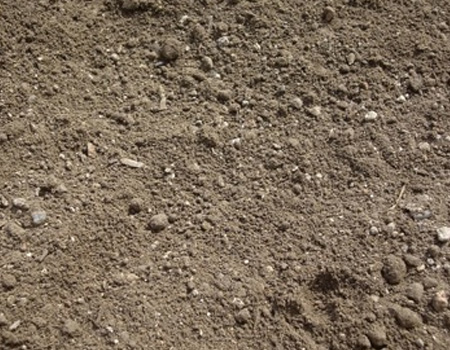
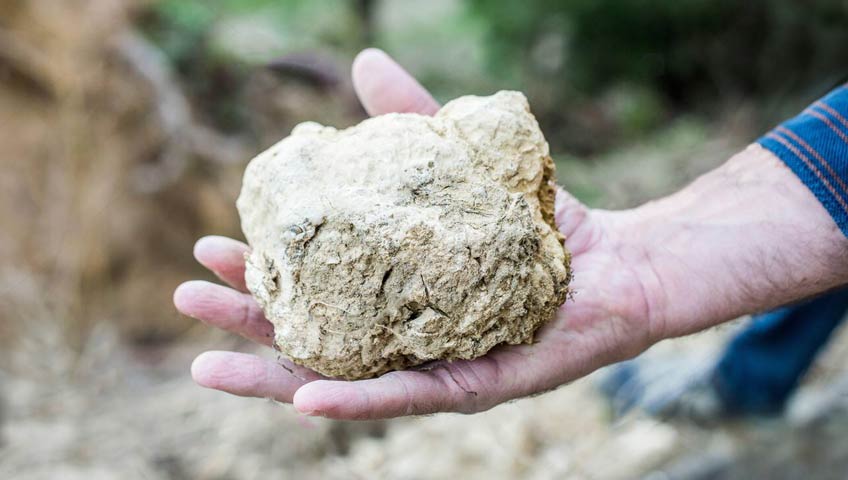
Chalky soil is one of the coarse types of soil and is slightly alkaline due to its high lime content. It is typically coarser and can be a mix of clay and gravel. While it tends to drain well, its high pH can limit the types of plants that thrive in it. It is often more suitable for plants that prefer alkaline conditions.

Chalky soil

  • Aggregate Structure: Chalky soil particles are coarse, and the structure tends to be loose, allowing for good drainage and aeration. This makes it easier for roots to penetrate, but it can also dry out quickly in hot conditions.
  • Compaction & Pore Spaces: Chalky soils are typically non-compact, due to the presence of gravel and coarse particles. This results in larger pore spaces, which improves aeration but can also lead to the soil drying out faster. However, the loose structure also allows for better root growth compared to more compact soils like clay.
  • Soil pH: Chalky soil is naturally alkaline, which can affect plant growth. Most plants prefer slightly acidic to neutral soil for optimal nutrient uptake. If the soil’s pH is too high, it can lock up essential nutrients like iron and phosphorus, making them unavailable to plants.
  • Organic Matter: Adding organic matter like compost or mulch helps lower the pH slightly and improves soil fertility by providing nutrients that the soil may lack. Organic amendments also help retain moisture, preventing the soil from drying out too quickly.

Advantages:

  • Well-drained, preventing waterlogging.
  • Works well for alkaline-loving plants, such as certain herbs.
  • Easy to till and manage compared to clay.

Disadvantages:

  • The alkaline nature limits plant variety.
  • Nutrient availability issues for certain plants that prefer acidic soils.
  • Requires pH adjustments for non-alkaline-tolerant plants.

Peaty Soil: Rich in Organic Matter

Peaty soil is rich in organic material, often dark and spongy to the touch. It retains moisture very well but can become too wet in certain conditions. It’s ideal for plants that need high organic content and moisture retention, like blueberries or moisture-loving vegetables.

Peaty soil one of the ideal types of soil in Pakistan

  • Aggregate Structure: Peaty soil has a fine, loose texture with plenty of organic material that can form aggregates. This structure improves water retention but can also become waterlogged if not properly managed.
  • Compaction & Pore Spaces: The high organic content allows for good aeration in the soil, but it can become compacted over time, especially in wet conditions. The pore spaces in peaty soil are often filled with water, making it difficult for roots to access air and nutrients if the soil is too saturated.
  • Soil pH: Peaty soil tends to be acidic, which can limit the availability of nutrients like calcium, magnesium, and potassium. Acidic conditions are great for plants like blueberries, but they may not be ideal for other species. Amending with lime or alkaline materials can help balance the pH if needed.
  • Organic Matter: Peaty soil is naturally high in organic matter, which helps improve soil structure, water retention, and fertility. Adding more organic material, such as compost or well-rotted manure, can enhance the soil’s ability to support plant growth by improving drainage and increasing nutrient availability.

Advantages:

  • Highly fertile and rich in organic matter.
  • Excellent water retention—great for moisture-loving plants.
  • Supports healthy root growth with plenty of organic nutrients.

Disadvantages:

  • It can become waterlogged, leading to root rot.
  • Acidic pH, which may need adjustments depending on plant requirements.
  • Decomposes over time, causing soil subsidence.

Soil Texture Triangle & Combinations

Understanding how soil types combine is key to determining the best soil for your needs. The soil texture triangle helps to visualize how sand, silt, and clay mix to form different soil types. For example:

  • Sandy Loam: A balanced soil with good drainage but still retains enough moisture for most plants.
  • Silty Clay: A mixture of silt and clay that retains moisture but drains poorly.

Knowing the properties of these soil combinations allows you to make better decisions about soil amendments, irrigation, and plant selection.

Types of Soil in Pakistan

Pakistan’s diverse topography and climatic conditions have led to the formation of various soil types, each with unique characteristics and agricultural significance. Understanding these soil types is crucial for effective land use, agriculture, and construction.

1. Alluvial Soil

Alluvial Soil one of the types of soil in pakistan

  • Location: Predominantly found in the Indus Plain, encompassing regions like Punjab and parts of Sindh.
  • Composition: A mix of clay, silt, and sand.
  • Properties:
    • Light and easily tillable due to its porous nature.
    • Rich in nutrients, making it highly fertile.
    • Ideal for cultivating a variety of crops, including wheat, rice, and cotton.

2. Sandy Soil

Sandy one of the types of soil

  • Location: Common in arid and semi-arid regions such as Thar, Cholistan, and parts of Balochistan.
  • Composition: High sand content with minimal clay.
  • Properties:
    • Excellent drainage but low water and nutrient retention.
    • Generally acidic, requiring amendments for improved fertility.
    • Suitable for drought-resistant plants and certain desert vegetation.

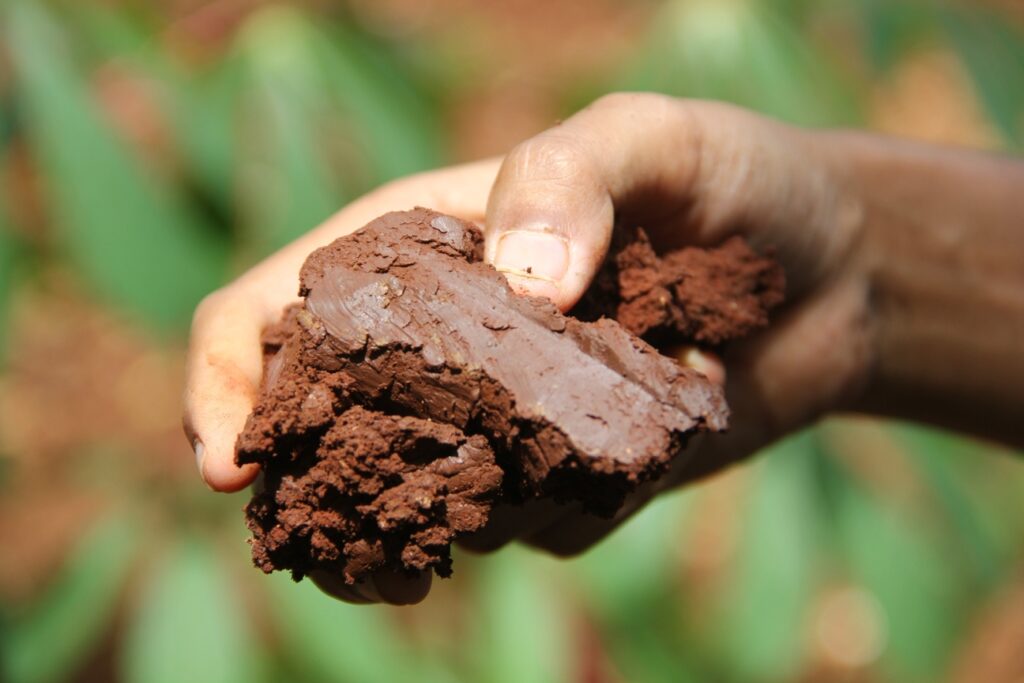
3. Clayey Soil

The,Hand,Is,Holding,A,Lump,Of,Clay,Loam.,Soil

  • Location: Found in areas like Hyderabad, Sahiwal, Multan, and Badin.
  • Composition: High clay content.
  • Properties:
    • Heavy and sticky texture.
    • High water retention and nutrient content.
    • Prone to waterlogging; requires proper drainage systems.
    • Supports crops like rice, sugarcane, and various vegetables.

4. Silty Soil

Silty Soil one of the types of soil in pakistan

  • Location: Found in regions with fine sediment deposition.
  • Composition: A balance of sand, silt, and clay.
  • Properties:
    • Smooth texture with moderate water retention.
    • Moderate fertility; may require organic matter for enhanced productivity.
    • Suitable for a wide range of crops, including vegetables and fruits.

5. Calcareous Soil

Calcareous Soil one of the types of soil in pakistan

  • Location: Common in the western mountainous regions such as Sibbi, Kohat, and Quetta.
  • Composition: High in calcium carbonate.
  • Properties:
    • Alkaline pH, often above 7.
    • Low in iron and phosphorus availability.
    • Supports limited vegetation; requires soil amendments for agricultural use.

How to Identify Types of Soil in Pakistan?

Knowing the types of soil is crucial for making the right decisions for your garden or land. Different soils support different plant types and have unique needs for drainage, watering, and fertilization. 

Fortunately, you don’t need expensive equipment to identify your soil type. You can do simple field tests to understand your soil better and ensure it’s suitable for your intended plantation or construction projects.

  1. Feel Test:

Take a small amount of soil and rub it between your fingers.

  • Sandy Soil: Feels gritty and rough.
  • Clay Soil: Feels sticky and smooth.
  • Silty Soil: Feels smooth and powdery, like flour.
  • Loamy Soil: Feels soft, crumbly, and balanced between smooth and gritty.

1. Water Retention Test:

Fill a container with soil and add water.

  • Sandy Soil: Water drains through quickly.
  • Clay Soil: Water will sit on the surface for a long time.
  • Silty Soil: Water will absorb slowly but stay for a while.
  • Loamy Soil: Water will be absorbed at a moderate rate, with no pooling.2. Squeeze Test:

Take a handful of moistened soil and squeeze it in your hand.

  • Sandy Soil: Falls apart quickly with minimal shaping.
  • Clay Soil: Molds into a ball easily but feels sticky.
  • Silty Soil: Forms a loose ball but doesn’t stick as much as clay.
  • Loamy Soil: Forms a loose ball but crumbles when touched lightly.3. Drainage Test:

Dig a small hole in the soil and fill it with water.

  • Sandy Soil: Water drains within 1-2 hours.
  • Clay Soil: Water takes several hours or more to drain.
  • Silty Soil: Water drains in about 2-3 hours.
  • Loamy Soil: Water drains moderately within a few hours.

Observing Soil Color, Drainage, and Texture

  • Color: Darker soils tend to have more organic matter, making them fertile. Lighter soils, like sandy soils, are often low in organic matter.
  • Texture: Look for smoothness, grittiness, or stickiness in your soil to help identify its type.
  • Drainage: Well-draining soil is ideal for most plants, whereas slow-draining soil  may require amendments or drainage systems.

Lab Test to Understand Types of Soil 

While simple field tests can provide useful insights, lab testing can offer a more precise understanding of your soil’s composition. This is especially useful when you want to:

  • Test for pH: Determining whether your soil is acidic, neutral, or alkaline is critical, as it affects nutrient availability.
  • Check nutrient levels: A soil test can tell you if your soil has enough of the essential nutrients like nitrogen, phosphorus, and potassium.
  • Identify toxicities: Some soils may have excess metals or salts that could harm plants. A lab test can help you determine whether your soil needs treatment or amendment.
  • Call to action: Try improving soil health once this season; small changes yield big rewards.

FAQs

What Soil Type is Best for Vegetable Gardens?

For vegetable gardens, loamy soil is often considered the best choice. It strikes a perfect balance between drainage and moisture retention, while also providing enough nutrients for healthy plant growth. 

How Do I Know if Soil is Clay or Sandy Without a Lab?

  • Feel Test: Sandy soil feels gritty and rough, while clay soil feels smooth and sticky when wet.
  • Squeeze Test: Sandy soil falls apart easily when squeezed, while clay soil forms a ball and may even stay intact.
  • Water Drainage Test: Sandy soil drains water quickly, while clay soil holds water longer.

Can Soil Type Change Over Time?

Yes, soil type can change over time due to natural processes or human intervention. Factors like erosion, compaction, and the addition of organic material can alter the composition of your soil. 

How Often Should I Test Soil pH and Nutrients to understand types of soil?

Soil pH and nutrient levels should be tested at least once a year, preferably in early spring before planting. If you’re making changes to your garden or farming practices, testing more frequently (every 6 months) can help you track soil improvements. 

Conclusion

Understanding types of soil is the first step to successful gardening and farming. Whether you’re growing vegetables, flowers, or trees, knowing what your soil needs, be it better drainage, more nutrients, or a specific pH, can help you optimize growth and yield.

For more information on similar blogs, such as sustainable construction materials, visit Chakor blogs.

CategoriesNews

Islamabad Set to Become Model Digital City Under Raast Payment System

ISLAMABAD: The Capital Development Authority (CDA) has intensified efforts to turn Islamabad into Pakistan’s first cashless city by rolling out the State Bank of Pakistan’s (SBP) Raast QR code system across markets and public spaces.

The decision was taken at a high-level meeting held at CDA Headquarters on Thursday, chaired by Member Administration and Estate Talat Mehmood on the instructions of CDA Chairman and Chief Commissioner Islamabad Muhammad Ali Randhawa. The session was attended by officials from commercial banks, the SBP, and the Islamabad Capital Territory (ICT) administration.

Officials briefed participants that the Raast QR code, already operational at weekly bazaars, will now be introduced at Class III markets, shopping centres, and major commercial hubs. CDA Member Finance Tahir Naeem said strong measures were being implemented to ensure that one unified QR code is displayed for all categories of transactions throughout the capital.

To monitor the rollout, a digital dashboard has been created to gather real-time data from banks. The meeting also underlined the need for awareness campaigns to encourage citizens and traders to embrace Raast as a secure and transparent digital payment solution.

CDA officials noted that the Raast system would play a central role in Islamabad’s transition to a digital economy, ensuring faster, safer, and more reliable transactions. Talat Mehmood said the CDA was coordinating efforts through a steering committee comprising CDA, MCI, ICT, and partner banks.

CategoriesNews

India vs Pakistan Returns: All Eyes on Dubai cricket stadium

Once again, the two traditional rivals and giants of cricket; India and Pakistan collide on the grand stage of Dubai for Asia Cup 2025. Rivalries are common in sport, but this one transcends the field, it’s culture, history, and passion rolled into one. 

On Sunday, September 14, 2025, the cricketing world will once again tune in as the two neighbors square off in the Asia Cup.

Time, Ticket, Date, Location

The Group A encounter has already set pulses racing. Scheduled for 6:30 PM local time (14:30 GMT) at the Dubai International Cricket Stadium, the match is expected to attract not only sell-out crowds but also millions of viewers worldwide. 

Online tickets are available exclusively through Platinumlist.net, while offline tickets can be purchased from box offices in Dubai and Abu Dhabi. As expected, demand is feverish, after all, who wouldn’t want to say they watched India and Pakistan live under the lights of Dubai?

Pakistan’s Winning Start | 93-Run Win Against Oman

Pakistan come into the clash high on confidence, having cruised past Oman in their opening game. A 93-run win sent a clear message: even without their biggest names, this team means business. 

Fakhar Zaman’s aggressive knock at the top set the tone, while Shaheen Afridi reminded everyone why he is among the most feared new-ball bowlers in the world. Captain Salman Agha led from the front, earning praise for a calm yet attacking approach. 

Analysts say the decisive factor was Pakistan’s bowling depth, with multiple options to squeeze the opposition.

Coach Mike Hesson echoed that view and explained Pakistan’s selection strategy after the controversial omission of Babar Azam and Mohammad Rizwan:

“Being honest about your assessment of players is pretty important. Looking at things objectively is important. What I have alluded to is the way the modern game is played and the strike rates required, particularly in good conditions.”

Hesson also fired a quiet warning to India, highlighting Pakistan’s spin options:

“I guess the beauty of our side is we’ve got five spinners. We’ve got Mohammed Nawaz, who’s the best spin bowler in the world at the moment… and obviously we’ve had Abrar Ahmed and Sufiyan Muqeem doing as well as they have.”

India vs Pakistan Stats – Past Asia Cup Matches 

Whenever India and Pakistan meet, statistics are dusted off like old family albums. In 19 Asia Cup encounters, India has the edge with 10 wins, while Pakistan has claimed 6, and 3 matches ended without a result. 

The last time these two sides met earlier this year, India clinched victory in a tight finish, once again proving why this matchup is rarely one-sided.

Add to that the fact that India are the defending Asia Cup champions, having dismantled Sri Lanka in the 2023 final, and the storyline becomes even juicier. Numbers say India usually hold the upper hand, but Pakistan’s habit of springing surprises makes every clash unpredictable.

Squads & Selection | Who’s in Who’s Out

Both teams arrive in Dubai with lineups that have stirred plenty of chatter.

For India, captain Suryakumar Yadav and vice-captain Shubman Gill headline a youthful but balanced squad. Exciting names like Abhishek Sharma and Tilak Varma are in, alongside experienced campaigners Hardik Pandya, Jasprit Bumrah, and Kuldeep Yadav. Yet, several established players are missing: Shreyas Iyer and KL Rahul were left out, Rishabh Pant continues his recovery, and Mohammed Siraj didn’t make the cut. 

It’s a bold approach by selectors, prioritizing form and flexibility over reputation.

After India’s comfortable win over UAE in their opener, Surya Kumar Yadav praised the team’s clinical approach:

“Wanted to see how the wicket was playing. It was the same in the second innings. Clinical performance from the boys, we wanted good attitude and energy on the field and that’s what we got.”

He also underlined the importance of spinners in Dubai’s heat:

“The wicket looked good but it was on the slower side and the spinners have a role. Here it is very hot right now and Kuldeep did well, got good support from Hardik, Dube and Bumrah.”

Looking ahead to Sunday’s clash, the Indian skipper kept it simple but exciting:

“Everyone is excited for the game against Pakistan.”

Pakistan’s squad selection stole even bigger headlines. Longtime batting pillars Babar Azam and Mohammad Rizwan were both dropped, a decision that raised eyebrows across cricketing circles. 

Stepping in as captain is Salman Agha, with Fakhar Zaman, Saim Ayub, Shaheen Afridi, and Haris Rauf carrying the responsibility. 

Former greats have weighed in: Wasim Akram called the decision to drop Babar “a brave gamble,” while Harbhajan Singh suggested India’s squad was “refreshingly balanced, with youth and experience in harmony.”

Views of General Public and Analysts

While fans are hyped, politics has added its usual layer of noise. Some voices in India have called for boycotts of cricketing ties with Pakistan, especially after tensions spiked between the two nations in May 2025. 

To sidestep complications, the Asian Cricket Council settled on Dubai as the neutral venue, a city that has long hosted this high-stakes rivalry with relative ease.

Former Pakistan wicketkeeper Kamran Akmal also reminded both sides that while aggression is natural, it must stay in check:

“Aggression is the beauty of an India-Pakistan match. How to take that aggression is the key. Respect should be there. Players will have to remember cricket is a gentleman’s game. If they keep that in mind, I am sure Sunday’s match will go untroubled.”

Weather & Pitch Report

Fortunately for the organizers and fans, Sunday’s forecast is clear skies and pleasant conditions, no rain clouds to spoil the party. The Dubai pitch is traditionally friendly to batsmen, though the dew factor in the second innings often makes chasing easier. 

Expect spinners to come into play during the middle overs, while fast bowlers like Bumrah and Shaheen will look to make early inroads with the new ball.

The Final Word

India vs Pakistan is never just another cricket match. It’s a spectacle, a carnival, sometimes even a stress test for fans’ heart rates. Both sides come armed with new lineups, bold strategies, and points to prove. 

India wants to defend its crown, Pakistan wants to show that life after Babar and Rizwan can still sparkle.

Whatever happens on Sunday, one thing is certain: when these two teams collide, cricket takes center stage. Politics can wait, calculators can rest, and fans can simply enjoy the drama. 

Because India–Pakistan matches are not just contests, they’re chapters in a never-ending story, and the next one is about to be written under the Dubai lights.

For more informative and interesting articles e.g Flash Floods in Punjab 2025, visit Chakor blogs!

This is the 17th edition of the Asia Cup, first held in 1983 as an ODI tournament. Since 2016, the event has alternated between the ODI and T20I formats. The 2025 edition returns to the 20-over format as a lead-up to the T20 World Cup next year.

CategoriesHome Design

Top 10 Trendy Front Wall Design Ideas to Elevate Your Home

Your home’s front wall is the first impression visitors and passersby get of your home. It isn’t just about marking boundaries; it tells a story about your taste, lifestyle, and attention to detail. A dull or plain wall can make even the most beautiful home look uninspired, while a well-designed one instantly upgrades the overall appeal. The right design combines style, security, and durability, creating a perfect balance between beauty and function. In this blog, Chakor has shared some of the top and trendy front wall design ideas.

Why Does the Front Wall Matter?

A front wall is more than a structure; it’s your home’s identity.

  • Privacy: A well-built wall creates a secure shield, ensuring your family feels comfortable.
  • Security: It acts as a protective barrier against trespassers while still maintaining style.
  • Curb Appeal: An attractive wall increases the value of your property and can even influence resale potential.
  • Design Statement: The choice of color, texture, and material reflects your personality, whether you prefer modern minimalism, rustic charm, or traditional elegance.

Popular Front Wall Design Ideas

Following are some of the best front wall design ideas.  

Stone & Rock Cladding

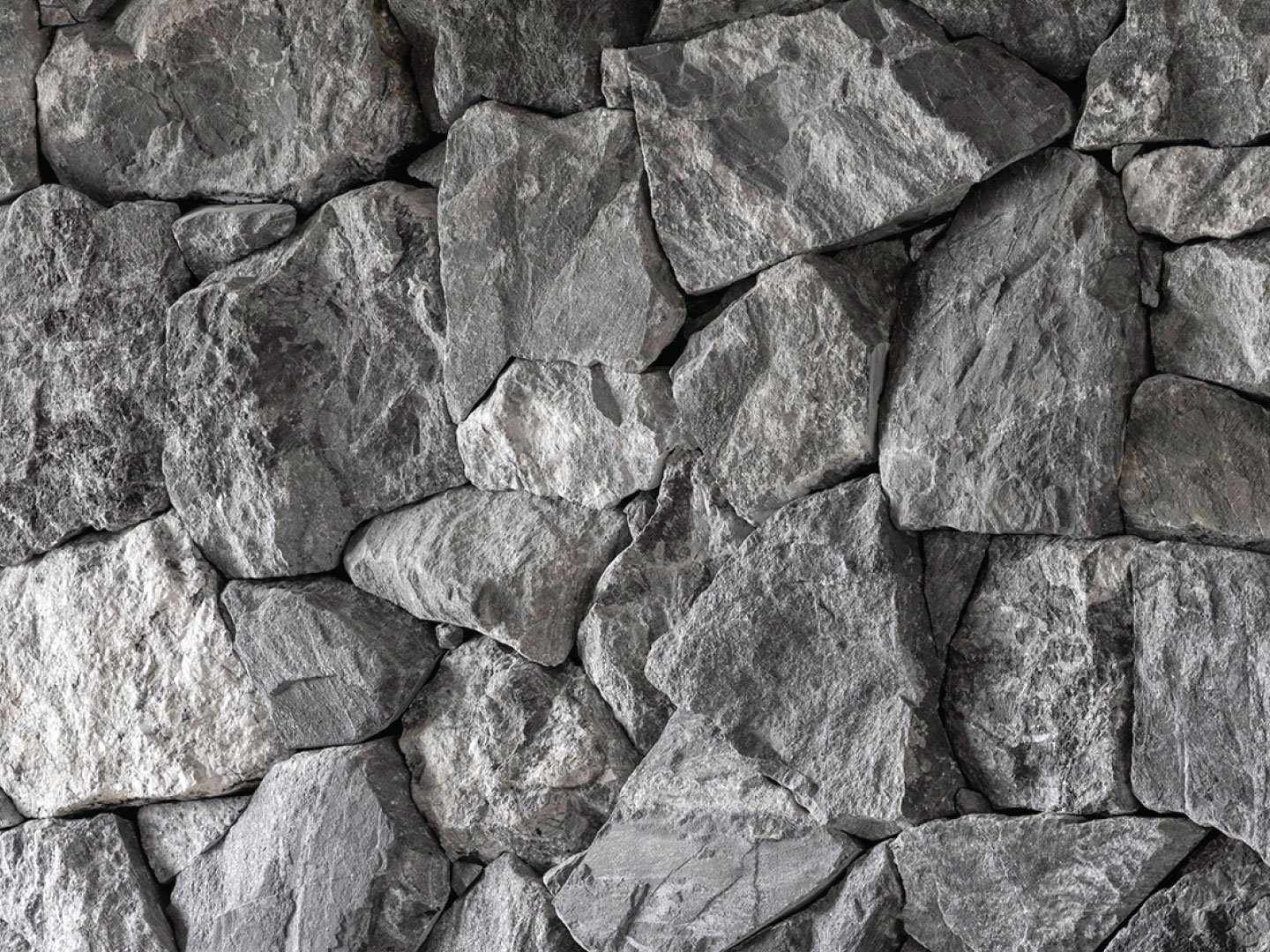
Stone walls exude luxury and permanence. Whether it’s granite, sandstone, or natural river rock, each piece adds a unique texture. They’re especially suitable for villa-style or farmhouse properties. To avoid a heavy feel, combine stone cladding with plaster or wooden elements.

Stone & Rock Cladding

Plaster & Stucco Designs

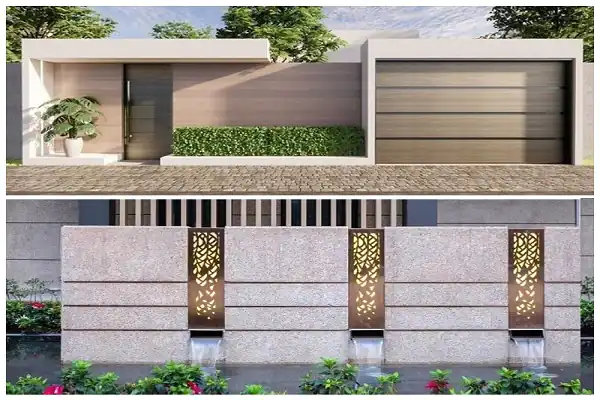
Plaster and stucco finishes provide versatility. They can be smooth for a modern look or textured with 3D moldings for a decorative effect. They’re budget-friendly, easy to repaint, and ideal for homeowners who want to change their exterior look every few years without heavy costs. Hence, it is one of the most popular front wall design ideas.

Plaster & Stucco Front Wall Designs

Warm Wooden Panels

Wood creates warmth and balance. When combined with concrete or stone, it gives a modern yet cozy look. Choose treated hardwood or composite wood to withstand rain and humidity. Vertical timber slats can make walls appear taller, while horizontal panels offer a broader, sleek appearance.

Warm Wooden Panels being one of the top front wall design ideas

Concrete Panels

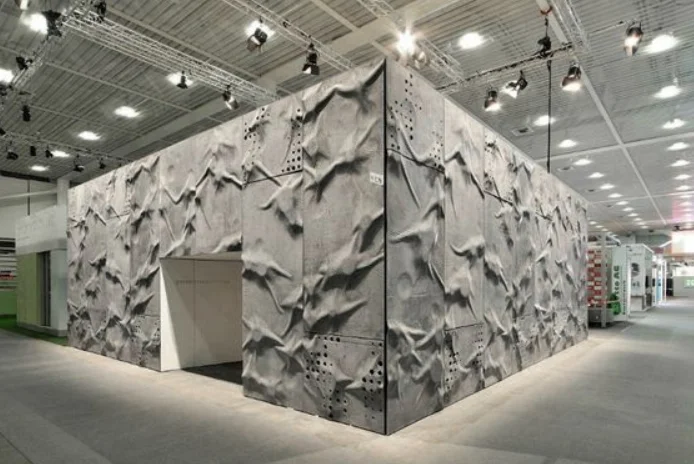
Concrete is strong, versatile, and modern. Smooth concrete panels give a sleek, minimalist look, while textured ones add depth and shadow play. For a luxury twist, polished concrete combined with glass or steel accents creates a sophisticated, urban edge.

Concrete Panels Front Wall Design ideas

Green & Living Walls| Front Wall Design Ideas

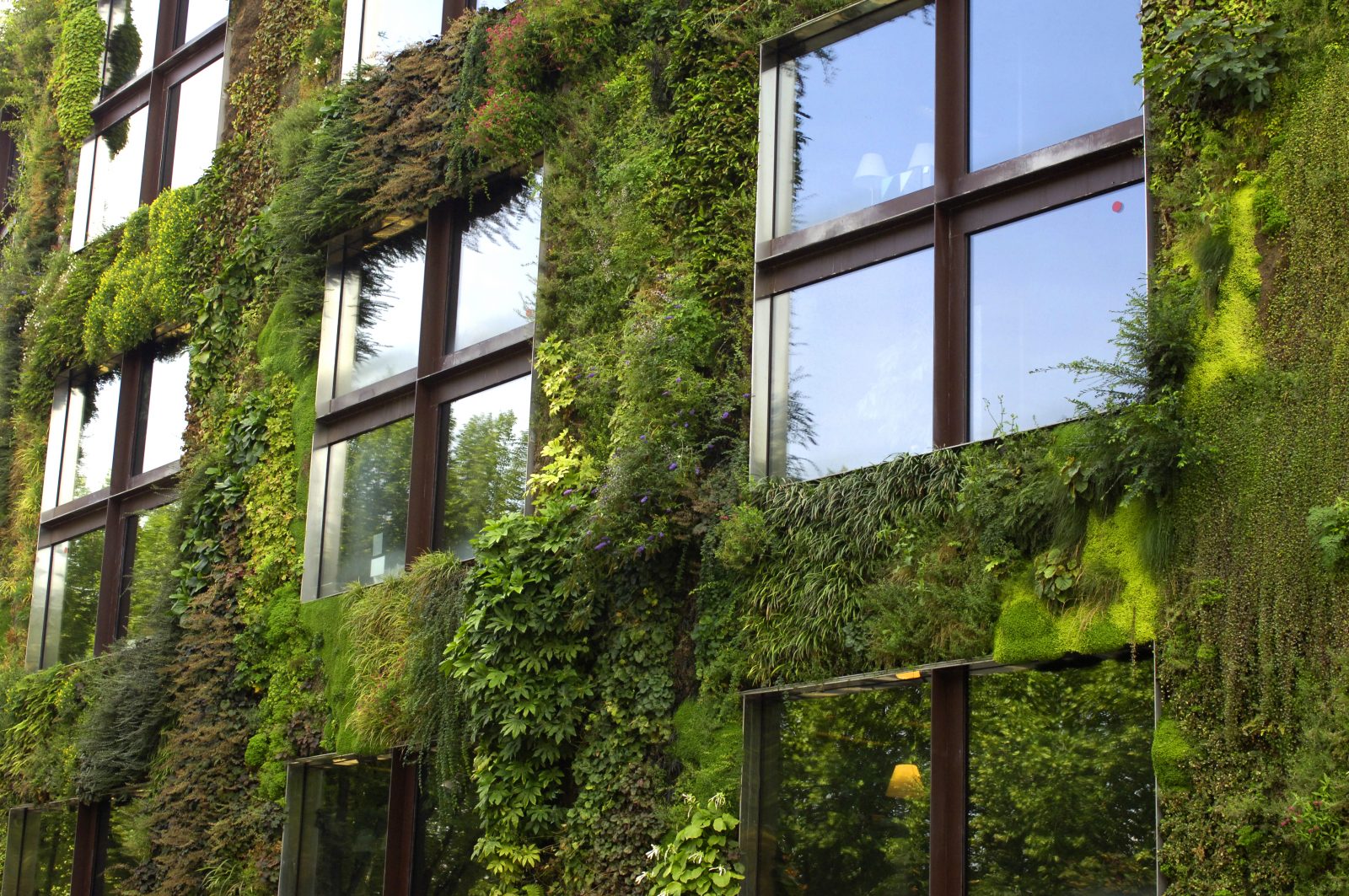
Eco-friendly living walls are becoming increasingly popular. By adding vertical gardens or grass panels, you create a soothing natural façade that reduces heat absorption and improves air quality. In hot climates, living walls provide natural insulation. Pair them with subtle lighting for a breathtaking effect at night.

Green & Living Walls

Tile & Mosaic Walls

Tiles offer endless possibilities, glossy, matte, patterned, or mosaic. They allow homeowners to add color and artistry to their walls. Mosaic tiles with geometric designs or traditional motifs can make the wall a focal point of your home exterior. They are easy to clean and can withstand varying weather conditions.

Tile & Mosaic Walls make one of the best front wall design ideas

White Brick Elegance

White brick walls bring a timeless charm. Their bright and clean finish makes small front yards appear bigger and more welcoming. They pair beautifully with green lawns, wooden gates, or black metal accents. With protective sealants, white brick walls resist dust and maintain their glow for years.

White Brick Elegance

Metallic Accents

Metallic fencing or panels add a futuristic appeal while strengthening security. Designs can range from simple horizontal grills to intricate laser-cut patterns. Black, bronze, or steel-grey finishes make a bold statement, and with powder coating, these accents resist rust and last longer.

Metallic Accent front Wall design ideas

Choosing the Right Material

The choice of material determines not only the look but also the lifespan of your wall.

  • Brick & Concrete: Long-lasting, affordable, low-maintenance.
  • Wood: Adds warmth but needs regular sealing.
  • Metal: Strong and stylish but requires anti-rust treatment.
  • Stone: Premium appeal, very durable, but expensive.
  • Tiles & Plaster: Versatile, customizable, easy to maintain.

Pro tip: Always match material with your climate. For example, avoid untreated wood in rainy areas or porous stone in humid regions.

Adding Color & Texture

Color sets the mood.

  • Neutral shades like beige, grey, and white create elegance.
  • Bold colors like terracotta or navy add drama and personality.
  • Dual-tone combinations (stone + wood, white plaster + dark tiles) create contrast and depth.

Texture matters too. Rough stone with smooth plaster or matte tiles with glossy accents make the wall visually engaging.

Lighting & Accents

Lighting turns a wall into a 24/7 feature. Uplighters emphasize vertical panels, while LED strips along the base highlight textures. Decorative wall-mounted lamps create warmth and elegance. Adding planters, niches, or vertical grills complements the design and enhances the look.

Budget vs. Luxury Options

Front wall designs can fit any budget:

  • Budget-friendly: Painted plaster, plain brick, simple tiles.
  • Mid-range: Decorative tiles, concrete panels, treated wood.
  • Luxury: Natural stone, custom laser-cut metal panels, integrated smart lighting.

Think of maintenance costs as well. A plaster wall may be cheap upfront but needs frequent repainting, while stone costs more but lasts decades.

Regional Tips for Pakistan Homes

  • Use heat-reflective colors like white or beige in hot cities.
  • In rainy areas, go for non-porous materials like polished tiles or sealed stone.
  • Choose locally available materials (like red brick and sandstone) for lower costs and easy replacement.
  • Consider dust-resistant finishes for urban areas prone to pollution.

Maintenance Tips

  • Wash walls regularly to avoid dust buildup.
  • Re-seal wood and metal every 1–2 years to prevent damage.
  • Use anti-fungal coatings in humid or monsoon-prone areas.
  • Trim plants in living walls to keep them neat and healthy.

Conclusion

Your front wall is more than just a boundary; it’s the face of your home. From minimal white bricks to bold stone cladding or eco-friendly green panels, there’s a design for every budget and taste. By choosing the right materials, adding thoughtful details, and planning for long-term maintenance, you can create a front wall that is secure, stylish, and unforgettable. For more information on similar content such as Urban Planning in Pakistan, visit Chakor

FAQs | Front Wall Design Ideas

What are the cheapest front wall design ideas?
Plastered and painted walls are the most affordable yet stylish options.

Which materials last the longest?
Stone and concrete are the most durable and require minimal upkeep.

How can I make my front wall premium on a budget? Suggest some front wall design ideas.
Add lighting, bold paint, or decorative tile borders for a quick upgrade.

Which designs increase property value most?
Natural stone cladding, green walls, and well-lit modern walls add significant curb appeal and market value.

CategoriesNews

Pakistan’s Biggest Mining Venture Eyes September Financial Close

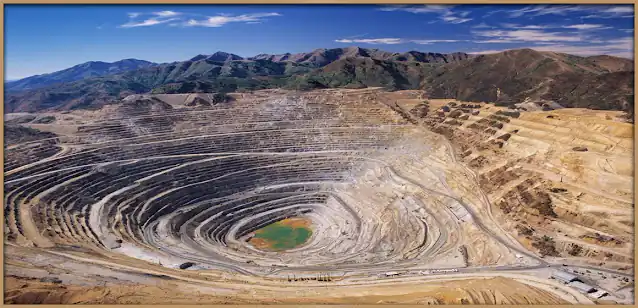
ISLAMABAD: Pakistan’s flagship Reko Diq copper and gold mining venture is set to achieve long-awaited financial closure by late September or early October, according to senior officials, marking a milestone for the country’s mining and investment sector.

Situated in Balochistan’s Chagai district, the project is projected to generate nearly $74 billion in free cash flows over a 37-year span, positioning it as a cornerstone of Pakistan’s future economic framework.

At recent Annual General Meetings, the boards of state-owned OGDCL, PPL, and GHPL formally approved an additional $715 million in costs, bringing the total to $7.48 billion. The revised figure accounts for inflation, commodity price volatility, and lender-imposed contingencies. Officials, however, stressed that strict cost discipline could still keep execution within the original $6.765 billion estimate.

Construction is slated to begin in December 2025, with commercial production targeted for 2028. The project’s financing plan rests on a 50:50 equity-to-debt ratio, providing room for both domestic and international investment without excessive borrowing. Oversight lies with the Reko Diq Mining Company (RDMC), a special-purpose entity jointly owned by Barrick Gold and the governments of Pakistan and Balochistan.

Barrick Gold, the lead operator, controls 50 percent of the venture. The remaining half is split equally, with the Government of Pakistan holding its share through OGDCL, PPL, and GHPL, while the Government of Balochistan retains 25 percent. That provincial share includes a 10 percent free-carried interest and 15 percent fully funded equity underwritten by the federal government, ensuring Balochistan’s participation without financial exposure.

The project has already drawn major international financiers. The International Finance Corporation (IFC) has committed $700 million, including a $400 million subordinated loan secured on the balance sheets of Pakistan’s SOEs—structured without sovereign guarantees, a first for projects of this scale. The Asian Development Bank (ADB) has followed with a $300 million loan, its first mining-sector financing in four decades, along with a $110 million credit guarantee to strengthen Balochistan’s stake.

Talks are also advancing with US EXIM Bank, Export Development Canada, and Japan Bank for International Cooperation (JBIC), with further commitments expected soon.

Beyond mining, RDMC has pledged $350–400 million in bridge financing for Pakistan Railways’ ML-2 and ML-3 upgrades, creating a direct link from the mine to Port Qasim for mineral exports. The upgrades are expected to be ready by the time production begins in 2028.

CategoriesNews

Lahore’s Historic Neela Gumbad to Undergo Rs. 2.45 Billion

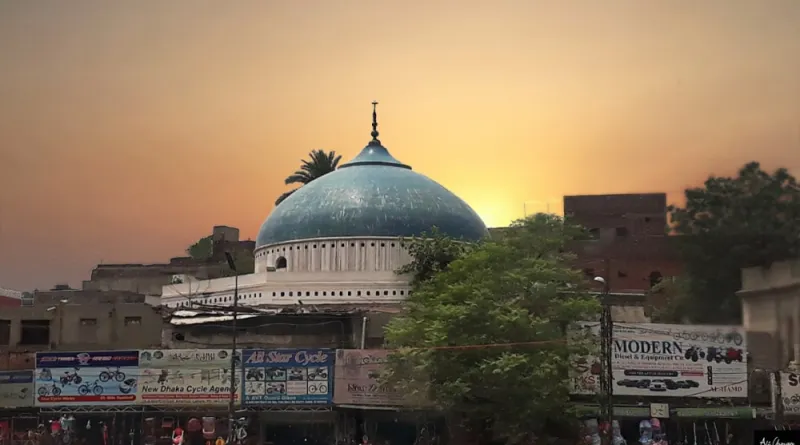
Lahore – The historic Neela Gumbad is set for a Rs. 2.45 billion redevelopment to ease traffic, resolve parking woes, and revive its cultural value.

Located near Anarkali and King Edward Medical College, the site houses the 17th-century shrine of Sheikh Abdul Razzak Maki. Despite its heritage, the area has long suffered from congestion and encroachments.

TEPA’s plan includes a three-level underground facility over 16 kanals: two basements for 374 cars and 790 motorcycles, and one for 69 shops. The project will also feature walkways, elevators, CCTV, and firefighting systems.

With Rs. 300 million already released, work is expected to finish in 18 months, transforming Neela Gumbad into Lahore’s first fully walk-friendly zone and a new cultural landmark.

CategoriesDams Developments

Mangla Dam Pakistan: Present Challenges & Future 2025

Mangla Dam is more than concrete and rock, it’s a lifeline for Pakistan’s water and energy needs. Built on the Jhelum River in the 1960s, this engineering marvel has powered irrigation, generated clean electricity, and shielded millions from floods for decades. Today, it stands not only as a symbol of national progress but also as a reminder of the urgent need to manage water and energy resources wisely in a changing climate. 

Fast Facts & Key Specs

Feature Details
Location Jhelum River, near Mirpur (AJK) and Jhelum District, Punjab
Dam Type & Size Earth and rockfill embankment; ~147 meters high; ~3,140 meters crest length
Commissioning Completed in 1967 as part of the Indus Basin Project
Storage & Levels Original gross storage: ~5.9 MAF; Raised conservation level: 1242 ft; Dead storage level: 1050 ft
Power Generation 10 hydropower units; ~1,070 MW operational; ~1,310 MW planned with upgrades


History & Construction Timeline

The story of Mangla Dam begins in the 1950s, when Pakistan faced urgent challenges of water scarcity and irrigation management after the signing of the Indus Waters Treaty. To ensure secure and reliable water supplies, the project became part of the broader Indus Basin Replacement Works.

1950s–1960s: Planning and Launch

  • The dam was designed to harness the Jhelum River’s potential for irrigation and power generation.
  • Construction began in 1961, led by international engineers and local expertise, marking one of the largest development projects in Pakistan at the time.

Engineering Adaptations

  • Mangla was built under a “design as you build” philosophy. Engineers adapted to on-site conditions such as sheared clays and included auxiliary works like the Jari Dam to stabilize the system.
  • These adaptations allowed the project to maintain momentum and reach completion ahead of schedule.

Completion in 1967

By 1967, Mangla was fully operational, ranking as one of the largest earth and rockfill dams in the world.
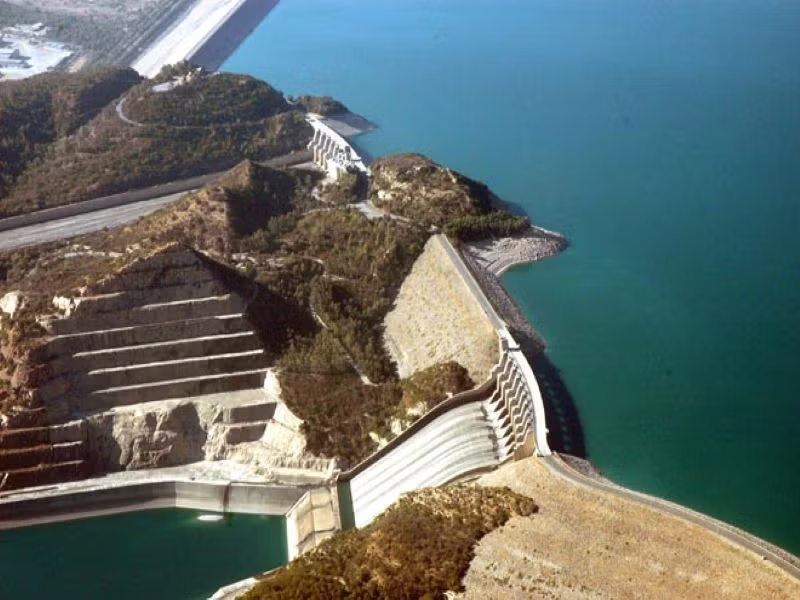
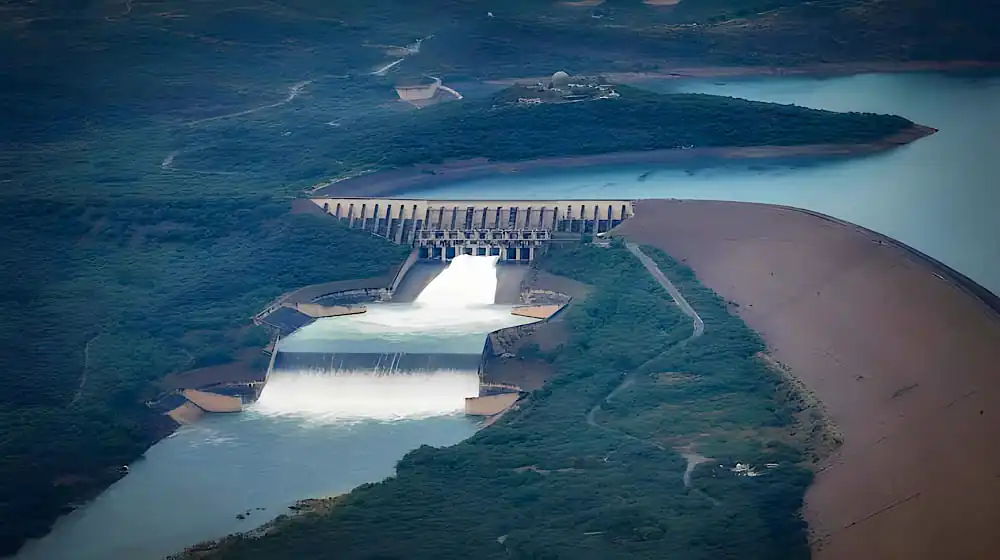
mangla Dam Hydro Powerplant

Initial features included:

    • Four main embankments forming the dam structure.
    • Main and emergency spillways for safe water discharge.
    • Five tunnels constructed for water conveyance and power generation.
    • A staged powerhouse designed for phased installation of turbines and expansion over time.

Mangla Dam’s construction not only transformed Pakistan’s irrigation and energy landscape but also set a benchmark in large-scale engineering for the region.

The Raising Project (2004–2009)

By the early 2000s, Mangla Dam had lost a significant share of its storage due to continuous sedimentation. This reduction threatened irrigation supplies, power generation, and flood protection. To overcome these challenges, the Mangla Dam Raising Project was launched between 2004 and 2009, marking one of Pakistan’s most ambitious water infrastructure upgrades.

Why It Was Carried Out

  • Sedimentation had reduced effective storage, undermining agricultural and energy needs.
  • Flood routing capacity was compromised, raising risks during high inflows.
  • Pakistan’s growing energy demand called for restoring and expanding hydropower potential.

Key Works Undertaken

The project raised the dam’s height by 30 feet, which transformed its capacity and resilience. Major engineering works included:

  • Dam and dyke raising to increase reservoir volume.
  • Spillway throttling to manage higher water levels safely.
  • Construction of a control weir for better water regulation.
  • Foundation drainage and seepage control to strengthen long-term structural stability.

Outcomes Achieved

  • Restored lost storage and added ~2.9 million acre-feet (MAF) of new capacity.
  • Boosted annual energy benefits by approximately 644 GWh, enough to power millions of homes.
  • Enhanced flood routing efficiency, providing better protection for downstream communities.
  • Increased gross storage to ~7.49 MAF, about 27% higher than the original 1967 design.

At-a-Glance Metrics

  • Dam Height Increase: 30 feet
  • Additional Storage: ~2.9 MAF
  • Total Gross Capacity: ~7.49 MAF
  • Annual Power Gain: ≈644 GWh
  • Project Duration: 2004–2009
  • Investment Scale: Multi-billion rupees, one of the largest infrastructure undertakings of its time

Hydropower: Units, Upgrades & Planned Refurbishment

Mangla Dam is not only a water reservoir but also a cornerstone of Pakistan’s clean energy production. Its powerhouse plays a critical role in meeting the nation’s electricity demand.

Existing Setup

  • The dam is equipped with 10 Francis-type turbines.
  • Each unit ranges between 100–135 MW, operating under a rated head of about 295 feet.
  • After the raising project, the total installed capacity reached approximately 1,070–1,120 MW, making it one of Pakistan’s largest hydropower stations.

Ongoing & Planned Refurbishments

  • Refurbishment programs are underway to extend the lifespan of the existing turbines and improve efficiency.
  • Modernization of control systems, gates, and auxiliary equipment is being carried out to enhance safety and reliability.
  • Expansion concepts are under review to further increase generation capacity, leveraging the additional water head created by the raising project.

Long-Term Benefits

  • Sustained supply of renewable electricity to reduce reliance on fossil fuels.
  • Improved performance and reliability of the turbines under high sediment load conditions.
  • Contribution to Pakistan’s broader goals of energy security and climate resilience.

Irrigation Role & Flood Management

Mangla Dam has been central to transforming Pakistan’s water system from unpredictable flows to a regulated network that sustains agriculture across the Indus plain. Before its construction, farmers relied on seasonal fluctuations of the Jhelum River. With Mangla’s reservoir and controlled releases, irrigation became more reliable, boosting crop yields and ensuring water availability even in drier months.

Reliable Water for the Indus Basin

  • The reservoir provides dependable irrigation water to millions of acres of farmland.
  • Its regulated releases support wheat, rice, and cotton production, which form the backbone of Pakistan’s economy.
  • By acting as a buffer, the dam ensures year-round supply, reducing the dependency on monsoon rains.

Flood Moderation Role

  • Mangla is not only about storage and irrigation—it is also a major shield against floods.
  • A notable example was the 1992 floods, where the dam absorbed peak inflows and reduced downstream devastation by cutting flood peaks.
  • Controlled releases allow for “peak shaving,” which helps reduce the severity of floods along the Indus system.

2025 Context: New Challenges

  • In recent years, inflow volatility has increased, with some seasons bringing late or reduced river flows.
  • In 2025, filling delays highlighted the dam’s vulnerability to changing rainfall and snowmelt patterns.
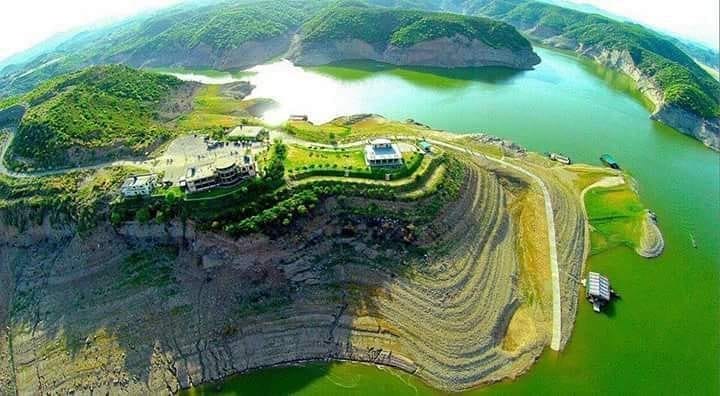
Done View of Mangla dam & Resort

  • Coordination with the National Disaster Management Authority (NDMA) has become crucial. Real-time monitoring and early-warning systems are now used to balance water storage with flood risk, ensuring communities downstream remain protected while keeping enough water in reserve.

Sedimentation: Current Status, Risks & Engineering Options

One of the most pressing long-term challenges for Mangla Dam is sedimentation. Over time, silt and debris carried by the Jhelum River settle in the reservoir, reducing its effective storage and threatening both irrigation supply and hydropower generation.

Current Status

  • By 2010, measured deposition had already reduced storage by around 1.29 million acre-feet (MAF).
  • On average, the dam loses about 0.5% of its capacity each year, a trend that, if unchecked, will continue to erode its usefulness.

Risks from Sediment Advance

  • The sediment delta is gradually moving closer to the intake structures, raising the risk of blockage and reduced efficiency.
  • If it reaches critical points, it could severely impact turbine operations and irrigation outlets.

Engineering Options for Side-Pocket Storages

Mangla’s reservoir includes side pockets such as Poonch, Khud-Jari, and Kanshi. Over time, sedimentation may isolate these areas from the main pool. To utilize them effectively, engineers are considering long-term options such as:

  • Cutting channels to reconnect them with the main reservoir.
  • Tunnels or siphon systems to draw water.
  • Targeted dredging windows during low inflow periods to recover storage.

Downstream Morphology & Operational Timing

  • Increased sediment outflow can reshape riverbeds downstream, affecting canals and distributaries.
  • This raises the risk of canal siltation, making irrigation networks harder to maintain.
  • Operators often lower reservoir levels in February–March to flush sediments when inflows are low, but this strategy has limits.

Impact on Hydropower Systems

  • High sediment load increases turbine wear, reducing efficiency and raising maintenance costs.
  • Cooling systems and auxiliary equipment face extra stress during peak silt periods.
  • Contingency planning now includes advanced monitoring, improved turbine design, and predictive maintenance schedules to minimize risks.

Irrigation Role & Flood Management

Mangla Dam has been a game-changer for Pakistan’s irrigation system. Before its construction, farmers in the Indus basin had to depend on unpredictable river flows. With the dam in place, flows are regulated, and water is released according to demand. 

This shift from unregulated flows to controlled releases has brought greater reliability to agriculture across the plains. Millions of acres of farmland now benefit from timely irrigation, helping boost food production and ensuring water security throughout the year.

Regulated Releases for the Indus Basin

  • Provides consistent irrigation supplies across Punjab and Sindh.
  • Stabilizes cropping cycles for wheat, rice, and cotton.
  • Ensures water availability in dry months, reducing reliance on rainfall.

Flood Moderation Role

Mangla is also critical for flood control. By storing floodwaters and releasing them gradually, the dam reduces peak flows that would otherwise devastate downstream communities. 

A striking example was the 1992 flood, one of the worst in Pakistan’s history. Mangla played a vital role in peak shaving, absorbing massive inflows and cutting the scale of destruction. 

This flood moderation capacity remains one of its greatest contributions to national safety.

2025 Context: New Challenges

In 2025, Mangla faced inflow volatility due to shifting rainfall and snowmelt patterns. The dam’s filling was delayed despite monsoon rains, highlighting the vulnerability of storage systems under climate change. 

Coordination with the National Disaster Management Authority (NDMA) has become central, with early-warning systems and real-time monitoring in place. 

Operators now balance the need for storage with flood-risk reduction, making Mangla an active player in disaster management as well as irrigation.

Sedimentation: Current Status, Risks & Engineering Options

Sedimentation is one of the biggest threats to the long-term effectiveness of Mangla Dam. The Jhelum River carries heavy silt, which settles in the reservoir and gradually reduces its capacity.

Current Status

  • By 2010, Mangla had already lost about 1.29 million acre-feet (MAF) of capacity to silt deposits.
  • On average, the reservoir loses around 0.5% of capacity each year.
  • This continuous buildup reduces both irrigation water availability and hydropower efficiency.

Risks from Sediment Delta Advance

The sediment delta has been moving closer to the dam’s intake structures. If it reaches critical points, it could block or damage the intakes, disrupting power generation and irrigation flows. Managing this advance is essential to keep the system functional.

Side-Pocket Storage Challenges

Mangla has several side pockets such as Poonch, Khud-Jari, and Kanshi. Over time, sedimentation can cut these pockets off from the main reservoir, reducing usable capacity. Engineers have explored solutions like:

  • Cutting channels to reconnect side pockets.
  • Building tunnels or siphons to draw water from isolated zones.
  • Targeted dredging during low inflow seasons to recover capacity.

Downstream Morphology & Siltation Risks

Sediment released from Mangla can alter riverbeds downstream. This has implications for irrigation canals, which may experience higher siltation rates, raising maintenance costs. 

Operators often schedule drawdowns in February and March to flush sediments, but this approach has its limits and cannot fully offset long-term deposition.

Impact on Hydropower Systems

High sediment loads also affect the powerhouse.

  • Turbine wear: Abrasive silt particles erode turbine blades, reducing efficiency.
  • Cooling systems: Sediment clogs and stresses auxiliary equipment, raising the risk of breakdowns.
  • Contingency planning: Modern approaches now focus on predictive maintenance, upgraded turbine designs, and real-time monitoring of sediment flow to protect hydropower output.

Social & Environmental Dimensions

Mangla Dam is more than an engineering project, it has shaped communities, livelihoods, and landscapes for over half a century. While it brought irrigation, power, and flood protection, it also came with major social and environmental trade-offs.

Original Displacement (1960s)

When Mangla Dam was first built, nearly 81,000 people were displaced from their ancestral lands. Approximately 67,800 acres of land were acquired to create the reservoir. The scale of resettlement was unprecedented at the time and left lasting social impacts. 

Families lost farmland, villages were submerged, and entire communities were forced to adapt to new environments. These experiences provided lessons in planning and managing resettlement for future projects in Pakistan.

Raising Resettlement (2000s)

The Mangla Raising Project (2004–2009) required another round of displacement. About 63,000 more people were resettled as the higher dam levels submerged additional areas. 

To address this, the government developed New Mirpur City along with four model towns, complete with roads, schools, and basic services. A structured compensation package was introduced for landowners and affected families. 

Notably, resettlement and rehabilitation costs formed a significant portion of the project budget, showing how central social issues had become in large-scale infrastructure planning.

Changing Livelihoods on the Rim

Over time, life around Mangla has evolved. Communities have developed new economic activities, including:

  • Fisheries in the reservoir, creating both food supply and income sources.
  • Brick kilns and construction-related industries benefiting from urban expansion.
  • Vocational training programs to help younger generations shift into new professions.

These shifts reflect the resilience of local populations as they adapt to a transformed social and environmental landscape.

Operations in 2025: Water Stress vs. Flood Risk

In 2025, Mangla Dam once again proved its importance but also revealed new vulnerabilities under climate stress and water scarcity.

Dead-Level Episode (March 2025)

In March 2025, the reservoir dropped to its dead storage level of 1,050 feet, halting water releases and curtailing hydropower production. This rare event highlighted how reduced inflows and shifting weather patterns can put extreme stress on Pakistan’s water and power systems. Farmers faced irrigation shortages, while electricity generation was cut back, increasing reliance on costlier energy sources.

Monsoon 2025: Filling Delays

Despite heavy rains during the monsoon season, Mangla’s filling remained slow. Erratic inflows and unusual timing of rainfall disrupted normal reservoir operations. Storage levels stayed below targets, limiting both irrigation reserves and electricity generation headroom. This underscored the growing challenge of balancing water supply with changing climate conditions.
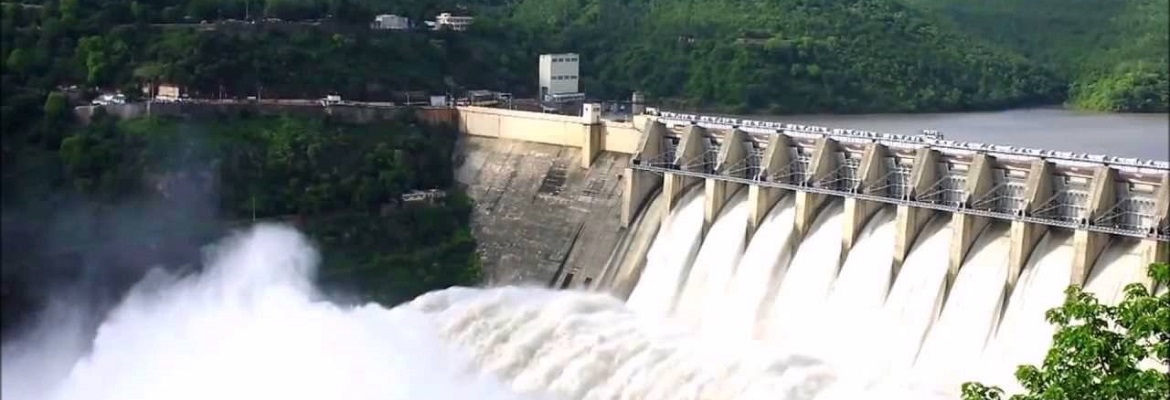
Mangla

Real-Time Risk Management

To address these risks, NDMA and WAPDA coordinated closely during 2025. Flood advisories for the Jhelum River were issued in real time, and multi-agency teams created readiness checklists for downstream communities. This included early warning systems, pre-evacuation planning, and tighter monitoring of reservoir levels. These steps show how Mangla’s operations are now as much about disaster risk management as they are about irrigation and hydropower.

Rehabilitation & Modernization Programs

Mangla Dam, now over five decades old, requires continuous upgrades to remain efficient and safe. Rehabilitation and modernization programs have been launched with the dual goal of extending the dam’s operational life and boosting energy output.

Goals of Rehabilitation

  • Extend the dam’s service life well into the next century.
  • Increase electricity generation by up to 90 MW, adding around 750 GWh of clean energy annually.
  • Enhance irrigation reliability for millions of farmers.
  • Improve safety systems to cope with changing hydrological conditions and seismic risks.

Priority Focus Areas

  • Unit refurbishment: Overhaul of turbines and generators to restore efficiency.
  • Gate and hoist reliability: Upgrades to spillway gates and control systems for secure water management.
  • SCADA systems: Modern digital controls for real-time monitoring and automation.
  • Sediment monitoring: Installation of advanced tools to track sediment inflow and reservoir health.
  • Safety instrumentation: Enhanced sensors and monitoring devices to ensure structural integrity and early warning in case of stress events.

These modernization efforts are designed not only to secure Mangla’s future performance but also to align it with modern sustainability and safety standards.

Tourism, Local Economy & Heritage

Mangla is more than a water and energy asset—it has also become a hub for tourism and local economic activity.

  • Recreational Value: The vast Mangla Lake is a popular destination for boating, fishing, and water sports. Its scenic setting attracts visitors from nearby cities and beyond.
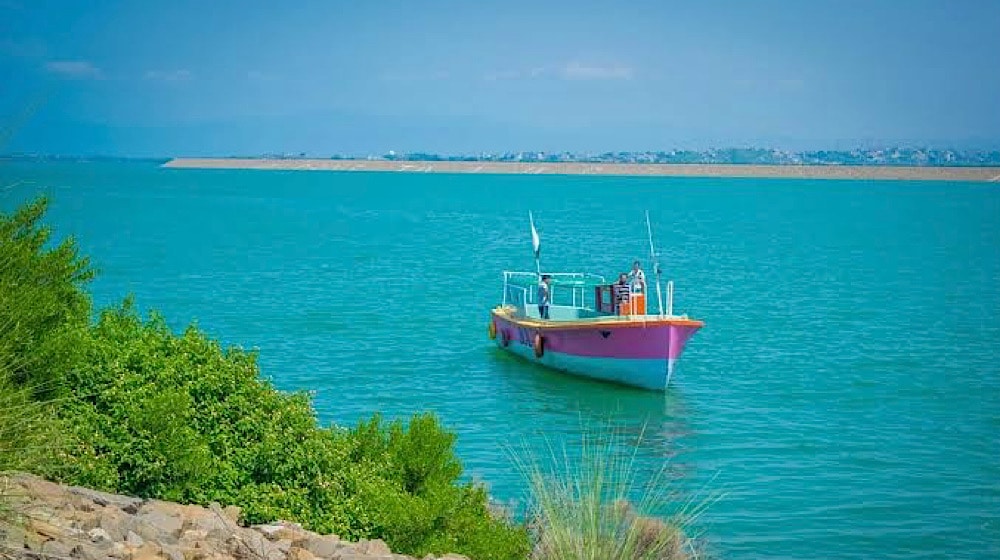
Mangla dam tourist spot

  • Local Economy: Tourism and hospitality industries in Mirpur and Jhelum benefit directly, with hotels, restaurants, and small businesses thriving around the reservoir.
  • Heritage Sites: The region hosts historical and cultural attractions, including remnants of old Mirpur submerged under the lake, which remain a point of identity for locals.
  • Visitor Highlights: District portals regularly promote Mangla as a tourism gem, emphasizing eco-tourism, recreational development, and weekend getaways for families.

Tourism has turned Mangla into not just an engineering landmark, but also a symbol of cultural and economic vitality.

2025–2040 Challenges & Strategy Roadmap

Looking ahead, Mangla Dam faces significant challenges that require proactive strategies to ensure long-term sustainability.

Water Balance & Climate Variability

  • Increasing demand for irrigation water is placing stress on limited resources.
  • Climate variability has made inflows unpredictable, disrupting filling schedules.
  • Strategies now emphasize multi-year storage planning and careful release protocols to balance supply and demand.

Sediment Management

  • Adaptive operational rules are being developed to manage minimum drawdown levels.
  • Engineering options include connecting side pockets like Poonch and Kanshi with channels or tunnels to maintain usable storage.
  • Targeted dredging windows during low-inflow periods are under consideration to recover lost capacity.

Asset Health

  • Protecting turbines during high-silt inflows is a growing concern.
  • Cooling system redesigns are being studied to improve resilience against clogging and wear.
  • Predictive maintenance programs are being developed to anticipate failures and extend turbine life.

Community & Resettlement Stewardship

  • Long-term stewardship involves supporting communities displaced during both the original project and the raising.
  • Focus areas include land compensation, housing development, and livelihood restoration.
  • Grievance redress mechanisms and phased completion of resettlement towns remain ongoing priorities.

Policy, Governance & Data Transparency

Mangla Dam’s operation is overseen by a web of institutions, each playing a critical role:

  • WAPDA manages dam operations and hydropower production.
  • IRSA (Indus River System Authority) regulates water distribution across provinces.
  • NDMA coordinates disaster risk management and flood response.
  • Provincial irrigation departments oversee regional irrigation supply and infrastructure.

Transparency has become increasingly important. Public dashboards now provide real-time reservoir levels (maximum 1242 ft, dead level 1050 ft), while routine updates are shared through multiple platforms to improve communication with stakeholders and communities

For more informative blogs visit Chakor blogs.

FAQs

Q1. What is Mangla Dam’s current capacity and conservation level?

Mangla’s current gross capacity is about 7.49 MAF, with a conservation level of 1242 feet and a dead storage level of 1050 feet.

Q2. Why did Mangla hit dead level in March 2025?

A combination of low inflows, erratic rainfall, and higher water demand caused the reservoir to fall to dead storage, halting releases and reducing hydropower output.

Q3. How does sediment threaten turbines and canals?

Sediment advances toward intakes, reducing water flow and efficiency. Downstream, excess silt increases canal blockages, while abrasive particles wear down turbine blades and auxiliary systems.

Q4. What did the raising project achieve?

The 2004–2009 raising project increased dam height by 30 feet, restoring lost storage and adding ~2.9 MAF. It also improved flood routing and enhanced hydropower generation by an additional ~644 GWh annually.

Q5. How many people were resettled and how?

The original dam displaced about 81,000 people in the 1960s. The raising project displaced another 63,000, resettled in New Mirpur City and surrounding towns with compensation and planned infrastructure.