
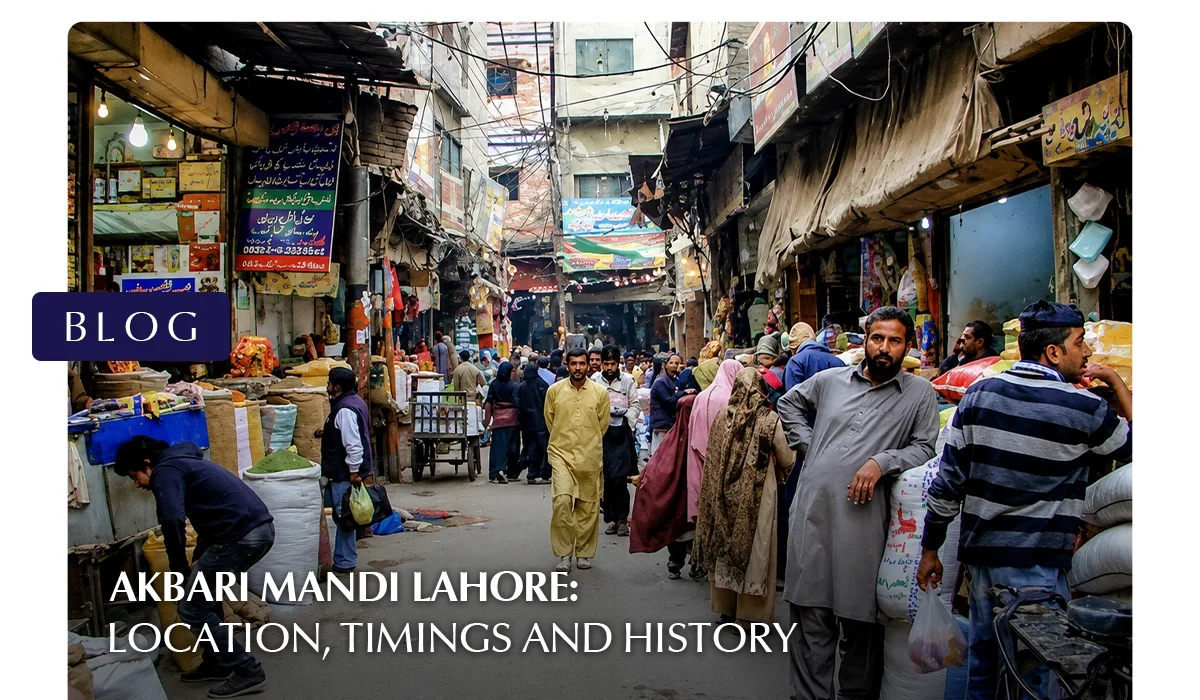

Akbari Mandi Lahore is one of the oldest wholesale markets in South Asia. For nearly 500 years, traders have bought and sold spices, grains, and dry fruit here, and the market is still where much of Punjab looks for its daily rates. If you are planning a visit, sourcing dry fruit in bulk, or simply curious about the history behind the name, this guide covers everything: the Akbari Mandi Lahore location, opening timings, what to buy, and how the market has changed over the past five centuries.
Quick Facts About Akbari Mandi
| Detail | Information |
|---|---|
| Location | Walled City of Lahore (Androon Lahore), between Delhi Gate and Akbari Gate, along Circular Road |
| Established | 16th century, during the reign of Mughal Emperor Akbar (1556–1605) |
| Known for | Dry fruits, spices, herbs, grains, and pulses, sold wholesale and retail |
| Scale | Widely reported to have around 800 shops carrying more than 1,000 product lines |
| Typical hours | Late morning to late evening; most shops open between 10 AM and 11 AM |
| Nearby landmarks | Delhi Gate, Shahi Hammam, Shah Hamdan Mosque, Lahore Fort |
What Is Akbari Mandi? A 500-Year-Old Market in the Walled City
The Founding, Under Mughal Emperor Akbar
Akbari Mandi takes its name from Jalal-ud-din Muhammad Akbar, the third Mughal emperor. It was established near Delhi Gate in the 16th century, deliberately outside the residential heart of the old city, so that traders and their caravans could operate without disrupting the neighbourhoods inside.
Over time, the market grew until it reached Akbari Gate as well, and today it sits between the two.
One often-repeated piece of local history is that the British East India Company approached Akbar’s court asking to handle the spice trade on the empire’s behalf. According to accounts of the period, the request was turned down, and Akbari Mandi continued to operate as an independently run trading hub for centuries afterwards.
From Grain Caravanserai to Asia’s Largest Spice Market
Akbari Mandi began life mainly as a grain market and caravanserai, a resting point for trading caravans passing through Lahore. Over the following centuries, it expanded into grains, pulses, herbs, chemicals, and eventually spices and dry fruit, which are what most visitors associate with the market today.
It is commonly described as one of Asia’s largest and oldest wholesale spice and dry-fruit markets, and traders say prices agreed here often set the tone for retail rates across the rest of Punjab.
Ownership of the shops has also changed with the region’s history. Older traders recall that before 1947, most shops in the Akbari Gate area were run by Hindu families, with only a handful of Muslim-owned businesses. After Partition, Muslim traders took over the market, and it grew into the largest grain and food market in the province.
Despite decades of digital commerce and online ordering, a large share of business at Akbari Mandi is still done the traditional way, on relationships and handwritten ledgers, rather than through formal contracts.
Akbari Mandi Lahore Location and How to Get There
Akbari Mandi Location at a Glance
The Akbari Mandi location sits inside the Walled City of Lahore, in the area locals call Androon Lahore. It runs along and around Circular Road, between two of the city’s historic gates, Delhi Gate and Akbari Gate.
Both gates serve as entry points into the market, and either one works as a landmark if you’re asking for directions or entering the address into a map app.
The immediate area is dense with other historic sites. The Shahi Hammam (Royal Bath) and Shah Hamdan Mosque are a short walk away, Akbari Gate itself sits opposite Lahore Fort, and Masjid PS Kotwali is another nearby marker locals use for directions.
Getting There: Access and Parking
Because Akbari Mandi sits inside a centuries-old walled city, its lanes were never built for cars. The market has no dedicated parking lot, and most visitors leave their vehicles along Circular Road before walking in.
Within the market itself, only small hand-carts and, historically, horse-drawn vehicles were permitted to move goods during business hours, which gives some sense of how narrow the internal lanes are.
If you’re visiting for the first time, a few practical tips help:
- Park on Circular Road or a nearby side street rather than trying to drive further in.
- Consider a rickshaw or taxi for the final stretch, especially during peak trading hours.
- Wear comfortable shoes. The lanes are uneven, and you’ll be walking, not driving, through most of the market.
- Expect crowds and some traffic congestion around the entrances, particularly in the late morning and afternoon.
Akbari Mandi Timings: When to Visit
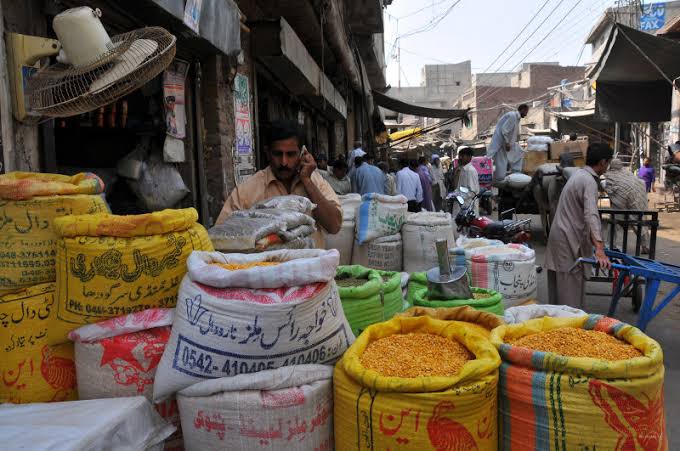
Reported opening hours vary slightly by source and by shop, but most accounts agree that Akbari Mandi gets going in the late morning, usually between 10 AM and 11 AM, and stays open into the evening. Individual shopkeepers set their own hours, so a few stalls may open earlier or close later than others.
Akbari Mandi Dry Fruit: Why the Market Is Famous Nationwide
Although it started out as a grain market, Akbari Mandi dry fruit trading is now what most people, inside and outside Lahore, associate with the name. Ask a wholesaler or home cook in Punjab where to buy dry fruit in bulk, and Akbari Mandi is usually the first answer.
The market is Punjab’s primary distribution point for dried fruit and nuts, and rates agreed here tend to influence pricing in other cities across northern Pakistan.
Popular Dry Fruits Available
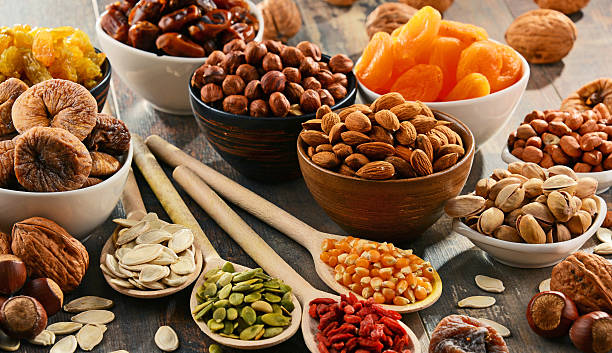
Shoppers browsing the Akbari Mandi dry fruit section will typically find:
- Almonds (Badam)
- Walnuts (Akhrot)
- Cashews (Kaju)
- Pistachios (Pista)
- Dried figs (Anjeer)
- Dates (Khajoor)
- Peanuts (Moongphali)
- Pine nuts (Chilgoza) and raisins (Kishmish)
How Wholesale Pricing Works
Prices at Akbari Mandi change daily, based on supply, season, and international commodity trends, so any specific per-kilo figure goes out of date quickly.
As a general rule, wholesale rates here tend to run noticeably lower than retail prices elsewhere in the city, which is why both individual households and small shopkeepers travel here to buy.
For the most current rates, it’s best to check directly with vendors, many of whom now share daily price updates over WhatsApp or social media, or to check live commodity listings that track Akbari Mandi’s grain and produce rates alongside other Pakistani markets.
Prices at Akbari Mandi also follow a fairly predictable seasonal pattern. Rates are generally lower in winter, from around November through February, when supply is higher, and they tend to climb in summer.
Demand spikes further around Ramadan and Eid, so buying ahead of these periods, rather than during them, usually works out cheaper.
Beyond Dry Fruits: Spices, Grains and More
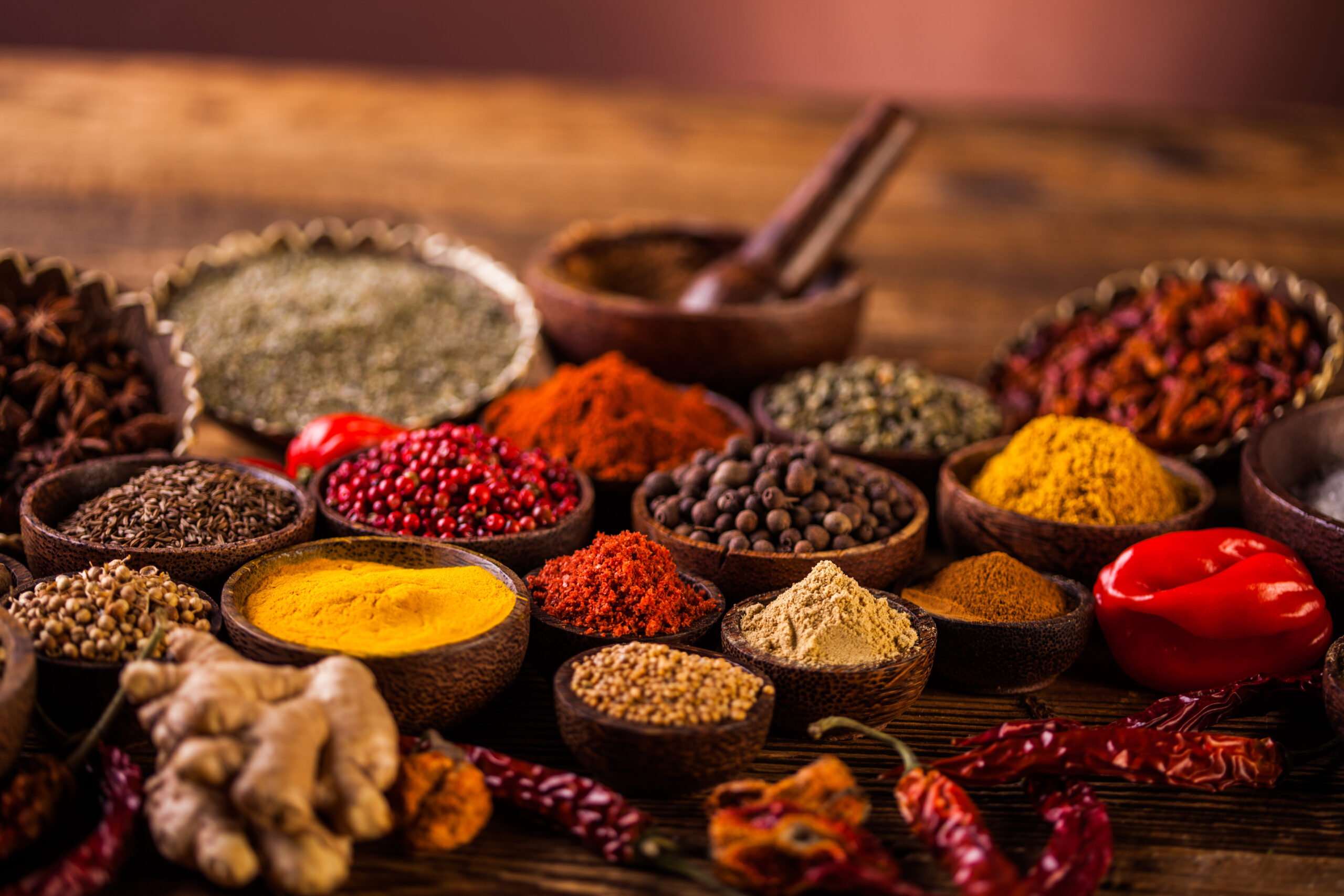
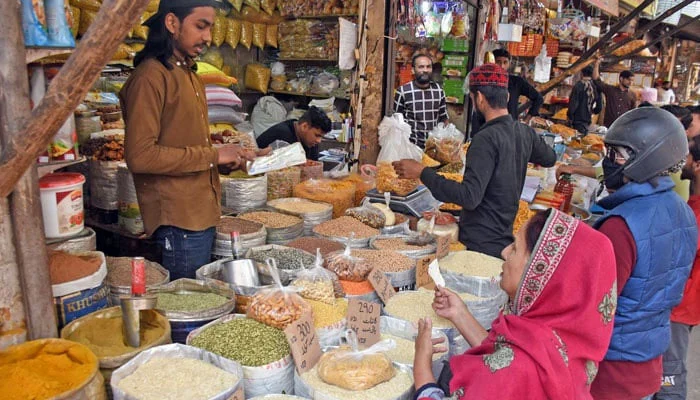
Dry fruit may get the most attention, but Akbari Mandi is still, at its core, a general wholesale market. Walking through its lanes, you’ll also find:
- Spices and herbs: cardamom, cinnamon, cloves, black pepper, cumin, coriander, turmeric, saffron, star anise, and dozens of other spices used in South Asian cooking, along with less common ingredients used in traditional remedies.
- Grains and pulses: Basmati rice from Punjab, red chillies sourced from Sindh, and lentils imported from countries including Canada and Australia.
- Household and industrial goods: Some sections of the market, particularly around Akbari Gate, have historically dealt in chemicals and other bulk household supplies alongside food items.
Akbari Mandi’s Role in Lahore’s Commercial Landscape
Beyond its retail appeal, Akbari Mandi remains one of Lahore’s most economically significant commercial districts and a popular wholesale market in Lahore. The surrounding area is home to more than 100 commercial buildings, and the market’s daily trading volume has long been counted among the highest of any wholesale market in the province.
Its influence on pricing is significant enough that Pakistani financial market reporting tracks Akbari Mandi’s grain and commodity rates separately, alongside other major exchanges.
That commercial weight is also reflected in the local property market. Shops in and around Akbari Mandi and Akbari Gate regularly appear on Pakistan’s major real estate portals, both for sale and for rent, making the area an active, if niche, segment of Lahore’s commercial real estate market.
Restoration and Heritage Revival
Akbari Mandi’s age brings real challenges: narrow lanes never designed for modern traffic, limited parking, ageing infrastructure, and drainage systems strained by decades of continuous use. Trader associations and the market’s own vendors have publicly acknowledged these issues for years.
In response, the Walled City of Lahore Authority (WCLA), working with the Aga Khan Cultural Service – Pakistan (AKCS-P), has included Akbari Mandi in a broader heritage conservation effort that also covers sites such as Lahore Fort and Wazir Khan Mosque.
The plan announced a pilot project to restore and modernise a section of the spice market near the Shahi Hammam and Delhi Gate, with the stated goal of upgrading infrastructure while preserving the market’s historic character.
In a progress review between WCLA and AKCS-P in April 2026, work on Akbari Mandi and related Walled City sites was continuing, with local trader groups pressing to extend the restoration beyond the pilot section to the wider market.
FAQs – Akbari Mandi
Where is Akbari Mandi located?
Akbari Mandi is located inside the Walled City of Lahore, between Delhi Gate and Akbari Gate, along Circular Road. Both gates can be used as entry points and as landmarks for directions.
What is Akbari Mandi Lahore famous for?
Akbari Mandi Lahore is best known as one of Asia’s largest and oldest wholesale markets for spices and dry fruit. It also trades in grains, pulses, herbs, and other bulk household goods, and has done so for close to 500 years.
What are Akbari Mandi’s opening timings?
Most shops open between 10 AM and 11 AM and stay open into the evening, though exact hours vary by shop.
Can individuals buy from Akbari Mandi, or is it wholesale only?
Individuals are welcome, even though the market’s core business is wholesale. Many Lahore households shop here directly to take advantage of lower rates than they’d find at neighbourhood retail stores.
Conclusion
Whether you’re planning a bulk purchase, researching the Walled City’s commercial history, or simply want to see one of Lahore’s oldest working markets for yourself, Akbari Mandi remains a genuinely worthwhile stop, provided you go prepared for narrow lanes, no parking, and a bit of friendly bargaining.
For more information on the top 10 wholesale markets in Lahore, please visit Chakor.
Read More:

BBC-featured Content Specialist with a sharp eye for search intent and a proven ability to turn content into a growth engine. I leverage cutting-edge digital marketing tools to craft strategies that fuel organic traffic, amplify brand growth, and own the local SEO landscape, particularly across the competitive real estate market. I help brands dominate search rankings and convert visibility into measurable business success.
