
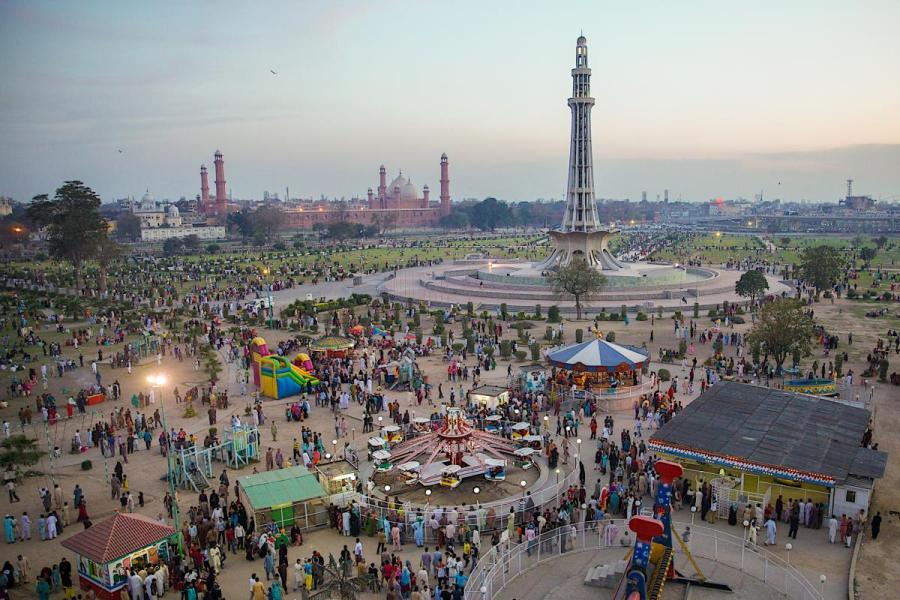
Urban Evolution: How Pakistan’s Cities Are Reaching for the Sky
A few decades ago, Pakistan’s cities were defined by sprawling low-rise neighborhoods, narrow streets filled with corner shops, and communities where everyone knew each other. Today, our urban landscape tells a different story—one of vertical ambition, modern skylines, and global connectivity.
From Karachi’s high-rise apartments to Lahore’s metro systems and Islamabad’s sleek corporate towers, Pakistan’s cities are rising—literally and figuratively. This transformation is not just about constructing taller buildings; it’s about reimagining how we live, work, and connect. Urban evolution in Pakistan reflects a shift toward efficiency, sustainability, and vibrancy—reshaping our identity as a modern nation.
The Forces Behind the Evolution of Urban Planning
Pakistan’s urban shift didn’t happen overnight. Population growth and rural-to-urban migration have placed immense pressure on limited land, pushing city planners toward vertical solutions. Add to this the expansion of global trade, the rise of digital economies, and a growing corporate sector—and the need for smarter, more integrated urban planning becomes undeniable.
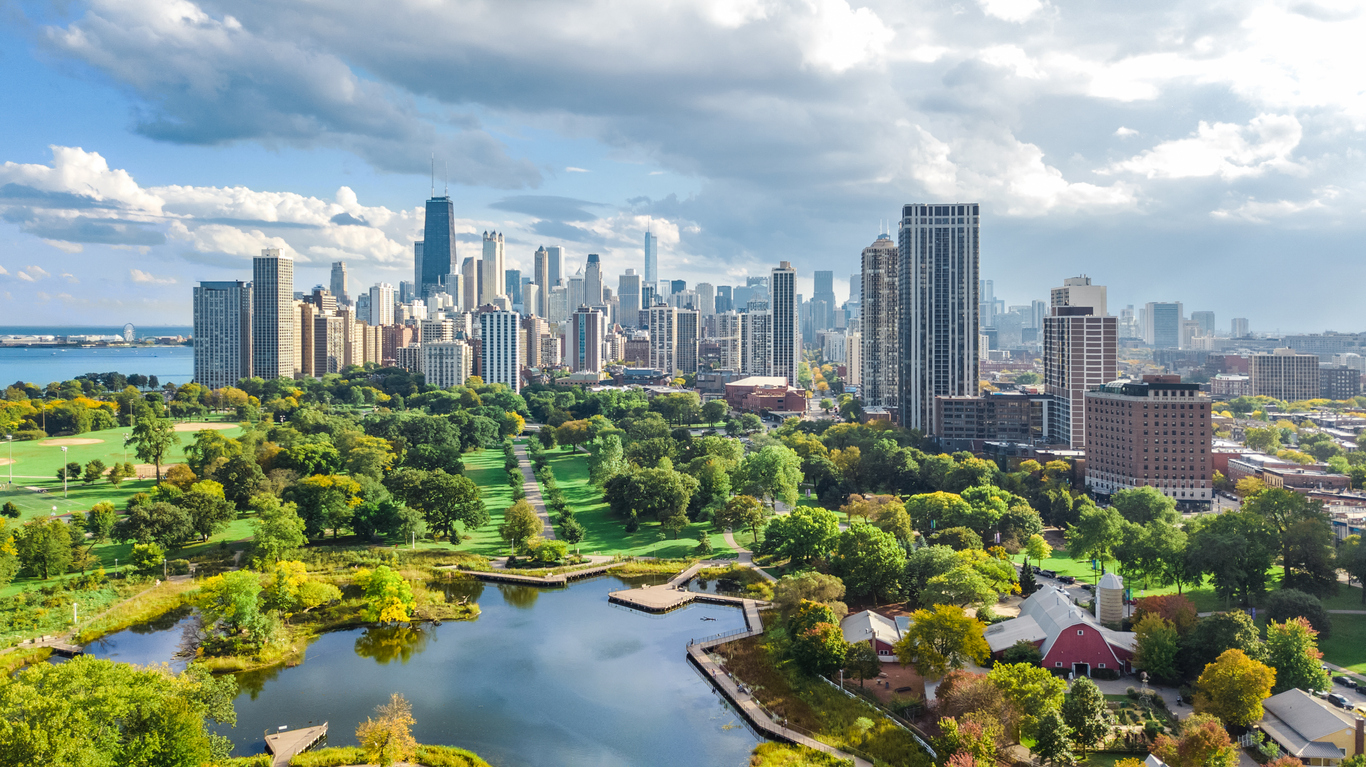
The Government’s investment in mass transit—Lahore Metro, Orange Line, Karachi Green Line—has reduced commuting times and expanded city accessibility. At the same time, mega malls, mixed-use developments, and commercial hubs have replaced single-purpose neighborhoods, blending retail, leisure, offices, and living spaces into unified destinations.
This isn’t just infrastructure—it’s a complete lifestyle shift.
Vertical Cities: Pakistan’s New Urban Identity
As land prices climb and horizontal expansion reaches its limits, our cities are learning to grow upward. Vertical cities—high-rise buildings packed with offices, residences, retail, and entertainment—are redefining our skylines.
These aren’t just tall buildings; they’re self-contained communities. Within one tower, you can work, shop, dine, exercise, and network—without leaving the building. This approach doesn’t just conserve space—it builds a sense of connection in the heart of busy cities.
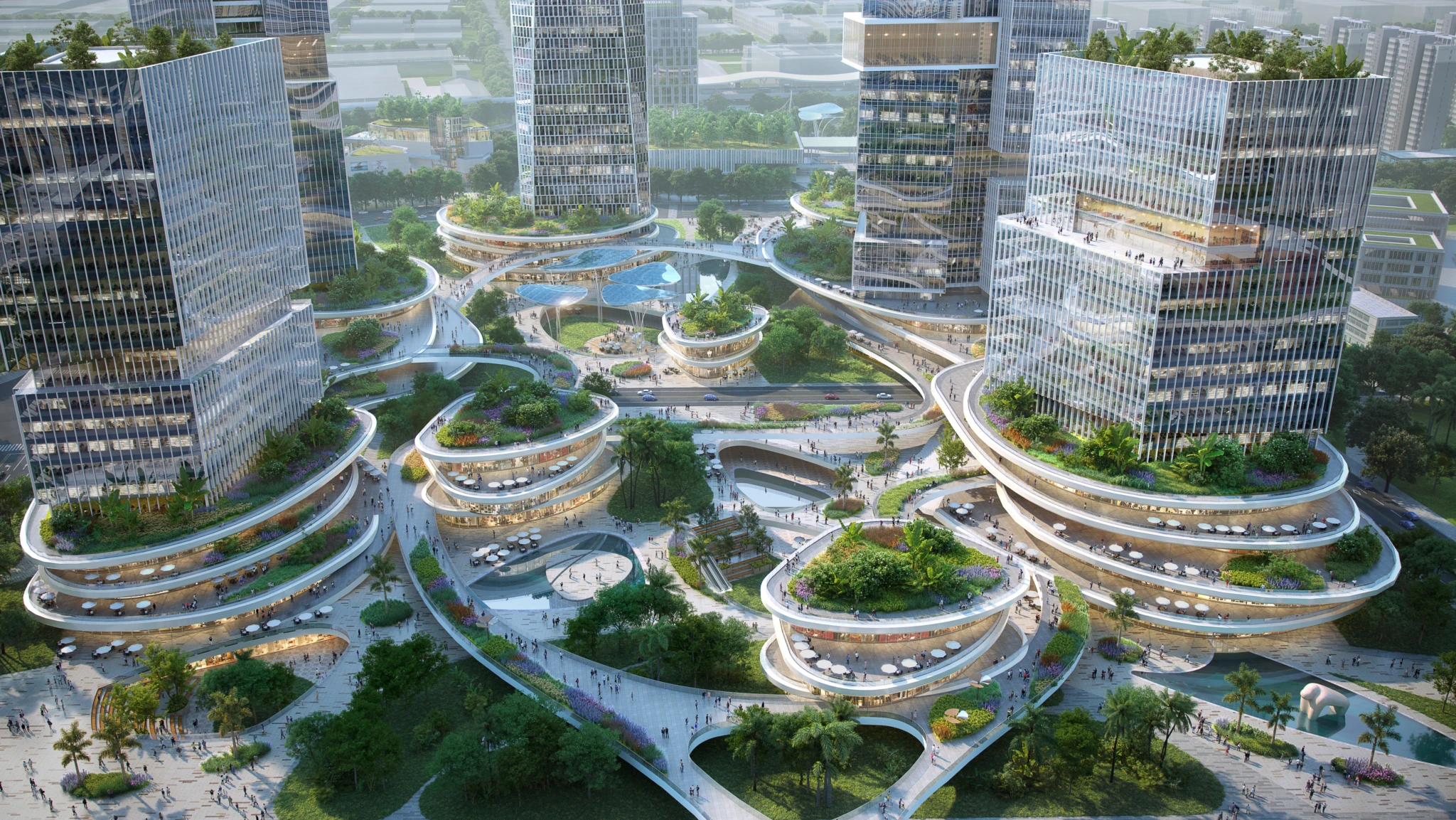
The move toward vertical living and working also aligns with global sustainability goals. New high-rises are being designed with energy-efficient systems, smart building technology, and eco-friendly materials—ensuring that Pakistan’s urban growth is as responsible as it is ambitious.
Citadel 7: A Landmark of the New Skyline
In Islamabad’s prestigious Blue Area, Citadel 7 corporate tower in Islamabad stands as a powerful symbol of this new urban chapter. More than just a building, it is a vision for the future—a corporate and commercial hub designed for the next generation of businesses, entrepreneurs, and innovators.
With its cutting-edge 3D glass façade, strategic location, and world-class amenities, Citadel 7 offers a workspace that rivals global business districts. It embodies the very essence of Pakistan’s shift from spread-out developments to integrated vertical spaces where functionality meets style.
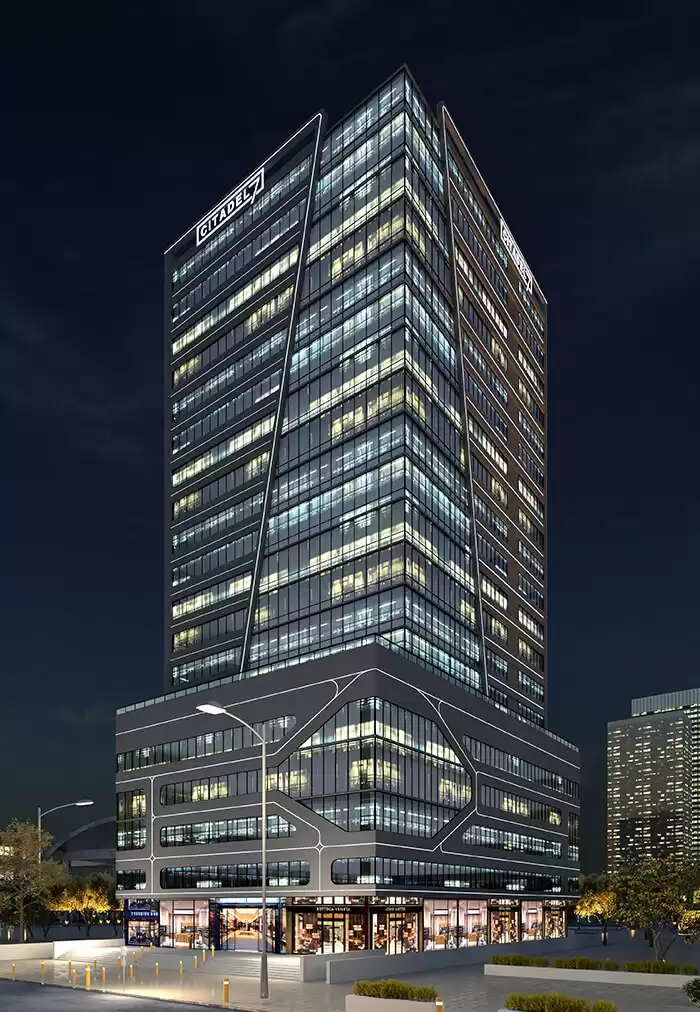
What sets Citadel 7 apart is its balance—modern architecture blended with cultural and environmental sensitivity. It’s built not just to impress, but to serve, creating opportunities for economic growth while maintaining harmony with Islamabad’s natural beauty.
The Future of Urban Pakistan
If the last 30 years were about catching up with global trends, the next 30 will be about leading them. Urban planners are now designing walkable neighborhoods, integrating renewable energy systems, and creating public spaces that encourage interaction and community building.
Projects like Citadel 7 prove that Pakistan is ready to embrace bold ideas—ideas that prioritize people, innovation, and sustainability. In the years to come, our cities will be smarter, greener, and even more connected, with architecture that reflects both ambition and identity.
From the Ground to the Sky: A National Journey
The journey from low-rise streets to vertical skylines mirrors Pakistan’s own story—one of resilience, adaptation, and forward momentum. Each high-rise is more than just concrete and glass; it’s a declaration that our future is not limited by the ground beneath us but is defined by how high we’re willing to reach.
As Citadel 7 and similar projects rise across Pakistan, they serve as beacons of progress—reminding us that the future of our cities is upward. It’s a story of how Pakistan is not just building taller buildings, but building a stronger, more connected, and more ambitious nation.
