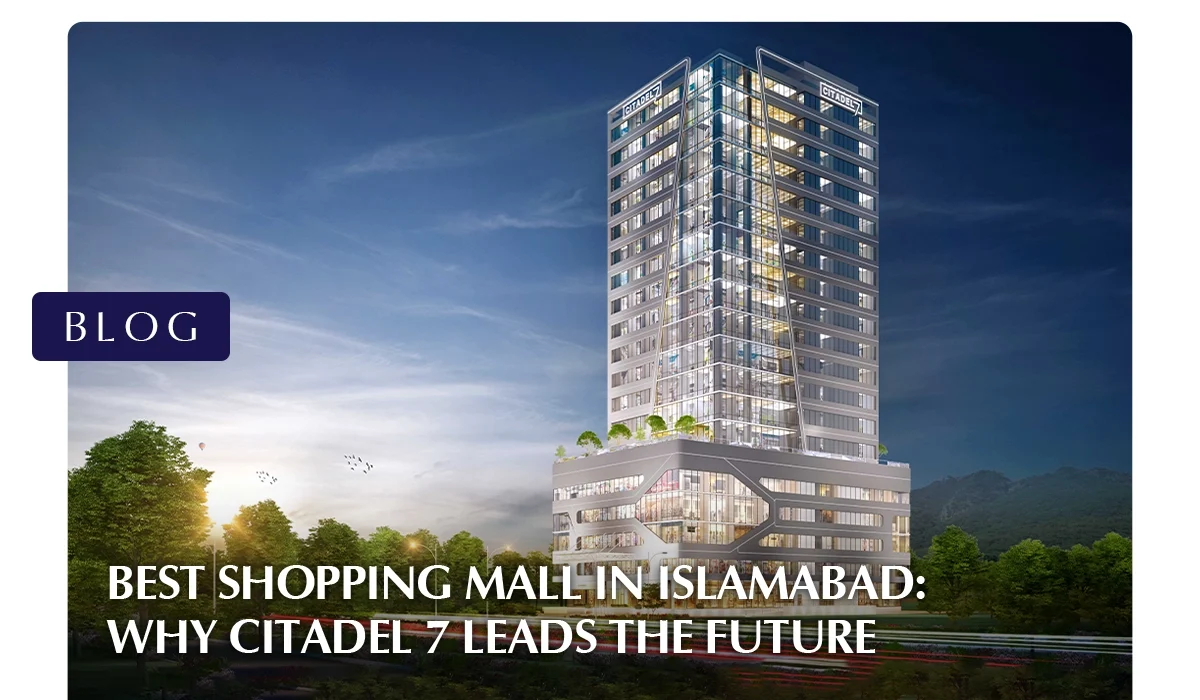
BBC-featured Content Specialist with a sharp eye for search intent and a proven ability to turn content into a growth engine. I leverage cutting-edge digital marketing tools to craft strategies that fuel organic traffic, amplify brand growth, and own the local SEO landscape, particularly across the competitive real estate market. I help brands dominate search rankings and convert visibility into measurable business success.

Step into one of Karachi’s most stunning landmarks, where history, art, and architecture come alive, welcome to Mohatta Palace Museum. Built almost a century ago, this palace has transformed from a luxurious summer residence into a vibrant museum showcasing Pakistan’s rich culture and heritage. Its grand domes, intricate carvings, and beautiful gardens make it a must-visit spot for tourists and locals alike. In this guide, we’ll take you through the history, architecture, and visitor tips of the Mohatta Palace Museum, helping you plan a perfect cultural visit.
Mohatta Palace Karachi | Location & How to Reach
Finding the Mohatta Palace location in Karachi is easy, whether you’re a local or a visitor exploring the city for the first time.
Mohatta Palace Address: The palace is situated at 7 Hatim Ali Road, Clifton, Karachi, Pakistan, in one of the city’s most vibrant neighborhoods.
By Car or Taxi: You can reach the palace quickly from major roads like Shahrah-e-Faisal, M.T. Khan Road, or the main Clifton roads. Taxis and ride-hailing services also drop you right at the entrance.
Public Transport: Bus No. 20, Minibusses N and W30, and local coach services, such as Super Hasan Zai and Khan Coach, have stops nearby, making it convenient for those relying on public transport.
Walking & Cycling: If you’re already in central Clifton, the palace is within walking or short cycling distance, perfect for a leisurely stroll through the area.
Nearby Landmarks: While visiting, you can also explore nearby attractions, such as the Abdullah Shah Ghazi Shrine, the iconic Do Talwar monument, and Clifton Beach.
Parking: For those driving, there’s on-site parking available for private vehicles, ensuring a hassle-free visit.
Whether you’re coming for the architecture, the museum exhibitions, or just a day out, reaching the Mohatta Palace Museum is convenient and straightforward.
Mohatta Palace History
The Mohatta Palace Pakistan was built in 1927 by Shivratan Chandraratan Mohatta, a successful Marwari businessman from Rajasthan. Known for his wealth in trade and real estate, Mohatta envisioned the palace as a luxurious summer residence for his family.
The palace was designed to provide comfort and relaxation, particularly for his ailing wife, allowing her to enjoy the cool sea breeze and the scenic surroundings of Clifton.
Architectural Genius
The palace was designed by Agha Ahmed Hussain, one of the pioneering Muslim architects of the Indian subcontinent. Hussain skillfully fused Mughal, Rajput, and Gothic elements, resulting in a structure that is both grand and functional.
Key features include intricate carvings, sweeping staircases, and beautifully landscaped gardens, all of which reflect the era’s opulence and elegance.
Transition After Independence
Following the partition of India in 1947, the Mohatta Palace was repurposed for governmental functions, including offices and official gatherings. Recognizing its historical and architectural significance, the government converted the palace into the Mohatta Palace Museum in 1995. It was opened to the public as a center for art, culture, and heritage.
Cultural and Historical Significance
Today, Mohatta Palace stands as a symbol of Karachi’s colonial past and cultural richness. It offers visitors a glimpse into the lifestyle of the city’s elite in the early 20th century while preserving exquisite craftsmanship and architectural brilliance. Hence, it is a must-visit landmark for both locals and tourists.
Architectural Marvel of Mohatta Palace
Mohatta Palace is a striking example of Indo-Saracenic architecture, a style that beautifully blends Mughal, Rajput, and Gothic influences. This fusion gives the building a unique character, combining the grandeur and symmetry of Mughal design.
It’s boldness and ornamentation of Rajput architecture, and the verticality and arches of the Gothic style. The result is a palace that is both elegant and imposing, capturing the essence of early 20th-century architectural innovation in South Asia.
Materials and Construction
The palace’s construction reflects careful selection of materials to ensure durability and visual appeal:
Pink Jodhpur Stone: Used extensively for the exterior, giving the palace a warm and majestic hue.
Local Yellow Gizri Stone: Complements the pink stone, creating a beautiful contrast while incorporating local building resources.
Mohatta Palace Inside | Architectural Features
The interiors and exteriors of Mohatta Palace showcase meticulous craftsmanship and artistic detailing:
Domes: The palace has nine domes, with the central dome being the largest, providing a dramatic focal point for the structure.
Ornate Carvings: Walls, arches, and pillars feature intricate carvings of peacocks, hibiscus flowers, and marigolds, symbolizing beauty and prosperity.
Staircases and Interiors: Elegant spiral staircases, polished teak wood interiors, and balustrades with floral motifs add to the palace’s luxurious yet functional design.
Mohatta Palace Museum Inside | Symbolism and Aesthetic Appeal
Every element of Mohatta Palace, from the carved floral patterns to the combination of domes and arches, was designed to convey elegance, power, and cultural richness.
The blend of regional and colonial architectural features makes it not just a residence but a visual celebration of artistry and design, drawing visitors and historians alike.
Museum Collections and Exhibitions at Mohatta Palace
The Mohatta Palace Museum houses an impressive array of permanent collections that reflect Pakistan’s rich cultural and artistic heritage. Visitors can explore:
Fine and Decorative Arts: Including paintings, sculptures, and intricate decorative objects.
Portraits: Historical and contemporary portraits of prominent figures, capturing Pakistan’s evolving history.
Traditional Crafts: Handcrafted textiles, pottery, and artifacts showcasing regional craftsmanship and cultural diversity.
These collections offer a comprehensive glimpse into the artistic traditions and cultural heritage of Pakistan, making the museum a must-visit destination for art enthusiasts and history buffs alike.
Notable Exhibitions
Over the years, the Mohatta Palace Museum has hosted remarkable exhibitions that highlight both historical and contemporary art forms:
Treasures of the Talpurs – Showcasing the legacy and artifacts of the Talpur dynasty.
Visions of Divinity – The Arts of Gandhara – Exploring Buddhist art and heritage from the Gandhara region.
Sadequain, The Holy Sinner – Celebrating the works of the legendary Pakistani artist Sadequain.
The Tale of the Tile – The Ceramic Tradition of Pakistan – Highlighting Pakistan’s traditional tile-making craft.
Rebel Angel: Asim Butt 1978–2010 – A contemporary art exhibition honoring the life and work of Asim Butt.
A Flower from Every Meadow – Displaying botanical-inspired art and installations.
These exhibitions not only educate visitors but also celebrate the diversity and depth of Pakistan’s art and cultural history, reinforcing the Mohatta Palace Museum’s role as a dynamic cultural hub.
Visitor Information
Visiting the Mohatta Palace Museum is a seamless and enriching experience for both locals and tourists.
Mohatta Palace Timings: The museum is open Tuesday to Sunday, from 11:00 AM to 6:00 PM. It remains closed on Mondays and public holidays. On Fridays, the museum observes a prayer break from 1:00 PM to 3:00 PM.
Mohatta Palace Tickets: Mohatta Palace ticket price is Rs. 30 for adults, while children under 12 enter for free.
Facilities: The museum offers guided tours, educational programs, and workshops. Visitors can also enjoy photography in designated areas, ensuring everyone can capture memories without disturbing exhibits.
These attractions make Mohatta Palace an excellent starting point for a cultural and historical tour of Karachi.
Preservation and Conservation Efforts
Preserving Mohatta Palace’s grandeur and historical value has been a priority for heritage authorities:
Structural Maintenance: Continuous restoration ensures that architectural elements, including domes, arches, and stonework, remain intact.
Cultural Programs: The museum regularly hosts art exhibitions, workshops, and events to keep the space vibrant and engaging.
Heritage Protection: Policies are in place to protect the palace’s original design, ensure visitor safety, and maintain accessibility for future generations.
Conclusion
Mohatta Palace Museum remains one of Karachi’s must-visit landmarks, offering a perfect blend of history, architecture, and cultural immersion. Visitors can marvel at its Indo-Saracenic design, explore permanent and temporary exhibitions. Also, enjoy nearby attractions for a full day of cultural discovery. Whether you are a tourist, student, or art lover, Mohatta Palace provides a memorable and enriching experience in the heart of Karachi.
BBC-featured Content Specialist with a sharp eye for search intent and a proven ability to turn content into a growth engine. I leverage cutting-edge digital marketing tools to craft strategies that fuel organic traffic, amplify brand growth, and own the local SEO landscape, particularly across the competitive real estate market. I help brands dominate search rankings and convert visibility into measurable business success.
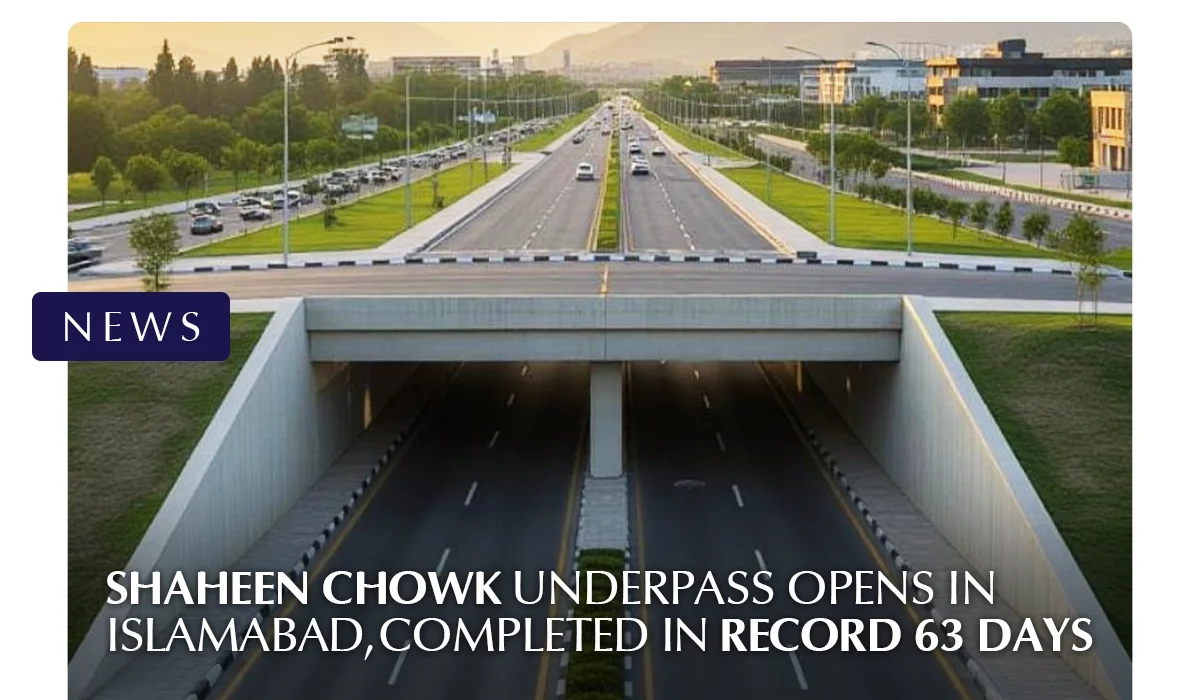
RAWALPINDI: The Water and Sanitation Agency (WASA) has launched a PKR 43 million feasibility study to bring 35 million gallons per day (MGD) of water from Daducha Dam to Rawalpindi, officials announced. The study, expected to be completed within two months, will include surveys, technical designs, land acquisition, and environmental and social assessments.
WASA Managing Director Saleem Ashraf said a consultant has been engaged to prepare the PC-I for the project, which also involves setting up a filtration plant at the dam site. The initiative aims to reduce Rawalpindi’s reliance on groundwater and aging reservoirs, such as the 56-year-old Rawal Dam, while securing a long-term water supply for the city.
Currently, Rawalpindi draws 23 MGD from Rawal Dam, 6 MGD from Khanpur Dam, and 35 MGD from 480 tube wells, with over 60 percent of the city’s water coming from groundwater—a source now considered unsustainable.
Officials highlighted that the Daducha Dam project will not only provide a consistent water supply but also help recharge groundwater, reduce contamination risks, and lower pumping costs. The project is expected to meet the needs of the growing population and improve access to reliable drinking water for low-income communities.
BBC-featured Content Specialist with a sharp eye for search intent and a proven ability to turn content into a growth engine. I leverage cutting-edge digital marketing tools to craft strategies that fuel organic traffic, amplify brand growth, and own the local SEO landscape, particularly across the competitive real estate market. I help brands dominate search rankings and convert visibility into measurable business success.

PESHAWAR: The Provincial Development Working Party (PDWP) has sanctioned 45 major development projects, valued at over PKR 66 billion, across Khyber Pakhtunkhwa, spanning key sectors including agriculture, livestock, transport, infrastructure, irrigation, health, and population welfare.
The approval was given during the PDWP’s fourth meeting, chaired by Additional Chief Secretary (Planning and Development) Ikramullah Khan, with senior officials from the relevant departments in attendance. The projects aim to strengthen public welfare, enhance connectivity, and stimulate provincial economic growth.
In line with directives from Chief Minister Ali Amin Khan Gandapur, the PDWP also endorsed a PKR 1 billion beautification project for Peshawar, which will focus on upgrading road networks, rehabilitating streetlights, expanding green belts, and installing modern urban amenities to improve the city’s aesthetic and functional appeal.
In the agriculture sector, initiatives were approved to promote dryland farming in southern districts, expand sunflower cultivation, and introduce advanced mechanization. For livestock development, the body approved schemes for genetic improvement through artificial insemination and cross-breeding with high-quality foreign breeds, with a particular focus on enhancing livelihoods in the merged districts.
A significant portion of the development budget has been allocated to road and infrastructure improvement, including feasibility studies and construction of new bypass routes such as Kurram Pul–Miranshah (via Kot Brara and Hashni Kala), the dualization of Provincial Highway S-8 in Dera Ismail Khan, and the rehabilitation of the Zafarabad irrigation channel from Dakhan Bypass.
Officials emphasized that these projects reflect the provincial government’s commitment to balanced regional development, improved service delivery, and the creation of sustainable economic opportunities across both settled and merged districts.
BBC-featured Content Specialist with a sharp eye for search intent and a proven ability to turn content into a growth engine. I leverage cutting-edge digital marketing tools to craft strategies that fuel organic traffic, amplify brand growth, and own the local SEO landscape, particularly across the competitive real estate market. I help brands dominate search rankings and convert visibility into measurable business success.
ISLAMABAD: Federal Minister for Communications Abdul Aleem Khan has unveiled a comprehensive reform plan for the National Highway Authority (NHA), focusing on removing encroachments and standardizing land use policies along motorways and highways.
Speaking at a high-level meeting at NHA headquarters, Aleem Khan said the reforms aim to make the authority self-sustaining and profitable, targeting annual revenues of PKR 500 billion. He noted that the NHA had already achieved a historic increase of PKR 50 billion in its own resources over the past year.
The minister directed that funds previously allocated for patchwork and road repairs be redirected toward new road construction, calling the former practice a source of corruption. He also emphasized restructuring the NHA along corporate lines by involving private-sector experts, implementing performance-based evaluations, and rewarding officers who meet targets with cash incentives.
Aleem Khan further instructed the strict enforcement of encroachment removal, the timely completion of projects, and the outsourcing of commercial rights on NHA land, with quarterly reviews to ensure transparency and efficiency. The meeting was attended by the Federal Secretary for Communications, the NHA Chairman, and senior officials who updated the minister on the progress of these directives.
BBC-featured Content Specialist with a sharp eye for search intent and a proven ability to turn content into a growth engine. I leverage cutting-edge digital marketing tools to craft strategies that fuel organic traffic, amplify brand growth, and own the local SEO landscape, particularly across the competitive real estate market. I help brands dominate search rankings and convert visibility into measurable business success.

Frere Hall Karachi Pakistan stands as a proud testament to Karachi’s rich colonial history and architectural grandeur. Known for its Venetian-Gothic design, this historic building has not only served as a cultural and educational hub but also as a symbol of Karachi’s transformation under British rule. From its architectural beauty to its cultural significance, it remains one of Karachi’s most iconic landmarks. In this article, we explore the history, architecture, cultural significance, and visitor information of Frere Hall.
Key Facts
Attribute
Details
Name
Frere Hall
Frere Hall Location
Civil Lines, Karachi, Pakistan
Construction Period
1863 – 1865
Architect
Henry Saint Clair Wilkins
Style
Venetian-Gothic
Materials
Yellow limestone, red & grey sandstone, white oolite stone
Notable Features
Pointed arches, ribbed vaults, flying buttresses, and quatrefoils
Cultural Significance
Frere Hall Library, Sadequain Art Gallery, Frere Hall events
Frere Hall Karachi Timings
9:00 AM – 5:00 PM
Entry Fee
Free (special Frere hall events may charge)
Frere Hall History
The building’s history dates back to the mid-19th century during the British colonial period. The hall was commissioned by Sir Henry Bartle Edward Frere, the British Commissioner of Sindh, in 1863 as part of his vision to modernize Karachi and create public civic spaces. Construction was overseen by British architect Henry Saint Clair Wilkins and completed in 1865.
Naming: The building was named in honour of Frere, who was instrumental in developing Karachi’s infrastructure, civic planning, and social initiatives.
Post-Independence Use: After Pakistan’s independence in 1947, Frere Hall served multiple roles, including housing the National Museum of Pakistan until 1970. Later, it evolved into a cultural, educational, and community hub, reflecting the city’s rich colonial and post-colonial history.
Symbolism: This building stands as a physical representation of Karachi’s historical transformation, bridging colonial influence with modern-day heritage preservation.
It’s history reflects both architectural significance and the city’s socio-cultural evolution, making it an essential landmark for historians, architects, and tourists alike.
Architectural Design
The architectural design of Frere Hall is a masterpiece of Venetian-Gothic architecture, blending European design with local materials and techniques. Its grand scale and intricate detailing make it a prime example of colonial-era architecture in Pakistan.
Key Design Features
Pointed Arches and Ribbed Vaults: Gothic elements that provide height, elegance, and a sense of spaciousness.
Flying Buttresses and Quatrefoils: Both decorative and structural, enhancing visual appeal and stability.
Galerie Sadequain: The ceilings feature murals by the renowned Pakistani artist Sadequain, illustrating cultural, historical, and artistic themes. These murals are part of the Sadequain Art Gallery, making the hall a creative as well as architectural landmark.
Materials Used
Yellow limestone sourced from Karachi.
Red and grey sandstone from Jungshahi.
White oolite stone from Bholari.
The combination of locally sourced and imported materials ensures both durability and aesthetic sophistication. The building’s symmetry, arches, and floral motifs reflect the fusion of European Gothic and South Asian architectural styles, making it visually striking and historically significant.
Frere Hall Library and Cultural Significance
A key component of this building is the Frere Hall Library, also known as the Liaquat National Library, which enhances its role as a center of learning and culture.
Library Collection: Holds over 70,000 books, covering history, literature, science, and regional studies.
Frere Hall Library Timings: The library is open daily from 9:00 AM to 5:00 PM, in line with the general visiting hours.
Art and Cultural Hub: The Sadequain murals and rotating exhibitions within the hall make it a vibrant space for the events, including art exhibitions, literary seminars, and educational workshops.
Heritage Status: Declared a protected heritage site in 1985, preserving both its cultural and historical significance.
The Frere Hall Library not only serves as a hub for research and reading but also complements the hall’s artistic and cultural functions. Hence, making it a central point for Karachi’s intellectual and cultural community.
Visitor Information
For visitors, it offers a blend of historical learning, artistic exposure, and leisure opportunities.
Location and Accessibility
Frere Hall location: Situated in Civil Lines, Karachi, between Abdullah Haroon Road and Fatima Jinnah Road.
Accessible via public transport, taxis, and private vehicles, with nearby parking facilities for convenience.
Frere Hall Karachi Timings
Open daily from 9:00 AM to 5:00 PM.
Frere Hall Sunday timings: The hall is closed on Sundays, so visitors should plan accordingly.
Entry Fees
General entry is complimentary, while some events may require nominal charges or prior booking.
Best Time to Visit
Morning: Ideal for quiet exploration and photography with soft natural light.
Afternoon/Evening: Great for capturing the hall’s architectural features, particularly the Sadequain murals and surrounding gardens.
Preservation and Conservation Efforts
Maintaining the historical and architectural integrity of the hall is crucial for future generations.
Structural Maintenance: Continuous upkeep ensures the Venetian-Gothic features, arches, and Sadequain murals remain intact.
Lighting and Landscaping: Night illumination highlights the hall’s architecture, and landscaped gardens enhance the visitor experience.
Community Engagement: Heritage authorities organise awareness programs and tours, emphasising the importance of preserving cultural landmarks.
Protection Status: Recognised as a protected heritage site, it continues to benefit from conservation policies that safeguard both its physical structure and cultural artefacts.
Through these efforts it remains a living monument, bridging history, art, and public education.
BBC-featured Content Specialist with a sharp eye for search intent and a proven ability to turn content into a growth engine. I leverage cutting-edge digital marketing tools to craft strategies that fuel organic traffic, amplify brand growth, and own the local SEO landscape, particularly across the competitive real estate market. I help brands dominate search rankings and convert visibility into measurable business success.
RAWALPINDI: The Rawalpindi Ring Road Project Management Unit (PMU) has completed 72 percent of the work and prepared a revised PC-I, increasing the project cost from Rs33 billion to Rs45 billion due to rising material prices, design changes, and new additions.
The revision includes an additional interchange at Thalian to connect the Ring Road with the Lahore-Islamabad Motorway, construction of toll plazas at key entry and exit points, and expanded road sizes at interchanges. The updated PC-I will be submitted to the Punjab government through the Rawalpindi Development Authority (RDA) for final approval.
Deputy Project Director Ashfaq Sulheri said construction is now being accelerated in three shifts to recover delays caused by the monsoon. Key milestones include completion of the Soan Bridge, ongoing girder casting for the railway bridge, and asphalt work on the road.
The 38.3-kilometer Ring Road will feature six lanes, a design speed of 120 km/h, five interchanges at Banth, Chak Baili Khan, Adiala Road, Chakri Road, and Thalian, and an industrial zone along the corridor.
BBC-featured Content Specialist with a sharp eye for search intent and a proven ability to turn content into a growth engine. I leverage cutting-edge digital marketing tools to craft strategies that fuel organic traffic, amplify brand growth, and own the local SEO landscape, particularly across the competitive real estate market. I help brands dominate search rankings and convert visibility into measurable business success.

Located in the heart of Islamabad, the Pakistan Monument stands as a proud symbol of the nation’s journey towards independence, unity, and national identity. This monumental structure not only commemorates Pakistan’s history but also showcases the country’s architectural brilliance and cultural diversity. Whether you’re a local resident, tourist, or history enthusiast, visiting this iconic landmark is a must.
In this guide, Chakor will explore its historical background, architectural design, visitor information, and cultural significance.
Key Facts About the Pakistan Monument Islamabad
Attribute
Details
Name
Pakistan Monument
Pakistan Monument Location
Shakarparian Hills, Islamabad, Pakistan
Height
58 ft (about 17.7m)
Construction Period
Begin 25 May 2004, complete 2006, open 23 March 2007.
Inauguration
23 March 2007
Architect
Arif Masood
Design Style
Fusion of Islamic, Mughal, and modern architecture
Materials
Red sandstone, marble, granite
Symbolism
Represents Pakistan’s four provinces and three territories
(Note: Timings may change. It’s better to confirm before visiting.)
Best For
History lovers, families, students, photographers, and tourists
What Is the Pakistan Monument?
The Pakistan Monument is a famous national landmark located in Islamabad, built to symbolise the unity and strength of the Pakistani nation. The monument’s unique structure resembles a blooming flower, with petals representing Pakistan’s provinces and regions coming together as one.
It is one of the most photographed and visited places in Islamabad, not only because of its architectural beauty, but also because the site includes the Pakistan Monument Museum, which highlights the history and struggle behind Pakistan’s independence.
Pakistan Monument Location (Map + How to Reach)
The Pakistan Monument is located in the Shakarparian Hills of Islamabad, an easily accessible area near several major landmarks in the capital.
How to Reach the Pakistan Monument?
You can reach the monument by:
Car: Best option for families; parking is usually available nearby
Ride-hailing apps: Careem/InDrive/Uber (depending on availability) are convenient
Local transport: A mix of metro + taxi may work, but direct transport is easier for tourists
Approximate Travel Time (Islamabad)
From Blue Area: 15–20 minutes
From Faisal Mosque: 25–35 minutes
From Rawalpindi Saddar: 35–45 minutes
History of Pakistan Monument
The idea of the Pakistan Monument was developed to create a national symbol that represents the country’s unity and heritage. It was designed and built in the early 2000s and quickly became one of Islamabad’s most iconic landmarks.
Timeline Highlights
2002: Project initiated
2004: Construction began
2006: Monument completed
23 March 2007: Officially inaugurated (Pakistan Day)
The Monument is designed like a blooming flower, representing Pakistan’s growth and progress as a nation. Its petal-shaped structure symbolises how different communities and regions collectively form a united country.
What Do the Petals Represent?
The design includes seven petals, each representing a part of Pakistan’s identity:
Four large petals represent Pakistan’s four major cultural groups: Punjabi, Sindhi, Baloch, and Pakhtun
Three smaller petals represent minorities, Azad Kashmir, and Gilgit-Baltistan
Together, all seven petals converge on a central platform, showing unity and togetherness.
Crescent and Star Concept
Standing together, the petals visually protect the crescent and star, reflecting the national flag and linking the monument with Pakistan’s identity.
Murals and Interior Art
The inner walls feature artistic murals depicting Pakistan’s rich heritage and important landmarks, such as the Lahore Fort, Badshahi Mosque, Khyber Pass, and Minar-e-Pakistan.
Pakistan Monument Museum | What to See Inside
Right next to the monument is the Pakistan Monument Museum, which is one of the most interesting cultural museums in Islamabad. It gives visitors a deeper understanding of Pakistan’s independence movement and national journey.
Highlights Inside the Museum
Exhibits covering the Pakistan Movement
Visual storytelling through historic photographs, models, and artwork
A wax museum section showing key historical moments
Educational displays about Pakistan’s heritage and identity
Recommendation: If you’re already visiting the monument, the museum is absolutely worth adding; it transforms your visit from “just sightseeing” into a meaningful experience.
Things to Do at the Pakistan Monument
A visit to the Monument can be relaxing, educational, and highly photogenic. Here are some of the best things you can do while visiting:
Enjoy panoramic views of Islamabad from Shakarparian Hills
Take photos at sunset (golden hour looks stunning on the monument’s structure)
Visit at night to see the monument beautifully lit
Explore the museum for historical context
Spend time with family; the area is spacious and ideal for casual walking
Capture aesthetic shots from the stairs and the central platform
Average visit time: 1–2 hours (2–3 hours with museum + photography)
Pakistan Monument Timings & Ticket Price
Before planning your visit, it’s best to confirm the timings, as they may vary depending on the season, maintenance, or national events.
General Visiting Timings
The monument area is generally accessible daily
Evening visits are popular due to the lighting and weather comfort
Pakistan Monument Museum Timings
Museum timings may differ from monument access hours, and it may sometimes have a weekly day off.
Ticket Price
Entry to the monument grounds is usually affordable
The museum may have a separate ticket
Tip: For the latest ticket pricing and updated timings, check the Google Maps listing or official updates before visiting.
Best Time to Visit
The best time to visit the Pakistan Monument depends on the weather and the type of experience you want.
Best Season
October to March is ideal due to pleasant weather
Summers in Islamabad can be hot, especially during midday
Best Time of Day
Sunset (Golden Hour): best for photography
Night Visits: perfect for lights + city vibes
Weekdays: less crowded than weekends
Cultural and Political Significance
The Monument is not only a famous landmark in Islamabad, but it is also a powerful national symbol. Built to represent unity, pride, and shared identity, the monument reflects how Pakistan’s diverse provinces, regions, and minority communities come together as one nation.
Because of its symbolism, the monument is often visited during national celebrations (especially Pakistan Day), educational tours, and cultural gatherings. Many visitors see it as a reminder of Pakistan’s history, independence struggle, and the collective journey of its people.
Beyond tourism, the monument holds value as a national space where people connect with Pakistan’s heritage, making it one of the most meaningful public landmarks in the capital.
FAQs
What is Pakistan’s monument called in Urdu?
Monument is called “یادگارِ پاکستان” in Urdu.
What is the monument of Pakistan?
The Monument is a national monument in Islamabad symbolising unity and pride.
Who made the Pakistan Monument?
The Monument was designed by Architect Arif Masoud.
Why was the monument built?
The Monument was built to represent the unity of Pakistan and honour national sacrifices.
What is the famous monument of Pakistan?
The Monument is one of Pakistan’s most famous monuments.
Where is the Pakistan Monument located?
It is located in Shakarparian Hills, Islamabad, Pakistan.
What is the meaning of the monument of Pakistan?
It represents unity, with petals symbolising Pakistan’s regions and communities.
How much is the ticket for Pakistan Monument?
The ticket price may vary, so check the latest official update before visiting.
Conclusion
The Monument Islamabad is more than just an iconic structure — it is a powerful symbol of unity, pride, and national identity. With its meaningful petal-shaped design, cultural murals, and the nearby Museum, the site offers a complete experience of Pakistan’s heritage and history.
Whether you’re visiting for photography, sightseeing, or learning about the country’s journey, the Monument is a must-visit landmark for anyone exploring Islamabad.
BBC-featured Content Specialist with a sharp eye for search intent and a proven ability to turn content into a growth engine. I leverage cutting-edge digital marketing tools to craft strategies that fuel organic traffic, amplify brand growth, and own the local SEO landscape, particularly across the competitive real estate market. I help brands dominate search rankings and convert visibility into measurable business success.

MURREE: The Murree district administration has imposed a three-month ban on all construction and related activities to protect the environment and implement the Murree Master Plan, officials announced on Monday.
Under Section 144 and directed by the Punjab Home Secretary, the ban covers the construction of houses, shops, markets, plazas, factories, roads, and alleys. It also extends to stone crushing, drilling, mining, mountain cutting, and the transport or delivery of construction materials, including sand, gravel, steel, bricks, blocks, and machinery.
Authorities warned that violations will result in criminal cases and arrests. The ban, effective immediately, will remain in force for 90 days or until the Murree Master Plan is fully executed.
Officials said the step aims to promote eco-friendly practices, safeguard forests, and ensure a peaceful environment for residents and visitors alike
BBC-featured Content Specialist with a sharp eye for search intent and a proven ability to turn content into a growth engine. I leverage cutting-edge digital marketing tools to craft strategies that fuel organic traffic, amplify brand growth, and own the local SEO landscape, particularly across the competitive real estate market. I help brands dominate search rankings and convert visibility into measurable business success.

Your home’s front wall is the first impression visitors and passersby get of your home. It isn’t just about marking boundaries; it tells a story about your taste, lifestyle, and attention to detail. A dull or plain wall can make even the most beautiful home look uninspired, while a well-designed one instantly upgrades the overall appeal. The right design combines style, security, and durability, creating a perfect balance between beauty and function. In this blog, Chakor has shared some of the top and trendy front wall design ideas.
Why Does the Front Wall Matter?
A front wall is more than a structure; it’s your home’s identity.
Privacy: A well-built wall creates a secure shield, ensuring your family feels comfortable.
Security: It acts as a protective barrier against trespassers while still maintaining style.
Curb Appeal: An attractive wall increases the value of your property and can even influence resale potential.
Design Statement: The choice of color, texture, and material reflects your personality, whether you prefer modern minimalism, rustic charm, or traditional elegance.
Popular Front Wall Design Ideas
Following are some of the best front wall design ideas.
Stone & Rock Cladding
Stone walls exude luxury and permanence. Whether it’s granite, sandstone, or natural river rock, each piece adds a unique texture. They’re especially suitable for villa-style or farmhouse properties. To avoid a heavy feel, combine stone cladding with plaster or wooden elements.
Plaster & Stucco Designs
Plaster and stucco finishes provide versatility. They can be smooth for a modern look or textured with 3D moldings for a decorative effect. They’re budget-friendly, easy to repaint, and ideal for homeowners who want to change their exterior look every few years without heavy costs. Hence, it is one of the most popular front wall design ideas.
Warm Wooden Panels
Wood creates warmth and balance. When combined with concrete or stone, it gives a modern yet cozy look. Choose treated hardwood or composite wood to withstand rain and humidity. Vertical timber slats can make walls appear taller, while horizontal panels offer a broader, sleek appearance.
Concrete Panels
Concrete is strong, versatile, and modern. Smooth concrete panels give a sleek, minimalist look, while textured ones add depth and shadow play. For a luxury twist, polished concrete combined with glass or steel accents creates a sophisticated, urban edge.
Green & Living Walls| Front Wall Design Ideas
Eco-friendly living walls are becoming increasingly popular. By adding vertical gardens or grass panels, you create a soothing natural façade that reduces heat absorption and improves air quality. In hot climates, living walls provide natural insulation. Pair them with subtle lighting for a breathtaking effect at night.
Tile & Mosaic Walls
Tiles offer endless possibilities, glossy, matte, patterned, or mosaic. They allow homeowners to add color and artistry to their walls. Mosaic tiles with geometric designs or traditional motifs can make the wall a focal point of your home exterior. They are easy to clean and can withstand varying weather conditions.
White Brick Elegance
White brick walls bring a timeless charm. Their bright and clean finish makes small front yards appear bigger and more welcoming. They pair beautifully with green lawns, wooden gates, or black metal accents. With protective sealants, white brick walls resist dust and maintain their glow for years.
Metallic Accents
Metallic fencing or panels add a futuristic appeal while strengthening security. Designs can range from simple horizontal grills to intricate laser-cut patterns. Black, bronze, or steel-grey finishes make a bold statement, and with powder coating, these accents resist rust and last longer.
Choosing the Right Material
The choice of material determines not only the look but also the lifespan of your wall.
Metal: Strong and stylish but requires anti-rust treatment.
Stone: Premium appeal, very durable, but expensive.
Tiles & Plaster: Versatile, customizable, easy to maintain.
Pro tip: Always match material with your climate. For example, avoid untreated wood in rainy areas or porous stone in humid regions.
Adding Color & Texture
Color sets the mood.
Neutral shades like beige, grey, and white create elegance.
Bold colors like terracotta or navy add drama and personality.
Dual-tone combinations (stone + wood, white plaster + dark tiles) create contrast and depth.
Texture matters too. Rough stone with smooth plaster or matte tiles with glossy accents make the wall visually engaging.
Lighting & Accents
Lighting turns a wall into a 24/7 feature. Uplighters emphasize vertical panels, while LED strips along the base highlight textures. Decorative wall-mounted lamps create warmth and elegance. Adding planters, niches, or vertical grills complements the design and enhances the look.
Luxury: Natural stone, custom laser-cut metal panels, integrated smart lighting.
Think of maintenance costs as well. A plaster wall may be cheap upfront but needs frequent repainting, while stone costs more but lasts decades.
Regional Tips for Pakistan Homes
Use heat-reflective colors like white or beige in hot cities.
In rainy areas, go for non-porous materials like polished tiles or sealed stone.
Choose locally available materials (like red brick and sandstone) for lower costs and easy replacement.
Consider dust-resistant finishes for urban areas prone to pollution.
Maintenance Tips
Wash walls regularly to avoid dust buildup.
Re-seal wood and metal every 1–2 years to prevent damage.
Use anti-fungal coatings in humid or monsoon-prone areas.
Trim plants in living walls to keep them neat and healthy.
Conclusion
Your front wall is more than just a boundary; it’s the face of your home. From minimal white bricks to bold stone cladding or eco-friendly green panels, there’s a design for every budget and taste. By choosing the right materials, adding thoughtful details, and planning for long-term maintenance, you can create a front wall that is secure, stylish, and unforgettable. For more information on similar content such as Urban Planning in Pakistan, visit Chakor.
FAQs | Front Wall Design Ideas
What are the cheapest front wall design ideas? Plastered and painted walls are the most affordable yet stylish options.
Which materials last the longest? Stone and concrete are the most durable and require minimal upkeep.
How can I make my front wall premium on a budget? Suggest some front wall design ideas. Add lighting, bold paint, or decorative tile borders for a quick upgrade.
Which designs increase property value most? Natural stone cladding, green walls, and well-lit modern walls add significant curb appeal and market value.
BBC-featured Content Specialist with a sharp eye for search intent and a proven ability to turn content into a growth engine. I leverage cutting-edge digital marketing tools to craft strategies that fuel organic traffic, amplify brand growth, and own the local SEO landscape, particularly across the competitive real estate market. I help brands dominate search rankings and convert visibility into measurable business success.

Mangla Dam is more than concrete and rock, it’s a lifeline for Pakistan’s water and energy needs. Built on the Jhelum River in the 1960s, this engineering marvel has powered irrigation, generated clean electricity, and shielded millions from floods for decades. Today, it stands not only as a symbol of national progress but also as a reminder of the urgent need to manage water and energy resources wisely in a changing climate.
Fast Facts & Key Specs
Feature
Details
Location
Jhelum River, near Mirpur (AJK) and Jhelum District, Punjab
The story of Mangla Dam begins in the 1950s, when Pakistan faced urgent challenges of water scarcity and irrigation management after the signing of the Indus Waters Treaty. To ensure secure and reliable water supplies, the project became part of the broader Indus Basin Replacement Works.
1950s–1960s: Planning and Launch
The dam was designed to harness the Jhelum River’s potential for irrigation and power generation.
Construction began in 1961, led by international engineers and local expertise, marking one of the largest development projects in Pakistan at the time.
Engineering Adaptations
Mangla was built under a “design as you build” philosophy. Engineers adapted to on-site conditions such as sheared clays and included auxiliary works like the Jari Dam to stabilize the system.
These adaptations allowed the project to maintain momentum and reach completion ahead of schedule.
Completion in 1967
By 1967, Mangla was fully operational, ranking as one of the largest earth and rockfill dams in the world.
Initial features included:
Four main embankments forming the dam structure.
Main and emergency spillways for safe water discharge.
Five tunnels constructed for water conveyance and power generation.
A staged powerhouse designed for phased installation of turbines and expansion over time.
Mangla Dam’s construction not only transformed Pakistan’s irrigation and energy landscape but also set a benchmark in large-scale engineering for the region.
The Raising Project (2004–2009)
By the early 2000s, Mangla Dam had lost a significant share of its storage due to continuous sedimentation. This reduction threatened irrigation supplies, power generation, and flood protection. To overcome these challenges, the Mangla Dam Raising Project was launched between 2004 and 2009, marking one of Pakistan’s most ambitious water infrastructure upgrades.
Why It Was Carried Out
Sedimentation had reduced effective storage, undermining agricultural and energy needs.
Flood routing capacity was compromised, raising risks during high inflows.
Pakistan’s growing energy demand called for restoring and expanding hydropower potential.
Key Works Undertaken
The project raised the dam’s height by 30 feet, which transformed its capacity and resilience. Major engineering works included:
Dam and dyke raising to increase reservoir volume.
Spillway throttling to manage higher water levels safely.
Construction of a control weir for better water regulation.
Foundation drainage and seepage control to strengthen long-term structural stability.
Outcomes Achieved
Restored lost storage and added ~2.9 million acre-feet (MAF) of new capacity.
Boosted annual energy benefits by approximately 644 GWh, enough to power millions of homes.
Enhanced flood routing efficiency, providing better protection for downstream communities.
Increased gross storage to ~7.49 MAF, about 27% higher than the original 1967 design.
At-a-Glance Metrics
Dam Height Increase: 30 feet
Additional Storage: ~2.9 MAF
Total Gross Capacity: ~7.49 MAF
Annual Power Gain: ≈644 GWh
Project Duration: 2004–2009
Investment Scale: Multi-billion rupees, one of the largest infrastructure undertakings of its time
Mangla Dam is not only a water reservoir but also a cornerstone of Pakistan’s clean energy production. Its powerhouse plays a critical role in meeting the nation’s electricity demand.
Existing Setup
The dam is equipped with 10 Francis-type turbines.
Each unit ranges between 100–135 MW, operating under a rated head of about 295 feet.
After the raising project, the total installed capacity reached approximately 1,070–1,120 MW, making it one of Pakistan’s largest hydropower stations.
Ongoing & Planned Refurbishments
Refurbishment programs are underway to extend the lifespan of the existing turbines and improve efficiency.
Modernization of control systems, gates, and auxiliary equipment is being carried out to enhance safety and reliability.
Expansion concepts are under review to further increase generation capacity, leveraging the additional water head created by the raising project.
Long-Term Benefits
Sustained supply of renewable electricity to reduce reliance on fossil fuels.
Improved performance and reliability of the turbines under high sediment load conditions.
Contribution to Pakistan’s broader goals of energy security and climate resilience.
Irrigation Role & Flood Management
Mangla Dam has been central to transforming Pakistan’s water system from unpredictable flows to a regulated network that sustains agriculture across the Indus plain. Before its construction, farmers relied on seasonal fluctuations of the Jhelum River. With Mangla’s reservoir and controlled releases, irrigation became more reliable, boosting crop yields and ensuring water availability even in drier months.
Reliable Water for the Indus Basin
The reservoir provides dependable irrigation water to millions of acres of farmland.
Its regulated releases support wheat, rice, and cotton production, which form the backbone of Pakistan’s economy.
By acting as a buffer, the dam ensures year-round supply, reducing the dependency on monsoon rains.
Flood Moderation Role
Mangla is not only about storage and irrigation—it is also a major shield against floods.
A notable example was the 1992 floods, where the dam absorbed peak inflows and reduced downstream devastation by cutting flood peaks.
Controlled releases allow for “peak shaving,” which helps reduce the severity of floods along the Indus system.
2025 Context: New Challenges
In recent years, inflow volatility has increased, with some seasons bringing late or reduced river flows.
In 2025, filling delays highlighted the dam’s vulnerability to changing rainfall and snowmelt patterns.
Coordination with the National Disaster Management Authority (NDMA) has become crucial. Real-time monitoring and early-warning systems are now used to balance water storage with flood risk, ensuring communities downstream remain protected while keeping enough water in reserve.
Sedimentation: Current Status, Risks & Engineering Options
One of the most pressing long-term challenges for Mangla Dam is sedimentation. Over time, silt and debris carried by the Jhelum River settle in the reservoir, reducing its effective storage and threatening both irrigation supply and hydropower generation.
Current Status
By 2010, measured deposition had already reduced storage by around 1.29 million acre-feet (MAF).
On average, the dam loses about 0.5% of its capacity each year, a trend that, if unchecked, will continue to erode its usefulness.
Risks from Sediment Advance
The sediment delta is gradually moving closer to the intake structures, raising the risk of blockage and reduced efficiency.
If it reaches critical points, it could severely impact turbine operations and irrigation outlets.
Engineering Options for Side-Pocket Storages
Mangla’s reservoir includes side pockets such as Poonch, Khud-Jari, and Kanshi. Over time, sedimentation may isolate these areas from the main pool. To utilize them effectively, engineers are considering long-term options such as:
Cutting channels to reconnect them with the main reservoir.
Tunnels or siphon systems to draw water.
Targeted dredging windows during low inflow periods to recover storage.
Downstream Morphology & Operational Timing
Increased sediment outflow can reshape riverbeds downstream, affecting canals and distributaries.
This raises the risk of canal siltation, making irrigation networks harder to maintain.
Operators often lower reservoir levels in February–March to flush sediments when inflows are low, but this strategy has limits.
Impact on Hydropower Systems
High sediment load increases turbine wear, reducing efficiency and raising maintenance costs.
Cooling systems and auxiliary equipment face extra stress during peak silt periods.
Contingency planning now includes advanced monitoring, improved turbine design, and predictive maintenance schedules to minimize risks.
Irrigation Role & Flood Management
Mangla Dam has been a game-changer for Pakistan’s irrigation system. Before its construction, farmers in the Indus basin had to depend on unpredictable river flows. With the dam in place, flows are regulated, and water is released according to demand.
This shift from unregulated flows to controlled releases has brought greater reliability to agriculture across the plains. Millions of acres of farmland now benefit from timely irrigation, helping boost food production and ensuring water security throughout the year.
Regulated Releases for the Indus Basin
Provides consistent irrigation supplies across Punjab and Sindh.
Stabilizes cropping cycles for wheat, rice, and cotton.
Ensures water availability in dry months, reducing reliance on rainfall.
Flood Moderation Role
Mangla is also critical for flood control. By storing floodwaters and releasing them gradually, the dam reduces peak flows that would otherwise devastate downstream communities.
A striking example was the 1992 flood, one of the worst in Pakistan’s history. Mangla played a vital role in peak shaving, absorbing massive inflows and cutting the scale of destruction.
This flood moderation capacity remains one of its greatest contributions to national safety.
2025 Context: New Challenges
In 2025, Mangla faced inflow volatility due to shifting rainfall and snowmelt patterns. The dam’s filling was delayed despite monsoon rains, highlighting the vulnerability of storage systems under climate change.
Coordination with the National Disaster Management Authority (NDMA) has become central, with early-warning systems and real-time monitoring in place.
Operators now balance the need for storage with flood-risk reduction, making Mangla an active player in disaster management as well as irrigation.
Sedimentation: Current Status, Risks & Engineering Options
Sedimentation is one of the biggest threats to the long-term effectiveness of Mangla Dam. The Jhelum River carries heavy silt, which settles in the reservoir and gradually reduces its capacity.
Current Status
By 2010, Mangla had already lost about 1.29 million acre-feet (MAF) of capacity to silt deposits.
On average, the reservoir loses around 0.5% of capacity each year.
This continuous buildup reduces both irrigation water availability and hydropower efficiency.
Risks from Sediment Delta Advance
The sediment delta has been moving closer to the dam’s intake structures. If it reaches critical points, it could block or damage the intakes, disrupting power generation and irrigation flows. Managing this advance is essential to keep the system functional.
Side-Pocket Storage Challenges
Mangla has several side pockets such as Poonch, Khud-Jari, and Kanshi. Over time, sedimentation can cut these pockets off from the main reservoir, reducing usable capacity. Engineers have explored solutions like:
Cutting channels to reconnect side pockets.
Building tunnels or siphons to draw water from isolated zones.
Targeted dredging during low inflow seasons to recover capacity.
Downstream Morphology & Siltation Risks
Sediment released from Mangla can alter riverbeds downstream. This has implications for irrigation canals, which may experience higher siltation rates, raising maintenance costs.
Operators often schedule drawdowns in February and March to flush sediments, but this approach has its limits and cannot fully offset long-term deposition.
Cooling systems: Sediment clogs and stresses auxiliary equipment, raising the risk of breakdowns.
Contingency planning: Modern approaches now focus on predictive maintenance, upgraded turbine designs, and real-time monitoring of sediment flow to protect hydropower output.
Social & Environmental Dimensions
Mangla Dam is more than an engineering project, it has shaped communities, livelihoods, and landscapes for over half a century. While it brought irrigation, power, and flood protection, it also came with major social and environmental trade-offs.
Original Displacement (1960s)
When Mangla Dam was first built, nearly 81,000 people were displaced from their ancestral lands. Approximately 67,800 acres of land were acquired to create the reservoir. The scale of resettlement was unprecedented at the time and left lasting social impacts.
Families lost farmland, villages were submerged, and entire communities were forced to adapt to new environments. These experiences provided lessons in planning and managing resettlement for future projects in Pakistan.
Raising Resettlement (2000s)
The Mangla Raising Project (2004–2009) required another round of displacement. About 63,000 more people were resettled as the higher dam levels submerged additional areas.
To address this, the government developed New Mirpur City along with four model towns, complete with roads, schools, and basic services. A structured compensation package was introduced for landowners and affected families.
Notably, resettlement and rehabilitation costs formed a significant portion of the project budget, showing how central social issues had become in large-scale infrastructure planning.
Changing Livelihoods on the Rim
Over time, life around Mangla has evolved. Communities have developed new economic activities, including:
Fisheries in the reservoir, creating both food supply and income sources.
Brick kilns and construction-related industries benefiting from urban expansion.
Vocational training programs to help younger generations shift into new professions.
These shifts reflect the resilience of local populations as they adapt to a transformed social and environmental landscape.
Operations in 2025: Water Stress vs. Flood Risk
In 2025, Mangla Dam once again proved its importance but also revealed new vulnerabilities under climate stress and water scarcity.
Dead-Level Episode (March 2025)
In March 2025, the reservoir dropped to its dead storage level of 1,050 feet, halting water releases and curtailing hydropower production. This rare event highlighted how reduced inflows and shifting weather patterns can put extreme stress on Pakistan’s water and power systems. Farmers faced irrigation shortages, while electricity generation was cut back, increasing reliance on costlier energy sources.
Monsoon 2025: Filling Delays
Despite heavy rains during the monsoon season, Mangla’s filling remained slow. Erratic inflows and unusual timing of rainfall disrupted normal reservoir operations. Storage levels stayed below targets, limiting both irrigation reserves and electricity generation headroom. This underscored the growing challenge of balancing water supply with changing climate conditions.
Real-Time Risk Management
To address these risks, NDMA and WAPDA coordinated closely during 2025. Flood advisories for the Jhelum River were issued in real time, and multi-agency teams created readiness checklists for downstream communities. This included early warning systems, pre-evacuation planning, and tighter monitoring of reservoir levels. These steps show how Mangla’s operations are now as much about disaster risk management as they are about irrigation and hydropower.
Rehabilitation & Modernization Programs
Mangla Dam, now over five decades old, requires continuous upgrades to remain efficient and safe. Rehabilitation and modernization programs have been launched with the dual goal of extending the dam’s operational life and boosting energy output.
Goals of Rehabilitation
Extend the dam’s service life well into the next century.
Increase electricity generation by up to 90 MW, adding around 750 GWh of clean energy annually.
Enhance irrigation reliability for millions of farmers.
Improve safety systems to cope with changing hydrological conditions and seismic risks.
Priority Focus Areas
Unit refurbishment: Overhaul of turbines and generators to restore efficiency.
Gate and hoist reliability: Upgrades to spillway gates and control systems for secure water management.
SCADA systems: Modern digital controls for real-time monitoring and automation.
Sediment monitoring: Installation of advanced tools to track sediment inflow and reservoir health.
Safety instrumentation: Enhanced sensors and monitoring devices to ensure structural integrity and early warning in case of stress events.
These modernization efforts are designed not only to secure Mangla’s future performance but also to align it with modern sustainability and safety standards.
Tourism, Local Economy & Heritage
Mangla is more than a water and energy asset—it has also become a hub for tourism and local economic activity.
Recreational Value: The vast Mangla Lake is a popular destination for boating, fishing, and water sports. Its scenic setting attracts visitors from nearby cities and beyond.
Local Economy: Tourism and hospitality industries in Mirpur and Jhelum benefit directly, with hotels, restaurants, and small businesses thriving around the reservoir.
Heritage Sites: The region hosts historical and cultural attractions, including remnants of old Mirpur submerged under the lake, which remain a point of identity for locals.
Visitor Highlights: District portals regularly promote Mangla as a tourism gem, emphasizing eco-tourism, recreational development, and weekend getaways for families.
Tourism has turned Mangla into not just an engineering landmark, but also a symbol of cultural and economic vitality.
2025–2040 Challenges & Strategy Roadmap
Looking ahead, Mangla Dam faces significant challenges that require proactive strategies to ensure long-term sustainability.
Water Balance & Climate Variability
Increasing demand for irrigation water is placing stress on limited resources.
Climate variability has made inflows unpredictable, disrupting filling schedules.
Strategies now emphasize multi-year storage planning and careful release protocols to balance supply and demand.
Sediment Management
Adaptive operational rules are being developed to manage minimum drawdown levels.
Engineering options include connecting side pockets like Poonch and Kanshi with channels or tunnels to maintain usable storage.
Targeted dredging windows during low-inflow periods are under consideration to recover lost capacity.
Asset Health
Protecting turbines during high-silt inflows is a growing concern.
Cooling system redesigns are being studied to improve resilience against clogging and wear.
Predictive maintenance programs are being developed to anticipate failures and extend turbine life.
Community & Resettlement Stewardship
Long-term stewardship involves supporting communities displaced during both the original project and the raising.
Focus areas include land compensation, housing development, and livelihood restoration.
Grievance redress mechanisms and phased completion of resettlement towns remain ongoing priorities.
Policy, Governance & Data Transparency
Mangla Dam’s operation is overseen by a web of institutions, each playing a critical role:
WAPDA manages dam operations and hydropower production.
IRSA (Indus River System Authority) regulates water distribution across provinces.
NDMA coordinates disaster risk management and flood response.
Provincial irrigation departments oversee regional irrigation supply and infrastructure.
Transparency has become increasingly important. Public dashboards now provide real-time reservoir levels (maximum 1242 ft, dead level 1050 ft), while routine updates are shared through multiple platforms to improve communication with stakeholders and communities
Q1. What is Mangla Dam’s current capacity and conservation level?
Mangla’s current gross capacity is about 7.49 MAF, with a conservation level of 1242 feet and a dead storage level of 1050 feet.
Q2. Why did Mangla hit dead level in March 2025?
A combination of low inflows, erratic rainfall, and higher water demand caused the reservoir to fall to dead storage, halting releases and reducing hydropower output.
Q3. How does sediment threaten turbines and canals?
Sediment advances toward intakes, reducing water flow and efficiency. Downstream, excess silt increases canal blockages, while abrasive particles wear down turbine blades and auxiliary systems.
Q4. What did the raising project achieve?
The 2004–2009 raising project increased dam height by 30 feet, restoring lost storage and adding ~2.9 MAF. It also improved flood routing and enhanced hydropower generation by an additional ~644 GWh annually.
Q5. How many people were resettled and how?
The original dam displaced about 81,000 people in the 1960s. The raising project displaced another 63,000, resettled in New Mirpur City and surrounding towns with compensation and planned infrastructure.
BBC-featured Content Specialist with a sharp eye for search intent and a proven ability to turn content into a growth engine. I leverage cutting-edge digital marketing tools to craft strategies that fuel organic traffic, amplify brand growth, and own the local SEO landscape, particularly across the competitive real estate market. I help brands dominate search rankings and convert visibility into measurable business success.