

Ask any young Pakistani about their future—and you’ll hear a list of complaints, not dreams. For many, the future doesn’t feel like a promise—it feels like a dead end. Whether it’s a fresh graduate in Lahore or a tech freelancer in Karachi, the sentiment is the same: “There’s no future for us here.”
In today’s Pakistan, optimism has become a rare luxury. Years of economic instability, rising inflation, vanishing job opportunities, and collapsing infrastructure have eroded confidence. Many feel their voices go unheard, their efforts unsupported, and their dreams unattainable. People say
- It’s becoming impossible to run a business.
- Owning a home feels like a fantasy.
- Talented youth feel they have no option but to leave the country to succeed.
These aren’t just complaints. They’re survival responses to a system that hasn’t kept its promises.
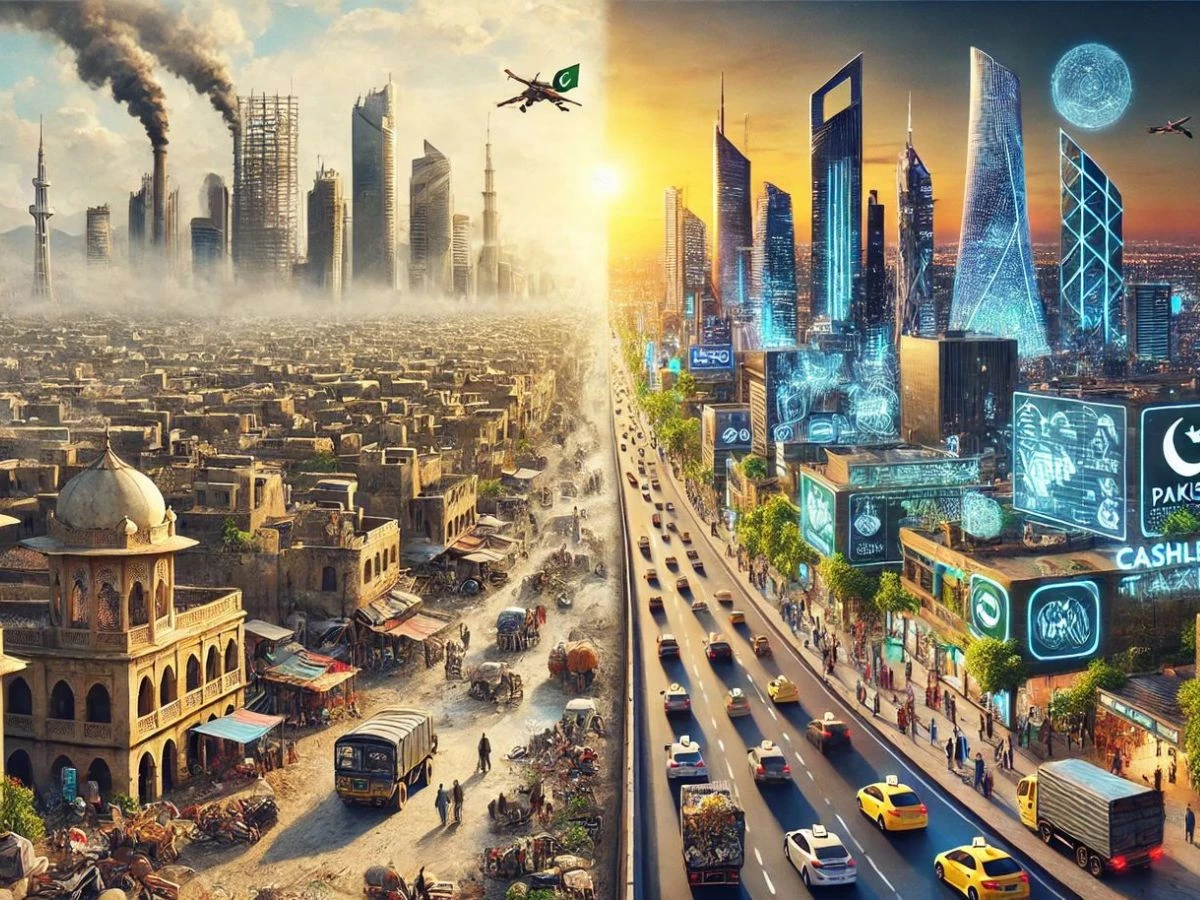
A Century Later: What Will Pakistan Look Like at 100th Independence?
As we approach 2047, Pakistan will complete 100 years of independence. A milestone that invites not just celebration—but deep reflection.
- What will our cities look like?
- What will the world see when it looks at us?
- Will we be a case study in missed opportunities—or a story of revival?
At Chakor Ventures, we say no.
“We believe the solution isn’t found in giving up—it’s found in building up. Not in escape, but in commitment. Not in waiting, but in constructing a Pakistan where young people want to stay, where businesses can grow, and where citizens believe again.”
A Vision for Cities That Breathe, Not Break
Let’s imagine a different future—one rooted in sustainability, innovation, and courage.
By 2047, Pakistan’s population will cross 300 million. Without action, our cities will drown under flooding, pollution, and broken infrastructure. But if we act now, here’s what the future of cities in Pakistan could look like:
- Vertical cities that reduce sprawl and preserve green land
- LEED-certified buildings that cut emissions and energy costs
- Flood-resilient infrastructure to face climate extremes
- Water recycling and green corridors to ensure livability
- Smart transport and clean mobility to replace congestion and smog
But urban design alone won’t shape this future—investment and vision will.
A strong real estate sector can serve as a powerful engine for economic transformation. By attracting foreign direct investment (FDI) and tapping into the wealth of overseas Pakistanis, the country can unlock billions in capital for urban development.
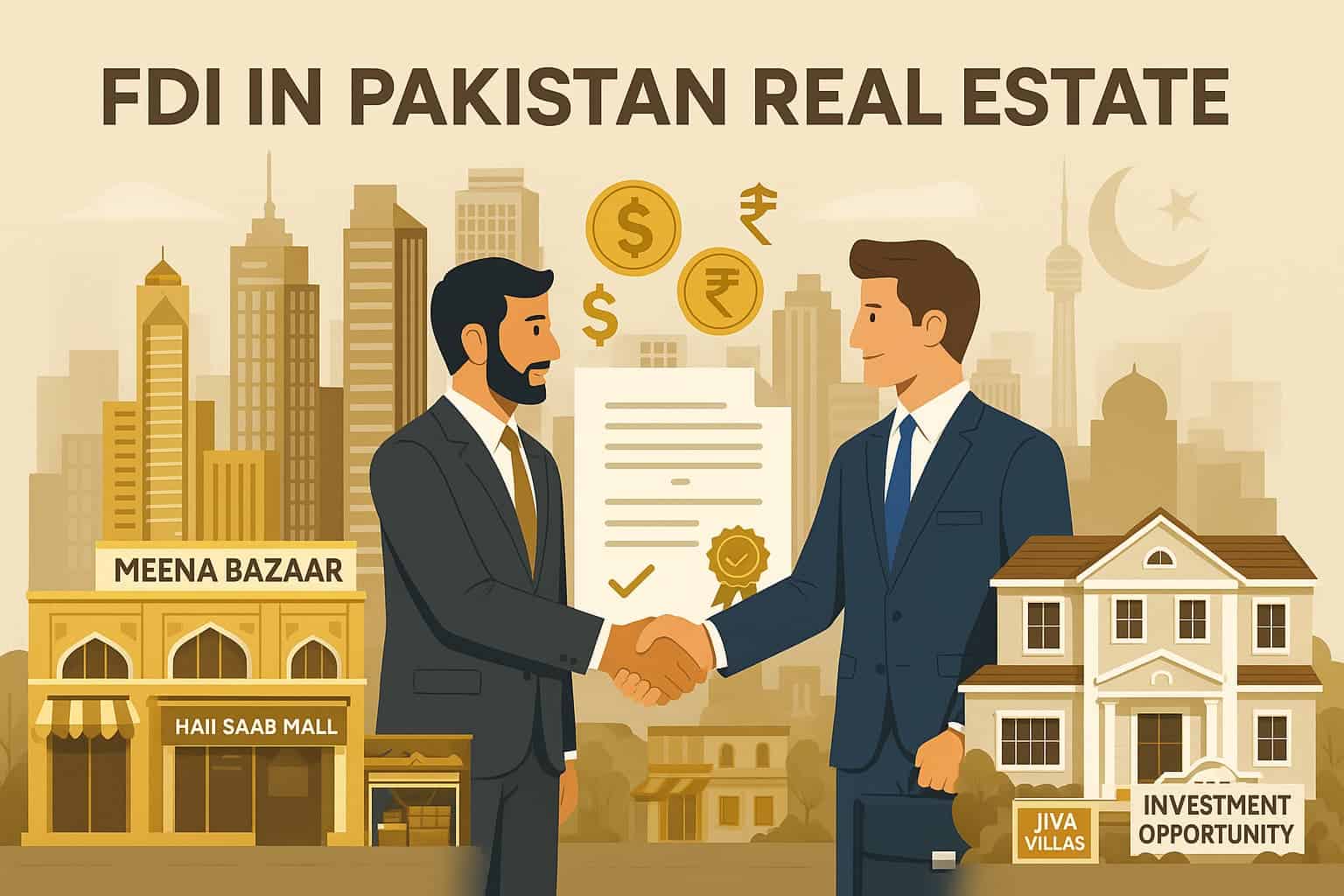
These projects won’t just create skylines—they’ll create opportunities.
They’ll generate jobs at every level, from construction labor to white-collar roles in engineering, planning, and operations. They’ll stimulate allied industries—cement, steel, logistics, finance—and help build the backbone of a modern economy.
And most importantly, they’ll provide the infrastructure that enables businesses to scale, cities to function, and citizens to thrive.
This is how Pakistan’s future can change, not through slogans, but through sustainable, inclusive, and future-facing development. And Citadel 7 is leading that charge.
Citadel 7: A Real Estate Investment That Builds Futures
Set in Islamabad, Citadel 7 Corporate Tower in Islamabad by Chakor Ventures isn’t just a building. It’s a symbol of belief—a physical answer to those who say, “Pakistan has no future.”
It’s designed for a new era of real estate investment in Pakistan:
- Vertical and space-efficient
- Environmentally conscious and energy-smart
- Digitally enabled and future-ready
- Strategically located for maximum business growth
In a time when people doubt the country’s future, Citadel 7 proves that real estate investment can be more than just financial—it can be transformational.
So, if you’re looking for investment options in Pakistan, this isn’t just about square feet. It’s about shaping the skyline of a better tomorrow.
From Crisis to Vision: What Is the Future of Pakistan?
Let’s be honest.
Things aren’t great right now.
- Inflation is squeezing every household.
- The rupee keeps dropping.
- Jobs? Hard to find—and even harder to keep.
- Clean water, affordable housing, breathable air… they’ve become luxuries.
And people are losing trust.
- “The system’s broken.”
- “There’s no city worth living in anymore.”
- “Why start anything here? It’ll just fail.”
But here’s the thing:
Underneath all the frustration… is hope. People still want to stay. They haven’t given up on Pakistan—they just can’t see a Future of Pakistan worth staying for.
And this is where the narrative must change.
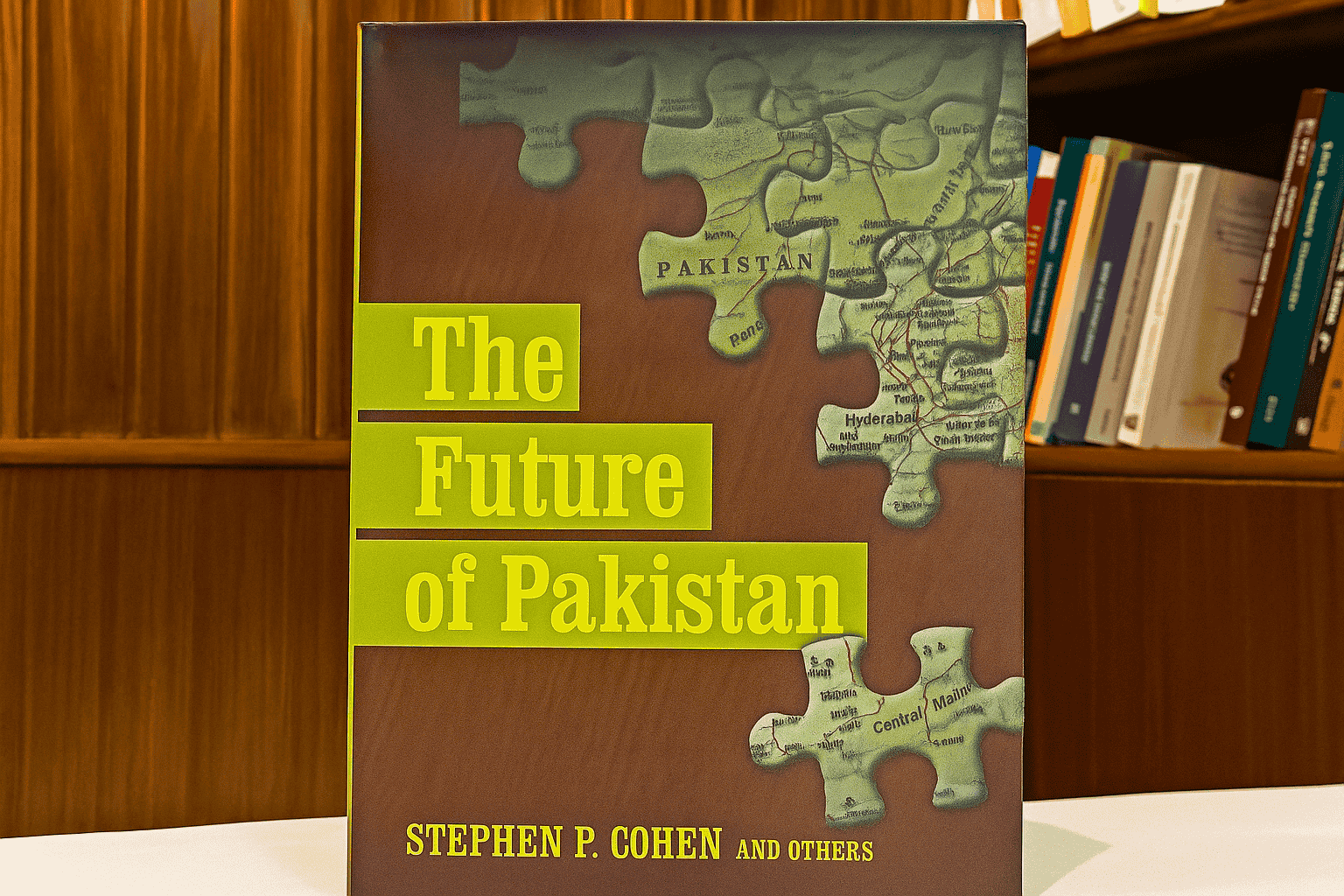
In The Future of Pakistan Article, Stephen P. Cohen offered a sobering yet hopeful perspective:
“However, two factors give hope – with the caveat that hope is not a policy. First, there is no question that Pakistan has the human capital to reverse its direction. Its tiny elite are competent and there is a middle class that still wants reform. Pakistan needs to experiment.”
The world still believes in Pakistan—with its young population, resilient middle class, and untapped potential—yet many of us have stopped believing in ourselves. The real challenge isn’t the lack of resources, but the lack of courage to rebuild and experiment with bold, lasting change.
CEO Message
“Stay. Invest. Build. You are not just the future of Pakistan—you are the builders of today. Chakor Ventures believes in action. Let’s build a Pakistan worth believing in.”
The Road Ahead: From Complaint to Contribution
Now we have heard enough frustrations:
- “Doing business here is getting harder.”
- “There are no cities worth living in.”
- “New investors have lost faith in this country.”
It’s time to change the story.
We need a Pakistan that works—for entrepreneurs, investors, workers, and families alike.
- Let architecture answer smog.
- Let city planning answer floods.
- Let innovation answer despair.
In 2047, when the world looks at Pakistan at 100 years—let’s not be a cautionary tale. Let’s be a model of how nations rise from crisis with courage, vision, and belief.
Let’s be the country where the future lives.
Let’s build Pakistan’s Future together.
