

Real estate remains a preferred long-term wealth strategy for expats due to its ability to generate steady income, preserve capital, and hedge against inflation. Among popular choices, Dubai investment real estate offers global exposure, tax efficiency, and regulatory transparency, while investment in Karachi stands out for affordability and strong local demand. This cost-benefit comparison explores both markets in detail. For further details, keep reading.
Overview of Dubai Investment Real Estate
Dubai investment real estate continues to attract expats due to its stability, strong governance, and globally connected market. The city offers a structured and transparent property environment that appeals to investors seeking long-term growth, consistent income, and capital protection.
Why Expats Choose Dubai for Property Investment
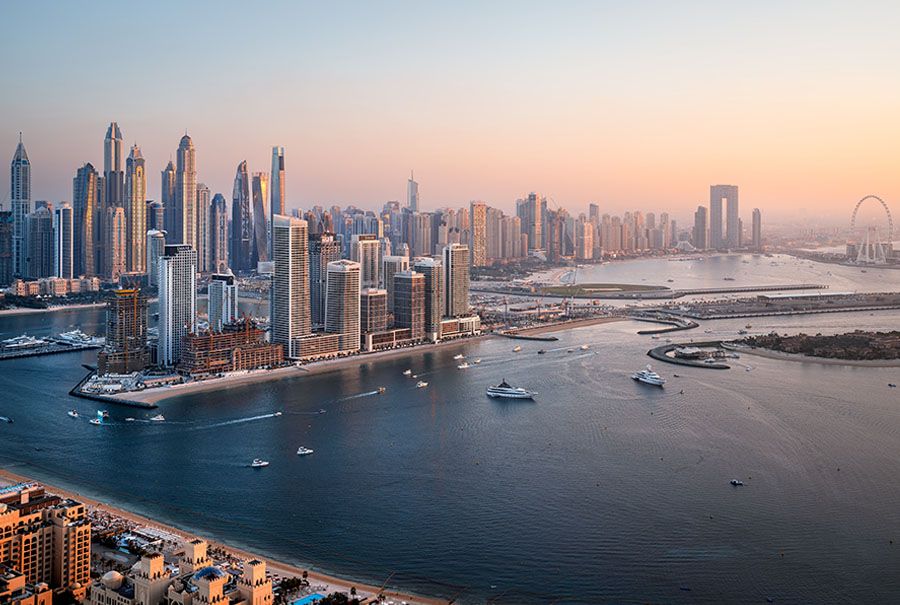
Dubai’s real estate market is designed to accommodate international investors with minimal friction.
Key advantages include:
- Tax efficiency: No property tax, no capital gains tax, and no tax on rental income
- Clear legal framework: Strong regulations protecting investor rights
- High global demand: Fueled by tourism, business activity, and population inflows
- Strong resale potential: Higher liquidity compared to many regional markets
Rental Yields and Capital Growth Potential
Dubai offers a well-balanced return profile for property investors.
- Attractive rental yields in both established and emerging communities
- Long-term capital appreciation supported by infrastructure growth and urban expansion
- Consistent tenant demand from professionals, families, and short-term renters
Market Structure and Development Planning
A key strength of Dubai investment real estate is its master-planned approach to urban development.
- Integrated communities combining residential, retail, leisure, and transport access
- Focus on quality construction and long-term livability.
- Planned infrastructure reduces investment risk and supports property value.
Accessibility for Expat Investors
Expats benefit from multiple pathways to enter the Dubai property market:
- Flexible payment options
- Financing solutions available to non-residents
- Designated freehold areas allowing foreign ownership
Although initial investment costs are higher, Dubai investment real estate offers expats a secure, tax-efficient, and globally competitive market, making it a strong option for those prioritising stability, transparency, and long-term returns.
Investment in Karachi Real Estate

When evaluating investment in Karachi, expats and overseas Pakistanis often see the city as a high-potential but higher-risk market. As Pakistan’s financial and commercial hub, Karachi continues to attract real estate investors due to its large population, constant housing demand, and comparatively low entry costs.
Despite economic fluctuations, Karachi’s real estate sector remains resilient, particularly in well-planned communities and high-demand urban zones.
Affordability and Entry Costs
One of the strongest advantages of investment in Karachi is affordability. Compared to Dubai investment real estate, the capital required to enter Karachi’s property market is significantly lower, making it accessible to a broader range of investors.
- Residential apartments, plots, and commercial units are available at prices far below international markets.
- Expats can diversify their portfolios by owning multiple units in Karachi for the cost of a single property in Dubai.
- Areas such as DHA, Clifton, Bahria Town Karachi, and Gulshan-e-Iqbal remain popular due to better infrastructure, security, and resale value.
Lower acquisition costs allow investors to focus on rental income strategies or land appreciation without heavy financial leverage.
Rental Yields and Return Potential
From a yield perspective, Karachi real estate can be attractive, especially in mid- to high-demand neighbourhoods.
- Rental yields typically range between 5% and 7%, depending on property type and location.
- Apartments near business districts, educational institutions, and commercial centres tend to generate stable rental income.
- Commercial properties and mixed-use developments often outperform residential assets in terms of yield.
Capital appreciation is generally slower and less predictable than Dubai investment real estate, but long-term investors have historically benefited from land value growth in prime zones.
Demand Drivers in Karachi
Several structural factors continue to support real estate demand in Karachi:
- Population growth: Karachi is one of the world’s largest cities, with constant migration from other regions.
- Urban housing shortage: Demand consistently outpaces formal housing supply.
- Cultural preference for real assets: Real estate remains a preferred store of value in Pakistan, especially during inflationary periods.
- Overseas Pakistani investment: Many expats invest in Karachi for long-term family security and future relocation.
These factors collectively support liquidity and ongoing transaction activity, particularly in established areas.
Risks and Challenges for Expats
While the upside is clear, investment in Karachi also carries notable challenges—especially for expats investing remotely.
- Regulatory and documentation risks: Title verification, approvals, and land records can be complex without local expertise.
- Market volatility: Property prices can be affected by economic conditions, currency fluctuations, and political uncertainty.
- Infrastructure inconsistencies: Outside premium developments, issues such as utilities, road access, and maintenance can impact rental appeal.
- Lower transparency: Compared to Dubai investment real estate, the market lacks centralised regulatory oversight and standardised processes.
For expats, these risks make developer reputation, due diligence, and legal verification critical to investment success.
Karachi Real Estate: Best Fit for Which Investors?
Karachi real estate is best suited for:
- Investors seeking lower entry costs
- Overseas Pakistanis with local market knowledge or trusted partners
- Long-term investors prioritising rental income and land appreciation
- Buyers are comfortable managing higher risk for potentially higher local returns
Unlike Dubai investment real estate, which appeals to global investors seeking stability and regulatory clarity, Karachi rewards investors who can navigate local dynamics effectively.
Cost-Benefit Comparison: Dubai Investment Real Estate vs. Investment in Karachi

For expats, choosing between Dubai investment real estate and investment in Karachi comes down to balancing cost, returns, risk, and long-term stability. While both markets offer attractive opportunities, they serve very different investor profiles.
Side-by-Side Cost-Benefit Analysis | Dubai Investment in Real Estate Vs. Investment in Karachi
| Factor | Dubai Investment Real Estate | Investment in Karachi |
| Entry Cost | High initial capital required, especially in prime areas like Downtown Dubai, Dubai Marina, and Dubai Hills Estate | Significantly lower entry cost, making it accessible to small and mid-level investors |
| Tax Environment | No property tax, no capital gains tax, and no tax on rental income – a significant advantage for expats | Subject to capital gains tax, withholding tax, and local government fees |
| Rental Yield | Moderate to high (generally 5–8%), particularly in high-demand communities | Comparable or slightly higher yields in some areas, driven by strong local demand |
| Capital Appreciation | Strong long-term appreciation backed by infrastructure growth, tourism, and foreign investment | Appreciation potential exists, but it is more dependent on local economic and political stability |
| Market Transparency | Highly regulated, transparent, and investor-friendly legal framework | The regulatory environment can be inconsistent; due diligence is critical |
| Liquidity & Resale | High liquidity with strong international buyer demand | Moderate liquidity; resale timelines can be longer |
| Currency Risk | Stable currency (AED pegged to USD) reduces exchange-rate risk | Higher currency volatility can impact real returns for overseas investors |
| Risk Profile | Lower overall risk with global investor confidence | Higher risk but potentially higher rewards for informed investors |
Cost Perspective: Affordability vs. Premium Investment
From a cost standpoint, investment in Karachi is far more affordable. Investors can enter the market with a fraction of the capital required in Dubai, especially in emerging residential or mixed-use developments.
This makes Karachi attractive for expats seeking diversification without committing significant upfront capital.
In contrast, Dubai investment real estate is a premium market. While entry costs are higher, investors gain access to world-class infrastructure, regulated property ownership, and a globally recognised real estate ecosystem.
Benefit Perspective: Stability vs. Yield Potential
Dubai’s biggest advantage lies in stability and predictability. Tax-free returns, strong legal protection, and consistent demand from expats and tourists make it ideal for long-term wealth preservation and steady rental income.
Karachi, on the other hand, offers higher yield potential relative to cost, particularly in well-located residential and commercial areas.
However, these benefits come with increased exposure to regulatory, economic, and currency risks, factors expats must carefully assess.
Which Market Makes Sense for Expats?
- Choose Dubai investment real estate if you value:
- Tax efficiency
- Currency stability
- Strong resale liquidity
- Lower investment risk
- Choose investment in Karachi if you prioritise:
- Lower entry costs
- Higher yield potential on smaller capital
- Long-term growth driven by local demand
Practical Tips for Expats Investing in Dubai vs. Karachi
Investing in real estate as an expat in Dubai or Karachi requires an understanding of local financing, legal frameworks, and potential risks. Both markets offer distinct advantages but demand different strategies for success.
Dubai Investment Real Estate
Dubai’s property market is well-regulated and expat-friendly, but choosing the right investment approach is crucial.
- Expats can access mortgages with a down payment of 20-25%, depending on the lender and property value.
- Loan terms typically extend up to 25 years with specific income and employment criteria.
- Invest in freehold zones approved for foreign ownership.
- Verify property registration with the Dubai Land Department and ensure all contracts are legally compliant.
- Work with RERA-registered brokers for added security.
- Rental Yield: Focus on well-connected, mid-market properties for steady cash flow.
- Capital Appreciation: Ideal for long-term investments in emerging areas with growth potential.
Investing in Karachi
Karachi offers a more affordable entry point but requires careful market understanding and local expertise.
- Invest in projects from reputable developers with verified titles to avoid legal issues.
- Collaborate with trusted local lawyers and consultants to navigate Karachi’s complex regulatory environment.
- Assess rental demand, infrastructure plans, and the ease of selling the property if needed. Established areas tend to offer more stable returns than speculative developments.
In conclusion, both Dubai investment real estate and Karachi investment offer unique advantages for real estate investors. Dubai provides tax benefits, global appeal, and long-term growth potential. In contrast, Karachi offers affordability, strong local demand, and attractive rental yields. The choice depends on individual investment goals, whether seeking global diversification or high returns in a more affordable market. Assess your priorities and financial objectives to make the right decision.
For more information on investment opportunities in Pakistan, visit Chakor Ventures.
FAQ: Dubai Investment Real Estate
The following are the FAQs regarding Dubai investment real estate.
How much do I need to invest in Dubai real estate?
It varies by location, but investments can start from around 500,000 AED for a property.
What is the minimum investment in Dubai real estate?
The minimum investment is typically 500,000 AED, depending on the property type.
Is investing in Dubai real estate worth it?
Yes, Dubai offers tax advantages, strong growth potential, and global appeal.
How much money do I need to invest in Dubai?
A minimum of 500,000 AED is required for most properties, though it varies by area.
Which investment gives the highest return in the UAE?
Real estate, especially in prime locations, typically offers the highest returns.
Is Dubai real estate a good investment?
Yes, Dubai real estate has strong growth potential, tax incentives, and high demand.
Do real estate agents in Dubai make money?
Yes, agents earn commission fees typically ranging from 2-5% of the property value.
Is it better to rent or buy in Dubai?
It depends on your long-term plans, but buying can offer stability and potential capital growth.
Which is the best property to invest in Dubai?
Properties in areas like Downtown, Dubai Marina, and Palm Jumeirah are highly recommended.
Which part of Dubai is best for investment?
Downtown Dubai, Dubai Marina, and Dubai Hills Estate are top investment areas.
Which area in Dubai has the highest rental yield?
Areas like Dubai Marina, Jumeirah Village Circle, and International City have high rental yields.
Where is the best place to buy property in Dubai 2026?
Emerging areas like Dubai Creek Harbour and Dubai South are expected to offer good returns in 2026. Another great investment option is luxury residential complex in Dubai by Chakor Ventures.
Is Dubai real estate a good investment?
Yes, with strong capital appreciation and high rental yields, it remains an attractive option.
