
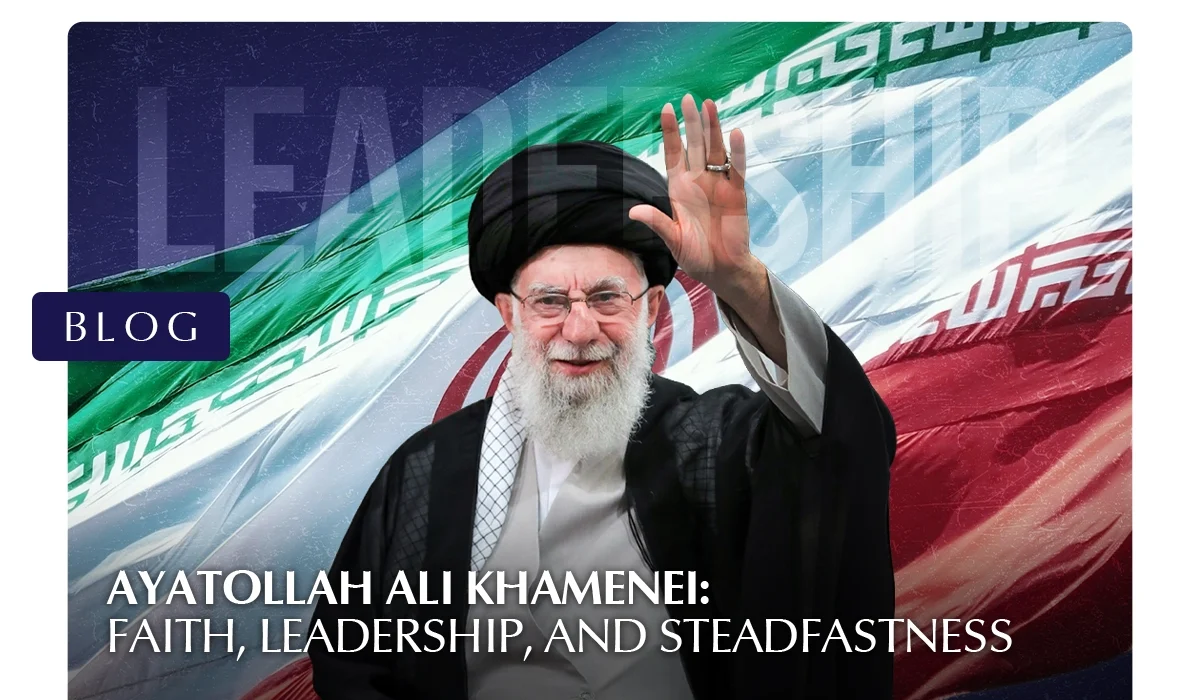

Ayatollah Ali Khamenei was a prominent religious scholar and political leader of Iran. He served as the Supreme Leader of the Islamic Republic for decades. His leadership shaped Iran’s political direction and religious identity. Many followers viewed him as a symbol of resistance and faith. His influence extended beyond national borders into the wider Muslim world.
He combined religious authority with political power. This made him one of the most consequential figures of modern Middle Eastern history.
His Martyrdom and the Concept of Martyrdom
Ayatollah Ali Khamenei was martyred on 28 February 2026 during a foreign air strike that targeted his location in Tehran amid heightened regional tensions and military escalation as per international media.
Throughout his life, Khamenei had openly embraced the idea of martyrdom. He often stated that he did not fear death in the path of faith. He described martyrdom as a divine honor granted to those who remain steadfast in their beliefs. His speeches frequently emphasized sacrifice, resistance, and devotion to higher principles.
In Islam, martyrdom holds profound spiritual significance. It is rooted in the example of Imam Husayn and the tragedy of Karbala. Imam Husayn R.A’s stand against injustice is seen as the ultimate model of courage and moral clarity.
For many of his supporters, the circumstances of his death reflected the very ideals he had long spoken about. They saw it as a continuation of the tradition of sacrifice in defense of faith, justice, and sovereignty.
Early Years, Rise to Power, and Political and Religious Ideology
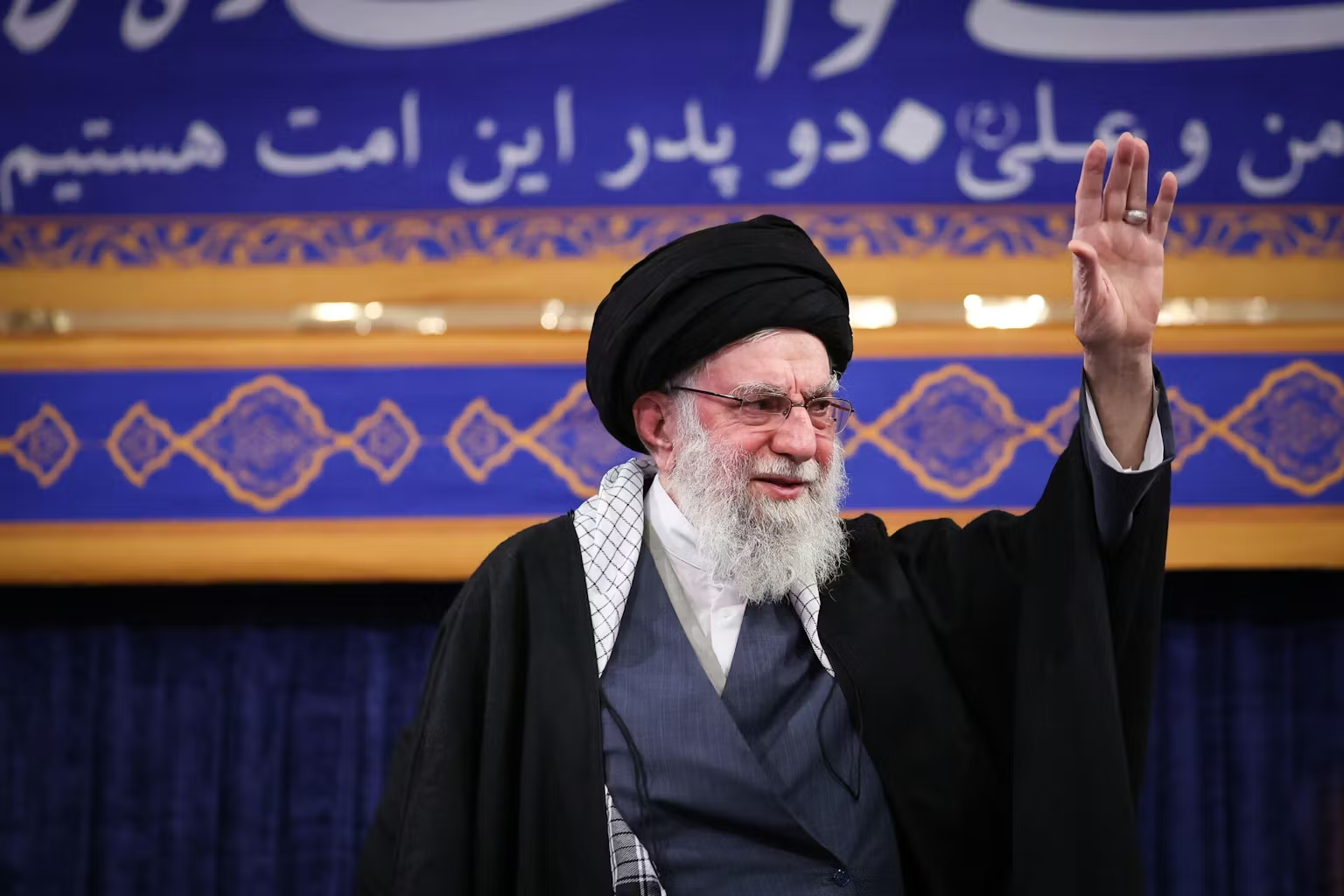
Early Life and Education
Ayatollah Ali Khamenei was born in 1939 in Mashhad, Iran. He grew up in a religious family. His father was a cleric known for his simple lifestyle. From childhood, he studied the Quran and Islamic sciences.
He later continued his education in the seminaries of Mashhad and Qom. In Qom, he studied under respected scholars. These formative years shaped his discipline and worldview. He developed a lasting interest in Islamic philosophy and political thought.
Opposition to the Shah
During the 1960s and 1970s, Iran was ruled by the Shah. Ayatollah Ali Khamenei became active in religious and political opposition. He supported the idea of Islamic governance. He spoke against Western influence in Iran.
Ayatollah Ali Khamenei was arrested several times. He experienced prison and close surveillance. These hardships strengthened his resolve. They also increased his reputation among revolutionaries. He believed that religion should guide political authority.
Role After the 1979 Revolution
The 1979 Revolution transformed Iran’s political structure. The monarchy was replaced by an Islamic Republic. Ayatollah Ali Khamenei quickly gained senior roles within the new system.
In 1981, he became president. His presidency took place during the Iran-Iraq War. The country faced economic and military pressure. This period shaped his approach to security and resistance.
Becoming Supreme Leader
In 1989, the founding Supreme Leader passed away. Ayatollah Ali Khamenei was selected as his successor. This marked a decisive turning point.
As Supreme Leader, he became the highest authority in the state. He oversaw the armed forces and major institutions. He guided both political and religious affairs. His leadership would last for decades.
Political and Religious Ideology
Khamenei supported Islamic governance led by a senior jurist. He believed religious law should shape society. He emphasized moral discipline and cultural preservation.
He strongly promoted national independence. He opposed foreign interference in Iranian affairs. He viewed resistance as essential to sovereignty.
Supporters saw him as a guardian of Islamic values. Critics argued that his leadership centralized power. His ideas deeply influenced Iran’s direction and identity for many years.
Solidarity and Unity
Throughout his leadership, Ayatollah Ali Khamenei frequently called for unity among Muslims. He encouraged cooperation across nations and communities. He stressed shared faith over division.
His speeches often focused on dignity, resistance, and collective strength. Supporters across different regions expressed solidarity with his vision. Many viewed unity as both a spiritual and social responsibility.
Moments of crisis often became occasions for renewed calls for togetherness. These expressions reflected a belief that faith binds communities beyond borders.
Concluding Thought on Faith and Steadfastness
The life of Ayatollah Ali Khamenei reflects the powerful relationship between belief and leadership. His journey showed how faith can shape political action and national identity.
For supporters, Ayatollah Ali Khamenei legacy represents steadfastness in the face of challenge. It highlights patience, conviction, and commitment to principle. Regardless of differing perspectives, his influence remains part of contemporary history.
For more information, visit Chakor Ventures.

BBC-featured Content Specialist with a sharp eye for search intent and a proven ability to turn content into a growth engine. I leverage cutting-edge digital marketing tools to craft strategies that fuel organic traffic, amplify brand growth, and own the local SEO landscape, particularly across the competitive real estate market. I help brands dominate search rankings and convert visibility into measurable business success.
