
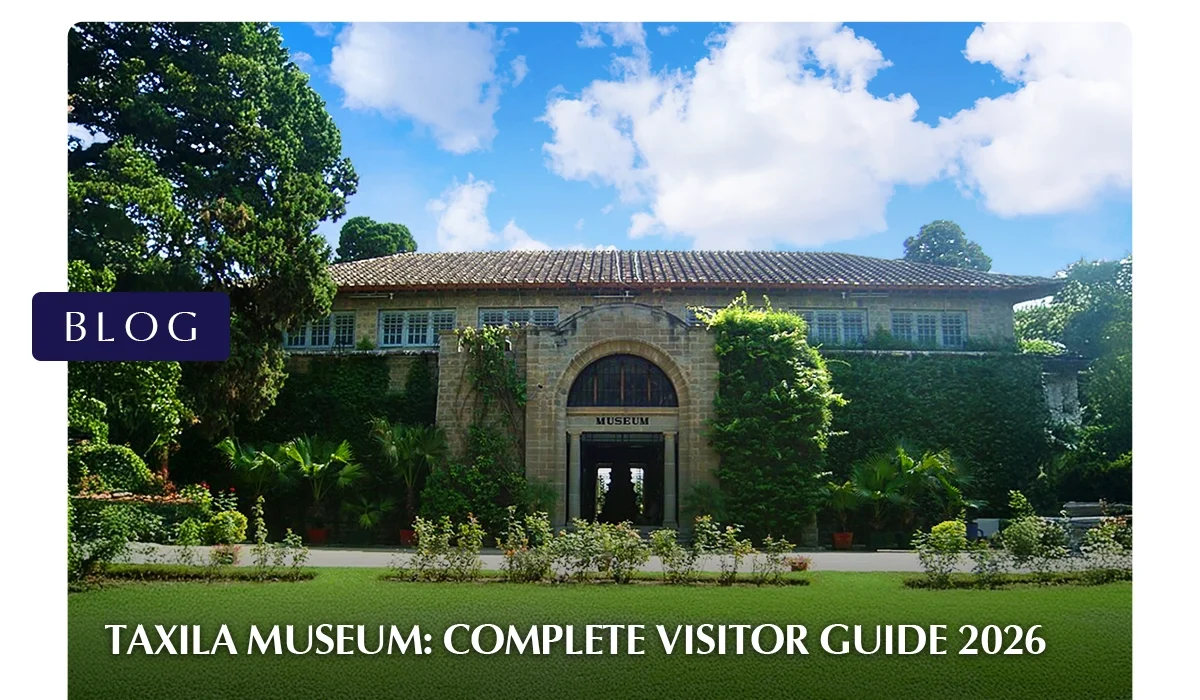

If you’re planning a cultural day trip near Islamabad or Rawalpindi, the Taxila Museum is one of the most rewarding stops in Pakistan. It’s one of the top tourist places in Islamabad, and a site museum dedicated to the Gandhara world, showcasing sculptures, coins, inscriptions, and relics excavated from the Taxila Valley’s famous ruins.
Last updated: February 2026
Timings, ticket prices, and holiday closures may change. Visitors are advised to confirm details before planning their trip.
Quick Facts
| Fact / Metric | Detail |
| Name | Taxila Museum |
| Established (Construction Began) | 1918 |
| Opened to the Public | 1928 |
| Location | Taxila, Rawalpindi District, Punjab, Pakistan (near Bhir Mound) |
| Coordinates | 33°45′N 72°48′E |
| Museum Type | Archaeological / Heritage / Gandhara Art Museum |
| Major Collections | Gandharan stone & stucco sculptures, coins, inscriptions, pottery, jewellery |
| Number of Exhibits (approx.) | ~4,000 objects on display |
| Additional Gallery Added | The Northern gallery was added in 1998 |
| Taxila Museum Timing (Summer) | ~8:30 AM – 5:00 PM (varies by season) |
| Taxila Museum Timing (Winter) | ~9:00 AM – 4:00 PM (varies by season) |
| Closed On | First Monday of every month & Islamic holidays (variable) |
| Approx Distance from Islamabad | ~30–35 km |
| Local Entry Fee (Adult) | Rs. 20 (approx) |
| Local Entry Fee (Child) | Rs. 10 (approx) |
| Foreign Visitor Fee | Rs. 500 (approx) |
| Contact Number | +92-51-9315476 (museum landline) |
| Nearest Archaeological Sites | Bhir Mound, Sirkap, Dharmarajika, Jaulian, Mohra Moradu |
Taxila Museum Location
| Features | Information |
| City/Town | Taxila |
| District | Rawalpindi District |
| Province | Punjab |
| Country | Pakistan |
| Nearby Landmark | Close to the ancient Bhir Mound ruins |
| Setting | Within the Taxila archaeological valley, surrounded by historic sites |
The museum lies along Shahpur Road, a local road that connects visitors to multiple excavation sites scattered across the Taxila valley.
Why is the Taxila Museum location so important?
Unlike many museums that are built far from excavation zones, the Taxila Museum is located inside the historical landscape. Most of the objects displayed inside were discovered only a few kilometres away.
Nearby ancient cities and monasteries include:
- Bhir Mound – One of the earliest settlement areas of ancient Taxila
- Sirkap – A later city showing a mix of Greek and local urban planning
- Sirsukh – A Kushan-era fortified city
- Dharmarajika Stupa – A major Buddhist religious complex
- Jaulian Monastery – A hilltop monastery with preserved student cells
Because of this, many travellers treat the museum as the starting point before exploring the valley’s ruins.
Taxila Museum Timing
Planning your visit according to the official Taxila Museum Timing is important, as seasonal schedules apply.
Opening Hours
| Season | Opening Time | Closing Time |
| Summer | 8:30 AM | 5:00 PM |
| Winter | 9:00 AM | 4:00 PM |
Weekly and Holiday Closures
The museum remains closed on:
- The first Monday of every month
- Islamic public holidays
- Reduced hours may apply during Ramadan, with possible early afternoon closing
Because religious holidays and Ramadan schedules change each year, visitors are advised to confirm timings before travelling.
Taxila Museum Ticket Price
The terms Taxila Museum ticket price and Taxila Museum entry fee both refer to admission charges.
Entry Fees
| Visitor Type | Ticket Price |
| Local Adult | Rs. 20 |
| Children | Rs. 10 |
| Foreign Visitors | Rs. 500 |
Ticket prices may be revised by authorities, so checking updated rates before visiting is recommended.
Taxila Museum Contact Number
Visitors who want to confirm opening hours, group visits, or other details can use the following contact information.
Contact Information
| Contact Type | Details |
| Landline Phone | +92-51-9315476 |
| Mobile Number | 0300-5899952 |
| Email Address | info@taxilamuseum.com |
Taxila Museum Distance From Major Cities
If you’re planning your route, here’s how far the museum is from key nearby hubs:
| Starting Point | Approx Distance to Taxila Museum | Travel Time (by car) |
| Islamabad | 30–35 km | 40–50 minutes |
| Rawalpindi | ~32 km | 45–55 minutes |
| Wah Cantonment | ~10 km | 15–20 minutes |
This makes it an easy day trip from Islamabad or Rawalpindi.
Surroundings & Landscape of Taxila Museum
The Taxila museum sits in a broad valley ringed by low hills, which once hosted monasteries, stupas, and ancient urban centres. The calm, semi-rural setting contrasts sharply with nearby cities, giving visitors a sense of stepping back in time.
You’ll notice:
- Open archaeological fields rather than dense city buildings
- Signposted routes leading to nearby ruins
- A quieter, heritage-focused environment ideal for slow exploration
How to Reach the Taxila Museum?
The museum is easy to access because it lies within the Taxila heritage zone.
By Road
- Well-connected by road from Islamabad and Rawalpindi
- Directional signs guide visitors once inside the city
By Train
- Taxila has a nearby railway station
- Local transport is available from the station to the museum
Nearby Walking Distance
- The museum is only minutes away from Bhir Mound, one of the oldest archaeological sites in the area
Suggested Sightseeing Route
Because major heritage sites are located close to one another, visitors often follow this route:
- Taxila Museum
- Bhir Mound
- Sirkap ruins
- Dharmarajika Stupa
- Jaulian or Mohra Moradu monasteries
This sequence helps visitors understand the historical background inside the museum before exploring the ruins themselves.
Taxila: A UNESCO World Heritage Context
The Taxila Museum is more than a local museum; it preserves artefacts discovered in the wider Taxila archaeological region. Taxila is internationally recognised for its role as an ancient centre of learning, trade, and Buddhist culture.
Many of the sculptures, coins, and relics displayed inside the museum were excavated from nearby sites such as monasteries, stupas, and ancient cities. Visiting the museum first provides a historical background that makes exploring the ruins far more meaningful.
History of Taxila Museum – A Quick Timeline
| Year / Period | Event |
| Early 1900s | Major excavations begin in the Taxila valley, uncovering Buddhist monasteries, cities, and artefacts |
| 1918 | Construction of the Taxila Museum begins |
| 1928 | The museum officially opens to the public |
| 20th Century (mid–late) | Collections expand as more objects are recovered from surrounding sites |
| 1998 | The northern gallery was added to accommodate additional exhibits. |
Why the Taxila Museum Was Built?
Before the museum existed, artefacts from Taxila were at risk of damage or removal far from their discovery sites. Authorities decided to establish a local site museum so:
- Objects could be preserved close to where they were found
- Scholars could study Gandharan art and history in one place
- Visitors could understand the region’s past before touring the ruins
This made the Taxila Museum one of the earliest purpose-built archaeological museums in the region.
Growth of the Collection
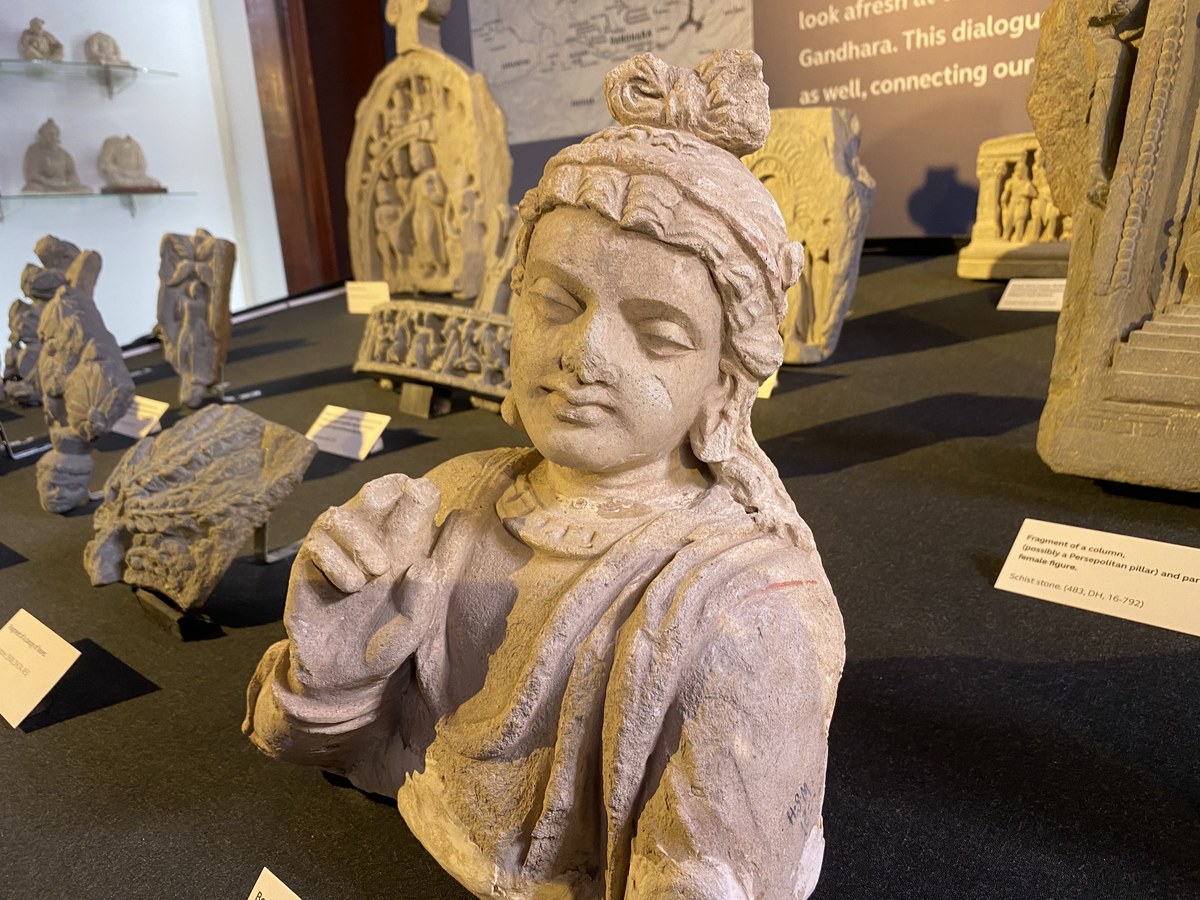
Over the decades, the museum’s holdings grew as excavations continued at nearby locations like Sirkap, Dharmarajika Stupa, and Jaulian Monastery.
Today, the museum is especially known for:
- Gandharan stone and stucco sculptures
- Buddhist religious art dating roughly from the 1st to the 7th centuries CE
- Coins, inscriptions, jewellery, and daily-life objects from ancient Taxila
What to See Inside the Taxila Museum?
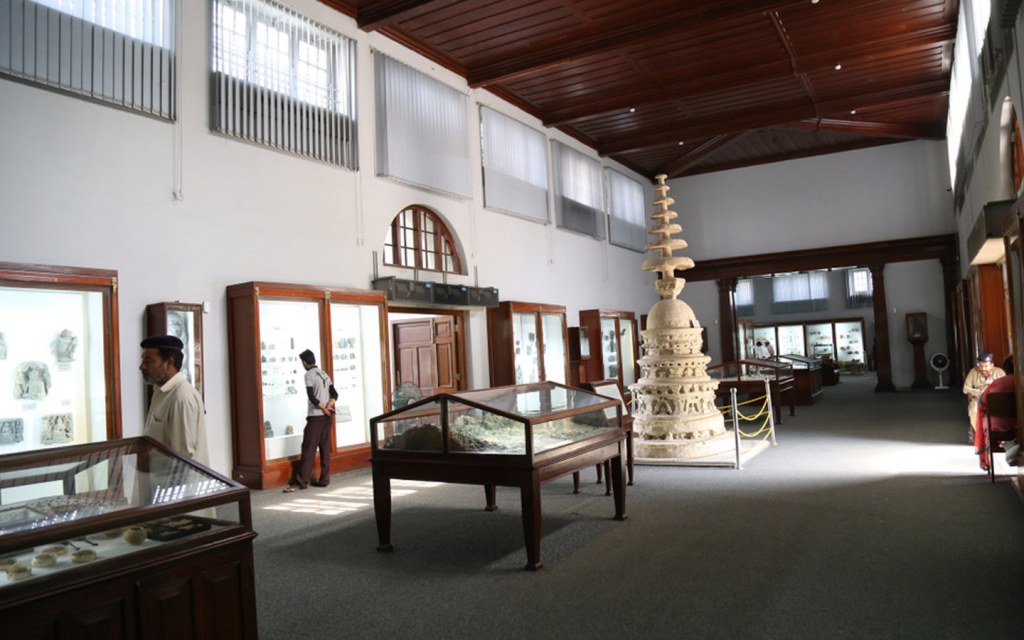
| Gallery Focus | Key Highlights |
| Gandharan Sculptures | Buddha statues, Bodhisattva figures, and detailed relief panels |
| Coins & Trade Objects | Coins from Indo-Greek, Kushan, and later periods |
| Everyday Life Artefacts | Pottery, tools, ornaments, and domestic items |
| Inscriptions & Scripts | Early writing was used for religious and administrative purposes |
| Architectural Fragments | Carved stone pieces from stupas and monasteries |
The galleries of the Taxila Museum are arranged to showcase artefacts excavated from the surrounding Taxila valley. The focus is on Gandharan civilisation, especially its Buddhist art, daily life objects, and trade-era relics.
Here’s a quick, visitor-friendly breakdown of the highlights.
Gandharan Sculptures
| Type | What You’ll Notice |
| Buddha Statues | Calm facial expressions, detailed robes, and halo carvings are typical of Gandhara art |
| Bodhisattva Figures | Jewellery, crowns, and princely dress showing royal symbolism |
| Relief Panels | Scenes from the life of Buddha carved in stone |
| Stucco Heads | Lighter material used in monastery decorations |
These sculptures reflect a blend of regional and broader artistic influences and are considered the museum’s most important collection.
Everyday Life in Ancient Taxila
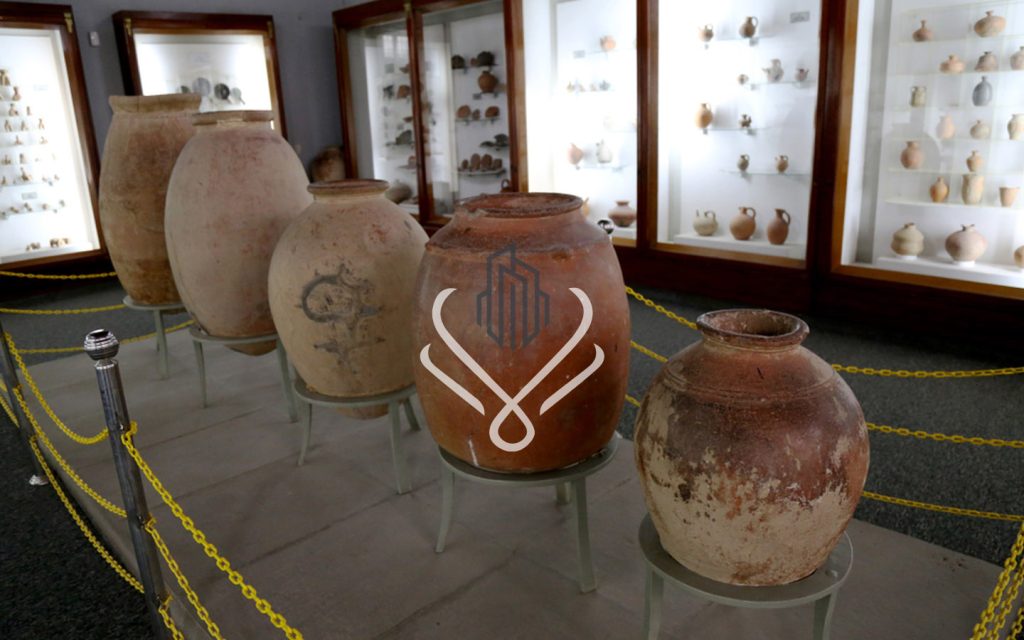
Not everything in the museum is religious — many objects reveal how people actually lived.
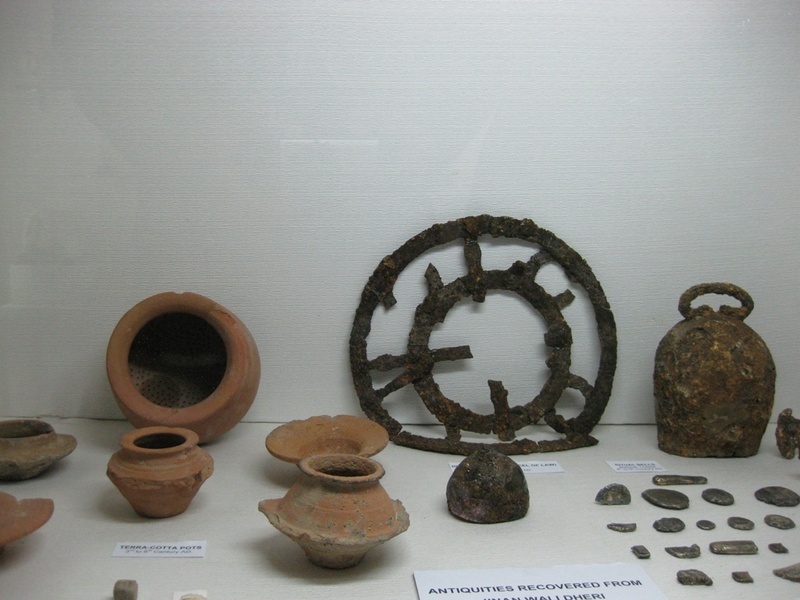
- Pottery vessels used for cooking and storage
- Tools and household items
- Beads and jewellery pieces
- Terracotta figurines
These items help visitors understand that Taxila was not just a religious centre but also a busy urban settlement.
Coins & Trade Artefacts
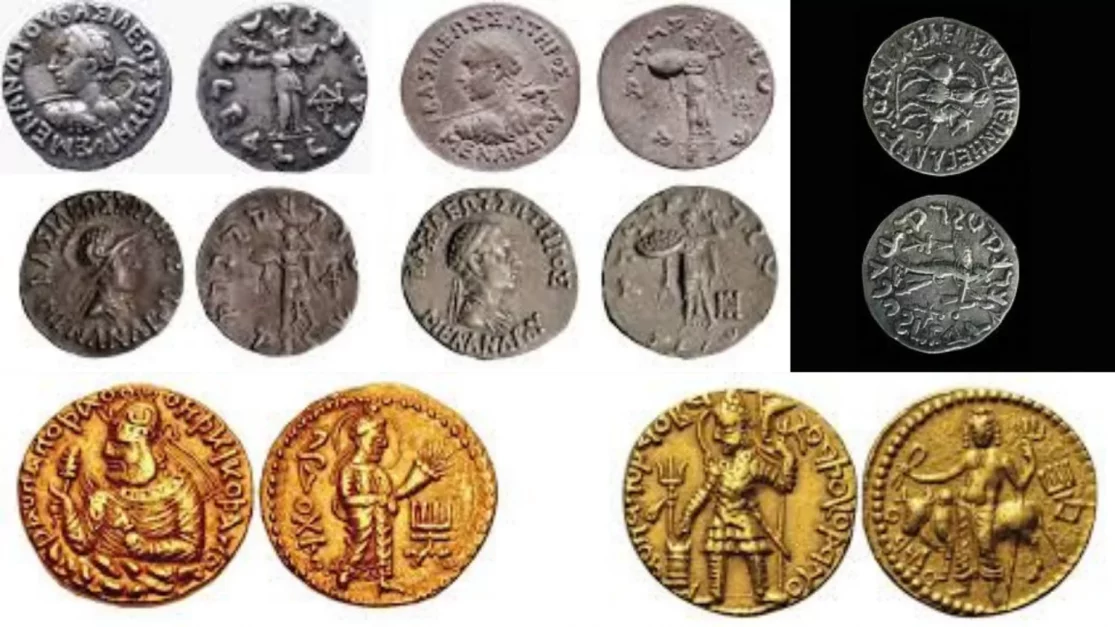
| Item Type | Why It Matters |
| Ancient Coins | Show rulers, symbols, and scripts from different eras |
| Metal Objects | Indicate craftsmanship and trade skills |
| Seals & Tokens | Used in commerce and administration |
The coin collection is especially interesting because it reflects Taxila’s role as a major trade crossroads.
Inscriptions & Scripts
Stone and metal inscriptions found in the region are displayed in select sections.
You may notice:
- Early writing styles were used for religious and official records
- Dedication inscriptions from monasteries
- Scripts that reveal linguistic diversity in ancient Taxila
These pieces provide clues about governance, religion, and literacy.
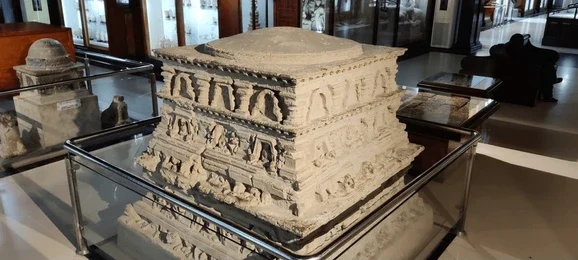
Architectural Fragments
Some displays include carved stone pieces that once decorated stupas and monasteries.
These fragments show:
- Decorative motifs like lotuses and geometric designs
- Pieces of columns and railings
- Carved panels that once formed larger religious structures
Gandhara and Cultural Importance of Taxila
Taxila Museum’s collections reflect the legacy of the Gandharan civilisation, known for its distinctive Buddhist art and cultural exchange along ancient trade routes. The region flourished under various rulers, including the Indo-Greek and Kushan dynasties, which influenced artistic styles and architecture.
The sculptures displayed in the museum are especially significant because they represent one of the earliest artistic traditions to depict the Buddha in human form. This blend of regional and international artistic influences makes Taxila an important cultural crossroads in ancient history.
Why Visit the Museum Before the Ruins?
Many travellers head straight to the archaeological sites, but starting at the Taxila Museum gives a valuable background.
Inside the museum, you can see restored sculptures, architectural fragments, and everyday objects in a protected environment. Once you understand their purpose and context, the nearby ruins, such as monasteries, stupas, and city walls, become easier to interpret and more engaging to explore.
Suggested 1-Day Taxila Itinerary
Because major heritage sites are located close together, visitors often follow this route:
- Taxila Museum – Begin with historical context and artefacts
- Bhir Mound – One of the oldest settlement areas
- Sirkap – Ruins of a later planned city
- Dharmarajika Stupa – Important Buddhist religious complex
- Jaulian Monastery – Hilltop monastery with preserved structures
This route helps visitors understand the artefacts in the museum before seeing where they were originally discovered.
Visitor Tips for Taxila Museum
To make the most of your visit, keep these practical points in mind:
- Time needed: Most visitors spend 1 to 1.5 hours inside the museum
- Best time of day: Morning visits are quieter and more comfortable, especially in summer
- Photography: Usually allowed for personal use, but flash photography may be restricted
- Parking: Parking space is generally available near the entrance
- Guides: Local guides may be available around the archaeological sites nearby
These small details help travellers plan better and avoid surprises during their visit.
Recent Preservation and Conservation Efforts (2026)
Taxila Museum continues to benefit from modern preservation initiatives aimed at protecting its historic collections. Conservation efforts focus on improving storage conditions, restoration techniques, and display methods to ensure that delicate artefacts remain preserved for future generations.
These improvements reflect the ongoing importance of Taxila as a heritage site and highlight efforts to maintain its collections according to international conservation standards.
Taxila Museum – Tourist Destination
The Taxila Museum serves as the central collection point for artefacts excavated from the ancient Taxila valley. Its displays of sculptures, tools, coins, and architectural fragments help visitors understand the region’s importance as a historical centre of culture, religion, and trade. Seeing the museum first adds context and depth to visits to nearby archaeological sites.
FAQ-Taxila Museum
What are the Museum Timing details?
Summer hours are 8:30 AM to 5:00 PM, and winter hours are 9:00 AM to 4:00 PM. The museum is closed on the first Monday of each month and on Islamic holidays.
What is the Museum ticket price or entry fee?
Entry fees are Rs. 20 for local adults, Rs. 10 for children, and Rs. 500 for foreign visitors.
What is the Museum Location?
It is located in Taxila, Rawalpindi District, Punjab, near the Bhir Mound archaeological site.
What is the contact number?
The museum can be contacted at +92-51-9315476.
What is the Museum’s distance from Islamabad?
The museum is about 30 to 35 km from Islamabad, making it an easy day trip.
For more information on famous tourist destinations in Islamabad, like Shakarparian, visit Chakor Ventures.

BBC-featured Content Specialist with a sharp eye for search intent and a proven ability to turn content into a growth engine. I leverage cutting-edge digital marketing tools to craft strategies that fuel organic traffic, amplify brand growth, and own the local SEO landscape, particularly across the competitive real estate market. I help brands dominate search rankings and convert visibility into measurable business success.
