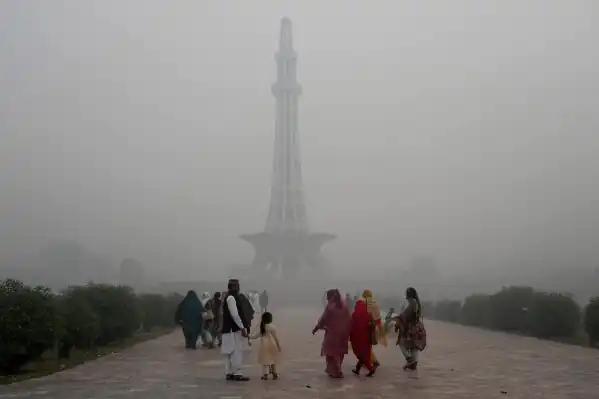
LAHORE: The worsening smog crisis in Lahore reached ‘hazardous’ levels on Sunday, with authorities reporting hazardous air quality and launching intensified efforts to curb pollution across the city.
Data from the Punjab Environment Protection Agency (EPA) showed that the Air Quality Index (AQI) surged to 388 by 9 a.m., placing Lahore among the most polluted cities globally and sparking renewed health concerns for its residents. Officials said the dangerous air levels were caused by both domestic emissions and pollutants drifting in from neighboring India.
Punjab EPA Project Director Sajid Bashir explained that seasonal wind patterns known as the East Corridor allow contaminants from northeastern India to enter Lahore during the smog season. He said emissions from Diwali celebrations and stubble burning in the Indian state of Punjab had compounded the city’s already critical air quality.
To address local sources of smog, the provincial Environment Department has implemented a stringent enforcement strategy. Newly established Quick Response Forces equipped with modern vehicles have been deployed to monitor agricultural areas and immediately extinguish crop residue fires.
Bashir warned that strict legal action would be taken against anyone found engaging in illegal burning, including the registration of cases, arrests, and financial penalties.
Officials said the government’s enhanced anti-smog operations are aimed at protecting public health and mitigating the severe impact of air pollution that continues to blanket Lahore each winter.
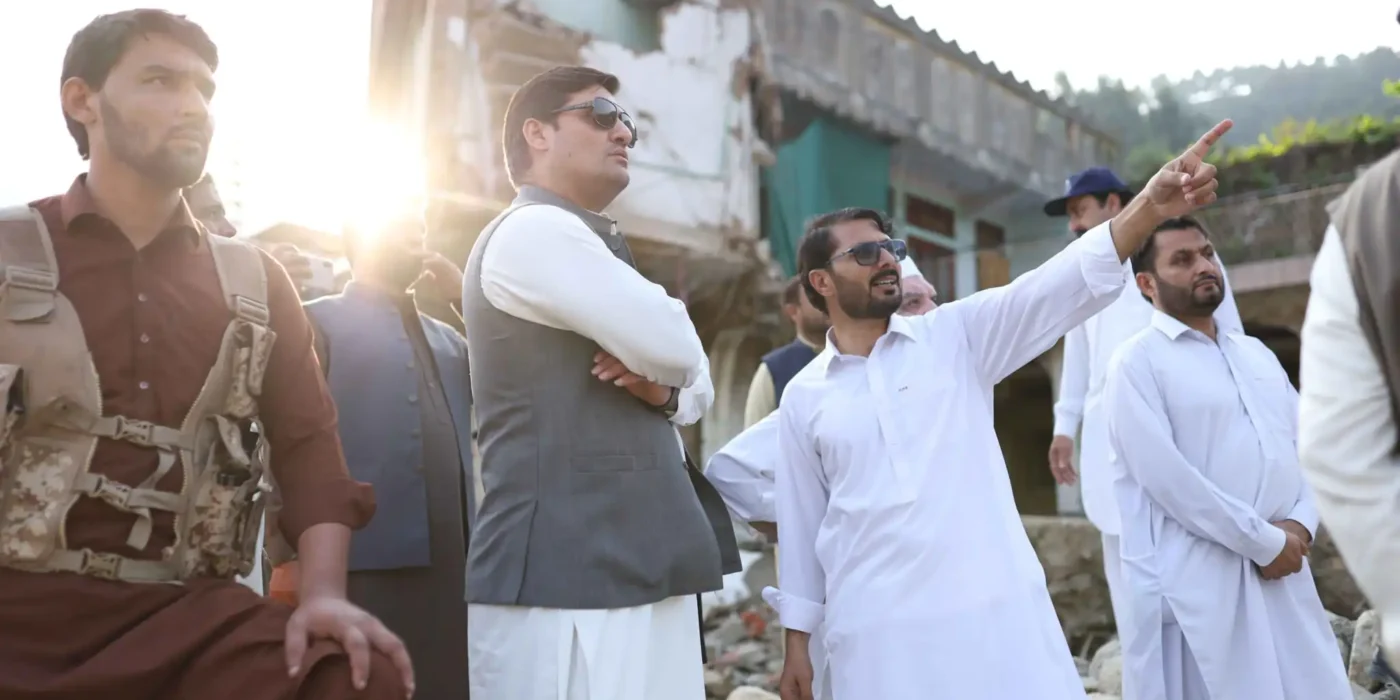
This year, Pakistan has faced an overwhelming impact of climate change, with unpredictable and extreme weather events disrupting the lives of many across the country. Among the most devastating events was the monsoon season of 2025, which saw catastrophic floods, particularly in northern Pakistan. The worst-hit district in Khyber Pakhtunkhwa (KP) was Buner, where flash floods between August 14 and 15, 2025, resulted in widespread destruction and loss of life.
The flash floods in Buner were triggered by a rare and intense cloudburst. Heavy rainfall exceeded 150 mm within a short span of time, causing rivers to overflow and landslides to sweep across the region.
Buner’s steep, erosion-prone terrain, combined with the effects of deforestation and climate change, made the district especially vulnerable to such extreme weather events.
In a matter of hours, the floodwaters submerged entire villages, including Qadar Nagar, Beshouni, Gokun, Malikpur, and Chagarzi, causing widespread damage.
According to the Provincial Disaster Management Authority (PDMA), the floods in Buner led to at least 208 confirmed deaths, with many others still missing. Over 2,300 homes were completely destroyed, and 413 homes were partially damaged.
In addition, the floods resulted in the loss of approximately 4,054 livestock, widespread destruction of infrastructure, and the displacement of thousands of families.
Key infrastructure, including two police stations and several bridges, was either washed away or severely damaged, making it difficult for rescue operations to access the most affected areas.
The situation has been dire for the residents of Buner. The floods also devastated agricultural lands, rendering approximately 80% of the region’s farmland unusable. With the destruction of homes, livelihoods, and infrastructure, the affected families are now facing a long road to recovery.
The need for humanitarian assistance remains urgent in the midst of the crisis. Displaced families are in desperate need of food, clean water, medical supplies, and shelter, while the region faces a growing risk of waterborne diseases due to contamination.
Government and non-governmental organizations are supporting the ongoing relief efforts. The Chakor Foundation, in collaboration with the Al Amaan Foundation, has donated Rs. 2 crore to assist in the recovery efforts.
This contribution will help provide immediate relief to 100 families in the hardest-hit villages, offering tents for shelter, food supplies, and other essential resources.
Muhammad Abbas Khan, the CEO of Chakor Foundation, stated, “We understand the hardships these families are facing and are dedicated to assisting them in restoring their homes and livelihoods.”
Despite these initial relief efforts, the people of Buner remain in urgent need of further assistance, and the path to rebuilding their homes and communities will require sustained support from both local and international organizations.
The floods in Buner serve as a stark reminder of the vulnerability of many regions in northern Pakistan to extreme weather events. The district’s long-term recovery will require not only infrastructure rebuilding and agricultural restoration but also the implementation of climate-resilient practices to mitigate the effects of future disasters.
As efforts continue, humanitarian organizations and the government are calling for increased donations and resources to help the affected families rebuild their lives. The road to recovery is long, but with continued support, the people of Buner hope to restore their homes and livelihoods.
Mardan, Pakistan – The Chakor Foundation is proud to announce its commitment to bridging the education gap in Mardan, a city where the need for quality educational infrastructure is critical. Despite the growing demand for education, local schools and colleges struggle with inadequate facilities, leaving many students with potential but limited access to opportunities.
In response to this pressing issue, Chakor Foundation is offering scholarships and improving educational facilities to ensure that young minds in Mardan can access the resources and opportunities they deserve.
Education in Pakistan is facing a significant crisis, with 62% of children lacking access to quality education, which prevents millions of young individuals from realizing their full potential. Statistics from 2022 reveal that only 1.96 million students were enrolled in universities across a population of 243.7 million, illustrating the severe shortage of access to higher education, particularly in underprivileged areas.
Mardan, located in Khyber Pakhtunkhwa, faces an even greater challenge due to inadequate educational infrastructure, leaving students from disadvantaged backgrounds with few opportunities to succeed. This gap between those with access to education and those without continues to widen, exacerbating the issue.
To address this challenge, Chakor Foundation is dedicated to transforming the educational landscape in Mardan. Recognizing the urgent need for quality education and improved infrastructure, the Foundation has launched initiatives to provide students with scholarships and educational facilities.
Through its work, Chakor Foundation aims to uplift the entire educational ecosystem in the region, ensuring that all students—regardless of their financial situation—have the opportunity to pursue their dreams.
At the heart of this effort is the Chakor Scholarship Program, a need-based initiative designed to assist talented but financially disadvantaged students in Mardan. This program provides essential financial support for tuition fees, educational materials, and mentorship, ensuring that students can continue their education without financial barriers.
By offering this comprehensive assistance, Chakor Foundation is helping students from underserved communities access the quality education they deserve.
The Chakor Scholarship Program has set an annual funding goal of $20,000, with a target of $500 per student to cover essential educational expenses. The program aims to support 40 students annually, ensuring that each one receives the financial support necessary to succeed in their academic endeavors. This funding will cover tuition, books, transport, and mentorship, ensuring that students receive the holistic support they need to thrive.
The Foundation invites donors to support this initiative by contributing to the scholarship fund. Sponsors can choose to fully or partially fund a student’s education, with the option to support one or more students. Donors will receive regular progress reports on the students they sponsor, allowing them to track academic progress and see the direct impact of their contributions. Transparency is a key focus of the program, with real-time updates available via the Chakor Foundation’s donor portal, ensuring that all contributions are used effectively to support students.
Chakor Foundation believes that every donation—no matter the size—can make a meaningful difference in the lives of students in Mardan. Your support will provide them with the resources to continue their education and ultimately build a brighter future for themselves and their communities. To donate and help achieve the Foundation’s goal, simply visit the Chakor Foundation’s donation page.
Chakor Foundation is more than just a scholarship provider. It is committed to transforming the lives of underprivileged communities across Pakistan through a range of initiatives, including school uniform drives, virtual health clinics, and youth employment programs.
The Foundation’s holistic approach ensures that families and students receive the support they need to thrive, regardless of their background or financial situation. Through its work, Chakor Foundation is striving to create a more equitable and empowered society.
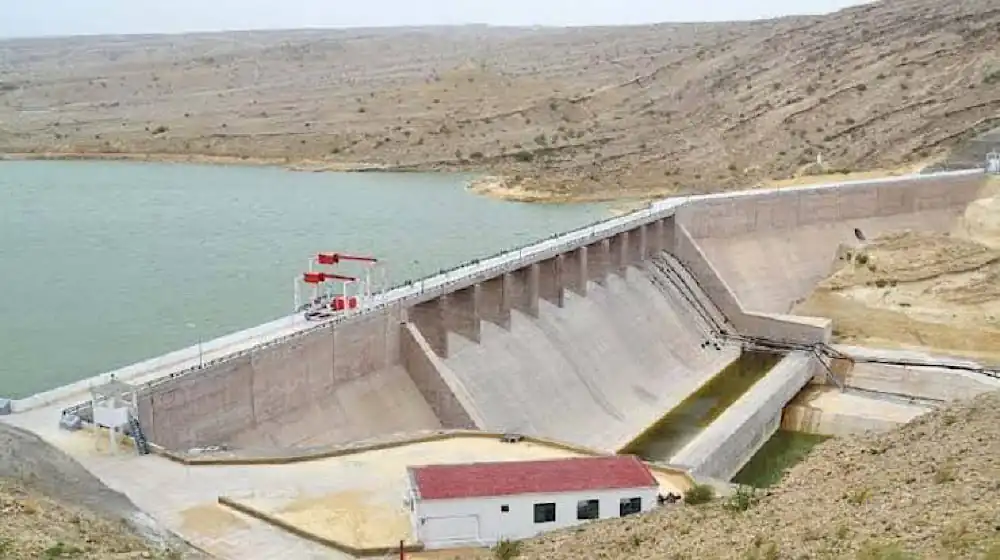
RAWALPINDI: The Water and Sanitation Agency (WASA) has launched a PKR 43 million feasibility study to bring 35 million gallons per day (MGD) of water from Daducha Dam to Rawalpindi, officials announced. The study, expected to be completed within two months, will include surveys, technical designs, land acquisition, and environmental and social assessments.
WASA Managing Director Saleem Ashraf said a consultant has been engaged to prepare the PC-I for the project, which also involves setting up a filtration plant at the dam site. The initiative aims to reduce Rawalpindi’s reliance on groundwater and aging reservoirs, such as the 56-year-old Rawal Dam, while securing a long-term water supply for the city.
Currently, Rawalpindi draws 23 MGD from Rawal Dam, 6 MGD from Khanpur Dam, and 35 MGD from 480 tube wells, with over 60 percent of the city’s water coming from groundwater—a source now considered unsustainable.
Officials highlighted that the Daducha Dam project will not only provide a consistent water supply but also help recharge groundwater, reduce contamination risks, and lower pumping costs. The project is expected to meet the needs of the growing population and improve access to reliable drinking water for low-income communities.
Chakor is for Pakistan, and Pakistan is home to Chakor
In the poetic skies of South Asia, one bird soars not just with wings—but with meaning. The Chakor, celebrated in regional folklore, is said to spend its life in passionate pursuit of the moon. It doesn’t chase it for light—but for love. This eternal longing has made the Chakor a timeless symbol of devotion, resilience, and unwavering purpose.
These are not just traits of a bird—they are the spirit of a nation.
As the national bird of Pakistan, the Chakor represents more than beauty. It embodies a collective identity—one built on the dreams of those who longed for a homeland carved from dignity, unity, and faith. Like the Chakor’s upward gaze, Pakistan’s journey has always been about reaching higher—through storms, through sacrifice, and through the night.
Chakor and the Spirit of Pakistan
The story of Pakistan is not unlike the Chakor’s flight. It began with a dream—a distant, luminous goal—just like the moon. Founders, freedom fighters, and everyday citizens looked upward, undeterred by distance, driven by something greater than themselves.
The Chakor’s pursuit is poetic—but purposeful. It reminds us that national identity isn’t just inherited—it’s earned every day through loyalty, vision, and courage. It is this shared pursuit that binds Chakor and Pakistan together.
So when we say, “Chakor is for Pakistan, and Pakistan is home to Chakor,” we speak of a bond that goes beyond symbols. We speak of a nation’s soul—one that rises, strives, and hopes, always with its eyes on the moon.
In a country where hope often wrestles with hardship, the Chakor reminds us of a deeper truth: the true strength of a nation lies not in comfort, but in its resilience and dreams. This bird’s eternal pursuit of the moon teaches us that dreams are not naïve—they are necessary. And like the Chakor, we too must keep our eyes fixed on our highest ideals, no matter how distant or difficult they may seem.
Chakor Ventures & Citadel 7: Turning Symbolism into Skylines
At Chakor Ventures, we don’t just admire the symbolism of the Chakor—we build with it. Our mission is to create spaces that reflect national progress, not just in concrete and steel, but in spirit and purpose.
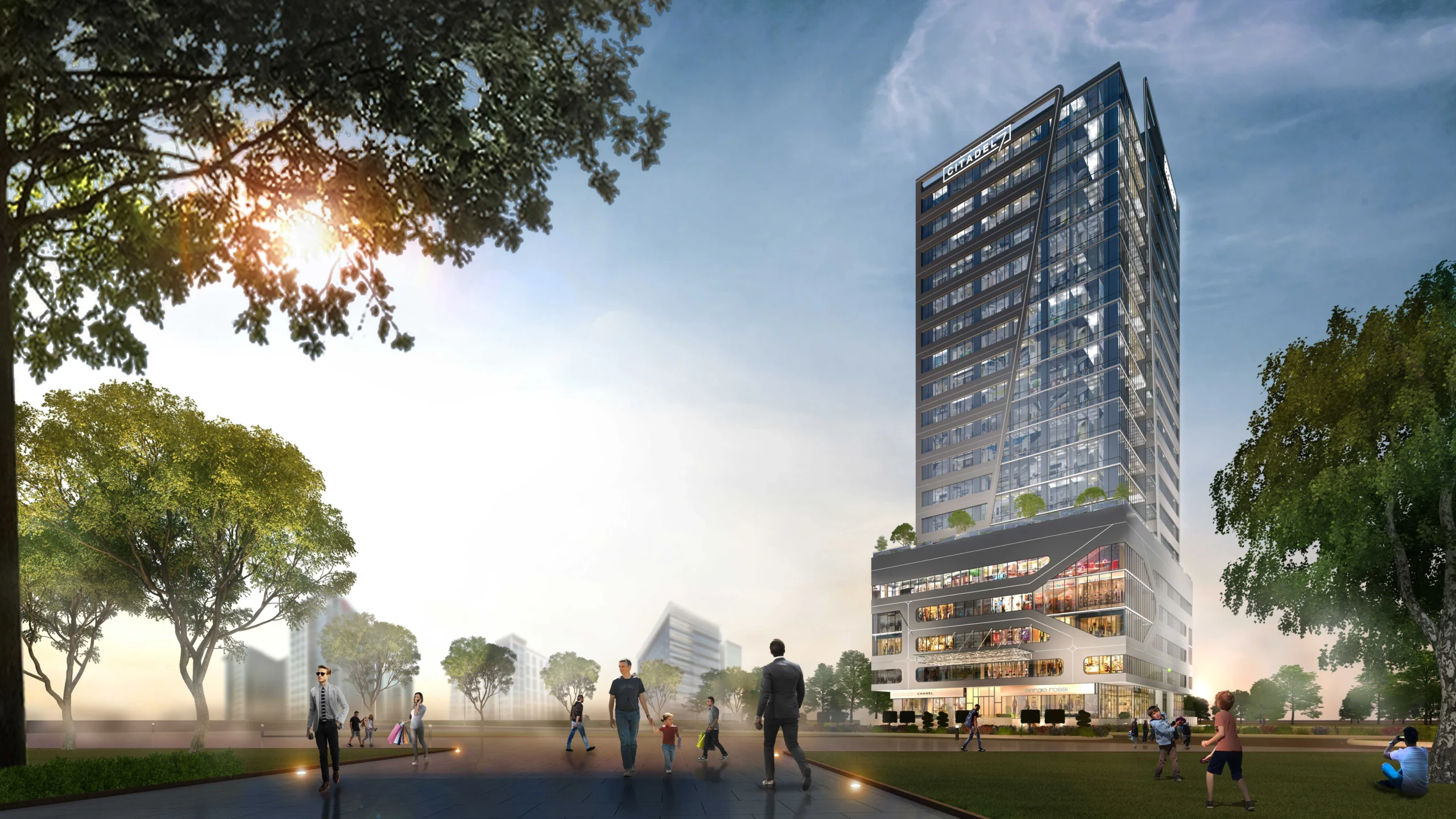
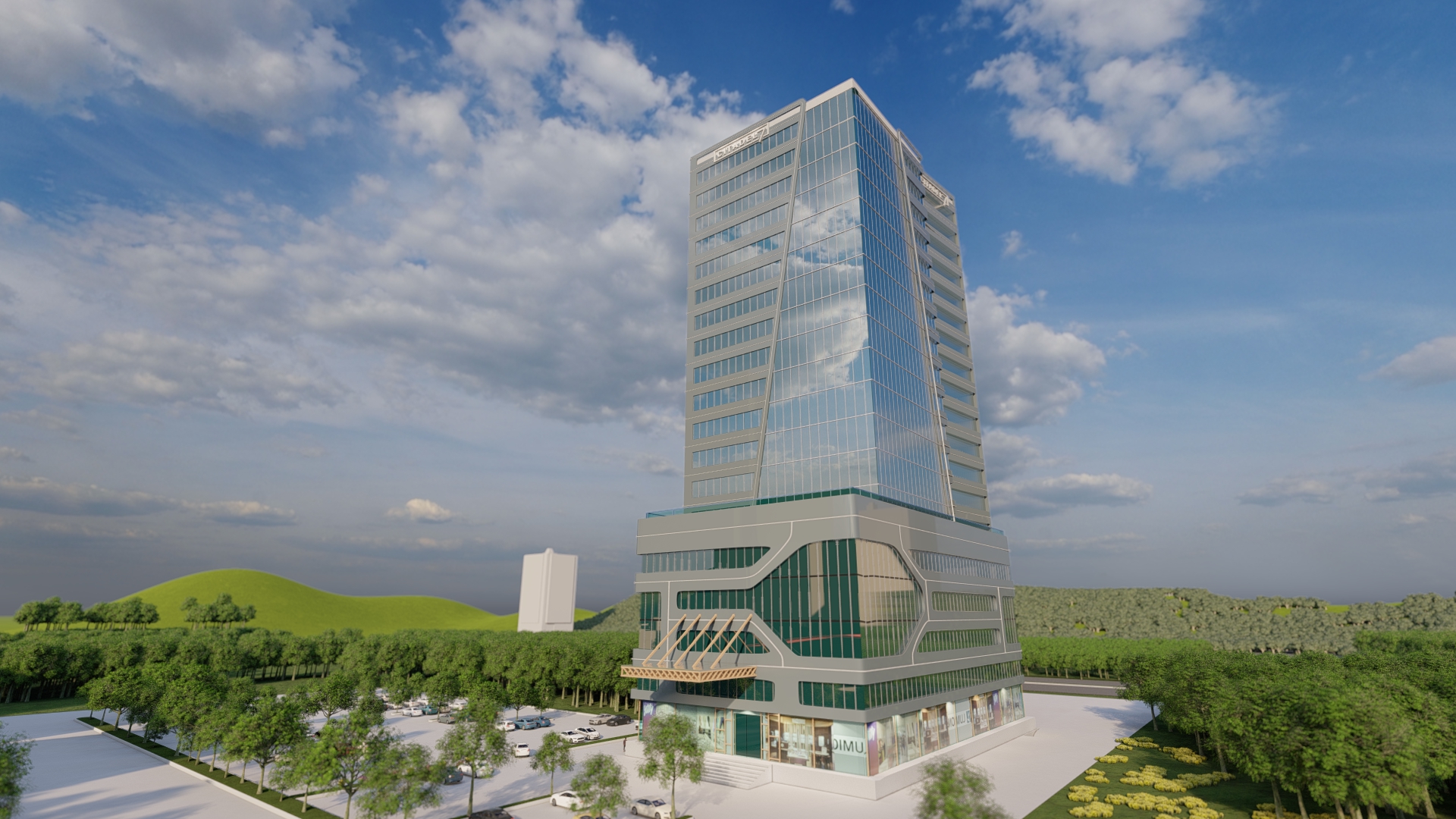
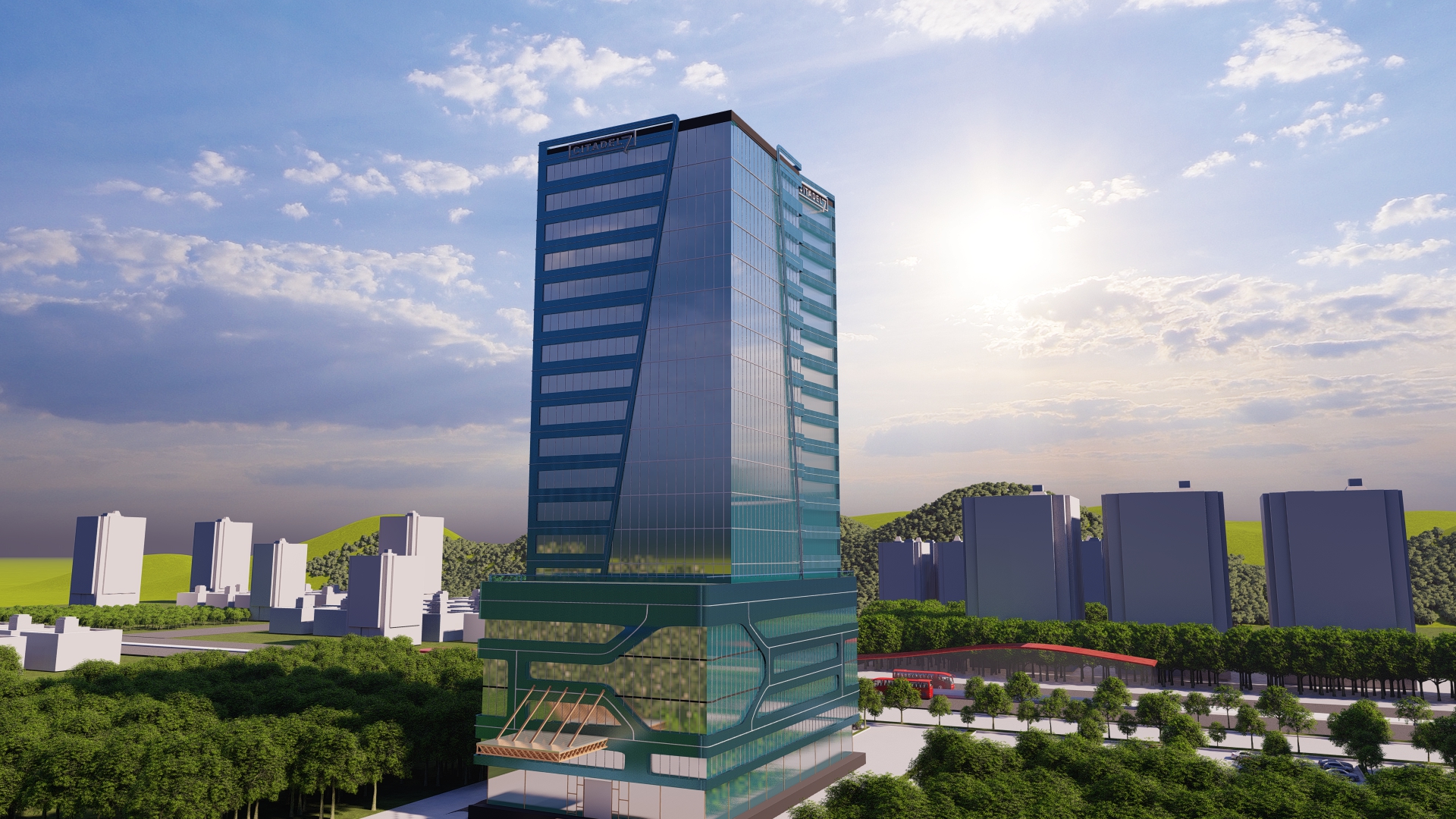
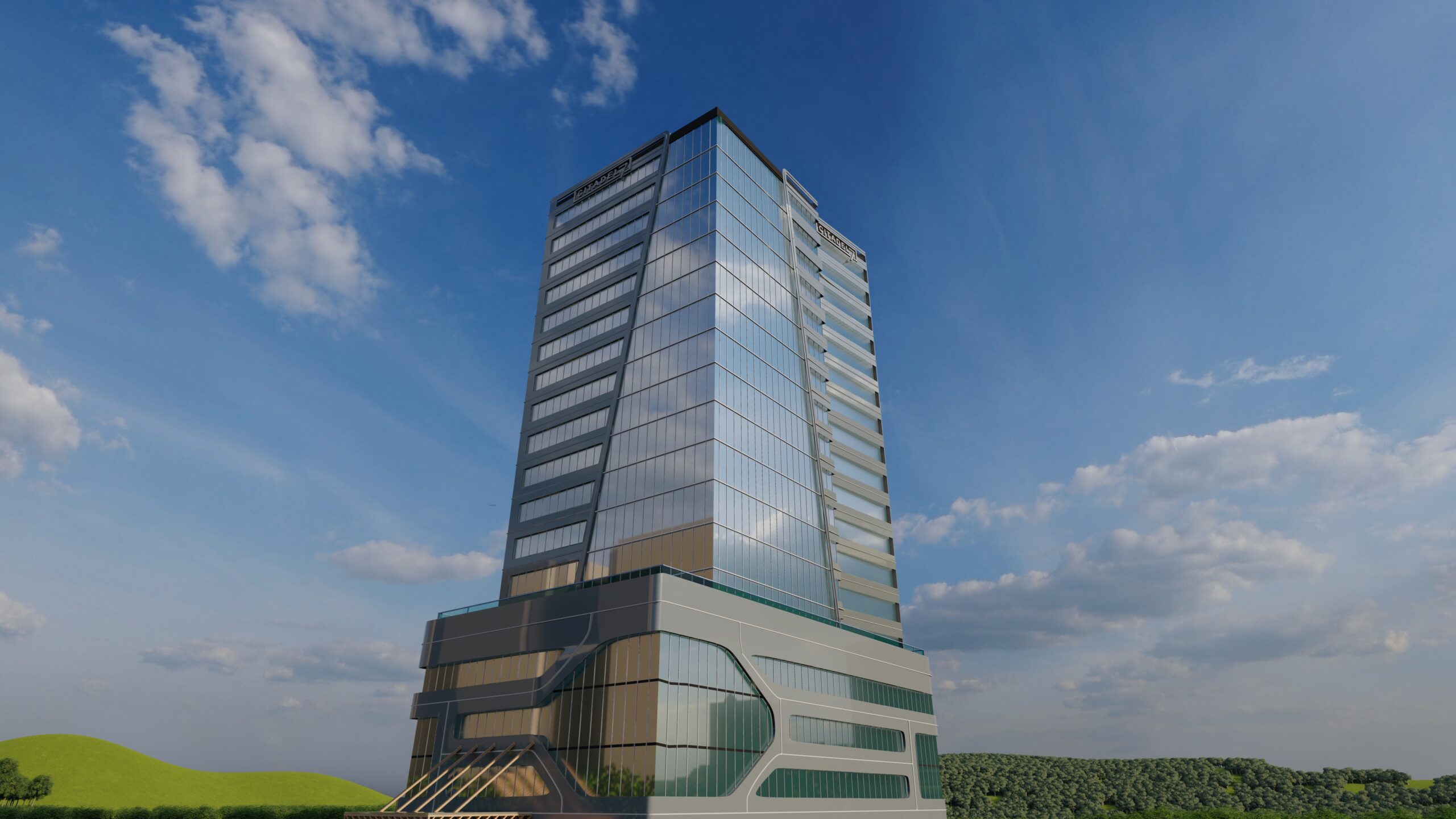
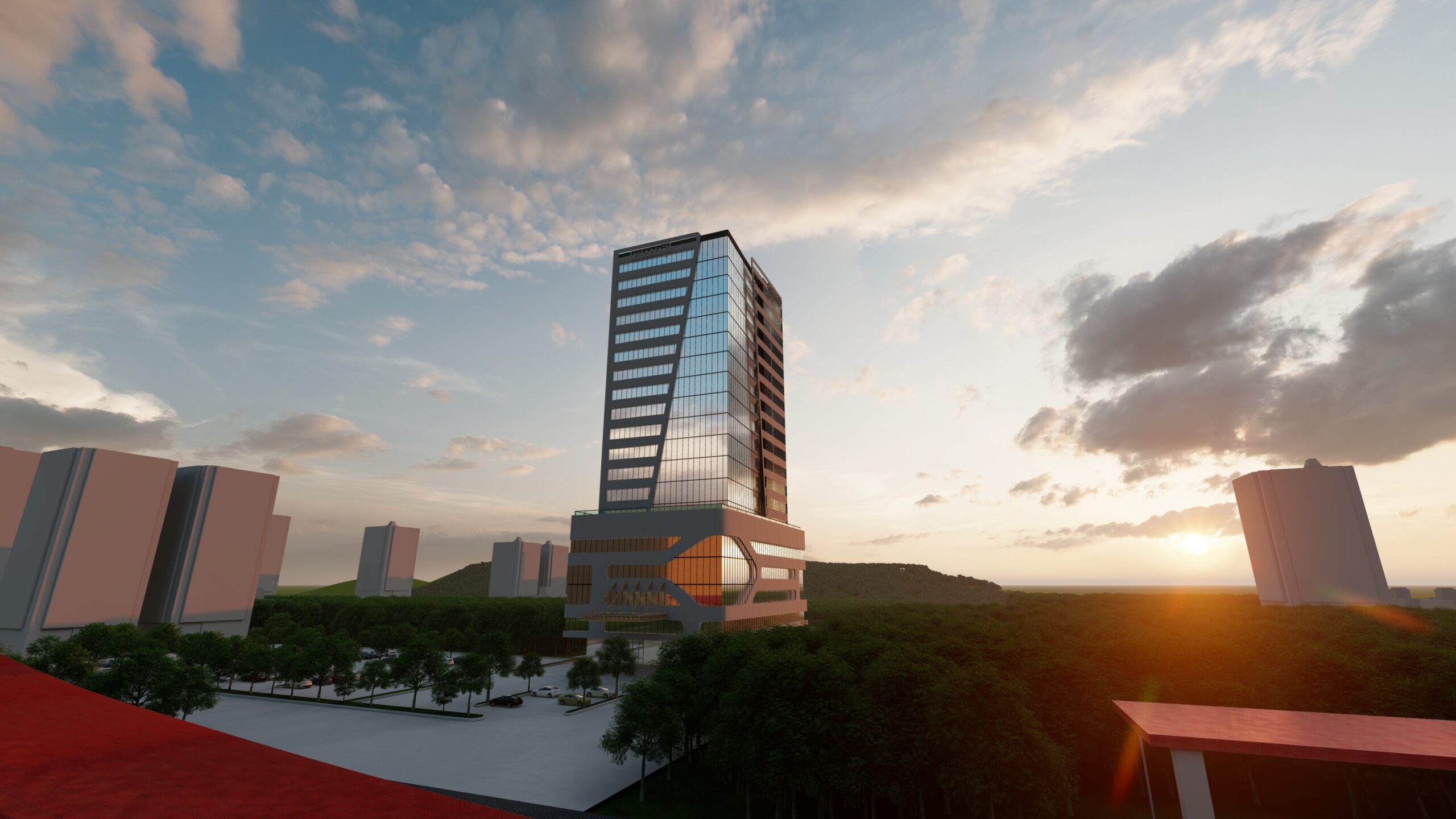
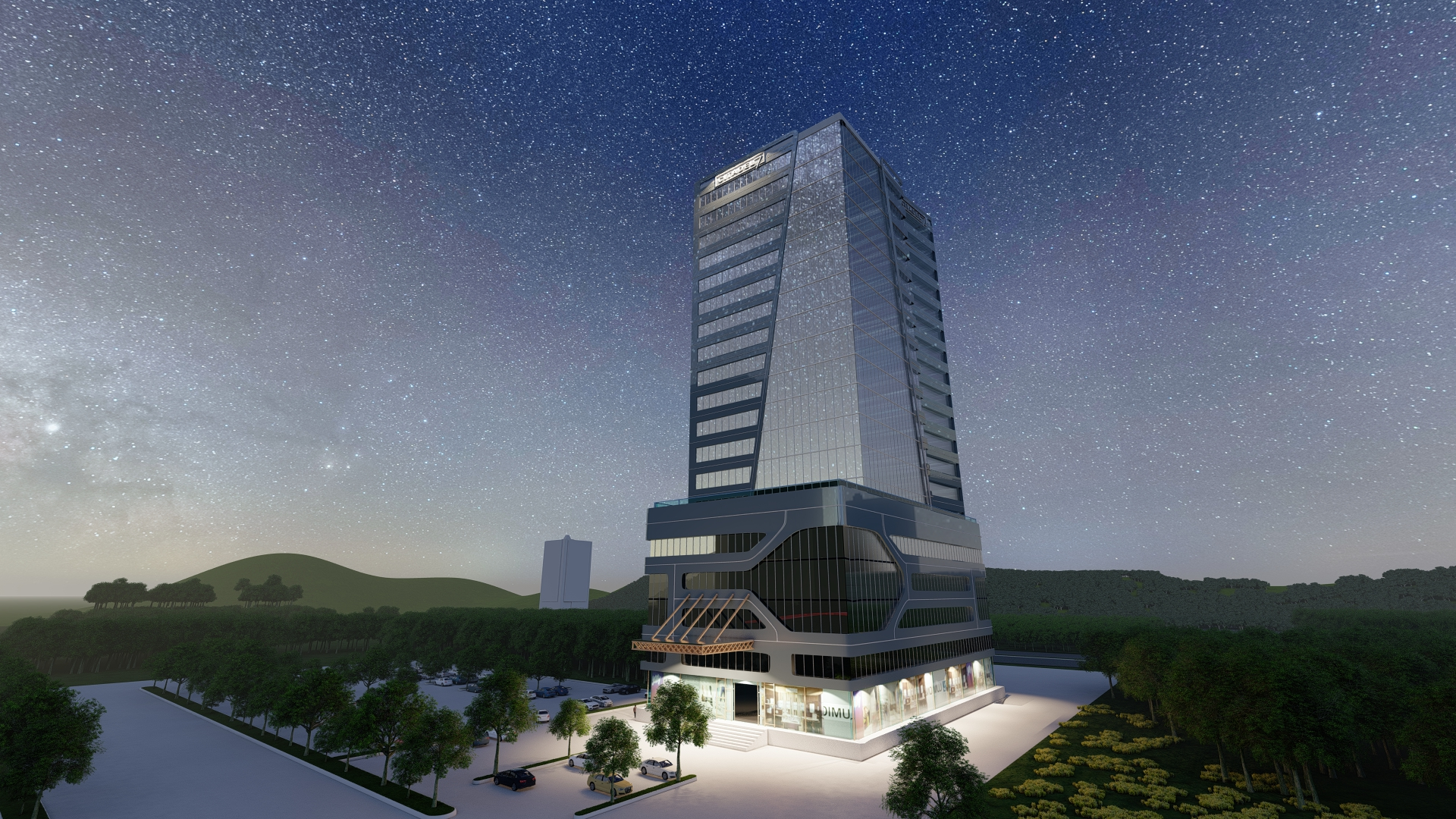
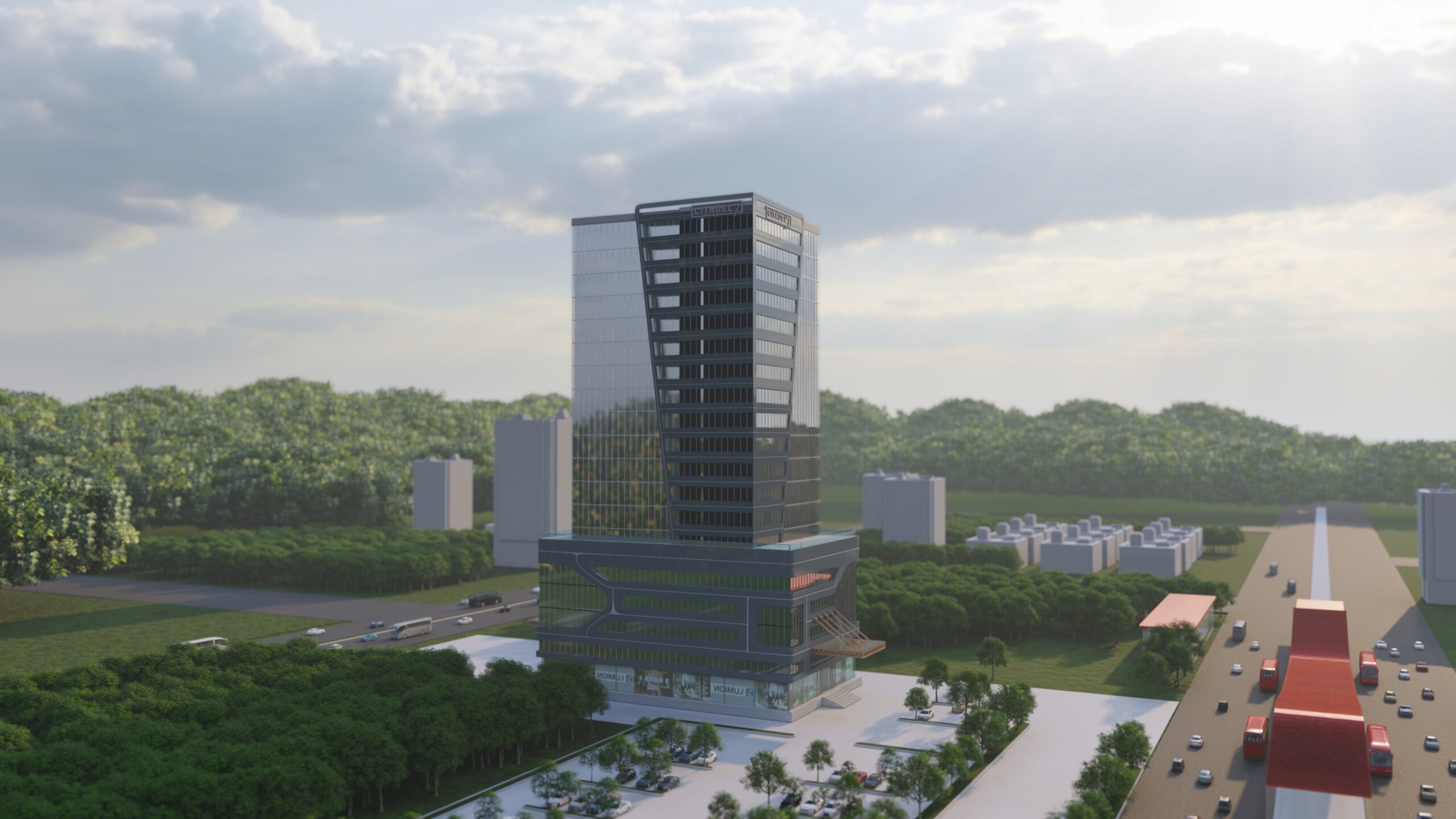
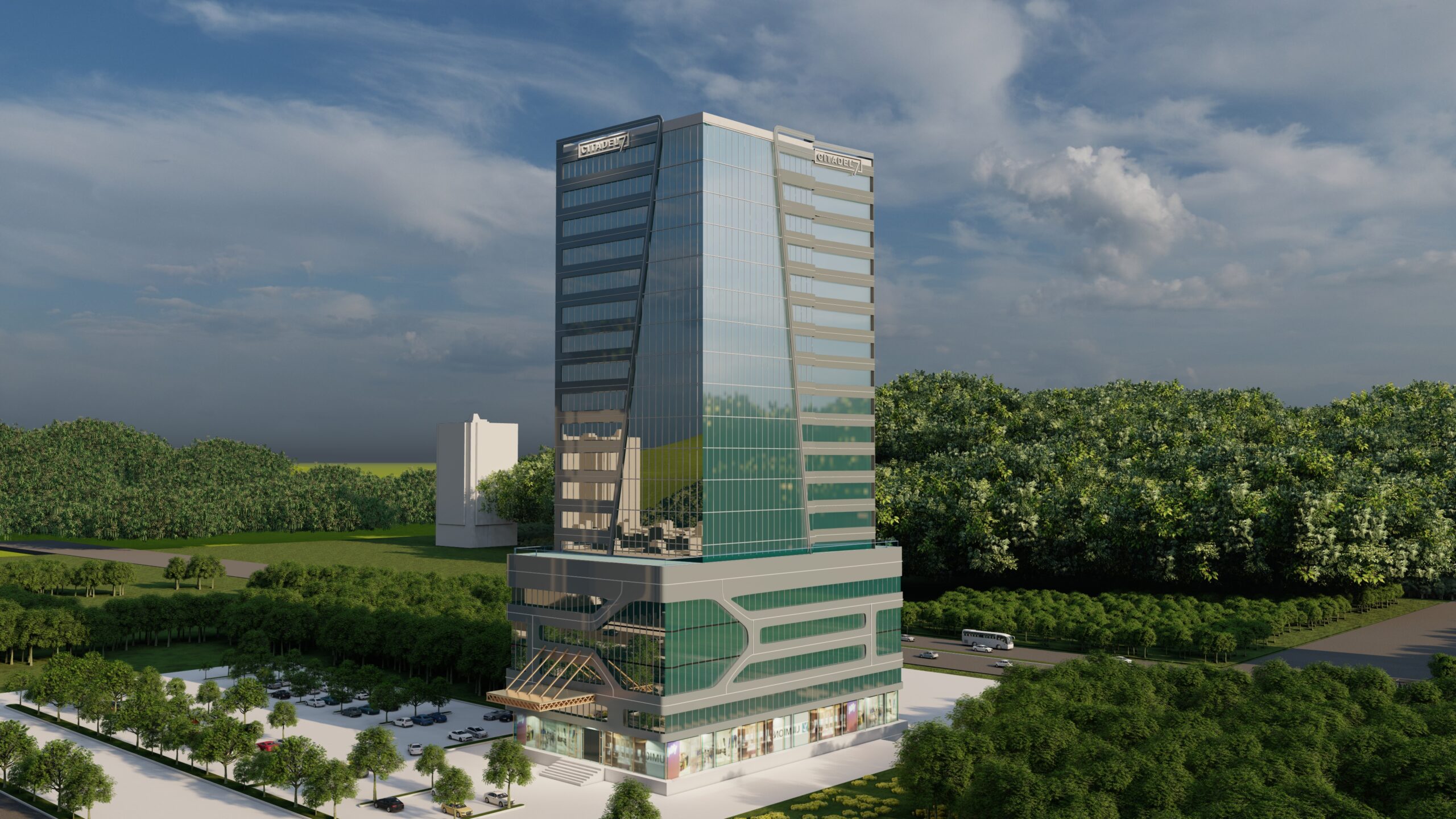
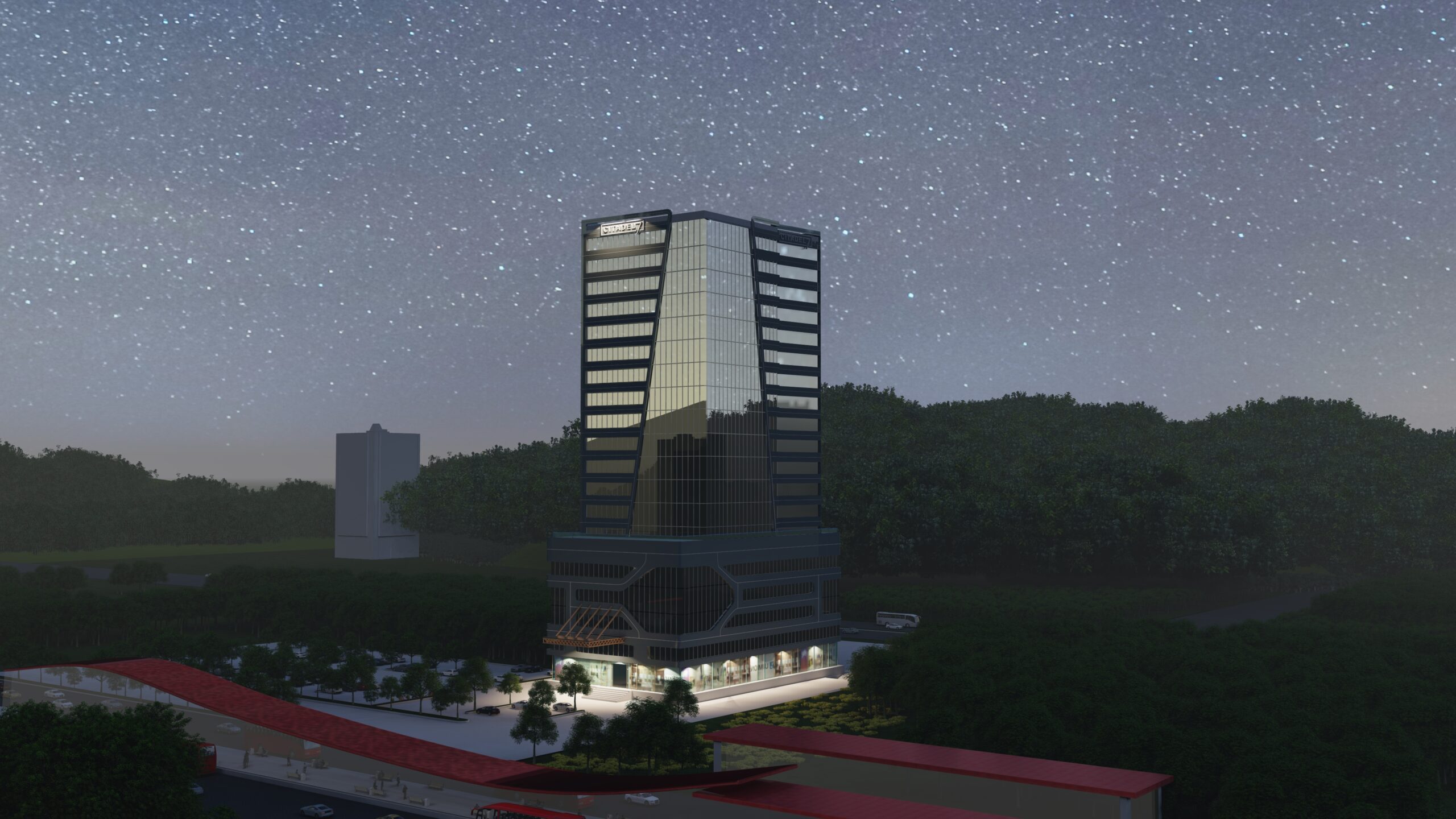
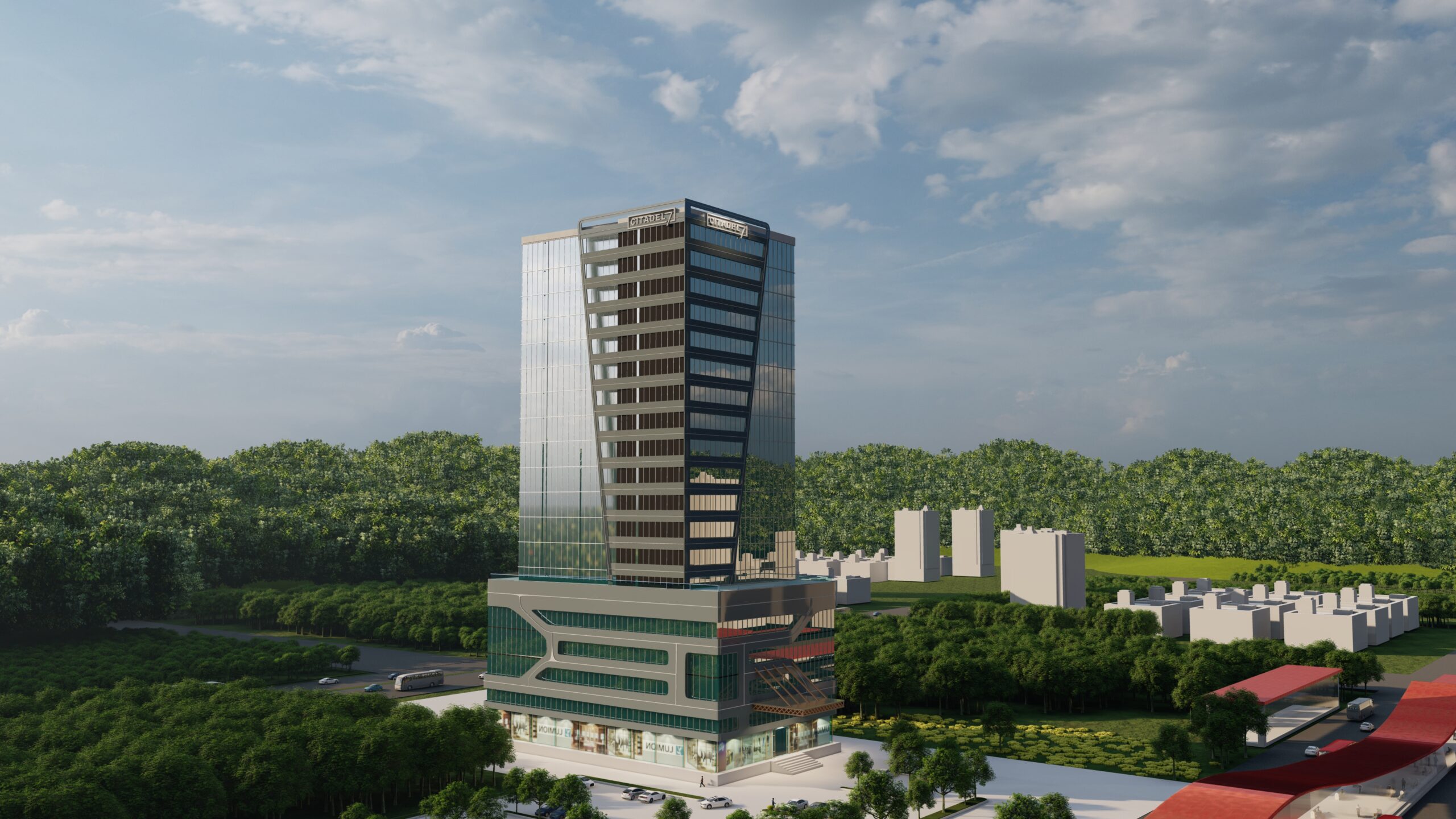
Projects like Citadel 7, a flagship corporate tower in Islamabad’s prestigious Blue Area, are more than architectural achievements—they are manifestations of ambition. With every floor we build, we aim to create environments that generate employment, attract global investors, redefine urban living, and shape the skyline of a modern Pakistan.
Architecture as Aspiration: Designing the Future of Pakistan
Just as the Chakor’s flight speaks of tireless pursuit, architecture speaks of a nation’s direction. The buildings we design influence how we work, live, connect, and grow. Architecture, when rooted in values, becomes more than design—it becomes nation-building.
That’s the vision behind Citadel 7: to align real estate development with the aspirations of a rising Pakistan. To reflect dignity in design, opportunity in elevation, and pride in progress.
Answering the Chakor’s Call: Toward a Rising Nation
As we mark another year of Pakistan’s independence, the Chakor’s story continues to inspire. It reminds us to aim higher, endure longer, and dream bigger. In its timeless flight, we see our own national journey—shaped by sacrifice, carried by hope, and driven by vision.
Let us build together. Let us rise together. Let us follow the flight of the Chakor and shape the Pakistan we all believe in.
Chakor is for Pakistan, and Pakistan is home to Chakor.
Architecture in Pakistan is more than just the design of buildings—it’s a record of our identity, culture, and progress. From Mughal-inspired domes to LEED-certified skyscrapers, Pakistan’s architects have sculpted our skylines and streetscapes with vision, artistry, and grit. This blog presents a curated list of 55 famous architects of Pakistan who’ve shaped the country’s architectural landscape across generations and disciplines.
Whether you’re looking for the best architects of Pakistan, exploring the list of architects in Pakistan, or wondering who is known as the architect of Pakistan, this comprehensive guide is your starting point. It’s also part of our ongoing Independence Day blog series, tying architecture to nation-building and identity.
These individuals laid the foundation of Pakistan’s architectural identity post-1947. Their legacy continues to inspire modern practice.
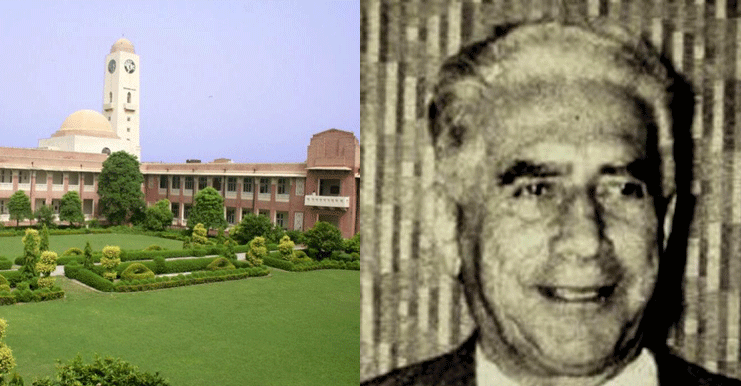
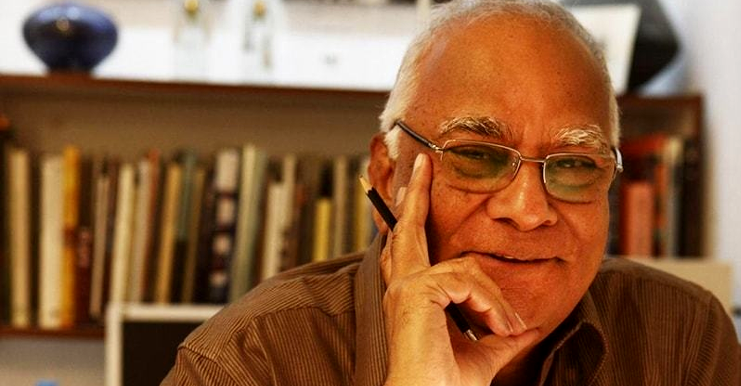
Habib Fida Ali: A minimalist modernist known for blending form and functionality with grace. He was Pakistan’s first formally trained architect from Karachi
Notable Work: Shell House, LUMS campus buildings.
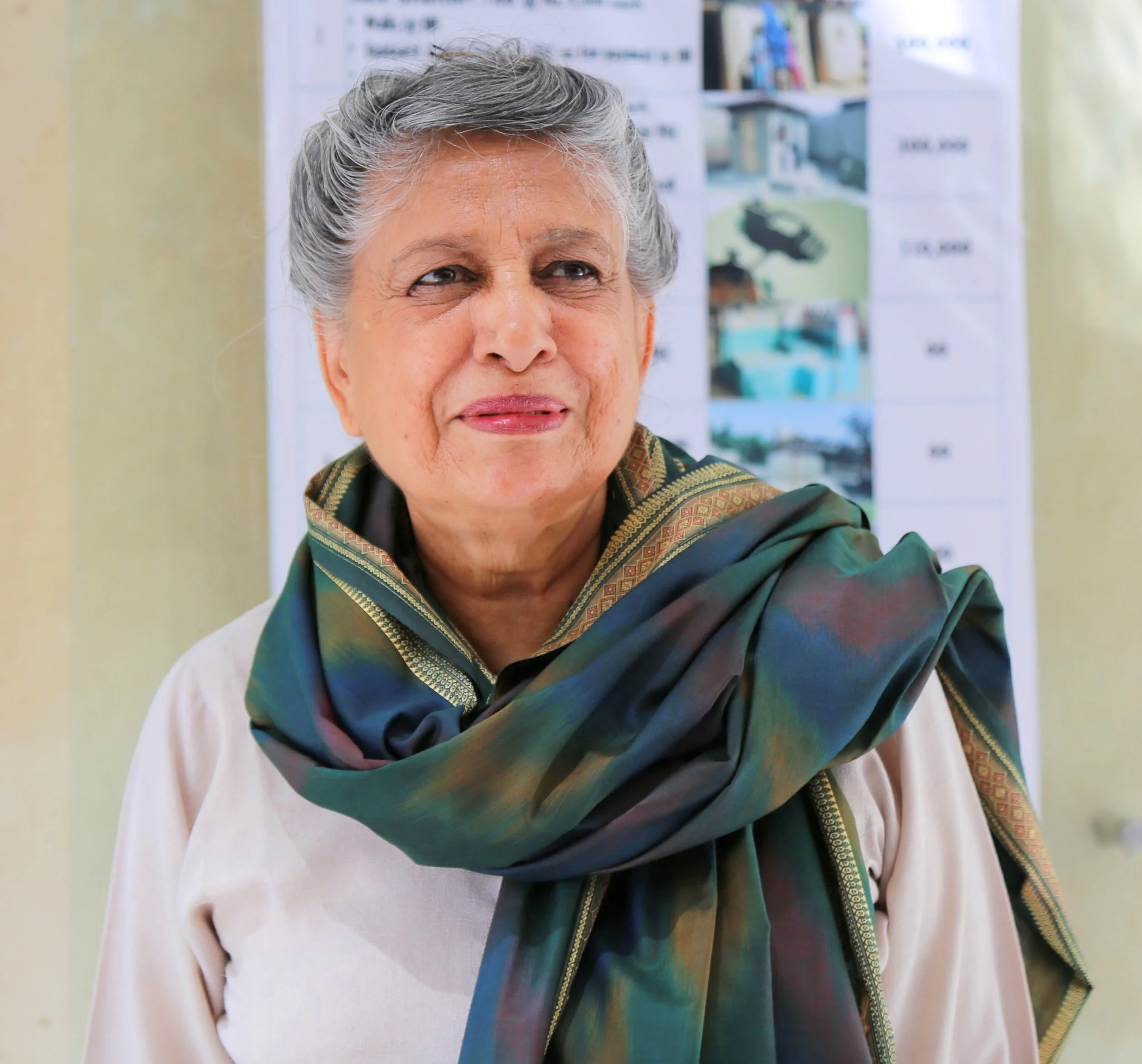
Yasmeen Lari: Pakistan’s first female architect and a global voice for sustainable, humanitarian design. She shifted from modernist buildings to post-disaster housing.
Notable Work: Makli eco-village, Zero Carbon Shelters for flood victims.
Nayyar Ali Dada: Celebrated for his fusion of tradition with modernism. He brought cultural sensitivity into public buildings.
Notable Work: Alhamra Arts Council, Gaddafi Stadium.
Kamil Khan Mumtaz: An advocate of regionalism and Islamic architectural heritage in modern design. His work focuses on ecological sensitivity.
Notable Work: Beaconhouse National University campus.
Arif Hasan: Urban planner and architect who champions participatory design and inclusive planning.
Notable Work: Orangi Pilot Project, Karachi Master Plans.
Tariq Hassan: Known for his civic and institutional buildings with strong visual presence.
Notable Work: Multiple civic infrastructure projects in Islamabad.
Shahab Ghani Khan: A corporate sector architect with a signature clean aesthetic and spatial clarity.
Notable Work: MCB Tower, Karachi.
Abdur Rahman Hye (A.R. Hye): Among the earliest public sector architects of Pakistan, he introduced climatic responsive architecture.
Notable Work: Government buildings across Lahore and Islamabad.
William P. Meredith: Foreign-born architect who helped design early civic infrastructure during the formation years of Pakistan.
Notable Work: Contribution to initial Islamabad layout.
Dr. Gulzar Haider: A poet, professor, and architect who brought intellectual depth to architectural discourse.
Notable Work: Islamic architectural theory and practice.
Modern & Post-Independence Architects
These are the architects shaping Pakistan’s modern face post-1990s—with a balance of technology, sustainability, and cultural relevance.
Najeeb Umar: Blends modern techniques with traditional crafts in large-scale projects.
Notable Work: Civic centers and private educational campuses.
Raza Ali Dada: Known for public projects that respect context while innovating spatially.
Notable Work: Collaborations with Nayyar Ali Dada on cultural centers.
Amjad Ali Khan: Focuses on institutional design, especially within education and health sectors.
Notable Work: University master planning.
Akeel Bilgrami: A Karachi-based architect with a reputation for high-end residential and commercial design.
Notable Work: Mixed-use towers in Clifton.
Imran Qureshi: Merges visual art with architectural thought, especially in urban installations.
Omar Hasan: Focuses on minimalism, energy efficiency, and modular construction.
Notable Work: Eco-villas and smart homes.
Nayyar Javed: Works on improving healthcare infrastructure with practical, scalable models.
Notable Work: Modular hospital units.
Imran Qadir: Advocates for vertical expansion and city densification.
Notable Work: Mid-rise apartment and office blocks.
Saifullah Lone: Known for climate-responsive designs in northern Pakistan.
Notable Work: Resorts and public buildings in Gilgit-Baltistan.
Farooq Hassan: Combines design with architectural photography and education.
Notable Work: Documentaries on Pakistan’s changing skyline.
Urban Planners & Conservationists
These architects didn’t just build—they protected and preserved. Their work in conservation, adaptive reuse, and sustainable planning has been essential in shaping public memory and civic identity.
Zain Mustafa: A conservationist and educator, Zain advocates for reimagining Islamic heritage through spatial storytelling.
Notable Work: Sufi shrines, design education in heritage.
Hammad Husain: A renowned conservation architect and academic documenting post-colonial architecture.
Notable Work: Preservation of modernist buildings.
Saima Iqbal: Champion of adaptive reuse and community-driven heritage mapping.
Notable Work: Transformation of old buildings into libraries.
Asad I. A. Khan: Expert in disaster-resilient and inclusive design.
Notable Work: Flood-proof homes in Punjab.
Zohra Rahman: Uses design for advocacy in marginalized communities.
Notable Work: Women-led community spaces.
Bilal Habib: Focuses on landscape and urban ecology.
Notable Work: Greenbelt development in Karachi.
Marvi Mazhar: Heritage activist preserving Karachi’s old city.
Hammad Nazir: Blends architectural photography with immersive design.
Notable Work: Photographic archives of vanishing architecture.
Cross-Disciplinary & Influential Architects
Dr. Nadeem Omar Tarar: Works at the intersection of architecture, anthropology, and cultural studies.
Notable Work: Writings on colonial urban legacies.
Sajida Vandal: Pioneer in heritage policy and cultural management.
Notable Work: Training programs for young conservationists.
Sarosh Waqar Khan: Advocates for universal design and accessibility.
Notable Work: Design standards for disability inclusion.
Urooj Murtaza: Uses architecture for policy advocacy and civic awareness.
Notable Work: Civic education spaces.
Mudassir Azeem: Designs interactive public architecture and urban research.
Notable Work: Public installations and street art in Lahore
Final Thoughts
This blog is part of our Independence Day storytelling series, which explores how architecture contributes to identity, economy, and civic memory in Pakistan. From the iconic mosques and modern high-rises to socially impactful housing and gender-inclusive planning—these 55 architects are shaping not just skylines, but also the story of Pakistan.
In Foundations of Freedom blog, we explored how Pakistan was built on ambition, faith, and the dream of self-determination. In this second installment, we explore how national architecture became a living expression of that dream, forming the visible soul of a young and determined nation.
Foundations of a New Identity
When Pakistan emerged on the map in 1947, it wasn’t just claiming a geography—it was asserting an idea. A new Muslim state needed symbols to represent its values, aspirations, and unity. In this formative era, architecture became a crucial tool. Every minaret, dome, arch, and corridor built in those early years carried more than function—it carried meaning. These structures were meant to anchor a national identity, inspire citizens, and declare Pakistan’s place on the world stage.
Minar-e-Pakistan: The Tower of Resolve
Standing in the heart of Iqbal Park, Lahore, Minar-e-Pakistan is among the most iconic national monuments. Constructed between 1960 and 1968, this 70-meter-high minaret marks the very ground where the Lahore Resolution was passed on March 23, 1940—a defining moment in the creation of Pakistan.
Designed by Nasreddin Murat-Khan, a Russian-born Pakistani architect, the structure beautifully blends Islamic, Mughal, and modern architectural styles. Its base is shaped like a flower petal, rising into a spiraling tower that transitions from rough stone to polished marble—a metaphor for Pakistan’s journey from struggle to refinement.
Inscriptions of the Lahore Resolution, Quranic verses, and excerpts from key historical speeches reinforce the tower’s symbolic power. It is not merely a tribute to the past but a national declaration in concrete, asserting identity, purpose, and unity.
Faisal Mosque: A Modernist Masterpiece
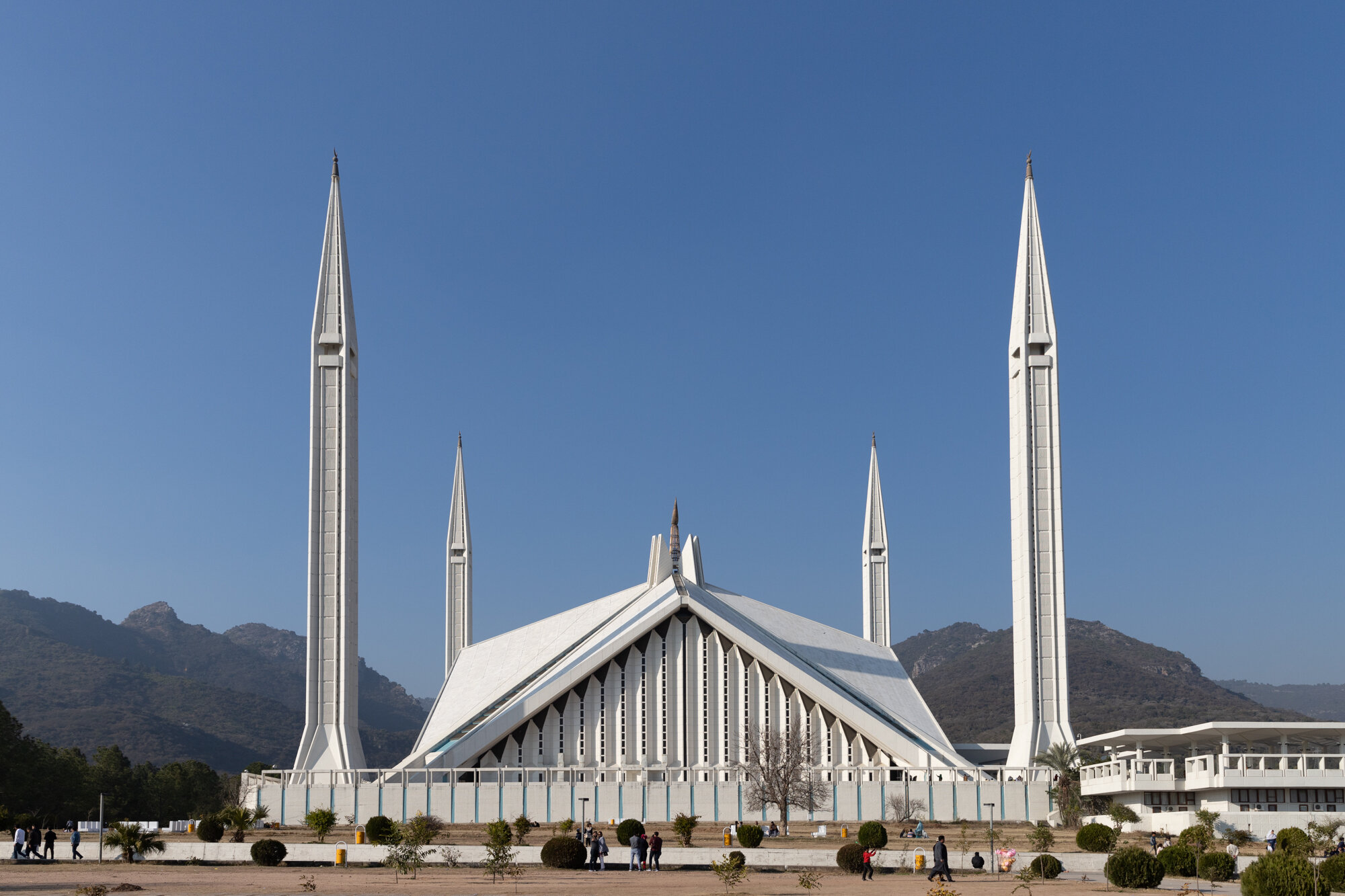
Perched at the foothills of Islamabad’s Margalla Hills, the Faisal Mosque is one of the largest and most unique mosques in the world. Completed in 1986 and named after King Faisal of Saudi Arabia, who funded its construction, the mosque redefined Islamic architecture in the region.
Designed by Turkish architect Vedat Dalokay, the structure deviates sharply from traditional South Asian mosque designs. There are no domes, no minarets in the usual form—only four pointed spires and a triangular, tent-like roof that mirrors the peaks of the Margallas.
The minimalist and geometric design is a deliberate attempt to fuse modernism with Islamic spirituality. Inside, the spacious prayer hall is free of columns, allowing uninterrupted space for thousands of worshippers. From afar, it appears as a monumental tent in silent prayer—at once humble and majestic.
Faisal Mosque doesn’t just function as a house of worship—it stands as a beacon of Pakistan’s forward-looking identity, where faith meets innovation.
Badshahi Mosque: Legacy of the Mughals
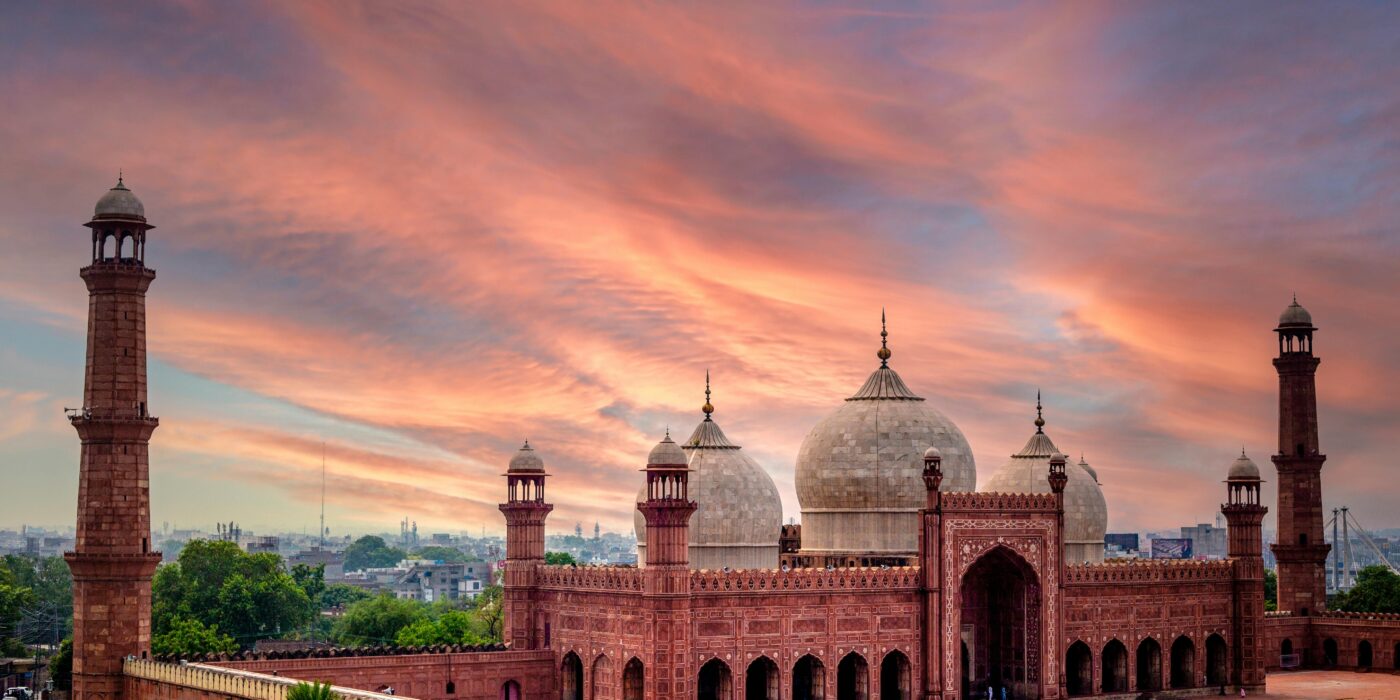
Constructed in 1673 by Mughal Emperor Aurangzeb, Badshahi Mosque in Lahore is one of the most magnificent examples of Mughal architecture in the world. Though it predates Pakistan by centuries, it has become an enduring symbol of spiritual and cultural pride.
Built entirely in red sandstone with white marble inlay, the mosque can accommodate over 55,000 worshippers, making it one of the largest mosques globally. Its grandeur lies in its symmetrical design, massive domes, and towering minarets that frame Lahore’s skyline.
Source: Pexels
The inner courtyard, with its sprawling marble floor, reflects the discipline and grandeur of Mughal aesthetics. Yet, its function remains simple: a sanctuary for prayer, unity, and reflection.
Badshahi Mosque represents the deep historical roots of Islam in the subcontinent, and in the modern era, it has become a reminder that Pakistan’s identity is not new—it is the continuation of a much older civilizational legacy.
Noor Mahal: Royal Elegance in the Desert
Located in Bahawalpur, the Noor Mahal is a lesser-known but equally stunning architectural jewel. Built in 1872 during British rule by the Nawab of Bahawalpur, this palace draws heavily on Italian and neoclassical styles, with columns, verandas, and expansive halls.
Despite its European aesthetic, the palace was intended for the Nawab’s family and represents the fusion of Eastern luxury with Western elegance. With over 30 rooms, underground chambers, and a ballroom, the structure showcases the prosperity of the princely state at its peak.
Today, Noor Mahal is managed by the Pakistan Army and remains open to the public. Its beauty lies not only in its architectural finesse but in the fact that it narrates a time when Bahawalpur stood as a center of art, culture, and refinement.
Derawar Fort: Fortress of the Desert
Towering over the Cholistan Desert like a mirage, Derawar Fort is one of the most dramatic and awe-inspiring historical structures in Pakistan. Believed to have been originally built in the 9th century and later reconstructed by the Abbasi rulers, the fort comprises forty massive bastions that rise over 30 meters high and span more than 1.5 kilometers in circumference.
Its remote location and towering presence evoke a sense of ancient mystery. Derawar was a strategic military and trade post, guarding the caravan routes that once crossed the desert. The thick sandstone walls served as both defense and status symbol for the Nawabs of Bahawalpur.
Today, despite its deteriorating condition, Derawar Fort is a national treasure—a physical link to the frontier spirit and resilience of Pakistan’s desert cultures.
Fort Munro: Colonial Charm in the Highlands
Nestled in the Sulaiman Range of southern Punjab, Fort Munro offers a very different kind of architectural narrative. Named after British Colonel Munro in the late 19th century, it was developed as a hill station for British officials seeking respite from the summer heat.
Colonial-era bungalows, rest houses, and administrative buildings still dot the landscape, creating an atmosphere of quiet charm. The architecture here is simple yet strategic, focused on climatic comfort and functionality.
What makes Fort Munro unique is its role in bringing development to the Dera Ghazi Khan region and how it blends colonial utility with natural beauty. It reminds us that architectural heritage can also exist in modesty, not just grandeur.
Frere Hall: Venice in Karachi
In the bustling heart of Karachi, Frere Hall stands as a testament to colonial-era design and civic pride. Built in 1865, it is designed in the Venetian Gothic style, featuring pointed arches, ribbed vaults, and lancet windows that wouldn’t be out of place in Renaissance Europe.
Originally built as a town hall during British rule, Frere Hall has evolved into a cultural center, housing an art gallery, library, and public gardens. Its interior ceilings are adorned with murals by Sadequain, one of Pakistan’s most celebrated artists, further enriching its cultural value.
Frere Hall is not just a relic of the past—it is a living institution, blending artistic expression, historical memory, and urban vitality.
Pakistan Monument: Unity in Stone
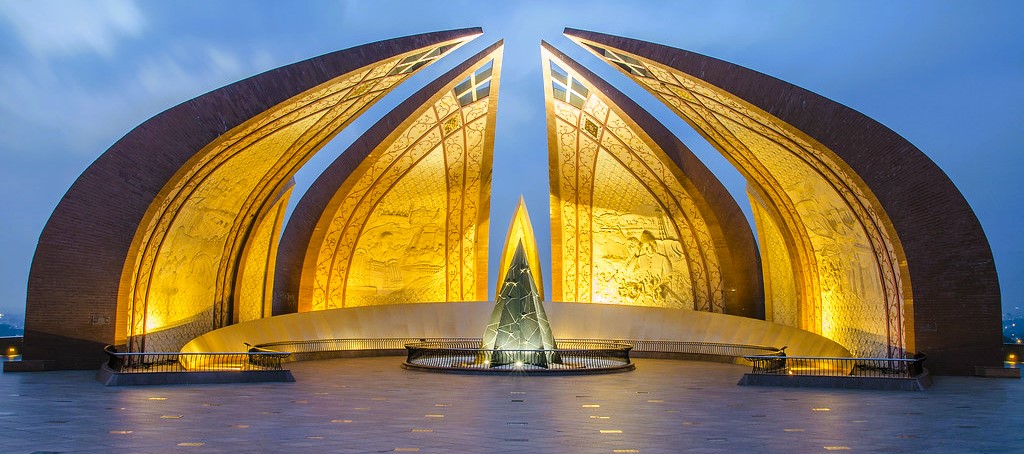
One of the newer additions to Pakistan’s architectural landscape, the Pakistan Monument in Islamabad was inaugurated in 2007 as a tribute to the sacrifices made during the independence movement.
Designed by architect Arif Masood, the structure resembles a blooming flower, with four large petals representing Punjab, Sindh, Khyber Pakhtunkhwa, and Balochistan, and three smaller petals symbolizing the country’s minority regions. At its base, a museum showcases key moments from the country’s struggle for freedom.
The Pakistan Monument is a symbol of national unity and inclusivity, reminding visitors that Pakistan is not a monolith, but a mosaic of cultures, histories, and dreams.
A Nation Built in Stone and Spirit
Pakistan’s architecture tells a story that no textbook can fully capture. From the regal grace of Noor Mahal to the modern elegance of Faisal Mosque, and from fortresses in deserts to colonial halls by the sea, these buildings are our silent storytellers.
They hold within them our history, diversity, and aspirations. And as we mark another Independence Day, we honor not just the leaders and movements—but also the architects, artisans, and visionaries who built the soul of Pakistan in stone.
In Pakistan’s ever-expanding property market, corporate clients and commercial investors are constantly seeking security, transparency, and reliability. Yet, countless real estate scams, from unverified properties to delayed deliveries, continue to shake investor confidence. This is where Chakor Ventures, recognized as the best real estate developer in Pakistan, sets itself apart with its firm commitment to project transparency and authenticity. If you’re considering a corporate office in Islamabad or investing in a commercial corporate tower, here’s how Chakor Ventures ensures your investment is safe, secure, and future-proof.
1. Verified Legal Documentation
One of the leading causes of real estate disputes in Pakistan is unclear or fraudulent documentation. Chakor Ventures makes legal transparency a top priority. Every project, including its iconic corporate tower in Islamabad, is backed by clear, verifiable ownership titles, government approvals, and regulatory compliance. Buyers and investors are provided with all necessary documentation upfront, reducing risk and building trust from day one.
2. CDA Approved Projects
All Chakor Ventures’ developments, including high-rise commercial corporate towers, are approved by the Capital Development Authority (CDA). The approvals ensure the projects meet zoning, safety, and construction standards. As an investor or tenant, you can rest assured your office space is legally sanctioned, structurally sound, and free of regulatory complications. CDA approval also ensures access to essential services like electricity, water, and sewage and protects investors from legal disputes or demolition risks. Whether you’re setting up a corporate office in Islamabad or investing in commercial property, CDA clearance provides peace of mind and long-term security.
3. Transparent Pricing and Payment Plans
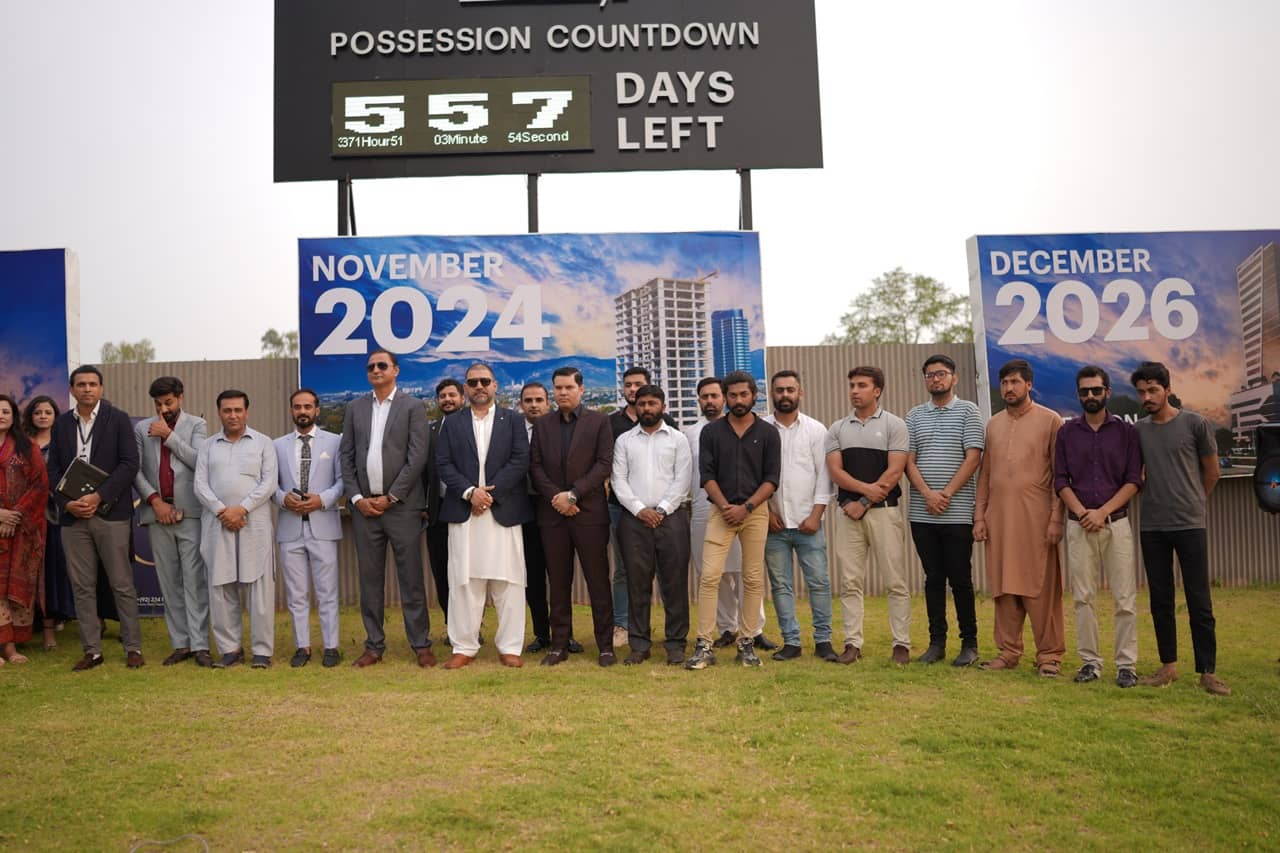
Hidden costs, abrupt escalations, and vague payment terms are common red flags in real estate. Chakor Ventures eliminates this uncertainty by offering crystal-clear pricing structures and flexible, predefined payment plans. Clients are informed in writing of total costs, installment breakdowns, and timelines, making the process seamless for businesses looking to establish their corporate office in Islamabad. What truly sets Chakor Ventures apart is its live possession countdown timer, a first-of-its-kind feature in Pakistan’s commercial real estate sector. Available on the project website, this digital timer tracks and displays the real-time countdown to possession, giving investors and tenants complete visibility and confidence in project delivery.
4. Real-Time Progress Transparency and Updates
Chakor Ventures takes pride in consistent project updates, a rarity in Pakistan’s real estate landscape. Investors receive real-time construction progress reports, drone footage, milestone alerts, and on-site visit opportunities. Whether it’s the development of a commercial corporate tower or a flagship business center, clients are never left in the dark. Chakor Ventures also integratesdigital project dashboards, allowing clients to monitor construction timelines, engineering milestones, and inspection results, all in one place. You’re always connected to the heartbeat of your investment.
5. International-Standard Audits and Third-Party Verifications
To reinforce investor confidence, Chakor Ventures partners with third-party audit firms for periodic evaluations. These audits assess project timelines, quality of materials, engineering benchmarks, and environmental standards. It’s part of what makes Chakor Ventures the best real estate developer in Pakistan, a company that goes above and beyond to ensure authenticity and transparency.
Why It Matters for Corporate Investment
In today’s economy, businesses need secure, scalable, and legally protected spaces to thrive. A transparent real estate partner like Chakor Ventures not only reduces financial risk but also accelerates operational readiness. With prime offerings in the heart of Blue Area, Islamabad, including its flagship corporate tower in Islamabad, Chakor Ventures delivers trust and transformation in every square foot with dreams of years of expansion
Your Final Chance to Secure a Spot in Islamabad’s Most Trusted Corporate Tower Today
It’s your last chance to partner with Chakor Ventures, the name synonymous with transparency, reliability, and modern innovation. Book your corporate office in Citadel 7, now and protect your business future with Chakor Ventures, or call now to schedule a free consultation.
FAQs
Q1: Is Chakor Ventures legally registered with RDA/CDA? Yes, all Chakor Ventures projects are fully approved by relevant development authorities, including CDA and RDA.
Q2: How does Chakor Ventures ensure payment transparency? Clients receive detailed, documented pricing and payment plans upfront, with no hidden charges.
Q3: Can I track the construction progress of my office unit? Absolutely. Chakor Ventures provides regular updates, visuals, and site visits for complete progress transparency.
Q4: Why choose Chakor Ventures for a corporate office in Islamabad? Because of its legally verified projects, high construction standards, and unmatched reputation as a commercial corporate tower developer in Pakistan.
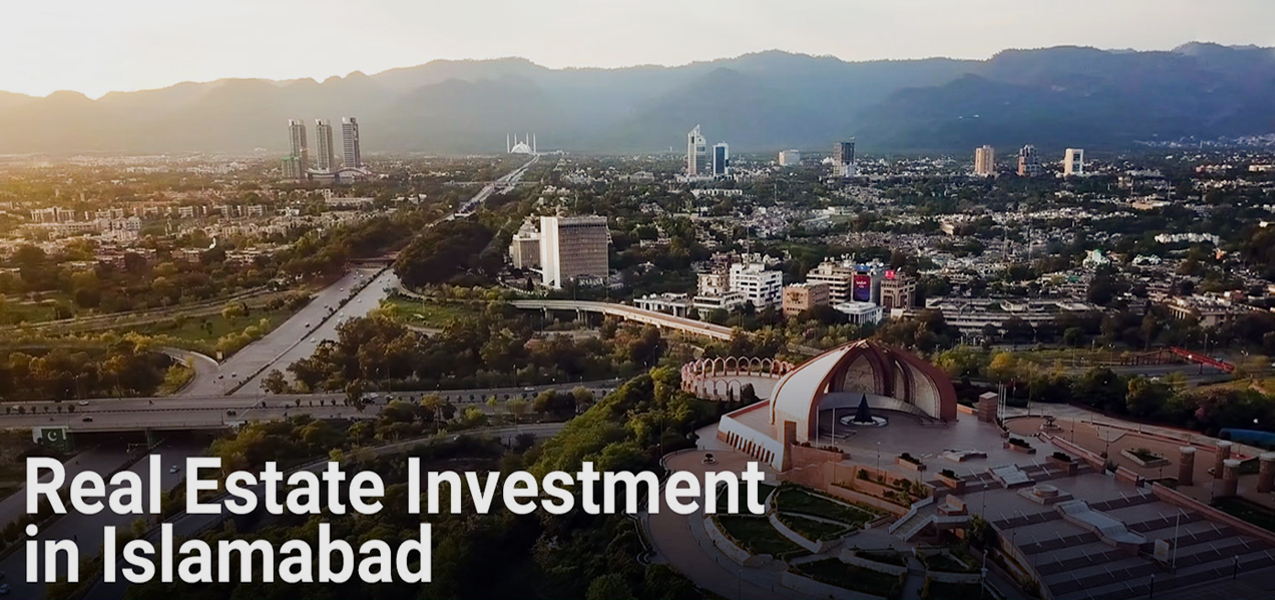
Once known primarily for its picturesque beauty and wide open spaces, Islamabad is now reshaping its geographical landscape with modern skyscrapers. The capital city of Pakistan is witnessing a surge in vertical corporate towers, transforming the way businesses approach space, growth, and sustainability. At the heart of this transformation are visionary real estate developers in Pakistan, who are building more innovative, higher, and more efficient commercial environments.
The Rise of Vertical Skyscrapers in the Capital City
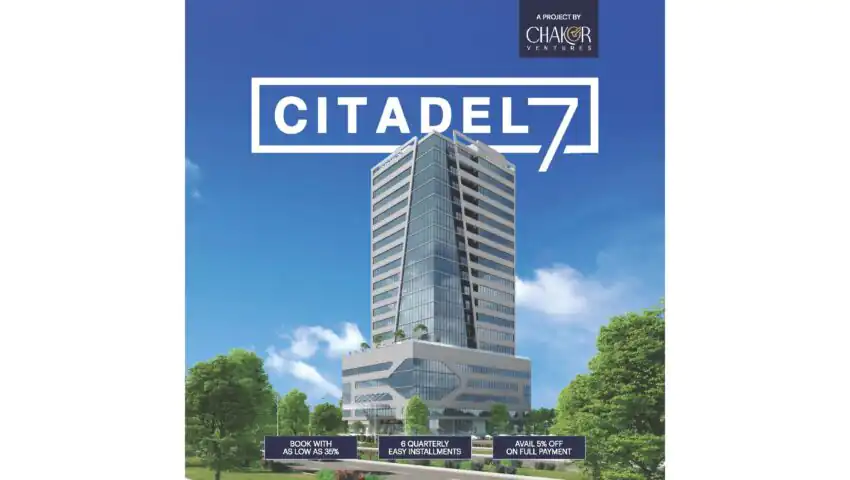
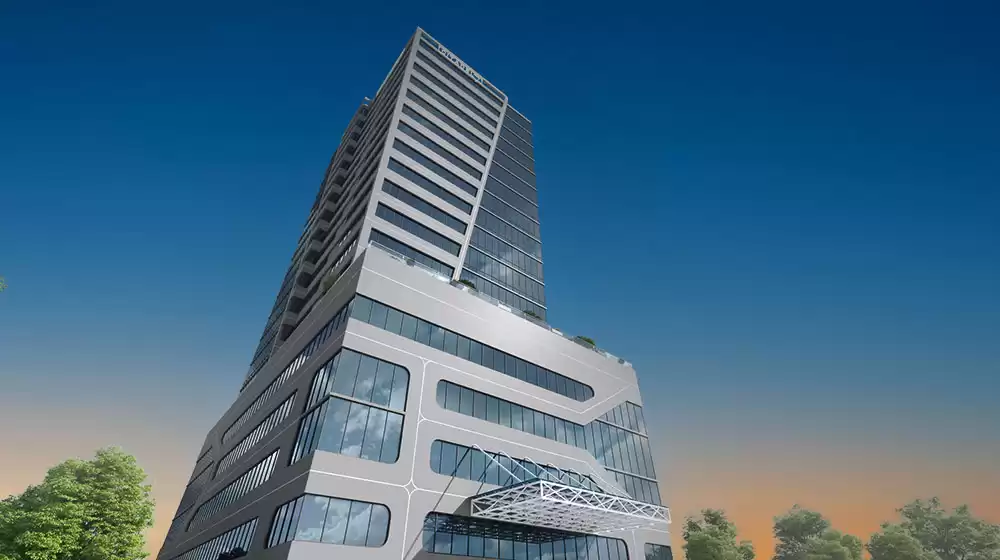
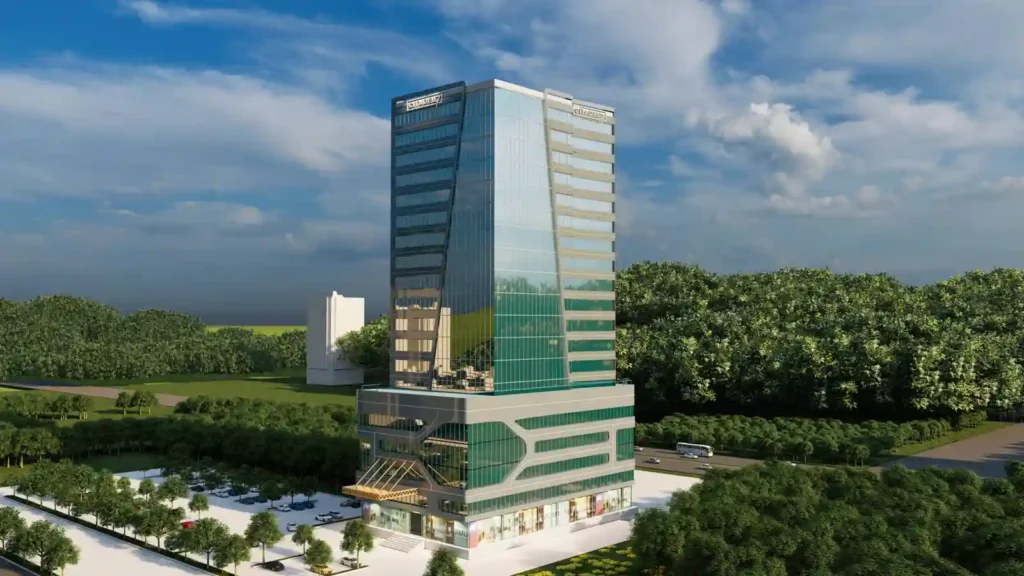
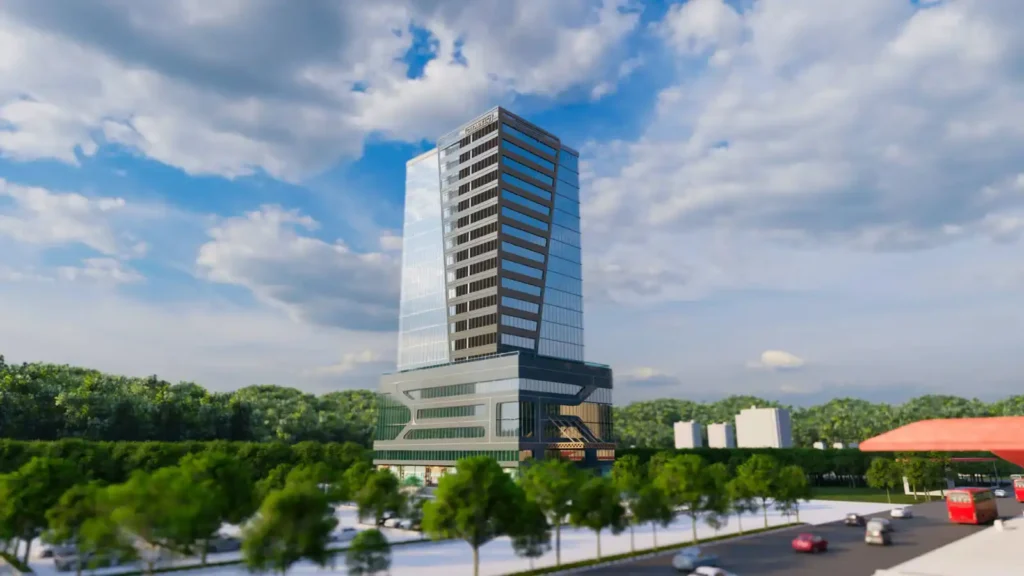
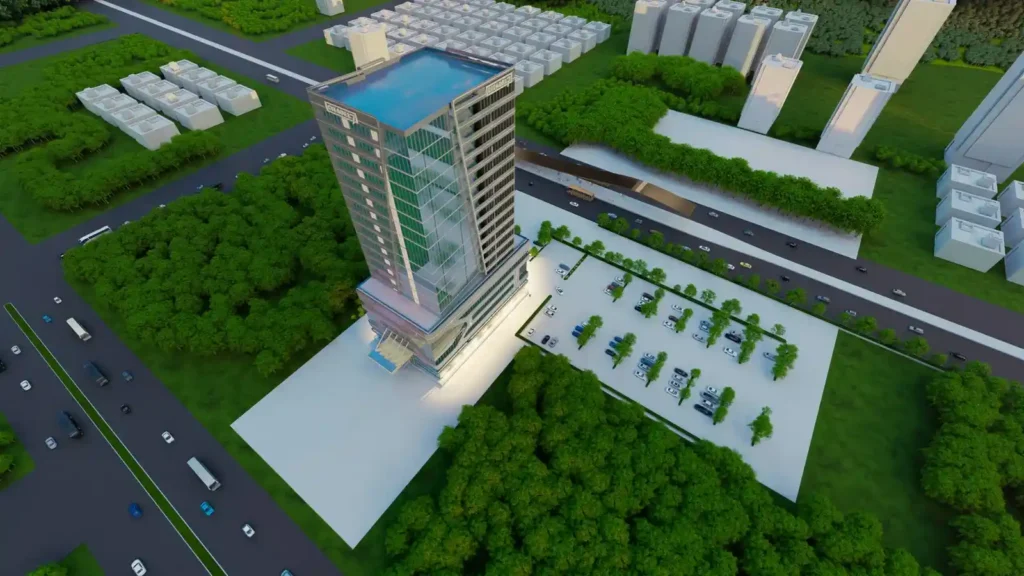
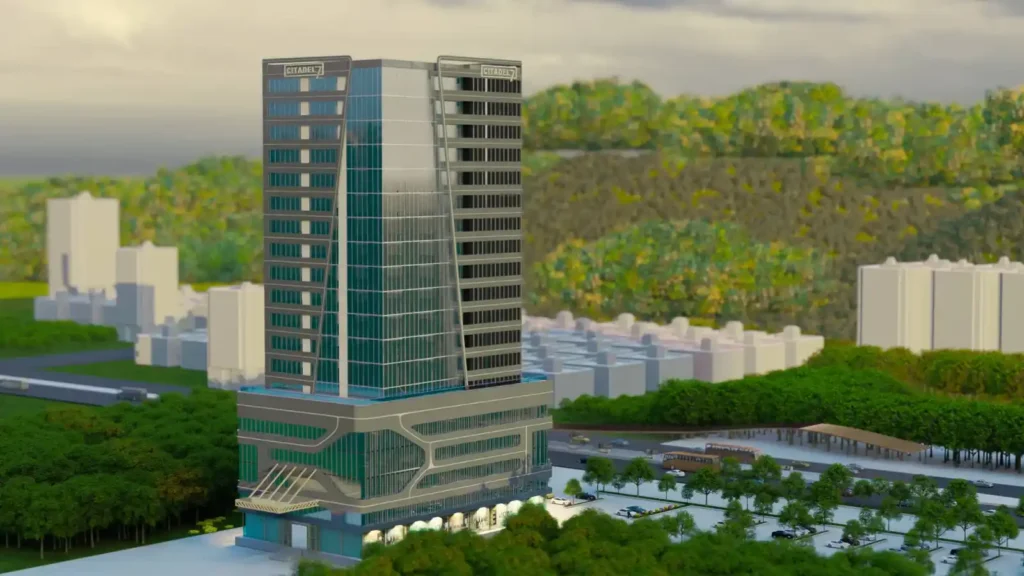
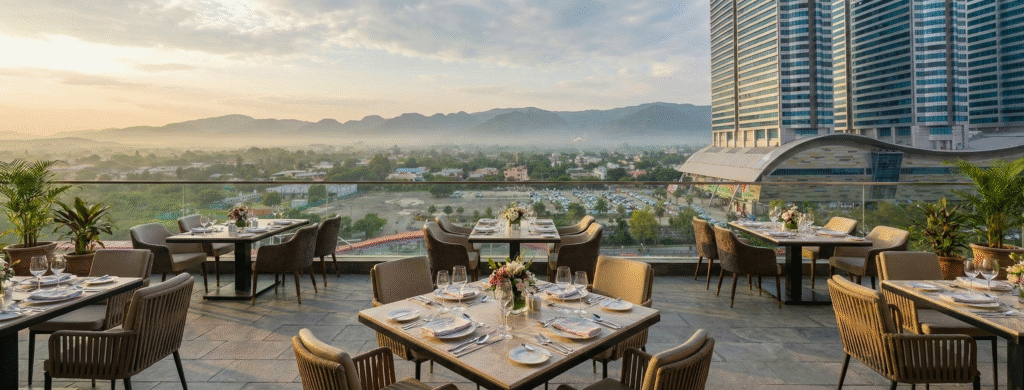
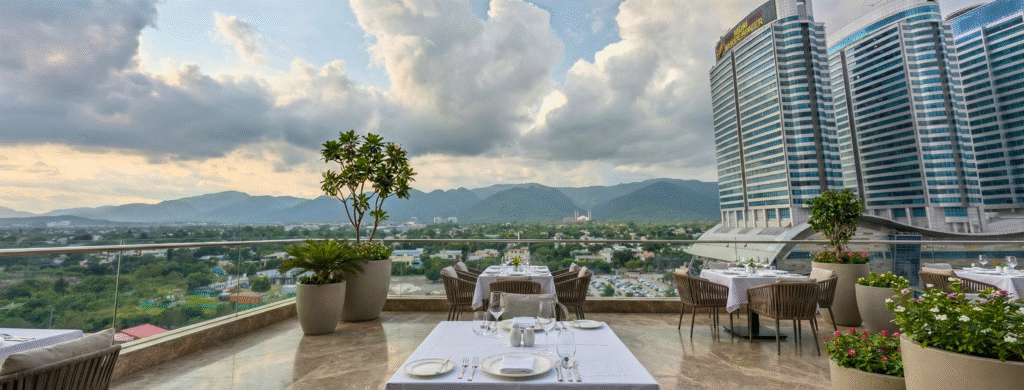
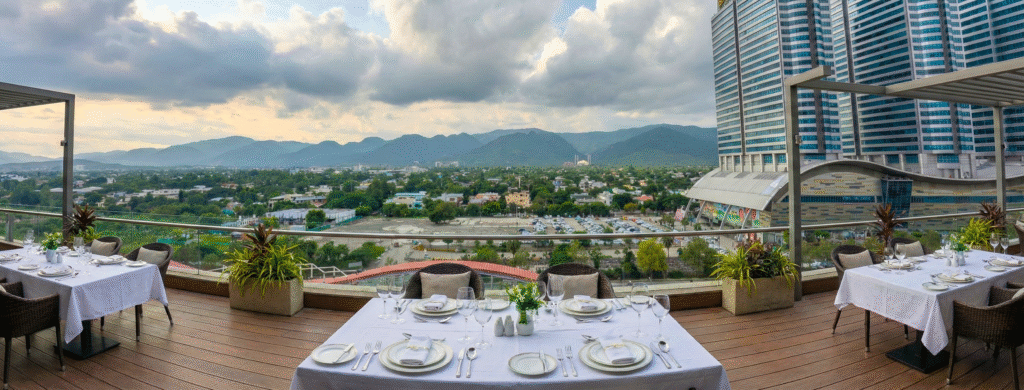
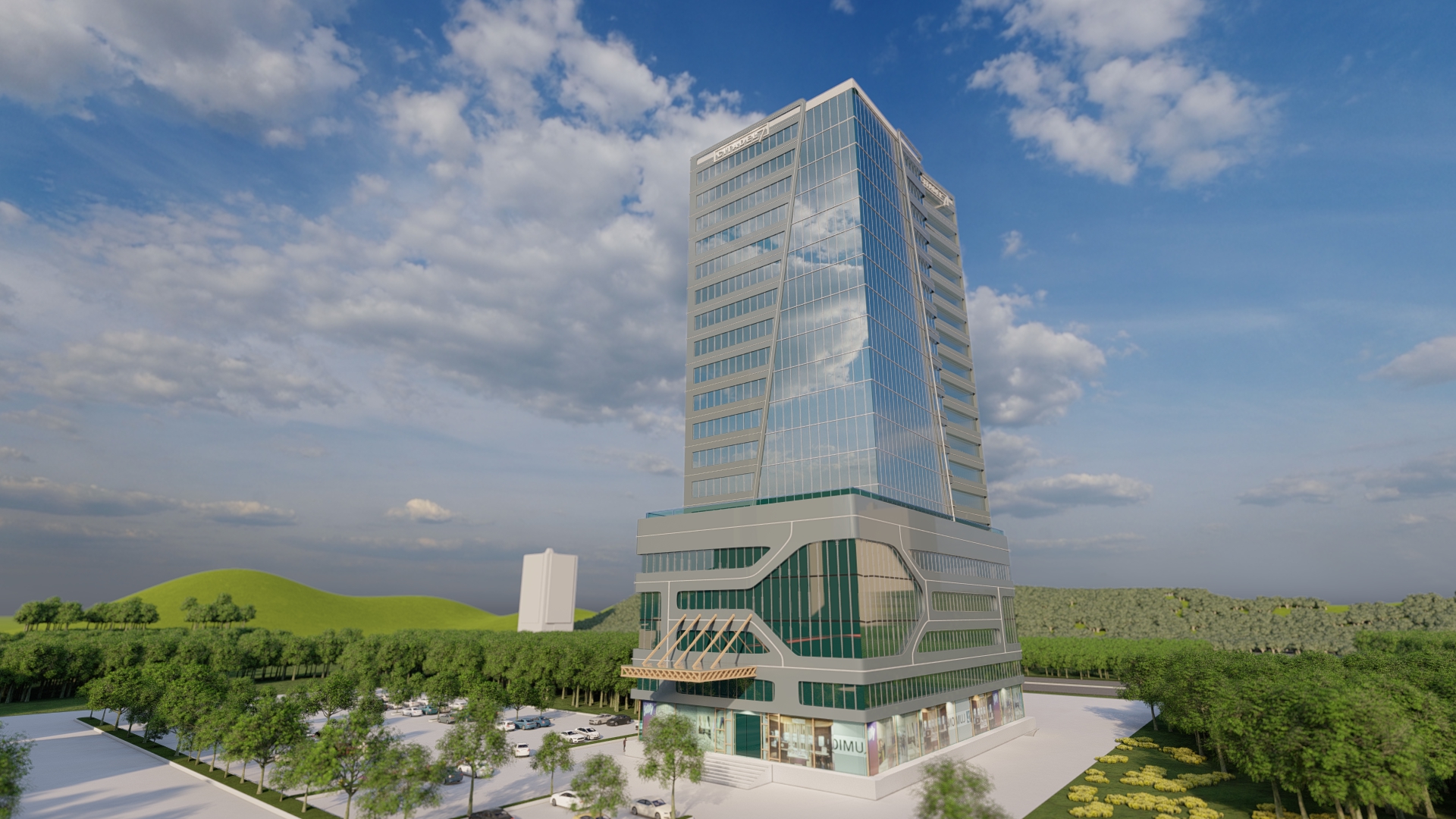
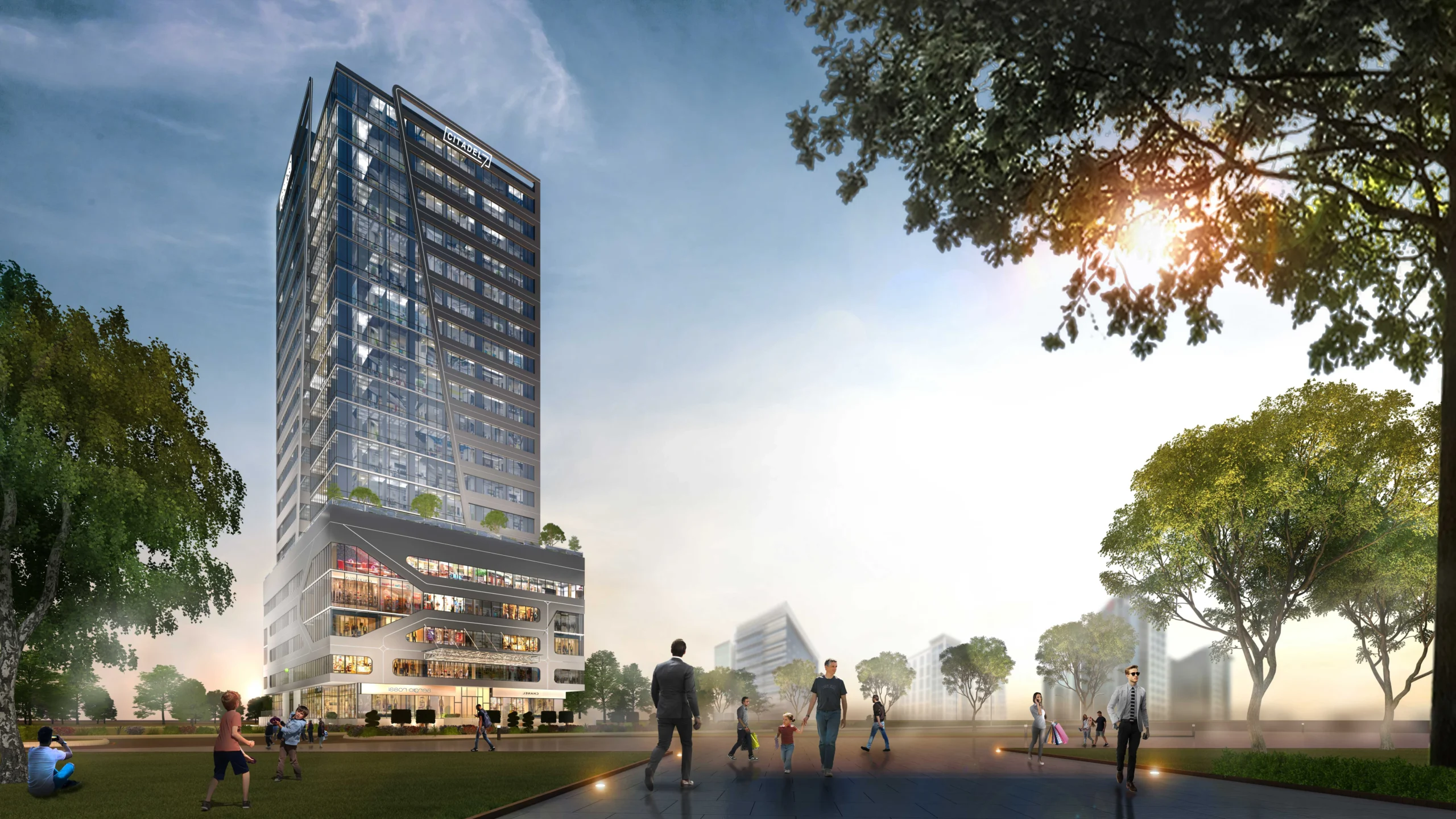
In the past, Islamabad’s corporate landscape was spread across low-rise buildings and disjointed office spaces. However, with rapid urbanization, increasing demand for premium commercial locations, and a limited horizontal footprint, businesses are now choosing to move upward literally. The emergence of vertical corporate towers is more than just an architectural trend; it’s a response to the changing dynamics of modern business needs. Citadel 7 appeared as an advanced commercial tower developed by Chakor Ventures in the Blue Area of Islamabad. More than just concrete and glass, it represents a new era of corporate real estate: smart, sustainable, and purpose-built for Pakistan’s evolving business needs.
Why Businesses Are Shifting to Vertical Corporate Towers
So, what’s driving this vertical revolution? Several key factors are encouraging businesses in Islamabad to move into corporate towers:
1. Efficient Land Use
With limited space in central areas like the Blue Area and G-8, vertical development enables the maximum utilization of high-value plots. A single commercial tower can house dozens of companies, retail outlets, and service providers, all in one secure and high-functioning environment.
2. Brand Visibility
A high-rise building instantly stands out in the urban skyline. Businesses housed in premium towers benefit from uninterrupted visibility, making a strong impression on clients, partners, and investors.
3. Modern Amenities
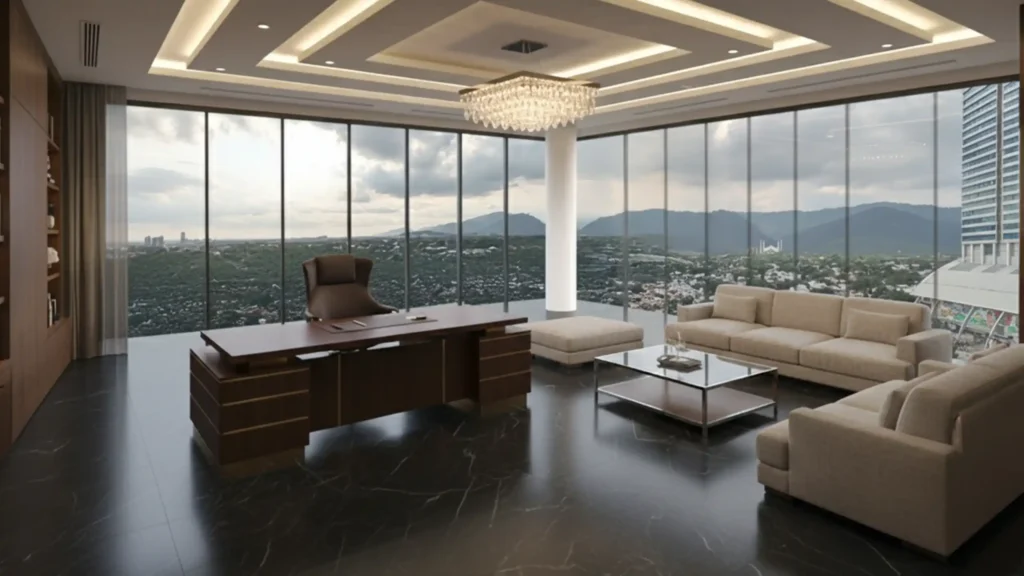
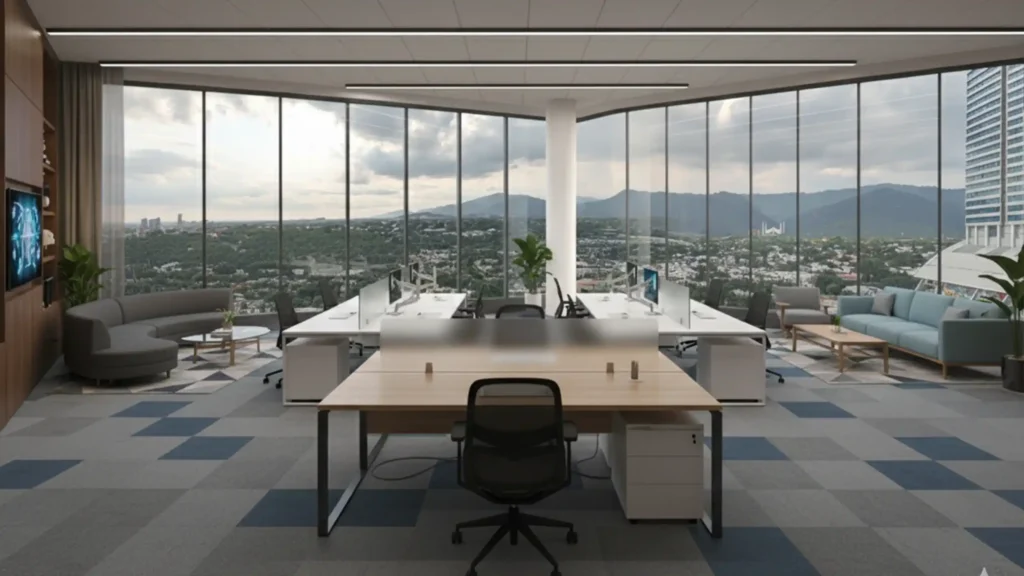
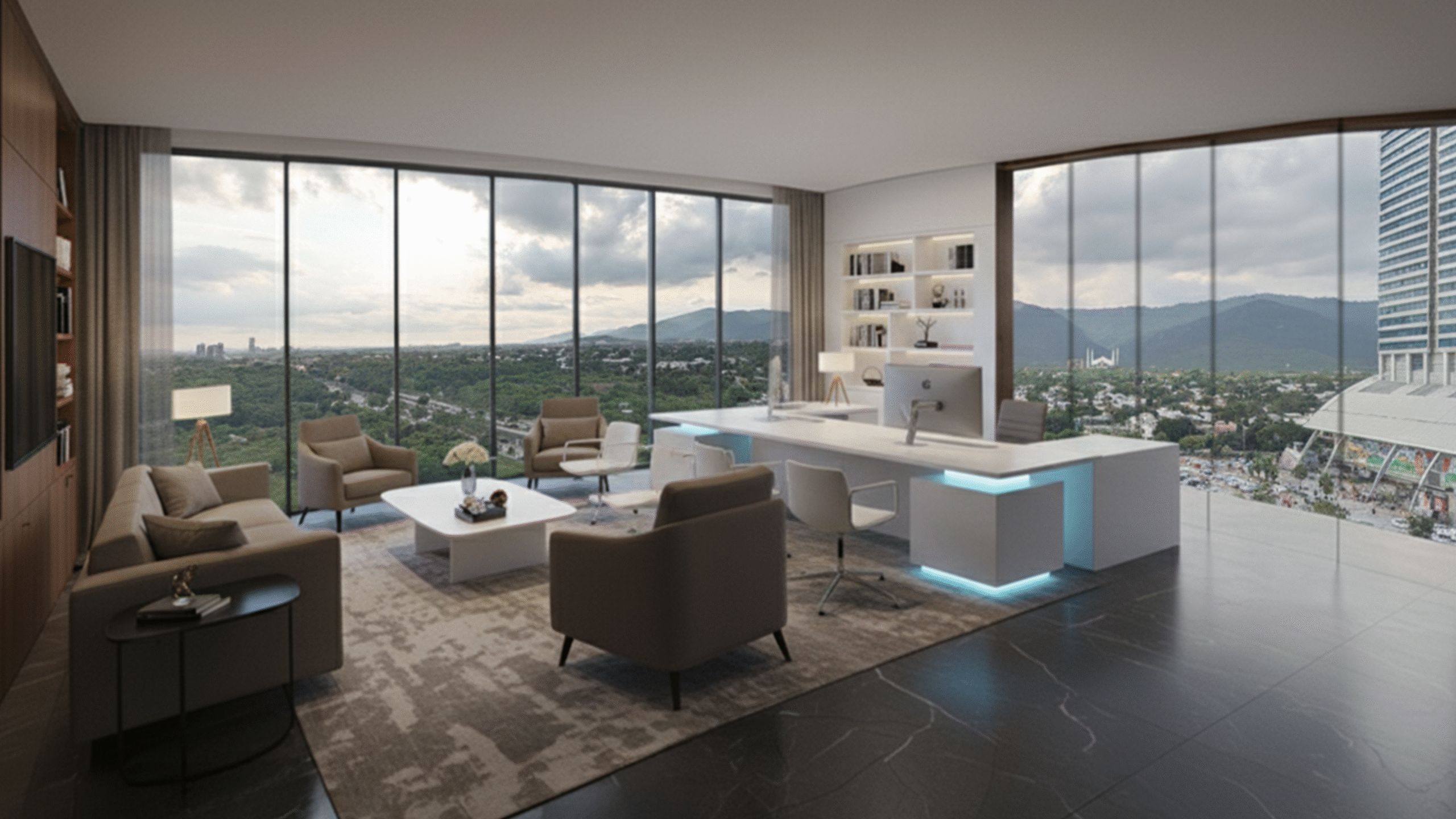
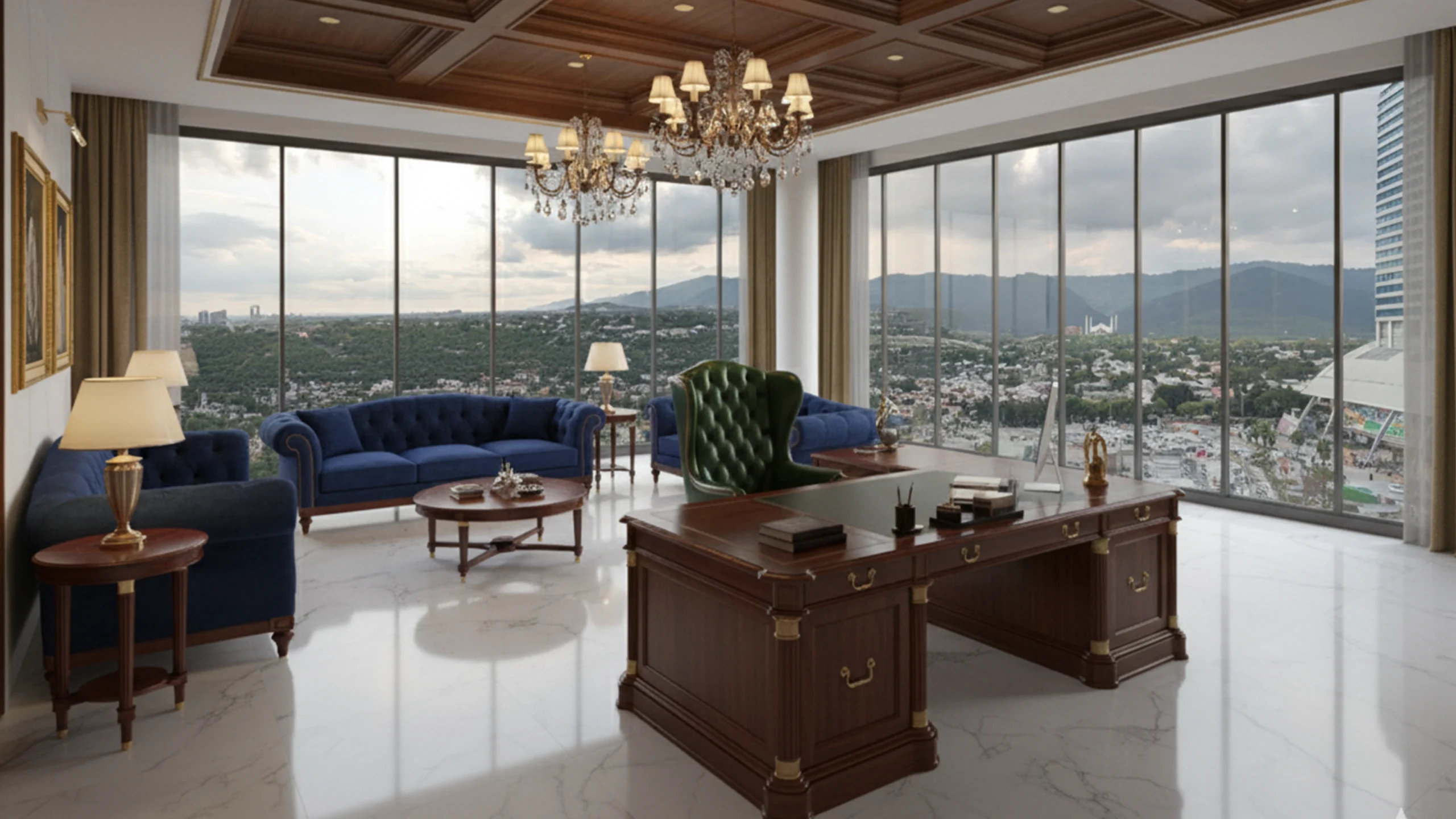
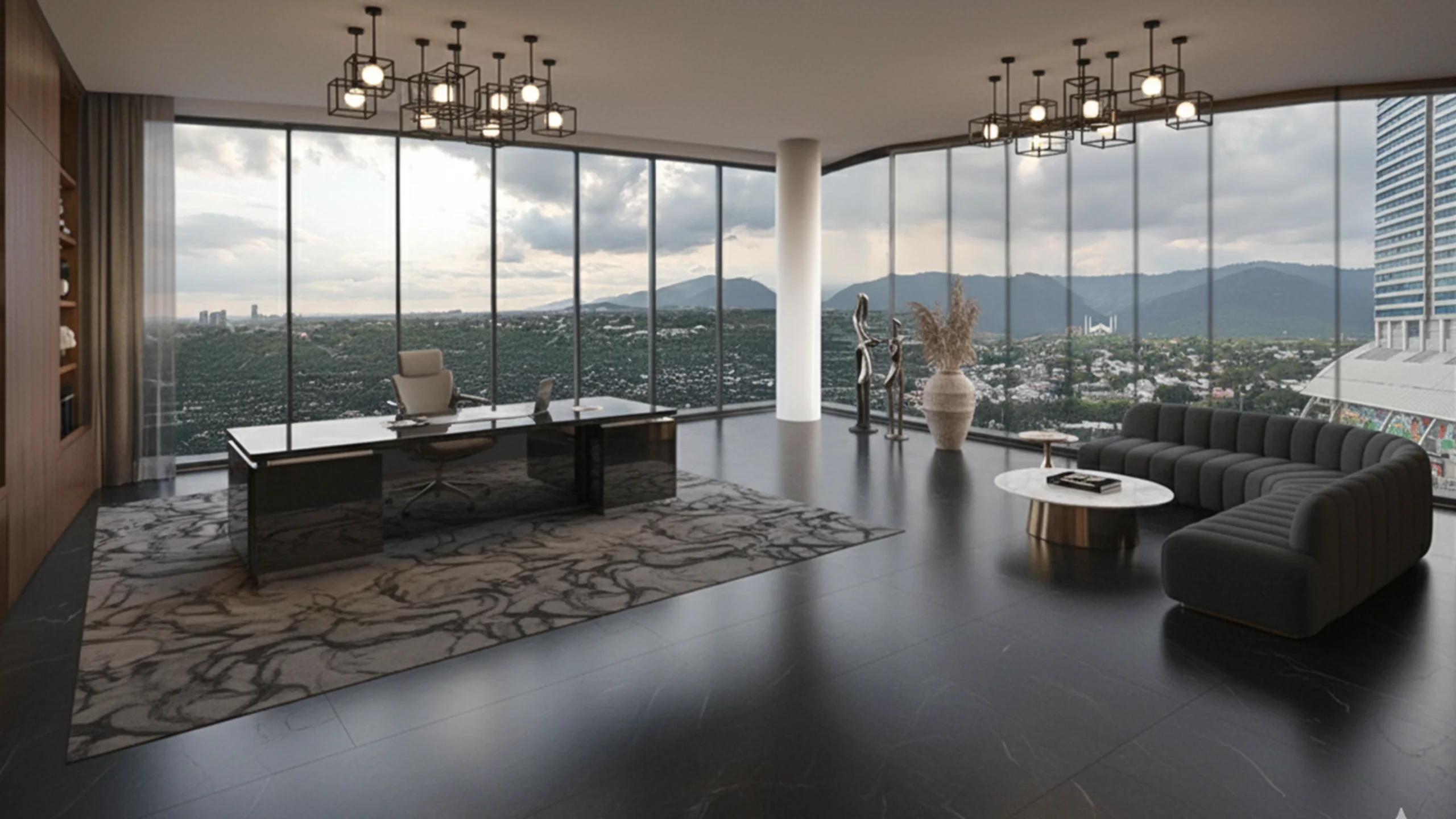
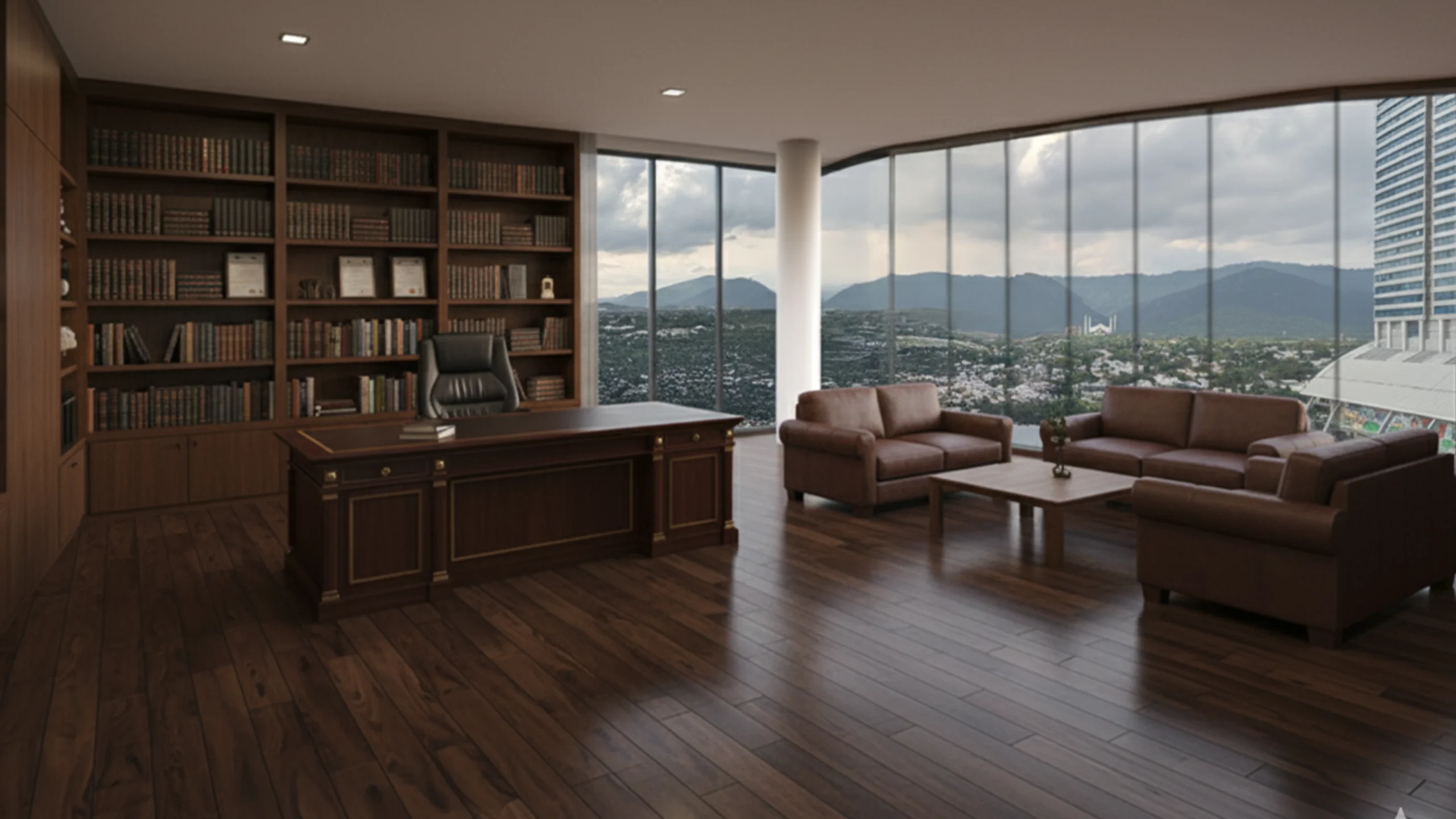
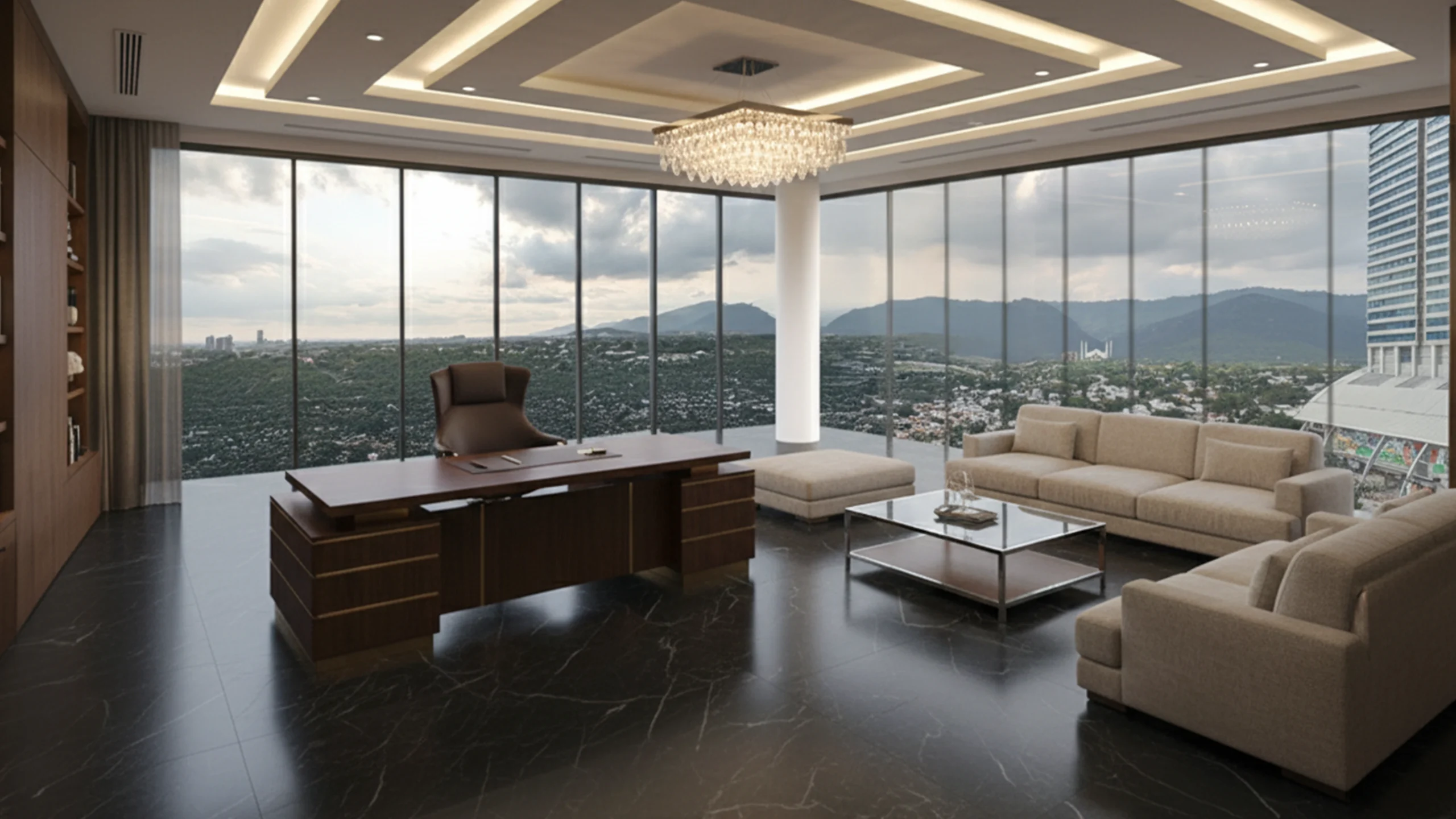
New corporate towers, such as Citadel 7, are equipped with amenities that reflect the future of work, including high-speed internet, intelligent climate control, zero electricity downtime, FTTO (Fiber to the Office), EV parking spots, and AI-enabled infrastructure, all of which are essential for modern business operations.
4. Centralized Location
Being situated in commercial hotspots like Islamabad’s Blue Area provides easier access for employees, clients, and suppliers. It also enhances credibility, as location often reflects professionalism and stability.
The Role of Real Estate Developers in Pakistan
This vertical growth wouldn’t be possible without the contributions of progressive real estatedevelopers in Pakistan, such as Chakor Ventures. Unlike traditional developers, they prioritize innovative design, advanced technology, and investor trust. Citadel 7, for example, isn’t just another high-rise; it’s a thoughtfully engineered environment designed for long-term value. From its seismic-resistant structure to the real-time construction countdown timer, every detail is built around performance and transparency.
Sustainability and Smart Design Go Hand in Hand
Vertical towers are also more sustainable than sprawling campuses. With shared utilities, optimized energy usage, and modern HVAC systems, corporate towers reduce the carbon footprint per square foot of commercial space. In projects like Citadel 7, smart systems automatically adjust heating and cooling based on occupancy, while AI-managed elevators reduce wait time and power use. Such innovations are becoming increasingly essential as businesses prioritize ESG (Environmental, Social, and Governance) standards.
Looking Ahead: A Skyward Future for Islamabad
As more businesses recognize the benefits of moving into vertical towers, Islamabad’s skyline is expected to continue evolving. These commercial towers symbolize more than urban development; they reflect ambition, growth, and a shift toward more innovative, more responsible ways of doing business. The days of scattered, outdated office buildings are giving way to sleek, high-performance environments. For businesses seeking to thrive in a competitive world, vertical corporate towers are no longer a luxury; they’re a necessity.
Ready to Elevate Your Business with Confidence?
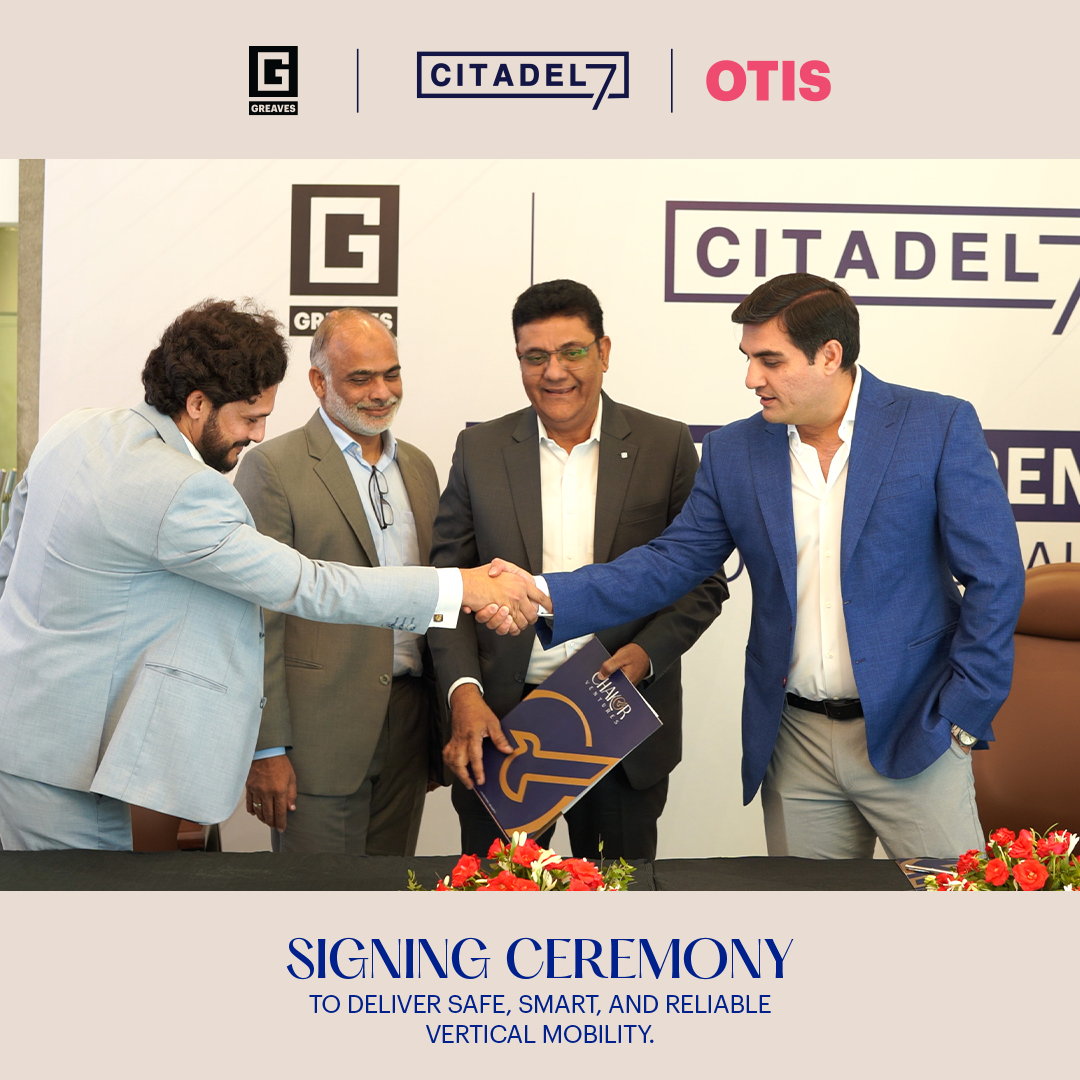
Citadel 7 isn’t just another tower; it’s a bold step into the future of business. Backed by smart design, AI-enabled amenities, advanced technology, a world-class elevator system, and the trust of a leading real estate developer in Pakistan, it’s where forward-thinking businesses belong. Take your next leap of faith and real estate investment, discover Citadel 7, and reserve your space in Islamabad’s most advanced corporate tower.


























 Notable Work: Shell House, LUMS campus buildings.