
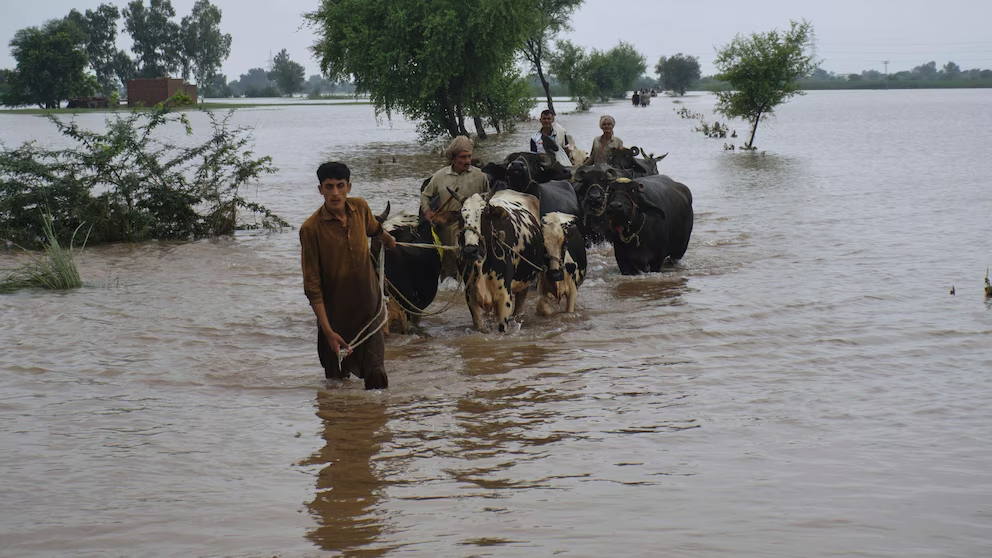

Floods are among the most destructive natural disasters, often arriving with little warning but leaving behind widespread devastation. In Pakistan, seasonal floods are no longer rare events, they are recurring crises intensified by climate change in Pakistan, poor drainage systems, and deforestation. The only way to minimize losses is through preparation, awareness, and strong safety measures that individuals and communities can practice before, during, and after floods. In this blog, Chakor provides a comprehensive guide to safety measures during flood in Pakistan.
Floods in Pakistan

Flooding has become a harsh reality in Pakistan’s history. Entire villages have been swept away, crops destroyed, and infrastructure reduced to rubble.
Families have been forced to abandon their homes, seeking shelter in makeshift camps or on rooftops surrounded by water.
In KPK, recent flash floods triggered by intense rainfall and glacial melting caused massive destruction. Towns like Swat and Buner witnessed people stranded without food or supplies as houses collapsed and bridges broke down. Hundreds of lives, including many children, were tragically lost.
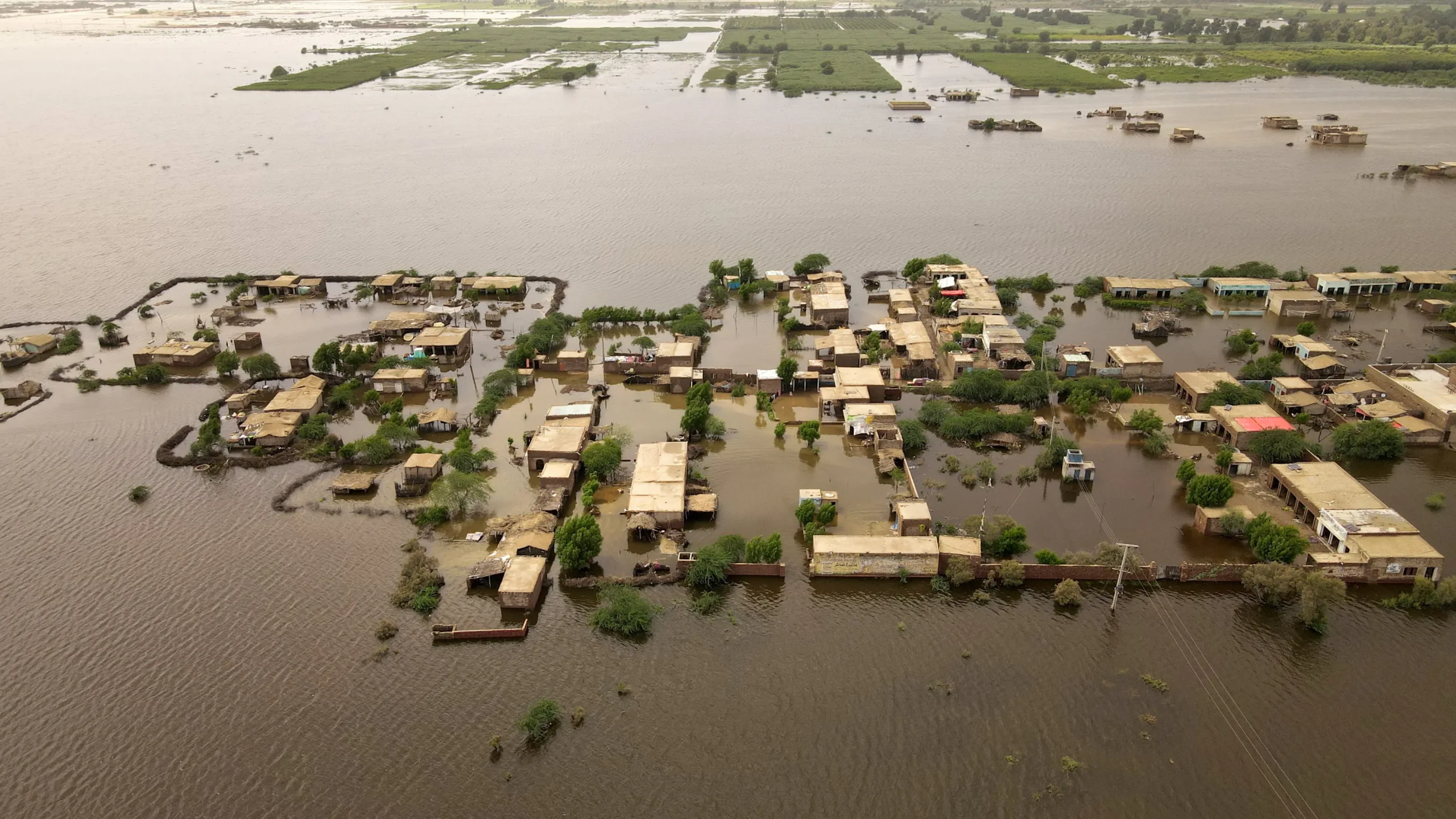
In Punjab, the situation has been equally dire. Overflowing rivers such as the Sutlej, Ravi, and Chenab have submerged entire farming communities. Millions have been displaced as embankments gave way and roads disappeared under water.
The devastation extends beyond homes; fields of crops have been destroyed, pushing families further into poverty and creating severe food insecurity.
These floods don’t just wash away property; they leave long-term scars on infrastructure, education, health, and the economy.
Reasons for floods also include sewage blockages, stagnant water, and destroyed drainage channels, which add to the suffering, creating a breeding ground for disease outbreaks.
Precautionary and Safety Measures During Flood
Flood preparedness is not only the government’s responsibility.
Individuals, families, and communities must also take steps to protect themselves. Below are comprehensive safety measures tailored for Pakistan’s context:
1. Pre-Flood Preparation

- Clean streets and sewerage channels: Individuals and local governments must ensure that waste does not clog drains. Blocked channels worsen waterlogging during heavy rains.
- Water harvesting at home: Collect rainwater in safe storage tanks. This not only helps reduce surface runoff but also provides a clean water supply in case of contamination.
- Stay updated: Keep track of NDMA, PDMA, and Rescue 1122 alerts during the monsoon season. Early warnings can save lives.
2. Emergency Kits/Go Bags

Prepare an emergency bag in advance, including:
- Essential medications
- Non-perishable food and clean drinking water
- Clothes, blankets, and hygiene products
- Flashlight, batteries, and a power bank
- Copies of important documents (CNIC, property papers, bank records)
- Cash in small denominations
This kit should be kept in a waterproof bag, ready to grab at a moment’s notice.
3. Safety Measures During Flood

- Do not walk through floodwaters: Even shallow water can hide open drains, sharp debris, or dangerous currents.
- Stay away from rivers, streams, and storm drains: Riverbanks and canal edges are particularly unsafe during floods.
- Turn off electricity and gas before leaving home or if water enters the house.
- Move to higher ground immediately if water levels rise.
4. Protection Against Water-Borne Diseases
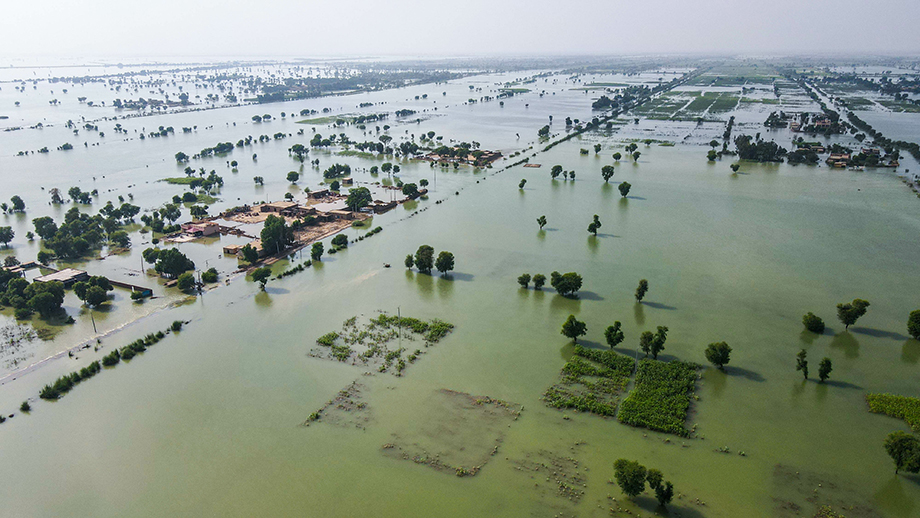
After floods, stagnant water becomes a breeding ground for diseases like dengue, malaria, diarrhea, and cholera. To stay safe:
- Use mosquito nets, mosquito coils, and repellents such as Mospel.
- Drink boiled or bottled water only.
- Wash hands frequently with soap or sanitizer.
- Avoid consuming food that may have been in contact with floodwater.
5. Food Safety & Packing Essentials
- Carry dry, packaged foods such as biscuits, rice, and lentils.
- Store food in waterproof containers.
- Always prioritize clean drinking water over food, as dehydration during emergencies is life-threatening.
6. Post-Flood Recovery
- Thorough cleaning: Wash and disinfect homes, furniture, and utensils after floodwater recedes.
- Street sanitation: Community efforts to clear debris and sludge are essential for preventing epidemics.
- Health check-ups: Visit nearby medical camps for screenings and vaccinations to avoid delayed disease outbreaks.
7. Long-Term Structural Awareness
- Support and demand the construction of dams, levees, and embankments. These are critical for regulating river flows and storing excess rainwater.
- Encourage flood-resilient urban planning, including proper drainage systems and zoning laws to prevent construction on riverbeds.
- Participate in awareness campaigns about climate change and disaster preparedness.
Safety Measures During Flood | Checklist
| Stage | Key Actions | Safety Measures During Flood |
| Before Floods | – Clean streets and drainage channels
– Set up rainwater harvesting systems for safe storage – Prepare an emergency bag (medicines, food, clothes, documents, flashlight, cash) – Stay updated with NDMA/PDMA alerts |
| Safety Measures During Flood | – Avoid walking or driving through floodwater
– Stay away from rivers, canals, and storm drains – Move to higher ground quickly – Switch off electricity and gas – Keep your emergency bag with you |
| Health & Hygiene | – Use mosquito nets, repellents (Mospel), and coils
– Drink only boiled or bottled water – Wash hands regularly – Avoid food contaminated by floodwater |
| Food & Essentials | – Carry dry, packaged food in waterproof containers
– Store safe drinking water – Keep cash and emergency contact numbers handy |
| After Floods | – Clean and disinfect homes and streets
– Clear debris and stagnant water – Get medical checkups and vaccinations – Reconnect electricity/gas safely with professional help |
| Long-Term Prevention | – Support construction of dams and embankments
– Advocate proper drainage and flood-resilient urban planning – Promote rainwater harvesting awareness at the community level – Join community awareness and preparedness drills |
Institutional Support Systems
Flood safety is a shared responsibility between citizens and institutions. In Pakistan, several organizations are actively working to protect communities:
- Rescue 1122: Emergency response service available across multiple provinces for fire, medical, and rescue operations.
- NDMA (National Disaster Management Authority) and PDMAs (Provincial Disaster Management Authorities): These bodies issue flood warnings, flash flood warning, organize evacuations, and coordinate relief operations.
- Federal Flood Commission (FFC): Responsible for managing Pakistan’s flood protection infrastructure.
- National Institute of Disaster Management (NIDM): Works on training, policy, and public awareness for disaster preparedness.
By following their guidance, communities can better prepare for and respond to floods.
Safety Measures During Flood | Conclusion
Floods in Pakistan are no longer occasional events; they are recurring crises demanding vigilance. From flash flood in Punjab to overflowing rivers, the destruction of homes, crops, and infrastructure continues to threaten lives.
Safety measures during flood begin with awareness and end with action. Together, we can build resilience against these natural disasters and safeguard the future of Pakistan.
For more information on flash vs. riverine flood, visit Chakor blogs.
