

When looking for investment options that are both profitable and aligned with Islamic principles, real estate in Pakistan stands out as one of the best halal investments. Real estate offers not only the potential for steady income and long-term capital appreciation but also aligns with Shariah law, making it an attractive choice for ethical investors. Let’s explore why real estate is the ideal halal investment and why it stands out in the Pakistani market.
What Does Halal Investment Mean?

A halal investment is one that complies with Shariah law. This means avoiding any involvement with activities prohibited in Islam, such as:
- Riba (interest): Prohibited interest-based transactions.
- Gharar (uncertainty): Excessive uncertainty or speculation.
- Haram (forbidden): Investments in industries like alcohol, gambling, and others are deemed unethical.
Real estate in Pakistan is considered halal because it is based on physical assets and does not involve interest-based financing if done correctly.
Why is Real Estate Considered Halal?
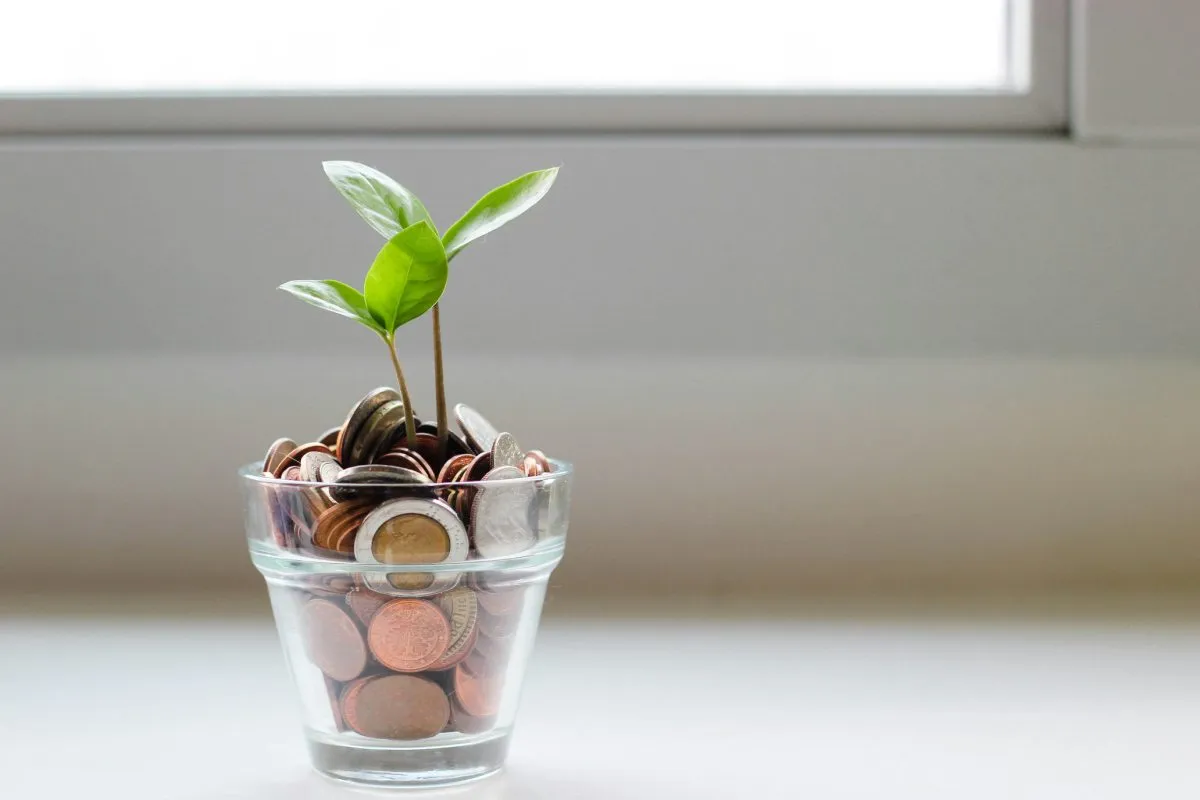
Real estate is often deemed the best halal investment for the following reasons:
- Tangible Asset: Unlike stocks or bonds, real estate is tangible and concrete. Investors own a physical property that holds intrinsic value.
- Rental Income: Income earned from property rentals is halal, provided the transaction doesn’t involve interest-based financing.
- Capital Appreciation: Over time, the value of the property increases, allowing investors to benefit from long-term wealth growth without violating Shariah principles.
- Shariah-Compliant Financing: You can finance real estate investments through interest-free models like Ijarah (leasing) or Musharakah (joint venture), ensuring compliance with Islamic law.
Key Benefits of Real Estate Investment in Pakistan
Pakistan’s real estate market offers several advantages, especially for halal investors. Here are some of the key benefits:
| Benefit | Description |
| High Growth Potential | Urbanisation in cities like Islamabad and Lahore creates demand for properties. |
| Steady Cash Flow | Rental income offers a consistent, reliable source of passive income. |
| Capital Appreciation | Property values tend to rise over time, increasing your wealth. |
| Inflation Hedge | Real estate can protect against inflation, preserving your capital. |
| Shariah Compliance | Real estate can be financed using interest-free, halal methods like Ijarah. |
These benefits make real estate investment an ideal way to build wealth in a profitable and ethical manner.
Risks and Considerations
Like any investment, real estate comes with its own set of risks. Here are some things to consider:
- Market Fluctuations: Property values may fluctuate in the short term. While long-term growth is typical, short-term dips can occur.
- Liquidity: Real estate is not as liquid as stocks or bonds. Selling property to access cash quickly can take time.
- Legal & Documentation Issues: Always ensure that the property is legally sound and properly documented to avoid future disputes.
- Interest-Free Loans: To remain Shariah-compliant, avoid interest-based loans. Opt for Islamic financing options like Diminishing Musharakah or Ijarah.
How to Ensure Shariah Compliance When Investing in Real Estate?
To ensure your investment in real estate is halal, follow these tips:
- Seek Shariah-Compliant Financing: Always choose financing options that avoid interest-based loans, such as Ijarah (leasing) or Musharakah (joint ownership).
- Avoid Haram Activities: Ensure the property you invest in doesn’t host businesses engaged in prohibited activities, such as gambling or alcohol.
- Consult Shariah Scholars: If unsure, consult with an Islamic finance expert or Shariah scholar to verify compliance.
- Perform Due Diligence: Always check the property’s legal status, ownership, and documentation before investing.
How to Start Investing in Real Estate in Pakistan?
Investing in real estate in Pakistan can be a highly rewarding endeavour, especially when done correctly. Whether you are a first-time investor or have some experience, there are key steps you should follow to ensure success in this lucrative market.
Here’s a step-by-step guide on how to start your real estate investment journey in Pakistan:
Understand the Real Estate Market
Before making any investment decisions, it’s essential to understand the real estate market in Pakistan. The market can vary significantly across cities, with investment opportunities that differ by location.
Key factors to consider include:
- Urban Growth Areas: Cities like Islamabad, Lahore, and Karachi are rapidly urbanising, and areas near business districts, commercial hubs, or educational institutions tend to offer higher returns.
- Market Trends: Understand whether the market is currently in a boom or a downturn. Analyse historical price trends to gauge whether the area you are considering is growing or stagnant.
- Types of Properties: Understand the different types of properties available for investment, residential, commercial, and land.
- Resources to Research: Use platforms such as real estate websites, property forums, and real estate blogs to understand current trends, forecasts, and the best-performing areas.
Define Your Investment Goals and Budget
Real estate investment requires significant capital, and understanding your goals will help you choose the right investment type.
Ask yourself questions such as:
- Are you looking for long-term capital appreciation, or do you prefer a regular income stream from rentals?
- Are you planning to sell the property in the short term for quick profits, or do you want to hold the property for decades?
- What is your tolerance for risk? Are you okay with speculative investments, or do you prefer safer, more established properties?
Budgeting
-
- Initial Investment: Make sure you have a clear budget for the property price and related costs such as taxes, registration, legal fees, and renovation costs.
- Maintenance and Upkeep: Properties require ongoing maintenance, especially if they are rented out. Factor in these costs as well.
- Financing Options: Consider how you will finance the property. If you don’t have enough cash for a full purchase, look into Shariah-compliant financing options like Ijarah (leasing) or Diminishing Musharakah (joint venture).
Choose the Right Type of Property
There are three main types of properties you can invest in, each with its own benefits and challenges:
| Property Type | Description | Best For |
| Residential Properties | Includes houses, apartments, and villas. These are usually rented out for long-term income. | Long-term investors looking for steady rental income. |
| Commercial Properties | Office buildings, retail spaces, or industrial properties. Typically more expensive but offer higher returns. | Investors seeking higher yields or business owners looking for office space. |
| Land | Undeveloped or agricultural land. Land prices often appreciate faster than built properties. | Investors are looking for long-term capital appreciation or future development potential. |
- Residential Properties: These are the most common types of real estate investments. They provide a steady cash flow from rental income and are often more affordable than commercial properties.
- Commercial Properties: Although commercial properties can be more expensive, they often come with higher returns.
- Land Investment: Land is often considered a long-term investment, with significant appreciation in areas where infrastructure is being developed. However, it may take time to realise a return, as it doesn’t generate immediate rental income.
Select the Right Location
- Proximity to Key Areas: Invest in areas close to key amenities such as schools, hospitals, shopping centres, and transportation hubs.
- Infrastructure Developments: Look for areas where government or private projects are planned, such as new highways, universities, or business hubs.
- Neighbourhood Quality: Pay attention to the neighbourhood’s overall safety, cleanliness, and development.
Financing Your Investment
If you do not have enough cash to purchase a property outright, there are several financing options available. However, it’s crucial to ensure that the financing methods you choose comply with Shariah law:
- Shariah-Compliant Financing Options: Opt for Islamic finance models such as Ijarah (lease-to-own) or Diminishing Musharakah (joint ownership). These methods avoid the use of interest (riba), ensuring compliance with Islamic law.
- Real Estate Investment Trusts (REITs): If you prefer a more hands-off approach to real estate investing, consider investing in Shariah-compliant REITs.
Legal Due Diligence
- Verify Ownership: Ensure that the seller has a clear title to the property and that it is free from any legal disputes or encumbrances.
- Check Zoning Regulations: Verify that the property is zoned for the intended use (e.g., residential, commercial).
- Contract and Documentation: Ensure that all agreements are legally binding and clearly outline the terms of the transaction, including price, payment schedule, and delivery date.
Manage Your Investment
- Rental Management: If you are renting out the property, you’ll need to ensure proper tenant management, including collecting rent on time and handling maintenance issues.
- Maintenance: Regular maintenance helps preserve the property’s value and keeps it attractive to tenants or buyers.
Conclusion | Best Halal Investment in Pakistan
This was all about finding the best halal investment in Pakistan. For more information on relevant topics such as investing in real estate in Pakistan, visit Chakor Ventures.
