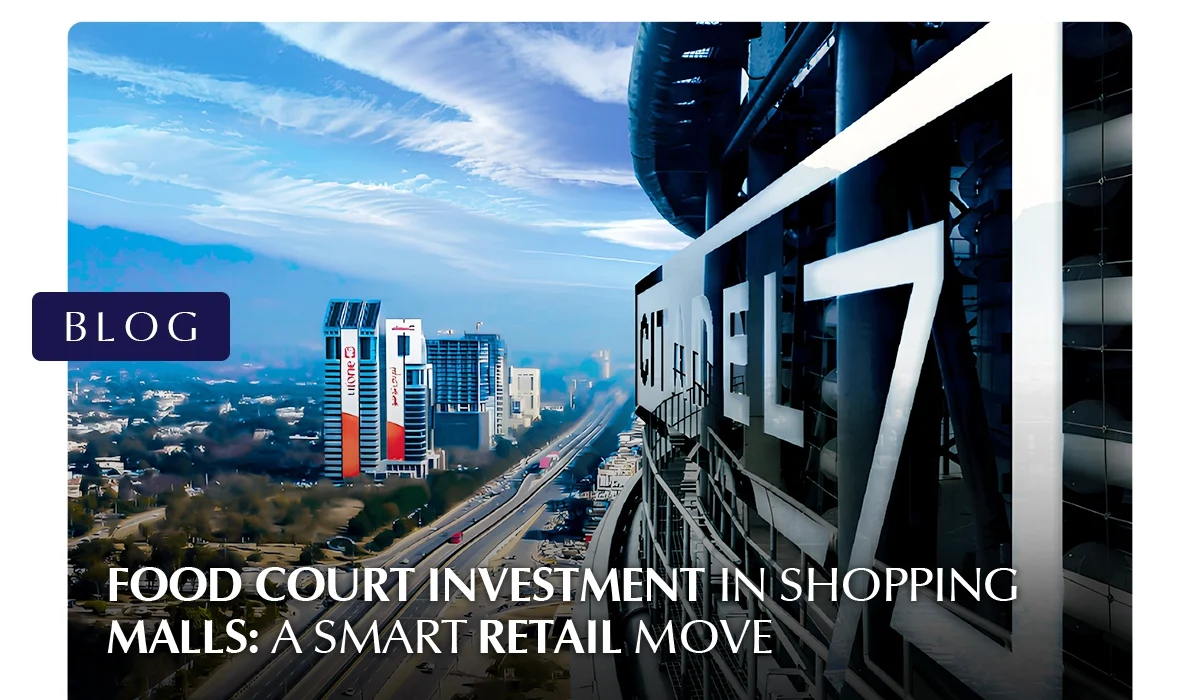

Citadel 7 glass facade milestone achieved
CategoriesCitadel 7 Press Release

Citadel 7 Achieves Landmark Glass facade Milestone, Redefining High-Rise Architecture in Pakistan

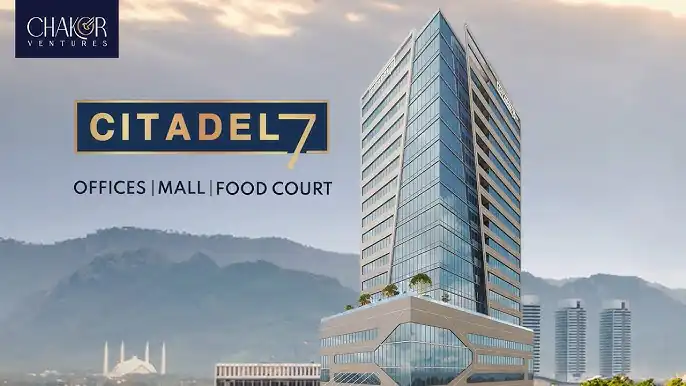
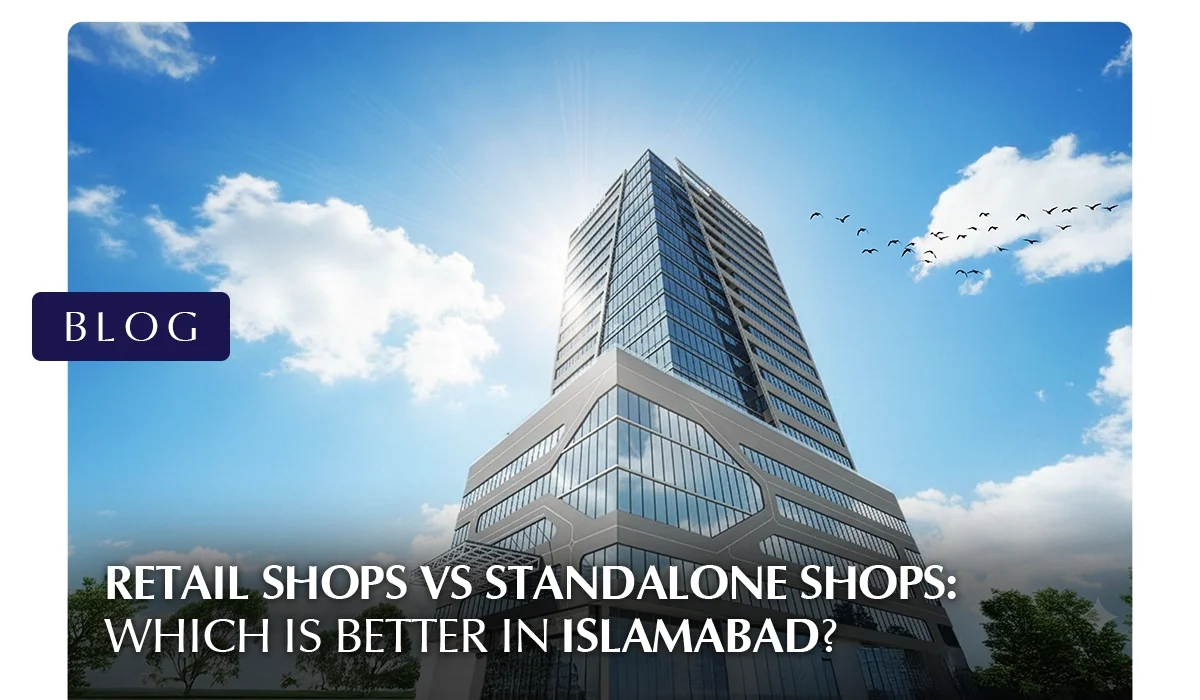
Islamabad, December 22, 2025: A significant construction milestone has been achieved, with Citadel 7’s iconic glass facade now in place. As a result, prices for Citadel 7 units are set to change soon, reflecting the project’s growing value. The achievement marks a transformative moment in Pakistan’s architectural and real estate landscape and positions Citadel 7 as the country’s first 3D glass high-rise corporate tower.

Developed by Chakor Ventures and located in Islamabad’s prestigious Blue Area, Citadel 7 features Pakistan’s most premium and technologically advanced facade to date. The fully imported 3D glass system showcases exceptional precision, innovation, and contemporary design, seamlessly blending aesthetics with advanced engineering.

This development is the result of a landmark collaboration between Gutmann (Germany), a globally renowned glass facade systems manufacturer, and ZKS (Pakistan), a leading facade solutions provider. Their combined expertise has delivered climate-resilient, world-class facade technology tailored to local conditions.

Citadel 7 is also Pakistan’s first 3D glass building with pop-out windows, enhancing natural ventilation, daylight control, and energy efficiency. With LEED-aligned design, thermal insulation, and soundproofing, Citadel 7 stands as a future-forward landmark defining the next era of glass high-rise architecture in Pakistan.

gold investment in pakistan
CategoriesCitadel 7 Investment

Gold Investment in Pakistan vs. Property: Which is the Smarter Long-Term Hold?

Pakistan’s investment landscape offers a variety of options, but two assets consistently stand out: gold and property. Both have proven valuable for protecting wealth and providing long-term growth, making them popular choices for investors looking to secure their financial future.

However, each investment option comes with its unique set of benefits, risks, and considerations. When it comes to long-term investment decisions, making the right choice is crucial. In this blog, we will compare two of the most common investment options: gold investment in Pakistan and property investment.

We will explore the key factors you should consider, including liquidity, long-term growth potential, risks, and the possibility of generating passive income. By the end of this article, you’ll have a clearer understanding of which option may be better suited to your investment goals and risk profile. For more details, keep reading.

Gold Investment in Pakistan

gold investment in Pakistan

In the following paragraphs, you will find the significant reasons to invest money in gold in Pakistan.

1. Gold as an Investment Asset

Gold is widely regarded as a globally recognised asset and a reliable hedge against inflation. Its value tends to remain stable, or even increase, during periods of economic uncertainty, making it a safe haven for investors. 

One of the key advantages of investing in gold is its strong liquidity. Unlike some other assets, gold can be quickly bought or sold in virtually any market worldwide, providing investors with immediate access to cash if needed.

Moreover, gold doesn’t require the same level of maintenance as physical assets like property. There are no property taxes, repairs, or insurance costs to worry about, making it an attractive investment for those who prefer low-maintenance assets. 

This ease of management adds to gold’s appeal, particularly for those who wish to avoid the complexities of handling physical property.

Types of Gold Investment

gold bar for gold investment in Pakistan

Investors in Pakistan have several options for investing in gold, ranging from physical gold to financial products that offer exposure to gold prices.

  • Physical Gold: This includes buying gold jewellery, coins, or bars. Many people prefer this tangible form of investment, as it provides a physical asset that can be stored or even passed down through generations. However, this type of investment comes with the responsibility of ensuring its secure storage and proper insurance.
  • Gold Funds: For those who don’t want to deal with the complexities of storing physical gold, gold mutual funds offer a Shariah-compliant way to gain exposure to gold. These funds pool money from multiple investors to invest in gold assets, providing the same benefits as owning physical gold but without the need for storage or security concerns. 

Pros of Gold Investment

  • Liquidity & Accessibility: Gold is easy to trade and liquidate, allowing investors to access their funds quickly in times of need.
  • Hedge Against Inflation: Gold’s value tends to rise during periods of high inflation, helping preserve the purchasing power of investments.
  • Low Maintenance: No ongoing property taxes, repairs, or insurance costs, making gold a hassle-free asset to hold over the long term.

Pros of Gold Investment

  • No Passive Income: Unlike property, gold does not generate rental income or dividends. Investors must rely on price appreciation for returns.
  • Price Volatility: Gold prices can be volatile, with significant fluctuations depending on global economic conditions. This means that while gold is considered a safe asset, it still carries some risk, especially over shorter time frames.
  • Storage Costs: If investing in physical gold, the costs of securing and insuring the gold can reduce overall profitability.

Property Investment in Pakistan

gold Investment in Pakistan

Real estate has long been one of the most popular investment choices in Pakistan due to its tangible nature and potential for significant long-term growth. As a physical asset, property offers investors a sense of security and a stable store of value, particularly in uncertain economic times.

One of the key attractions of real estate investment is the potential for rental income. Residential and commercial properties in high-demand areas can provide steady cash flow through rent, making them a reliable source of passive income for investors.

Additionally, real estate offers the opportunity to leverage financing options. Unlike gold or other assets, property investors can often borrow significant amounts of capital through mortgages, enabling them to purchase more valuable properties than they could otherwise afford.

Real Estate Pros

  • Appreciation Over Time: Real estate tends to appreciate in value, particularly in developing urban areas or regions with increasing demand. Properties in prime locations can see significant long-term growth.
  • Steady Passive Income: Rental properties generate regular income, which can supplement your earnings and provide financial security.
  • Tangible Asset: Unlike stocks or other financial instruments, property is a physical asset that holds intrinsic value and offers a sense of stability.

    Real Estate Pros & Cons

  • Less Liquid than Gold: Selling a property can take time, and transaction costs (including real estate agent fees and taxes) can be high. This makes real estate a less liquid investment compared to gold or other assets.
  • Requires Maintenance & Taxes: Properties require ongoing maintenance, repairs, and insurance. Additionally, owners must pay property taxes, which can add to the overall cost of investment. This is in contrast to assets like gold, which require little upkeep.

Current Market Trends (2025)

gold investment in pakistan animation

The real estate market in Pakistan is expected to remain strong in 2025, with significant growth in major urban centres like Karachi, Lahore, and Islamabad.

As these cities continue to expand, demand for residential, commercial, and industrial properties increases. Commercial projects like Citadel 7, a corporate tower in Islamabad, are prime examples of this.

Government initiatives, such as infrastructure development, are also driving growth in the sector, creating new investment opportunities.

Top Investment Options in Real Estate

  • Residential Properties: Apartments, houses, and plots in urban centres are always in demand due to growing populations and urbanisation. Areas such as DHA (Defence Housing Authority) in Lahore and Karachi are beautiful for long-term investment.
  • Commercial Properties: Offices, retail spaces, and warehouses can offer high returns, particularly in bustling business districts or emerging commercial hubs.
  • Plots in Developing Areas: Investing in land in developing areas or near major infrastructure projects (such as new highways or metro lines) can be highly lucrative, as land prices in these areas tend to rise sharply once development picks up.
  • Real Estate Investment Trusts (REITs): For investors seeking a more passive approach to real estate investing, REITs offer exposure to large-scale properties without the hassle of managing them directly.

Key Considerations

  • Location is critical to the success of any real estate investment. Properties in prime locations, such as near commercial hubs, schools, and transportation links, tend to yield better returns over time.
  • Urban Growth: With cities expanding rapidly, particularly in Lahore, Islamabad, and Karachi, urban growth is a major driver of rising property values. Investing in these growing cities can be particularly profitable for long-term investors.

Property Investment vs. Gold Investment in Pakistan

Feature Gold Investment Property Investment
Liquidity High: Gold can be easily bought and sold globally. Low: Selling property can take time due to market conditions.
Income Generation No passive income (unless through gold funds). Yes: Generates rental income from residential or commercial properties.
Capital Requirements Low: Can start with small amounts (even as little as 1 gram). High: Requires significant upfront capital for purchase and maintenance.
Maintenance Minimal: No ongoing costs unless storing physical gold. High: Requires maintenance, property taxes, repairs, and insurance costs.
Appreciation Potential Steady over the long term, but can fluctuate. High: Properties, especially in growing areas, generally appreciate significantly over time.
Risk Factors Price volatility, inflation risks, storage/insurance costs. Market fluctuations, property taxes, and high transaction costs.
Passive Income No rental or dividend income. Yes: Consistent rental income from tenants.
Tangibility Physical gold is tangible but requires secure storage. Highly tangible asset, offering physical security and long-term stability.
Tax Implications No taxes on gold unless sold at a profit Property taxes, capital gains taxes upon sale, and ongoing insurance costs.
Diversification Acts as a hedge against inflation and financial market volatility. Provides portfolio diversification, especially when combined with other asset types.
Time Horizon Short to long-term: Can be held or traded based on market conditions. Long-term: Property investments typically require a more extended holding period to realise significant returns.

Conclusion | Gold Investment in Pakistan

In conclusion, both gold investment and property investment in Pakistan offer distinct advantages depending on your financial goals and risk appetite. Gold is a highly liquid, low-maintenance asset that serves as a hedge against inflation, making it ideal for those seeking stability and quick access to their capital. 

However, it cannot generate passive income and is subject to price volatility. On the other hand, property investment offers the potential for steady rental income and long-term capital appreciation, making it attractive to those looking to build wealth over time.

While real estate requires significant upfront capital and ongoing maintenance, its tangible nature and growth potential in emerging urban areas make it a favoured choice for many investors.

Ultimately, the right choice for you will depend on your financial goals, risk tolerance, and investment timeline. A diversified approach that includes both assets may also be worth considering for balanced long-term growth.

For more information on investment-related topics, such as finding the best return on investment in Pakistan, visit Chakor Ventures.

Understand how your investment performs over time with our inflation-adjusted real estate ROI calculator.

FAQs | Gold Investment in Pakistan

The following are some of the top FAQs about gold investment in Pakistan vs real estate investment in Pakistan.

What is digital gold investment in Pakistan?

Digital gold allows investors to buy gold in digital form, without the need for physical storage, through online platforms.

How to buy gold coins safely in Pakistan?

For gold investment in Pakistan, buy gold coins from reputable dealers or certified stores to ensure authenticity and proper documentation.

Compare gold investment options offered by Pakistani banks.

Pakistani banks offer options like gold savings accounts, gold-backed bonds, and gold mutual funds, each with varying degrees of risk and returns.

What are the investment risks associated with gold in Pakistan’s market?

Gold investment in Pakistan comes with risks, including volatility, storage costs (for physical gold), and potential liquidity issues during market downturns.

Is gold a good investment in Pakistan?

Gold is a stable hedge against inflation and a safe haven. Gold investment in Pakistan is a good long-term investment.

Is gold or FD better?

Gold offers potential for higher returns and is a hedge against inflation, while FDs provide guaranteed returns but lower risk.

What is the best investment in Pakistan right now?

The best investment in Pakistan depends on your goals, but options like gold, property, and stocks are popular choices based on current trends.

What are the benefits of gold investment in Pakistan?

Gold offers liquidity, inflation protection, and stability, making it a reliable choice for investors seeking low-maintenance assets.

How to invest in gold in Pakistan.

To invest in gold in Pakistan, you can buy physical gold (coins, jewelry, bars), invest in gold mutual funds, or trade digital gold through online platforms.

CategoriesCitadel 7

Investment in Karachi: Why the City of Lights is Still a Top Real Estate Investment in Pakistan

Looking for a city where real estate investments shine? Karachi, Pakistan’s bustling economic hub, has long been a prime destination for investors seeking high returns. Despite market fluctuations, investment in Karachi remains a top choice, driven by its robust infrastructure, growing population, and promising real estate investment opportunities. Whether you’re eyeing residential, commercial, or rental properties, Karachi offers something for every investor. For further details, keep reading the Chakor Blog.

Why Karachi Still Leads in Real Estate Investment

In the following paragraphs, you will find the reasons why real estate still leads in Karachi.

Economic Powerhouse & Strategic Role

Karachi stands as Pakistan’s financial and industrial capital, housing the country’s principal port and hosting numerous multinational companies. This makes it a vital centre for trade, commerce, and industry, attracting businesses and talent from all over the country. 

Investment in karachi

As a result, the city’s real estate market consistently experiences high demand, with commercial and residential properties seeing steady growth.

Investors find the city’s economic dynamism to be a major draw, offering opportunities in both the high-end and mid-range segments.

Strong Residential Demand

With Pakistan’s population continuing to grow, particularly in urban areas, Karachi faces an ever-increasing demand for housing. The influx of a younger workforce and people from rural areas seeking better opportunities in the city has led to a surge in housing demand. 

Whether it’s for rentals or property purchases, Karachi’s real estate market offers solutions for every buyer segment. This demand ensures that properties remain in high demand, making the city a reliable choice for long-term investments.

Diversified Property Market

One of Karachi’s key strengths is its diverse property market. From luxurious residential developments in areas like DHA and Clifton to affordable housing and commercial spaces, Karachi caters to a wide range of investors. 

karachi's diversified real estate market

Whether you’re looking for a high-end investment opportunity or a more affordable, mid-range property, Karachi offers a variety of options. This diversity allows investors to choose based on their budget, risk tolerance, and investment goals, making it a flexible and attractive market.

Infrastructure & Connectivity

Karachi’s growing infrastructure is another key factor driving its real estate market. The expansion of roads, expressways, and public transport systems has greatly improved accessibility, which in turn has enhanced property values. 

Areas that were once considered remote or underserved are now being rapidly developed, and the increased connectivity boosts the appeal of these locations. 

Whether it’s new road networks or large-scale urban development projects, Karachi’s infrastructure continues to evolve, making it an even more attractive location for real estate investors.

High Rental & Capital Appreciation Potential

Karachi offers substantial potential for both rental income and capital appreciation. The city’s growing population and economic expansion ensure that demand for rental properties remains consistently high, making it an excellent choice for investors seeking steady cash flow. 

Additionally, real estate in Karachi has historically outpaced inflation, providing significant capital appreciation opportunities. 

As the city continues to develop and expand, property values are expected to keep rising, offering investors the potential for long-term growth.

Karachi’s Real Estate Market in the Context of Pakistan

When comparing Karachi with other major real estate markets in Pakistan, such as Lahore and Islamabad, it’s clear that Karachi remains the top choice for both rental income and capital growth. 

While Lahore and Islamabad boast well-established real estate markets, Karachi’s scale, diverse economic base, and larger population make it a more dynamic environment for real estate investment.

Karachi’s strategic position as Pakistan’s economic engine continues to attract both domestic and international investors, contributing to its leading role in the country’s real estate sector.

With a greater variety of properties, from luxury homes to industrial spaces, Karachi offers ample opportunities for investors. As real estate investment in Pakistan continues to evolve, Karachi stands out for its higher returns, larger rental yields, and stronger overall market performance.

8 Best Areas To Invest in Karachi

Area Investment Type Key Highlights Ideal For
DHA Karachi Premium Residential & Commercial High-end lifestyle, strong rental yields, secure environment Luxury investors & long-term capital growth
Bahria Town Karachi Residential & Commercial Gated community, modern amenities, easy installments Long-term investors & end-users
Gulshan-e-Iqbal Residential & Rental Central location, stable prices, high rental demand Safe and steady investment
Gulistan-e-Johar Mid-Range Residential High population density, affordability, rental income Rental-focused investors
Scheme 33 Emerging Residential Affordable entry, rapid development, future appreciation Long-term growth investors
Clifton Luxury Residential & Commercial Prime location, high demand, limited supply Premium and high-return investors
North Nazimabad Residential Family-friendly, stable market, consistent returns Low-risk, conservative investors
Gadap Town Future Development / Land Low prices, expansion potential, long-term upside Budget investors with long horizon

1. DHA Karachi

Defence Housing Authority (DHA) Karachi is one of the most prestigious and reliable real estate destinations in the city. Known for its modern planning and elite lifestyle, DHA remains a top preference for both local and overseas investors.

DHA Karachi

Why Invest in DHA Karachi?

  • Well-planned infrastructure with modern road networks and utilities.

  • High demand for luxury apartments, bungalows, and commercial spaces.

  • Strong rental yields due to prime location and lifestyle appeal.

  • Secure, gated, and well-maintained environment.

With continuous expansion and new development phases, DHA Karachi remains a strong investment option in Pakistan for investors planning their investment plans 2026.


2. Bahria Town Karachi – A Rapidly Growing Community

Bahria Town Karachi is one of the largest master-planned gated communities in Pakistan. Its modern lifestyle, secure environment, and long-term development vision make it a favorite among investors and homebuyers.

Bahria Town Karachi - Best area to invest in Karachi

Why Invest in Bahria Town Karachi?

  • Fully gated community with 24/7 security and maintenance.

  • Flexible and easy installment plans for investors.

  • Modern amenities including schools, hospitals, parks, and entertainment zones.

  • High appreciation potential due to continuous development.

The rising demand and large-scale infrastructure make Bahria Town Karachi one of the best areas to invest in Karachi for long-term growth.


3. Gulshan-e-Iqbal – A Centrally Located Investment Hub

Gulshan-e-Iqbal is a well-established and centrally located residential area, offering a balance between affordability and high demand. It is popular among families, students, and professionals.

gulshan e iqbal karachi

Why Invest in Gulshan-e-Iqbal?

  • Central location with easy access to main roads and business districts.

  • Close proximity to universities, hospitals, and commercial areas.

  • Strong and consistent rental demand.

  • Stable property prices with reliable returns.

Gulshan-e-Iqbal is an ideal choice for investors seeking safe and steady real estate investment in Karachi.


4. Gulistan-e-Johar – A High-Demand Residential Area

Gulistan-e-Johar is one of Karachi’s most populated and fast-growing residential localities. Its affordability and connectivity make it a preferred option for middle-income investors.

Gulistan e Johar Karachi

Why Invest in Gulistan-e-Johar?

  • High population density ensuring continuous rental demand.

  • Easy access to main roads and commercial centers.

  • Availability of apartments and houses at competitive prices.

  • Ideal for rental income and mid-range investment.

Due to consistent demand, Gulistan-e-Johar remains a strong option for property investment in Karachi.


5. Scheme 33 – A High-Growth Investment Zone

Scheme 33 is emerging as a promising investment area due to large-scale residential projects and improving infrastructure. It offers affordable entry points for investors with long-term goals.

Why Invest in Scheme 33?

  • Lower property prices compared to central areas.

  • Rapid development with multiple housing projects.

  • Increasing demand as the city expands outward.

  • Strong potential for future price appreciation.

Scheme 33 is suitable for investors planning long-term real estate investment in 2025 and beyond.


6. Clifton – Prime Location with Luxury Appeal

Clifton is one of Karachi’s most upscale and prime localities, offering a mix of residential, commercial, and high-rise developments. Its location makes it highly desirable.

clifton is the best area to invest in karachi

Why Invest in Clifton?

  • Prime location near business districts and coastal areas.

  • High demand for luxury apartments and commercial properties.

  • Excellent rental income potential.

  • Consistent appreciation due to limited land availability.

Clifton remains a top choice for investors looking for premium real estate opportunities in Karachi.


7. North Nazimabad – A Stable and Family-Friendly Area

North Nazimabad is a well-planned residential area known for its peaceful environment and strong community living. It is ideal for investors seeking low-risk options.

Why Invest in North Nazimabad?

  • Organized blocks with parks and wide roads.

  • Strong demand from families and long-term tenants.

  • Stable property prices with steady returns.

  • Well-developed infrastructure and facilities.

This area is best suited for secure and conservative real estate investment.


8. Gadap Town – A Future Investment Opportunity

Gadap Town is gaining attention as Karachi continues to expand toward the outskirts. With vast land availability, it is considered a future-focused investment option.

Why Invest in Gadap Town?

  • Affordable land prices compared to central Karachi.

  • Long-term growth potential as development expands.

  • Suitable for investors with a long investment horizon.

  • Increasing interest due to upcoming housing projects.

Gadap Town is ideal for investors looking for budget-friendly investment opportunities with future potential.

Benefits of Investing in Karachi Real Estate

The following are the benefits of investing in Karachi real estate:

Tangible Asset & Inflation Hedge

Investing in Karachi real estate provides a tangible asset that generally appreciates over time. Real estate serves as a reliable hedge against inflation, meaning that as the cost of living rises, property values in the city rise as well. This makes it an excellent investment choice for those looking to preserve and grow their wealth.

Lower Entry Barriers vs. Long-Term Returns

Unlike other markets in Pakistan, Karachi’s real estate market still offers significant returns for investors with relatively lower entry barriers. While prices have increased over the years, the market remains more affordable than in other major cities, making Karachi an attractive place for first-time investors seeking long-term gains.

Passive Income Through Rentals

With its growing population and economic development, Karachi’s residential and commercial segments continue to offer strong occupancy rates. This means investors can generate steady passive income by renting out properties, whether they’re luxury homes, apartments, or commercial office space.

Risks & Mitigation Strategies

While Karachi’s real estate market offers substantial benefits, investors must be aware of potential risks and take steps to mitigate them.

  • Market Cycles and Price Volatility: Like all real estate markets, Karachi is not immune to market fluctuations. Prices may dip during specific periods, but long-term trends indicate steady growth. Investors must understand the cyclical nature of real estate and adopt a long-term investment strategy.
  • Regulatory and Legal Due Diligence: Ensuring that all documentation is in order, including clear property titles and legal approvals, is vital to avoiding costly legal disputes. Investors should always conduct thorough due diligence or work with experienced professionals.
  • Importance of KDA‑Approved Properties and Professional Brokers: To avoid the risk of investing in unapproved or fraudulent developments, investors should prioritise properties that are Karachi Development Authority (KDA) approved. Additionally, working with licensed brokers ensures access to credible listings and valuable market insights.

Conclusion

Investment in Karachi remains one of the most strategic and lucrative opportunities in Pakistan’s real estate market. With its robust economic foundation, growing demand for housing and commercial spaces, and diverse investment options, Karachi continues to outperform other major cities. Whether you’re looking for rental income, long-term capital appreciation, or both, Karachi’s real estate market offers something for every investor.

For those ready to take the plunge, the city presents excellent growth opportunities. If you’re considering to invest money in Pakistan, keep reading the Chakor Blog for more insights, expert advice, and updates on the latest trends.

Understand how your investment performs over time with our inflation-adjusted real estate ROI calculator.

CategoriesCitadel 7

Finding the Best Return on Investment in Pakistan: Why Property Tops the List

In a country where economic volatility, rising inflation, and frequent currency fluctuations constantly reshape financial realities, many Pakistanis struggle to find safe yet rewarding ways to grow their savings. 

Whether you’re a salaried individual, an entrepreneur, or a non-resident Pakistani sending money back home, the search for the best return on investment in Pakistan has become more critical and more challenging than ever.

With so many investment opportunities in Pakistan available today, ranging from stocks and mutual funds to savings instruments and real estate, the key question remains: Which investment avenue consistently offers strong returns while protecting long-term wealth? And more importantly, why does property so often rise to the top of that list?

In this blog, Chakor Ventures will break down Pakistan’s primary return-on-investment options, compare their risk-reward profiles, and explore why real estate continues to dominate investor preference across the country. 

Overview of the Investment Landscape in Pakistan

best return on investment in pakistan animation

Pakistan offers a wide range of investment opportunities, each with its own balance of risk, return, and liquidity. Understanding these options helps investors align their choices with their financial goals, whether they seek growth, stability, or passive income.

Investment Type Risk Level Return Potential Liquidity Best For
Stock Market (PSX) High High (but volatile) High Investors seeking growth and comfortable with risk
Mutual Funds Medium Moderate to High Medium–High Those wanting diversification and professional management
Government Bonds & Savings Schemes Low Low to Moderate Low–Medium Risk-averse investors seeking stable, predictable returns
Commodities (Gold) Medium Moderate, long-term stable High Investors wanting inflation protection and asset security
Savings Accounts & Bank Deposits Very Low Low High Beginners or those needing quick access to funds
Real Estate (Property) Medium Moderate to High (long-term) Low Investors with long-term goals and sufficient capital

Real Estate Investing- Best Return On Investment Option in Pakistan

Property continues to outperform many other investment options in Pakistan due to its stability, long-term value, and dual-return structure.

Tangible Asset, Inflation Hedge & Long-Term Value Preservation

Real estate investing offers a sense of security because it is a visible, physical asset that holds intrinsic value. This makes it especially appealing in a market where trust in financial instruments can fluctuate.

Key points:

  • Physical & tangible asset
    • Investors prefer something real and secure, “something you can see and own.”
    • Adds emotional and financial reassurance compared to paper-based investments.
  • Natural hedge against inflation
    • As inflation rises, property prices and rental yields typically increase.
    • Helps preserve purchasing power in Pakistan’s high-inflation environment.

  • Strong long-term appreciation
    • Urbanisation and rising population pressure keep demand high for housing and commercial units.
    • Higher demand in major cities leads to upward price trajectories.
Dual Benefit: Capital Appreciation + Rental Income

Real estate stands out because it delivers two forms of return, making it a comprehensive wealth-building tool.

Key points:

  • Capital appreciation over time
    • Property values tend to rise as areas develop and infrastructure improves.
    • Long-term investors benefit from consistent market growth.
  • Steady rental income
    • Generates passive income through monthly or annual rentals.
    • Offers cash flow even while the property appreciates in value.
  • Legacy-building asset
    • Ideal for investors with substantial capital seeking long-term security.
    • It can be passed down through generations, maintaining wealth stability.

Less Volatile Than Stocks, Lower Risk

Compared to the stock market, which reacts instantly to political and economic changes, property prices move gradually, making it a more predictable investment.

Key points:

  • Lower day-to-day volatility
    • Real estate values don’t fluctuate dramatically as stock prices do.
    • Offers peace of mind for conservative investors.
  • Reduced exposure to speculation
    • Property markets tend to be steadier and less affected by short-term news cycles.
    • Suitable for investors focused on stability rather than fast gains.
  • Ideal for long-term horizons
    • Works well for individuals who prefer predictable, gradual growth over high-risk trading.

Opportunities in Emerging / High-Demand Areas

Pakistan’s expanding cities and ongoing infrastructure development create promising opportunities for high returns, especially for early investors.

Key points:

  • Urban expansion drives demand
    • Development of new housing schemes and commercial hubs increases property values.
    • New cities and zones offer strong potential for appreciation.
  • Infrastructure-led growth
    • Roads, transport networks, and commercial activity boost nearby property values.
    • Early investment in developing areas often yields above-average gains.
  • High returns in commercial real estate
    • Shops, offices, and mixed-use spaces generally produce higher rental yields than residential units.
    • An attractive choice for investors seeking high annual income.

Property vs Other Investment Opportunities in Pakistan

best return on investment in pakistan

To understand where the best return on investment in Pakistan truly lies, it’s essential to compare major asset classes across key factors: entry cost, liquidity, risk level, expected returns, and the type of investor each option suits.

The table below summarises how real estate stacks up against the most common investment opportunities in Pakistan.

Investment Type Entry Cost Liquidity Risk Potential Return / Yield Ideal For
Stocks / Equity (via Pakistan Stock Exchange – PSX) Low (even small capital) High — easy to buy/sell High volatility, sensitive to political/economic events Historical long-term returns for equities have been high (though fluctuating) Investors with small capital, seeking liquidity and willing to take risks
Mutual Funds / ETFs Moderate (pooled investment)  Medium–High Medium risk (diversified)  Moderate returns, balanced risk-reward Investors wanting diversification without directly picking stocks
Government Bonds / Fixed Income / Savings Low–Medium Low–Medium Low risk Lower but stable returns over medium/long term  Risk-averse investors, capital preservation
Real Estate (Property) High initial capital Low — illiquid, transaction time is long  Medium risk (documentation, market slowdown, liquidity) Capital appreciation + rental yield; long-term value & hedge against inflation  Investors with sufficient capital and a long-term horizon, those seeking passive income and asset security

This was all about the best return on investment options in Pakistan. For more information on relevant topics such as best investment opportunities in Pakistan, and what are the best stocks to invest in Pakistan, visit Chakor Ventures. 

FAQs | Best Return on Investment in Pakistan

Which investment is best for high returns in Pakistan?

Among all the best return on investment in Pakistan options, real estate often offers the most stable and high long-term returns.

How to get 10,000 monthly income?

You can achieve this through rental income, high-yield savings certificates, or dividend-paying investments which offer the best return on investment in Pakistan.

What investment is 100% safe?

Government-backed instruments like National Savings Schemes are among the safest options for the best return on investment in Pakistan

What is a 50% return on investment?

It means your investment doubles in value.

Which is the highest return investment?

High-growth real estate and equities often deliver the highest long-term return on investment in Pakistan, though with varying levels of risk.

Is 50% ROI possible?

Yes, but typically, only high-risk investments or rapidly appreciating real estate markets offer the best return on investment in Pakistan.

Is a 30% return on investment good?

Yes, 30% is an excellent return in most markets, including Pakistan.

How to make 30% return?

High-growth stocks or emerging real estate projects may deliver 30% best return on investment in Pakistan under favourable market conditions.

Is 40% return on investment good?

Yes, a 40% ROI is exceptional and is usually associated with high-risk or high-growth opportunities.

Which type of investment gives the highest return?

Equities and real estate historically offer the highest long-term best return on investment in Pakistan.

Is 20% return possible? Best return on investment in Pakistan.

Yes, 20% best return on investment in Pakistan is achievable in strong stock markets or rapidly growing real estate sectors.

CategoriesCitadel 7

Best Stocks to Invest in Pakistan or Real Estate Investment? A Guide to Diversifying Your Portfolio

In today’s economic climate of uncertainty and inflation, Pakistanis are increasingly re‑evaluating how to grow and protect their wealth. Both the stock market and real estate present distinct advantages, offering unique opportunities for financial growth. With rising interest in long‑term wealth building and easier access to markets, this blog at Chakor Ventures compares the best stocks to invest in Pakistan and real estate investment in Pakistan to help you make informed decisions and diversify your portfolio.

What is Investment and Why Is It Important?

best stocks to invest in pakistan animation

Investment refers to the process of committing capital to a venture or asset with the expectation that it will generate returns or income over time. This can include a wide range of assets such as stocks, bonds, real estate, or even starting a business.

The goal is to grow the initial investment through appreciation, dividends, interest, or rental income. Essentially, investing allows individuals to put their money to work in hopes of earning a return greater than simply holding onto it.

Purpose of Investing 

The main reasons people invest are to grow wealth, preserve purchasing power, create passive income, and build long-term financial security. 

best stocks to invest in Pakistan animation

  • Growing Wealth: Investing is one of the most effective ways to accumulate wealth over time. By choosing the right assets, individuals can significantly increase their financial holdings, often achieving returns greater than those offered by savings alone.
  • Preserving Purchasing Power: As inflation erodes the value of money over time, investing in assets such as the best stocks to invest in Pakistan or real estate can help protect against this loss of purchasing power. Both equities and real estate have historically provided returns that outpace inflation.
  • Creating Passive Income: Certain investments, like dividend-paying stocks or rental properties, offer passive income streams. This is particularly important for those looking to supplement their regular income or achieve financial independence without active involvement.
  • Building Financial Security: Thoughtful investment practices help secure one’s financial future by providing a cushion for retirement, major life events, or unexpected financial challenges.

Both real estate and stocks are key asset classes that serve these purposes. While stocks offer higher liquidity and potential for growth, real estate provides stability and the opportunity for rental income and long-term appreciation. Each asset class plays a unique role in building a diversified, resilient portfolio.

Best Stocks to Invest in Pakistan & How to Invest in Stocks

best stocks to invest in Pakistan

The stock market in Pakistan presents a relatively low barrier to entry for investors, especially when compared to real estate. Unlike property investments that require substantial capital, the best stocks to invest in Pakistan can be purchased in small amounts. This makes them accessible to a wide range of individuals, regardless of their financial standing.

For example, with just a few thousand rupees, anyone can start investing in Pakistan’s stock market. This accessibility, paired with the potential for high returns, has made the stock market an appealing option for small and medium-sized investors looking to grow their wealth over time.

Why Stocks are Attractive

Attribute Best Stocks to Invest in Pakistan
Liquidity Stocks can be bought or sold easily, allowing for quick access to funds.
Flexibility & Lower Entry Barrier No large lump-sum down payments needed. Suitable for small or medium-sized investors.
Potential for Growth Historically, equities have shown strong long-term growth, especially with reinvested dividends.


Liquidity: One of the key advantages of investing in stocks is their liquidity. Stocks can be bought and sold with relative ease through brokerage firms, which means investors can access their funds quickly when needed. 

Flexibility and Lower Entry Barrier: Unlike real estate, which often requires a significant upfront investment (down payments, property maintenance, etc.), even the best stocks to invest in Pakistan offer much lower entry costs. This makes them ideal for investors who may not have large sums of money to commit but still want to benefit from the growth potential of the market. 

Potential for Higher Growth: Equities, particularly over the long term, have historically provided robust returns when compared to other asset classes. The stock market has been a primary driver of wealth generation, especially when dividends are reinvested. 

Best Stocks to Invest in Pakistan | How to Invest?

best stocks to invest in pakistan

Step Description
Select a Brokerage Choose a reputable brokerage or trading platform that offers access to the Pakistan Stock Exchange (PSX).
Open a Trading Account Set up an account with the selected broker, providing the necessary identification and bank details. Some brokers may have a minimum deposit requirement.
Study Companies/Sectors Research potential companies and sectors, focusing on strong financials and growth potential. Industries such as banking, energy, and technology are often profitable.
Follow Market Trends Keep track of market news and trends to make informed investment decisions. Utilise tools and charts provided by brokers to monitor stock performance.
Invest Systematically Consider a systematic investment approach by investing regularly, rather than trying to time the market. Diversify your portfolio to minimise risk.

Risk Management | Best Stocks to Invest in Pakistan

risk management animation best stocks to invest in pakistan

Before diving into stock investments, it’s critical to conduct thorough research. This includes understanding a company’s fundamentals, such as revenue growth, profit margins, and debt levels, and analysing broader economic indicators. 

Avoid jumping into stocks based on short-term trends or rumours; instead, make decisions based on sound analysis and long-term investment goals. 

Furthermore, diversification is key to managing risk. By spreading investments across multiple sectors or companies, you can reduce the impact of any single stock’s underperformance.

Potential Sectors for Best Stocks to Invest in Pakistan

While investors need to conduct their own research and due diligence, certain sectors in Pakistan have shown promising performance. These include:

Sector for Best Stocks to Invest in Pakistan Growth Drivers
Banking & Financials Strong demand for financial services in a growing economy.
Energy Oil, gas, and power generation companies benefit from domestic demand and global market conditions.
Technology The expanding tech ecosystem offers growth, especially in IT services and startups.
Manufacturing & Consumer Goods Growing middle class increases demand for consumer goods and manufactured products.

However, market conditions fluctuate, and it’s important to assess current data and trends before making any investment. Always consult with a financial advisor or do in-depth research before deciding on specific stock picks.

Real Estate Investment in Pakistan

real estate investment in Pakistan

Real estate remains one of the most popular and trusted investment classes in Pakistan. Many investors are drawn to real estate due to its tangible, physical nature. Unlike paper assets like stocks, property is something you can see and touch, providing a sense of security. 

This characteristic makes it particularly appealing in Pakistan, where economic volatility can affect financial markets. Real estate has traditionally been considered a safe haven for wealth preservation, offering stability and long-term growth potential.

Additionally, real estate investments are less volatile than stocks, which can fluctuate based on market sentiment. This stability, combined with the long-term appreciation potential, makes real estate a favoured investment class among local and international investors.

Types of Real Estate Investments

In Pakistan, there are several avenues for investing in real estate, each catering to different investor needs and goals. Below are the primary types of real estate investments:

Type of Investment Description
Residential Properties Houses, apartments, and other residential properties are popular for long-term growth and rental income.
Commercial Properties Includes office buildings, retail spaces, and warehouses. These typically offer higher rental yields but carry greater risk.
Land Investing in land offers significant growth potential, especially in developing urban areas. Land requires little maintenance and can appreciate substantially over time.
Rental Properties Purchasing properties for rent provides a steady cash flow through rental income, with the added benefit of potential property value appreciation.
Development Projects Investing in real estate development projects, such as residential or commercial developments, allows investors to profit from new construction and major projects.

Why Real Estate is Attractive?

  1. Tangible, Physical Asset: One of the major appeals of real estate is that it’s a tangible asset and a safe investment option. Investors can see, touch, and improve their property, providing a sense of security that paper assets like stocks simply can’t offer. Many people prefer owning something real, as it offers stability and control over their investment.
  2. Potential for Rental Income + Capital Appreciation: Real estate offers two major ways to profit:
    • Rental Income: Investors can lease residential or commercial properties to generate regular income. This steady cash flow is appealing, especially in high-demand areas.
    • Capital Appreciation: Properties tend to appreciate in value over time, particularly in rapidly growing urban areas or emerging locations. This makes real estate a strong choice for long-term wealth creation.
  3. Inflation Hedge: Real estate acts as a natural hedge against inflation. As inflation rises, so do property values and rents, helping to preserve the real value of your investment. This makes property a substantial investment in periods of rising prices, as its value typically keeps pace with inflation.
  4. Diversification Benefit: Real estate provides diversification to an investment portfolio. Its performance is often not directly correlated with stock markets, which means it can help stabilise a portfolio that includes more volatile assets, such as stocks. Diversifying with real estate can reduce the overall risk and smooth out returns.

Challenges for Real Estate Investment

  1. High Initial Capital Requirement: Unlike stocks, which can be purchased in smaller amounts, real estate generally requires a substantial upfront investment. Buying property involves a large capital outlay, including down payments, legal fees, taxes, and other associated costs. This high barrier to entry may deter small investors or those without significant savings.
  2. Lower Liquidity: Real estate is a relatively illiquid asset. Unlike stocks, which can be sold quickly through brokerage accounts, selling property takes time. The process of finding a buyer, negotiating terms, and completing legal paperwork can take months. For investors who may need quick access to their capital, this can be a disadvantage.
  3. Additional Costs & Management: Real estate investments require ongoing maintenance, taxes, insurance, and compliance with local laws. Property owners must manage these expenses and may also need to deal with tenants, repairs, and vacancies. 

Stocks vs. Real Estate – Which is Better for You?

Stocks vs. Real Estate best stocks to invest in pakistan

Key Factor Stocks Real Estate
Liquidity & Flexibility High liquidity, easy to buy/sell Illiquid, slower transactions
Entry Capital & Accessibility Lower barrier to entry, affordable for small investors High cost, often requires larger capital
Risk & Volatility Subject to market swings, economic cycles Generally more stable, but subject to market cycles and location-specific risks
Return Potential & Income Streams Growth via capital gains, dividends Rental income + property appreciation, inflation hedge
Effort & Management Passive once invested Requires active management (maintenance, tenants), legal checks
Personal Factors to Consider Suitable for small investors, younger individuals, and those seeking liquidity Ideal for larger investors, those seeking long-term stability and tangible assets
Possibility of a Mixed Portfolio Combines liquidity and growth potential Provides stability and tangible value, ideal for risk diversification

Conclusion

In conclusion, both stocks and real estate offer unique benefits and risks. Stocks provide liquidity and growth potential, while real estate offers stability and long-term value. A diversified approach, combining both, can be an effective strategy to balance risk and maximise returns. For more information on investment opportunities in Pakistan visit Chakor blogs.

FAQs | Best Stocks to Invest in Pakistan

Here’s the FAQ with more generic answers:

Is 30% return on investment possible?

Yes, it is possible, but it depends on market conditions and the type of investment.

How to make 30% returns?

By investing in high-growth opportunities, such as stocks or real estate in promising sectors.

Is 30% a good return on equity?

Yes, a 30% return on equity generally indicates strong company performance.

Can mutual funds give 30 percent return?

Some mutual funds, especially those in growth sectors, can potentially yield 30% returns.

What is Warren Buffett’s 90/10 rule?

The rule suggests investing 90% in index funds and 10% in individual stocks for long-term growth.

Is 40% return on investment good?

Yes, a 40% return is considered excellent and often reflects high-growth opportunities.

Which investment gives 50% return?

Certain high-risk investments in stocks or real estate can offer 50% returns under favourable conditions.

What is a 50% return on investment?

A 50% return means that your investment has increased by half of its original value.

Which is the highest return investment?

High-growth stocks or emerging real estate markets often yield the highest returns.

Which mutual fund has 50 percent return?

Aggressive equity mutual funds or sector-focused funds may sometimes achieve 50% returns.

Is 50% ROI possible?

Yes, while rare, a 50% ROI is possible in high-risk, high-reward markets.

What is the 7-3-2 rule?

A guideline for asset allocation: 70% in stable investments, 30% in growth assets, and 20% in safe assets.

What is the best investment in Pakistan right now?

Stocks and real estate, particularly in growing sectors or locations, offer good investment opportunities.

Which investment gives the highest return in Pakistan?

High-growth stocks to invest in Pakistan or real estate in developing areas tend to offer the highest returns.

What investment is 100% safe?

No investment is entirely risk-free, but government bonds are among the safest.

How to get 10,000 monthly income?

Consider investing in dividend-paying best stocks in Pakistan, rental properties, or other income-generating assets.

What are the best 5 stocks to buy now?

Focus on stocks in industries with solid growth potential and strong market fundamentals.

What are the top 3 AI stocks to buy now?

Look for leading tech companies involved in artificial intelligence and innovation in order to invest in the best AI investment stocks in Pakistan.

List some of the Best stocks to invest in Pakistan.

Consider stocks in sectors like banking, energy, and technology that show strong growth potential, some of the best stocks for investing in Pakistan.

What are the top performing stocks listed on the Pakistan Stock Exchange?

Sectors like banking, energy, and consumer goods tend to have top-performing and best stocks to invest in Pakistan.

Which sectors in Pakistan show the most promising stocks for investment?

The technology, banking, and energy sectors are promising for investment in Pakistan.

Where can I find reliable stock market analysis for Pakistani companies?

Use brokerage platforms, financial news websites, or market analysis services for reliable stock information, which can help you invest in some of the best stocks in Pakistan.

What are the safest and best stocks to invest in Pakistan for long-term growth?

Large-cap companies in stable sectors such as banking and energy tend to be safer for long-term growth.

Which Pakistani companies are leading in technology and show investment potential?

Leading tech companies and IT service providers in Pakistan are showing investment potential, hence offering some of the best stocks to invest in Pakistan.

How can I track the performance of top Pakistani stocks in real time?

Use stock trading platforms or financial websites that provide real-time performance tracking.

What are the emerging industries in Pakistan with high stock growth potential?

Technology, renewable energy, and consumer goods are emerging sectors with high growth potential.They mostly offers some of the best stocks to invest in Pakistan.

CategoriesCitadel 7

GREE and Chakor Ventures Announce Strategic Partnership for Citadel 7 HVAC Systems

GREE and Chakor Ventures Announce Strategic Partnership for Citadel 7 HVAC Systems

GREE to deliver advanced, energy-efficient climate solutions for Islamabad’s next-generation commercial landmark

Islamabad, November 20, 2025: GREE and Chakor Ventures have officially entered into a strategic partnership, marked by a signing ceremony held to formalize GREE’s role as the HVAC solutions provider for Citadel 7.

Under this agreement, GREE will supply its advanced, energy-efficient air-conditioning systems for the landmark commercial tower, ensuring world-class climate control and long-term operational performance.

This collaboration represents a major milestone for Pakistan’s real estate and infrastructure sectors, uniting two industry leaders with a shared commitment to innovation, sustainability, and high-quality development.

Chakor Ventures, a forward-looking property development firm, is redefining Pakistan’s built environment through projects that emphasize smart, efficient, and future-ready design. Citadel 7 is one of the company’s most ambitious developments, a modern corporate landmark set to reshape Islamabad’s commercial landscape.

The tower integrates contemporary architecture with intelligent building systems, placing strong emphasis on energy efficiency, smart management, and a seamless user experience.

With sustainability at its core, Citadel 7 incorporates eco-friendly solutions, low-energy consumption models, and advanced technology integration. This makes the development an ideal match for GREE’s high-performance HVAC systems, which are engineered to deliver superior efficiency and reduced operational costs.

As the world’s largest manufacturer of air-conditioning equipment and the top-ranked brand in the 2024 Euromonitor Report, GREE brings global leadership and cutting-edge engineering to the project.

The company’s high-efficiency inverter systems, coupled with smart controls and self-diagnostic capabilities, ensure reliable, optimized climate management with minimal maintenance. Their robust performance in diverse and harsh weather conditions further reinforces their suitability for a high-demand development like Citadel 7.

The alignment between GREE’s proven HVAC excellence and Citadel 7’s smart, future-ready infrastructure creates a powerful synergy that elevates the project’s overall impact. Together, the organizations are setting new benchmarks of quality, transparency, and innovation for Pakistan’s next generation of commercial developments.

CategoriesCitadel 7

Investment Bonds, Investment Certificates Can’t Beat Tangible Returns of Real Estate

What Are Investment Bonds?

Investment bonds are a type of fixed-income security that allows you to lend money to an issuer, like a government or company, in exchange for regular interest payments and the promise to get your money back at a future date.

Here’s how they work:

  • Issuer: When you buy a bond, you’re lending your money to an issuer (a government, corporation, or another entity).
  • Coupon: In return, you receive interest payments (also known as the “coupon”) regularly, usually every six months or annually.
  • Maturity: The bond has a set maturity date, which is when the issuer will pay back your original investment, called the par value.
  • Par Value: This is the face value of the bond. It’s what the issuer will pay back when the bond matures.

Bond prices can fluctuate in the market. If interest rates rise, bond prices usually fall, and vice versa. This is important if you plan to sell the bond before it matures.

There are different types of bonds:

Pakistan Investment Bonds

  • Government Bonds: Issued by national governments, they’re considered very safe.
  • Corporate Bonds: Issued by companies, offering higher interest but carrying more risk.
  • PIBs (Pakistan Investment Bonds): Issued by the Pakistani government, typically offering fixed returns with lower risk.
  • Sukuk: Islamic bonds that follow Shariah law, providing returns in a way that complies with Islamic finance principles.

Who invests in bonds?

Bonds attract a wide range of investors:

  • Conservative investors looking for stable returns.
  • Retirees seeking regular income.
  • Institutional investors like pension funds and insurance companies.
  • Governments and corporations may also invest in bonds to diversify their portfolios.

Understanding Investment Certificates

Pakistan investment certificate

An investment certificate is a savings product where you invest a lump sum of money for a set period. In return, you earn interest over the life of the certificate. These are similar to fixed-term deposits, but they often offer greater flexibility and better terms.

How They Pay Returns

When you invest in an investment certificate, you either receive regular interest payments throughout the term or a lump sum at the end, depending on the type of certificate. The returns are typically fixed, which means you know exactly how much you’ll earn by the end of the term.

Risk Profile

Investment certificates are generally considered low-risk. They are a safe investment options in Pakistan, especially if issued by trusted banks or governments. However, the trade-off is that their returns tend to be lower compared to riskier investments like stocks or real estate.

Comparison with Bonds

Investment certificates are similar to bonds in that both offer fixed returns. However, certificates usually don’t have the same level of market fluctuation as bonds.

Unlike bonds, investment certificates are non-tradable, which means you can’t sell them before the maturity date.

Bonds, especially government or corporate ones, might offer higher returns, but they also come with the risk of price changes due to market conditions.

Investment certificates, in contrast, provide guaranteed returns and are typically more stable.

A Closer Look at Pakistan Investment Bonds (PIBs)

State bank of Pakistan building

Pakistan Investment Bonds are long-term debt securities issued by the State Bank of Pakistan on behalf of the government. When you invest in PIBs, you’re lending money to the government in exchange for regular interest payments and the return of your principal at maturity. PIBs are considered a safe investment because the government backs them.

Tenors (3, 5, 10, 20 Years)

PIBs come in different tenors, or durations, depending on how long you’re willing to invest your money. The available tenors typically range from:

  • 3 years
  • 5 years
  • 10 years
  • 20 years

The longer the tenor, the longer your money stays invested, but the potential for higher interest payments also increases.

Fixed vs Floating Coupons

PIBs offer both fixed and floating coupon rates.

  • Fixed coupons provide a consistent interest rate throughout the life of the bond.
  • Floating coupons are linked to an external benchmark, such as the KIBOR (Karachi Interbank Offered Rate), meaning the interest rate can change over time.

Semi-Annual Interest Payments

PIBs pay interest semi-annually, meaning you’ll receive coupon payments every six months. This offers a steady stream of income during the life of the bond.

Government Guarantee & Safety

PIBs are considered low-risk because the Pakistani government guarantees them. This makes them a safer option than corporate bonds or other investments, as the government’s default risk is low.

Limitations of PIBs

While PIBs are safe, there are some limitations to consider:

  • Low Yield vs Inflation: The returns on PIBs may not always keep up with inflation, especially during times of high inflation. This can lead to a lower real return.
  • Interest Rate Risk: If market interest rates rise, the value of existing PIBs may fall, especially for long-term bonds with fixed coupons. This makes PIBs less attractive if you’re looking for higher returns in a rising interest rate environment.

Benefits of Investment Bonds & Certificates

  • Stability and Predictable Income: Investment bonds and certificates offer fixed or predictable returns, ensuring a steady flow of income for investors.
  • Capital Preservation: These investments are designed to preserve your initial investment while providing returns, making them a safer option compared to more volatile assets like stocks.
  • Lower Volatility than Stocks: Unlike stocks, which can experience significant price swings, investment bonds and certificates are generally more stable, offering less risk and greater reliability.
  • Portfolio Diversification: Including bonds and certificates in your investment portfolio helps you diversify risk. Combining them with stocks and real estate can lead to a balanced, well-rounded strategy.
  • Liquidity (for PIBs): Pakistan Investment Bonds (PIBs) have an active secondary market, allowing investors to buy and sell bonds before they mature, improving their liquidity.
  • Easy, Low-Effort Passive Income: Bonds and certificates are low-maintenance investments. Once purchased, they generate regular income with minimal effort, making them an excellent option for passive income.

The Limitations of Bonds in Pakistan’s Economic Environment

Bonds, particularly in Pakistan’s current economic landscape, have several limitations that investors should consider before committing their money.

High Inflation and Negative Real Returns

One of the most significant challenges with bonds in Pakistan is high inflation. While bonds provide fixed interest payments, inflation erodes the real returns over time.

If inflation rises above the interest rate on the bond, the purchasing power of the returns diminishes, and in some cases, it may result in negative real returns.

Pakistani Rupee Devaluation and Global Purchasing Power

The devaluation of the Pakistani Rupee (PKR) is another major risk. As the value of the PKR falls against other major currencies, the returns from bonds, especially those paid in PKR, lose their value when measured in foreign currencies.

This decreases the global purchasing power of your bond returns, making them less appealing for international investors or those who depend on foreign currency.

Fixed Returns vs Rising Property Prices

Bonds offer fixed returns, which can be an issue when compared to the rising prices of real estate. In Pakistan, property values have historically appreciated much faster than the returns offered by government bonds or investment certificates.

As a result, fixed returns from bonds often fail to match the wealth-building potential of real estate, which can be a more profitable long-term investment.

Interest Rate Fluctuations Impact Bond Value

Bonds are also highly sensitive to interest rate changes. When market interest rates increase, the value of existing bonds tends to decrease. This is particularly true for long-term bonds with fixed interest rates, as their coupon payments become less attractive compared to newly issued bonds with higher rates. This interest rate risk can lead to losses if bonds are sold before maturity.

Reinvestment Risk

Another limitation is reinvestment risk. This occurs when the bond’s interest payments or the principal repayment at maturity are reinvested at a rate lower than the original bond’s coupon rate.

In a low-interest-rate environment, investors may face the challenge of reinvesting at a less favourable rate, which can lower their overall return on investment.

Liquidity Issues in Corporate Bonds

While government bonds like Pakistan Investment Bonds (PIBs) are generally liquid, corporate bonds in Pakistan can present liquidity issues. Many corporate bonds, especially those from smaller companies, lack a robust secondary market.

This makes it harder for investors to sell these bonds quickly at a fair price, potentially leading to liquidity risks and lower-than-expected returns if the bonds are sold prematurely.

Why Real Estate Outperforms Bonds in Tangible Wealth Growth?

real estate investing in Pakistan

Dual Returns: Capital Appreciation + Rent
Real estate provides two sources of income: capital appreciation (property value increase) and rental income. This makes it more profitable than bonds, which only offer fixed interest payments.

Value Appreciation Outpaces Inflation
Property values often rise faster than inflation, making real estate a better option for long-term growth. Bonds, on the other hand, may not keep up with inflation, leading to lower real returns.

Tangible Ownership and Control
Real estate is a physical asset you own and control. For example, you can invest in corporate towers in Pakistan. Unlike bonds, you can make decisions that directly affect the value of your property, such as renting it out or making improvements.

Leverage: Banks Finance Real Estate
You can borrow money to invest in real estate, using leverage to buy bigger properties and increase your returns. Bonds can’t be leveraged in the same way.

Hedge Against Currency Depreciation
Real estate helps protect against currency devaluation. In Pakistan, as the value of the Rupee decreases, property values and rents tend to rise, keeping your investment safe.

Strong Demand in Urban Centers
As Pakistan’s cities grow, there’s a high demand for housing and commercial properties, driving property prices up.

Limited Supply → Rising Property Values
The supply of land in prime locations is limited, which pushes property values higher over time. This natural scarcity makes real estate a great long-term investment.

Real Estate vs Investment Bonds

Factor Real Estate Investment Bonds
Return Type Dual returns: Capital appreciation + rental income Fixed or variable interest payments
Long-term Growth Typically high due to property value appreciation Limited, as returns are fixed and may not keep up with inflation
Inflation Protection Strong, as property values and rents often rise with inflation Weak, fixed returns may be eroded by inflation
Leverage Availability High: Can borrow money to increase investment size Low: Bonds cannot be leveraged in the same way
Liquidity Low: May take time to sell property at desired price High: Can be sold in secondary markets (except corporate bonds)
Risk Factors Market fluctuations, interest rates, economic conditions, and location risks Interest rate risk, credit/default risk, inflation risk
Tangibility Physical asset you can control and improve Intangible financial instrument
Income Potential High: Rental income + long-term value increase Fixed income typically offers lower returns over time

Pakistan Market Analysis: Past 10–20 Years

In the following section, you will find a comprehensive analysis of the Pakistani market over the past 10-20 years.

Property Values vs PIB Yields

Property prices in Pakistan have outpaced PIB yields over the last decade. While PIBs offer returns of around 11-12% annually, real estate has provided higher returns through both value appreciation and rental income.

Inflation Trends & Real Return Erosion

High inflation in Pakistan, often exceeding 10%, has eroded the real returns from PIBs. Unlike bonds, real estate typically appreciates with inflation, offering better protection against rising costs.

Rental Yield Averages

Rental yields in Pakistan’s major cities average around 2-4% per year. Though lower than PIB returns, real estate’s combined rental income and capital appreciation offer higher overall returns.

Historical Government Bond Returns

PIBs provide stable but modest returns. However, real estate often outperforms, with greater growth potential and income opportunities over time.

Impact of PKR Depreciation on Real Returns

Depreciation of the PKR reduces the real returns from PIBs when they are converted into foreign currency. Real estate, on the other hand, tends to rise with inflation and offers a better hedge against currency devaluation.

This was all about investment bonds and investment certificates in Pakistan. For more information on real estate investing in Pakistan, visit Chakor blog

FAQ: Investment Bonds vs Real Estate

1. Are investment bonds safer than real estate?
Investment bonds are generally safer, offering stable returns, but real estate has higher long-term growth potential.

2. Can real estate outperform PIBs?
Yes, real estate often outperforms PIBs due to capital appreciation and rental income.

3. Do PIBs provide protection against inflation?
No, PIBs may not keep up with inflation, whereas real estate typically appreciates with inflation.

4. Is it easier to sell real estate compared to bonds?
No, real estate is less liquid than bonds, which can be easily traded in the secondary market.

5. Can I use leverage with PIBs?
No, you cannot leverage PIBs like you can with real estate investments.

CategoriesCitadel 7

Real Estate Investing in Pakistan 2025: Powerful Beginner Guide

Real estate has always been one of the safest and most rewarding ways to build wealth, but in Pakistan, the opportunity becomes even more exciting as we approach 2026. With the market stabilising after years of economic uncertainty, major infrastructure projects moving forward, and a rising demand for quality housing, Pakistan’s property sector is entering a phase many experts believe could redefine long-term investment potential. This guide breaks down everything you need to know about real estate investing in Pakistan, from market trends and investment types to step-by-step strategies that help you get started confidently in 2026.

For complete details, keep reading the Chakor Blog.

Why 2026 Is a Strong Year for Real Estate Investing in Pakistan?

2026 is shaping up to be one of the most promising years for real estate investing in Pakistan. After several years of economic uncertainty, the real estate market is entering a phase of stability, growth, and renewed investor confidence. Here’s why the upcoming year stands out:

Macro Stabilisation and Improved Credit Ratings

Pakistan’s economic indicators are slowly improving. International agencies have upgraded the country’s credit outlook, which shows growing confidence in its financial stability.

A more stable economy usually leads to stronger investment flows, healthier development activity, and better long-term returns in property.

Policy consistency and government efforts to revive investor trust also play a key role in creating a safer environment for beginners.

Rising Housing Demand and Urbanisation

Pakistan faces a long-standing housing shortage. Millions of people need affordable homes, and the gap keeps growing as more families move to major cities like Lahore, Islamabad, and Karachi.

Urbanisation is accelerating, driving demand for residential projects, apartments, rental spaces, and mixed-use developments. This strong demand supports steady price appreciation and makes real estate a reliable long-term asset.

Market Correction in 2023–24 Created Fresh Opportunities

The property market went through a correction phase during 2023 and 2024. High inflation, slower economic growth, and economic pressure led many investors to hold back.

Prices in several areas became more realistic, reducing the risk of overvaluation. For new investors, this creates a valuable entry point. Buying after a correction often leads to better returns once the market recovers.

Government-Backed Housing and Development Initiatives

The government continues to promote housing and infrastructure development. Policies that support construction, encourage private developers, and expand urban planning all contribute to stronger real estate growth.

Improved road networks, new housing schemes, and reforms to development authorities make it easier for investors to find approved, well-planned projects.

Inflation Normalisation and Expected Recovery Cycle

Although inflation has been a challenge, it has started to ease. As purchasing power improves and economic pressure reduces, real estate activity typically rises.

Historically, property markets in Pakistan perform strongly during recovery cycles, with higher transaction volumes and faster price growth.

Overall, 2026 offers a rare combination of stability, demand, and opportunity, making it one of the best times for beginners to enter the real estate market with confidence.

Understanding Real Estate Investing in Pakistan

Real estate investing in Pakistan offers many options for beginners. Each type of investment works differently and carries its own risks, benefits, and timelines. Understanding these options helps you choose what fits your budget, goals, and comfort level.

Key Options Available for Real Estate Investing in Pakistan

The following are some of the key options for real estate investing in Pakistan

Files (Pre-Allocation Plots) | Real Estate Investing in Pakistan

Files are documents that represent a future plot in a housing society where development has not yet been completed. They are popular among investors seeking low-cost, high-return opportunities.

  • Plot location is unassigned, and the area is usually undeveloped.
  • Cheaper than developed plots; strong appreciation potential once development begins.
  • Higher risks due to delays, NOC problems, or possible project cancellation.
  • Always verify the society’s NOC and legal status before buying.

Residential Plots | Real Estate Investing in Pakistan

These are plots with fixed locations inside legally approved housing schemes. They offer stability and long-term growth for new and experienced investors.

  • Located within approved societies with clear development plans.
  • Popular for long-term holding or building a house.
  • Strong demand due to Pakistan’s ongoing housing shortage.
  • Less risky than files but come at a higher purchase price.

Houses / Constructed Units

Constructed homes provide immediate usability, either for personal living or rental income. They are considered stable, long-term investments.

  • Offer instant rental income as soon as they’re occupied.
  • Good appreciation in fully developed and high-demand areas.
  • Higher upfront investment due to land + construction cost.
  • Require periodic maintenance and repair budgeting.

Apartments | Real Estate Investing in Pakistan

Apartments are increasingly popular in major cities due to urbanisation and limited land availability. They provide steady rental returns and lower maintenance costs.

  • Strong rental demand from professionals and small families.
  • Lower maintenance compared to houses.
  • Benefit from prime urban locations in Karachi, Lahore, and Islamabad.
  • Ideal for investors wanting predictable, long-term rental income.

Commercial Properties (Shops, Offices, Plazas)

Commercial units attract business tenants and generally offer higher rental yields, making them a strong option for investors with larger budgets.

  • Provide higher rental returns than residential properties.
  • Prime locations attract reliable, long-term tenants.
  • More sensitive to economic activity and business cycles.
  • Higher vacancy risk in low-traffic or underdeveloped areas.
  • Best suited for established commercial zones with strong footfall.

Open Land / Speculative Outskirts

This refers to undeveloped land typically located on the outskirts of major cities or near future development corridors. It offers high potential but comes with elevated risks.

  • Low entry cost and potentially high future returns.
  • Requires strict legal checks and a long-term investment mindset.
  • Often lacks basic services like roads, utilities, and approvals.
  • Best for investors who can wait several years for development.

Fractional Ownership / PropTech Platforms

Fractional ownership lets investors buy a share of a property instead of the entire asset. Powered by PropTech platforms, it makes real estate more accessible.

  • Requires small investment amounts to access premium properties.
  • Rental income and appreciation are shared among investors.
  • Reduces individual risk and improves portfolio diversification.
  • Great option for beginners or small-budget investors.

Rental vs Capital-Gain Strategy | Real Estate Investing in Pakistan

In this section, you will learn the difference between a rental and a capital-gain strategy.

Rental Income Strategy

Rental investing focuses on generating monthly cash flow by leasing out property. It is ideal for investors seeking stability and consistent returns.

  • Influenced by location, property type, area demand, and property condition.
  • Urban areas and commercial markets typically offer higher yields.
  • Best for risk-averse investors looking for predictable income.

Capital-Gain Strategy

Capital gain investing focuses on long-term appreciation as property values increase over several years.

  • Driven by new infrastructure (roads, metro, highways).
  • Population growth and societal development boost value.
  • Proximity to schools, hospitals, and markets increases demand.
  • Ideal for 4–7 year holding periods in developing areas.

When to Choose Each Strategy? | Real Estate Investing in Pakistan

Choose Rental Income if you want:

  • Steady monthly returns
  • Lower investment risk
  • Long-term stability

Choose Capital Gains if you want:

  • Higher long-term profit potential
  • To invest in developing or expanding areas
  • To hold property for several years (4–7+)

Balanced Approach:

  • Many investors combine both strategies to achieve stable income + strong long-term growth.

Top Investment Opportunities in Pakistan for 2026

Real Estate Investing in Pakistan

In the following sections, you will find some of the best cities in Pakistan to invest in real estate.

1. Lahore – High Development Growth & Stable Demand

Lahore remains one of Pakistan’s strongest real estate markets. The city has consistent population growth, strong purchasing power, and steady demand for both residential and commercial properties.

Real estate in Lahore benefits from:

  • Rapidly expanding housing societies
  • Continuous infrastructure development
  • High resale activity and investor confidence

Key investment zones include DHA Lahore, Bahria Town, Lake City, LDA-approved societies, and areas along the Lahore Ring Road. Lahore offers balanced opportunities for both short-term gains and long-term appreciation.

2. Islamabad / Rawalpindi – Premium, Long-Term Quality Markets

Islamabad and Rawalpindi attract investors who want long-term stability and premium living standards. These cities have strong demand driven by security, better urban planning, and the ongoing development of high-quality housing projects.

Why investors prefer the Twin Cities:

  • Strong presence of overseas buyers
  • High-end societies with reliable development standards
  • Rising apartment culture due to vertical construction trends

Popular areas include DHA Islamabad, Gulberg Islamabad, Bahria Town Phase 8, and new developments near the Rawalpindi Ring Road. These locations are known for stable prices and consistent long-term growth.

3. Karachi – Commercial Powerhouse with Strong Rental Income

Karachi is Pakistan’s largest economic hub. It offers some of the best rental yields in the country due to high population density and demand for both residential and commercial units.

Investment advantages:

  • Strong commercial activity
  • High rental demand for apartments and shops
  • Large and diverse property options

Top zones include DHA Karachi, Gulshan-e-Iqbal, Gulistan-e-Jauhar, Scheme 33, and the developing areas around Malir Expressway. Karachi is ideal for investors looking for steady monthly rental income and long-term commercial growth.

4. Emerging Regions – Gwadar & CPEC-Linked Zones

Emerging regions offer long-term potential for investors with higher risk tolerance. Gwadar, in particular, is tied to CPEC and port-related expansion.

Why these areas are promising:

  • Large infrastructure projects planned
  • Expected long-term economic growth
  • Low entry cost compared to major cities

These locations are best suited for investors who are willing to wait several years for development to materialize. Returns can be strong once major projects become operational.

High-Potential Property Types in Each City | Real Estate Investing in Pakistan

In the following tables, you will find high-potential property types:

Plots, Apartments, and Commercial Options

Property Type Key Benefits Best Cities
Plots – Strong long-term appreciation- Higher returns after infrastructure upgrades Lahore, Islamabad
Apartments – Excellent rental income in dense areas- Fast-growing trend- Affordable for beginners Karachi, Islamabad
Commercial Properties – High rental yields- Strong business demand- Suitable for larger budgets Karachi, Central Lahore, Islamabad

Infrastructure-Driven Growth Pockets

Growth Area Why It Matters Cities Impacted
Ring Road Corridors – Better accessibility- Increased land value- Attracts new housing & commercial projects Lahore, Rawalpindi
DHA Phases (All Major Cities) – Reliable development- High buyer demand- Safer, high-liquidity investment Lahore, Karachi, Islamabad
New Highways, Interchanges & Metro Routes – Strong connectivity boost- Opens new investment zones- Pushes property prices upward Across major metros

Step-by-Step Guide for First-Time Real Estate Investing in Pakistan

Real Estate Investing in Pakistan

Real estate investing in Pakistan becomes much easier when you follow a clear, structured process. These steps help beginners avoid mistakes, check legal safety, and make confident decisions.

Step 1 — Define Your Budget & Goals

Start by deciding how much you can afford to invest.
Keep your budget realistic and include all costs such as transfer fees, taxes, and agent commissions.

Then define your goals:

  • Do you want long-term appreciation?
  • Do you want rental income each month?
  • Are you investing to build a home in the future?
  • Are you looking for a safe, low-risk option or higher-growth potential?

Your budget and goals will guide you toward the right city, project, and property type.

Step 2 — Research Market Rates & Locality

Research is the backbone of real estate investing in Pakistan.
Always compare:

  • Current market prices
  • Trends in price growth
  • Nearby infrastructure (roads, schools, markets, transport)
  • Future development plans

Use trusted sources like property portals, local market surveys, and multiple real estate agents.
Visit the area in person if possible. Look at roads, access points, utilities, water supply, and general surroundings.

A location with strong infrastructure and high demand often delivers the best returns.

Step 3 — Verify NOCs & Legal Documentation

Legal verification is essential for safe real estate investing in Pakistan.
Never skip this step.

Check Society and Project Approvals

Make sure the project is approved by the correct authority:

  • LDA — Lahore Development Authority
  • CDA — Capital Development Authority (Islamabad)
  • RDA — Rawalpindi Development Authority
  • SBCA — Sindh Building Control Authority (Karachi)

You can verify approvals through:

  • Official government websites
  • Visiting the authority office
  • Calling the relevant helpdesk
  • Checking documents provided by the seller

Verify Property Documents

Ask for these documents and check them carefully:

  • Allotment Letter: Confirms plot allocation from the society.
  • Transfer Letter: Confirms ownership transfer from the seller to you.
  • Registry (Registry Deed): Legal proof of land ownership registered in government records.
  • Fard (Record of Rights): Confirms land details and ownership history.

If anything seems unclear, consult a property lawyer before paying money.

Step 4 — Choose a Reliable Agent or Developer

A good agent or developer can save you from major losses.

Check Credentials

  • Ask for their license or registration.
  • Check if they have a physical office.
  • Ask for references from past clients.
  • Look for developers with strong track records and completed projects.

Cross-Verify With Multiple Sources

Never rely on one person.
Speak to at least 2–3 agents about prices.
Visit the society’s own office to confirm details.
This helps you avoid misinformation or inflated prices.

Step 5 — Understand the Buying Process

The buying process in Pakistan has a few important steps.
Understanding them prevents confusion and protects you from fraud.

Token Money

This is a small amount you pay to show serious interest.
It temporarily reserves the property for you.
Always ask for a written receipt.

Bayana

Bayana is the formal commitment amount.
It locks the deal between buyer and seller.
A written agreement is signed with terms and timelines.
If you back out later without a solid reason, you may lose this amount.

Sale Agreement

This is a complete legal contract that includes:

  • Price
  • Payment schedule
  • Transfer date
  • Boundaries and details of the property

Read it carefully. Ask a lawyer to check it if needed.

Payment Through Pay Order / Cheque

Always make payments through bank channels.
Pay orders and cheques provide proof of payment and protect you legally.
Avoid cash payments unless absolutely necessary.

Step 6 — Post-Purchase: When to Hold, Rent, or Sell

Your strategy after buying the property will shape your returns.

Best Holding Periods (4–7 Years Recommended)

Real estate is slow but steady.
Most projects show strong appreciation after 4–7 years, when development is complete and the population increases.
Avoid expecting quick profits within a few months.

Market Timing Strategies

  • Sell when development increases and demand rises.
  • Hold during uncertain economic periods.
  • Rent out if you want a monthly income.
  • Monitor new infrastructure projects, which can boost property value.

A well-timed sale or rental decision can significantly improve your return on investment.

Risks to Consider Before Real Estate Investing in Pakistan

Real Estate Investing in Pakistan

Risk What It Means Why It’s a Problem How to Avoid It
Overinvestment & Price Bubbles Too many people invest at once, causing prices to rise unnaturally. Prices become inflated and may crash later, leading to losses. • Don’t follow hype. • Compare prices with similar areas. • Check real development on ground. • Choose areas with real demand, not just marketing.
Legal or Approval Issues in New Societies Societies selling plots without proper NOCs or authority approval. Can face bans, legal action, land disputes, or cancellation. • Verify NOCs with CDA/LDA/RDA/SBCA. • Request official documents. • Avoid relying solely on agents. • Prefer trusted developers.
Market Liquidity Challenges Hard to sell property quickly when the market slows. Your money may get stuck for months with no buyers. • Invest long-term funds only. • Choose high-demand localities. • Expect 3–6 months minimum selling time.
Rental Market Fluctuations Rental demand and rental income can change. Income may drop due to oversupply, economic issues, or shifting population. • Research rental demand. • Choose areas with strong job markets. • Don’t depend fully on rental income.
Unrealistic Return Expectations Expecting quick profits or high returns without research. Leads to disappointment, rushed decisions, and risky investments. • Plan for 4–7 years holding. • Study market cycles. • Diversify with stocks/gold. • Understand each property grows differently.


Before investing in real estate in 2026, it’s important to understand the risks. The property market in Pakistan offers strong opportunities, but it also has challenges that beginners often overlook. Knowing these risks will help you make safer and smarter decisions.

Overinvestment and Price Bubbles

Overinvestment happens when too many people invest in real estate at the same time. This pushes property prices higher than their actual value.
When prices rise too fast without real demand, a price bubble forms. Bubbles eventually burst, and prices drop sharply.

In Pakistan, some areas become “hot spots” due to hype, ads, or social media buzz. Beginners often rush in without checking real demand or development progress.

How to avoid this risk:

  • Don’t follow trends blindly.
  • Compare prices with nearby areas.
  • Check actual development on-ground, not just brochures.
  • Focus on locations with real population growth and infrastructure.

Legal or Approval Issues in New Societies

Many new housing societies in Pakistan start selling plots before getting NOCs (No Objection Certificates) or legal approvals. This is a major risk.

If a society is not approved by the development authority, it may face:

  • construction bans
  • legal action
  • land disputes
  • cancellation of the entire project

This can freeze your investment for years or make it impossible to sell.

How to avoid this risk:

  • Check NOC status with CDA, LDA, RDA, SBCA, or the relevant authority.
  • Ask for verified documents (allotment letter, sale deed, map approval).
  • Never rely only on the agent’s word.
  • Prefer well-known, reputable developers.

Market Liquidity Challenges

Real estate is not a liquid market. It can take weeks or months to sell a property, even in popular areas. If the market slows down, selling becomes even harder.

In Pakistan, liquidity drops when:

  • political conditions are unstable
  • interest rates rise
  • investor activity slows
  • too many people try to sell at the same time

This means you might not be able to withdraw your money when you need it.

How to avoid this risk:

  • Only invest money you won’t need soon.
  • Choose high-demand areas with strong resale activity.
  • Keep realistic timelines for selling (3–6 months minimum).

Rental Market Fluctuations

Rental income is a common goal for investors, but rental markets can fluctuate.
Factors that can lower rental income include:

  • oversupply of apartments or houses
  • economic slowdowns that reduce tenants’ ability to pay
  • population shifts to other areas
  • increasing maintenance costs

Rental yields in some cities, especially Karachi, can be inconsistent year-to-year.

How to avoid this risk:

  • Study rental trends before buying.
  • Choose areas with stable job markets and universities.
  • Don’t rely only on rental income to cover all costs.

Avoiding Unrealistic Return Expectations

Many new investors expect fast profits. However, real estate in Pakistan is usually a long-term investment.
Returns depend on:

  • development speed
  • infrastructure growth
  • overall economic stability
  • government policies
  • project quality

Quick flipping is risky, especially in an uncertain market.

How to avoid this risk:

  • Plan for a holding period of 4–7 years.
  • Understand that every property grows at a different pace.
  • Study past market cycles.
  • Balance your portfolio with other investments like stocks or gold.

Comparison Table: Real Estate vs Stocks vs Gold in Pakistan

Factor Real Estate Stocks Gold
Risk Level Low to moderate; prices change slowly High prices rise and fall quickly Low to moderate; influenced by global markets
Starting Capital High; requires large budget Very low; start with a few thousand rupees Low; can buy small quantities
Income Potential Yes—monthly rent + long-term appreciation Yes—dividends + share price growth No monthly income; only price appreciation
Liquidity Low; takes time to find a buyer Very high; can sell anytime High; easy to sell in the market
Inflation Protection Strong; property values and rents rise with inflation Moderate; depends on market performance Strong; gold rises during inflation
Volatility Stable and slow-moving Highly volatile Less volatile than stocks; fluctuates with global trends
Tangibility Physical, usable asset Paper/ digital asset Physical asset
Regulation Mixed; requires NOC verification Strongly regulated (SECP + PSX) Market-driven; considered safe-haven asset
Long-Term Growth Strong, especially in growing cities Strong with compounding; higher risk Moderate; long-term value increases slowly
Short-Term Profit Not ideal; slow price movement Possible but risky Possible during inflationary spikes
Best For Long-term investors, overseas Pakistanis, beginners wanting stability Active investors who understand risk People seeking stability and inflation protection
Main Advantage Dual income: rent + value gain Easy entry + fast liquidity Safe store of value
Main Disadvantage High entry cost + low liquidity High volatility + emotional risk No rental income; storage concerns
2026 Outlook Strong due to market recovery + housing demand Positive, but depends on economic stability Stable; rises with inflation or uncertainty

For more information on investment opportunities in Pakistan, visit Chakor blogs.

Lok Virsa Museum | A Guide to Fascinating Heritage 2025
CategoriesCitadel 7 Tourism

Lok Virsa Museum | A Guide to Fascinating Heritage 2025

The Lok Virsa Heritage Museum in Islamabad is one of Pakistan’s most celebrated cultural landmarks, offering a deep and immersive look into the nation’s diverse folk traditions, ethnic identities, and historical journeys. The museum brings culture to life through dynamic displays, living crafts, music, and festivals. This comprehensive guide provides detailed insights into its history, layout, exhibitions, lok virsa timing, festivals, and everything you need to know before visiting.

What is Lok Virsa?

lok virsa heritage museum main entrance

Lok Virsa, which translates to “People’s Heritage,” is an institution dedicated to safeguarding the cultural traditions of Pakistan. It serves as a national platform for documenting oral histories, folk music, regional crafts, and traditional lifestyles.

The organization functions under the National Institute of Folk & Traditional Heritage and works to preserve both tangible and intangible cultural assets.

Lok Virsa’s role extends far beyond museum exhibits; it fosters cultural awareness through research projects, publications, field surveys, workshops, and festivals.

By creating spaces where artisans, musicians, and cultural practitioners can actively showcase their work, Lok Virsa ensures that heritage remains a living and evolving part of Pakistan’s identity.

History & Evolution of Lok Virsa Islamabad

The history of the Lok Virsa Museum reflects Pakistan’s long-standing commitment to preserving its cultural diversity. The institution began in 1974, with its first significant expansion in 1982 when the Folk Art Museum was established.

Over the years, the museum evolved in structure and purpose, becoming a comprehensive ethnology center documenting Pakistan’s living traditions.

In 2002, Lok Virsa was granted autonomous status, giving it greater flexibility to execute cultural projects and manage its growing archives.

A major renovation in 2004 transformed the museum into what is now known as the Pakistan National Museum of Ethnology, commonly called the Heritage Museum.

Additional expansions, such as the opening of the Pakistan Monument Museum in 2010 and the Sufis and Shrines Gallery in 2013, further enhanced its cultural scope.

Today, Lok Virsa stands as one of the most significant cultural institutions in the country and a premier destination for heritage tourism.

Lok Virsa Location

Lok Virsa is situated on Garden Avenue in the picturesque Shakarparian Hills of Islamabad. Lok Virsa location is not only central but also symbolic, as the surrounding landscape complements the museum’s cultural ambiance.

The elevated site provides a serene environment that contrasts with the bustling city, making it a refreshing destination for visitors.

Its proximity to notable attractions like the Pakistan Monument, Rose and Jasmine Garden, and several viewpoints makes it easily accessible and ideal for day trips.

Whether arriving by personal car, taxi, or a ride-hailing service, visitors find the route straightforward and the area welcoming for families and tourists alike.

Museum Structure, Layout & Experience

artifacts places inside lok virsa museum

The Lok Virsa Heritage Museum features a well-designed blend of indoor and outdoor spaces that collectively represent the cultural tapestry of Pakistan. The indoor galleries occupy roughly 20,000 square feet within the larger 60,000-square-foot complex.

These galleries use life-size dioramas, reconstructed environments, and immersive displays to convey the daily lives, traditions, and rituals of various ethnic groups.

Visitors walk through villages, marketplaces, traditional homes, and historical scenes that reflect the lifestyles of different regions.

In addition to the indoor exhibits, Lok Virsa includes several specialized galleries. The Sufis and Shrines Hall, for example, offers a spiritual journey through the imagery and music of Pakistan’s revered Sufi saints, showcasing shrines, devotional traditions, and qawwali performances.

The Historical Timeline Gallery provides a narrative arc beginning from ancient Indus Valley civilizations and moving through Islamic, Mughal, and modern eras.

The outdoor section of the museum is equally engaging. It features an extensive open-air space with an amphitheatre, artisan bazaar, and walkways designed to resemble traditional Pakistani towns.

Here, artisans work on pottery, fresco art, embroidery, and woodcraft as visitors watch and interact with them. Live performances of folk music and qawwali enhance the atmosphere, creating a dynamic cultural experience rarely found in traditional museum settings.

Exhibitions & Collections

lok virsa museum galleries

The exhibitions at Lok Virsa represent a comprehensive portrayal of Pakistan’s cultural diversity. Each regional gallery focuses on the specific traditions, crafts, and lifestyles of the province it represents.

  • The Punjab gallery showcases phulkari embroidery and folk music;
  • Sindh’s gallery highlights ajrak, rilli quilts, and Sufi heritage;
  • Balochistan features its nomadic crafts and distinctive embroidery styles;
  • Khyber Pakhtunkhwa offers insights into Pashtun jewelry, architecture, and social traditions;
  • and the galleries for Gilgit-Baltistan and Kashmir highlight mountain culture, woolen crafts, and intricate wooden architecture.

Beyond regional representation, the museum displays an impressive collection of handcrafted items, including pottery, ceramics, embroidered garments, metalwork, and musical instruments.

These artifacts not only illustrate the artistic talent of Pakistani artisans but also serve as historical markers of cultural evolution.

Many exhibits depict festivals, ceremonial practices, and domestic life, providing visitors with a holistic understanding of social customs.

Lok Virsa Festival & Lok Virsa Mela

One of the most vibrant features of Lok Virsa is its festivals, commonly known as the Lok Virsa Mela. These events transform the museum grounds into a bustling cultural fair, featuring music, dance, craft stalls, food courts, and traditional performances.

Each festival celebrates Pakistan’s provincial diversity by creating spaces where regional cultures are showcased through live demonstrations, storytelling, and performances.

Artisans from across the country travel to these events to display their crafts, share their skills, and interact with visitors.

Lok Virsa also organizes cultural weeks dedicated to specific provinces, thematic Sufi festivals, seasonal spring festivals, and special national day celebrations.

These events offer visitors a rare opportunity to witness authentic cultural expressions, making festival days the best time to explore Lok Virsa for those seeking an enriched, interactive experience.

Research, Archive & Media Facilities

lok virsa museum murals

Lok Virsa is not only a museum, it is a research powerhouse. The Lok Virsa Heritage Library houses more than 32,000 books, manuscripts, research papers, and archival reports on subjects such as anthropology, ethnology, folk literature, art history, and traditional craftsmanship.

This makes it a valuable resource for scholars, students, and cultural researchers seeking deep insights into Pakistan’s heritage.

The Virsa Research & Publication Centre conducts extensive field surveys across Pakistan, interviewing elders, artisans, musicians, and community historians to preserve oral traditions that might otherwise be lost.

Its publications play a vital role in documenting regional stories, folk genres, and disappearing crafts.

Complementing this is the Virsa Media Centre, which produces documentaries, records folk music, and maintains audio-visual archives.

With thousands of hours of recordings and over 50 cultural documentaries, the media center ensures that the living sounds and stories of Pakistan are preserved for future generations.

Visitor Information

Lok Virsa offers accessible and family-friendly visitor facilities, making it suitable for tourists, families, and school trips. The museum is generally open from Tuesday to Sunday, typically from morning until early evening, with Mondays reserved as a weekly holiday.

Fridays usually include a midday prayer break. Ticket prices are affordable, with discounted rates for students and free entry for young children.

Visitors also have access to parking, clean restrooms, a prayer area, and seating spots throughout the complex. During festivals or melas, food stalls become available, offering traditional snacks and meals.

The museum’s spacious design allows comfortable movement, and many areas are wheelchair accessible.

Why Visit Lok Virsa Museum?

Lok Virsa Islamabad stands out as a must-visit destination because it offers a unique opportunity to explore Pakistan’s cultural diversity in one immersive setting.

The museum’s combination of indoor galleries and outdoor artisan spaces provides a rich blend of education and entertainment. Families appreciate its child-friendly environment, while researchers and students benefit from the extensive archives and library.

Cultural travelers, photographers, and vloggers find endless inspiration in the displays, crafts, architecture, and live performances.

Whether you are a local resident or an international tourist, Lok Virsa offers a meaningful encounter with the traditions that define Pakistan.

Visitor Tips

To make the most of your visit, consider exploring Lok Virsa during the cooler months of winter and spring, when outdoor spaces are more enjoyable. Checking festival schedules in advance can significantly enhance your experience, as mela days offer the most vibrant displays of culture.

Plan to spend at least two to three hours if you want to explore both indoor and outdoor areas thoroughly. Combining your visit with nearby attractions like the Pakistan Monument can create a complete cultural outing in Islamabad.

Carrying a camera is recommended, as the museum offers beautiful photography opportunities.
FAQs

What is Lok Virsa Heritage Museum?

It is Pakistan’s national ethnology museum dedicated to showcasing the cultural diversity, traditions, crafts, and heritage of the country.

Where is Lok Virsa located?

The museum is located on Garden Avenue in Shakarparian Hills, Islamabad.

What are Lok Virsa’s timings?

Typically open Tuesday to Sunday from morning to early evening; closed on Monday.

What is the Lok Virsa Mela?

It is a cultural festival featuring traditional music, crafts, food, dance, and performances representing Pakistan’s regional heritage.

Is Lok Virsa suitable for families and children?

Yes, it is an ideal destination for families, school trips, and cultural education.

Conclusion

The Lok Virsa Heritage Museum is a living celebration of Pakistan’s cultural richness. It preserves centuries-old traditions while providing a vibrant platform for artisans and performers to share their talents.

With its blend of galleries, festivals, research facilities, and interactive cultural experiences, Lok Virsa stands as one of the most popular Islamabad tourist places.
Whether you’re interested in learning about regional histories, exploring traditional crafts, or attending a lively cultural mela, a visit to Lok Virsa promises both education and enjoyment. For more information on places of natural and cultural significance such as Badshahi masjid, visit Chakor blogs. 

Gold prices fall in global and Pakistani markets after brief pause
CategoriesCitadel 7

Gold prices fall in global and Pakistani markets after brief pause

KARACHI: Gold prices retreated on Wednesday as both global and domestic markets recorded declines following a brief period of stability.
In international trading, the price of gold slipped by $10 per ounce, bringing the global rate down to $4,124. The dip in the global bullion market was mirrored in Pakistan, where local gold prices also moved lower.

According to market figures, the price of 24-karat gold per tola in Pakistan dropped by Rs. 1,000, closing at Rs. 434,762. Similarly, the rate for 10 grams of 24-karat gold fell by Rs. 857, settling at Rs. 372,738.

Silver prices also softened. The cost of one tola of silver decreased by Rs. 81, bringing the new price to Rs. 5,434. Meanwhile, the rate for 10 grams of silver declined by Rs. 69, now standing at Rs. 4,658.

Market analysts attribute the declines to shifting global economic sentiment, which has influenced demand for precious metals over the past week.